"Taishi Intelligent Navigation" Debuts Full-Stack Technology, Becoming World's First Robotics Company to Solve Wire Harness Manufacturing | Linear Portfolio

Cracking the "Goldbach's Conjecture" of industrial automation.
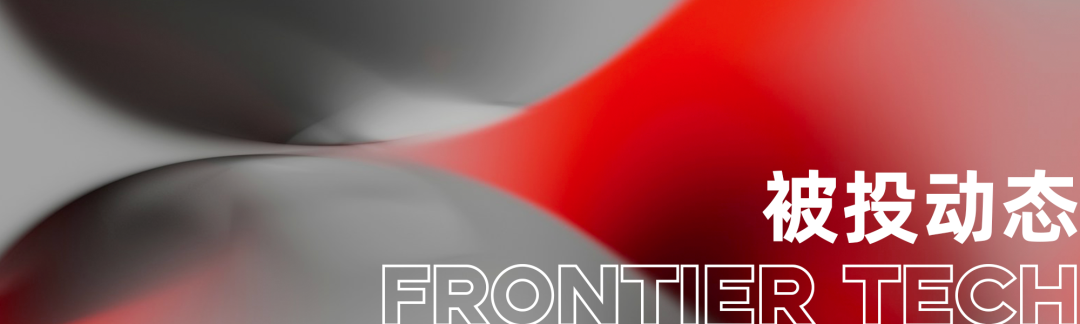
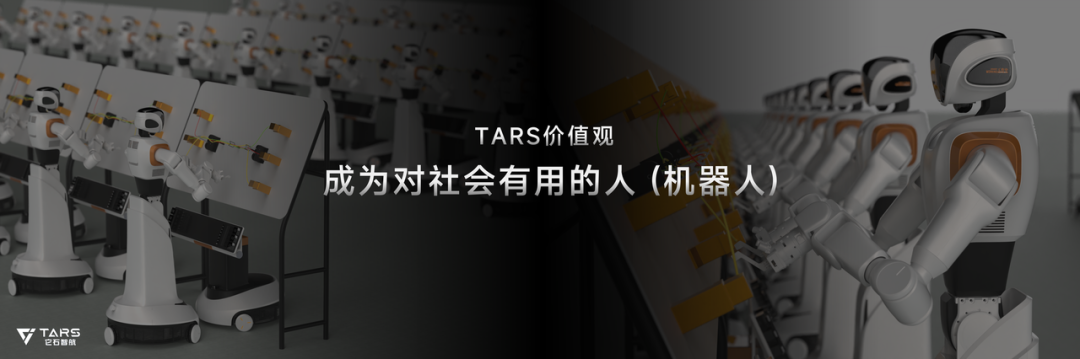
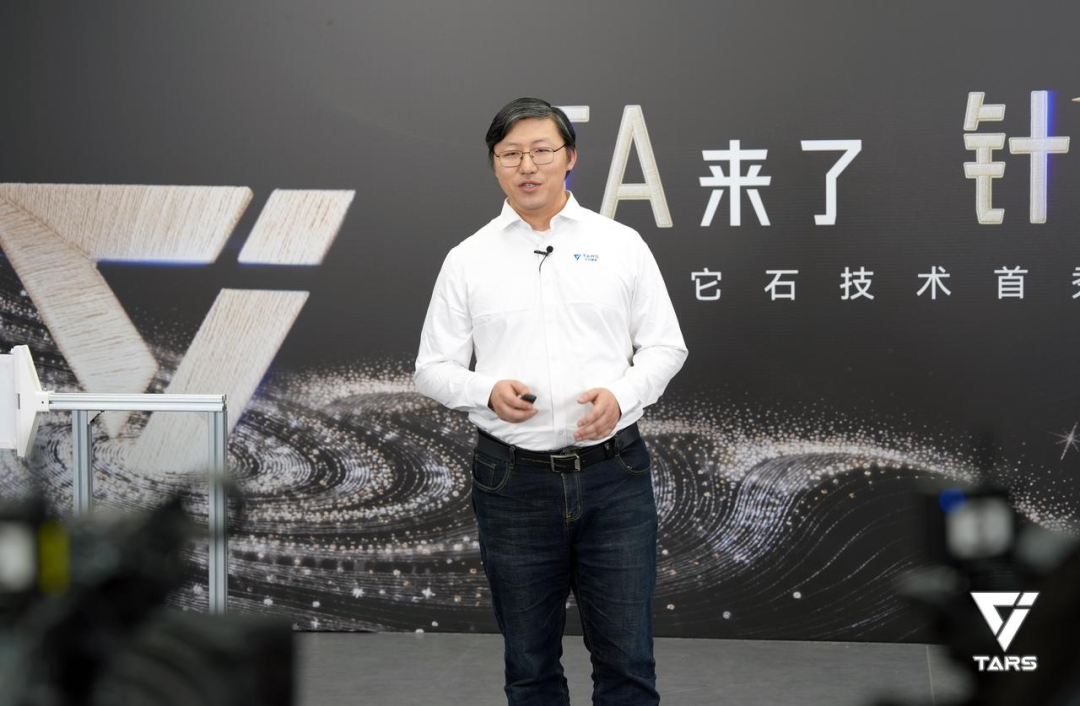
Last Friday, Tashi Intelligence — founded just ten months ago — held a livestream debuting its full-stack technology. In less than a year, the company has already put its core algorithms into production and completed continuous performance upgrades to its robotic platform.
During the livestream, the company unveiled the world's first robot capable of autonomous embroidery, demonstrating that by cracking flexible precision manufacturing, it had solved wire harness assembly — the "Goldbach conjecture" of industrial automation — and delivered a verifiable, replicable industrial-grade proof point for the industrialization of embodied intelligence Scaling Law.
Linear Capital was the angel-round investor in Tashi Intelligence and doubled down in the angel-plus round. We look forward to more news of technical iteration and industrial deployment from Tashi as the embodied intelligence industry moves through this critical window from "technical concept" to "scaled utility."
On December 19, Tashi Intelligence held its technology debut livestream. During the event, the world's first robot capable of autonomous embroidery made its official appearance, coupling technology and innovation through sub-millimeter precision manipulation.
When the "needle artistry" of fingertip embroidery gains the "real capability" to migrate to industrial scenarios, Tashi has cracked flexible precision manufacturing and solved wire harness assembly — the "Goldbach conjecture" of industrial automation. This is not merely a single-scene success; it provides a verifiable, replicable industrial-grade proof point for the industrialization of embodied intelligence Scaling Law.
Behind this cross-scenario technical leap lies Tashi's core commitment to technological value: building trusted AI robotics solutions. As founder and CEO Dr. Chen Yilun shared during the livestream: "The ultimate test of all technology is whether it can produce truly reliable, efficient, and massively deployable 'useful' robots."
At the live event, Tashi showcased the world's first robot to complete hand embroidery. Through fine control of the needle, it executed the complex, precise embroidery workflow with fluid threading, insertion, and piercing motions, ultimately producing the Tashi Intelligence logo — a vivid demonstration of its breakthrough capabilities in flexible material manipulation and extreme operational precision.
This was no simple embroidery demonstration, but rather a "hexagonal capability verification" of fine, complex, long-horizon manipulation tasks. The demonstration highlighted multiple core competencies: sub-millimeter ultra-high precision, flexible and coordinated bimanual collaboration, precise handling of flexible object properties, delicate force-touch control, and high success-rate execution across complex long-horizon tasks.
Beyond the embroidery demo, Tashi further demonstrated the real-world deployment of flexible precision manipulation technology in industrial scenarios, becoming the first company globally to solve wire harness manufacturing with robotics. In doing so, Tashi successfully transcended the capability boundaries of traditional industrial robots on complex flexible tasks, achieving autonomous wire harness assembly and opening a new technical path and practical paradigm for intelligent upgrading in high-end manufacturing.
So why was Tashi alone able to cross this technical boundary long considered "impossible to automate"? At the live event, Dr. Chen Yilun gave the answer: a systematic DATA – AI – PHYSICS solution.
First, a human-centric embodied data and model paradigm.
Through hardware-level innovation, Tashi built SenseHub, a lightweight, multi-modal, wearable embodied data collection system that allows data acquisition to integrate naturally into real production and living scenarios. The system deeply fuses visual, tactile, and hand-motion data, continuously recording authentic, high-quality operational behaviors without altering human working methods or requiring additional collection environments. In short: what you see is what you sense; what you move is what you learn.
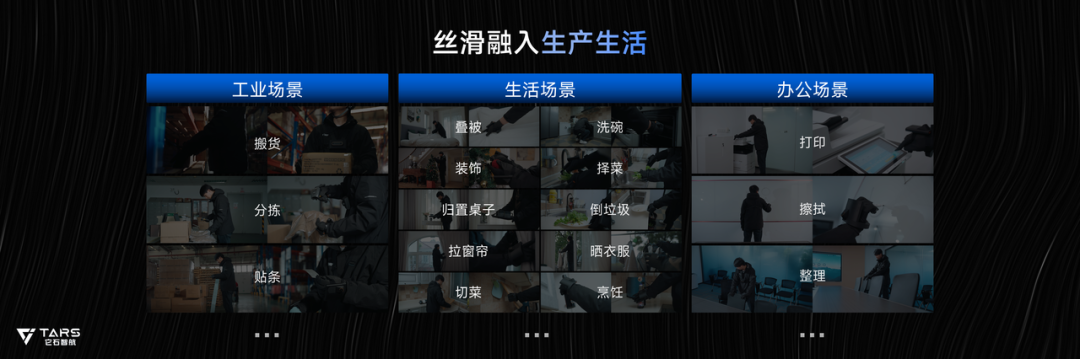
Second, based on massive real-world data, building the embodied foundation model — TARS AWE (AI World Engine) 2.0.
Through spatial perception pre-training, it constructs the robot's cognitive model of the world; through whole-body end-to-end learning, each step achieves precise execution. One grain of sand, one world — all phenomena converge. Every action is no longer an isolated technique but becomes an entry point to the entire physical world, truly making Scaling Law possible. Its powerful generalization capabilities enable core skills to migrate efficiently across different scenarios, clearing critical obstacles for scaled application of embodied intelligence.
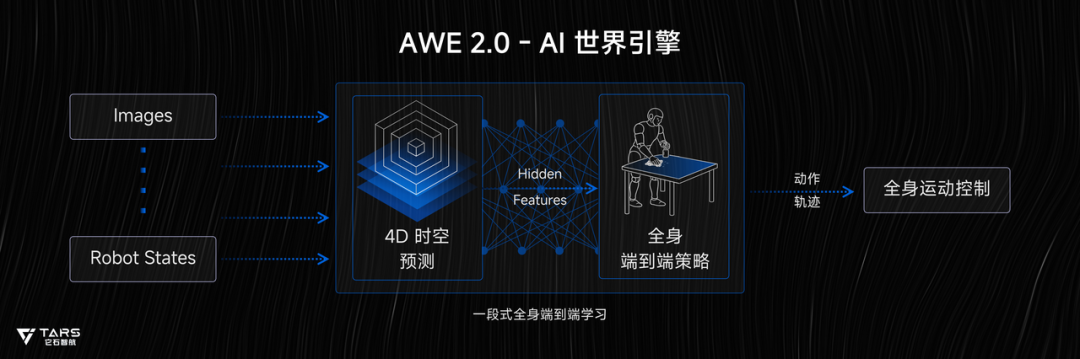
Tashi Chief Scientist Dr. Ding Wenchao stated: "With the massive data provided by SenseHub as our foundation and the AWE 2.0 model as our path, we have seen task success rates leap forward across multiple scenarios. As our data scale and model architecture continue to upgrade, we can foresee new breakthroughs in our robots' intelligence and generalization capabilities, ultimately landing in thousands of industries and millions of homes."
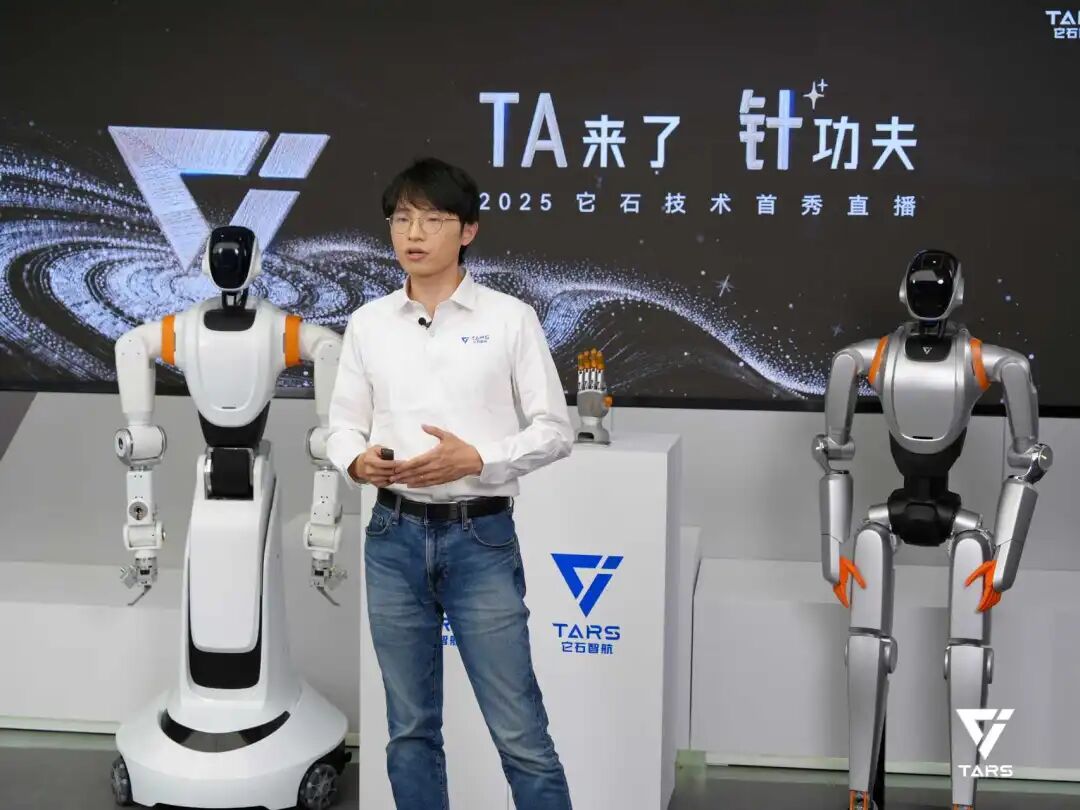
Third, an AI-native hardware system. Hardware does not simply "adapt to algorithms" but achieves zero-distance collaboration from digital to physical.
Unlike traditional hardware innovation focused on "performance for performance's sake," where the physical limits of hardware form the system's capability ceiling, Tashi chose a completely different path — hardware born for AI, where algorithmic capability continuously raises the system's upper limit.
The T-series and A-series robotic platforms unveiled at the event take "minimum Digital-To-Physical Gap" as their core design principle, becoming ideal vehicles for releasing embodied AI model performance. The complete system integrates full-stack self-developed core components and super-sensor arrays, enabling algorithmic capabilities from the digital world to be mapped precisely and stably into real physical operational scenarios.
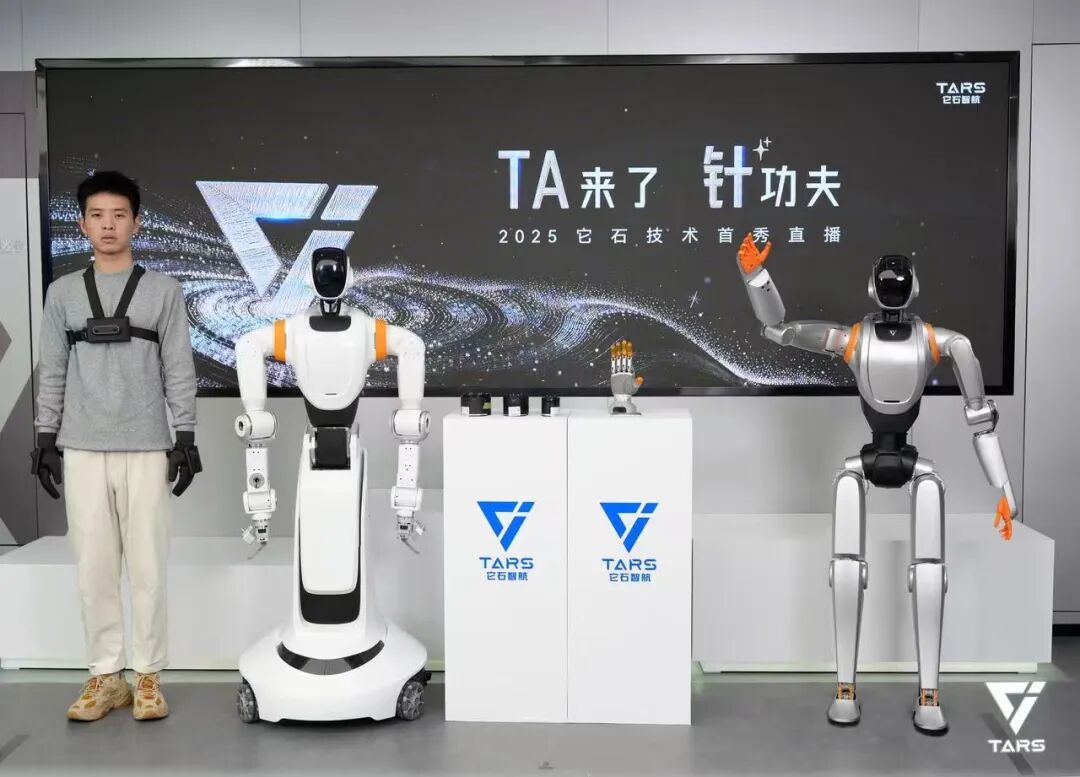
In this way, Tashi has completed the full technical closed loop from real data generation to intelligent decision-making to physical execution, providing a replicable, scalable, Scaling Law-compliant engineering path for embodied intelligence to truly enter production and daily life.
Tashi has always been clear: the ultimate goal of embodied intelligence is to enter homes and serve millions of households. Generalization is never simply "scenario migration" but rather the cumulative effect between data, models, and physical AI — accumulated only through long-term, continuous, real tasks in high-difficulty, high-value scenarios. From industry to home, from professional scenarios to general services, what Tashi is building is precisely a technical curve where generalization capability continuously improves with scale, possessing long-term compounding effects.
Since its founding on February 5, 2025, in less than a year, Tashi has already put its core algorithms into production and completed continuous performance upgrades to its robotic platform. In this critical window as the embodied intelligence industry moves from "technical concept" to "scaled utility," Tashi Intelligence is providing the industry with a clear, followable technical paradigm through its full-stack technical capabilities and real-scene achievements, and is driving the embodied intelligence industry toward its next decisive inflection point.