Kevin Kelly: In the Smart Glasses Race, I'd Bet on Chinese Companies Over Apple | Linear Portfolio

The answer for smart glasses lies in China.

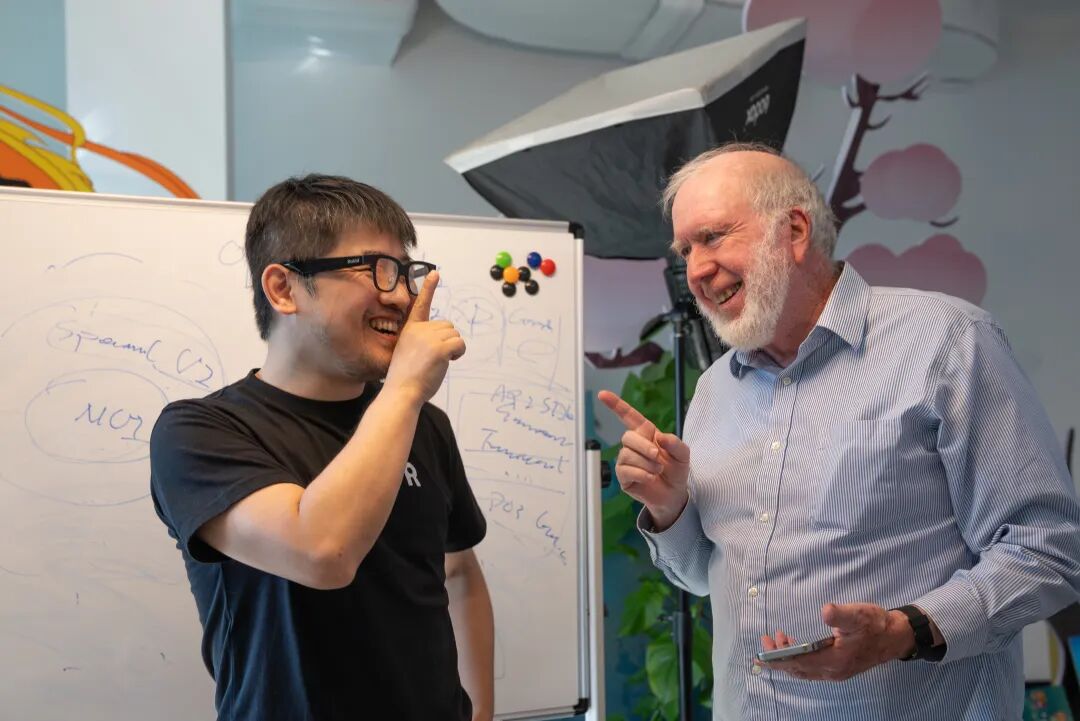
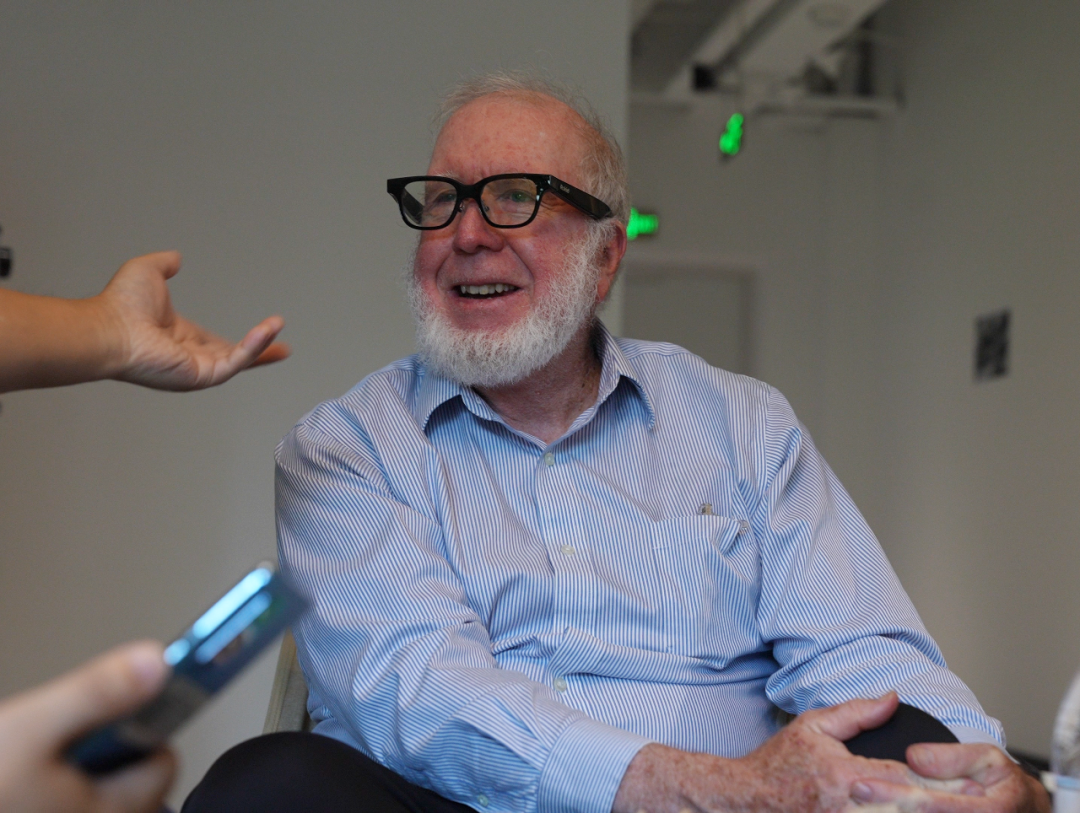
Recently, Kevin Kelly, founding editor of Wired magazine, visited Rokid during his China tour and sat down for a fireside chat with Rokid founder and CEO Mingming Zhu (Misa) at the Hangzhou Future Life Festival. During his keynote, KK mentioned Rokid twice in earnest, stating plainly that he "likes the form factor of smart glasses, just like Rokid."
Notably, on October 10, Rokid also announced that it had raised $3.61 million on Kickstarter, shattering the XR industry's crowdfunding record.
Linear Capital was Rokid's earliest investor, and has continued to back the company across multiple subsequent rounds. We look forward to seeing more intelligent terminal products, powered by AI and other technologies, usher us into a new world of the future.
On October 17, Kevin Kelly, founding editor of Wired magazine, and Mingming Zhu (Misa), founder and CEO of Rokid, held a fireside chat at the Hangzhou Future Life Festival. During his keynote, KK mentioned Rokid twice in earnest, stating that he "likes the form factor of smart glasses, just like Rokid."
The core concern of this conversation was not technology itself, but the people behind it — how we should coexist with the intelligence we create, and how we define ourselves in the process.
In The Inevitable, KK predicted the wave of "Screening," but he went further in envisioning "The Mirrorworld" — a mixed-reality space that maps precisely onto the physical world and overlays it with digital information.
He believes the future digital layer will no longer be isolated apps on a phone, but an interactive "world" seamlessly fused with reality.
The smartphone's small screen cannot carry the Mirrorworld; it severs reality from the digital. Smart glasses like Rokid are the most natural portal to build and enter the Mirrorworld. Through see-through technology, they anchor digital information and virtual objects directly in the real environment, achieving what KK prophesied: "reality itself becomes the interface."
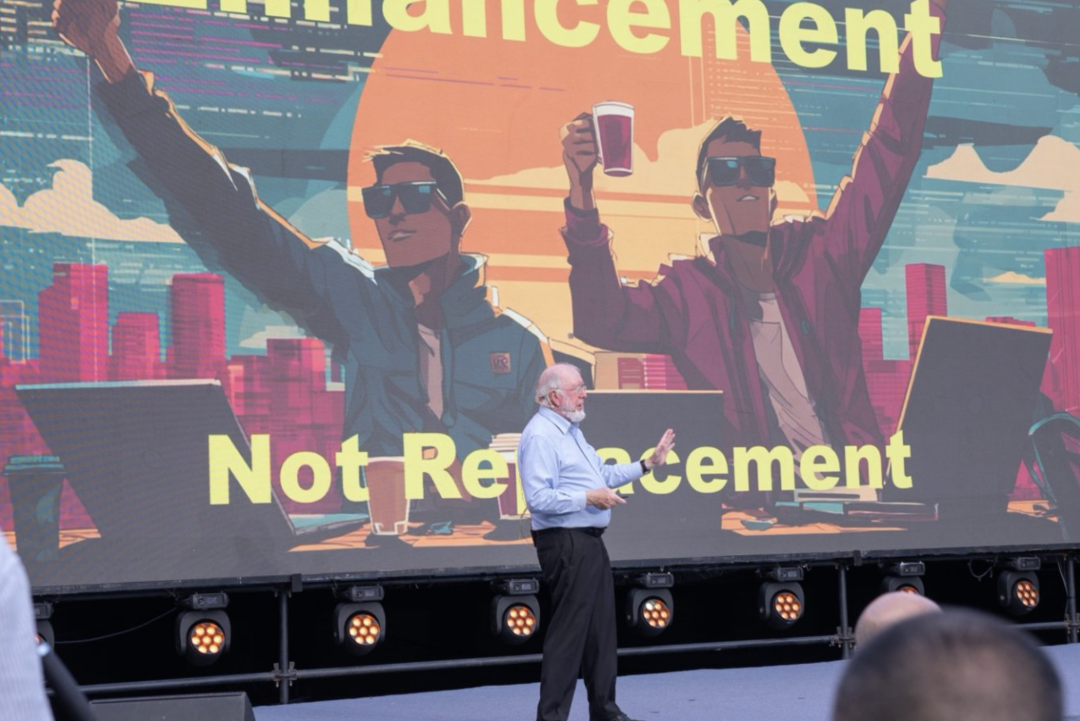
The smartphone market is already a mature center, while smart glasses are in what KK calls the "becoming" stage. They are full of possibility, with the potential to become a new computing platform integrating communication, entertainment, work, and navigation. KK's optimism about Rokid stems from seeing a pioneer innovating in the "becoming" and attempting to define this future form factor.
What Kevin Kelly sees is the path that Rokid represents — a necessary road to the Mirrorworld, a civilizational experiment in building more harmonious human-machine relationships.
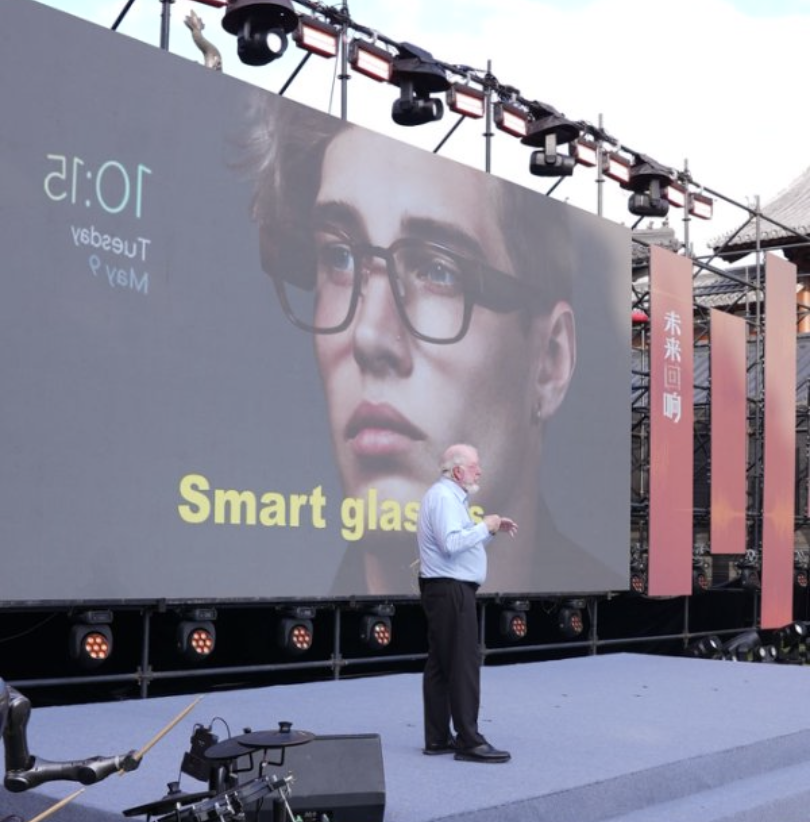
KK has publicly stated that "smart glasses will be the next iPhone, and if I were to place a bet, I'd probably wager on a Chinese company winning, not Apple." In his speech that day, KK mentioned more than once that he "likes Chinese companies, likes the form factor of smart glasses, just like Rokid."
Chinese companies possess an "agile ecosystem advantage." They sit closer to the world's largest, most diverse, and most tech-tolerant consumer market. This allows them to iterate products and explore use cases with greater speed and lower cost. From phones to smart glasses, Chinese companies are rapidly testing a series of products, searching for the "killer app" that will ignite the mass market.

China has the world's most complete and flexible consumer electronics supply chain. This means Chinese companies can transform innovative ideas into mass-produced products with astonishing efficiency — a decisive advantage in hardware, where rapid evolution is essential.
Chinese companies also tend to be more inclined to build or join an open ecosystem, collaborating with developers, content creators, and enterprise partners across industries to explore possibilities together.
KK's prophesied bet on China is not empty rhetoric, but an affirmation of the innovation path chosen by Chinese tech companies like Rokid.
Notably, Rokid also recently announced that its Rokid glasses raised $3.61 million on Kickstarter, breaking the XR industry's crowdfunding record. According to reports, this figure surpassed previous crowdfunding records held by products such as Ray-Ban Meta smart glasses, making it the most successful AR glasses project on global crowdfunding platforms.
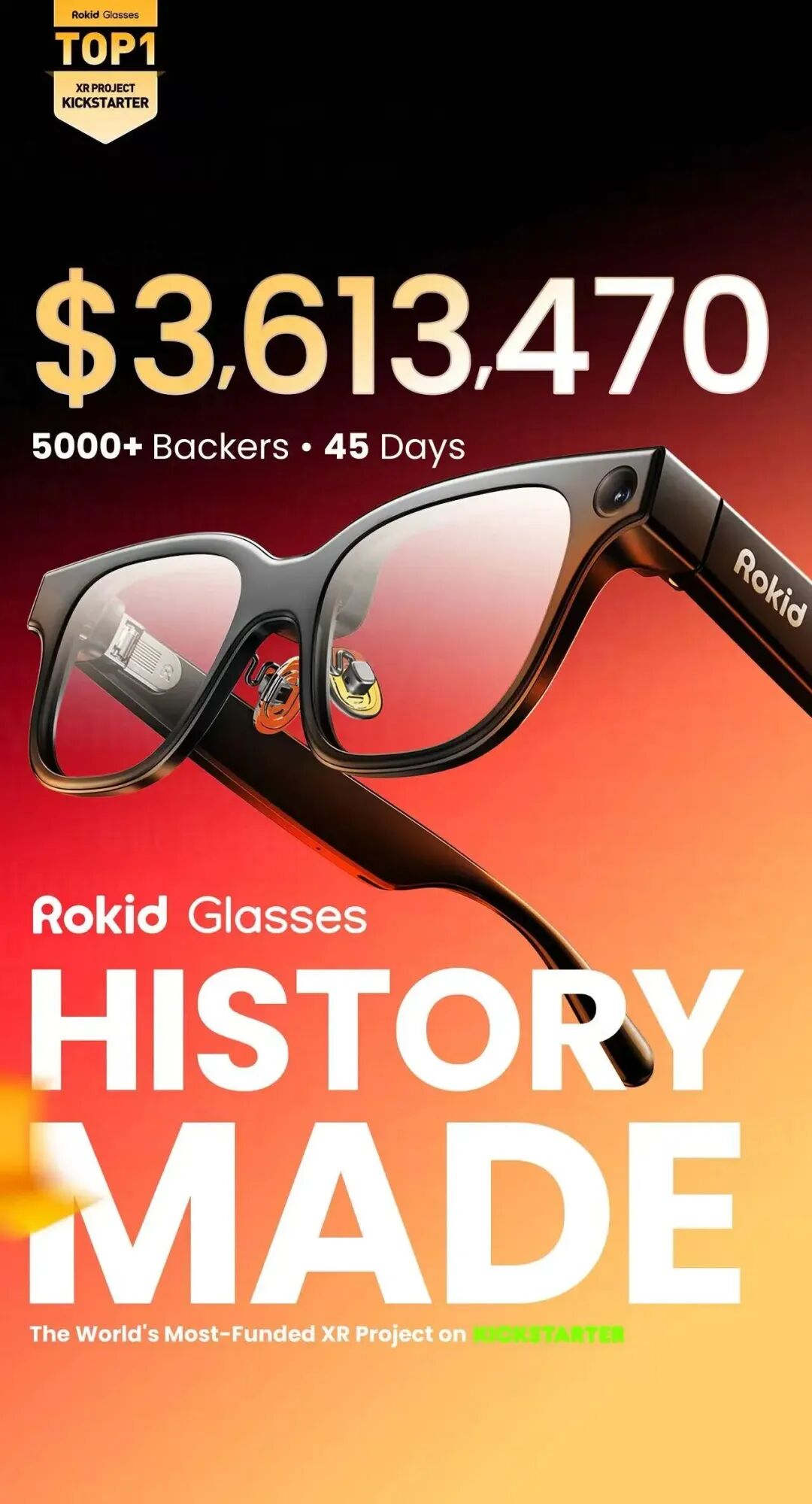
Chinese companies are gaining global attention at a remarkable pace of growth.
Earlier, during his visit to Rokid, KK also had an in-depth conversation with founder and CEO Misa about artificial intelligence and humanity's future. In the exchange, KK clearly expressed his optimism about the smart glasses form factor and his recognition of Rokid — a judgment grounded in KK's profound insight into paradigms of technological innovation.
Going forward, Rokid will continue to deepen the integration of AR and AI, pushing smart glasses from geek toys toward everyday mass adoption, and making the "next iPhone moment" arrive first in China.
Rokid believes that the future of smart glasses will not be born in a pristine lab on the West Coast, but will grow from China's vibrant, trial-and-error-embracing soil, deeply connected to global markets. What they are doing is not chasing Apple, but pioneering a future that even Apple may not have seen.