Linear Capital's New Year Reading List Is Now Open Source — Trading Cognitive Upgrades with You | Linear Recommend
Capturing new signals at the cross-entropy of technology and the humanities.

With Spring Festival approaching, what's your plan to recharge — body and mind?
In the week before the new year, we're "open-sourcing" a Linear Capital reading list — a collection of books that inspired our team over the past year, recommended for you.
We've also prepared 10 Linear New Year gifts — annual WeChat Read memberships — for friends who swap book recommendations in the comments, unlocking a year of free access to nearly 250,000 published titles. Together, in the cross-entropy of technology and the humanities, let's capture those marginal signals that may determine long-term value.
Code iterates, models train, and the underlying logic through which we understand the world demands equally sustained, deep input.
Over the past year, in the interstices of exploring early-stage tech investing, the Linear team dove into pages, continuously hunting for new cognitive patches. Across the vast ocean of books, we sought not just answers, but mental frameworks for asking better questions.
In this list, the Linear team shares books that inspired us this year. There are no "must-reads" here — only honest, personal recommendations from books that genuinely moved us and quietly shifted how we see technology, business, and the human condition.
We're open-sourcing this New Year reading list, and hoping to exchange one recommendation from your year as well. In the Spring Festival holiday ahead, may we all capture those marginal signals that may determine long-term value — in the cross-entropy of technology and the humanities.
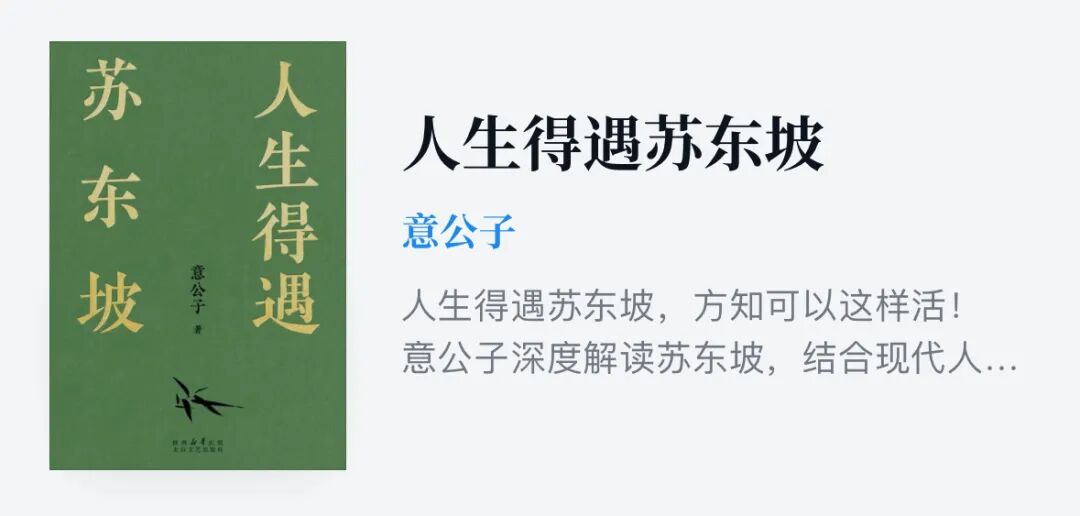
Meeting Su Shi in This Life
Recommended by: Harry Wang
Reading this book offers a kind of psychological resonance across time and space. Su Shi spent his life demonstrating: when extraordinary talent collides with the极限施压 of fate, how does one rebuild the order of living amid hardship? From the "Eastern Slope" of Huangzhou to the lychee groves of Lingnan, he found joy in suffering, using equanimity to confront impermanence.
For those of us in high-pressure, volatile times, the philosophy of Dongpo is the best psychological anchor: it teaches us to maintain inner looseness at the eye of the storm, letting life take root with interest in any circumstance. As the saying goes: Looking back at the bleak passage I've come through, there's neither wind nor rain, nor clear skies.
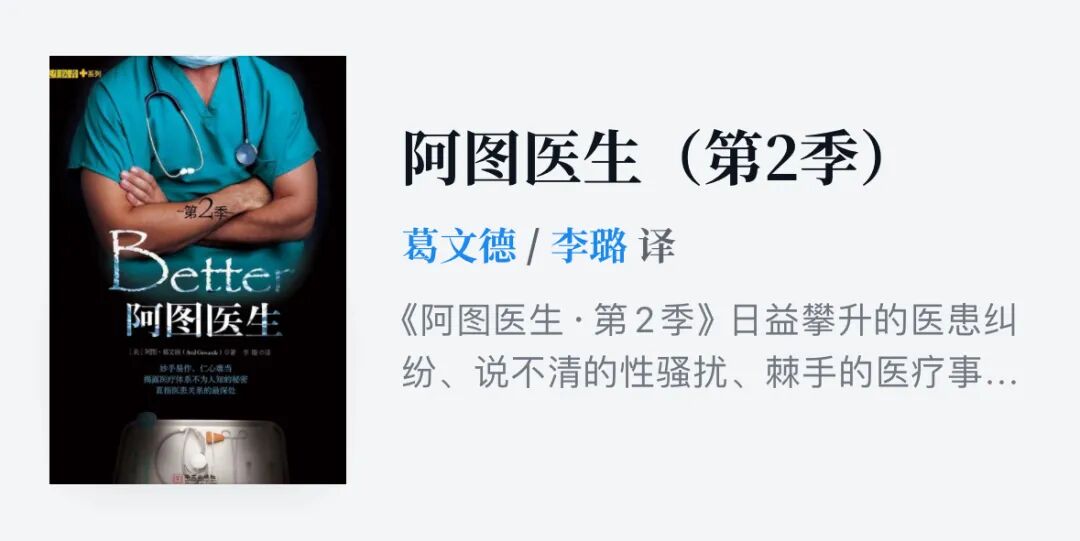
Better: A Surgeon's Notes on Performance
Recommended by: Zeng Yingzhe
The book proposes a view that seems simple yet carries tremendous force: experience alone does not naturally lead to improvement. Without clear standards, continuous feedback, and adjustment mechanisms, experience only solidifies the status quo rather than elevating performance.
The author uses surgeons as an example: those who truly improve continuously are not the most senior, but those who constantly receive guidance, compare outcomes, and repeatedly refine details. This is illuminating for education, management, investing, even entrepreneurship — often we assume "time will bring answers," but real breakthroughs usually stem from deliberate practice and high-quality feedback.
The book contains no complex theory, yet offers a powerfully first-principles perspective: breaking performance down into measurable, feedback-driven, adjustable processes.
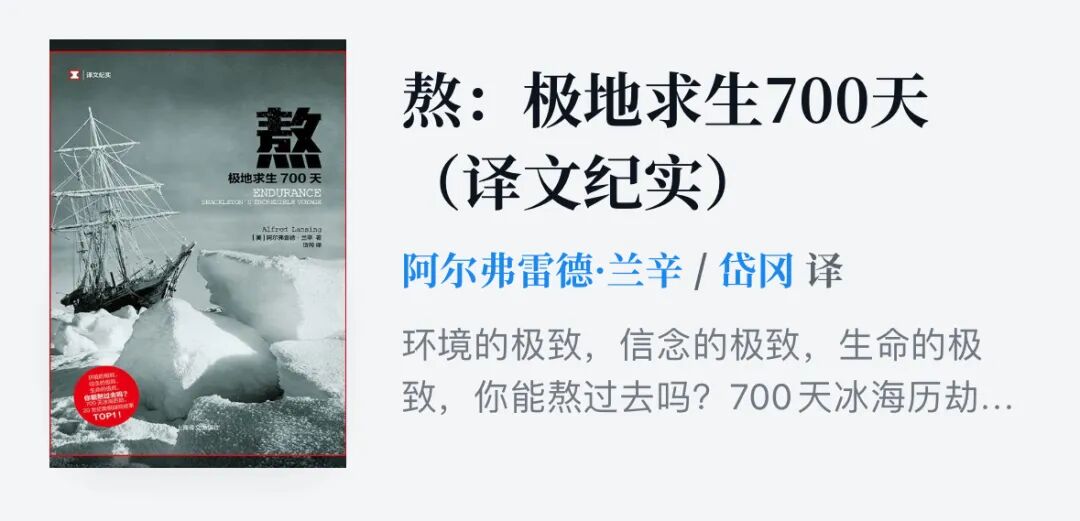
Endurance: Shackleton's Incredible Voyage
Recommended by: Yang Jun
The best book I've read this year. Though I've known Shackleton's Antarctic survival story for years, reading this day-by-day account of that 700-day surreal ordeal still profoundly shook me.
A fascinating paradox: this grand journey of extreme adventure at the macro level was built upon countless extremely rational decisions at the micro level. This dialectical unity of adventure and rationality bears striking resemblance to the journey of a great startup.
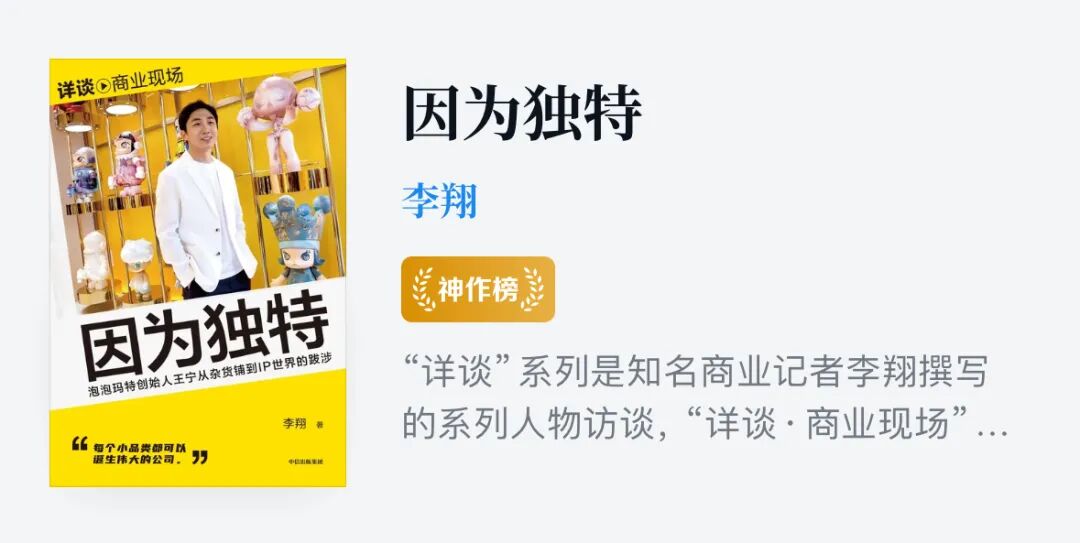
Because of Uniqueness
Recommended by: Zheng Can
Reading this book means reading a company many knew but few truly understood for a long time — and reading an outlier founder.
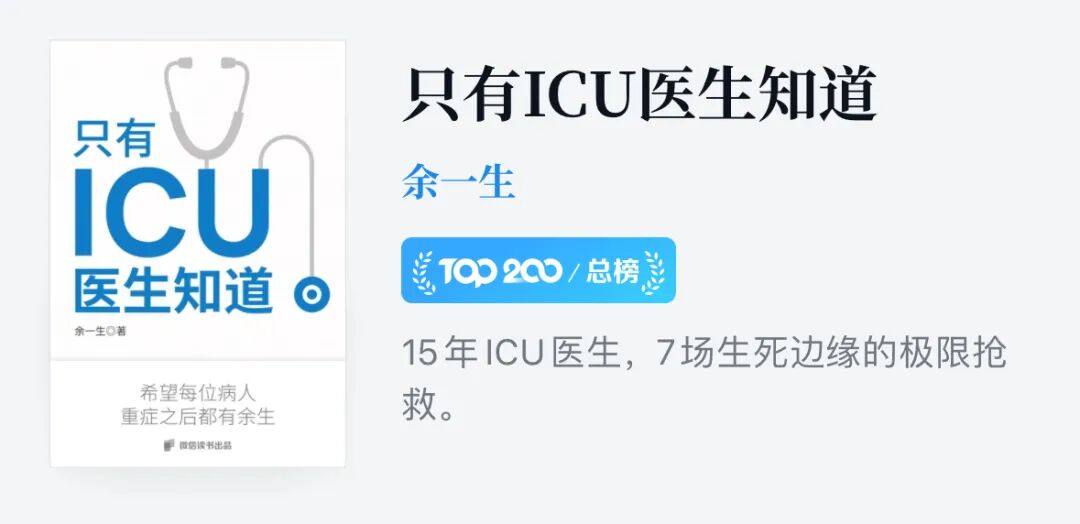
What Only ICU Doctors Know
Recommended by: Bai Zeren
In the span of one flight, enter seven extreme resuscitations at the edge of life and death. In moments of direct confrontation with fate, witness real fear, calm, and courage — and relearn the weight of life itself, learning to embrace living with clearer eyes and braver heart.
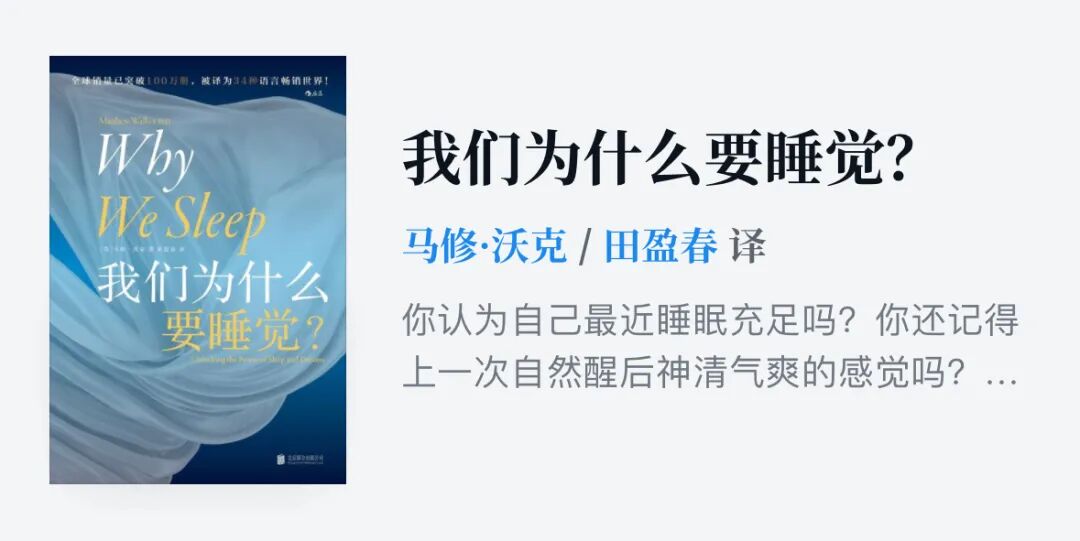
Why We Sleep
Recommended by: Dong Dunmin
Sleep occupies one-third of human life, yet its importance is constantly overlooked. Neuroscientist Matthew Walker gathers the latest sleep research, revealing sleep's profound impact on physical health, emotional regulation, memory, and creativity — helping readers understand "why we sleep" and learn how to sleep better.
The Lychees of Chang'an
Recommended by: Zhou Tianyi
A seemingly impossible, even absurd task, completed by a determined idealist who exhausted every possible method — is this not itself a great "startup" story? Also recommended: Nobody, the animated film that is, in its own way, another Lychees of Chang'an.

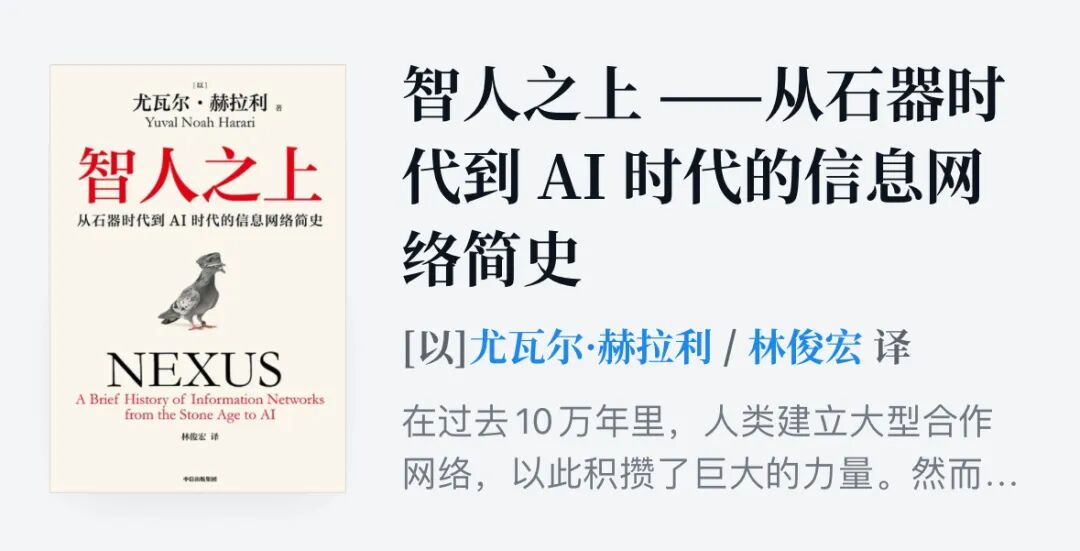
Nexus: A Brief History of Information Networks from the Stone Age to AI
Recommended by: Xiang Zheng
The most immediate feeling from this new wave of AI explosion is that it has thoroughly embedded itself in our workflow. As algorithms begin deeply participating in decision-making, that 1990s quip about "robots replacing humans" has once again become a serious question of our era.
The author offers a cold-eyed perspective: AI is not merely a more powerful tool, but an autonomous "new agent" reshaping our information networks and decision logic. When algorithms cease to be merely assistive, how do we as Homo sapiens situate ourselves? If you too feel a flicker of confusion amid the sprinting iteration of technology, this book helps you step outside specific business contexts and examine the future from another dimension.
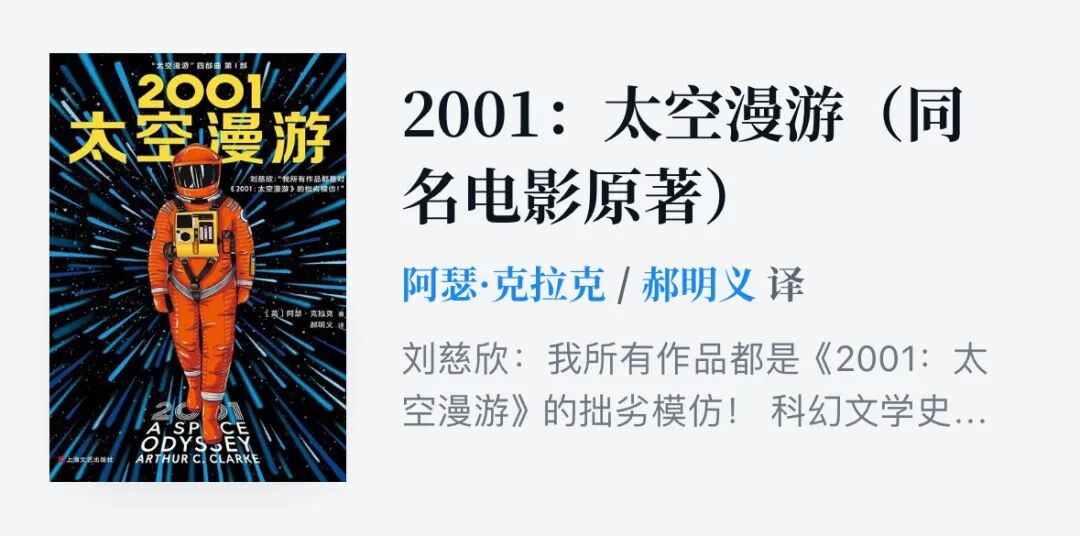
2001: A Space Odyssey
Recommended by: Hu Haitao
A science fiction novel published in 1968, yet still feels ahead of its time in 2026. As we discuss AGI, world models, and agent networks, author Arthur C. Clarke was already probing the ultimate question: what lies at the end of intelligence?
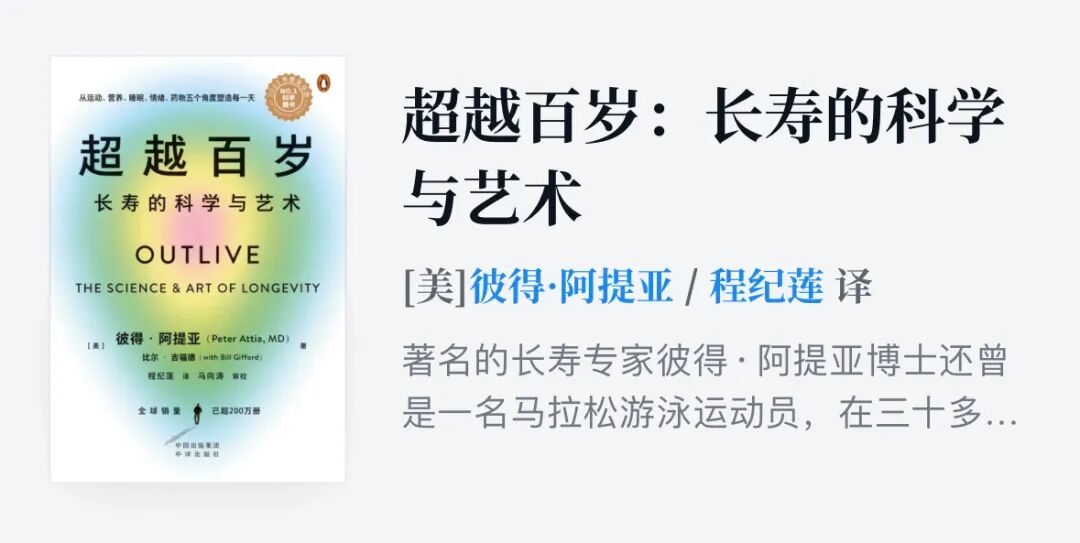
Outlive: The Science and Art of Longevity
Recommended by: Qian Li
A comprehensive technical manual on how to "age gracefully." Whereas traditional medicine focuses on "after-the-fact repair" when things break down, the author reconstructs the roadmap for life quality with hardcore logic, helping you bid farewell to the "blind box" life of passively waiting for aging.
In this era of uncertainty, only the compounding effect of health remains truly real. Reject "system crashes" — learn to build life's deepest moat through scientific management.
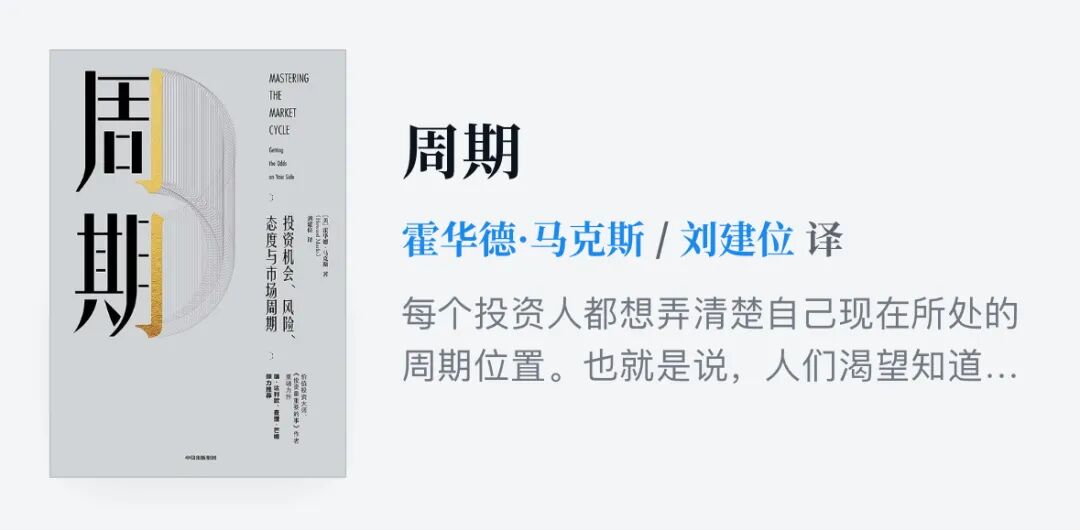
Mastering the Market Cycle
Recommended by: Fang Han
A book I return to almost every year, especially valuable for self-reflection on where we stand when uncertainty intensifies. The patterns are simple, but knowing is easier than doing. There is nothing new under the sun; only after personally experiencing several cycles of market rises and falls, emotional swings, and the back-and-forth of human nature can one more deeply grasp the forces behind cycles.
Everyone is welcome to share in the comments:
"The book that inspired you most this year"
We will gift one WeChat Read annual membership each to the 10 commenters with the most likes.
Deadline: 12:00, February 13, 2026