Even Realities: A Good Pair of Glasses, and the Beginning of a New Category

How a Pair of Camera-Free Smart Glasses Became a Unicorn



On July 6, Even Realities announced it had raised $150 million in a Pre-B round at a post-money valuation exceeding $1 billion. The round was led by Meituan Longzhu and Meituan Strategic Investment, with existing shareholders Tencent and Yuanyi participating above their pro-rata.
This marks the first time Even Realities has officially disclosed its funding history.
At the end of 2024, Monolith invested in Even Realities during its Series A, then doubled down in the subsequent round. When we made that first investment, the previous wave of AR glasses hype had just subsided, and the market had grown deeply cautious about smart glasses as a category. What we believed was that this company had a shot at defining a new product paradigm: everyday wearable display glasses.
Today, that thesis is beginning to prove out.
Even G2 users wear the device an average of 8 to 10 hours per day, with weekly active usage above 90% and daily active usage between 60% and 70%. For smart hardware, the metric that matters isn't how splashy the launch event was — it's where the device ends up once the novelty wears off:
On the user's face, or in a drawer?
Key Facts
#01
Even Realities has cracked the overseas premium eyewear market.
Founded at the end of 2023, Even Realities has since the G1 launch partnered with over 400 premium eyewear retailers across more than 30 countries and regions. Offline sales account for roughly half of total volume, and the company has begun entering mainstream consumer electronics channels including Yodobashi.
#02
The full G2 customer transaction isn't cheap.
The G2 glasses themselves retail for $599, the R1 smart ring for $249, and with prescription lens customization, total spend for a complete user often exceeds $1,000. Even at this price point, G2 has sold in the hundreds of thousands of units.
Thanks to solid sales and premium pricing, Even Realities was profitable from its first product launch, with revenue accelerating further after the G2 release.
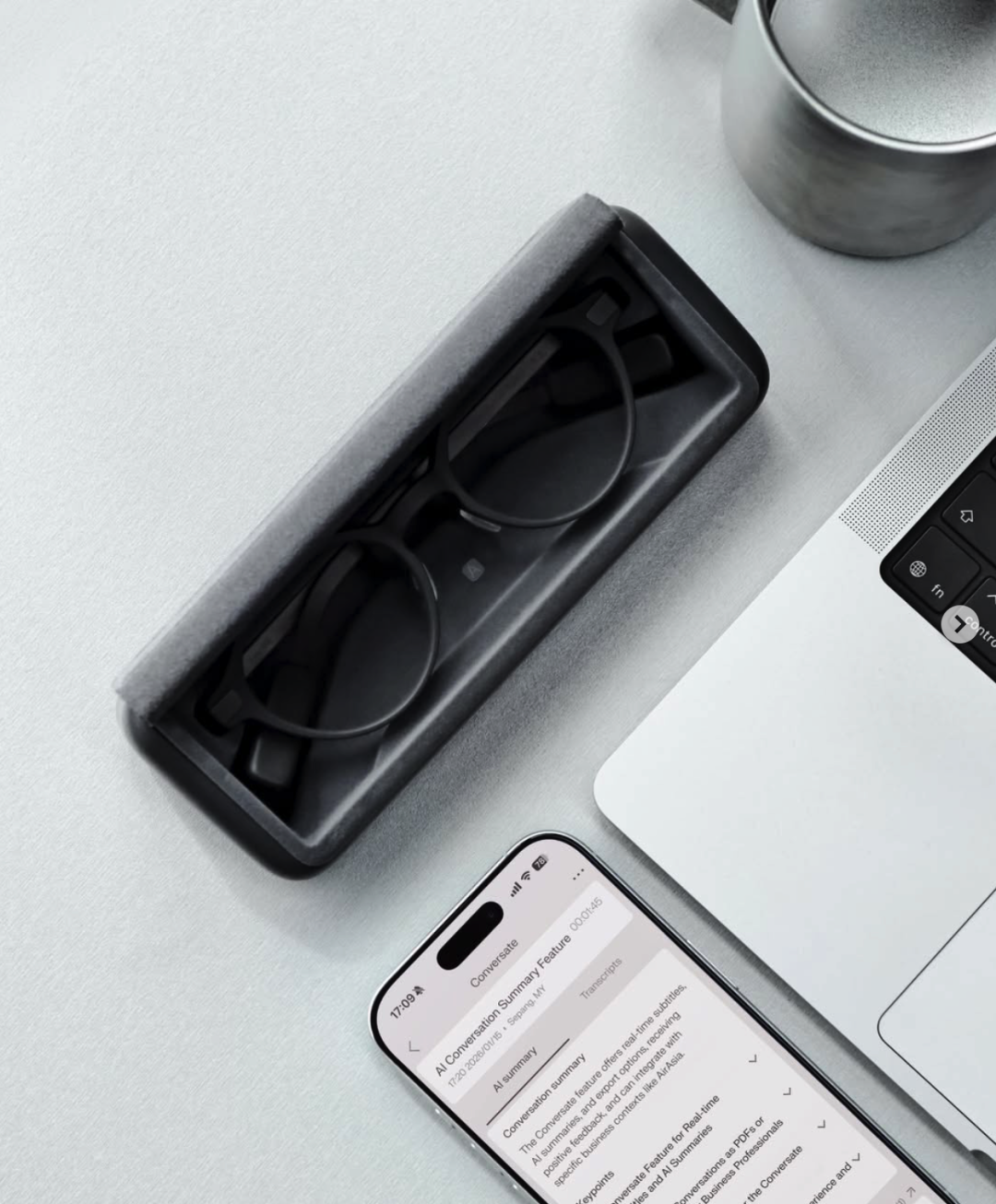
@Even Realities G2 A Smart Glasses
#03
It wins by subtraction, not feature stacking.
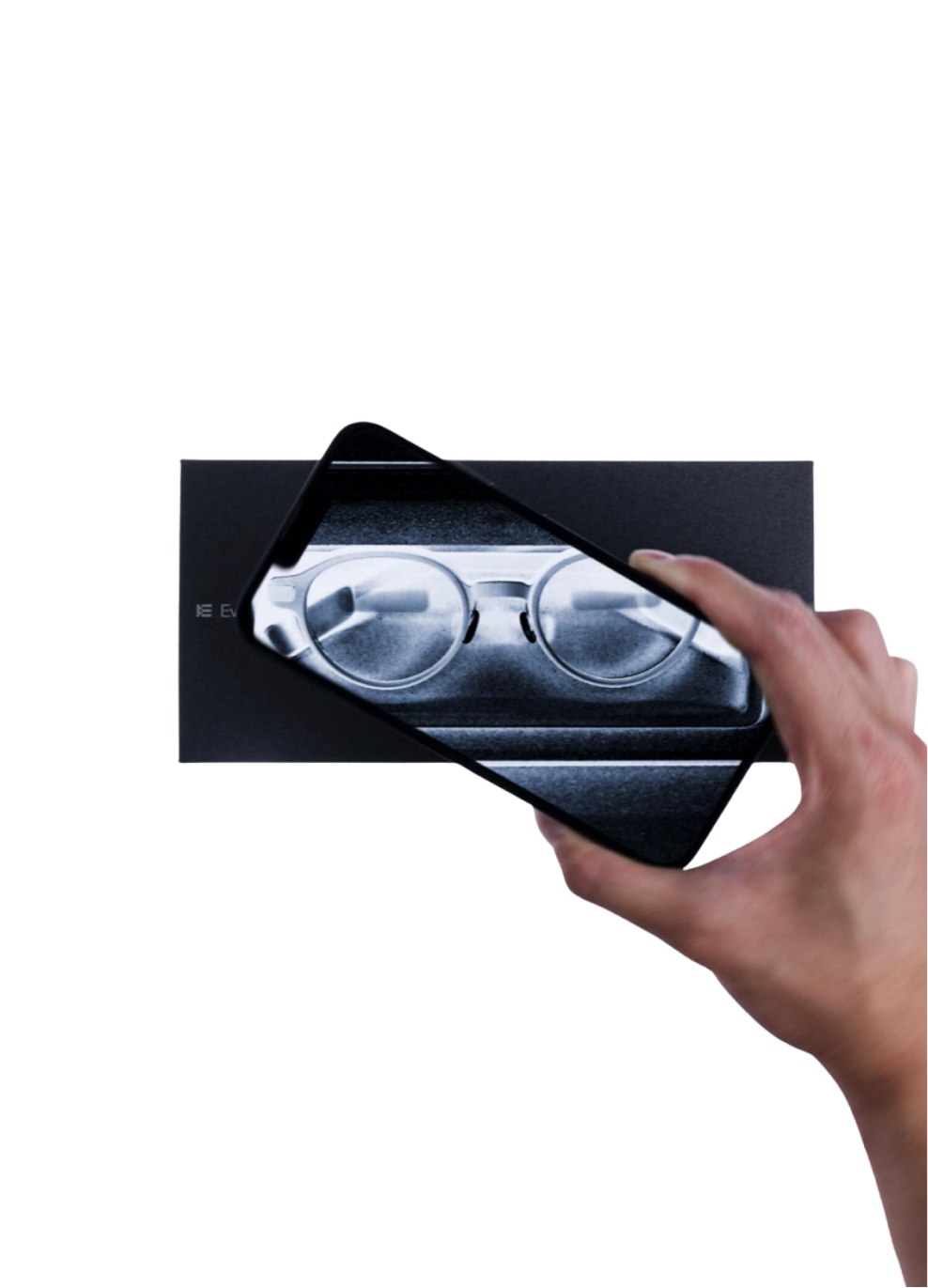
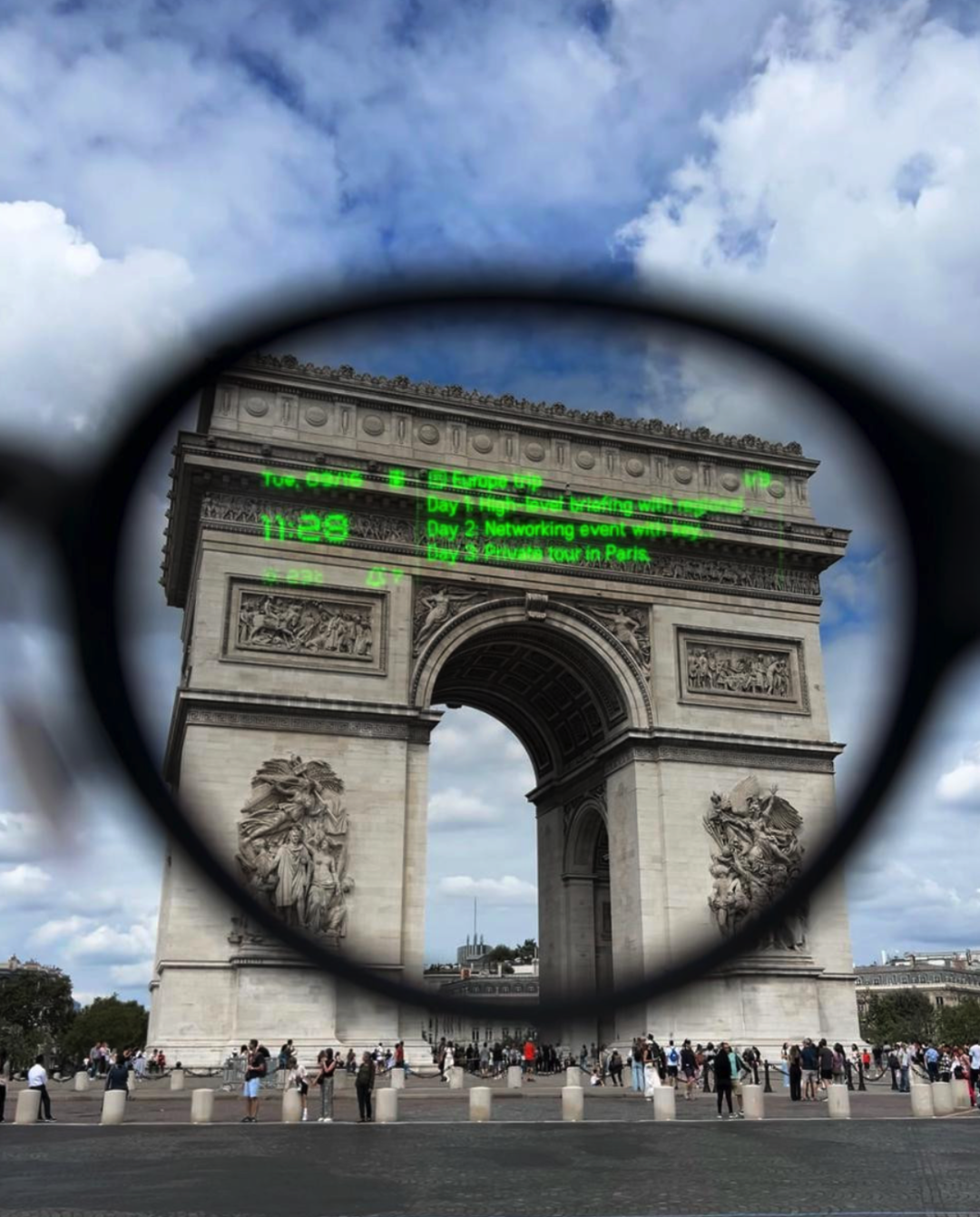
The G2 has no camera, no speaker, and no color display. It stripped out the features most tempting for storytelling and short-form video demos, retaining only a lightweight display system and a smart ring for interaction.
This seemed counterintuitive at the time, but it reflected the company's most critical product conviction: smart glasses must first be good glasses.
Even Realities founder Xiaoyi Wang is himself a heavy glasses user — 600-degree myopic, collecting premium frames since high school. He recognized early that glasses aren't just a hardware platform you casually perch on your face. Frame construction, materials, hinges, weight distribution, lens fabrication, and the fitting experience all determine whether someone will wear them daily.
"Our glasses have to be good glasses first. That's the baseline," Wang says.
Today, multiple manufacturers' new products are converging with the G1 and G2 on waveguide optics, frame shapes, and even the "no camera" choice — the subtraction strategy has been validated.
#04
G2 has found a clear early user base, and word of mouth is spreading organically among them.
Even Realities first caught fire in premium European and American eyewear boutiques, finance circles, and Silicon Valley. Its core users are primarily CXOs, mid-to-senior management, investors, sales professionals, and founders.
These people have high-frequency needs for face-to-face communication, cross-language interaction, meetings, presentations, and client visits. Translation, teleprompting, meeting notes, real-time reminders, and professional term explanations are all concrete work scenarios.
The R1 ring lets them execute these operations from their fingertips. In meetings and presentations, it's more discreet and faster than touching temple arms or voice activation.
This has transformed the G2 from an early tech toy into an everyday productivity device.



Celebrities at home and abroad wearing Even Realities G2
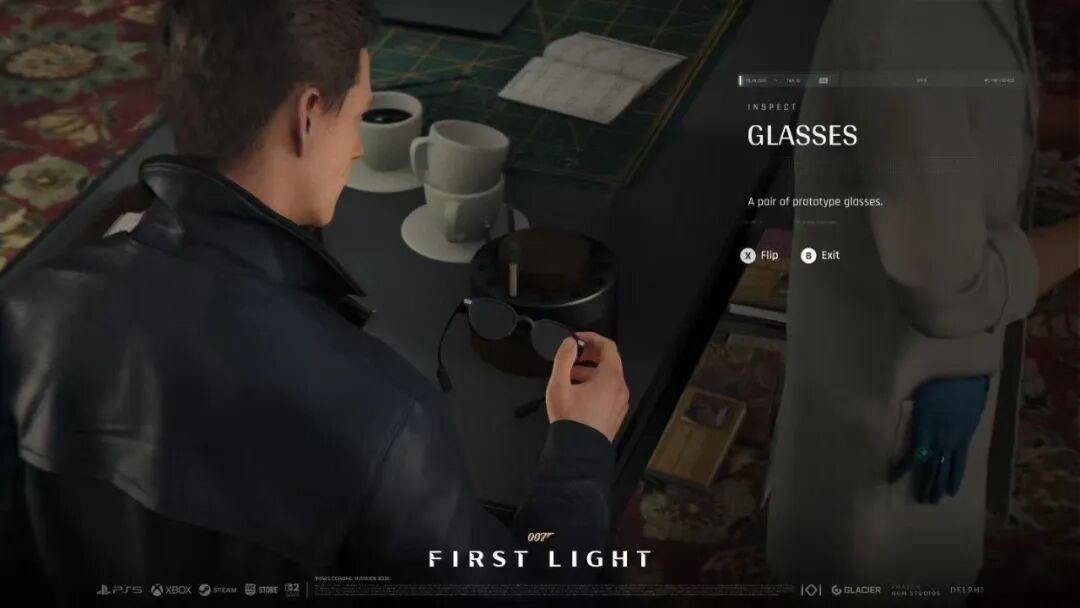
Notably, in this year's new 007 game release, the G2 was written in as a piece of Q Branch equipment.
Meanwhile, distribution is happening in a very old-fashioned way — The Joy Luck Club author Amy Tan wears her G2 daily for book signings, teleprompting, and reading lyrics; her friend, actor Steve Martin, subsequently bought a pair as his everyday glasses; Selena Gomez walked into a UK store and bought several at once. None of these were brand placements.
These are people more protective of their public image than almost anyone. Their willingness to be seen wearing it is the most substantive vote of confidence possible. After all, you can buy exposure with advertising — you can't buy a face that wears it out the door every day.
#05
G2 has grown from hardware product into an early ecosystem.
Whether a hardware category can sprout an ecosystem depends not on how many developers it has first, but on whether the device itself generates enough real usage hours.
In Q1 this year, Even Realities launched Even Hub, a third-party app store. Even Hub already hosts hundreds of publicly released developer apps, plus many more private apps users have built for themselves. People are bringing Notion, Claude Code, and other tools onto the small screen in front of their eyes, and using vibe coding to build little tools for specific personal scenarios.
This illustrates something: when smart glasses can actually be worn all day, many user needs grow organically.
A Larger Coordinate System
Even Realities' long-term goal is to "build a Chinese Apple."
This statement has specific meaning: the product must be consumer-grade — a category shipping 50 million-plus units annually, not a tool for a niche population. China's supply chain and manufacturing capabilities are already strong enough; what has truly been lacking is the product-definition mindset and the sustained consciousness to innovate at the category level.
The organization to support this ambition is taking shape. Even has expanded from several dozen people at the G1 stage to nearly 300, with offices extending from Shenzhen to Europe, and is actively hiring across AI agent applications, optics and hardware, and broad marketing.
Of course, the G2 is far from a final product. Its display remains restrained, its interaction still early, and its ecosystem just beginning to grow. Before true mass adoption, smart glasses still have a whole chain of problems to solve in hardware, interaction, and ecosystem.
What's different this time is that these problems can finally be addressed one by one — on a pair of glasses that people actually wear every day.