3.3 Kilometers, 40 Meters, 8 Months — After Reset, Back to the Sky | XinXing PORTFOLIO

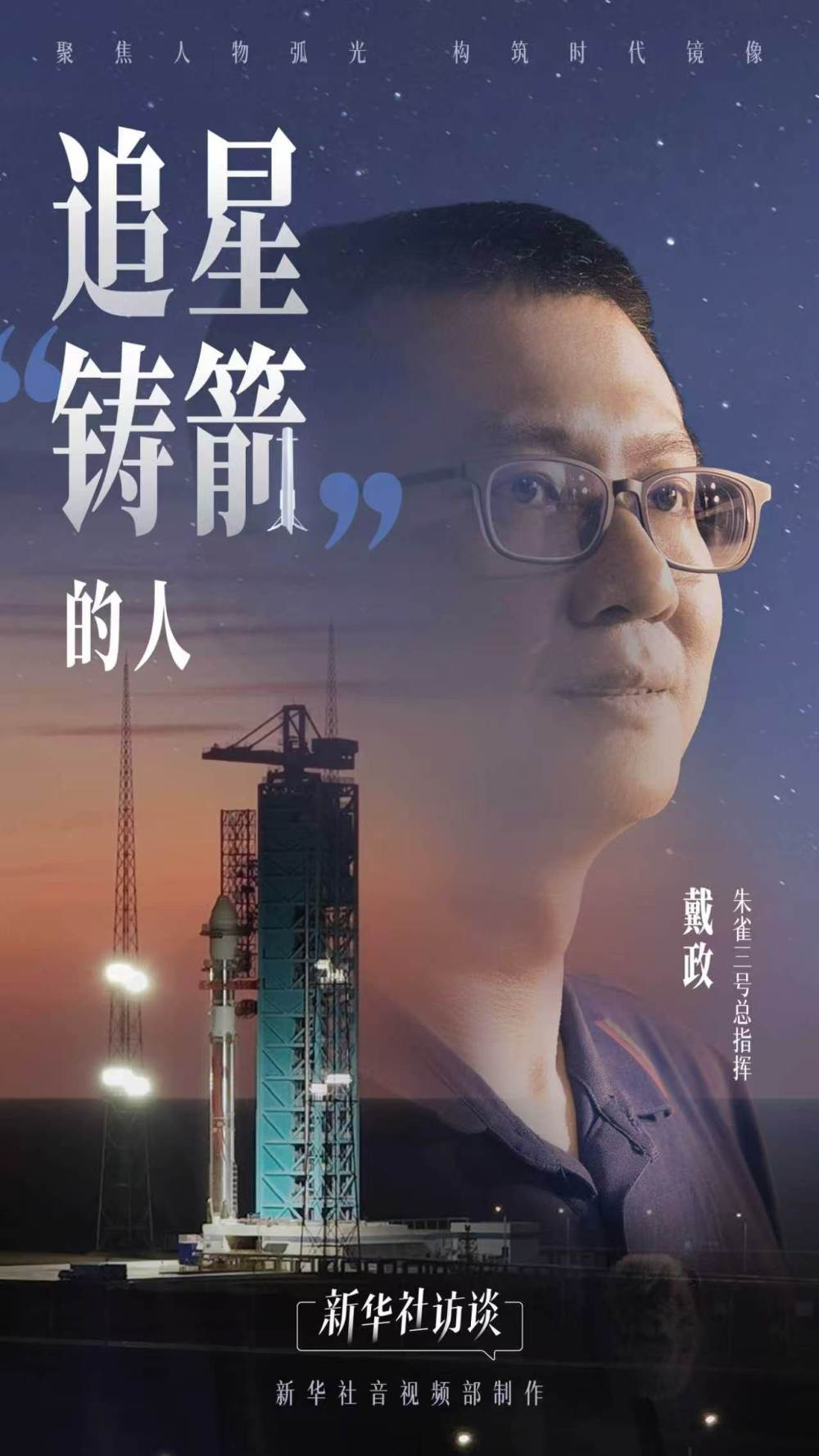
Xinhua News Agency Talks to LandSpace's Dai Zheng: From Building Rockets Independently to Round-Trip Space Travel — A Decade of Persistence by a Group of Chinese Engineers
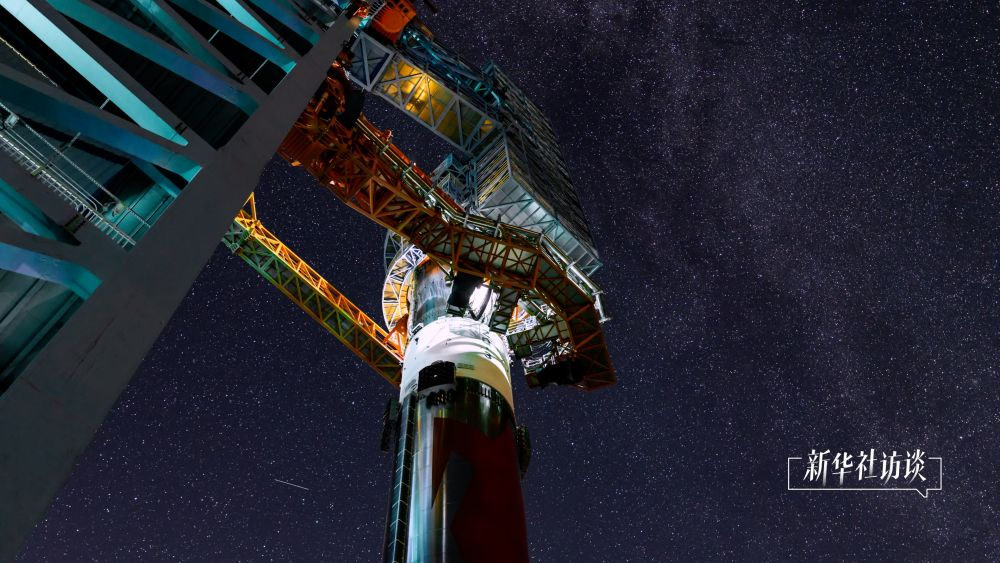
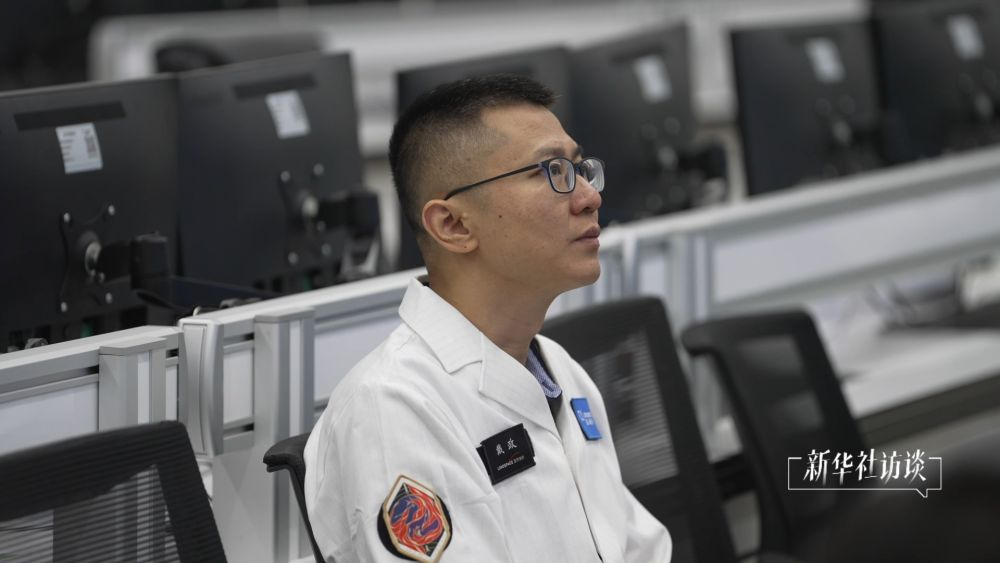
August 19, 2026 — the seventh day of the seventh lunar month, Chinese Valentine's Day. In the early morning breeze, a rocket named Zhuque-3 stood on the launch tower in the Gobi Desert of northwestern China, awaiting its ultimate test: not only to "get up there," but to "come back and land precisely." As chief commander of the rocket, Dai Zheng sat quietly in the control hall, eyes fixed on the countdown clock.
If successful, this would mark China's first-ever rocket land recovery and a major breakthrough in reusable rocket technology.
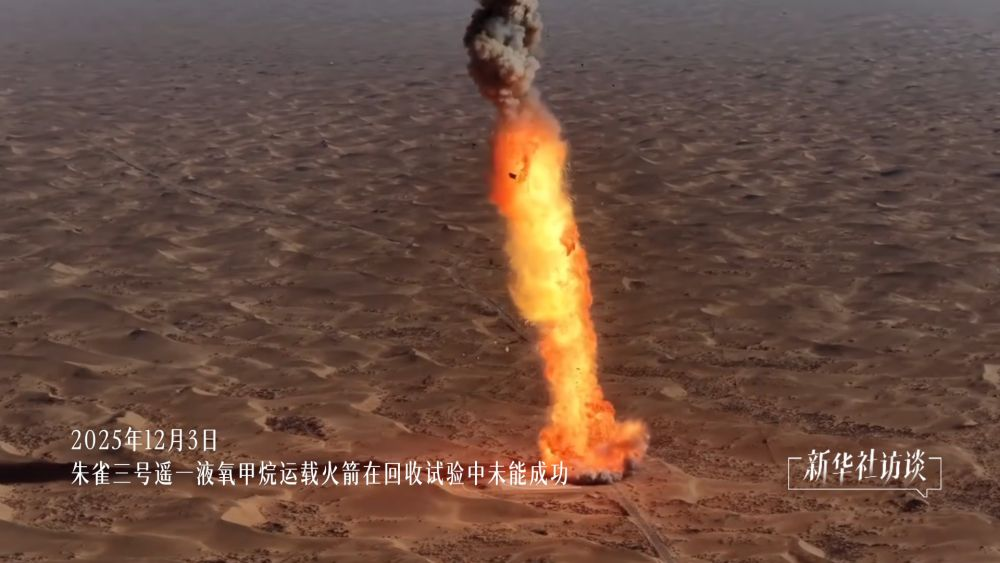
This wasn't Zhuque-3's first attempt at orbital insertion and first-stage recovery. In LandSpace's Beijing headquarters, a thousand kilometers away, a deformed grid fin stood on display. On December 3, 2025, it had launched aboard the Zhuque-3 Y1 rocket, then fallen back with the first stage, crushed and twisted.
What journey had Dai Zheng and Zhuque-3 traveled in those eight months? And where would this arrow, once loosed, fly now?
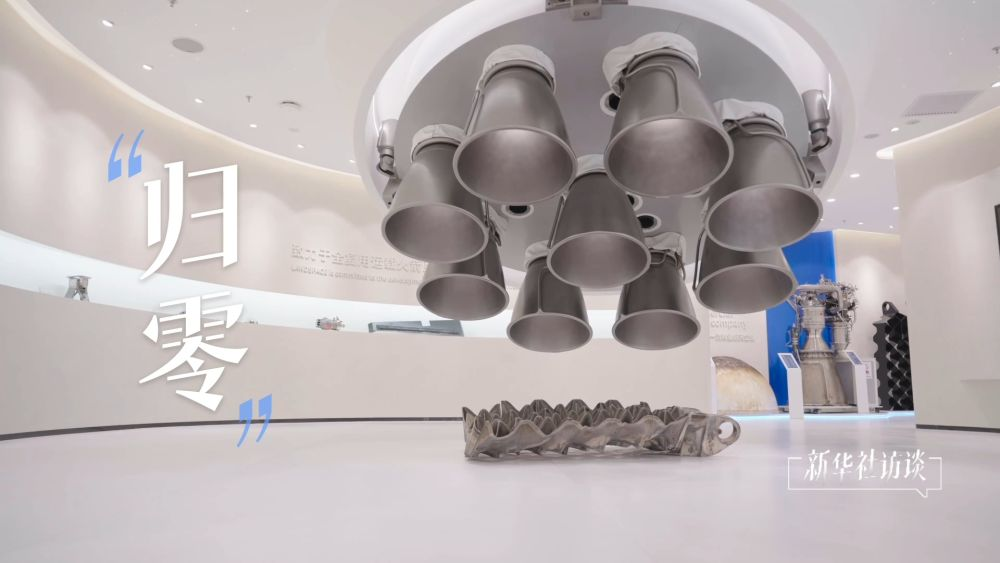
Displaying the wreckage of a failed mission in the most prominent place is rare in other industries. But in aerospace, it goes by another name: "return to zero."
Return to zero is a rigorous standard procedure in aerospace: when a product malfunctions, collect data, build a fault tree, investigate item by item, reproduce the failure, analyze the mechanism, develop corrective measures, verify their effectiveness through ground tests, and finally implement them on the next vehicle.
As an old aerospace saying goes: return to zero makes you grow.
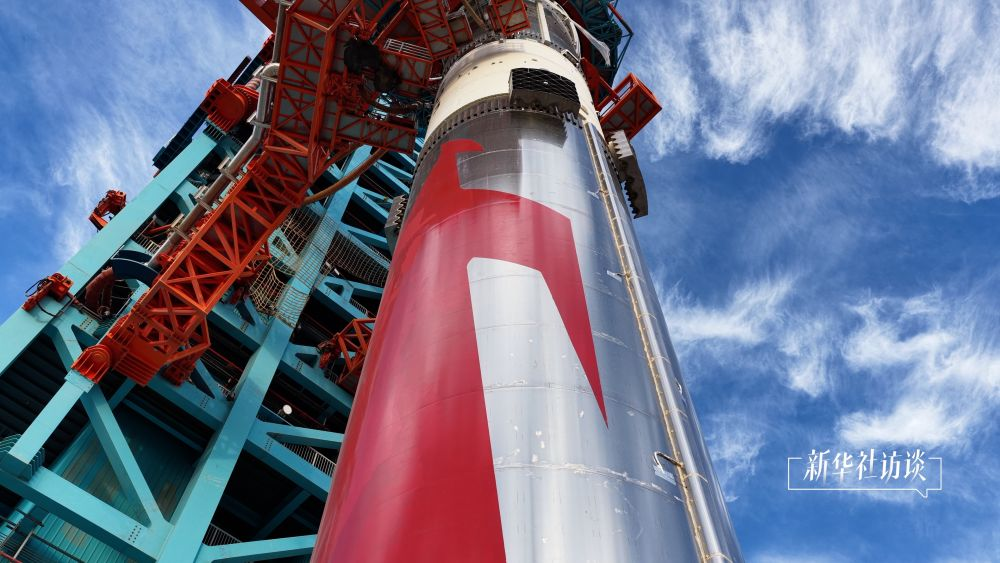
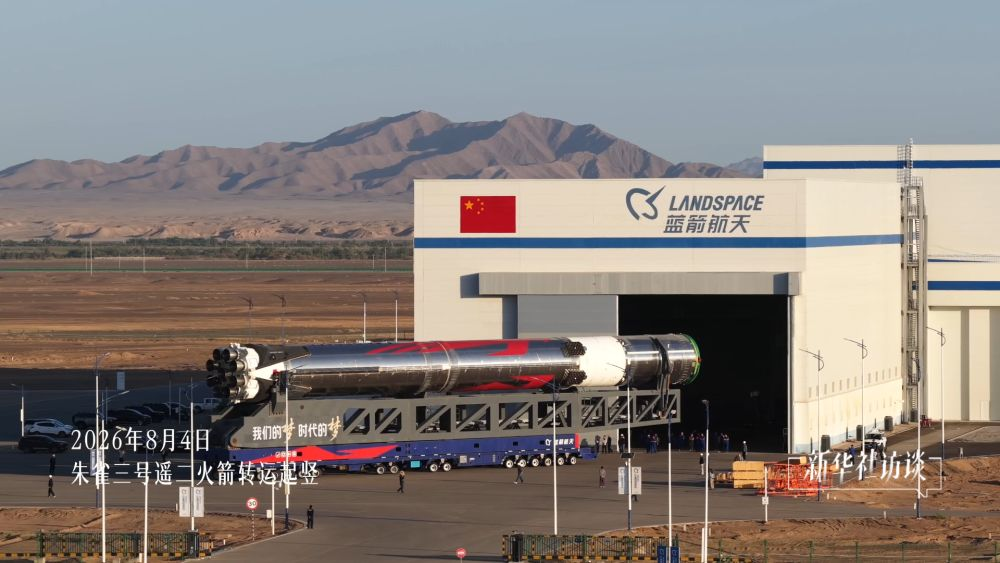
The Zhuque-3 Y1 was China's first stainless-steel-body launch vehicle, powered by liquid oxygen and methane. Its first stage was designed for reusability, equipped with grid fins and landing legs for recovery.
Dai Zheng still remembered the day it first stood complete on the launch pad. "Golden sunlight fell on the silver rocket body. It looked magnificent."
After ignition, its ascent was near-perfect. At the recovery site 390 kilometers away, people waited with anticipation. When a silver cylindrical object streaked across the sky, cheers erupted.
Only the final step remained. At 3.3 kilometers above ground, an anomaly occurred during the first stage's landing ignition. It burned, fell, and crashed near the edge of the recovery zone — just 40 meters from the landing target.
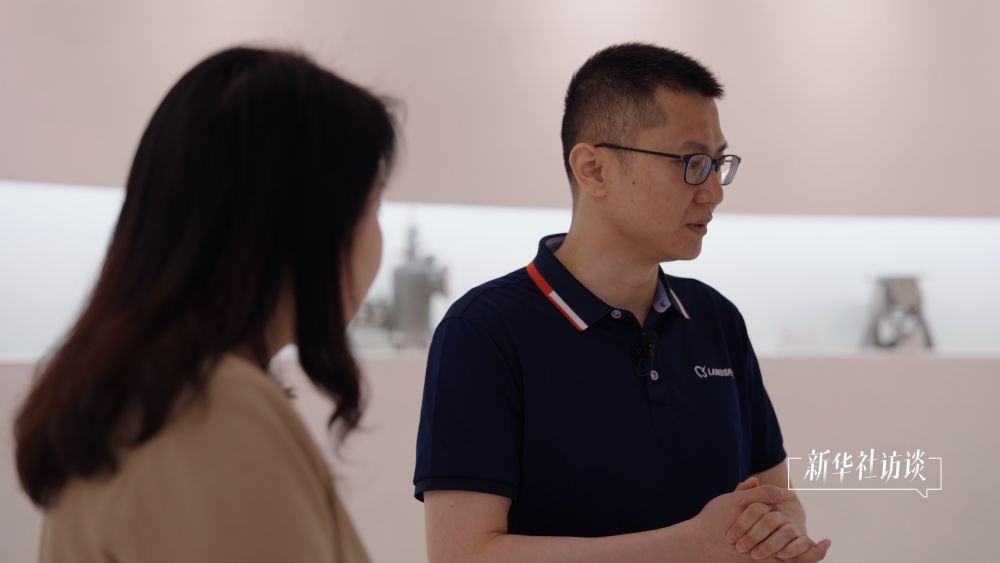
Dai Zheng's reaction was calmer than outsiders expected. "Our core goal for Zhuque-3 was ensuring orbital insertion — that's the foundation for future commercial operations." He said he never set a dual target of "both orbit and recovery" for the first attempt. The team was mentally prepared to achieve some "imperfect successes" to obtain real flight data, then use that data to improve the product.
The technical return to zero for Zhuque-3 began immediately. The fault tree was laid out, items checked one by one, simulations run, tests conducted. Anything that couldn't be ruled out was locked in as a "suspect." Then they'd build the environment to reproduce the failure, and only when the evidence was conclusive could the fault be considered located.
It's an interlocking, logically airtight process that tolerates no trace of luck — a rule established when China's aerospace industry began over half a century ago, unchanged to this day.
In December 2015, SpaceX's Falcon 9 rocket launched into space and successfully recovered its first-stage booster — humanity's first vertical return soft landing of a launch vehicle. Almost simultaneously, China saw a "policy thaw" for private aerospace.
In a café in Beijing's Yizhuang district, LandSpace CEO Changwu Zhang invited Dai Zheng for a deep conversation: Could China's private aerospace companies do this, and how should they do it. On the way back, Dai Zheng received a message from him: "Most of the time, we still have to believe in ourselves."
Those words deeply moved Dai Zheng, but the decision wasn't easy.
"Once this small boat leaves the harbor and heads into the distance, there may be turbulent waves, or there may be new continents. Everything is unknown, and you have to bear it yourself."
What pushed him to open that door was a simple judgment: "If we don't try, who do we expect to take on this responsibility?"
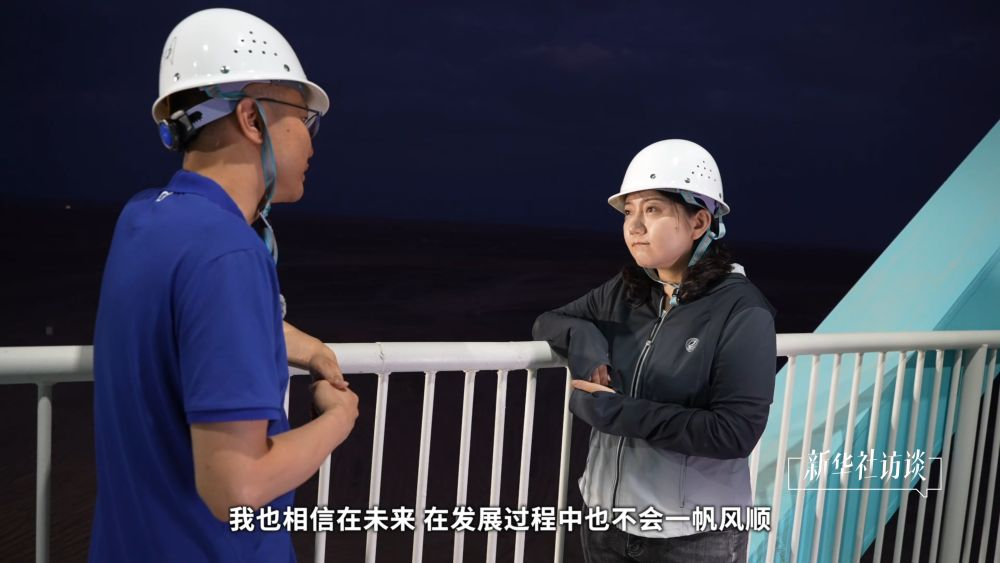
"Who knows if the boat might sink someday." He paused. "But whether you can raise the sails of this small boat and steer toward that unknown sea, in the face of uncertainty, depends on whether you believe in yourself."
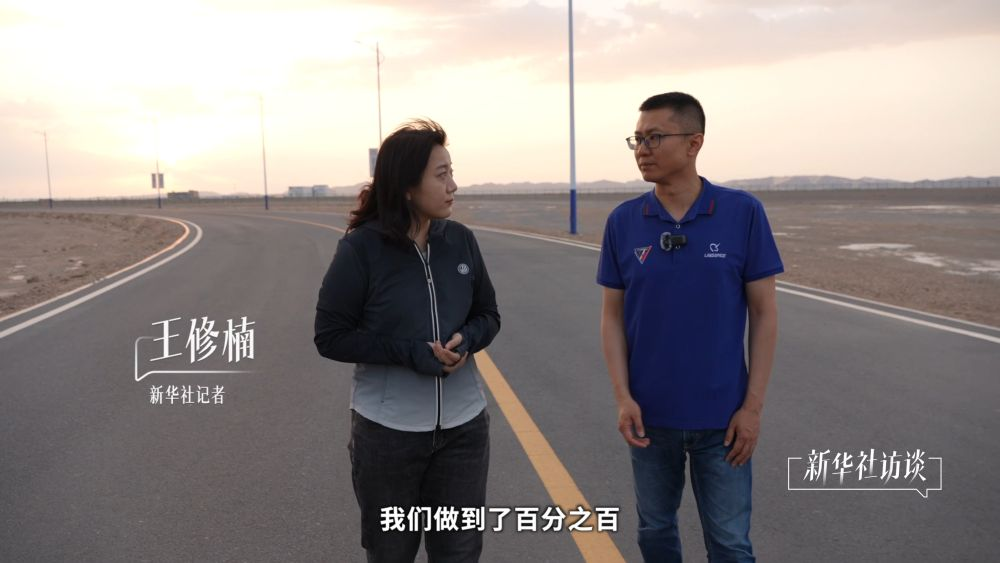
In 2016, Dai Zheng joined LandSpace. Looking further out, he saw another weight to the mission. Once low-orbit internet constellation satellites are deployed, they serve the global market — because they pass over every country. If you can't build such a platform, you have to use someone else's.
"In areas involving national strategic security, we cannot be constrained by others. We must have our own capabilities and tools," Dai Zheng said. "We have no retreat or choice in doing this. We must do it."
At 4 p.m. on October 27, 2018, LandSpace's Zhuque-1 solid-fuel rocket launched. It was China's first private launch vehicle; LandSpace was also the earliest domestic company to obtain all industry access qualifications and the first private launch vehicle permit. The rocket followed its programmed sequence, and at T+402 seconds, Dai Zheng saw the stable Earth image on screen suddenly begin to rotate. Just 15 seconds from orbit, the launch failed.
The return to zero traced the problem to a small liquid propulsion system. It confirmed something for Dai Zheng: core propulsion technology must be mastered in-house.
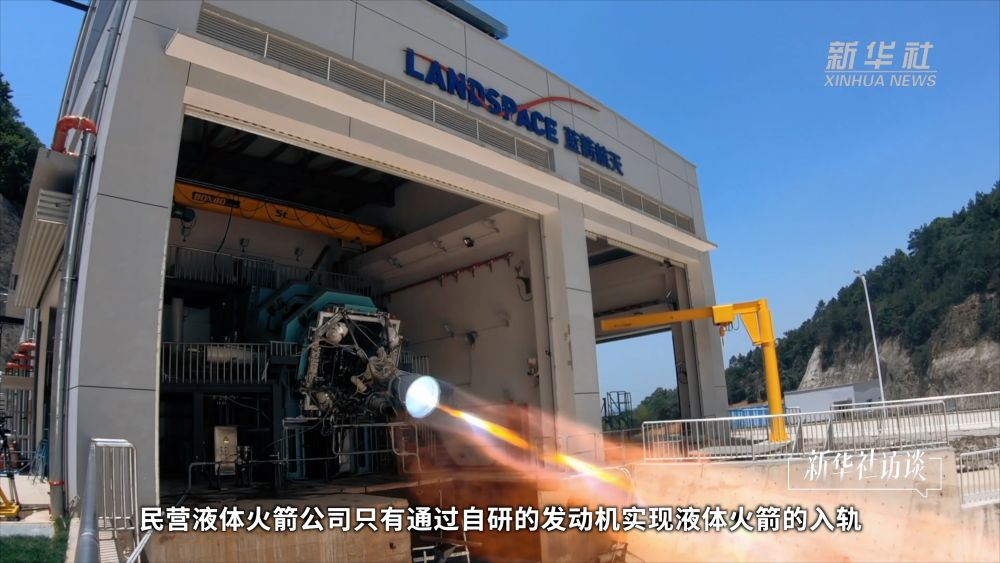
Zhuque-2 followed from this judgment — a self-developed liquid rocket built around self-developed liquid engines. But this path was equally fraught.
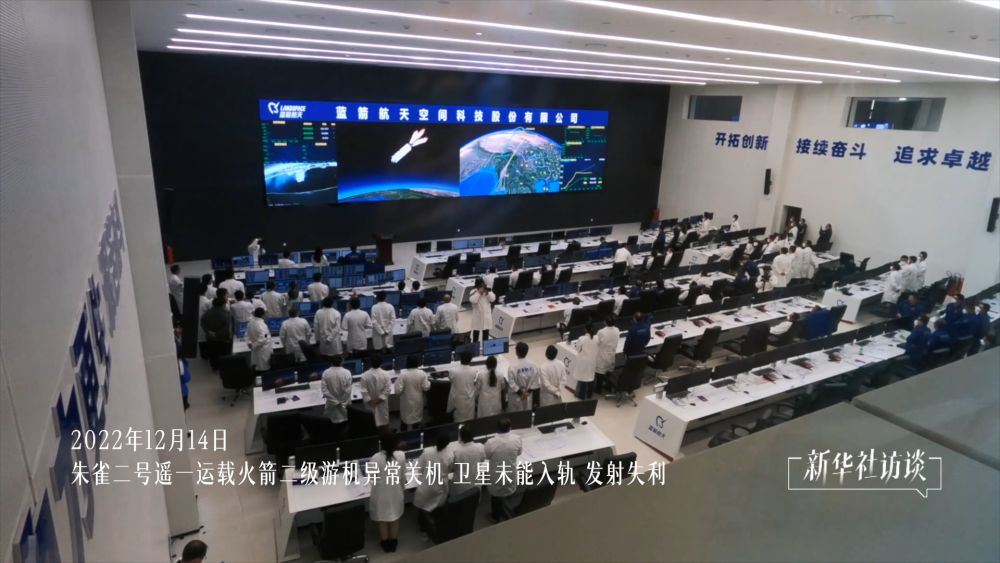
On December 14, 2022, Zhuque-2 Y1 launched and failed again.
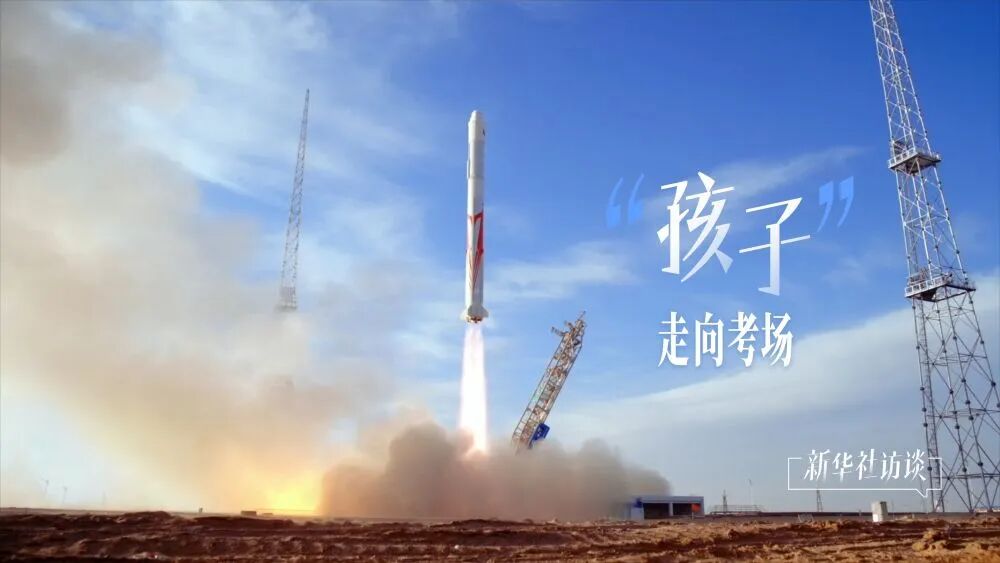
"We'd nurtured this rocket for years, like your own child. Now he was going through his coming-of-age ceremony, heading to the gaokao, and he failed," Dai Zheng said. Rationally, he knew they could try again, but the emotional blow was enormous.
The pressure wasn't only technical. Since its founding, LandSpace's team had experienced nothing but failure — not a single success. The outside questions persisted too: self-developed engines, self-developed liquid rockets — can you actually do this?
"Our team needed a success to prove ourselves."
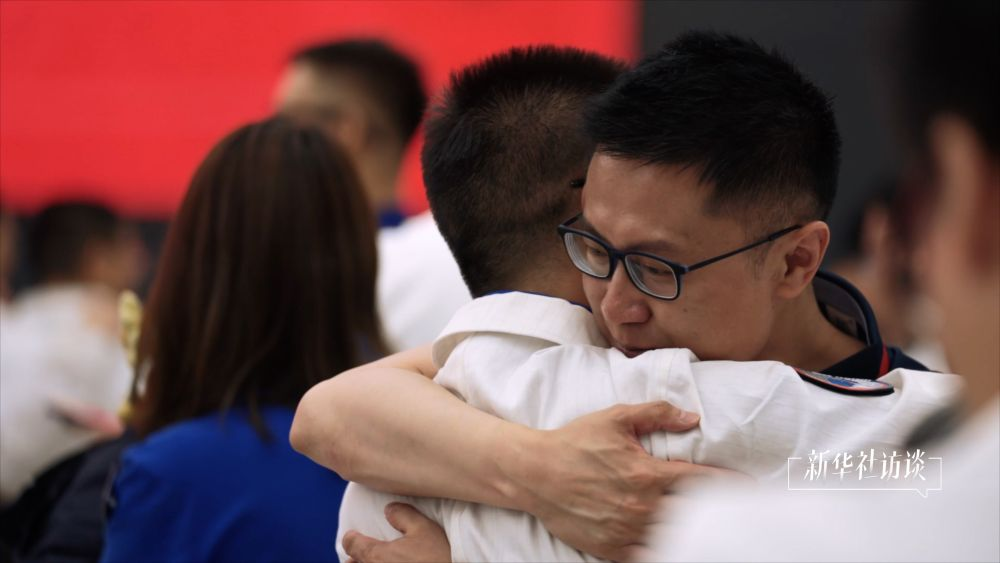
After returning to zero, improvements were implemented on the next vehicle. On July 12, 2023, Zhuque-2 Y2 roared skyward, becoming the world's first liquid oxygen-methane rocket to successfully reach orbit.
That day, they cheered first, then wept. Dai Zheng said it was the most emotionally intense launch he'd ever experienced. A spring that had been compressed tight suddenly released. It proved not just a rocket, but that China's private commercial aerospace could complete a technical closed loop, could build this kind of capability.
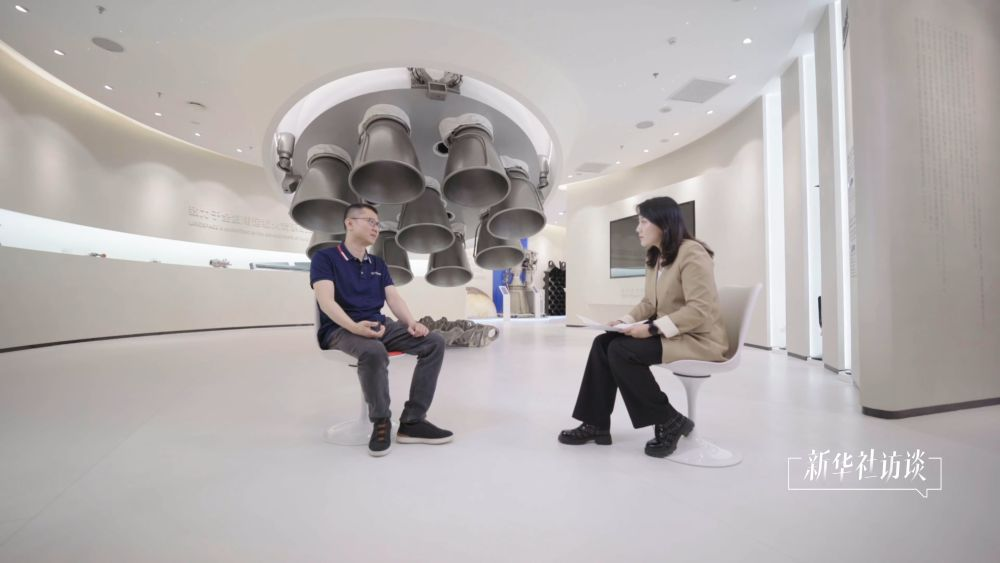
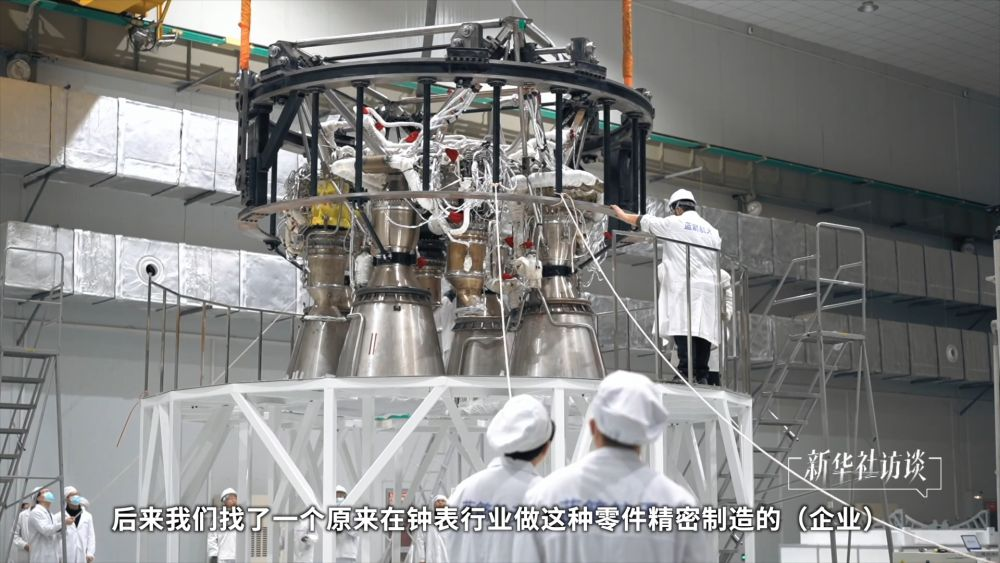
Why insist on building their own engines? Dai Zheng's explanation was practical: rockets and engines need tight iteration, while externally sourced engines must serve multiple customers, making coordination and iteration cycles far longer than in-house development. Looking globally, the most representative commercial aerospace companies all took the self-developed path.
Dai Zheng said aerospace, not only in design but in manufacturing processes, must be a system tailored to and deeply coupled with the nation's industrial manufacturing base and supply chain. It's deeply rooted in the domestic industrial system, bearing the label of Made in China.
When sourcing nozzles for the engine, the team found market prices ran over a thousand yuan each. Later they located a company that had originally made precision watch parts and later pivoted to precision machining for the electronics industry. They applied consumer-product manufacturing processes to the "Tianque" engine nozzles — with surprisingly good results, dramatically improving production efficiency and dropping unit costs to several dozen yuan.
"We're essentially conducting a large-scale experiment on the domestic manufacturing chain," Dai Zheng said. "Like being in a vast treasure house — you can always find the 'gems' you need."
LandSpace's Beijing office spans six floors, housing about 400 people. Green plants sit between workstations, with specialists from various disciplines interspersed for easy communication. The team's average age is just over thirty.
Dai Zheng, born in 1984, counts as an old-timer.
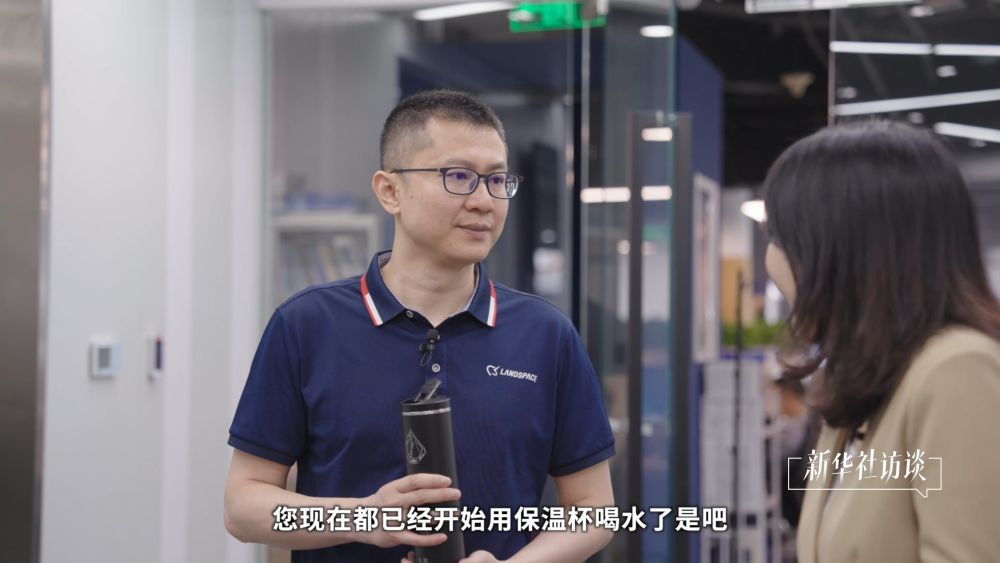
When asked about hobbies, he was slightly at a loss: "I'm actually quite afraid when people ask me about hobbies." After some thought, he said he likes computer hardware, likes building his own PCs. Fewer people assemble their own computers now, but he still enjoys it: putting the parts together, debugging everything, pressing the power button to bring it to life. "You feel that moment of ignition is fascinating. Maybe that's an engineer's mindset."
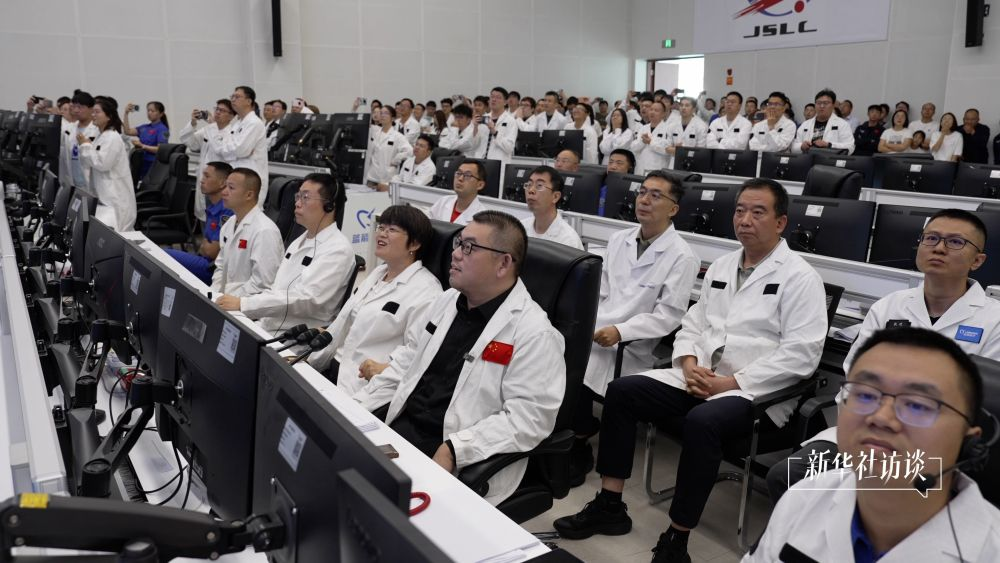
And the moment he anticipates rocket ignition — it's the same feeling.
Apart from such moments, the daily reality of aerospace isn't romantic. "It's actually systems engineering work — requiring massive amounts of rigorous calculation, design drawings, experiments, iterative improvements, and you can't make mistakes." Dai Zheng said that to outsiders, the work might even seem dull — daily dealings with piles of data, drawings, and hardware.
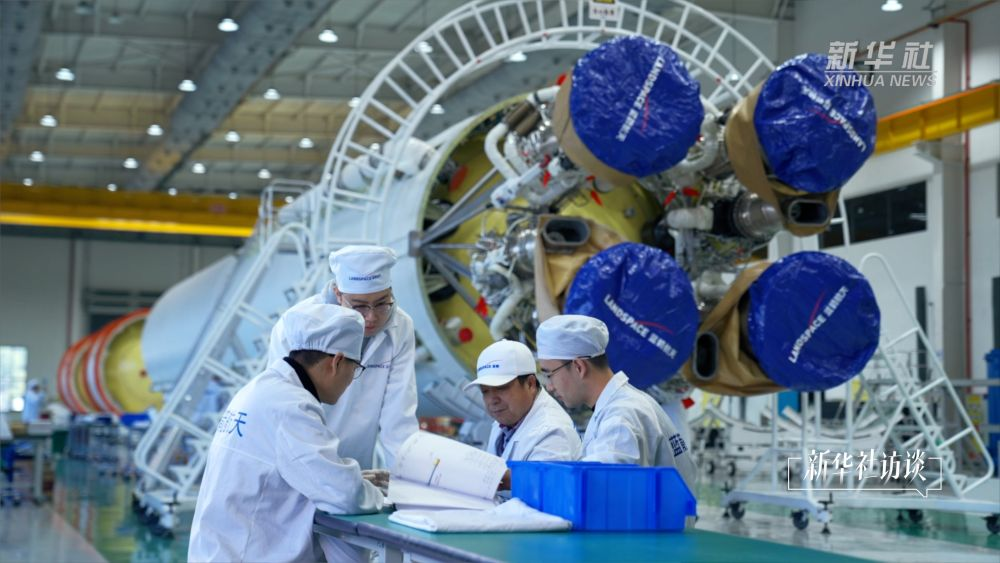
"Launch is a bit like stepping on stage — one minute on stage, ten years of work offstage," he said. From ignition to orbit might take just ten minutes, but every second, every state in flight has been meticulously designed and calculated by the R&D team. "It's actually a perfect performance, with no improvisation."
The real norm is the rigorous, steady work offstage. "There are many engineers who never step into the spotlight, working in obscurity — they are the ones who forge this 'arrow.'"
Dai Zheng calls this state "extreme delayed gratification." The daily work is tedious; positive feedback comes very late. Only at the moment of rocket ignition does emotion amplify. The low-frequency tremor from the ground, the sharp sound of supersonic airflow through the atmosphere rushing in. "You feel humanity is truly great, exploring the vast universe and space, and you are one of this great group."
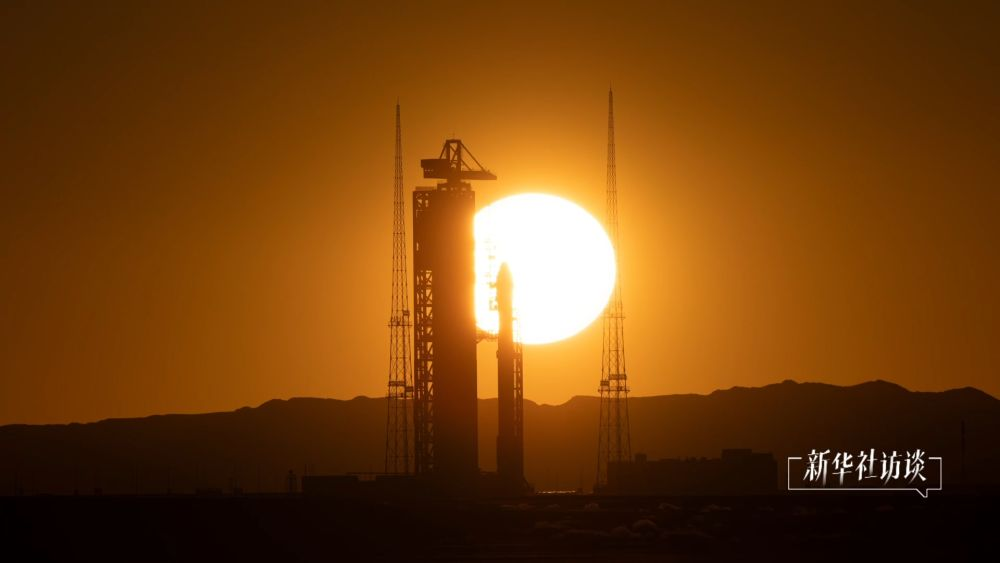
The Start of Autumn has passed; the setting sun hangs low. Dai Zheng stands before the launch tower, gazing up at the gradually emerging stars.
"Aerospace as an industry is still young today," he said. Perhaps looking back in a hundred or two hundred years, they'll still seem like very "primitive" spacefarers. "But the human drive to constantly push beyond self-knowledge, to explore the universe and the unknown through twists and turns — that won't stop."
Over a hundred kilometers from LandSpace's launch base lies the Juyan ruins. A thousand years ago, frontier soldiers practiced archery here in autumn — twelve arrows, six hits to pass.
A thousand years later, a rocket named for a divine bird awaits its moment to fly. Can it pierce the clouds, return precisely to its "nest," and hit the bullseye?
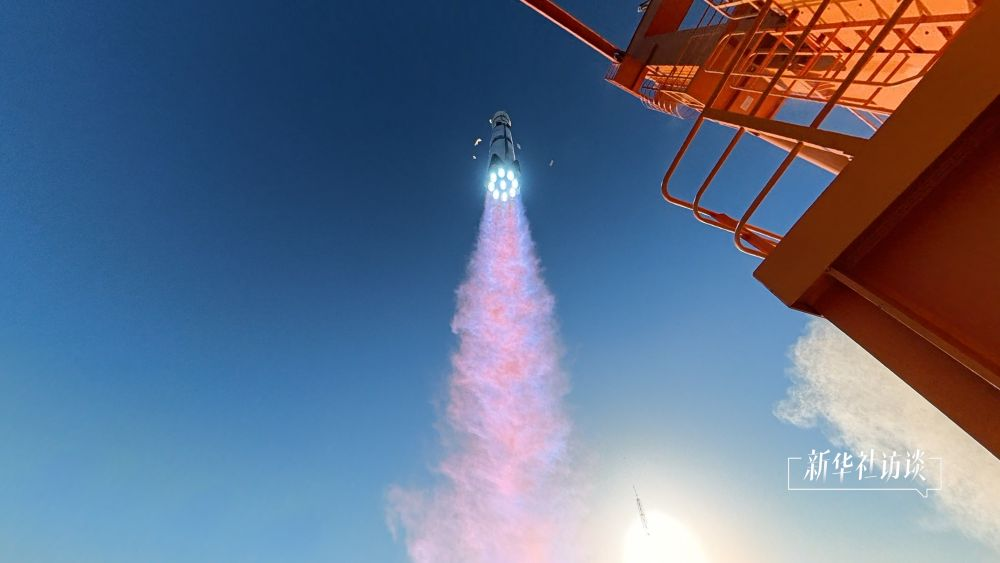
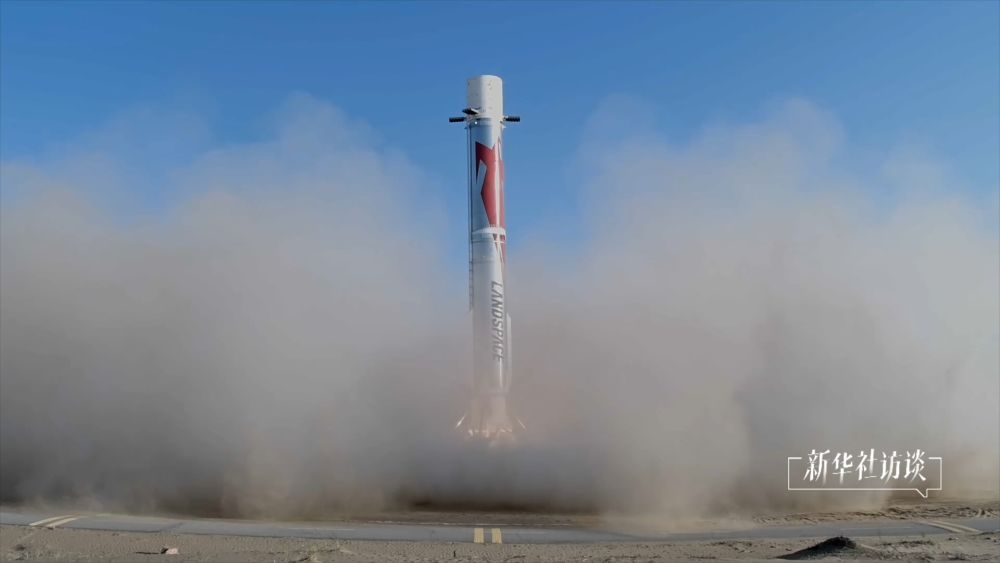
At 7:35 a.m. on August 19, the Zhuque-3 Y2 rocket ignited and lifted off from the Dongfeng Commercial Space Innovation Test Zone. Minutes later, the first stage landed steadily at the Minqin landing site in Gansu; the second stage delivered the Honghu-03 satellite to its designated orbit.
This was China's first rocket land recovery.
Currently, China's commercial aerospace is accelerating toward large-scale application. By the end of 2025, domestic commercial aerospace enterprises had exceeded 600, covering the full industrial chain from rockets and satellites to telemetry and terminals.
Arrow after arrow, loosed in competition among the stars, never ceasing.
Founded in 2022, Heart Capital is a venture capital fund focused on investing in early-stage Chinese technology startups.
Heart Capital's team is primarily composed of founding partners and core investors from Lightspeed China Partners, alongside seasoned investors from industry. The team's past investments include MetaX (688802.SH), Xpeng Motors (NYSE: XPEV, 09868.HK), Full Truck Alliance (NYSE: YMM), SUNMI (06810.HK), RoboSense (02498.HK), Ambiq Micro (NYSE: AMBQ), Hanshow Technology Co., Ltd. (301275.SZ), FinVolution (NYSE: FINV), HERE (NASDAQ: HERE), as well as LandSpace, MicroNano Space, Baichuan, Yunmanman Cold Chain Logistics, World Logistics, FanDeng Reading, and Lanhu.
Rooted in China with a global outlook, Heart Capital is dedicated to early-stage support for entrepreneurial teams with the potential to become world-class companies in China's technology sector. Heart Capital champions the value of "heart," believing that technology can serve as a bridge connecting minds. Heart Capital looks forward to accompanying more young Chinese entrepreneurs onto the world stage.