"Xi Wang" Releases Next-Generation Inference GPU Qiwang S3, Advancing Domestic Inference Computing Power | Xinxing PORTFOLIO

Computing Power Evolved: Run It, Run It Stable, Run It Long.

On January 27, Xi Wang — a Heart Capital portfolio company — hosted the Sunrise GPU Summit product launch in Hangzhou, themed "Extreme Inference · Evolving Compute."
This was more than a product unveiling. It was a systematic exploration of a single question: as AI enters the inference era, how must compute evolve?
From industry thesis to technical roadmap, product form to business model, Xi Wang brought together key figures across chips, algorithms, systems, and applications to deliver a clear signal:
Inference is becoming the next main battlefield for AI.
And true compute evolution must move beyond "running models" toward "running them affordably, sustainably, and reliably."
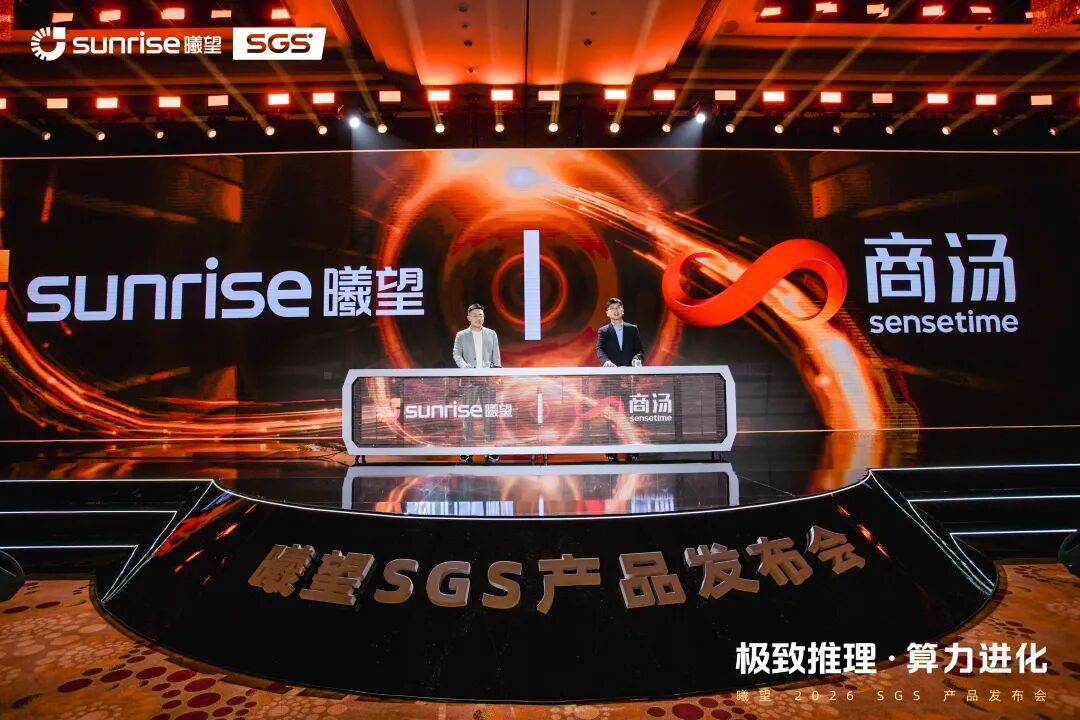
The following is edited from the launch event.
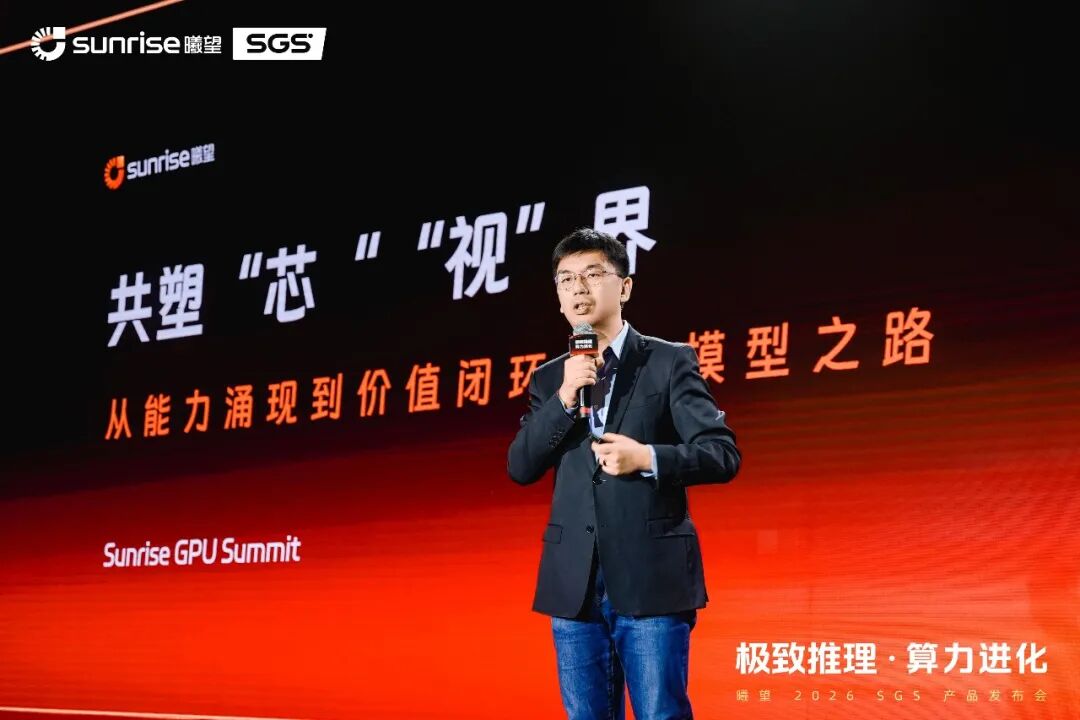
Xi Wang Chairman Bing Xu began with the question of strategic choice, making clear that Xi Wang's decision to go all-in on inference GPUs stems from a fundamental read on where the AI industry stands.
As large models scale into real-world deployment, he argued, the center of gravity for compute is shifting from centralized training to long-running, large-scale inference. The competitive focus is moving to efficiency, stability, and long-term cost structure.
Based on this read, Xi Wang chose to architect GPUs specifically for large-model inference, aiming for extreme cost-effectiveness. Every design decision starts from three metrics that matter in production: cost per token, energy consumption, and SLA stability.
"If compute cannot serve real business at controllable cost and with long-term stability, AI will struggle to truly scale."
In Xu's view, extreme inference is not a niche play. It is the critical step as AI evolves into infrastructure.
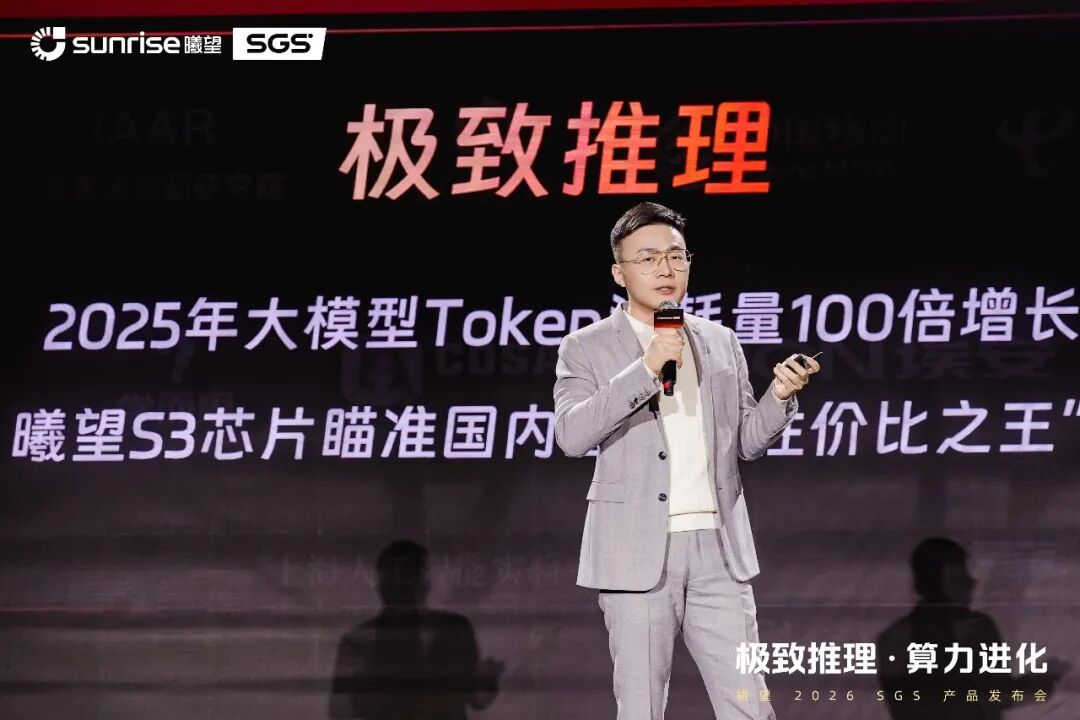
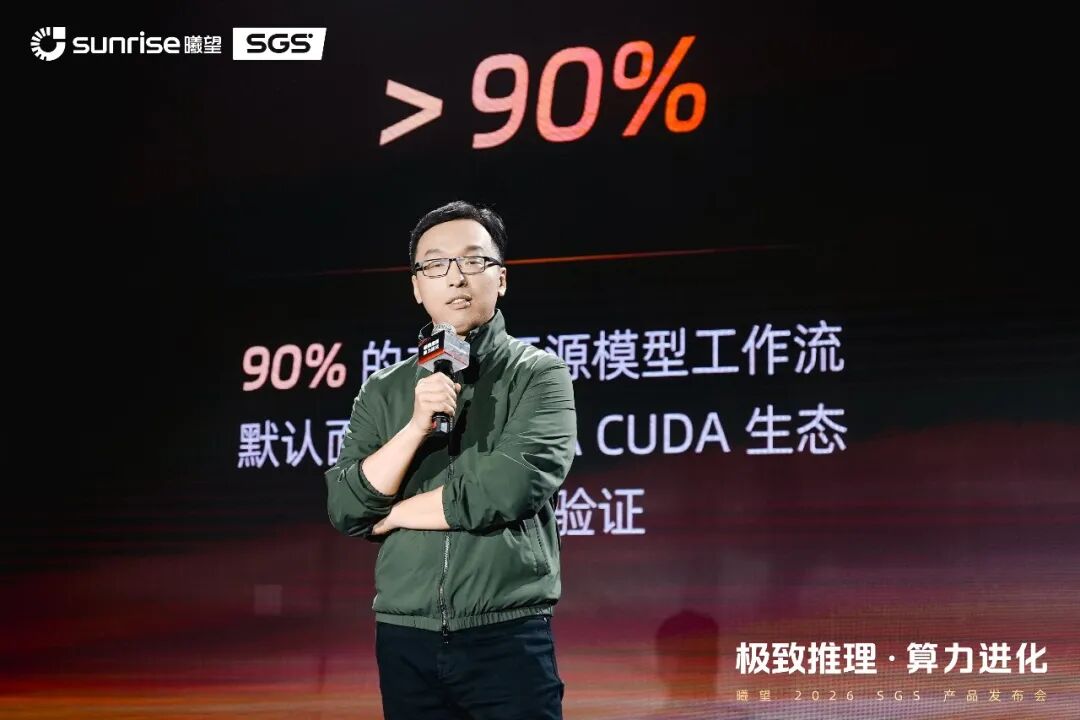
Building on this technical logic, Xi Wang Co-CEO Yong Wang officially unveiled the next-generation inference GPU, the Qiwang S3, alongside Xi Wang's "Compute Evolution Map."
The S3 was built for large-scale inference, with one core objective: drive down the cost per token in production, targeting a 10x improvement in inference cost-performance.
To hit this target, the S3 introduces targeted design improvements across several key dimensions:
-
Optimized compute-to-bandwidth ratio tuned for mainstream large-model inference workloads
-
Stability engineering for high-concurrency, long-duration deployment scenarios
-
More accessible system integration and deployment adaptability
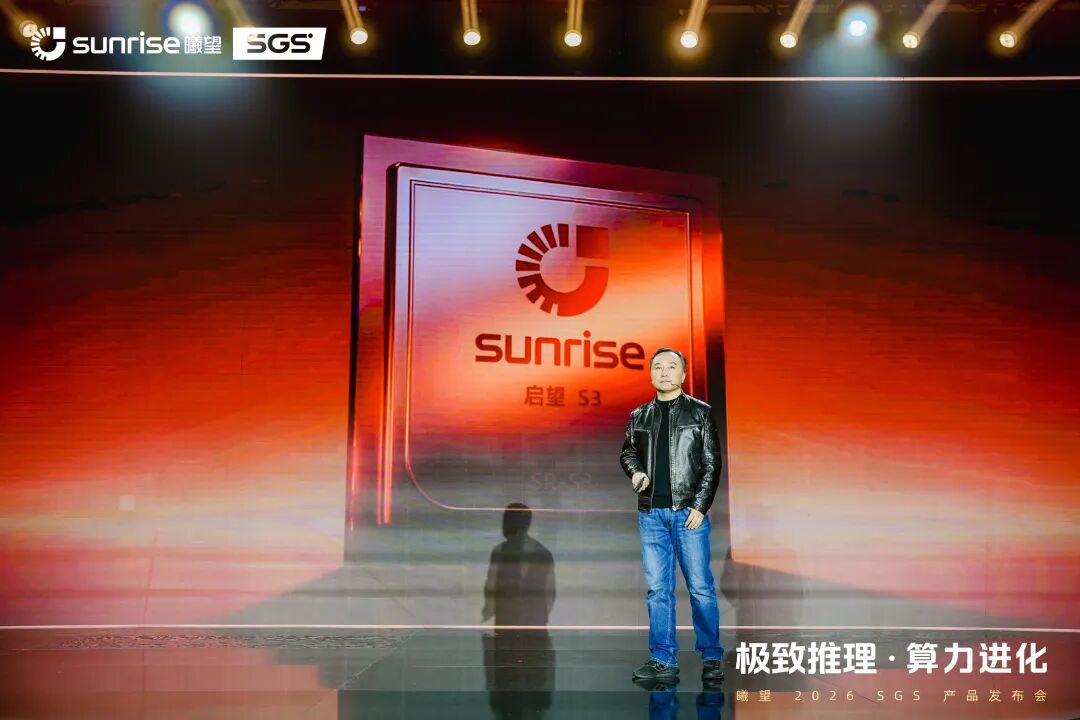
Beyond the chip itself, Xi Wang also introduced inference system-level solutions at the event. Xi Wang Co-CEO Zhan Wang noted that under traditional architectures, GPU resources sit underutilized while deployment and operations remain burdensome. Through full-stack optimization spanning self-developed GPUs and software-hardware systems, Xi Wang is working with partners to build next-generation inference system solutions. The core value proposition:
-
Serve as an "inference offloading and cost optimization layer" for existing compute infrastructure
-
Package complex underlying engineering into user-friendly services
-
Enable inference services that run stably and sustainably over the long term
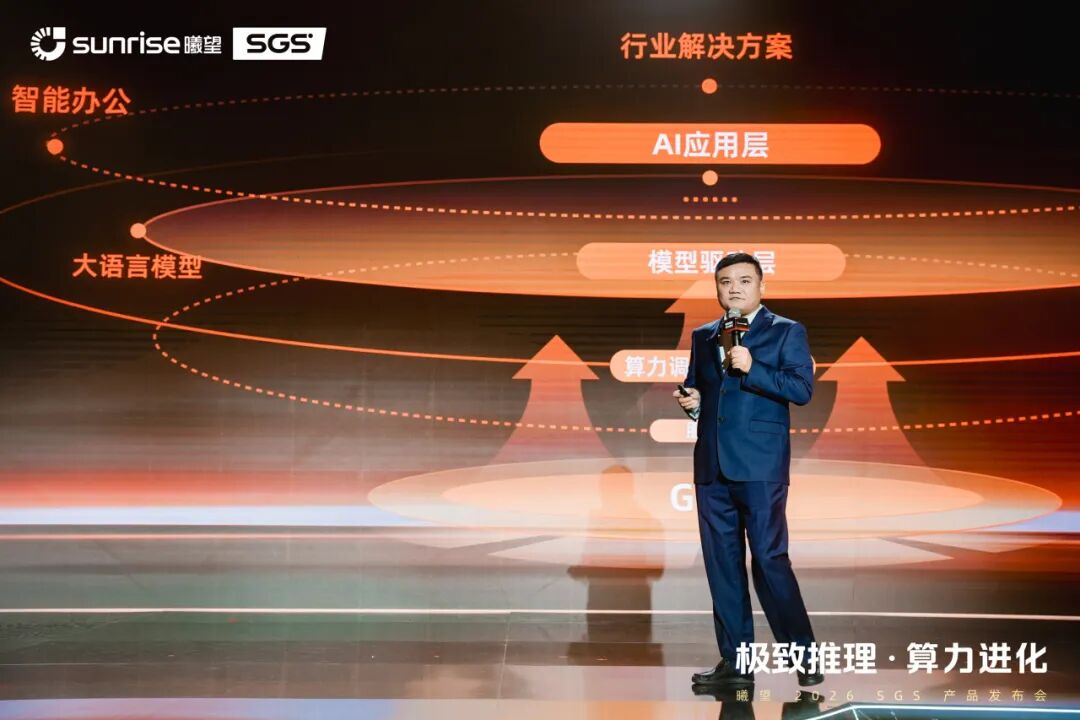
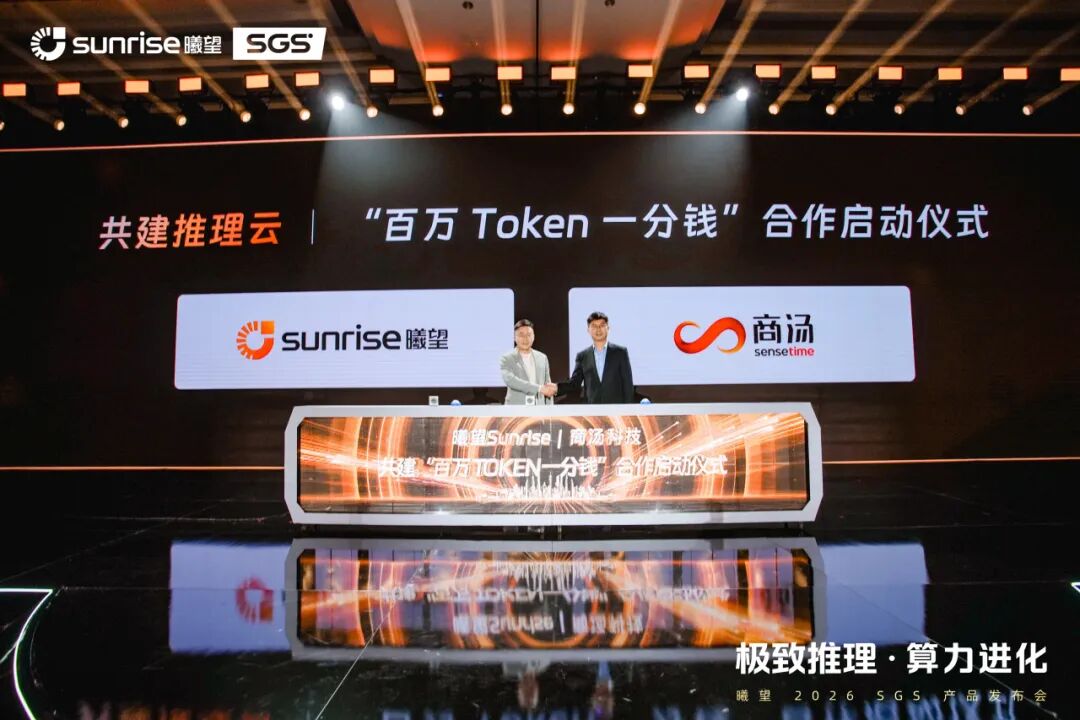
SenseTime Chairman and CEO Li Xu said: "SenseTime has built a 'trinity' AI strategy linking large-scale AI infrastructure, the SenseNova foundation models, and AI applications. Xi Wang's extreme inference GPUs fill a critical gap in that trinity, allowing us to meaningfully reduce inference costs at the physical level."
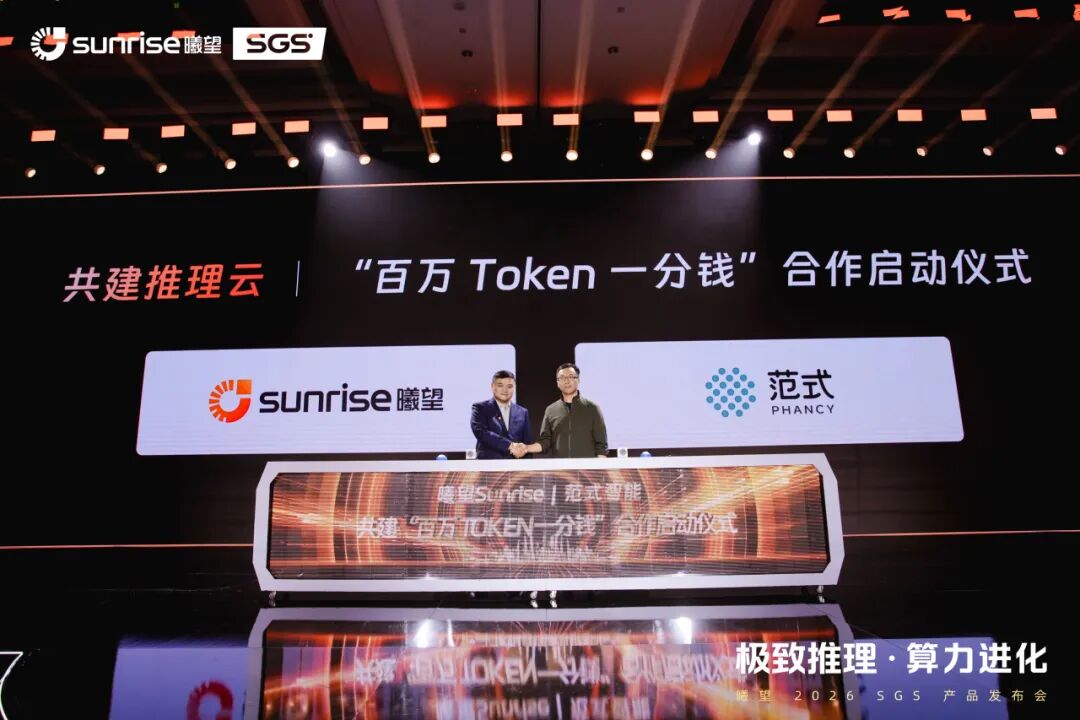
"Only when inference cost becomes negligible can AI truly shift from 'luxury' to 'commodity.'" said Wenyuan Dai, founder of Phanthy AI. "Our partnership with Xi Wang is a critical step in fulfilling our mission of 'AI for Everyone.' Phanthy Cloud acts as a compute multiplier, unlocking the cost-performance advantages of domestic chips in real production environments, empowering SMEs and government institutions to embrace intelligence at minimal cost."
At the event, Xi Wang joined SenseTime and Phanthy AI to formally launch the "One Cent for One Million Tokens" Joint Initiative. The program aims to continuously compress inference costs through software-hardware co-optimization and compute service model innovation, giving large-model capabilities the economic foundation for truly scaled deployment. It is seen as an important step in moving inference compute from "technical capability" to "industrial capability."
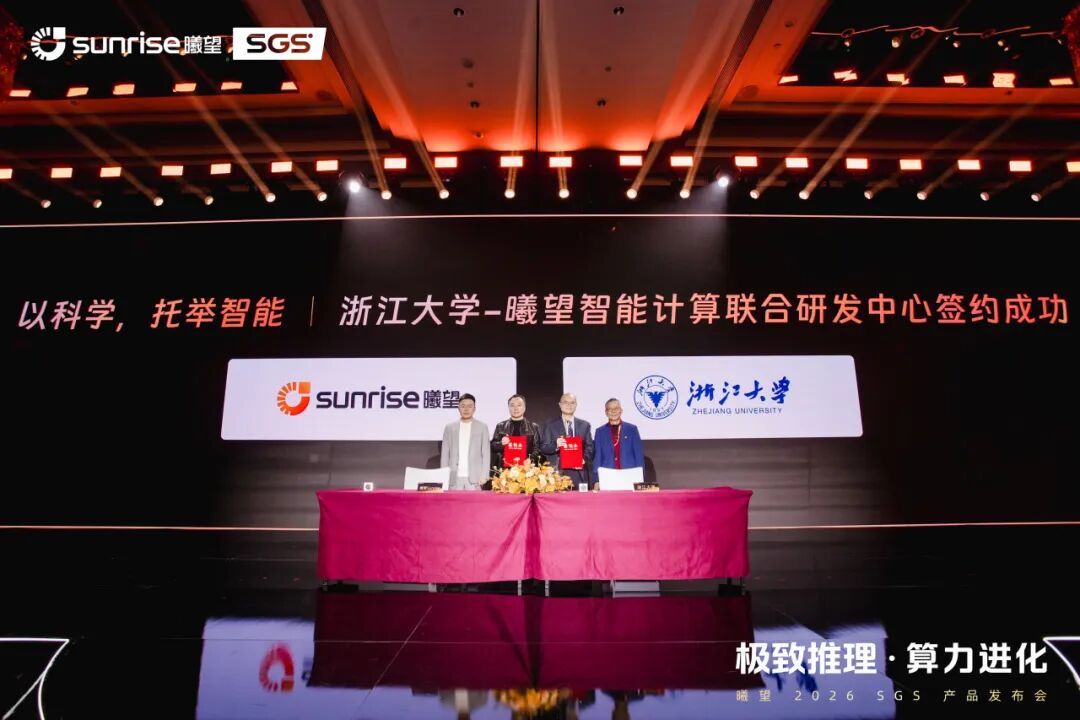
During the summit, Xi Wang signed a strategic cooperation agreement with Zhejiang University to jointly establish the Intelligent Computing Joint R&D Center. The two parties will collaborate on cutting-edge directions including optical-interconnect GPU supernode architecture and semiconductor virtual manufacturing (computational lithography), accelerating the translation of research breakthroughs into engineering and application scenarios.
We were honored to have Professor Hanming Wu, Dean of the Faculty of Information Science and Engineering at Zhejiang University, witness and address the signing. Professor Wu noted that as AI enters the era of scaled application, compute infrastructure is no longer simply the stacking of individual devices or technologies. It has evolved into a systems engineering discipline spanning chips, architecture, software platforms, and application coordination. The core of this path lies in the two-way empowerment logic of "IC for AI" and "AI for IC" — using collaborative innovation to break through industrial bottlenecks.
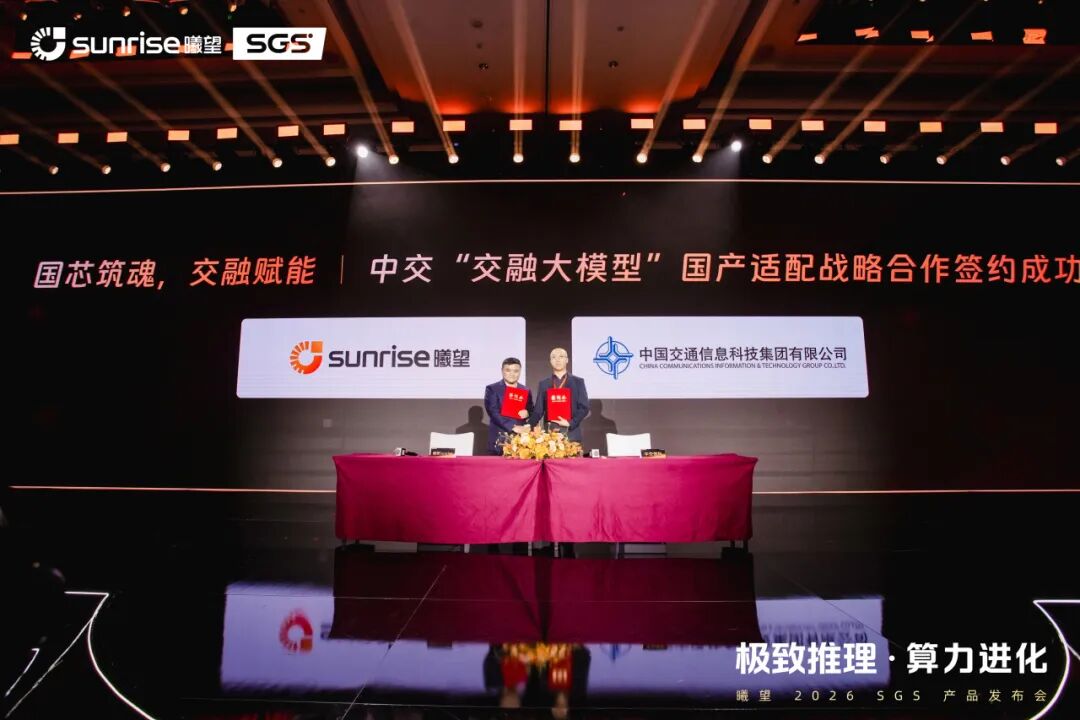
Xi Wang completed a significant strategic cooperation signing with China Transportation Information Technology Group for the domestic adaptation of the "Jiaorong" large model. This partnership aims to break down software-hardware barriers and achieve full-chain autonomy from underlying compute to upper-layer applications, building a "China solution" for intelligent transformation in transportation infrastructure.
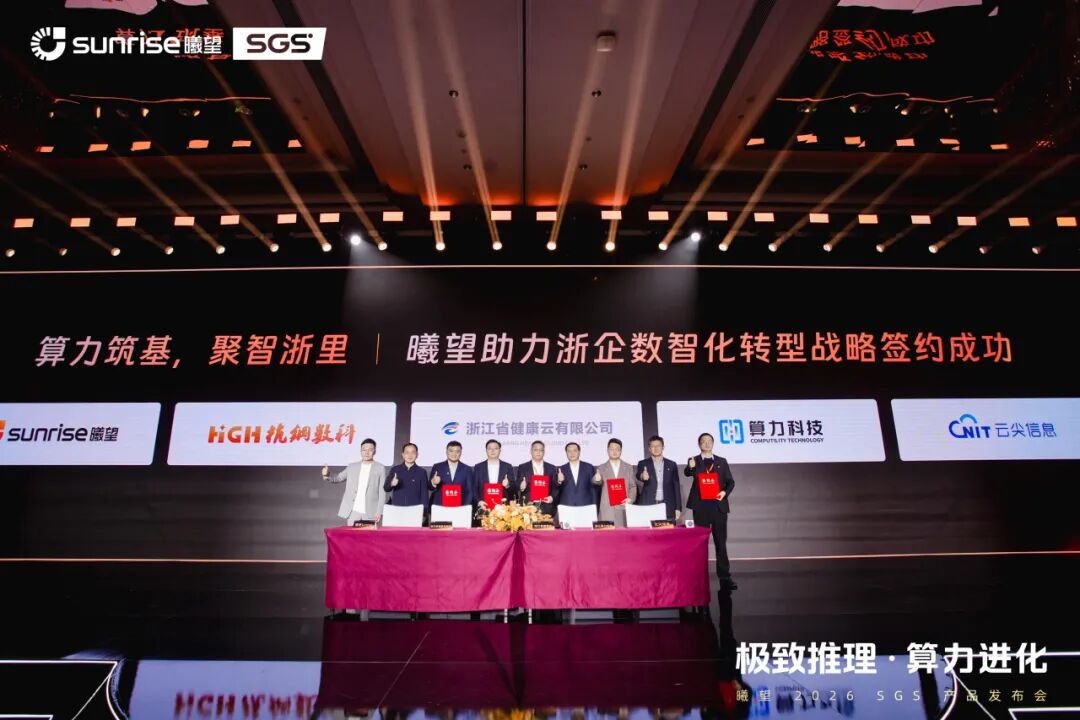
Xi Wang signed strategic cooperation agreements with Hangzhou Iron & Steel Digital Technology, Zhejiang Health Cloud, Zhejiang Computing Technology, and Yunjian Information, focusing on compute infrastructure construction and industry application deployment. These partnerships will further advance the practical application of inference compute across industrial, urban governance, and healthcare domains.
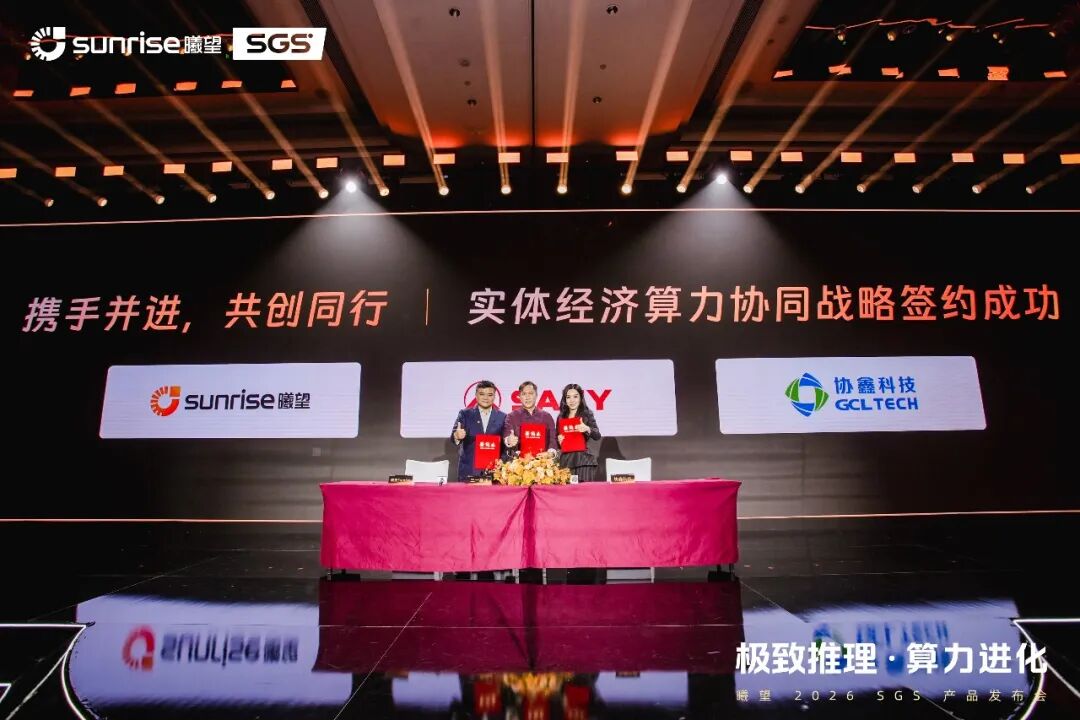
Xi Wang signed a strategic cooperation agreement with SANY Heavy Industry and GCL Technology for real-economy compute coordination. The three parties will leverage GCL's green energy advantages and SANY's intelligent application scenarios to build a low-carbon, high-efficiency compute foundation for the real economy, achieving deep coordination of compute resources, power energy, and industrial practice.
Xi Wang's strategic cooperation with Youzu Interactive will fully leverage each party's technical strengths, reshaping the industry chain through deep integration of cutting-edge intelligent compute with game R&D and publishing needs.
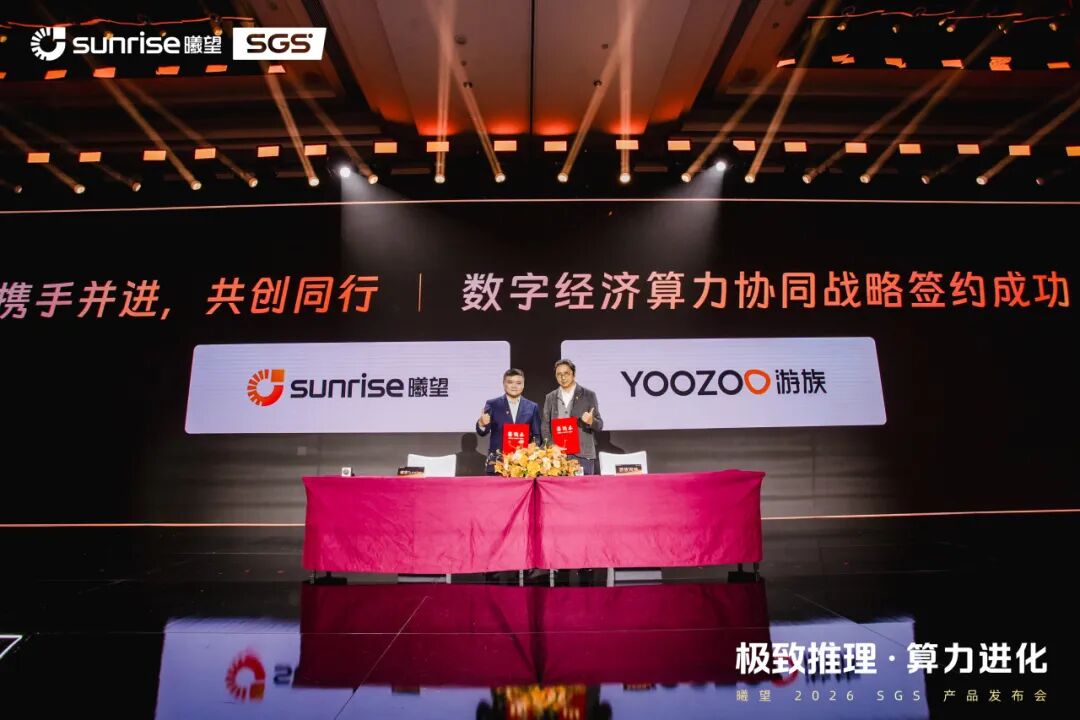
As compute moves from "technical capability" to "industrial capability," what ultimately determines the ceiling is the coordination efficiency between chips, compute, models, scenarios, and ecosystem. Xi Wang has always believed that extreme inference must run in real application scenarios, must run on customers' real needs, and must build genuine joint ecosystems with partners. Xi Wang held strategic signing ceremonies with 12 industry partners across sectors, making deployment simpler and the ecosystem more open.
A roundtable discussion centered on "The Engineering Challenges of Extreme Inference." Guests from research, compute operations, chips, and applications agreed: inference has become the core bottleneck for scaled AI deployment. The key is not single-point performance but the systems engineering capability coordinating chips, systems, software, and business scenarios. Real industrial demand focuses on low cost, high concurrency, low latency, and sustainable TCO. As inference costs continue to fall, applications will see explosive growth. The consensus was clear: only by driving extreme cost-performance through engineering capability can inference compute truly enter industry and become productive force.
From inference GPU chips to inference system-level solutions;
From a single product launch to ecosystem co-construction.
At the inaugural Sunrise GPU Summit, Xi Wang offered its answer to the inference era.
The inference era has arrived.
And Xi Wang's journey has only just begun.
Founded in 2022, Heart Capital is an early-stage venture capital fund focused on technology and digitalization in China. The team is led by Yan Han, founding partner of Lightspeed China, alongside core investors, a CFO, and senior investors with deep industry backgrounds. Notable past investments include Series A investments in Xpeng Motors (NYSE: XPEV, 09868.HK) and Full Truck Alliance (NYSE: YMM), Pre-Series A investment in MetaX (688802.SH), as well as RoboSense (02498.HK), FinVolution (NYSE: FINV), LandSpace, Microspace, Huitian, Xi Wang, Rox Motor, Sunmi, World Logistics, Baichuan, Manbang Cold Chain, Fan Deng Reading, Lanhu, Starfield, and others. Rooted in China with a global outlook, Heart Capital seeks true value in non-consensus. We respect the value of people and champion the potential of the human spirit, aspiring to accompany more young Chinese entrepreneurs in strengthening China and reaching the world.