LandSpace's Zhuque-3 Reusable Carrier Rocket Yao-1 Achieves Successful Orbital Insertion | XinXing NEWS

Accelerate the building of a strong spacefaring nation.
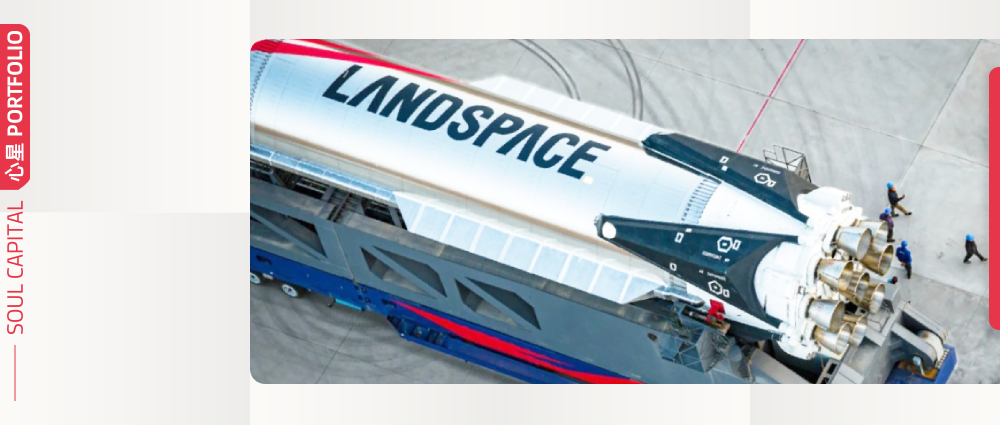
At 12:00 a.m. Beijing time on December 3, 2025, the Zhuque-3 Y1 carrier rocket lifted off from the Dongfeng Commercial Space Innovation Test Zone and completed its flight mission as programmed, with the second stage entering its designated orbit.
Yan Han, Founding Partner of Heart Capital, said: "Congratulations to LandSpace on the successful orbital insertion of the Zhuque-3 reusable Y1 carrier rocket. The path to greatness has never been smooth for humanity, and what LandSpace is taking on is among the greatest endeavors of our species. It will inevitably go through the kind of tempering that 'hardens the heart and wearies the body.' We firmly believe that despite the inevitable bumps, challenges, and trials along the way, the final outcome will be success. Today's milestone is already a remarkable breakthrough, and we sincerely wish LandSpace steady progress toward the summit."
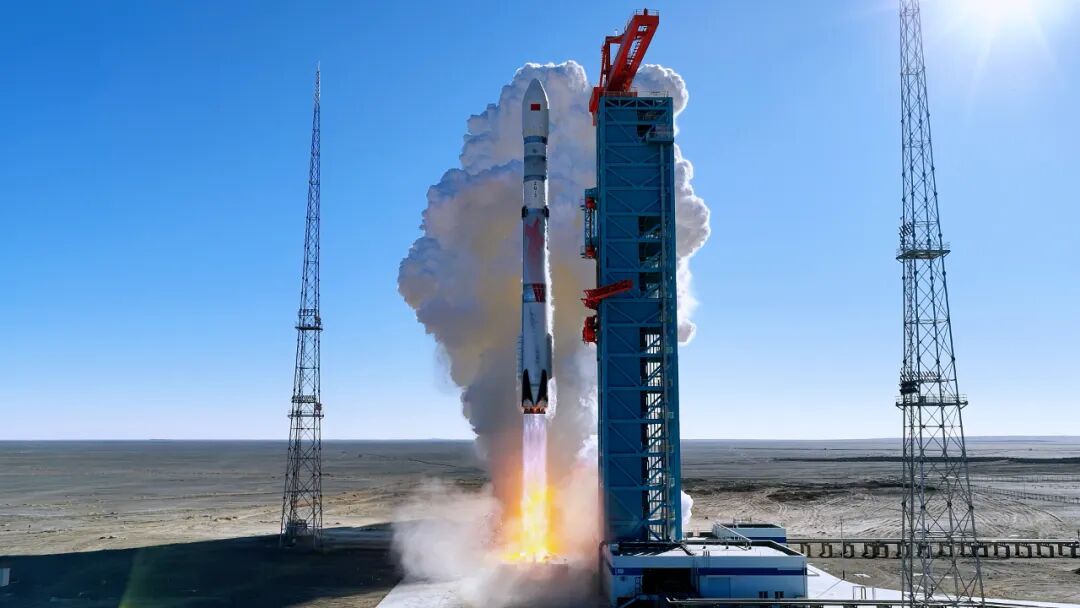
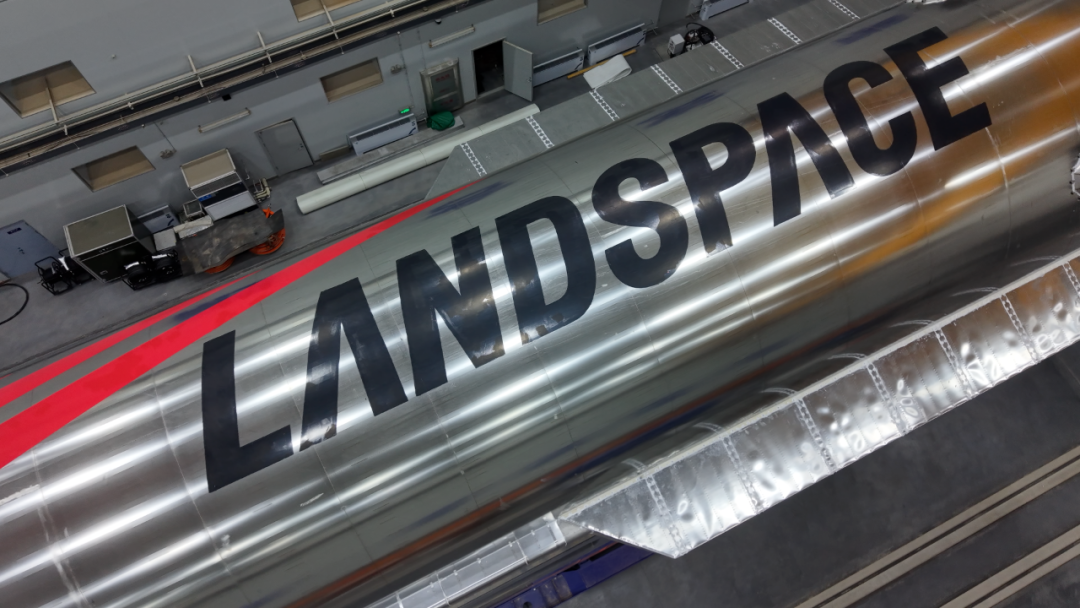
The Zhuque-3 is a next-generation low-cost, high-capacity, high-frequency, reusable liquid oxygen-methane carrier rocket independently developed by LandSpace for large-scale constellation deployment missions. The Zhuque-3 Y1 rocket uses a single-core two-stage tandem configuration, with a first and second stage diameter of 4.5 meters, a payload fairing diameter of 5.2 meters, an overall length of 66.1 meters, a liftoff mass of approximately 560 tons, and a liftoff thrust of 7,542 kN. The propulsion system is based on LandSpace's independently developed Tianque series liquid oxygen-methane engines, with the first stage using nine Tianque-12A engines in parallel and the second stage using one Tianque-15A vacuum-optimized engine. The Zhuque-3 first stage can perform vertical return and soft landing after stage separation, with a designed reuse count of no fewer than 20 times. Once mature, its low Earth orbit payload capacity will be no less than 18 tons under downrange recovery conditions, with the capability to deploy multiple satellites in a single launch for internet constellations, providing powerful launch capacity support for major national space projects and satellite internet constellation deployment.
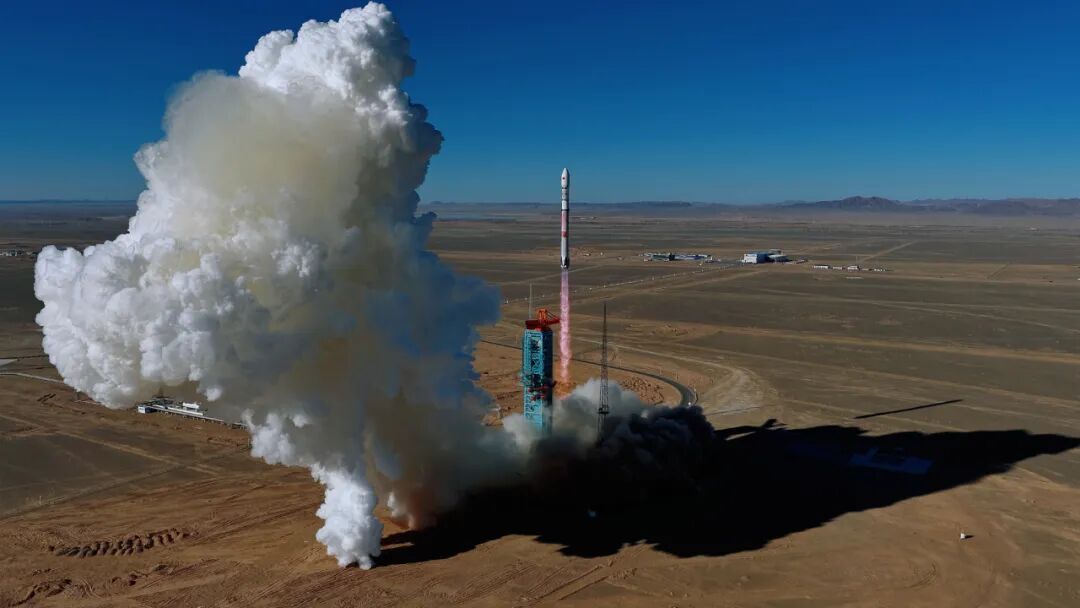
During this mission's flight, critical events including liftoff, first-second stage separation, second stage engine ignition, payload fairing separation, second stage engine shutdown, second stage coasting, and second stage engine restart were all completed as planned, demonstrating stable and reliable performance. At the same time, this mission carried out flight verification of first stage vertical recovery technology. According to flight measurement data, an anomaly occurred after the first stage ignited during the landing phase, preventing a soft landing at the recovery pad. Debris landed at the edge of the recovery pad, and the recovery test failed. The specific cause is currently under further investigation.
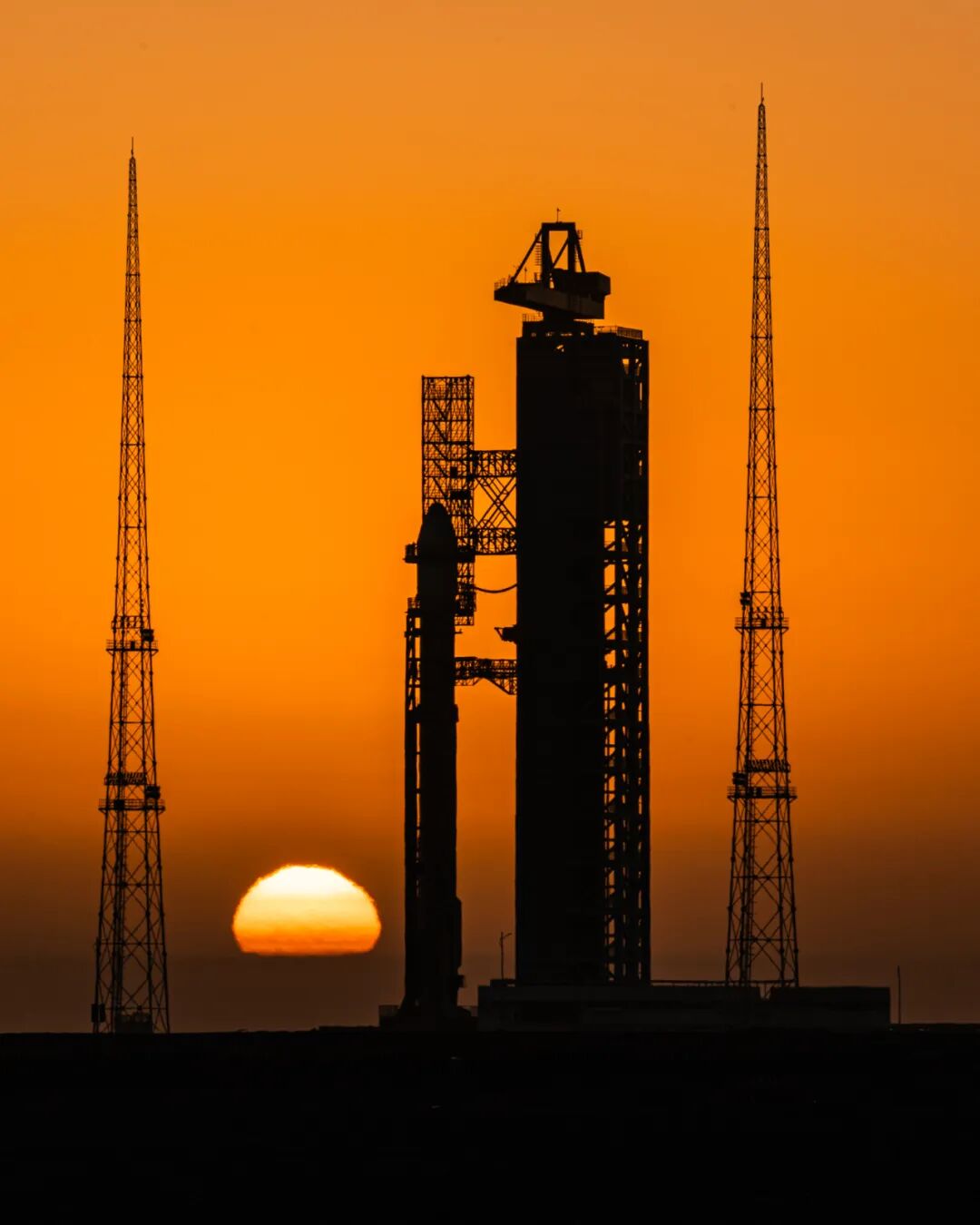
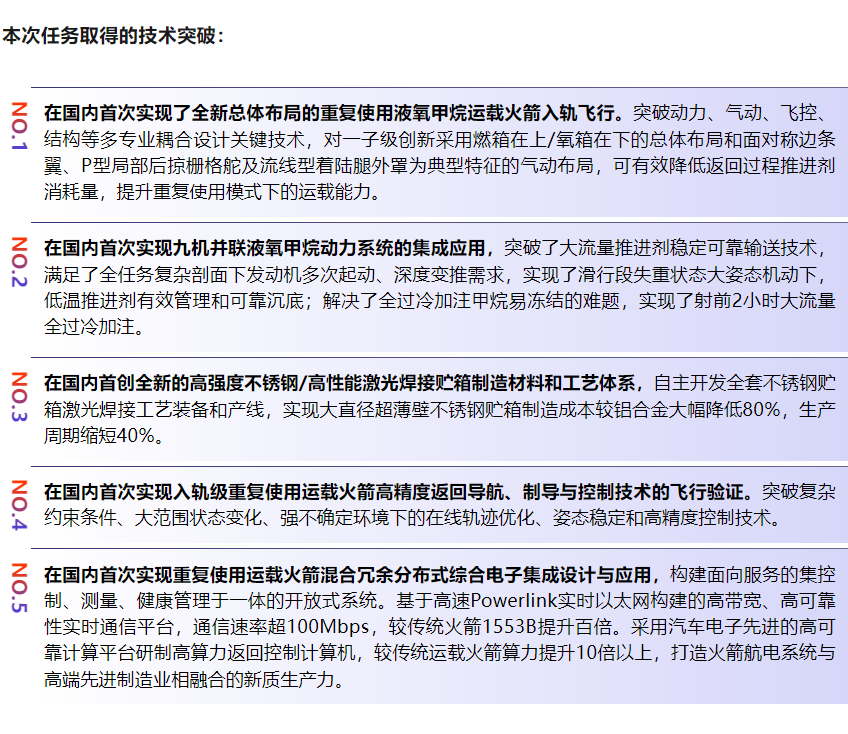
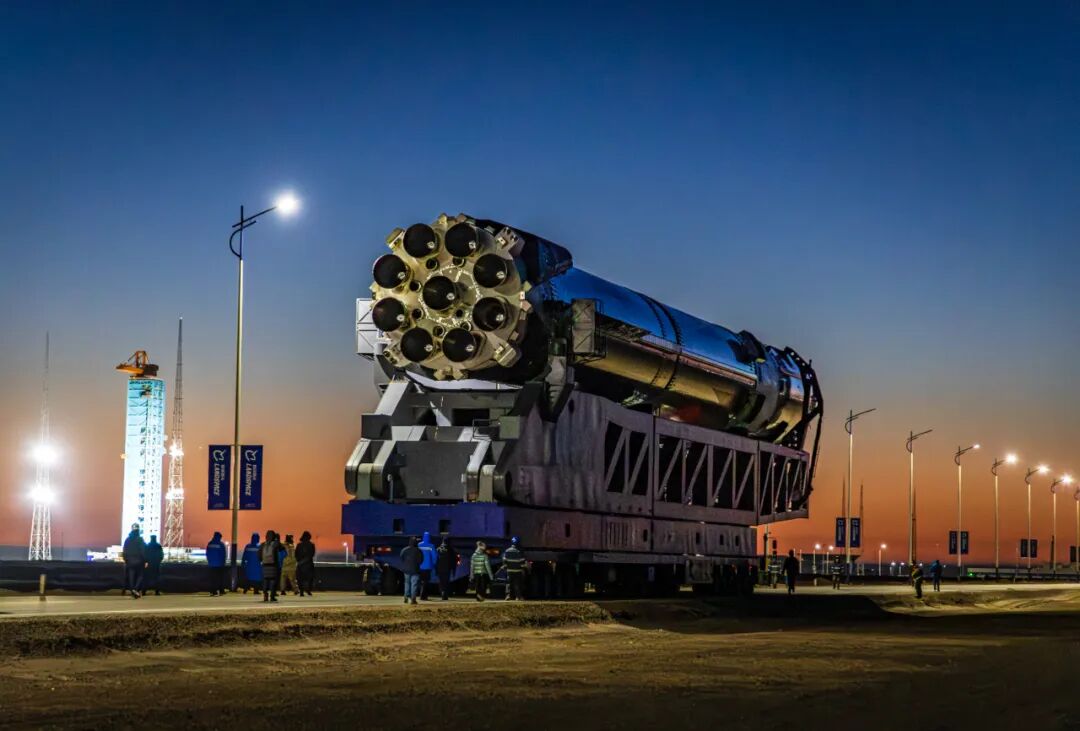
As early as 2021, the China National Space Administration officially released key plans for China's space development during the 14th Five-Year Plan period and beyond, prioritizing the advancement of heavy-lift carrier rockets, reusable space transportation systems, and other major projects to enhance comprehensive space capabilities. LandSpace has thoroughly implemented the strategy of building China into a space power, targeted global next-generation space transportation system technology trends, and established a technical capability system integrating R&D, manufacturing, testing, launch, and recovery. It has taken the lead domestically in completing key technology breakthroughs for reusable carrier rockets based on stainless steel structures and liquid oxygen-methane propellant. The successful maiden flight and orbital insertion of Zhuque-3 adds a new high-performance, high-potential mainstay rocket to the national space transportation system, strengthening China's capabilities for high-capacity, low-cost, high-frequency access to space and precisely responding to the urgent demand for large-scale constellation deployment in the national satellite internet project.
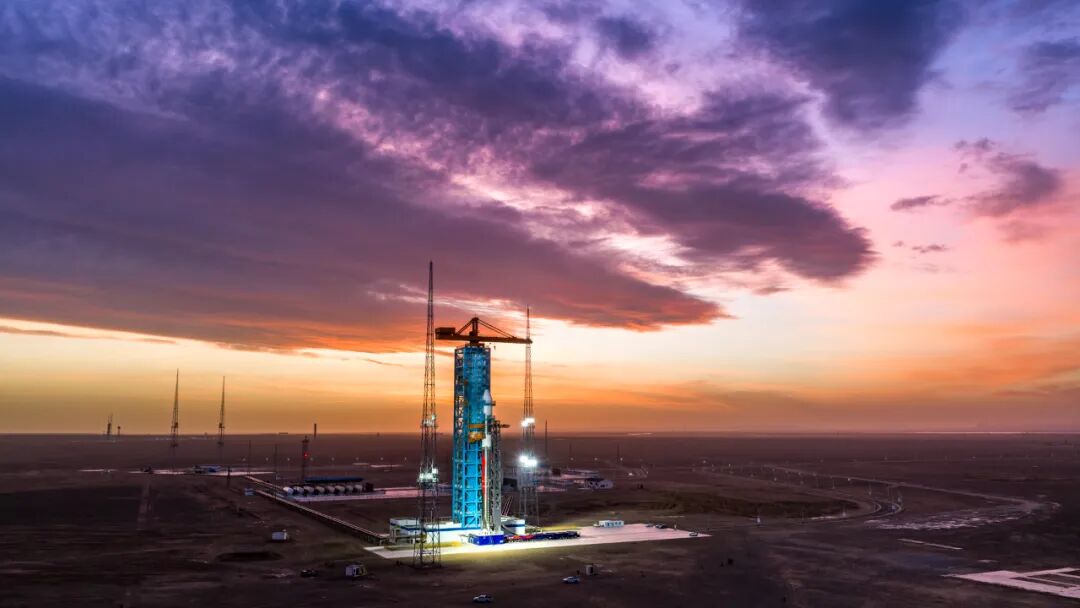
This mission verified the correctness and rationality of the Zhuque-3 carrier rocket's complete testing, launch, and flight process plans, the compatibility of various system interfaces, and obtained critical engineering data under actual flight conditions, laying an important foundation for subsequent model optimization, overall reliability improvement, and stage recovery and reuse. The model team will, based on the valuable data and experience gained from this mission, promptly conduct a comprehensive review of the test process and technical improvement work, optimize the recovery plan, and continue to advance the verification and application of rocket reusability technology in subsequent missions. In the future, as low-orbit constellation deployment enters its peak period, the Zhuque-3 will continue to iterate, achieving the transition from technological breakthroughs in recovery and reuse to routine, airline-like operations of reusable launches, committed to becoming a core launch vehicle matching national strategic needs and contributing LandSpace's strength to the construction of a space power and the development of new quality productive forces.
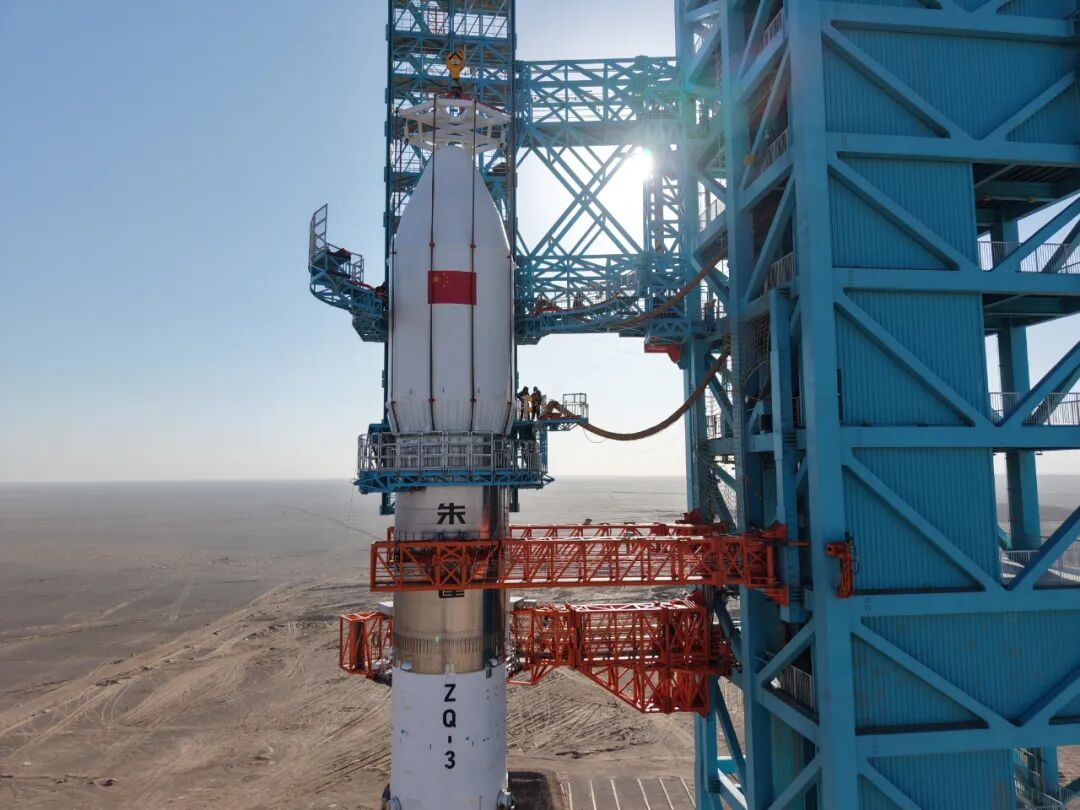
The Fourth Plenary Session of the 20th CPC Central Committee emphasized accelerating high-level scientific and technological self-reliance and building a strong space nation. Commercial space is an important force in driving space industry development and building a space power. Recently, the China National Space Administration issued the "Action Plan for Promoting High-Quality and Safe Development of Commercial Space (2025–2027)," further mapping out a development blueprint for commercial space through 22 measures across five categories. The maiden flight and orbital insertion of Zhuque-3, along with the completion of key technology verification, demonstrate the innovative breakthroughs and strategic commitment of China's commercial space industry on the path of high-quality development. LandSpace has always adhered to innovation-driven development, upheld a rigorous and pragmatic attitude, and steadily advanced the model development and launch-recovery work of Zhuque-3. Going forward, we will continue to use reusable rocket technology as a driving force, continuously improve technology maturity, promote the leap of China's commercial space transportation capabilities toward scale and systematization, and inject solid momentum into achieving the strategic goal of building a strong space nation!
Founded in 2022, Heart Capital is an early-stage venture capital fund focused on technology and digitalization in China. The Heart Capital team is primarily composed of Yan Han, founding partner of Lightspeed China, core investors, a CFO, and senior investors from industry backgrounds. The team's past investments include Series A investments in Xpeng Motors (NYSE: XPEV, 09868.HK), Full Truck Alliance (NYSE: YMM), as well as FinVolution (NYSE: FINV), RoboSense (02498.HK), Baichuan, Manmanman Lengyun, Fan Deng Reading, World Logistics, Micro-nano Starry Sky, LandSpace, Lanhu, Starfield, and others. Rooted in China with a global perspective, Heart Capital is committed to finding true value in non-consensus. Heart Capital respects the value of "people" and advocates the potential of the "heart," looking forward to accompanying more young Chinese entrepreneurs to strengthen China and go global.