Code Brain | *Nature*'s 10 People of 2023 Unveiled, ChatGPT Makes the List

The generative AI revolution has already begun, and there's no turning back.


ChatGPT also claimed a spot on Nature's 2023 list of ten people who mattered. Its impact has rippled across society as a whole.
In the early hours of December 14, Nature unveiled its 2023 list of ten people who mattered in science (Nature's 10). In addition to the ten individuals selected from major global scientific events — five men and five women — this year's list included one non-human entry: ChatGPT, the chatbot released by United States artificial intelligence company OpenAI. Notably, it was Ilya Sutskever, OpenAI's chief scientist and AI pioneer, rather than CEO Sam Altman, who made the list.
"Although this tool is not a person and does not fully meet the selection criteria for Nature's 10, we are including it as an exception to acknowledge the enormous changes that generative AI has brought to scientific development and progress," said Richard Monastersky, chief features editor at Nature. "ChatGPT has dominated headlines this year, and its impact has been felt across the scientific community and society at large."
The 2023 Nature's 10 are:
Kalpana Kalahasti, deputy project director of India's Chandrayaan-3 mission;
Marina Silva, Brazil's Minister of Environment;
Katsuhiko Hayashi, a developmental biologist at Osaka University in Japan;
Annie Kritcher, chief designer of the United States National Ignition Facility and physicist;
Eleni Myrivili, the UN's first global chief heat officer;
Ilya Sutskever, chief scientist at United States artificial intelligence company OpenAI and AI pioneer;
James Hamlin, physicist at the University of Florida;
Svetlana Mojsov, biochemist;
Dr. Halidou Tinto, director of research at the Nanoro Clinical Research Center in Burkina Faso, a landlocked country in West Africa;
Thomas Powles, cancer researcher at St Bartholomew's Hospital in London, United Kingdom;
and ChatGPT.
Kalpana Kalahasti:
Making India the Fourth Country to Land on the Moon After Chandrayaan-2's Crash
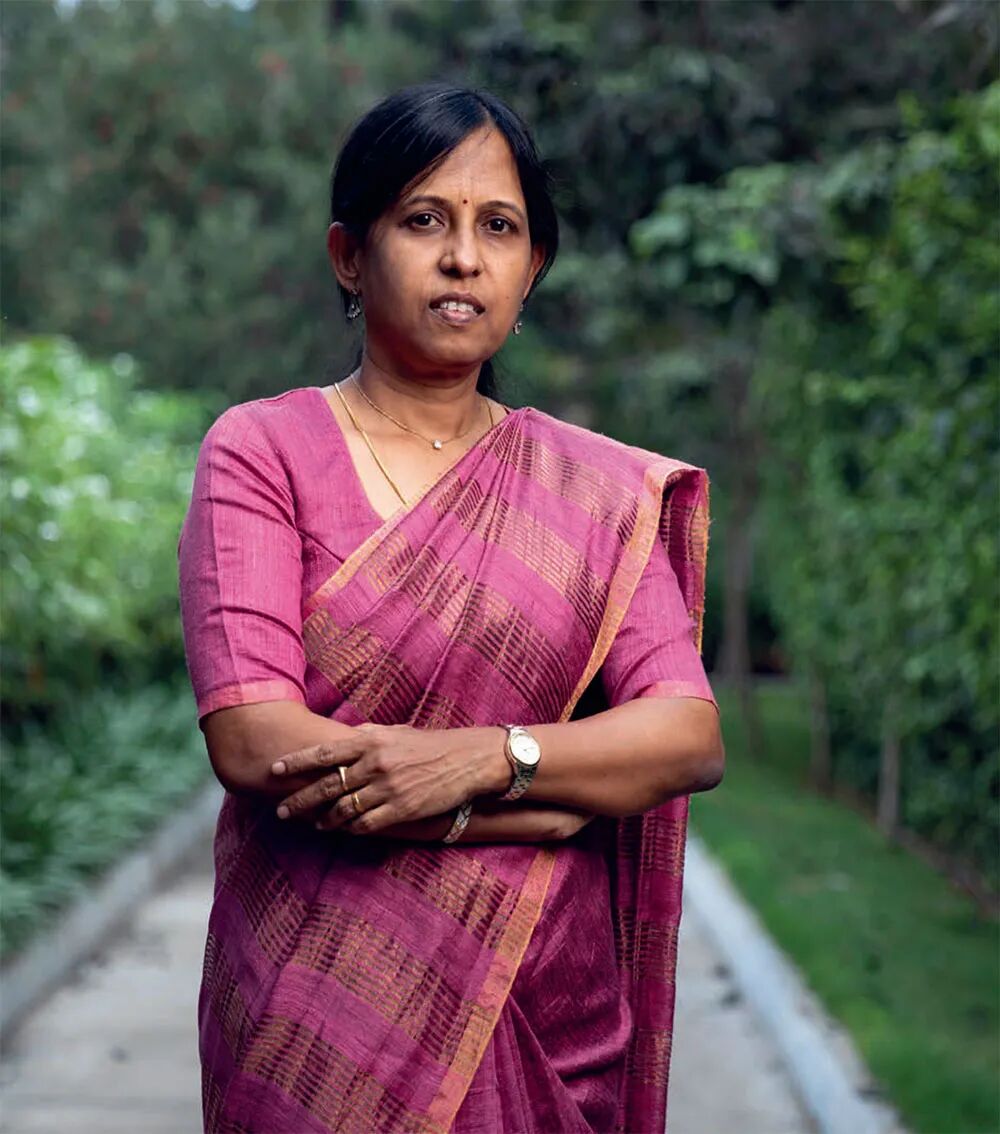
Kalpana Kalahasti was thrilled to see Chandrayaan-3's successful lunar landing ignite passion among India's youth. Kalpana Kalahasti, an engineer at the Indian Space Research Organisation (ISRO) and deputy project director of Chandrayaan-3, played a crucial role in the mission's successful moon landing. On July 14, Chandrayaan-3 launched amid the nation's hopes and anxieties. On August 23, the probe landed safely. India thus became the fourth country in the world to achieve a lunar landing, following the Soviet Union, the United States, and China.
Kalahasti was born in 1974 in Chennai, India, and earned her bachelor's degree in electronics and communication engineering from the University of Madras, one of India's oldest universities. Her journey from joining ISRO in 2000 to becoming deputy director of a lunar mission was a long one.
Her first role at ISRO was as a radar engineer at the Satish Dhawan Space Centre on Sriharikota Island — the organization's primary spaceport.
Along the way, she participated in various satellite projects and played key roles in the successful launches of multiple communications and remote sensing satellites, including developing precision positioning propulsion systems and designing imaging equipment to capture high-resolution images of Earth. Eventually, she secured a place in ISRO's landmark Chandrayaan-2 and Chandrayaan-3 missions.
The success of Chandrayaan-3 was a hard-won triumph for Kalahasti's team. In 2019, India's Chandrayaan-2 mission ended in failure when its lander crashed while attempting to reach the lunar surface. The blow to Kalahasti's team was devastating. Three other lunar landing missions internationally also failed: Israel-based SpaceIL's Beresheet lander was destroyed in 2019, while ispace's Hakuto-R mission from Japan and Russia's Luna 25 lander both crashed in 2023.
One of the biggest challenges Kalahasti's team faced was that the new spacecraft had to work with the same total mass and budget as Chandrayaan-2. Kalahasti, alongside project director Palanivel Veeramuthuvel, reconfigured the orbiter and lander: reducing the orbiter's mass, equipping the lander with more fuel and sturdier landing legs, and implementing other optimizations.
Given the enormous scope of designing a lunar lander, Kalahasti's team was stretched thin — conducting numerous tests, integrating results, and simultaneously planning the flight path required coordinating more than a dozen ISRO centers across India. "It was like we were building five or six different satellites together," Kalahasti said.
In coordinating this multi-front effort, Kalahasti demonstrated remarkable leadership — a capability seemingly rooted in her past experience in project management and systems engineering.
Kalahasti was thrilled to see Chandrayaan-3's successful lunar landing ignite passion among India's youth. "Beyond the technical aspects, I hope young professionals in India and around the world are inspired by how a team can come back from failure," she said.
Marina Silva:
Protecting the Amazon Rainforest
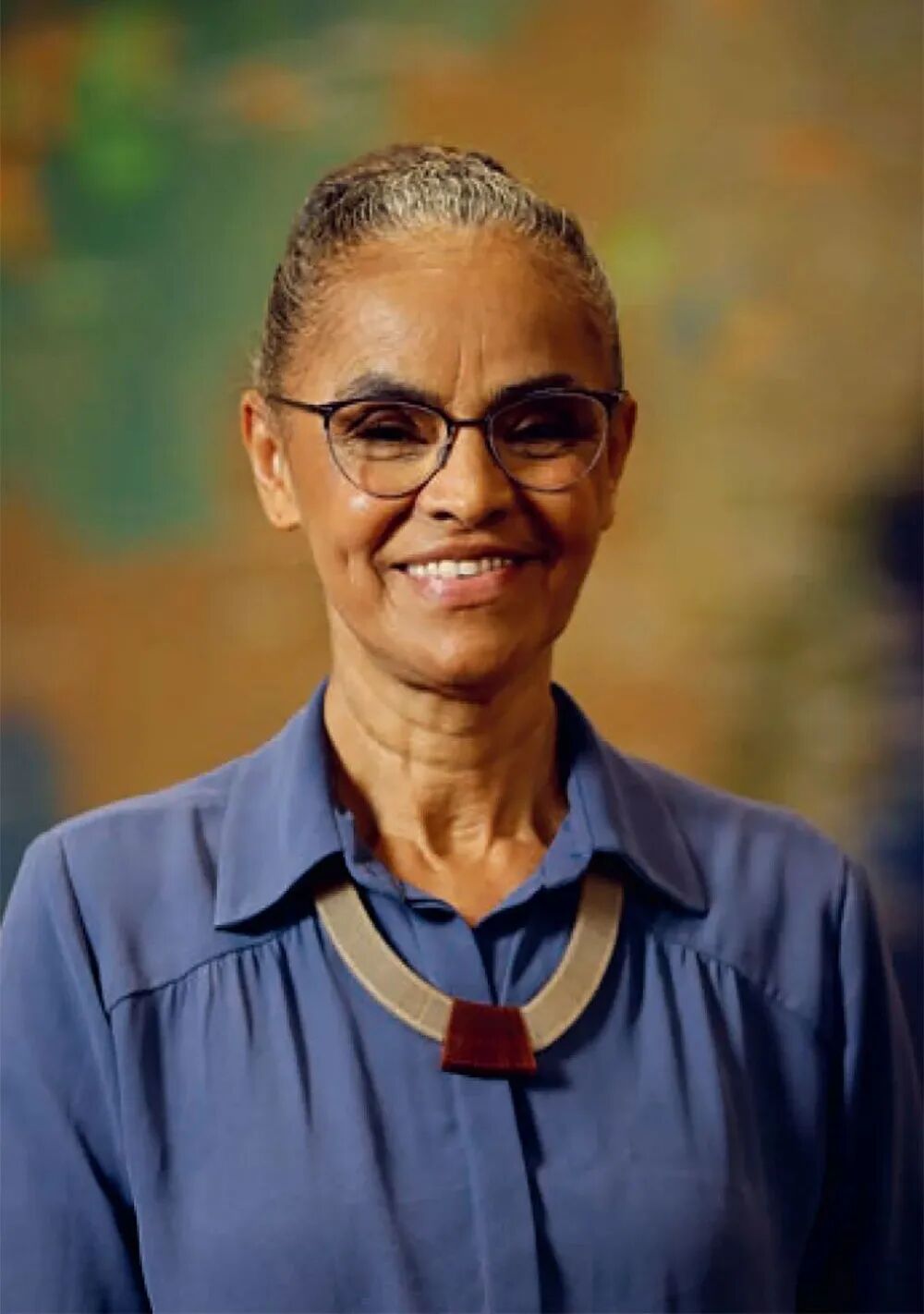
Brazil's Minister of Environment and Climate Change Marina Silva compares herself to the tough fibers inside Amazon trees — the kind that bind wood together to make rafts. "That's how I see my work."
In a year filled with bad news about record-breaking global warming, heat waves, and raging fires, Brazil's Minister of Environment and Climate Change Marina Silva delivered a message of hope: satellite images showed that deforestation alerts in the Amazon rainforest dropped 43% from January to July 2023 compared to the same period in 2022. This marked a sharp contrast with the rising trend of deforestation alerts over the previous four years.
The reduction in deforestation alerts is credited to the efforts of Marina Silva and others.
This is not her first time serving as Minister of Environment and Climate Change. She held the position from 2003 to 2008.
During her first term, Marina Silva helped develop the Action Plan for Prevention and Control of Deforestation in the Legal Amazon (PPCDAm) to combat rampant deforestation. Between 2004 and 2012, Amazon deforestation rates fell by 83%.
However, from 2019 to 2022, many environmental protection measures including PPCDAm were abolished by the government. Environmental crime fines dropped 40% compared to the previous four years, while logging rates in the Amazon region increased by roughly 60%.
This year, Marina Silva and her team swung back into action.
One key achievement was the launch of an optimized PPCDAm plan on June 5.
Data from Brazil's National Institute for Space Research (INPE) showed that from August 2022 to July 2023, Amazon deforestation fell by approximately 22% compared to the previous 12 months. This was the lowest rate since 2018, though still double that of 2012.
Additionally, Marina Silva restored support for environmental law enforcement in the region. Data from the Brazilian Institute of Environment and Renewable Natural Resources (IBAMA) showed that from January to July this year, environmental crime-related fines in the region increased by 147% compared to the average for the same periods from 2019 to 2022.
Marina Silva has faced adversity head-on since childhood. Born in 1958 in Rio Branco, deep in Brazil's Amazon region, she grew up in a poor family with eleven children (three of whom died in infancy). Silva and her siblings began working early, extracting latex from rubber trees. She once aspired to become a nun. She didn't learn to read and write until her teenage years.
In the mid-1970s, Silva met environmental activist Chico Mendes during a rural leadership course, launching her career in environmental activism that eventually led to politics. In 1994, at age 35, she became Brazil's youngest senator.
Yet simply ending deforestation is far from enough. "If countries don't reduce carbon dioxide emissions from fossil fuels, forests risk being destroyed by climate change. So we need a civilization-level transformation, a change in how we live," Silva said.
She compares herself to the tough fibers inside Amazon trees — the kind that bind wood together to make rafts. "That's how I see my work," she said. "Bringing together capable people and everything that's needed to form the platform and foundation for this challenging era."
Katsuhiko Hayashi:
Rewriting Reproduction
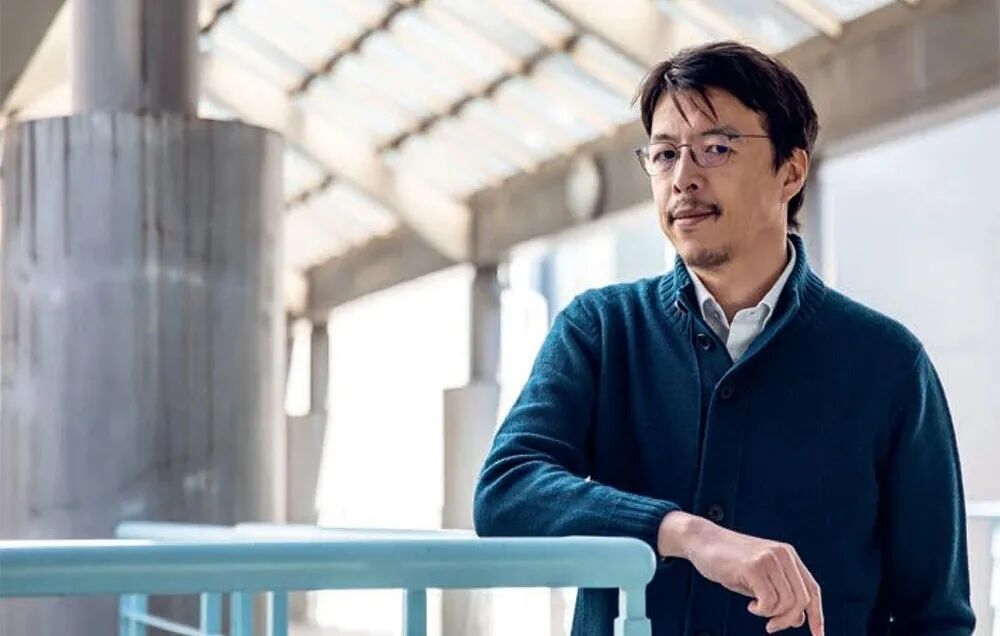
Katsuhiko Hayashi, a developmental biologist at Osaka University in Japan, hopes to extend his experiments to another animal: the northern white rhino. Only two are known to survive today, both female, and the subspecies teeters on the brink of extinction. When Hayashi and his colleagues announced in March that they had successfully bred mice from the cells of two male parents, Robert Gilchrist, a reproductive biologist at the University of New South Wales in Sydney, Australia, said: "I fell off my chair. It's an extraordinary scientific achievement."
Previously, many researchers had considered the task impossible, or nearly so. Hayashi said, "Actually, it wasn't that difficult." Since his undergraduate days, Hayashi has been deeply fascinated by germ cells: they naturally develop into sperm and eggs, are essential for reproduction, and perpetuate themselves through offspring. He developed a profound research interest in them. "Germ cells are the fountain of life," he said.
Over the years, Hayashi has built a reputation for taking on daunting, imaginative challenges. Daisuke Kitamura, an immunologist at Tokyo University of Science and Hayashi's doctoral advisor, said: "He works like ten people in one."
Hayashi and his team had previously induced mouse stem cells to become immature eggs, then matured them, fertilized them, and raised pups. This year, his lab built on that success by using cells from male mice to cultivate eggs. Of 630 embryo transfers, only seven pups survived.
Now, he hopes to extend the experiment to another animal: the northern white rhino (Ceratotherium simum cottoni). Only two are known to survive today, both female, and the subspecies teeters on the brink of extinction. The new technology may offer a way to save this endangered population. Hayashi said that cultivating rhino sperm and eggs in the laboratory would be far more difficult than with lab mice.
Cultivating human germ cells would be even more complex. Amander Clark, a developmental and stem cell biologist at the University of California, Los Angeles, said that applying the techniques pioneered by Hayashi to produce human eggs and sperm could take decades.
Meanwhile, Hayashi largely stays out of the ethical discussions. "From a scientist's perspective, we're relatively simple — we try to produce good-quality eggs," he said. "But whether this type of egg should be used isn't for us to decide. That's for society to determine."
Annie Kritcher:
The Fusion Igniter
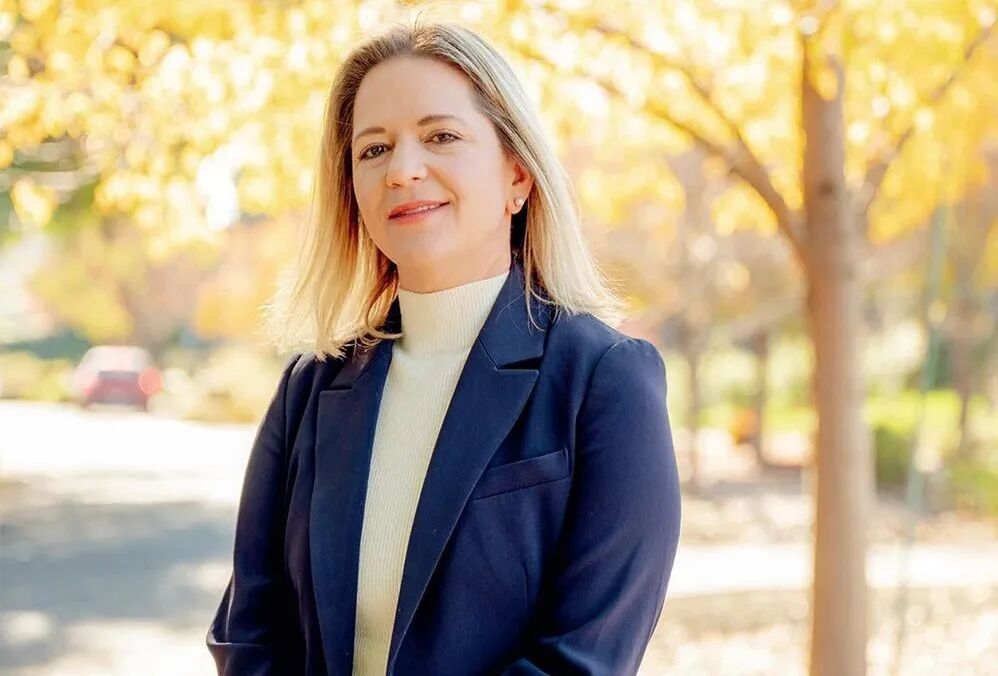
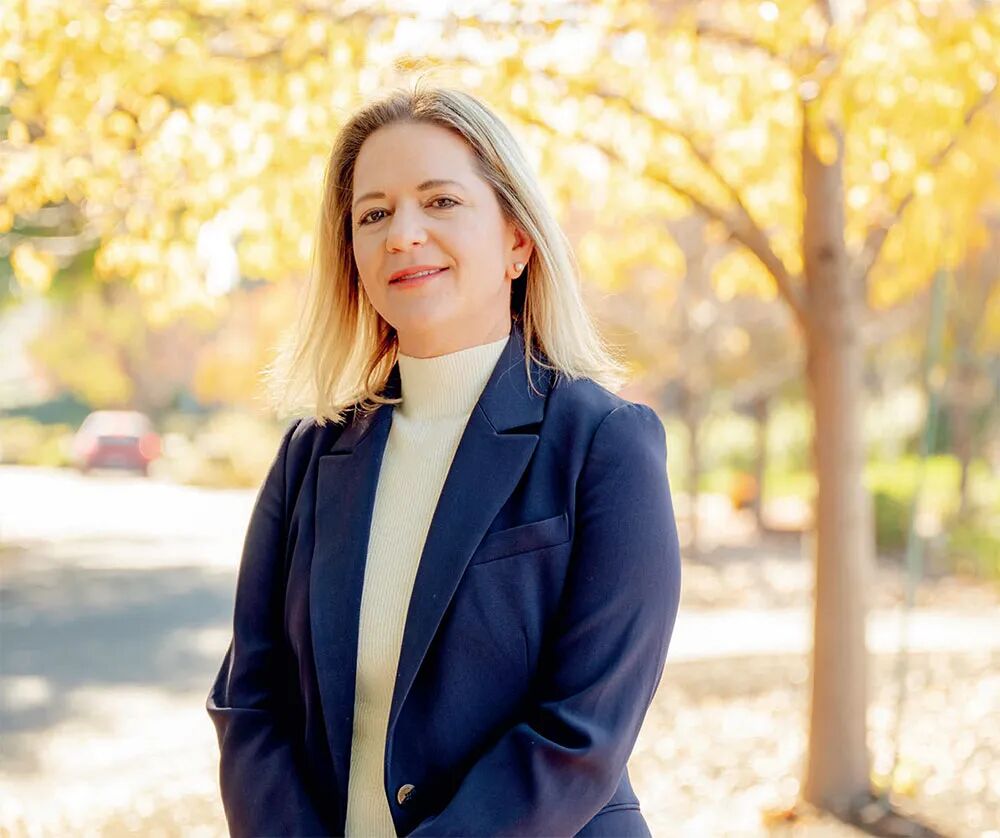
Annie Kritcher, lead designer at the US National Ignition Facility, says fusion isn't a question of "if," but "when." She wants lasers to be part of the answer. "I'm happy to be involved."
In late 2022, Annie Kritcher, a physicist and lead designer at the US National Ignition Facility (NIF), helped the facility achieve what laboratories around the world had failed to do for decades: compressing atoms so tightly that they fused, producing more energy than the reaction consumed.
The $3.5 billion NIF, located at Lawrence Livermore National Laboratory in California, was built to advance nuclear weapons science. Its research also contributes to fusion energy development — a safe, clean, and virtually limitless power source. NIF's 2022 success caught many by surprise. The ignition program had already fallen behind schedule by a decade, and some worried that achieving ignition might be impossible.
But the first success didn't mean the job was done. After reaching this milestone, Kritcher's team faced pressure to repeat the feat.
It was a bumpy road. Their first attempt to replicate the process, in June 2023, fell short. "Things can get crazy, and I definitely felt the pressure," Kritcher said.
But the next attempt succeeded. On July 30, 2023, the ignition facility fired laser beams that delivered 2.05 megajoules of energy to a frozen pellet of hydrogen isotopes — deuterium and tritium — suspended inside a metal cylinder. The resulting implosion fused the isotopes into helium, releasing energy and generating temperatures six times hotter than the sun's core. The reactions produced 3.88 megajoules of fusion energy.
Following the July success, Kritcher and her team conducted two more ignition attempts in October, bringing their success rate to four out of six attempts. They are preparing for higher yields in 2024.
NIF's purpose is to help government scientists ensure the safety and reliability of US thermonuclear weapons without explosive testing. But that wasn't what originally drew Kritcher to the facility. During a 2004 summer internship at Livermore, she worked on fusion energy. Before starting graduate school, she quickly set her sights on NIF, joining officially in 2012 — one of the few places on Earth where fusion reactions are studied.
In 2016, Kritcher began to make her mark, rising to the core of the ignition program. She led teams analyzing experimental data and using computer models to design experiments, adjusting parameters such as the energy and timing of various laser beams to achieve and increase fusion yields.
Having officially reached the ignition goal, Kritcher is now conducting a new series of experiments aimed at boosting energy output further — to tens of megajoules and beyond.
She says fusion isn't a question of "if," but "when." She wants lasers to be part of the answer. "I'm happy to be involved."
Eleni Myrivili: The Heat Administrator
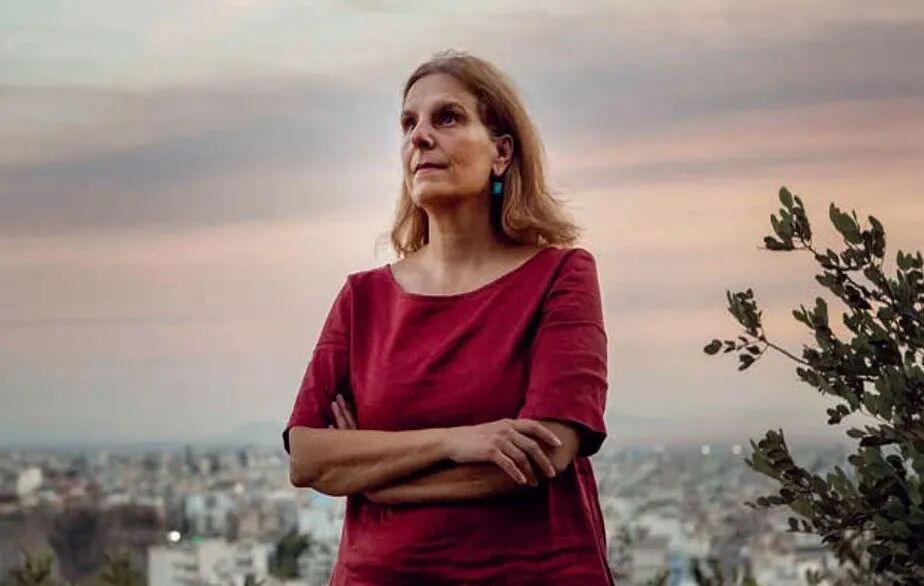
Myrivili attends climate negotiations in Dubai with the goal of stopping the world's rising temperatures and preparing for the future.
Eleni Myrivili, former deputy mayor of Athens and the city's first chief heat officer, now holds a global role as the UN's first chief heat officer, working to mitigate the catastrophic impacts of a warming climate.
2023 is on track to become the hottest year on record by the end of December. This extreme heat has had deadly consequences: a paper published in July 2023 found that heat waves claimed more than 61,000 lives across Europe between late May and early September 2022, with Italy, Greece, and Spain recording the highest heat-related mortality rates.
Myrivili's focus on extreme heat is a far cry from her beginnings as a cultural anthropologist. She earned her doctorate on migration, violence, and borders, then taught at the University of the Aegean in Mytilene, Greece.
In the summer of 2007, wildfires swept through parts of Greece, and Parnitha National Park near Athens burned extensively. It was a warning sign of climate change, and a turning point in Myrivili's career.
Angered by society's lack of information and initiative around the fires, she decided to enter politics. After working with Greece's Green Party, she read Benjamin R. Barber's If Mayors Ruled the World and pivoted to city government. In various roles at Athens City Hall, she pushed for climate adaptation and planning across municipal departments.
In 2021, she was appointed Athens' chief heat officer.
To raise awareness of dangerous weather patterns, Myrivili advocated for naming heat waves. She also worked to secure funding for climate initiatives: in 2018, her team obtained a €5 million (then $5.9 million) loan from the European Investment Bank for climate adaptation projects.
Now, Myrivili focuses on raising global awareness of extreme heat and raising funds for projects through UN-Habitat, including the Global Cooling Pledge introduced at the 28th Climate Conference in Dubai.
Myrivili hates air conditioning, and resents people who bring it up with her. But during the 2021 heat wave, she finally bought a small unit. "But I still hate it," she said.
Yet as temperatures rise, air conditioning use will only increase. That's why Myrivili is at the climate negotiations in Dubai — to stop the world's rising temperatures and prepare for the future.
Ilya Sutskever: AI Dreamer
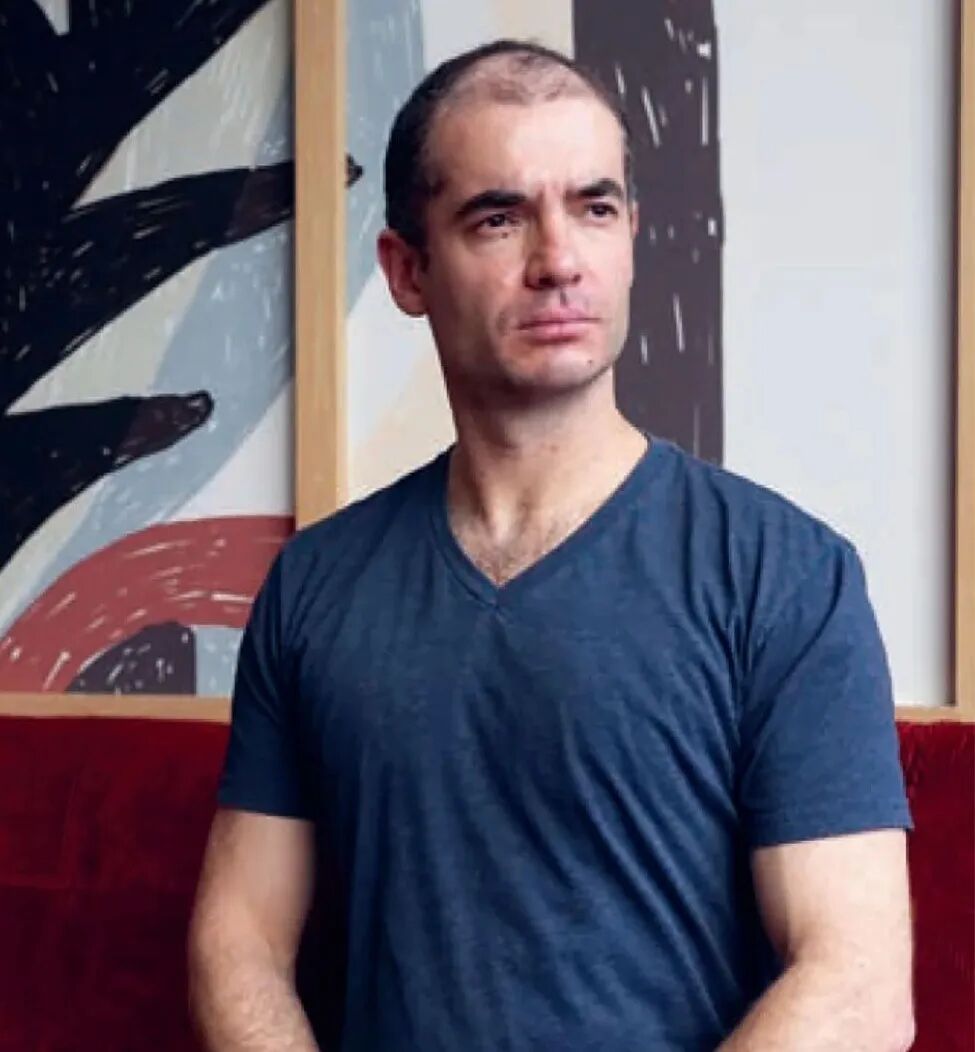
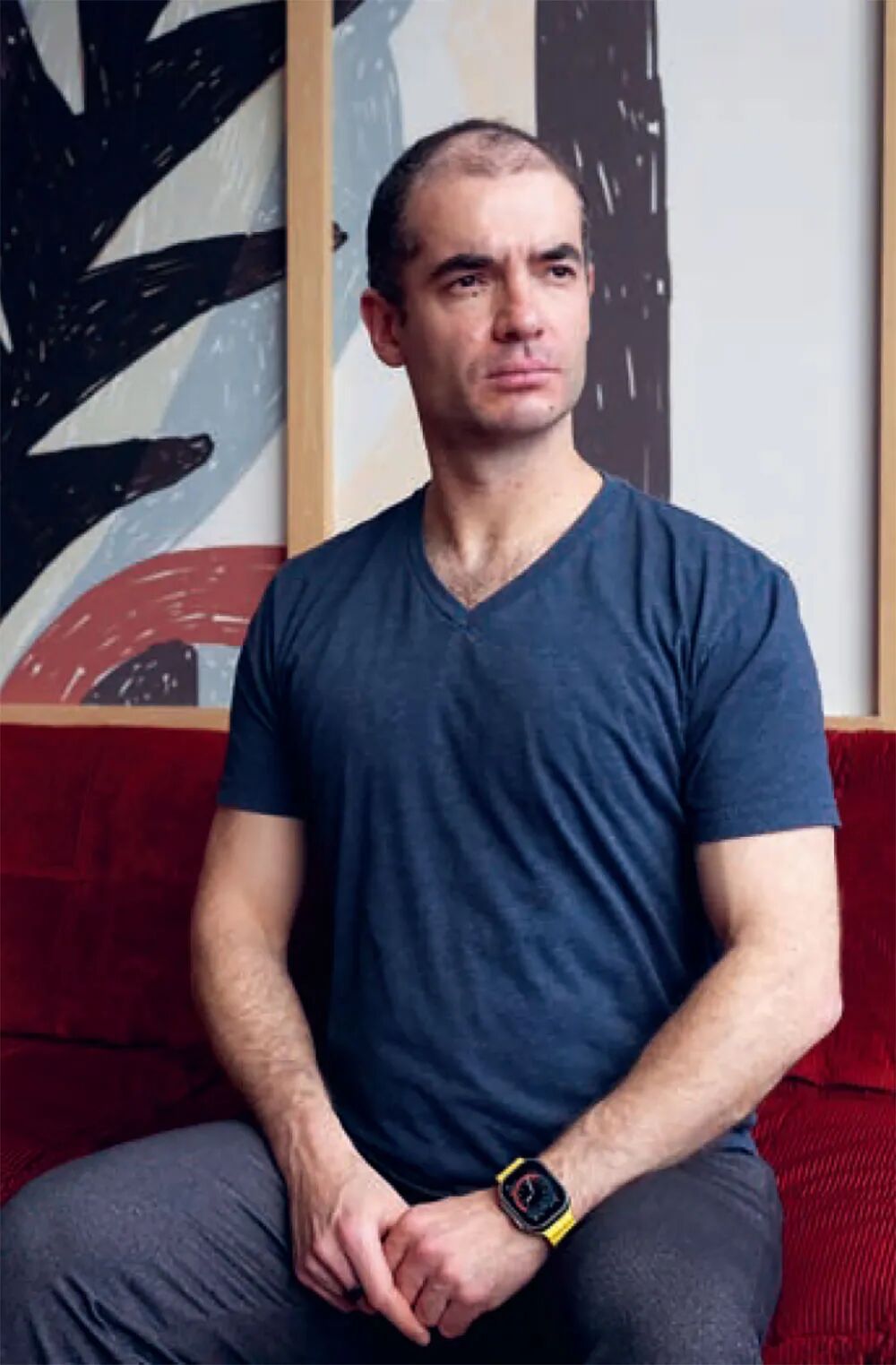
Sutskever is a visionary pioneer in deep learning and large language models (LLMs), and is now focusing on controlling AI systems through OpenAI's "superalignment" project.
Ilya Sutskever is a pivotal figure in the evolution of AI technology. He played a central role in developing ChatGPT, the conversational AI bot. Yet he also harbors deep concerns about AI's future.
Sutskever was born in the Soviet Union in 1986. A precocious learner from the start, as a teenager he took university-level programming courses in Israel. After his family relocated to Canada, a teenage Sutskever showed up at the University of Toronto and knocked on the door of Geoffrey E. Hinton, the godfather of modern AI, asking for a job.
"He said he was making money frying chips over the summer, and he'd much rather work for me doing AI," Hinton recalled.
In 2003, at age 17, Sutskever began collaborating with Hinton on deep learning research. In 2012, Sutskever and another of Hinton's students built the neural network AlexNet, winning a landmark image recognition competition by a staggering margin. He later moved to Google, where he helped develop AlphaGo, the AI Go software that defeated human champions at the complex board game.
In 2015, Sutskever was invited to a dinner with Sam Altman and others, including billionaire entrepreneur Elon Musk. That same year, they co-founded OpenAI as a nonprofit with the mission to "benefit humanity." Sutskever saw it as a genuine opportunity to pursue artificial general intelligence (AGI).
Sutskever is a visionary pioneer in deep learning and large language models (LLMs), and is now focusing on controlling AI systems through OpenAI's "superalignment" project.
OpenAI and several other companies keep their code and training data under wraps. Sutskever argues that, in the long run, closed systems are the responsible approach to prevent others from building dangerously powerful AI. "At some point, AI capabilities will become so great that open-sourcing models is clearly irresponsible," he said.
On November 17, 2023, Sutskever and other OpenAI board members fired CEO Sam Altman, triggering chaos inside the company. He later expressed regret over his actions. Many employees threatened to defect to Microsoft alongside Altman — Sutskever among them.
Five days later, when Altman returned to OpenAI, Sutskever was removed from the board. But Altman said he bore Sutskever no ill will. "While Ilya will no longer serve on the board, we hope to continue our working relationship and are discussing how he can continue his work at OpenAI."
Following the turmoil, Sutskever declined interview requests from Nature.
Andrew Ng, the prominent Chinese-American AI expert, said Sutskever has an admirable trait — the ability to choose a direction and persistently pursue it, regardless of whether others agree with him.
James Hamlin: "Superconductivity" Detective
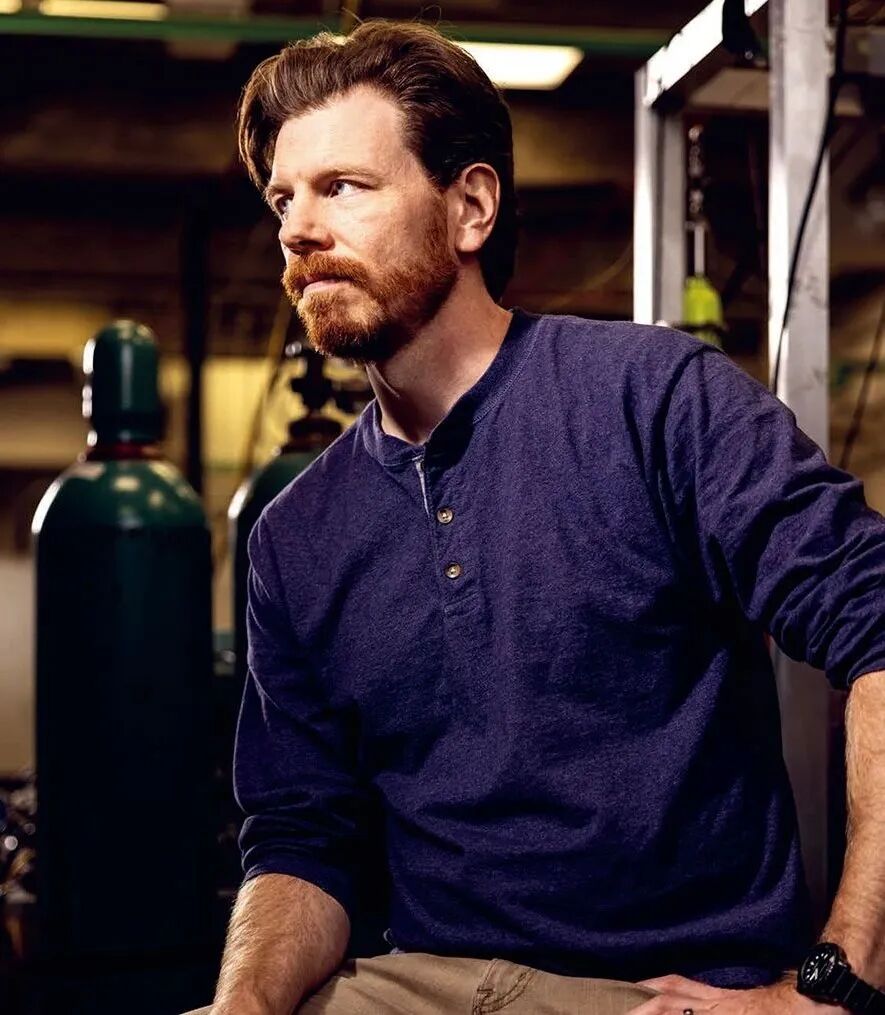
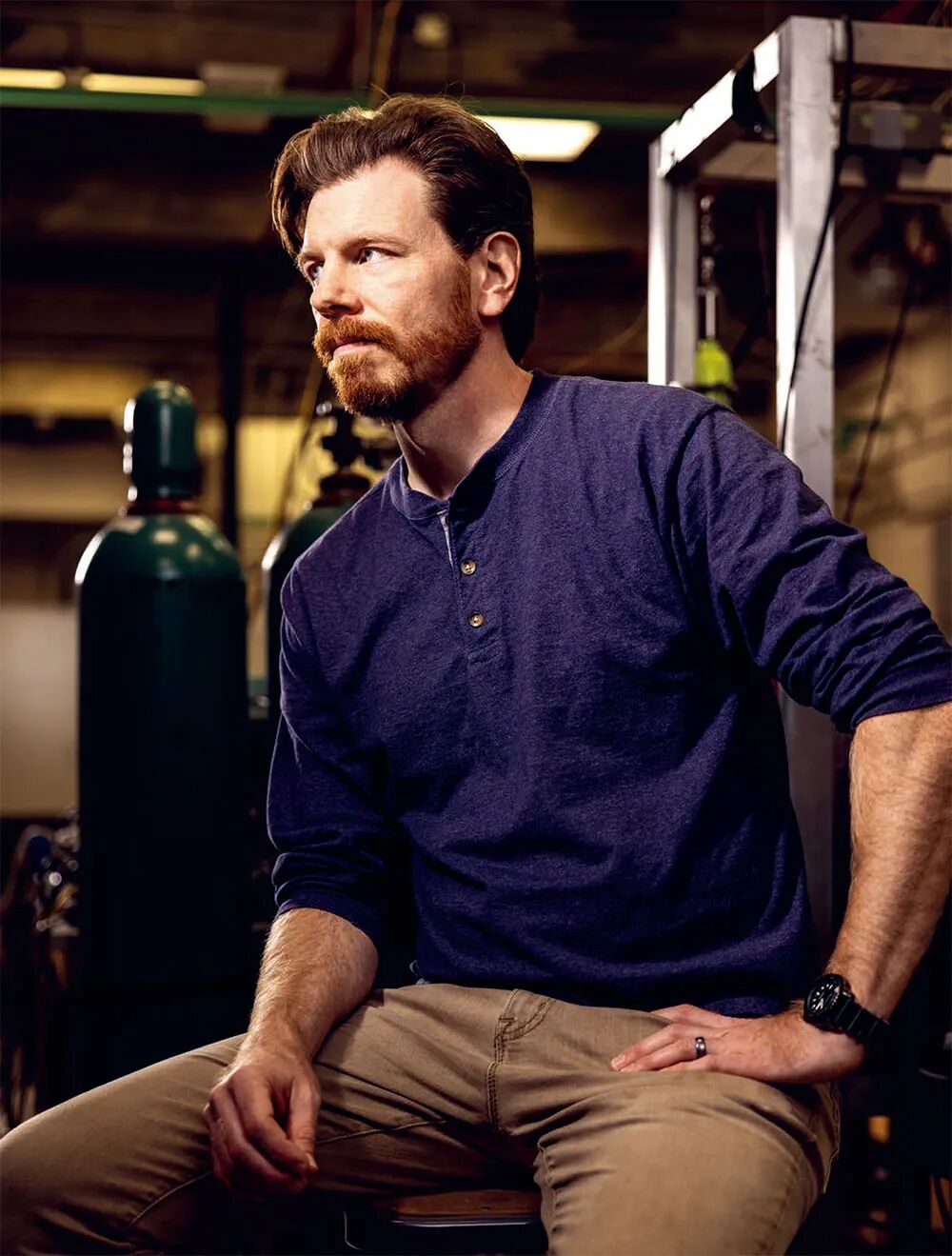
James Hamlin, "superconductivity" detective and associate professor of physics at the University of Florida.
James Hamlin, associate professor of physics at the University of Florida, helped expose the flaws in sensational claims about room-temperature superconductivity. He earned his PhD from Washington University in St. Louis in 2007. His current lab focuses on novel electronic and magnetic materials, with particular interest in the conditions that give rise to unconventional and high-temperature superconducting states.
Superconductivity refers to the phenomenon where a material's electrical resistance drops to zero below a certain temperature. Under these conditions, superconductors exhibit zero resistance and perfect diamagnetism.
Hamlin still remembers the first time an experiment fooled him. As a graduate student, he saw signs of superconductivity in an unexpected material — electrons flowing unimpeded. Excited, he told his advisor. But the advisor remained calm, asking probing questions and suggesting additional tests. When further testing was conducted on the material in question, the superconductivity vanished. The lesson he absorbed: "Don't assume you've found something," Hamlin said.
In March 2023, in Nature, Ranga P. Dias — an assistant professor in the Department of Mechanical Engineering and the Department of Physics and Astronomy at the University of Rochester — published another paper and reported at the American Physical Society meeting in Las Vegas that a new material, lutetium hydride nitride, exhibited superconductivity at about 21°C under pressure of 10,000 standard atmospheres.
Amid widespread controversy, Hamlin and Brad Ramshaw, a superconductivity researcher at Cornell University, expressed concerns about this research to Nature.
This wasn't the first time, or even the second, that Hamlin had exposed problems in Dias's work.
In 2020, Dias published a paper in Nature claiming the discovery of the first room-temperature superconductor, albeit requiring much higher pressure. After Dias's 2020 paper appeared, Jorge Hirsch, a physicist at the University of California, San Diego, found one of the study's measurements suspicious — and strikingly similar to data in a 2009 paper by Hamlin. Prodded by Hirsch, Hamlin investigated his own work and found evidence that another co-author, Matthew Debessai, had manipulated data. That paper was retracted in 2021.
Hamlin wondered whether Dias's 2020 study might have similar problems. But Dias and his co-authors took more than a year to release the data Hirsch wanted. Hirsch, Hamlin, and others analyzed it and found evidence of manipulation. In September 2022, Nature retracted Dias's paper, though the retraction notice made no mention of misconduct, which Dias denied.
Hamlin also discovered that Dias had plagiarized his own and others' research — reusing data from his papers in a later Physical Review Letters paper by Dias. That paper was retracted in August 2023.
Roughly eight months after Dias's 2023 Nature paper was published online, it too was retracted in November 2023 — Dias's third retraction in just over a year.
Notably, on March 15 — only eight days after Dias announced his high-pressure room-temperature superconducting material and presented data at the American Physical Society meeting — a team led by Professor Hai-Hu Wen at Nanjing University published replication experiment results that overturned Dias's room-temperature superconductivity claims, causing a sensation. Wen's results were published online in Nature on May 11: their nitrogen-doped lutetium hydride showed no near-ambient room-temperature superconductivity.
Hamlin isn't a full-time detective. He'd much rather devote more time to his own superconductivity research. "It's still the most exciting subject in physics," he said.
Svetlana Mojsov: Pioneer Researcher of "Blockbuster" Weight-Loss Drugs
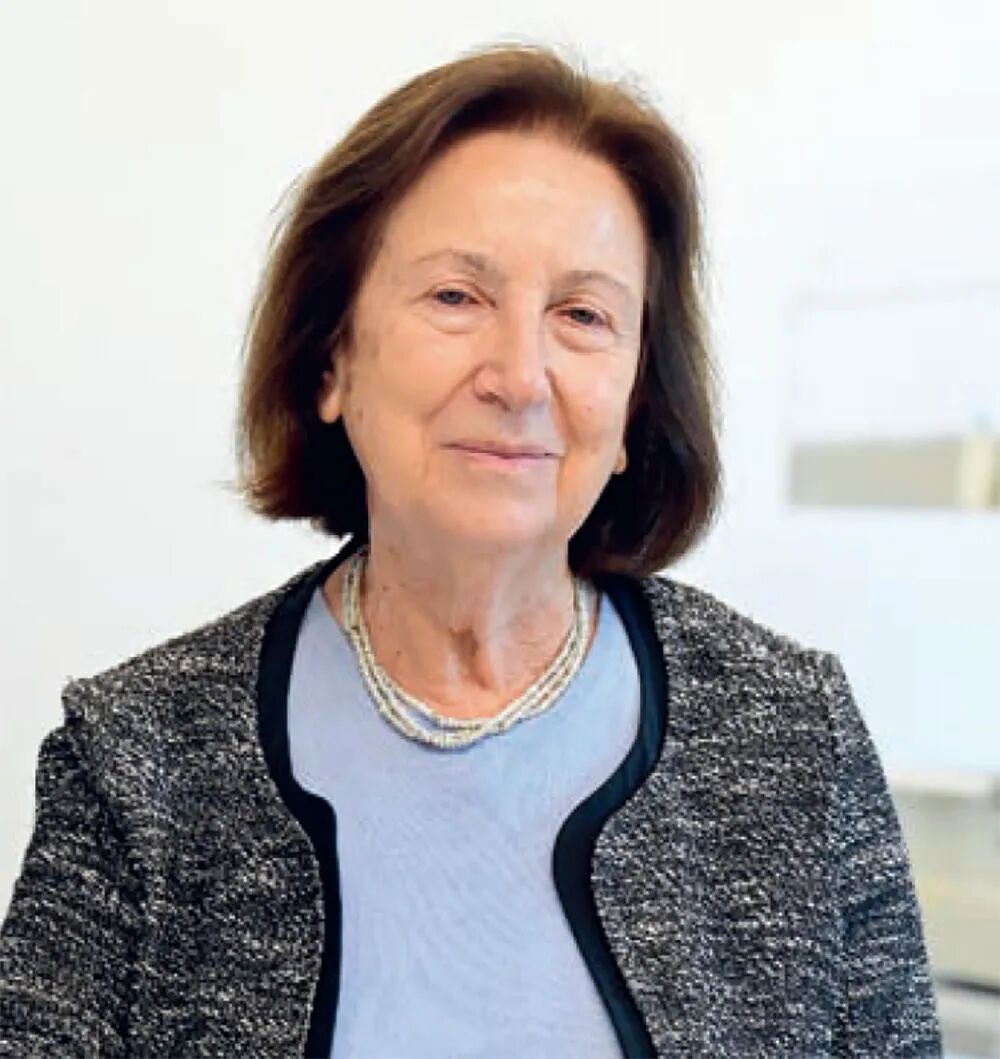
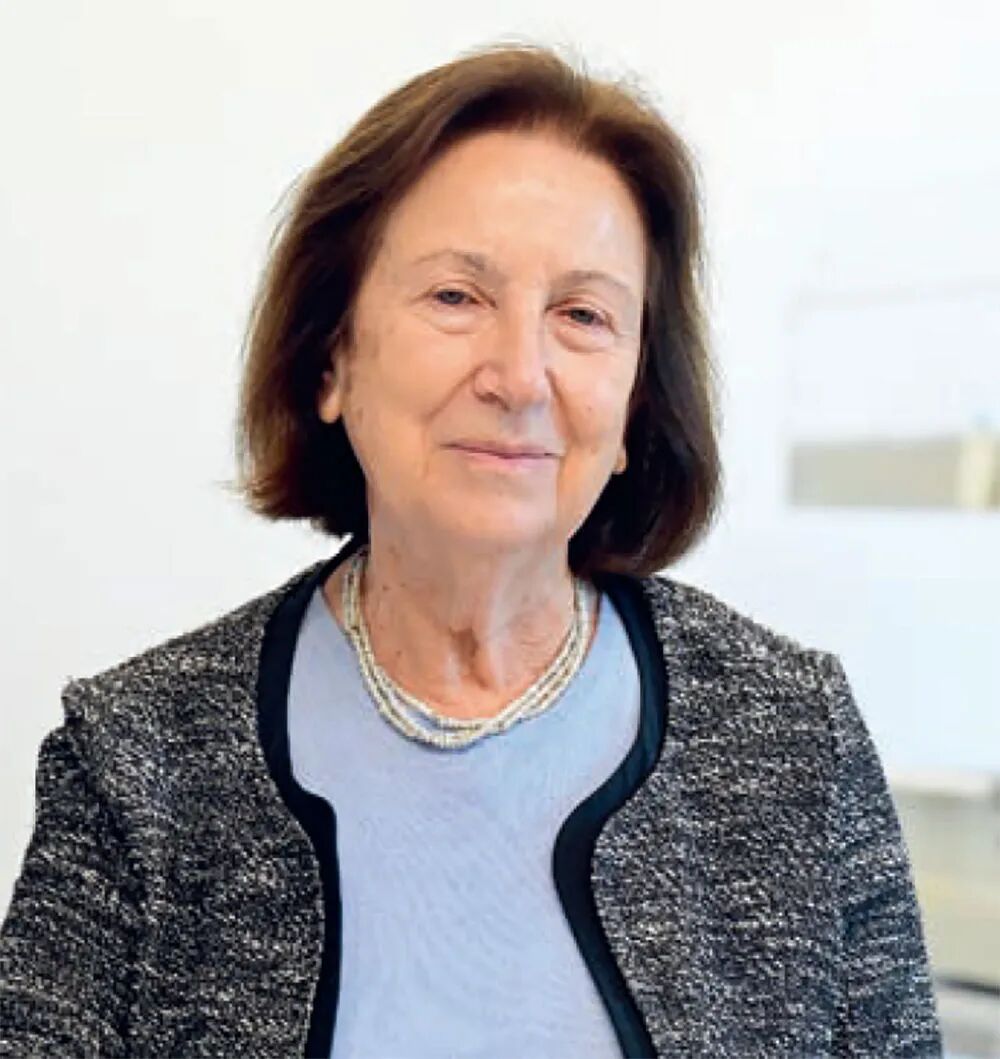
A new class of weight-loss drugs that mimic glucagon-like peptide-1 (GLP-1) is sweeping the globe, generating billions in profits for pharmaceutical companies and earning scientific accolades for their researchers.
But one early pioneer has not received her due recognition: Svetlana Mojsov, a Yugoslavia-born scientist now in her 70s and a biochemist at Rockefeller University in New York. She played a crucial role in identifying and characterizing active GLP-1. Yet much of her work went unacknowledged, and she was excluded from scientific awards tied to these achievements.
Other GLP-1 experiments conducted in cell lines used peptides and antibodies created by Mojsov; early clinical trials demonstrating GLP-1's ability to lower blood sugar also used her peptides and antibodies.
These studies laid the groundwork for drugs like Ozempic and Wegovy. Their active ingredient, semaglutide, is a GLP-1 analog that makes only subtle modifications to the peptide outlined in Mojsov's original paper — enhancing its stability and ensuring longer-lasting efficacy.
Currently, semaglutide generates over $1 billion in global sales monthly and is projected to become one of the best-selling drugs of all time.
Yet Mojsov's role in this discovery was long overlooked.
In 2023, Mojsov fought against stereotypes in the field, and her contributions began gaining wider recognition. "All I wanted to do was set the scientific record straight," she said.
To have her name added as a co-inventor on foundational patents, she endured protracted litigation. This secured her one to two years of royalty payments tied to sales of first-generation GLP-1 drugs. But because her patents had long expired, the massive profits from semaglutide eluded her entirely. This erasure made Mojsov feel that history was being "manipulated."
At her urging, journals including Cell and Nature updated their accounts of the GLP-1 discovery to better reflect Mojsov's contributions: she independently discovered and described the active form of the GLP-1 hormone at Massachusetts General Hospital (MGH), separately from researchers at the University of Copenhagen in Denmark.
Moreover, roughly 40 years after Mojsov began studying GLP-1, media outlets finally began telling her story.
Supportive emails poured in — from scientific colleagues, especially women scientists. They expressed frustration with the hierarchical structures of biomedical research.
Awards and prestige may yet come her way. But these are not Mojsov's priority. Her foremost goal is to continue studying GLP-1 and related proteins in her lab. "I'm glad my work is being recognized," she said. "Everything else is secondary."
Halidou Tinto: Malaria Fighter
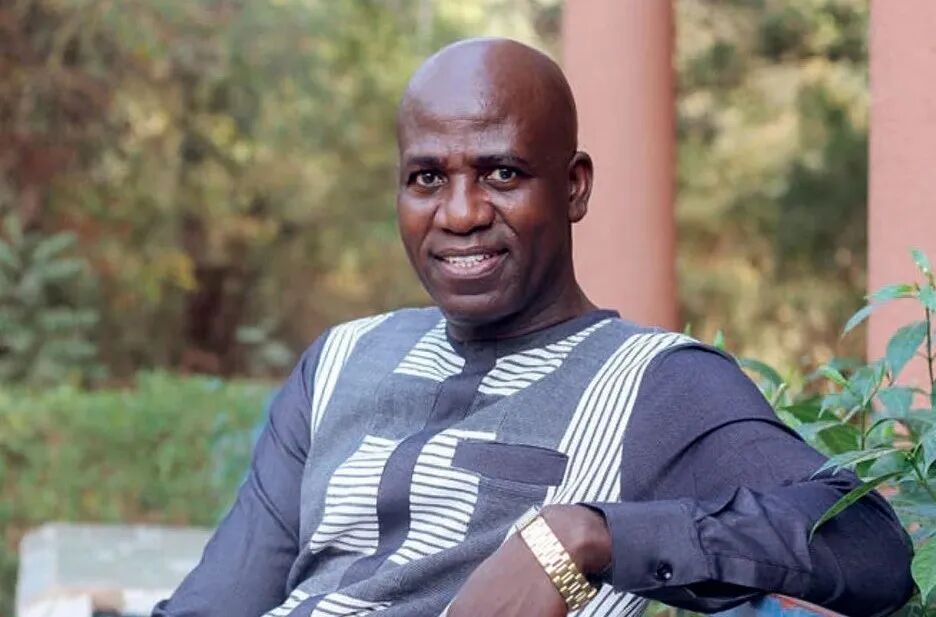
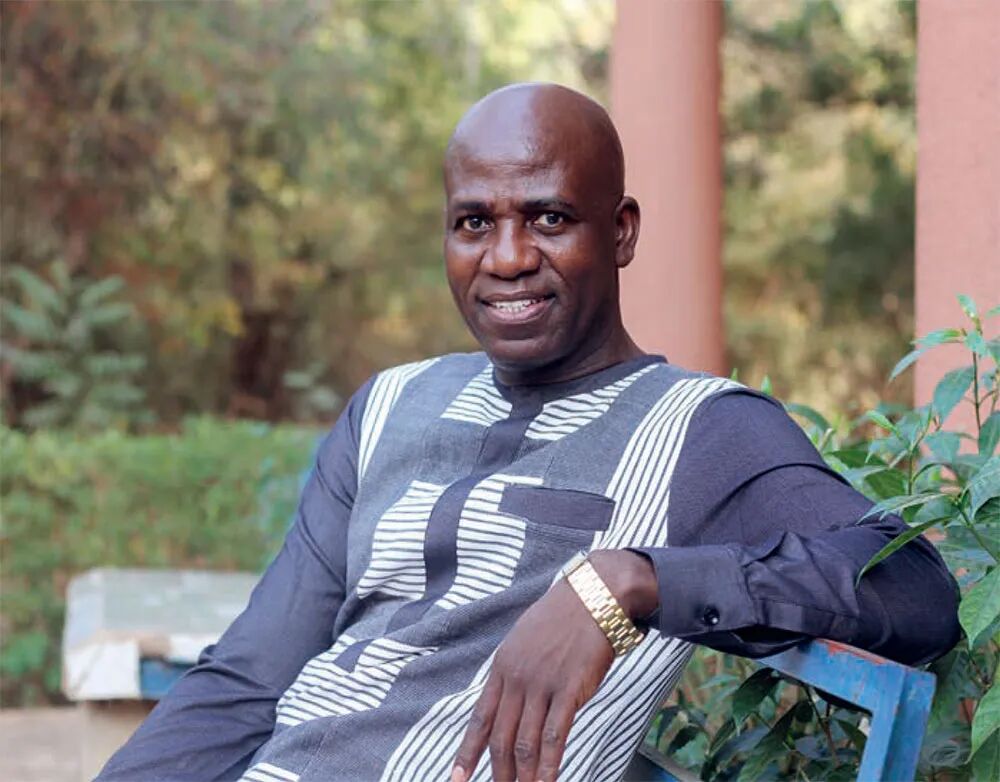
Halidou Tinto, director of the Nanoro Clinical Research Center in Burkina Faso, West Africa, helped complete the clinical trials for the second malaria vaccine ever approved.
Halidou Tinto once had the opportunity to do postdoctoral research at an American university, but he turned it down and returned to Burkina Faso, a landlocked country in West Africa, in 2006. There, he worked with local scientists and clinicians to establish the Nanoro Clinical Research Unit (CRUN). The center became the trial site for vaccines including R21. Many scientists credit the center's success to Tinto's diligence. "He really wants to push science and research in Africa," said Umberto D'Alessandro, Tinto's doctoral advisor at the University of Antwerp in Belgium. Tinto earned his PhD from the University of Antwerp in 2006 for his research on epidemiology and malaria drug resistance mechanisms.
The vast majority of malaria infections occur in Africa. The continent sees more than 200 million cases and 500,000 deaths annually, primarily among children under five years old. In October 2023, Tinto's six-year-old daughter contracted malaria. After experiencing fever, headache, and vomiting, she fortunately recovered. That same month, the R21 malaria vaccine that Tinto had been testing received a World Health Organization recommendation for use. It is only the second malaria vaccine ever approved, and is expected to potentially prevent millions of deaths. The WHO noted that R21 could become available across Africa as early as mid-2024.
In 2007, GlaxoSmithKline and its partners were conducting clinical trials for a malaria vaccine that had been in development for years. For Tinto's new clinic, staffed by just ten employees, and the local area's inadequate infrastructure, becoming part of the trial seemed unlikely. Nevertheless, Tinto proved to the coordinators that they could do it.
Today, the Nanoro Clinical Research Center has more than 400 staff and colleagues, including dozens of graduate students from across Africa. Tinto is running over 30 clinical trials, including two other malaria vaccines and further studies on the R21 vaccine.
What motivates Tinto most is the opportunity to save lives. "For me, life is the most important thing," he said.
Thomas Powles:
Cancer Explorer
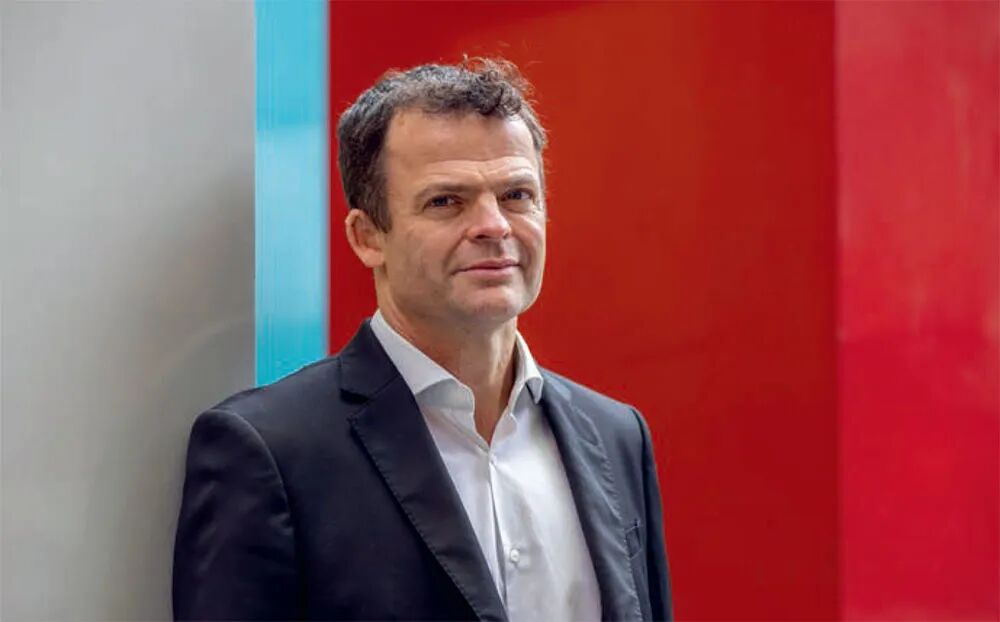
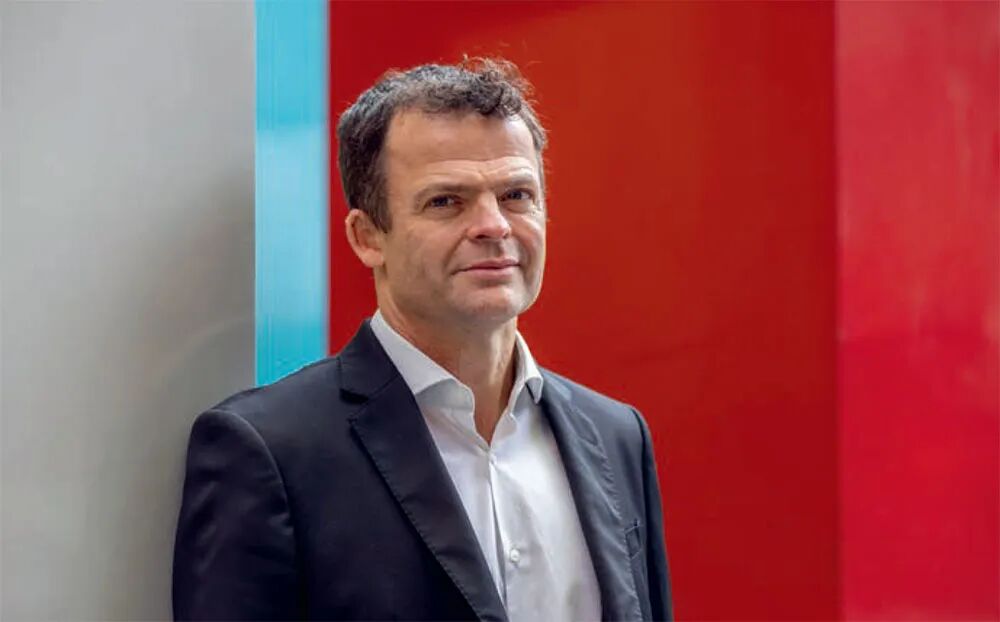
Clinical trial results reported by cancer researcher Thomas Powles of St Bartholomew's Hospital in London, UK, signal major advances in the treatment of bladder cancer and other cancers.
Thomas Powles is a cancer researcher at St Bartholomew's Hospital in London. He led a transformative clinical trial for advanced bladder cancer. When he presented the data at the European Society for Medical Oncology (ESMO) annual meeting in Madrid, Spain, in October 2023, the audience broke into applause twice. Powles found that a combination of two new drugs appeared to extend median survival from roughly 16 months to 2.5 years, compared with standard chemotherapy.
"This particular trial is absolutely the biggest advance we've had in advanced bladder cancer in nearly 40 years," said Eila Skinner, a bladder cancer researcher at Stanford University in the United States.
Powles has played a major role in developing biomarkers and new drug strategies for genitourinary cancers. Research he led has contributed to four cancer therapies gaining approval. His medical doctorate thesis at the University of London was on drug resistance mechanisms in genitourinary tumors.
The bladder cancer trial tested an antibody-drug conjugate (ADC) called enfortumab vedotin, used in combination with another drug, pembrolizumab, to target a protein called nectin-4 that is abundant on bladder cancer cells. Earlier in 2023, the US Food and Drug Administration (FDA) approved this combination therapy for patients ineligible for cisplatin chemotherapy, who make up about half of those with advanced bladder cancer. Guru Sonpavde, a bladder cancer researcher at AdventHealth Cancer Institute in Orlando — one of the largest cancer centers in central Florida — said broader approval for the drug could come in early 2024.
Beyond his hunger for new discoveries, Powles said: "The patients on these trials are the ones making the huge sacrifice."
ChatGPT:
The Generative AI Revolution Has Begun, and There's No Going Back


ChatGPT is not a person. Yet over the past year, it has had broad and profound impacts on science in many ways.
Why include a computer program in a list of people who influenced science in 2023? Created by researchers at OpenAI, an artificial intelligence company in San Francisco, California, ChatGPT launched in November 2022 as a free-to-use conversational agent. ChatGPT is not a person. Yet over the past year, it has had broad and profound impacts on science in many ways. Its sole goal is to continue seemingly plausible dialogues in the style of its training data. But in doing so, it and other generative AI programs are changing how scientists work. They have also reignited debates about the limitations of AI, the nature of human intelligence, and how best to regulate the interaction between the two. That is why this year's Nature's ten has added a non-human member.
ChatGPT is built on a neural network with hundreds of billions of parameters, trained on a massive corpus of online books and documents at an estimated cost of tens of millions of dollars. Large numbers of workers edit or evaluate its responses to further shape its outputs. This year, OpenAI upgraded ChatGPT's underlying large language model (LLM) and connected it to other programs so the tool can receive and create images. Other companies have rushed to launch competing products.
For some researchers, these applications have become invaluable lab assistants — helping to summarize or draft manuscripts, refine applications, and write code. Marinka Zitnik, who studies AI in medicine at Harvard Medical School in Boston, Massachusetts, said ChatGPT and related software can help people brainstorm, enhance scientific search engines, and identify gaps in the literature. Models trained on scientific data in similar ways could help build AI systems to guide research, perhaps by designing new molecules or simulating cell behavior.
But the technology is also dangerous. Conversational agents can help cheaters and plagiarists, and if left unchecked, they will irreversibly pollute the treasure house of scientific knowledge. Undeclared AI-generated content has already begun seeping across the internet, and some scientists have admitted to using ChatGPT to generate articles without formally disclosing it.
It co-authors scientific papers with humans — sometimes surreptitiously. It drafts outlines for presentations, grant proposals, and courses; churns out computer code in volume; and serves as a sounding board for research ideas. It also invents references, fabricates facts, and parrots hate speech. Most of all, it captures people's imaginations: at times obedient, at times charming, at times amusing, even frightening. ChatGPT plays whatever role its conversational partner wants — and some they don't.
Moreover, errors and biases are embedded in how generative AI operates. LLMs build a model of the world by mapping interconnections between words — without assessing concepts of truth or falsehood. This leads programs to reproduce historical biases or inaccurate data from their training sets, and to fabricate information, including references to scientific literature that doesn't exist.
Some countries are developing national AI research resources to enable scientists outside large companies to build and study large generative AI systems.
No one knows how far systems like ChatGPT can go. But the generative AI revolution has begun, and there is no going back.