Code Brain | What Did 140+ AI Practitioners Talk About for 3 Hours?

Source Code Capital has gone deep on AI, building out a full-stack presence across foundation models, AI agents, vertical applications, and the underlying infrastructure that supports them.

On the evening of January 30, Source Code Capital's "Code Brain" partnered with leading AI media outlet "Crossing" to host a closed-door event on AI entrepreneurship in Beijing. Over three hours, more than 140 AI founders, executives, and practitioners gathered for candid discussions and deep exchanges on consensus versus non-consensus views, emerging opportunities and pitfalls, and practical challenges.
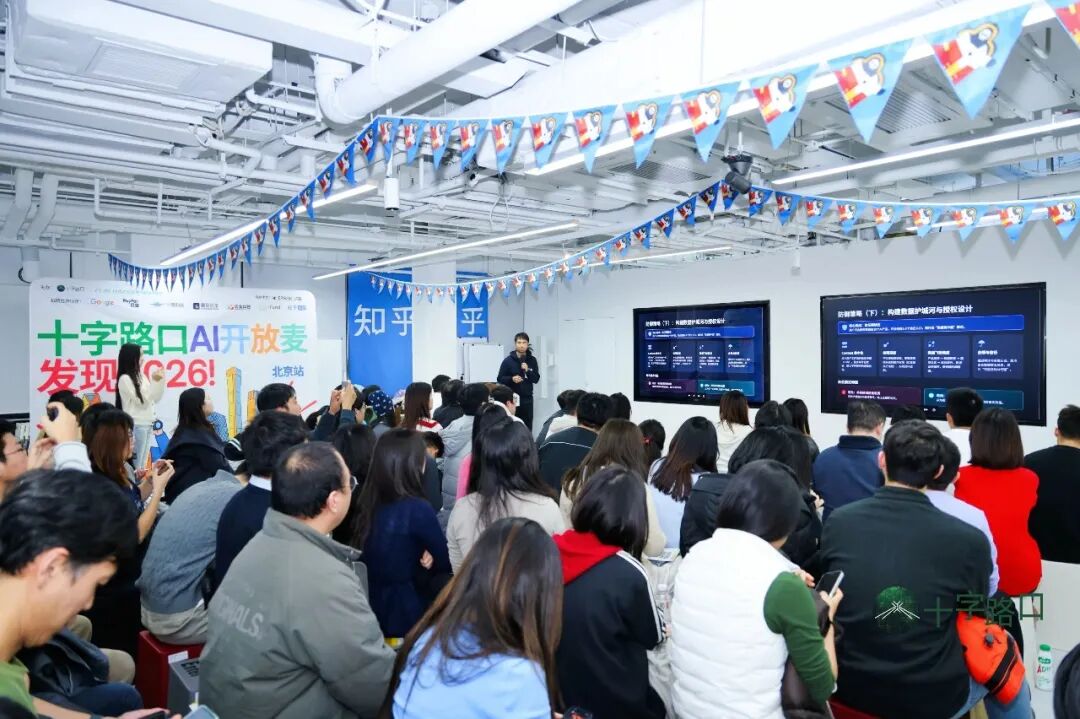
A packed house
Speakers and participants included Yungang Huang, Managing Partner of Source Code Rhythm; Lulin Li, Investment VP at Source Code Capital; founders, co-founders, and CTOs from MaHui member companies including Walnut Coding, TTC, and Yijiupi; as well as founders from AI startups Pallas AI, Hyperknow, Singularity Intelligence, and Nexad, among others.


Source Code Capital Investment VP Lulin Li in conversation
During the open mic session, Yungang Huang delivered a structured talk on "Key Investment Judgments for AI Applications," distilling the core methodology he's developed from frontline observations.
On the choice between general-purpose and vertical scenarios, he noted that technically-minded founders are better suited to start with general-purpose applications, validating product value through broader adoption, while those with deep industry experience are positioned to go directly into vertical scenarios and solve specific problems. On the tension between usability and ease of use, he stressed that the first step for startups isn't chasing market size, but verifying whether the technology can actually be turned into a "working product" — completing the critical leap from technology to product (TTP) — before discussing product-market fit. Turning to product execution, he argued that what truly determines success isn't feature stacking or fundraising pace, but whether founders can quickly find "angel customers" willing to use the product deeply, continuously calibrating direction through real usage. Finally, on long-term defensibility, Huang pointed out that single-point tools are easily copied and replaced; AI applications with staying power should evolve from validated single-point value into collaborative scenarios, embedding the product into multi-role, multi-process actual workflows and incorporating human participation that resists automation, thereby creating higher switching costs and stronger product moats.
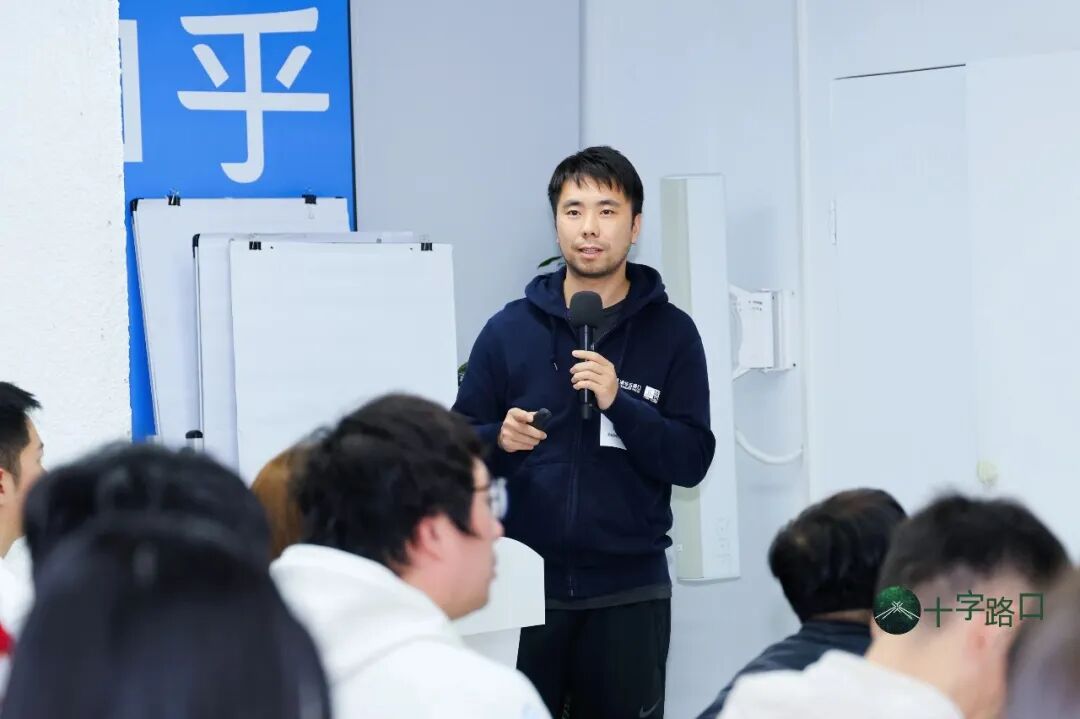
Yungang Huang, Managing Partner of Source Code Rhythm, speaking at the open mic
As an investment firm with deep, long-term commitment to AI, Source Code Capital has built sustained positions across foundation models, AI agents, vertical applications, and related infrastructure, with investments in ByteDance, Moonshot AI (Kimi), LiblibAI (Lovart), Sand.ai, Meshy, Biren Technology (06082.HK), ESWIN Material (688783), and Suzhou Xihang Semiconductor Technology Co., Ltd. Source Code remains committed to supporting founders with a long-term perspective, navigating volatility alongside entrepreneurs amid rapid technological and industrial change, and uncovering opportunities with extended time horizons.