MaHui Book Giveaway | These 6 Books to Accompany You Into the Second Half of 2025

Special feature: six recommended books for all MaHui CEOs, including two picks from Yi Cao, founder of Source Code Capital — here's to kicking off a fresh second half of the year together with fellow founders.


"The way to read is to proceed step by step, read thoroughly and reflect deeply." — Zhu Xi, The Essentials of Reading, Southern Song Dynasty
We're halfway through 2025. The international political landscape has shifted dramatically, global trade disputes have intensified, economic growth remains a slow climb, and consumer confidence indices... Against this backdrop of continued uncertainty and complexity, we know founders are facing an extraordinary test of mental resilience. That's why, beyond business support, Source Code Capital remains committed to long-term value, providing spiritual nourishment to founders through our "Code Community Book Gifting" program.
We firmly believe in the value of books and the power of reading, and we are convinced that learning contributes to founders' long-term growth. "Code Community Book Gifting" represents both Source Code Capital's enduring companionship with founders and our attitude and values toward entrepreneurship. Here, we've specially curated six outstanding books gifted to all Code Community CEOs in the first half of 2025, including two recommended by Yi Cao, Founding Partner of Source Code Capital. We hope to embark on a fresh second half of the year together with all founders.
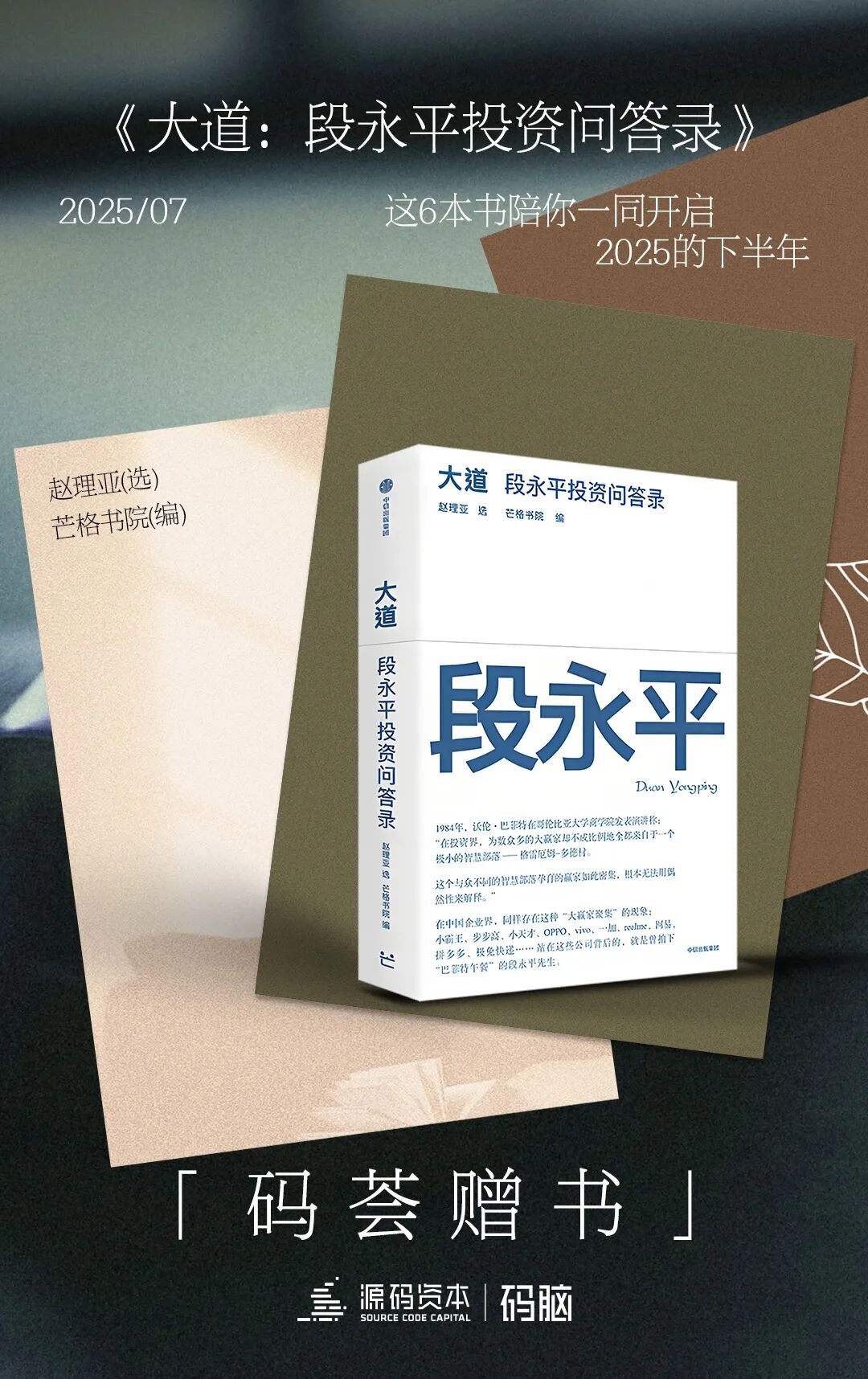
Liya Zhao (selected) / Munger Academy (compiled), The Great Way: Yongping Duan's Investment Q&A
I've noticed quite a few founders reading Yongping Duan, and with good reason. When founders develop an investor's perspective, they tend to walk a steadier, more correct path — and hit higher ceilings. This might come from being more willing to examine the business nature of what you're building when making operational decisions, to evaluate whether to pursue a new business line, and to think about how to build sustainable competitive advantages. It might also come from maintaining equanimity and doing your proper duty when things are going well, building good corporate culture bit by bit... Duan's book belongs on your nightstand or desk. Flip through it often — it has a "clarifying, mind-freshening" effect. Founders, I recommend giving it a try.
— Yi Cao, Founding Partner, Source Code Capital

Bill Gates (United States), Source Code: My Beginnings — Recommended by Yi Cao, Founding Partner, Source Code Capital
The English title, Source Code: My Beginnings, happens to share its name with Source Code Capital. This is Bill Gates's first autobiography, chronicling his life from childhood through his decision to leave university, and his early years co-founding Microsoft with Paul Allen. Through little-known stories of his upbringing, the book explores the decisive moments that altered the course of Gates's life, the hidden logic and sources of inspiration behind Microsoft's founding, and the contingent and necessary factors behind his success — including his thinking, emotions, and environment.
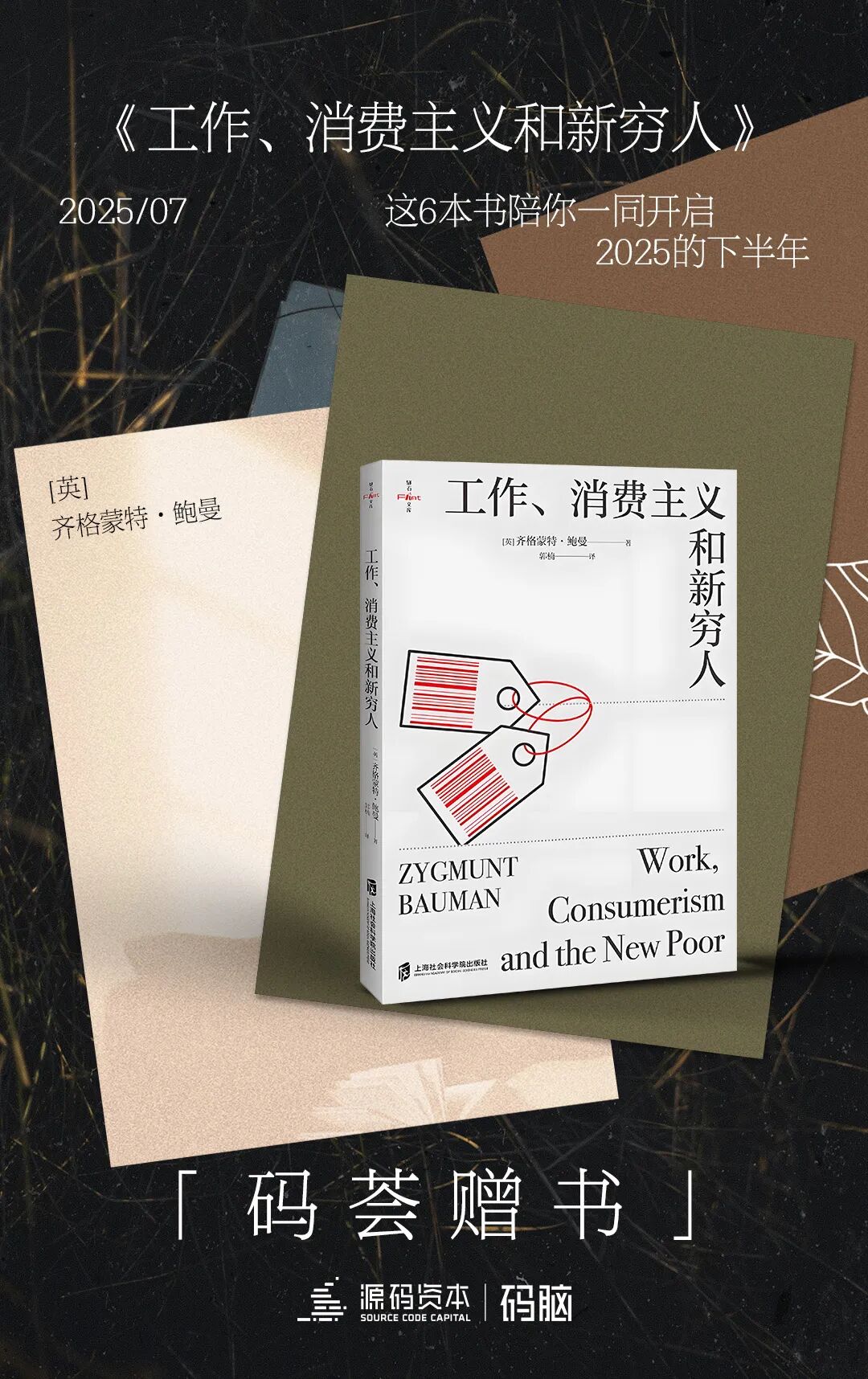
[UK] Zygmunt Bauman, Work, Consumerism and the New Poor
This is the renowned sociologist and thinker Zygmunt Bauman's sobering masterpiece — a piercing work that cuts through the fog of our era. It is not merely about poverty and consumerism, but a mirror held up to modern society, a profound social critique that reveals the operating logic of the modern world and dissects our own predicament. With sharp insight, Bauman strips away the glossy veneer of economic growth and consumer freedom to expose the cold logic of social exclusion and the machinery of power beneath.
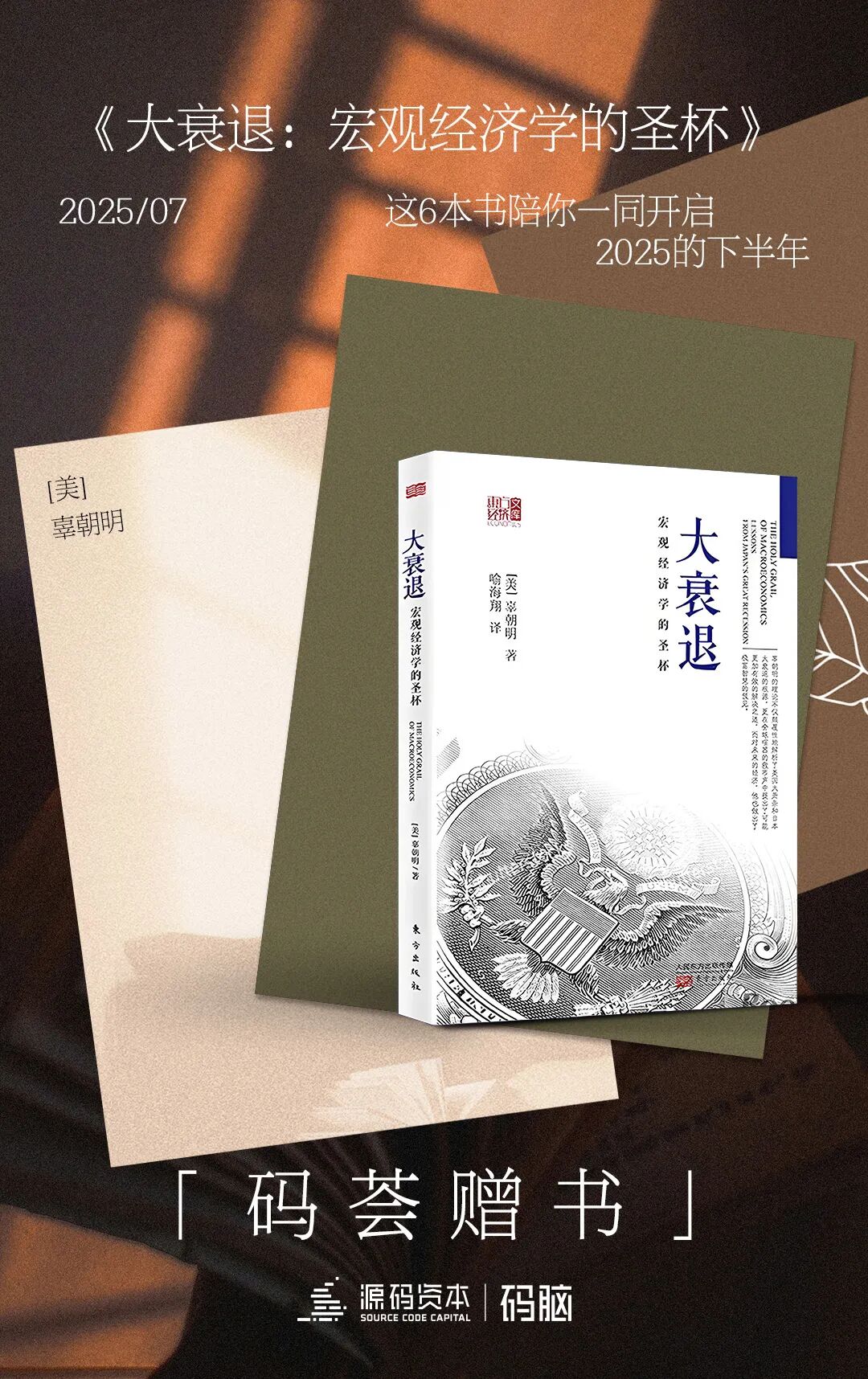
[US] Richard Koo, The Holy Grail of Macroeconomics: Lessons from Japan's Great Recession
Widely considered essential reading for understanding economic recession and financial crisis, published in 2008 as the global financial crisis erupted. The book not only disruptively analyzes the deep and prolonged roots of the Great Depression in the United States and Japan's Great Recession, but also creatively proposes the theory of "balance sheet recession." It offers important policy recommendations for countries battling post-bubble economic decline, and we hope it will help founders more deeply comprehend the current global economic predicament.

[China] Litian Sun, Kangxi's Red Manifesto: The Qing Dynasty in Globalization
Recommended by eminent historians including Cho-yun Hsu, this is a uniquely perspective history work that balances scholarly rigor with accessibility. Using the "red manifesto" (hongpiao) as its narrative entry point, it unravels layer by layer the interactions between the early Qing imperial household — particularly the Kangxi Emperor — and Western missionaries, telling a little-known story of Sino-Western exchange. It puts forward original insights on numerous historical viewpoints, and vividly presents how opportunities for deep cultural and technological convergence between Qing China and the modern West emerged and were ultimately lost against the backdrop of early globalization.
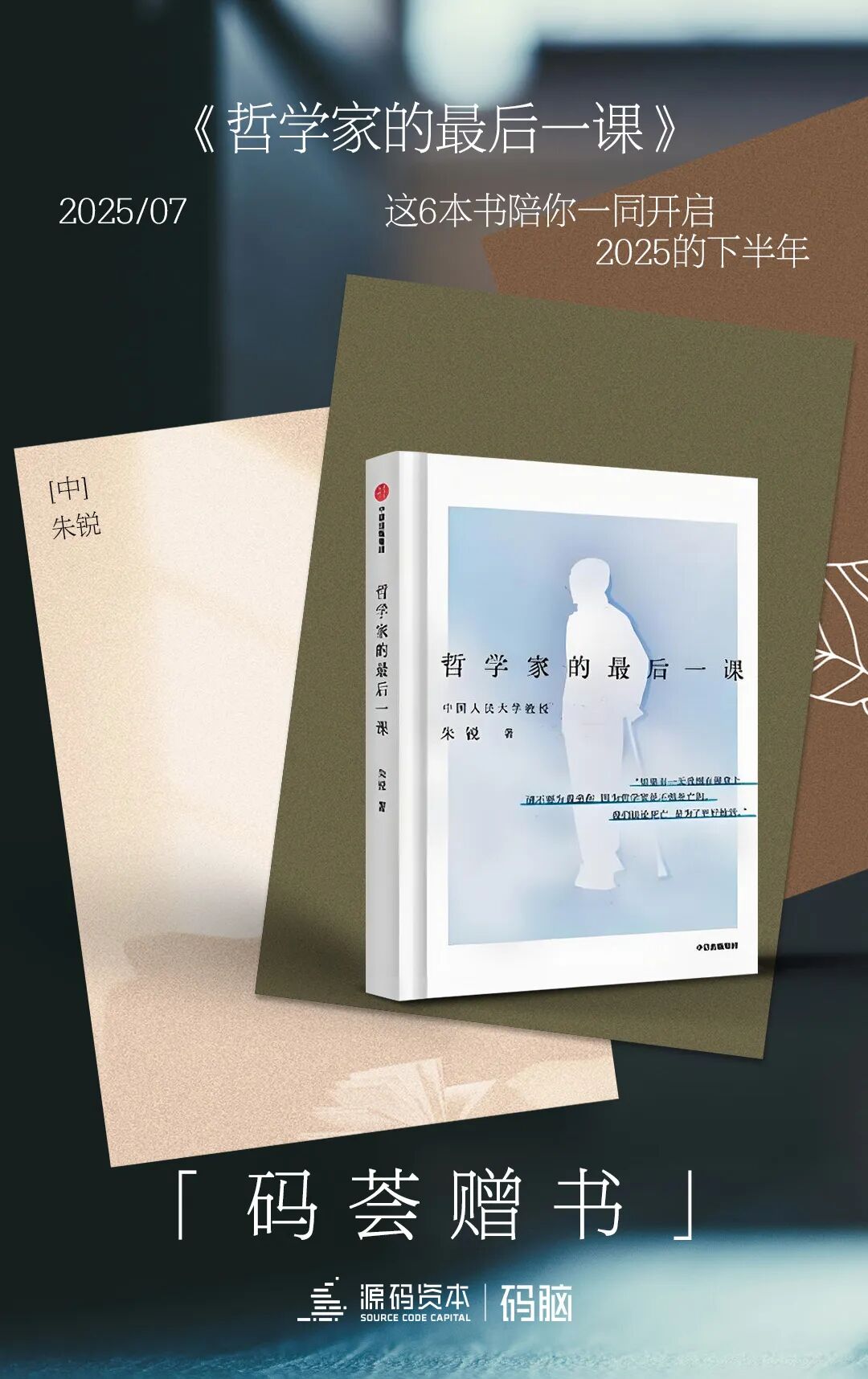
[China] Rui Zhu, A Philosopher's Final Lesson
In the final moments of his life, Renmin University philosophy professor Rui Zhu used candor, profound emotion, philosophical concepts, and lived experience to illuminate the meaning and value of individual existence and a positive understanding of death, confronting humanity's ultimate questions head-on and prompting readers to re-examine life, living, and themselves. This book is a precious lesson on how to "live" and ultimately how to face "death" — an ultimate dialogue conducted at the edge of a sickbed, a searing tempering of abstract speculation at the critical threshold between life and death.