Code Brain | How Should Startups Build Their Own AI Agent?

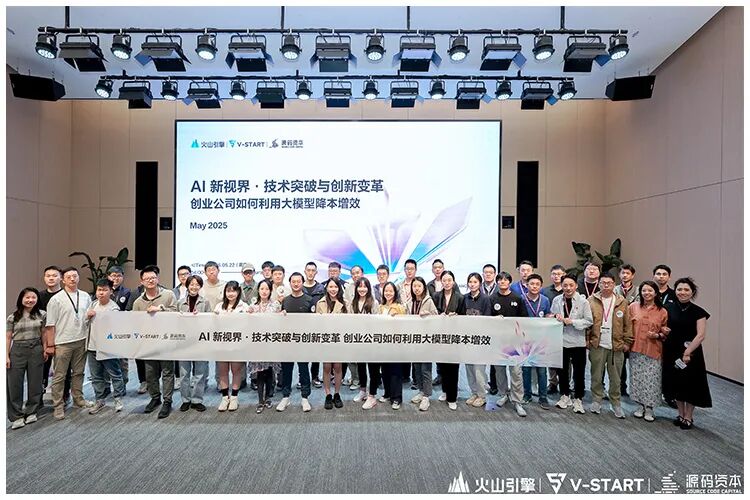
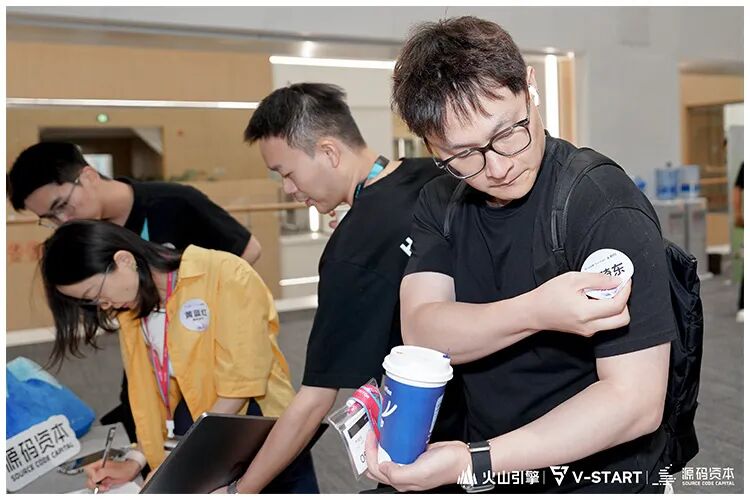
On the afternoon of May 22, nearly 50 CEOs, technical executives, and LP partners from 27 Source Code Capital portfolio companies visited Volcano Engine.

From ChatGPT to DeepSeek, from foundation models to Embodied Artificial Intelligence — AI is sweeping the globe at a pace visible to the naked eye, fundamentally reshaping society as we know it. Looking at industry trends worldwide, AI will gain significantly stronger reasoning capabilities in 2025, and intelligent agents of all forms will become more ubiquitous. For startups, AI is unavoidable — it represents both opportunity and challenge. How to better ride this wave is an urgent question staring them in the face.
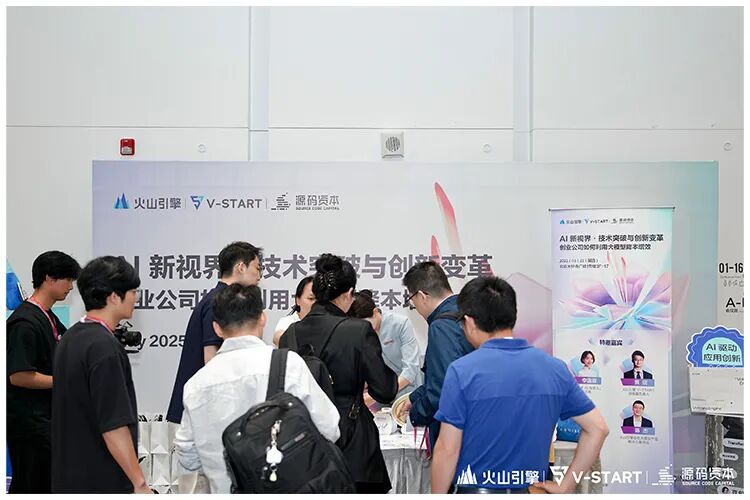
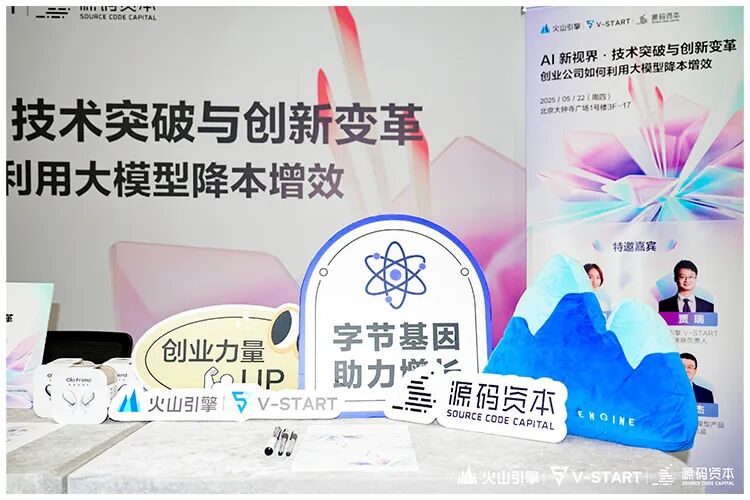
On the afternoon of May 22, Source Code Capital and its MaNao learning community co-hosted a themed session with Volcano Engine's V-START accelerator in Beijing titled "AI Horizons: Technical Breakthroughs and Innovative Transformation." The event focused on three topics of widespread concern to startups: "How to use foundation models to cut costs and boost efficiency," "How to flexibly build enterprise-grade AI agents," and "How to integrate into the Volcano Engine AI ecosystem." This was also the 13th installment in MaNao's AI industry exchange series.
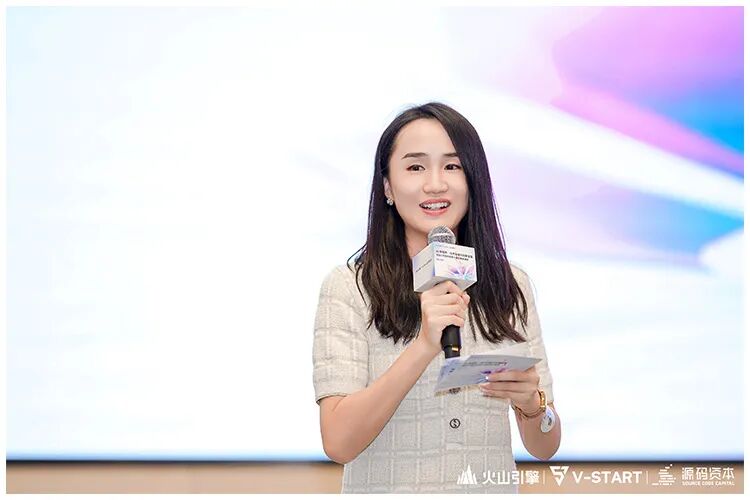
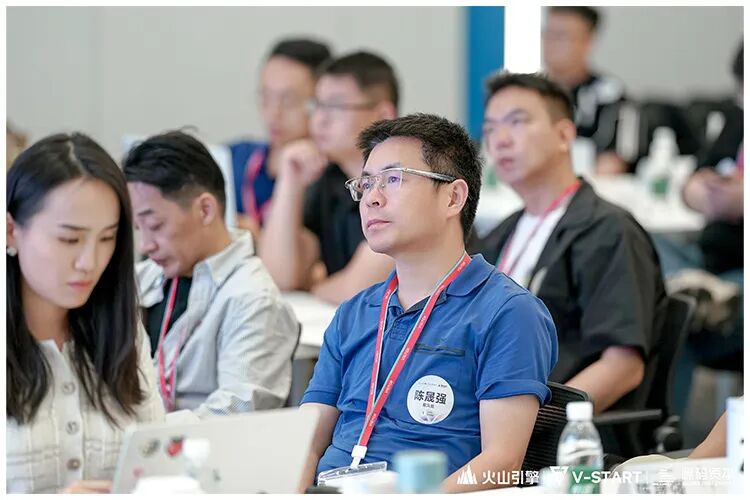
Nearly 50 CEOs, technical executives, and LP partners from 27 Source Code portfolio companies joined on-site or online for a three-hour interactive exchange with product leads including the Doubao foundation model product solutions director, a Coze product solutions specialist, and a Volcano Engine AI ecosystem expert. Lulin Li, AI investor and vice president at Source Code Capital, moderated the session.
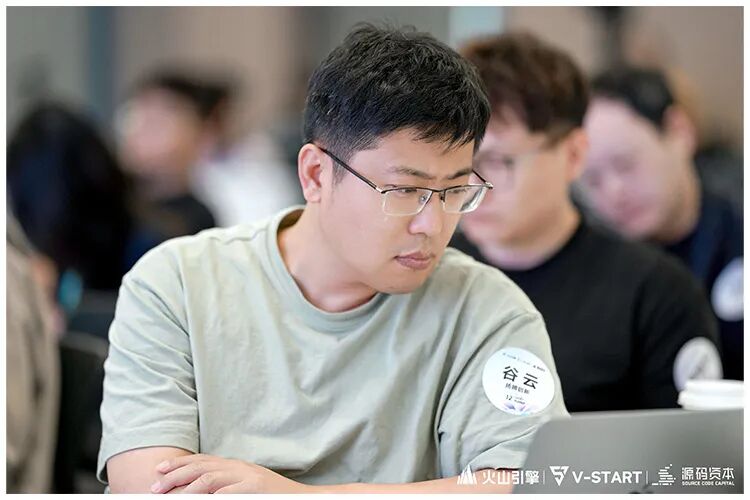
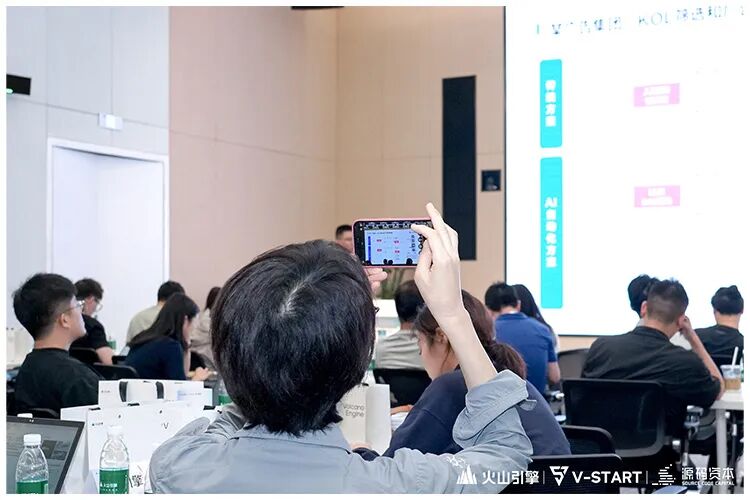
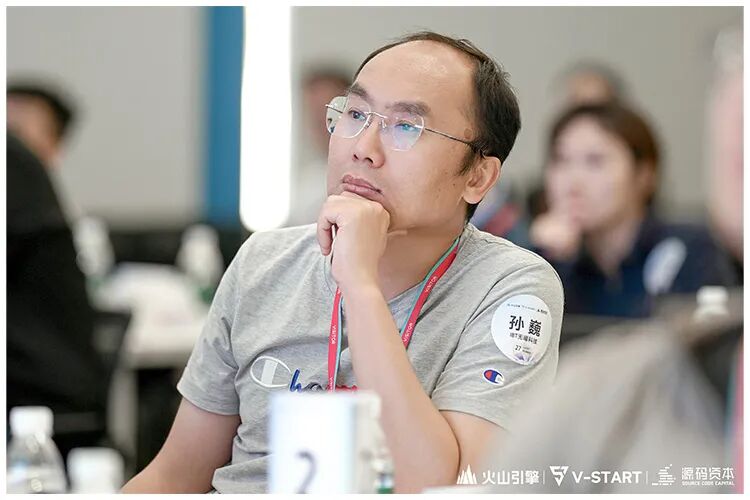
As AI capabilities continue to improve, the vast majority of startups have incorporated AI to varying degrees. Yet due to differences in business models and industry attributes, they often face a common predicament when adopting AI tools: high costs and low utilization rates. Can enterprises build more suitable AI tools on top of open-source foundations, tailored to their own workflows?
Yang Yun, Coze product solutions specialist at Volcano Engine, offered his recommendations. He believes 2025 marks the breakout year for AI agents. Startups can leverage Coze, Volcano's flagship product, to develop enterprise-grade AI agents according to their specific needs — boosting operational efficiency while lowering AI usage costs. Coze already has customized deployment cases across numerous vertical sectors.
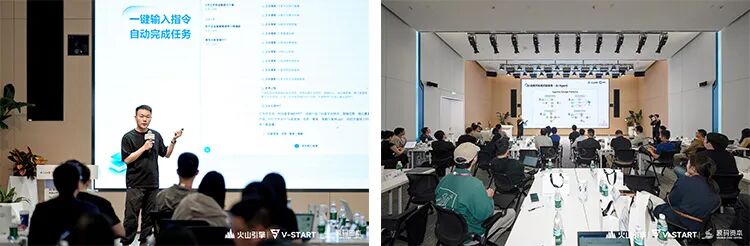
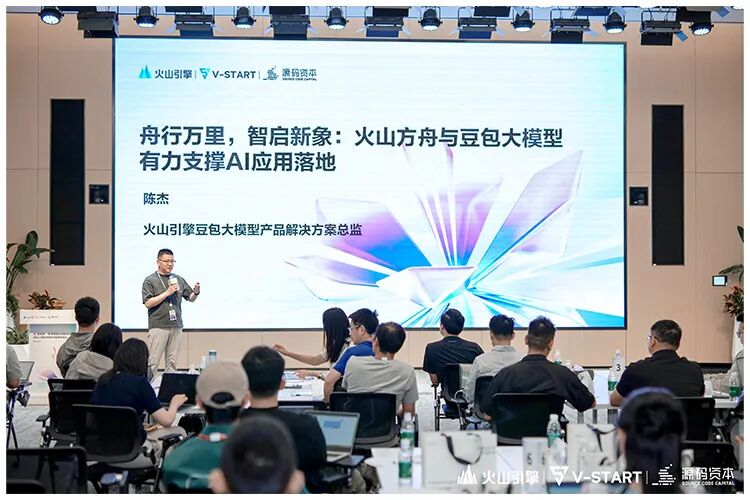
Jie Chen, product solutions director for the Doubao foundation model at Volcano Engine, shared updates on AI's progress in handling multi-step complex tasks and video generation, including performance improvements, while candidly acknowledging remaining challenges. "From September to December 2024, information processing jumped to 41% of foundation model usage scenarios."
On the closely watched Doubao foundation model, he also elaborated on practical applications in Douyin marketing, internal efficiency gains, and web revenue growth — highlighting the model's value and advantages across different scenarios. In manufacturing, for instance, while foundation models cannot yet orchestrate entire supply chain workflows, they can already handle product selection matching and cost calculations, with enormous potential to expand into other manufacturing stages going forward.
On foundation model deployment, Chen offered a pointed reminder: personnel who truly understand the business must get personally involved, because only they can judge whether workflows actually meet requirements.
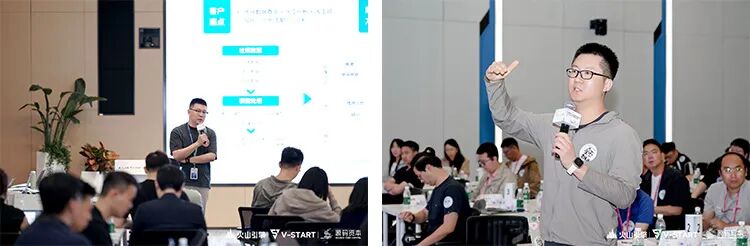
Given major tech companies' heavy AI investments and abundant resources, many startups hope to join their ecosystems. Wentao Cai, AI ecosystem solutions specialist at Volcano Engine, detailed the support available to startups across four dimensions: product infrastructure, learning resources, sales opportunities, and brand marketing. This includes technical resources like models and tools — such as MCP tools — as well as application and solution-level capability sharing.
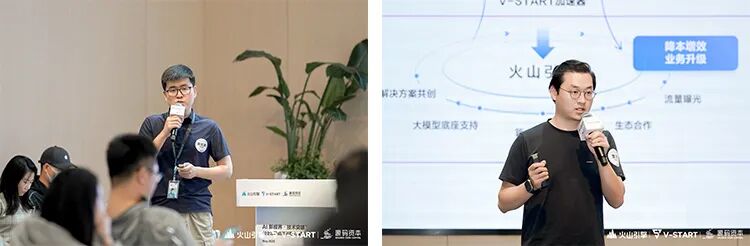
Startups can even co-develop products and jointly pursue deals within the AI ecosystem. Multiple Source Code portfolio companies expressed strong interest in collaboration on-site.
Additionally, Jia Rui, head of the V-START accelerator, announced that Volcano Engine will prioritize granting Source Code portfolio companies benefits including cloud resource credits of up to RMB 30,000, voice foundation model credits worth RMB 47,000, and free credits for billions of tokens.
After the presentations, Source Code portfolio companies toured the Volcano Engine exhibition hall for a more comprehensive look at its product offerings and development history.