A-Share IPOs Enter a Golden Age: How Should Companies Map Their Capital Strategies Amid Reform?

Winning from Afar: Strategic Thinking and Positioning Before and After IPO

Since the STAR Market and ChiNext adopted registration-based IPO systems, the A-share market has seen a surge in listings. Amid shifting international political and economic conditions, some Chinese concept stocks have rerouted to Hong Kong for secondary listings or returned to A-shares; meanwhile, the US stock market continues to attract interest thanks to its mature capital market infrastructure.
To help Code Club growth-stage portfolio companies stay on top of evolving capital market trends, Source Code Capital's post-investment energy center organized six closed-door themed sessions from April to September this year. The series brought together senior experts from top investment banks including CICC, Morgan Stanley, and Huatai International, as well as seasoned practitioners such as CFOs and board secretaries from well-known companies, offering multi-dimensional perspectives to Source Code Capital's growth-stage CEOs and executives on A-shares, Hong Kong stocks, and US stocks.
We've distilled the key insights from these sessions into five articles, to be shared sequentially. We hope you'll join us in learning together.
Preview of Key Topics
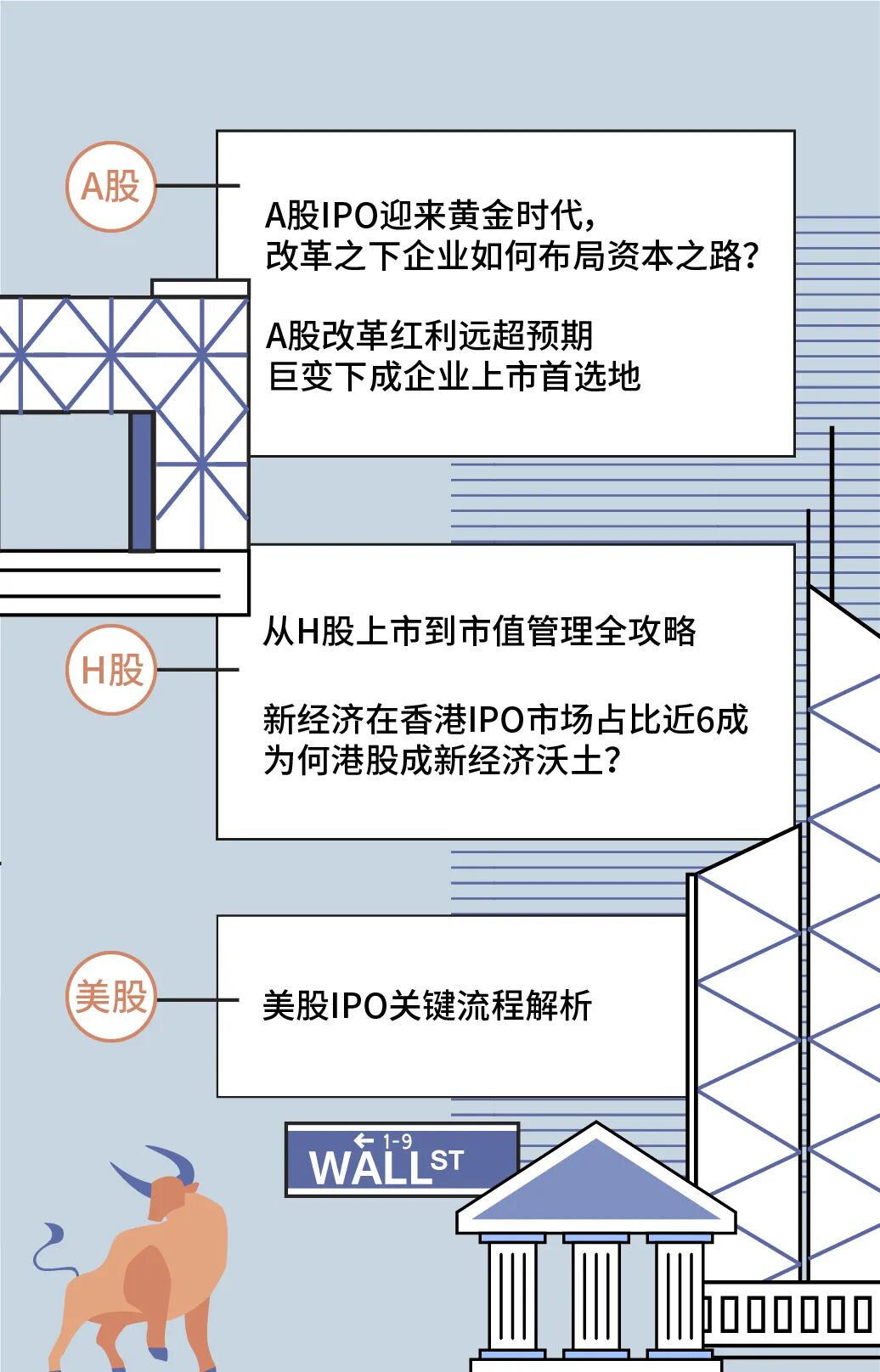
In 2020, China's capital market entered its fourth decade, with A-share IPOs surging dramatically. In the first three quarters, 295 companies made their debut, and the total number of listed companies surpassed 4,000 in September. By the end of September, year-to-date IPO fundraising on A-shares reached 355.738 billion yuan — a ten-year high. With A-share IPOs now in a golden age and widespread enthusiasm for going public, Source Code Capital Partner Wei Wang shares his experience, offering a multi-dimensional breakdown of the A-share IPO process and key considerations, with deep analysis of critical stages before, during, and after listing to help companies chart their capital market course.
About This Session's Guest, Wei Wang:
Wei Wang joined Source Code Capital as a partner in 2020. He brings over a decade of capital markets experience, having previously served as Vice President and Board Secretary at Qihoo 360. Before that, he worked at a top-tier investment bank, then joined Fortune Venture Capital, and held positions as Group VP, Board Secretary, and Chief Investment Officer at multiple listed companies.
Wang has led and managed IPOs, investments, M&A, private placements, equity incentives, and market value management for several companies with hundred-billion and trillion-yuan market caps. He focuses on TMT, semiconductors, and intelligent manufacturing, with key projects including 360, GigaDevice, Beijing GigaDevice (Ingenic Semiconductor), Xunyou Technology, and Suzhou Good-Ark Electronics. He is a seasoned capital markets expert with combined expertise in investment banking, investment, and listed company operations.
Selected highlights from the session:
Amid the IPO Boom, Rationally Choose Your Listing Venue
Currently, A-share investors are highly active with strong capital participation, and the market is characterized by high valuations and high liquidity. Following the launch of the STAR Market last year and the registration-based reform on ChiNext this year, China's capital market reforms have begun in earnest, dramatically accelerating IPO timelines. The average processing time from application acceptance to registration completion is now five months, with some A-share IPOs moving faster than US listings. Post-IPO price-to-earnings ratios frequently reach dozens or even hundreds of times, attracting many companies and investors. Yet the hotter the market, the more crucial it becomes for companies to control their listing pace and rationally select their venue.
From a business operations perspective, companies primarily serving the domestic market or with supply chains mainly in China are well-suited for A-share listings. After listing on A-shares, the amplification effect of the domestic market can elevate a company's influence within its industry, among customers, and with partners — laying groundwork for expanded cooperation and business growth. The value of domestic listed companies is also more readily accepted and recognized by domestic capital markets. Building strength backed by domestic capital also facilitates future international expansion.
From an industry perspective, leading companies whose core business aligns with national strategic directions tend to receive sustained valuation support on A-shares, often commanding higher recognition and premiums than overseas markets. Examples include emerging industries encouraged under the 14th Five-Year Plan and key national initiatives such as "new infrastructure" — 5G, artificial intelligence, data centers, industrial internet, and IoT — as well as industries applying internet technologies, thinking, and architectures to transform traditional sectors through technological empowerment. These areas generally match A-share investor preferences.
From the perspective of IPO review and listed company regulation, A-shares maintain stricter admission and oversight standards compared to US and Hong Kong markets. As a rapidly developing capital market, A-shares see frequent and rapid revisions to laws, regulations, and rules, requiring companies, investment banks, and listing teams to maintain close attention to policy developments. Only by meeting the relevant review and regulatory standards can companies benefit from A-shares' high valuations and liquidity.
Strategic Preparation: IPO Readiness Work
I. Self-Assessment
The listing regulations issued by the CSRC and the Shanghai and Shenzhen exchanges clearly specify listing conditions. Companies planning A-share IPOs should study these carefully and assess their readiness accordingly. It's important to emphasize that the quantitative metrics mentioned in the regulations — revenue, net profit, market capitalization — represent only partial "passing grades" for listing eligibility. Requirements also cover standardized operations, corporate governance, historical evolution, and other dimensions. Many companies focus solely on these quantitative indicators while neglecting other requirements, leading to misjudgments about their listing readiness. Therefore, self-assessment should encompass comprehensive preparation across operating metrics, compliance issues, standardized operations, corporate governance, historical evolution, and financial condition. Strong performance in revenue, net profit, and market capitalization provides greater confidence for pursuing an IPO and entering the capital markets.
From the moment a company files its prospectus, it becomes half a public company. Once IPO materials are disclosed, numerous details — operating conditions, financial status, market share, strategic direction — become public. Companies need solid preparation and substantial business depth to withstand the pressures that follow such disclosure. Listed companies should internally assess scenarios post-disclosure and establish relevant contingency plans. After listing, companies must promptly disclose material information as required by the exchanges, meaning major strategies, business decisions, and significant changes are immediately transmitted to the market. Moreover, A-share listed companies are physically close to regulators, investors, customers, and suppliers; the speed and impact of announcement dissemination far exceed those of US and Hong Kong listed companies. Consequently, A-share listed companies face far higher demands for regulatory communication, public relations, and investor relations than overseas markets.
II. Building the Listing Team
Internal Team
Regarding the specific execution lead for the listing: unlike overseas listed companies where the CFO typically takes charge, A-share regulations assign different responsibilities, rights, and obligations to the board secretary and financial officer. Combined with the relatively complex and dynamic regulatory and market environment facing A-share listed companies, the typical A-share listing team comprises these two statutory executive roles. The board secretary — officially "secretary to the board of directors" — handles both internal and external matters, primarily responsible for information disclosure, compliance, and board/shareholder/general meetings, while communicating with regulators and investors and also overseeing market value management and capital operations. The financial officer handles finance-related matters internally. Some A-share listed companies combine the board secretary and financial officer roles, but the vast majority use a dual configuration of board secretary plus financial officer, depending on the company and executive circumstances.
External Team
The investment bank serves as the lead intermediary for listing, making its selection critical. In recent years, China's investment banking industry has shown clear concentration at the top. Leading investment banks carry significant platform influence, with extensive sponsorship experience and strong underwriting capabilities. For industry-leading companies, choosing a major bank ensures better resource allocation during project execution and issuance. However, major banks handle numerous projects, and resources tend to flow toward larger deals, with smaller companies sometimes receiving insufficient attention. For SMEs, smaller investment banks that offer higher priority and better resource alignment may be worth considering. Beyond selecting the bank, the on-site execution team matters more. Companies should carefully evaluate the team's professional experience, industry understanding, expertise, problem-solving ability, and track record to ensure smooth cooperation.
For accounting and law firms, priority should go to major firms. These typically have partners who currently serve or previously served on the issuance examination committee or listing committee, offering more precise grasp and understanding of review standards and more efficient communication with relevant departments. Major firms also handle numerous cases, making it easier to find comparable IPO precedents and reference solutions when issues arise. Additionally, once an accounting firm is selected, it should begin due diligence and audit work as soon as possible. The conversion to a joint-stock company prior to IPO depends on the audit report; early engagement allows the accountants to identify and resolve issues sooner.
Third-party agencies publish annual rankings of investment banks, accountants, and lawyers by IPO activity, which companies can consult as reference. A-share IPOs are already highly mature — shortcuts rarely exist. The real path is building internal strength, running operations well, and addressing issues early. Once a company decides to pursue an IPO, it should assemble its listing team as soon as possible, letting professionals handle professional matters. By bringing in investment banks, accountants, lawyers, and other intermediaries early, companies can identify and resolve issues through due diligence, then systematically complete the full IPO process: restructuring, tutoring, filing, feedback, review, registration, and issuance.
Winning from Afar: Strategic Thinking and Positioning Before and After IPO
Many companies view completing the IPO as victory, neglecting post-listing planning and operations. An IPO is merely a milestone in a company's lifecycle, not its ultimate goal. Once listed, a company immediately faces a surge in shareholder numbers and types. Every roadshow and research meeting, every major decision and operating result release, triggers stock price volatility, while the volume of information the team encounters explodes. Maintaining strategic focus amid price fluctuations and information overload becomes essential.
Managing founder and team expectations is foundational. Newly listed stocks typically surge post-IPO, reflecting both the secondary market's high growth expectations and the small float of newly issued shares. IPOs typically place 10%-25% of shares on the secondary market, and before the one-year lock-up expires, a quarter or even a tenth of the float determines 100% of market value performance. Thus a company with a market cap of tens of billions may have a float of only several billion, easily subject to speculative trading — often a key driver of new stock price surges. Without earnings growth to support valuations, prices typically rationalize over time, especially when lock-up shares are released, rapidly driving prices down. Founders and teams need equanimity and rational perspective on IPO price performance.
Sustaining earnings growth is core. Lower A-share IPO barriers will inevitably bring a flood of companies to the capital markets. As listed companies proliferate, market liquidity gradually declines and valuation centers trend downward. Therefore, whether on Hong Kong, US, or A-share markets, valuation differentiation is inevitable. Only companies with long-term sustained earnings growth become market-recognized core assets, continuously bought by investors and supporting long-term price appreciation. Don't let first-day listing prices go to your head — after the fanfare, markets always return to calm. Capital markets are ruthlessly pragmatic; countless cases prove that earnings are the first and often only factor determining listed company stock prices.
A listed company's performance in its first 1-3 years determines its market label. The secondary market typically uses a falsification approach to assess investment value. Simply put, investors form initial judgments based on company disclosures, then verify investment logic through multi-channel research and subsequent earnings reports. For listed companies, it's not enough to articulate business models and growth logic — they must withstand verification across the supply chain, industry peers, and subsequent periodic reports. The secondary market typically affords some tolerance to new listings, but if a company fails to deliver on performance two to three years post-IPO, or consistently underperforms expectations, it will likely be tagged as unreliable or mediocre. Combined with small and large non-tradable share releases at the one-year and three-year marks, if the company still hasn't won market recognition, stock price performance will be extremely poor.
Therefore, a listed company's first 1-3 years are particularly critical, and capital positioning and strategic planning for this period should be prepared in advance. Capital operations serve corporate strategy — when stock prices are high, appropriate refinancing can supplement capital strength, and valuation advantages can be leveraged for investment and M&A to integrate industries and fill business gaps; when prices are low, equity incentive plans can be designed to optimize interest allocation mechanisms, set growth targets, and motivate teams to achieve them. Only capital operations aligned with corporate strategy and industry logic can win capital market recognition. After years of market evolution, A-share institutional investors have matured — short-term messaging, hot-topic chasing, and price speculation cannot change long-term trends. The secondary market now places greater weight on the long-term logic behind capital operations.
The capital market is a magnifying glass, rewarding proven quality leaders with valuation premiums and punishing fraudulent, non-competitive stocks through exit. Listed companies need independent thinking and strategic focus, pursuing continuous business optimization and resource integration based on industry logic, without deviating from strategic direction to cater to markets or chase short-term hotspots. Reviewing the development of many quality A-share listed companies, it's clear that sustained earnings growth is the most effective lever for moving market value. Behind every hundred-billion-yuan company lies strong core business and industry leadership, while numerous past concept stocks fond of hot-topic riding, lacking delivery or having prematurely exhausted expectations, have largely delisted or become trapped as small-cap stocks unable to recover.
Therefore, companies should prepare post-listing strategic plans before going public, then after listing make proper use of the capital markets platform to strengthen core business, focusing on execution, delivery, and demonstrating sustained business growth to earn capital market recognition and support.
A-share capital markets are rapidly converging with mature overseas markets. The registration-based system gives more companies listing opportunities. Companies must seize this historic capital market opportunity, fully preparing for subsequent market entry and laying out their capital path for faster, better development!

[Comment & Engage] We welcome your thoughts and questions on the startup listing journey. The top 5 most-liked comments will receive a copy of Civilization, Modernization, Value Investing, and China from Code Brain.
"About Code Brain"
Code Brain is a key component of Source Code Capital's systematic, productized post-investment service system, and a flagship product through which Source Code Capital fully serves Code Club entrepreneurs' cognitive upgrading. At every stage, we deeply understand and continuously explore entrepreneurs' needs, iterating Code Brain in real time so entrepreneurs at different stages receive sustained nutritional input, achieving our important post-investment service goal of "being genuinely helpful" and creating unique value for entrepreneurs.