MaHui | How Investors View CES in the United States

As 2024 began, CES commanded the industry's attention. Short for the International Consumer Electronics Show, CES has run since 1967 and stands as the world's largest tech gathering. Practitioners, investors, media, and commentators from across the globe converge to preview the year's tech trends. With its strong professional focus and solid trade outcomes, the show enjoys considerable prestige worldwide — essentially a window where major electronics firms unveil products, showcase cutting-edge capabilities, and promote future lifestyles. It is, without question, one of the most important channels for Chinese electronics exports to the United States and North American markets.
This year's theme was "ALL TOGETHER, ALL ON." Unlike 2023, when electric vehicles stole the spotlight, AI became the undisputed star of CES 2024. Investors from Source Code Capital and MaHui members including Cloud Whale, Poweroak, Keyi Tech, Morus, and Xingmai Innovation were on the ground. With CES returning for the first time since COVID, the 3,000-plus foreign exhibitors and over 1,000 Chinese companies offered a macro-level view of the industrial landscape.

Key Takeaways
Made in China, Created for the World
From "China to Global" to "Born Global"
-
From WTO-era contract manufacturing to cross-border e-commerce to today's brand globalization, companies must now master R&D, design, production, delivery, branding, marketing, channels, and after-sales service. This represents the longest value chain Chinese companies have ever navigated in going global — and the most lucrative.
-
Successful global expansion requires not just competitive, defensible products and technology, but also end-to-end operational excellence across that entire chain, plus the international vision to tell a compelling global brand story.
Beyond CES
Vertical trade shows also deserve attention
Overall, CES sacrifices depth for breadth. More specialized shows like Eurobike for e-bikes, Formnext for 3D printing, EICMA for electric motorcycles, and the Shanghai New Energy Vehicle Show offer greater technical depth. CES feels more like a public festival than an industry symposium, yet its sprawling exhibitor base allows quick mapping of global competitive landscapes.
-
Japanese and Korean giants dominate with active startups, but most follow a path of selling to conglomerates/chaebol — there's no mid-tier cohort;
-
American hardware startups are scarce, even as giants Apple, Tesla, Amazon, Google, and Meta all build hardware;
-
Constrained by the international competitive environment, China has produced a large mid-tier cohort. Backed by robust manufacturing and supply chain infrastructure, these companies have substantial long-term runway. However, Chinese firms tend toward homogeneous competition, clustering in low-geopolitical-risk categories: the "lucky trio" (earphones, power banks, charging cables), 2C home robots, energy storage, smart home appliances, short-distance mobility, and AR.
Full CES Analysis
The show comprised five main venues: LVCC Central, LVCC West, LVCC North, Venetian, and Eureka. We selected the most distinctive new products, technologies, and Chinese companies from each.
LVCC Central: Focused on audio/video, gaming, metaverse, and XR. Roughly 80% of floor space went to global AV giants flexing their muscles. In CES's core hall, the prime entrance position belonged to LG, whose 77-inch array of wireless transparent LG Signature OLED T screens captured everyone's attention. Samsung debuted its transparent MicroLED globally — just 1cm thick, customizable in shape, size, and aspect ratio. (For reference, a non-transparent 100-inch MicroLED from JD.com retails for 1.1 million RMB.)
Japanese firms underwhelmed in this hall. Panasonic showcased multi-function microwave ovens, hair dryers, electric shavers, and wireless gaming neck speakers. Sony displayed its VR device Torchlight, next-generation PlayStation 5 hardware lineup, and immersive music experiences, plus mobility safety sensors.
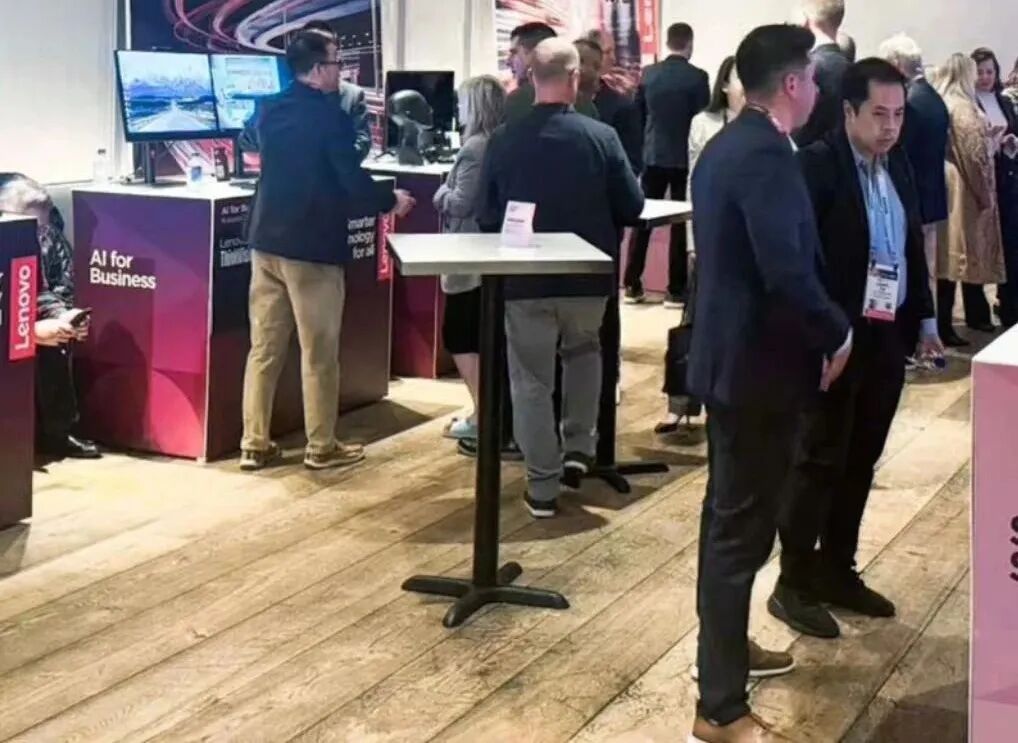
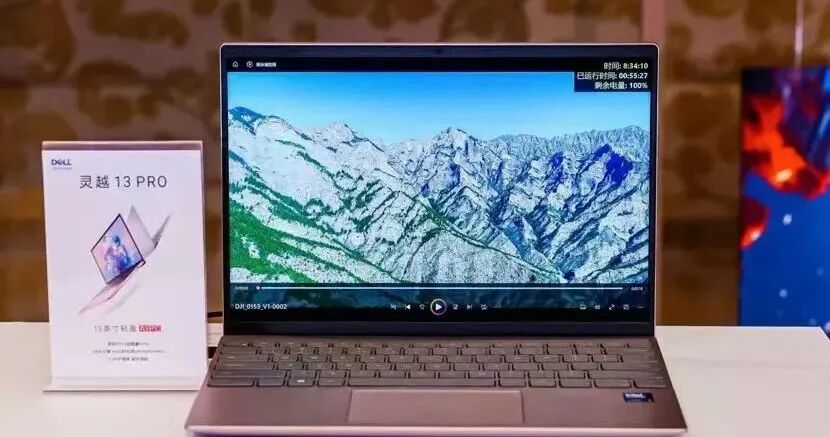
Lenovo led the charge integrating cutting-edge AI into PC applications, with HP, Dell, and Samsung also making moves.
XR is defined by Apple Vision Pro, yet Chinese AR vendors are also leading globally on hardware.
LVCC West: Centered on vehicle tech and advanced mobility. However, apart from Xpeng Motors, Chinese EV makers were notably absent.
Xpeng displayed a concept flying car. More notable was Kia's KN from Korea: an electric light commercial vehicle for cargo or ride-hailing, with customizable interior space configurable as a living room or workspace in an autonomous future, paired with a small vehicle for last-mile delivery — arguably the most commercially promising product in LVCC West.
LVCC North: Focused on short-distance mobility, smart city & sustainability, AI & robotics, and digital health — a zone with high density of Chinese companies.
-
Short-distance mobility: Honda's booth had strong tech-event energy, almost like a product launch; Chinese company booths, by contrast, lacked clear focus.
-
AI & Robotics: Pool robots were hot, with major booths from Beatbot, AIPER, Sublue, and Wybot all launching 2024 models.
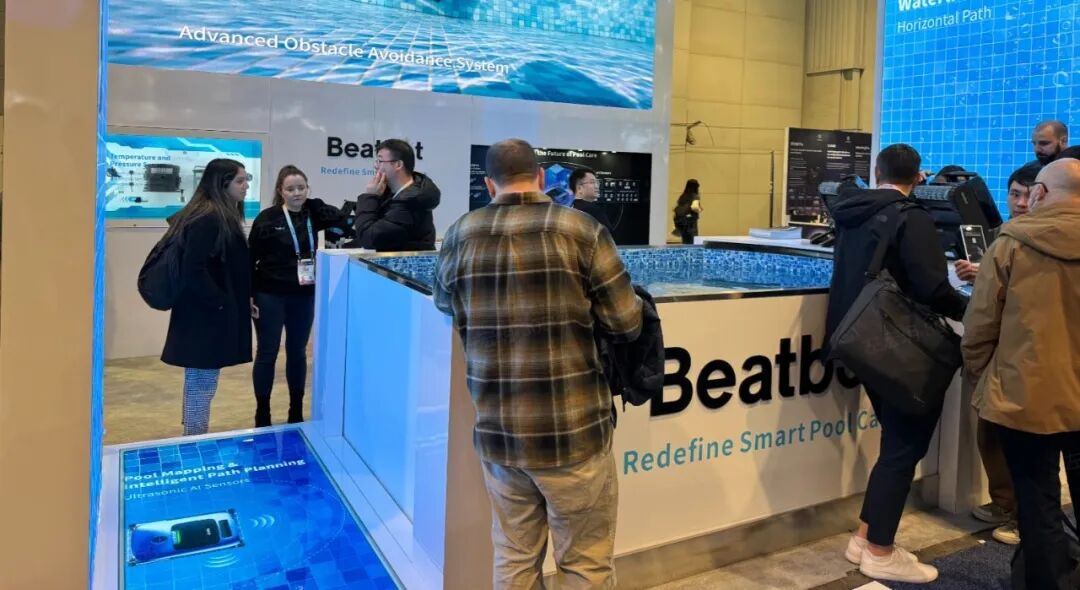
Beatbot
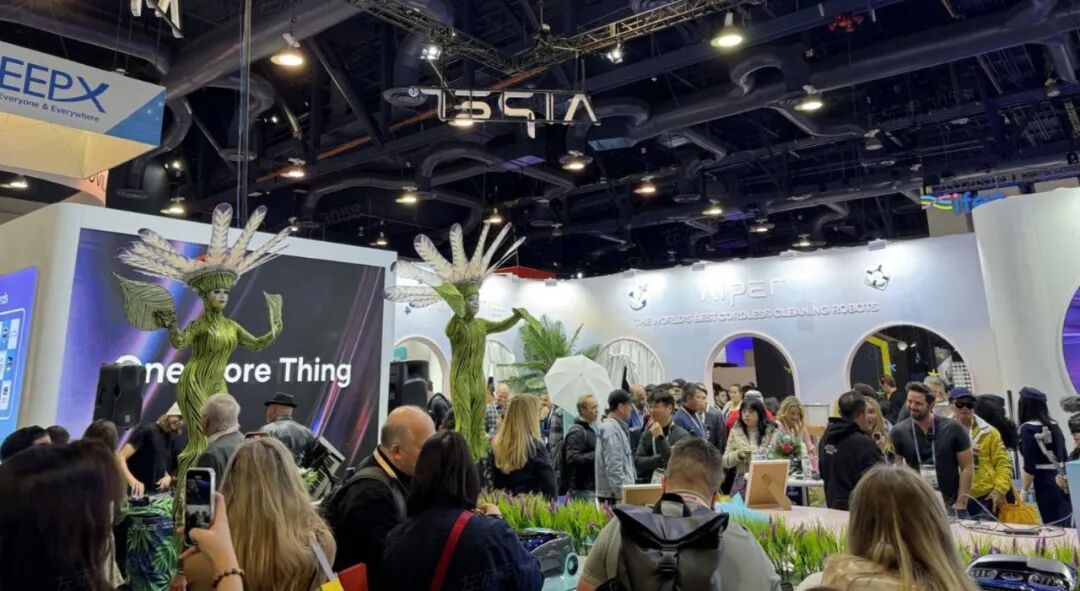
AIPER
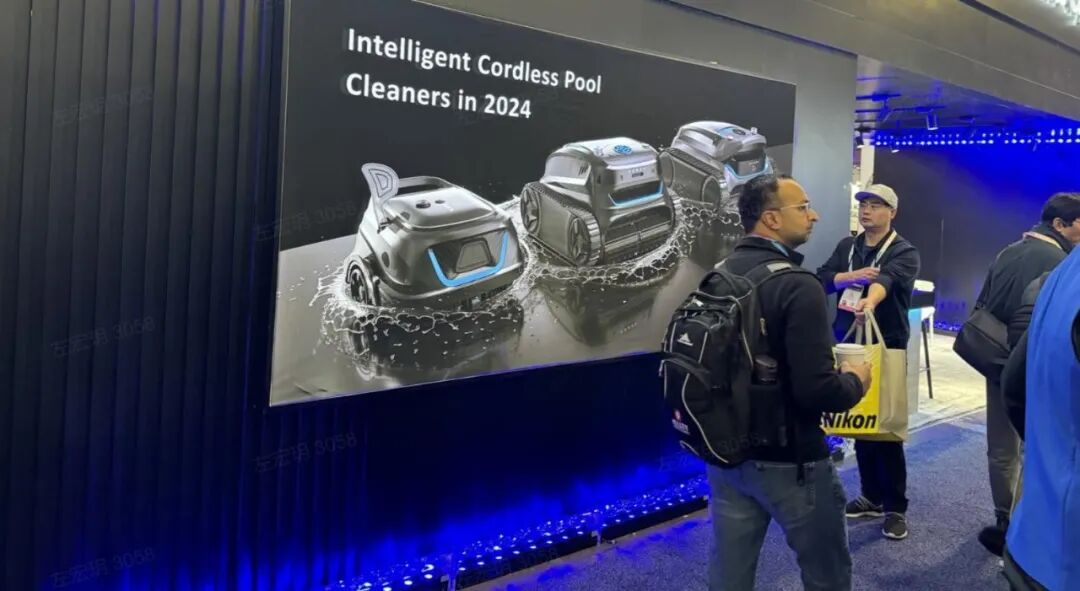
WYBOT
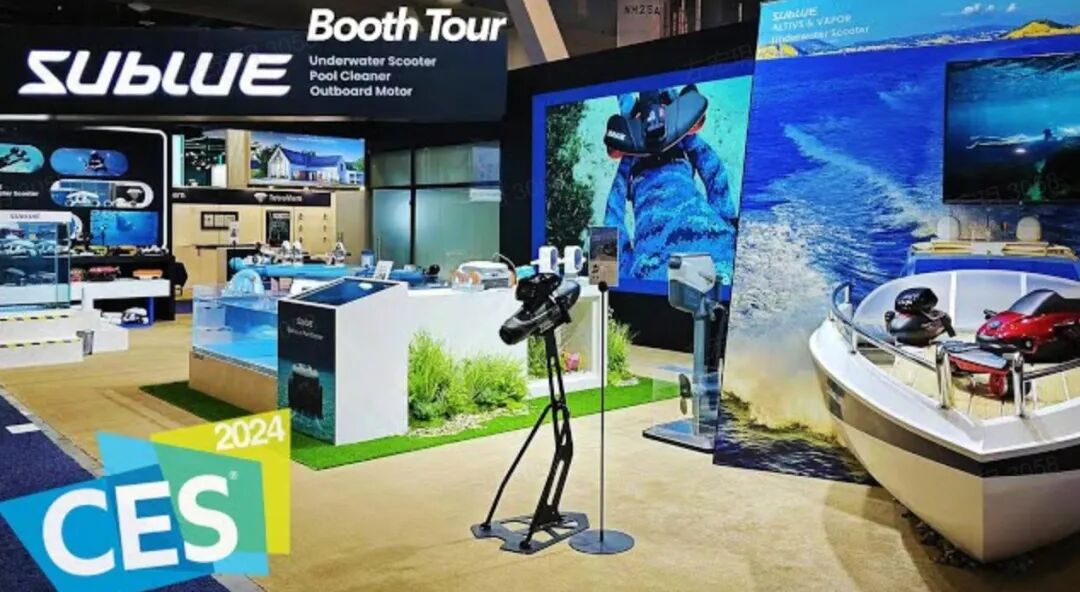
SUBLUE
- Robot vacuums: Strong momentum. Roborock showed four full-function dock models, all launching April 2024: S8 MaxV Ultra, S8 Max Ultra, Q Revo MaxV, and Q Revo Pro. ECOVACS/Tineco (Venetian Hall) launched the DeeBot X2 Combo cleaning set, integrating robot vacuum with handheld vac for "1+1=5" whole-home cleaning. Dreame (Venetian Hall) showed X30, X20, H30, and M13S models. Cloud Whale (Venetian Hall) displayed Freo X Ultra and Freo X Plus.
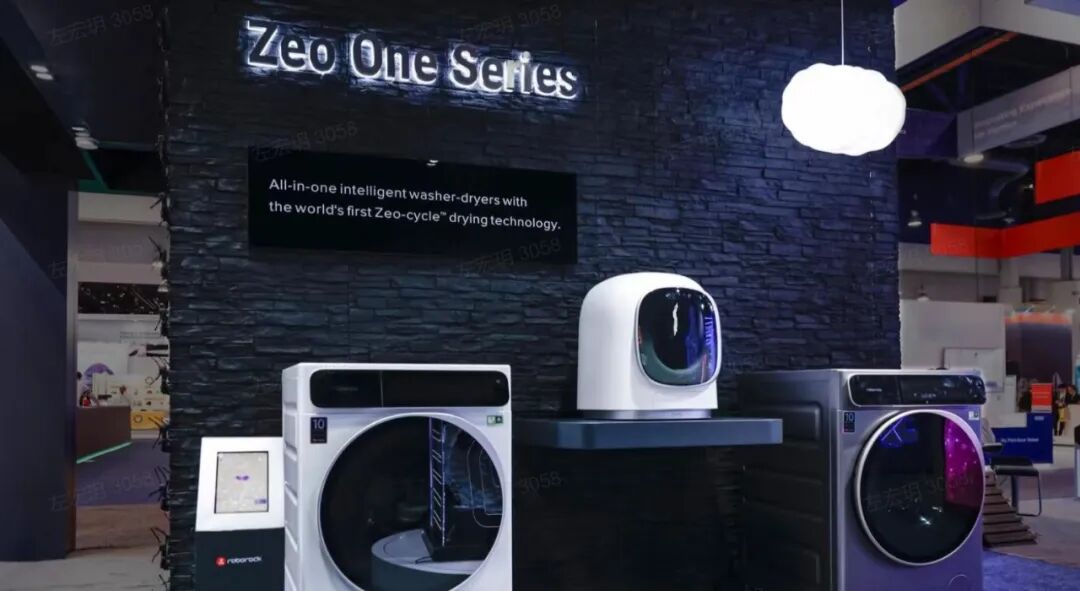
Roborock
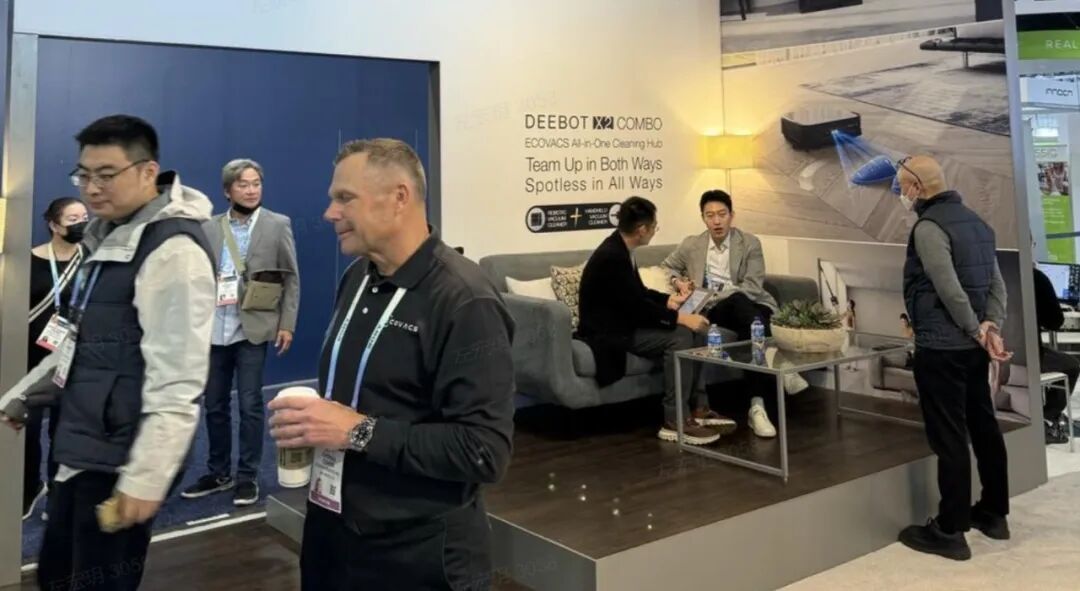
ECOVACS "Little Qian"
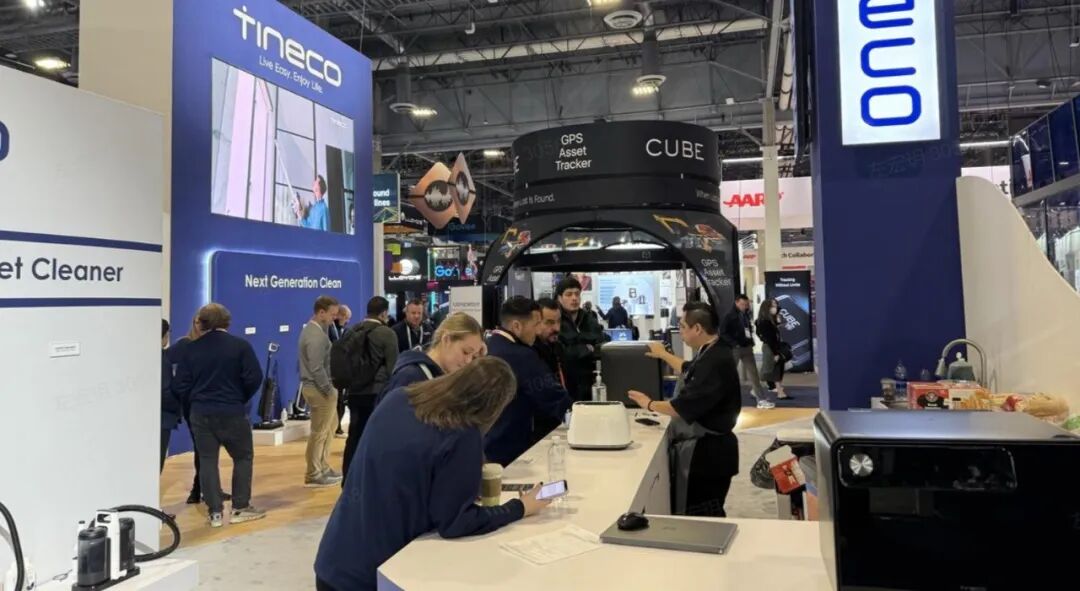
Tineco
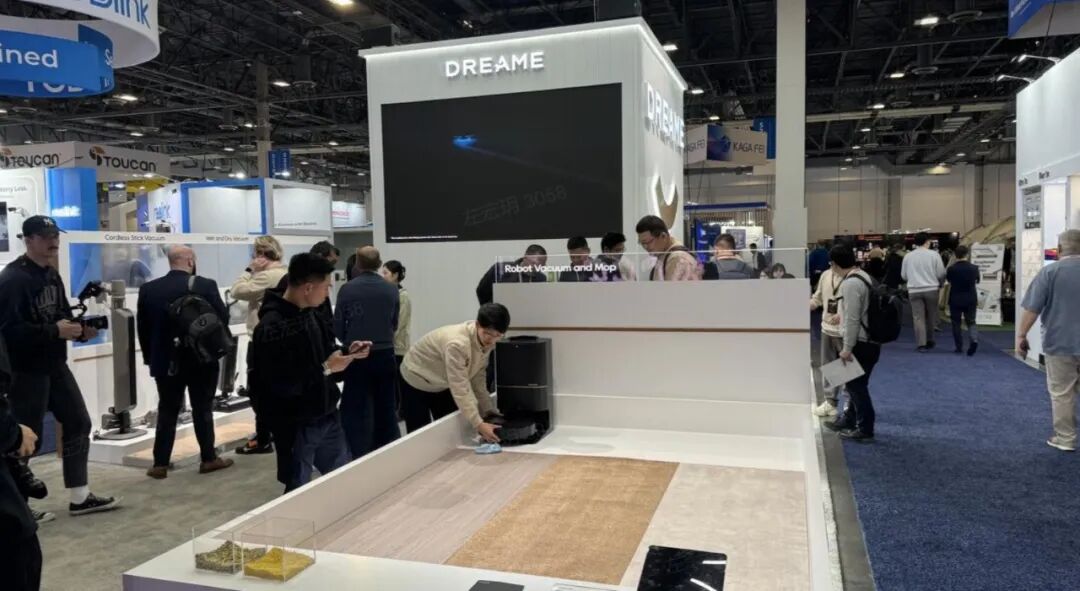
Dreame
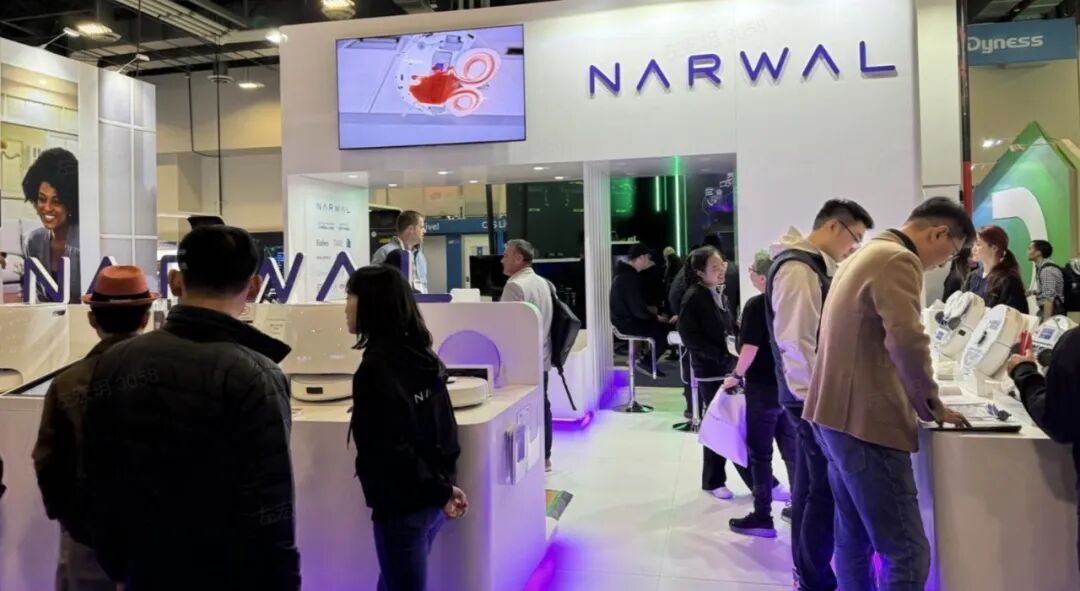
NARWAL
- Humanoid robots: Unitree, with minimal booth dressing, drew massive crowds on sheer technical strength.
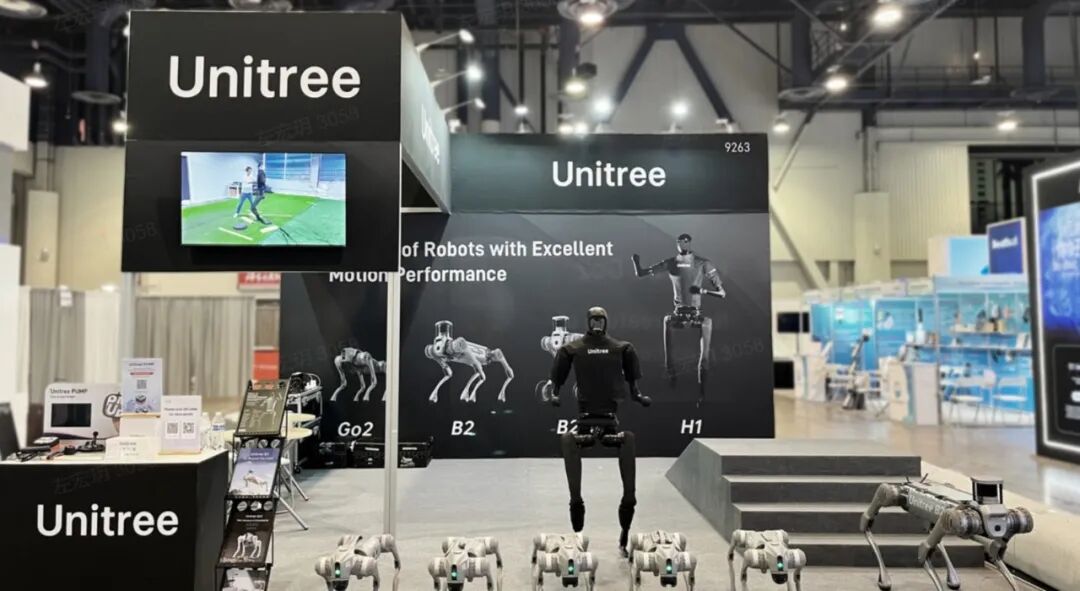
Unitree's CES booth
- Digital Healthcare: Post-pandemic health awareness, combined with aging populations in Europe and America, represents massive market opportunity. Chinese companies show limited competitiveness here — an overlooked market for Chinese exporters. Europe, meanwhile, has produced numerous interesting startups.
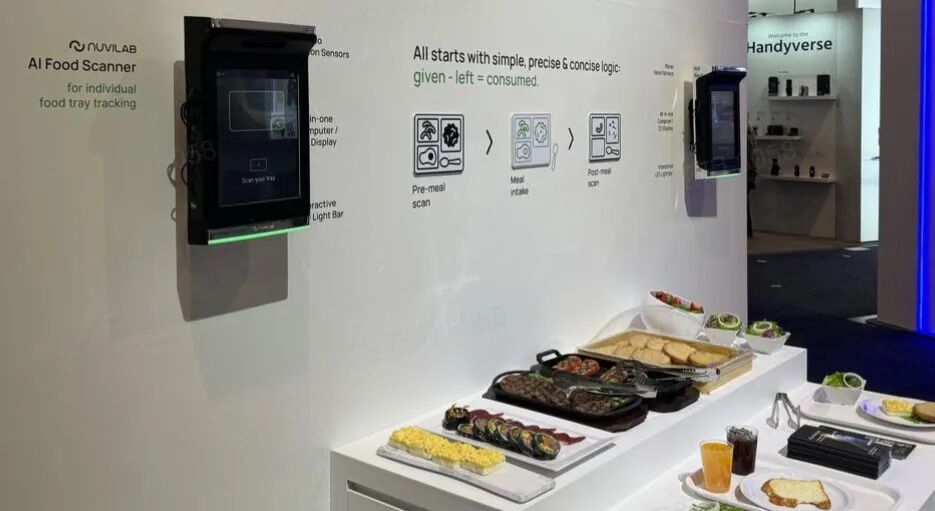
NUVILAB food scanner
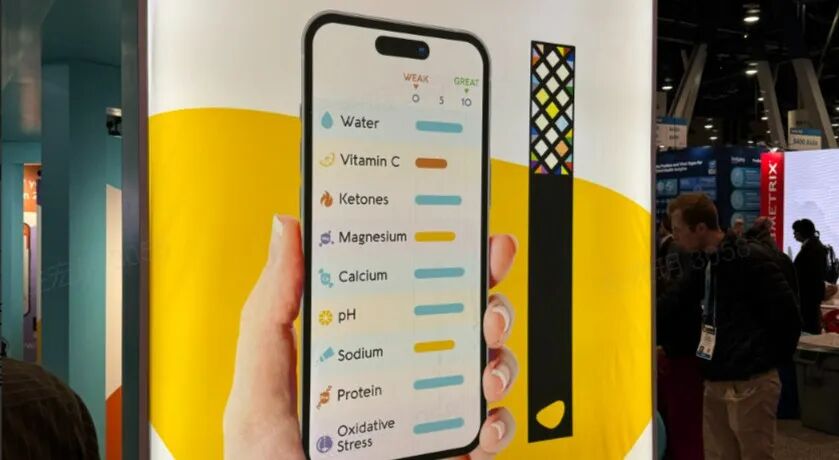
VIVOO urine test device
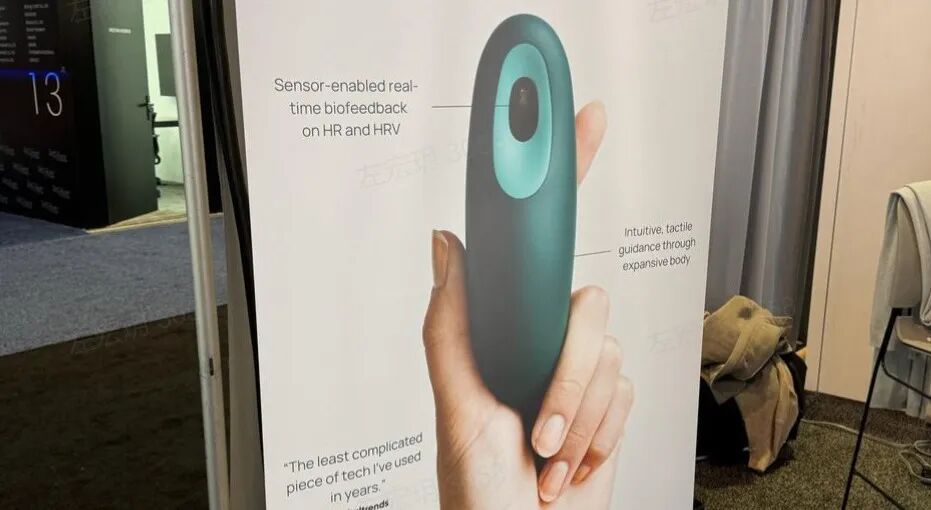
Moonbird, Belgian startup, sold 30,000+ units in first year across Belgium and Netherlands
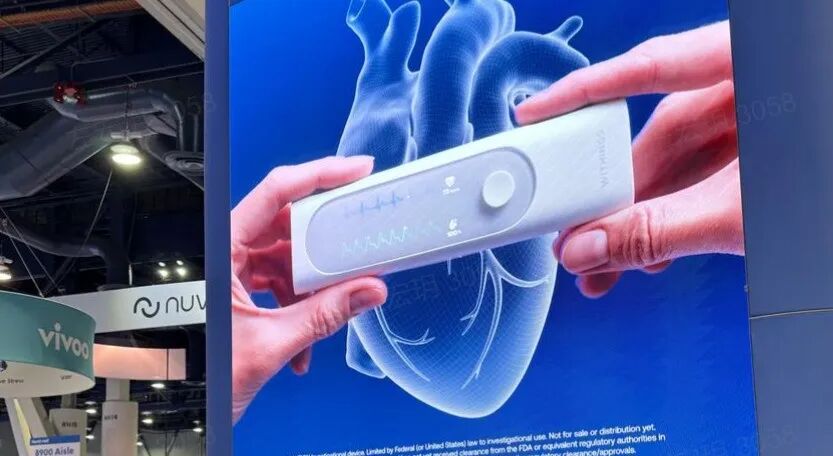
Withings, French consumer electronics startup, launched Vital Scan — combining stethoscope, pulse oximeter, single-lead ECG, and thermometer
Eureka Hall: Startup pavilion, where Chinese companies were regrettably countable on ten fingers
-
This hall features numerous fundamentally innovative startups, with Korean startups particularly active.
-
Korea, Italy, Turkey and others organized official startup delegations; Korea even brought Seoul National University and other institutions. Notably absent: any Chinese startup presence.
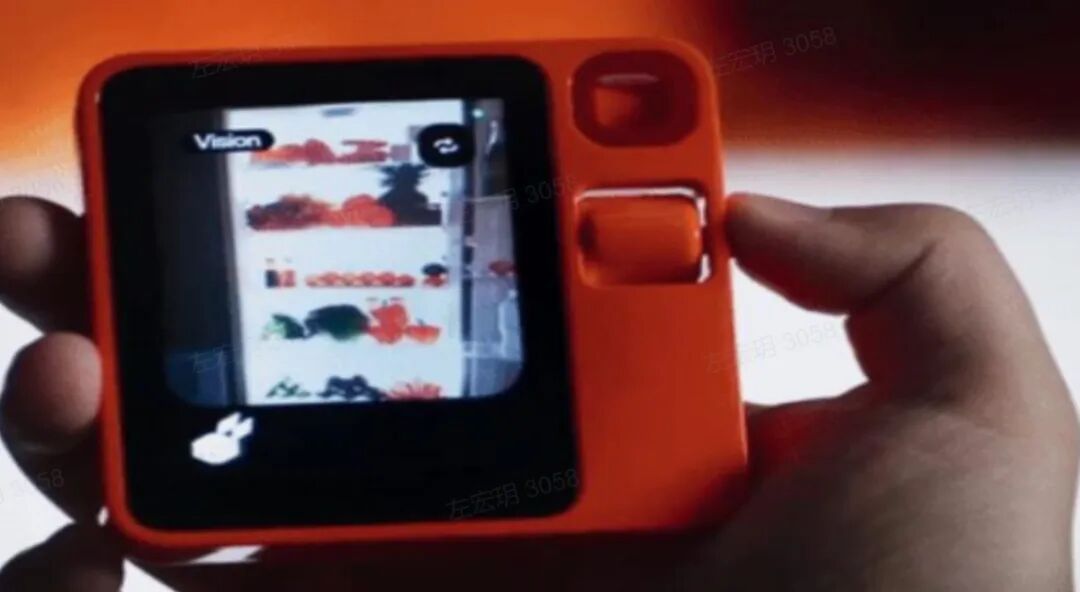
Rabbit R1 — announced but not exhibited, priced at $199. Compared to AI Pin: lower price, no subscription, extra screen
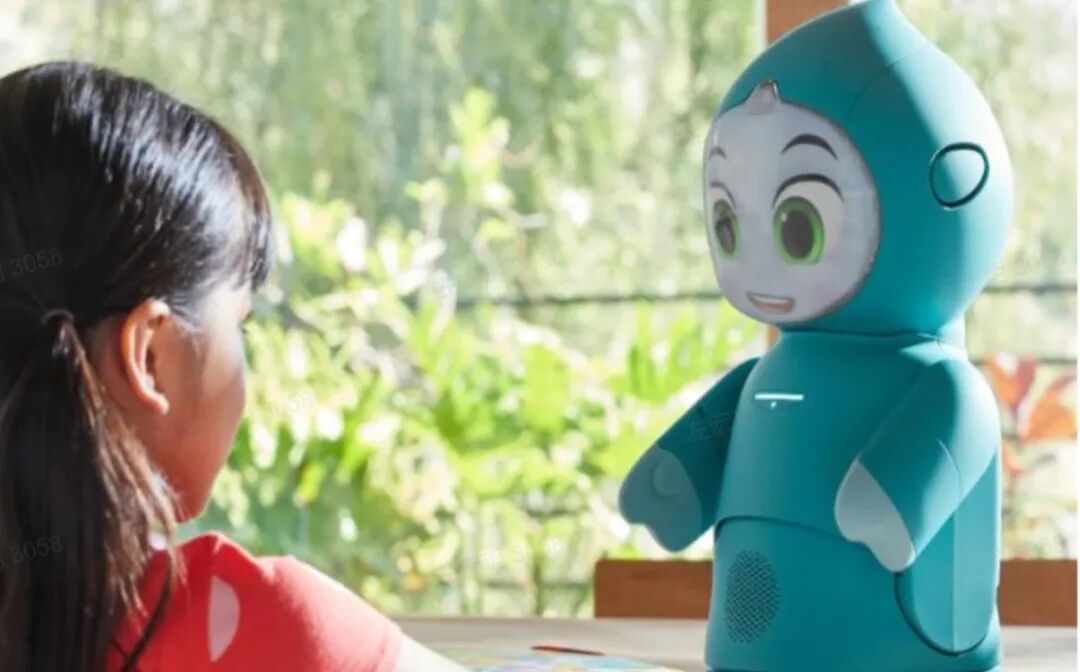
Moxie educational robot
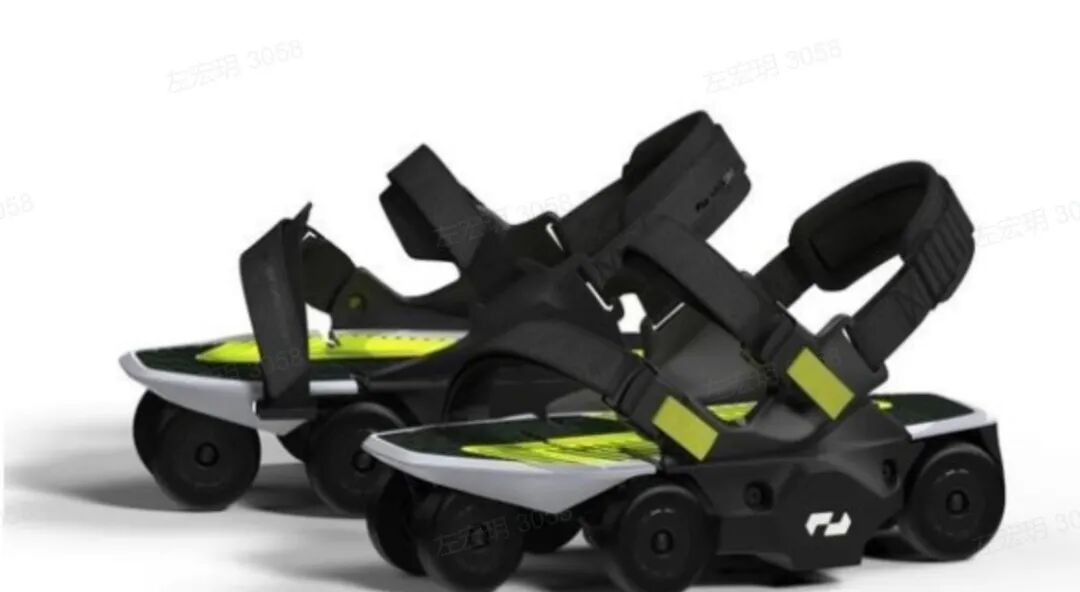
Shift Robotics Moonwalkers — motorized walking assistance
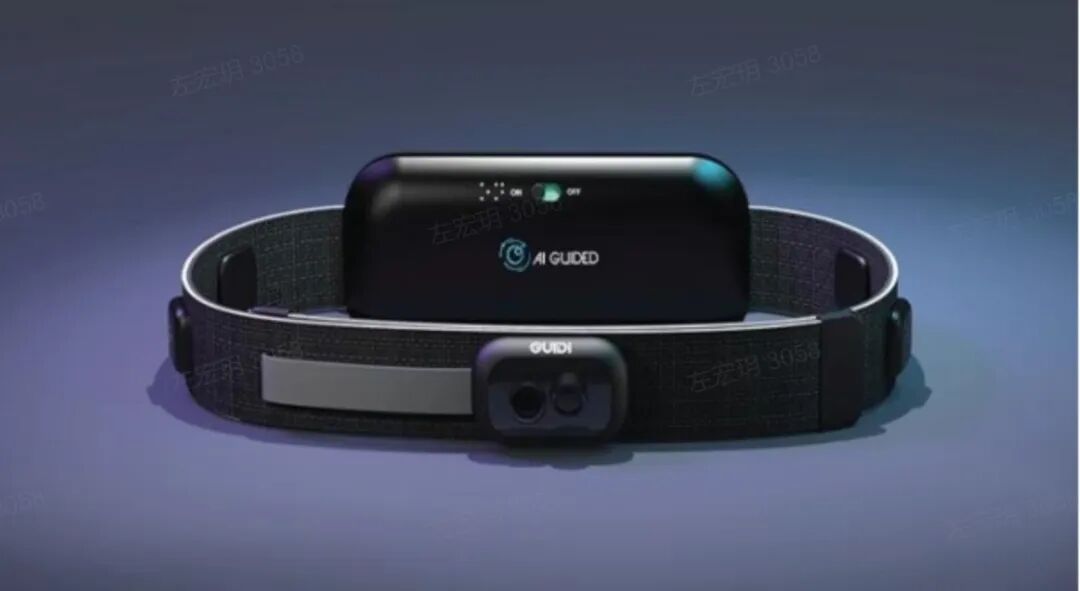
GUIDi AI smart belt — AI vision detects obstacles for navigation
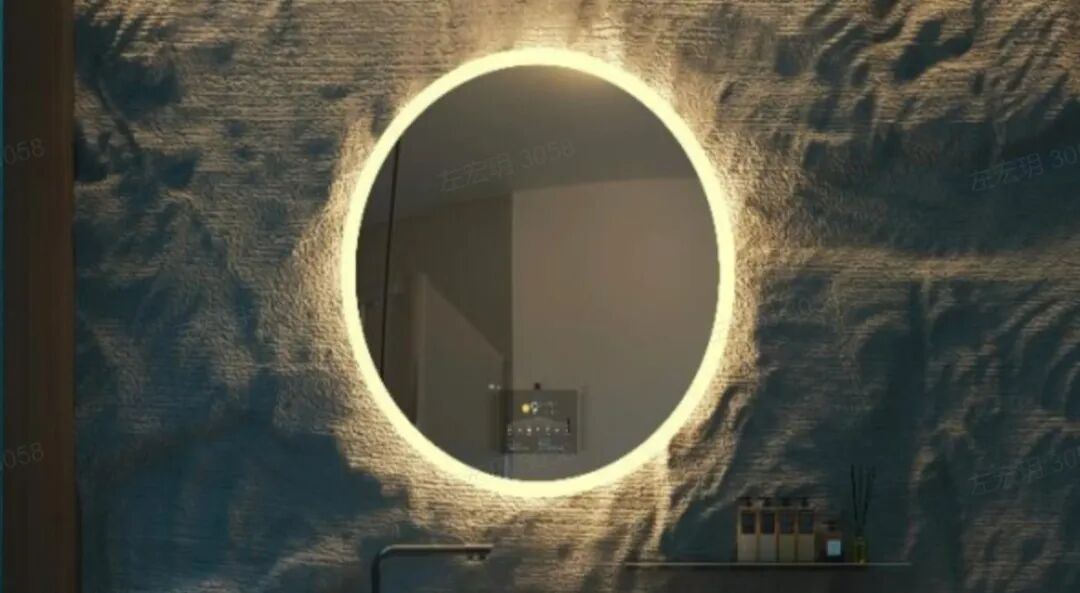
Baracoda BMind — personalized light therapy and meditation guidance
MaHui Members at CES
Cloud Whale
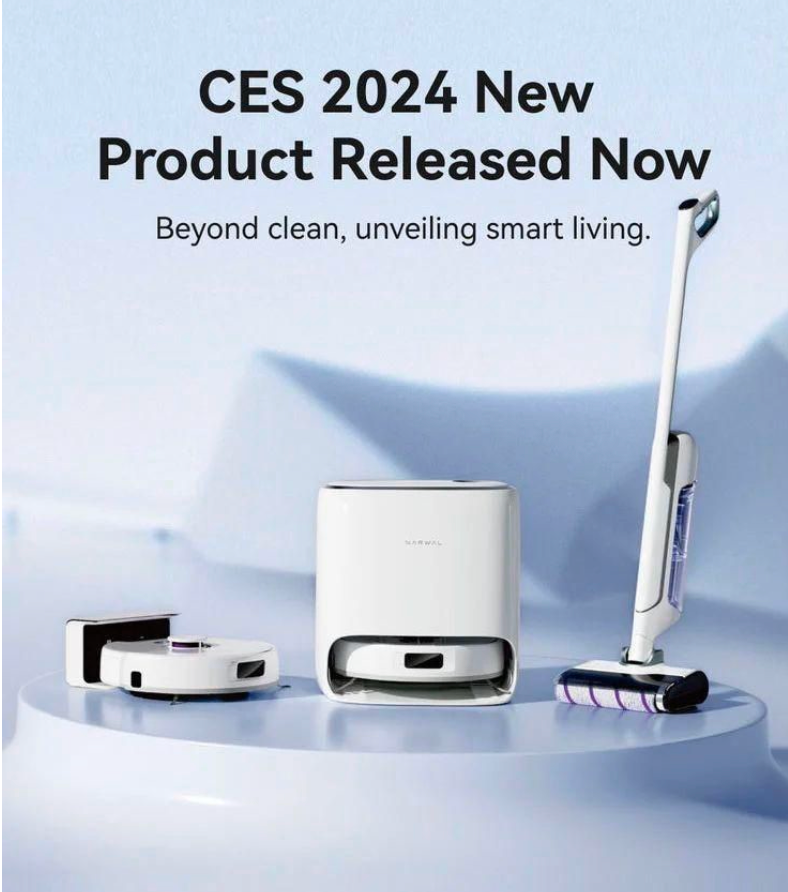
At CES 2024, Cloud Whale launched two robot vacuums and a wet-dry vacuum, demonstrating its leading capabilities and innovation in smart cleaning. The Freo X Ultra and Freo X Plus drew considerable attention and hands-on interest. Both feature anti-tangle hair dynamics systems, with 8,200 Pa and 7,800 Pa suction respectively. For navigation, the Freo X Ultra deploys triple-laser guidance and obstacle avoidance across front, top, and side sensors, capturing height and distance data while enabling tighter turns. It also incorporates Cloud Whale's self-developed DirtSense technology for automatic detection of household dirt levels. The Freo X Plus offers 7,800 Pa suction with the same TÜV and SGS dual-certified zero-tangle brush head. Both models support Cloud Whale's proprietary dust bag hair compression technology, compressing debris by over 20% after each clean for up to seven weeks of storage.
Poweroak BLUETTI
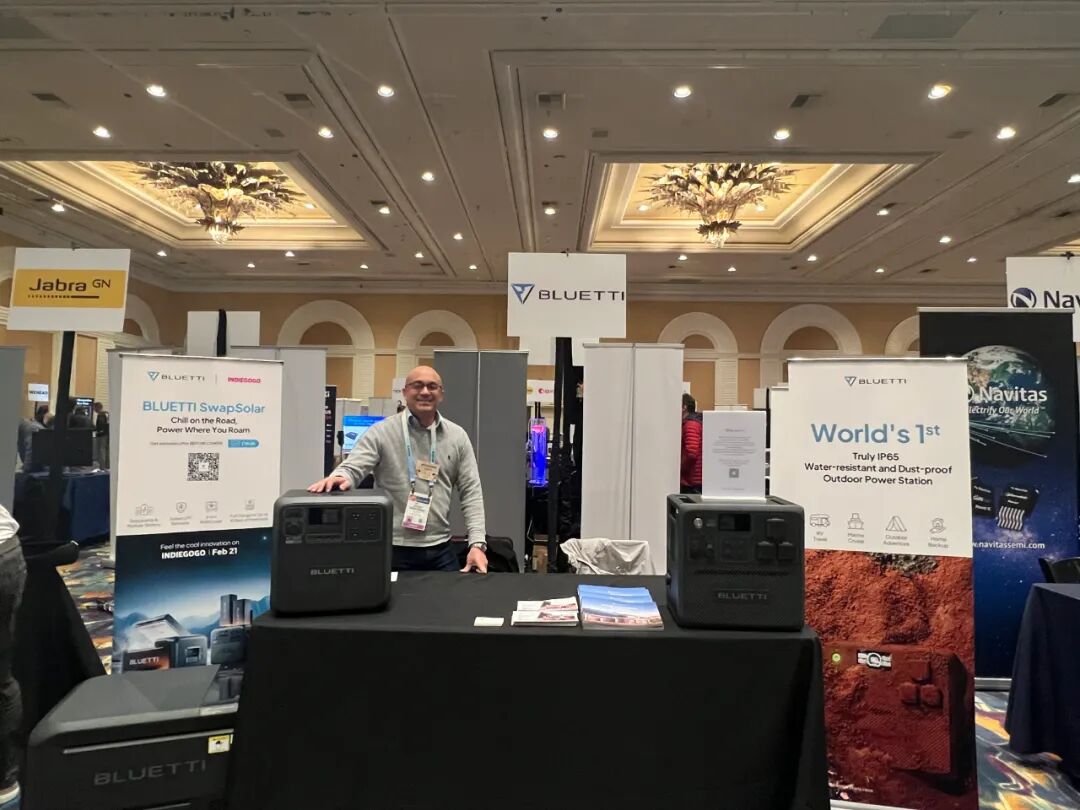
Poweroak's portable energy storage brand Bluetti showcased its new "industry-first" SwapSolar product, combining the AC180T portable power station and BLUETTI MultiCooler portable refrigerator. This form factor addresses user demand for greater power, higher capacity, longer cycle life, and more application scenarios in distributed energy storage.
Keyi Tech
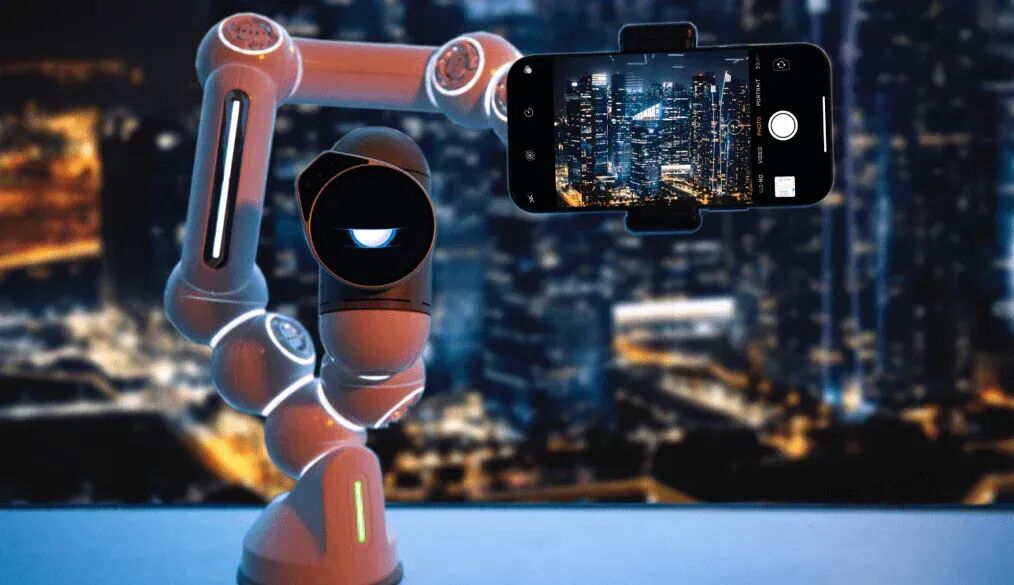
Clicbot, the robot dog for walking your pet
Previously, Keyi Tech's Clicbot spherical-joint programmable robot went viral on TikTok. At CES, the company embedded multiple specialized AI agents into its companion pet robot dog Loona, enabling more natural understanding of human intent and interaction.
- Loona
Keyi Tech's companion robot Loona takes the form of a four-wheeled robot dog with a 2.4-inch LCD face displaying expressive, animated patterns. It also packs a 3D-ToF camera for environmental obstacle detection and spatial mapping, helping it navigate quickly through spaces.
Morus
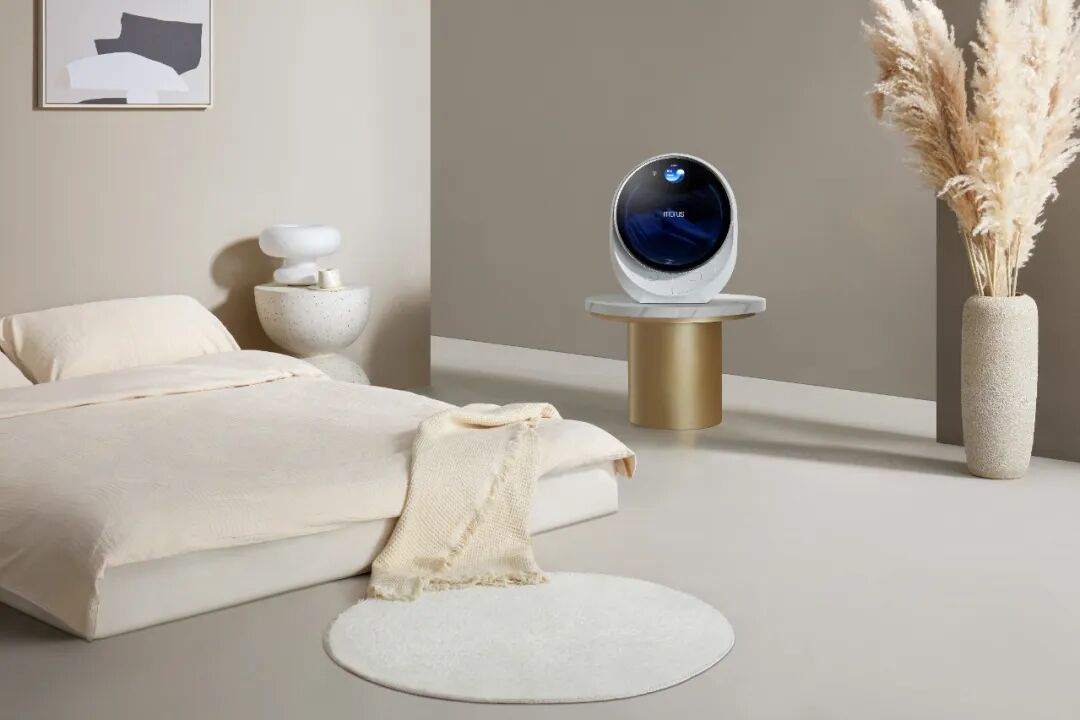
C2 Flash Dryer. Morus, focused on garment care, brought its new C2 Flash Dryer to CES 2024. The world's first vacuum negative-pressure clothes dryer, self-developed by Morus, sets a new benchmark for compact dryers. Morus aims to leverage its home appliance automation R&D capabilities to continuously explore innovative applications in "wash-dry-iron-care," combining硬核 R&D strength with refined design to elevate home appliance aesthetics and free users from tedious household labor, creating high-quality, efficient lifestyle enjoyment. Through this technological revolution, Morus hopes to explore the future of garment care spaces with users, making ideal unknown lifestyles a reality.
Xingmai Innovation BeatBot
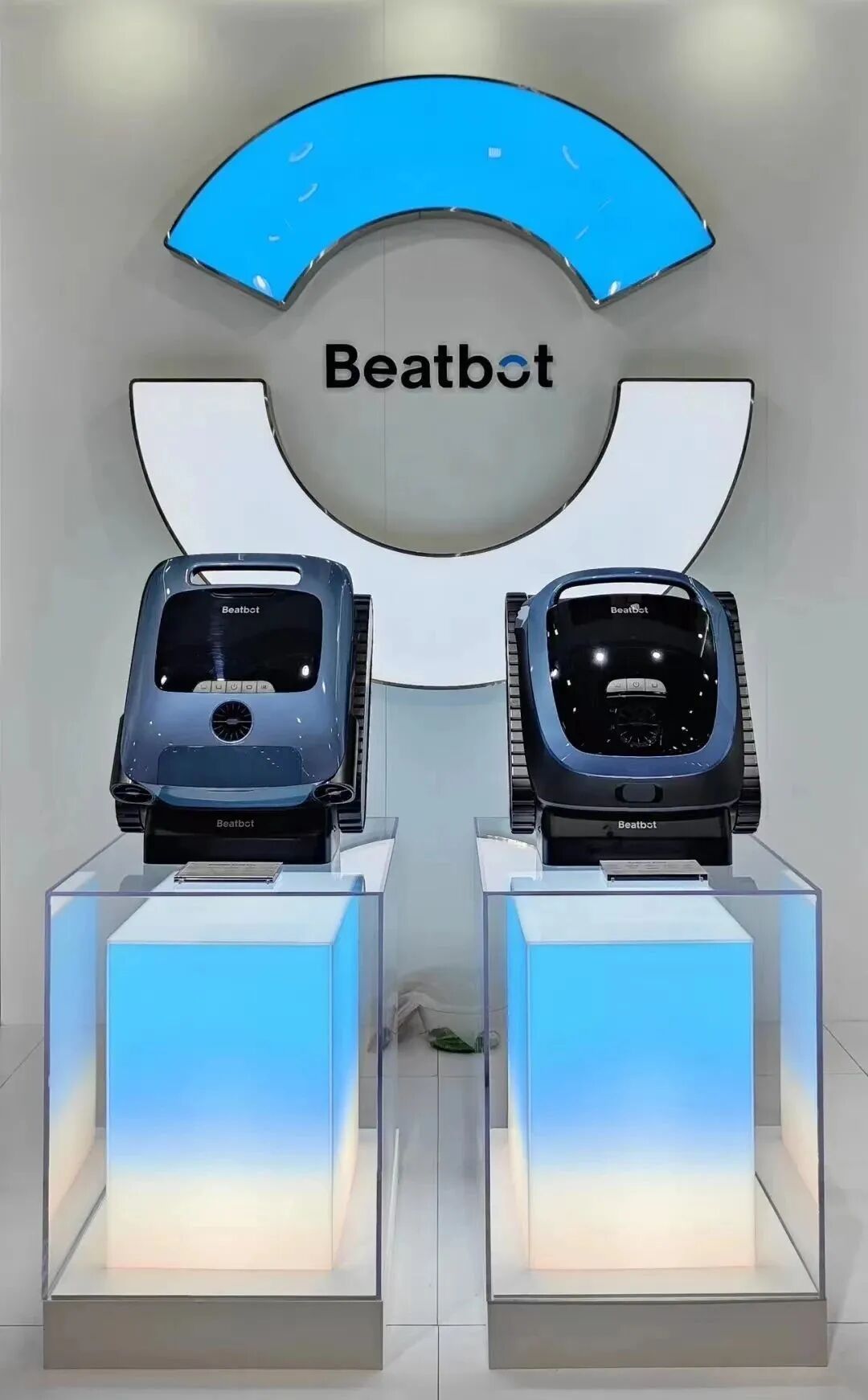
Xingmai Innovation's BeatBot is the world's first all-in-one smart pool robot. With industry-priority path optimization for 100% pool coverage, it's transforming pool care. Xingmai Innovation focuses on designing, developing, and selling intelligent pool cleaning robots, aiming to become a leading brand in the smart pool cleaning赛道. Leveraging strong intelligent path planning and navigation technology, its first-generation products deliver major improvements in cleaning efficiency and user experience. On cleaning power: wall-climbing capability for 3D cleaning, full-dimension弓字形清扫 with automatic corner turning. For usability: a wireless design eliminating storage hassles. Additionally, Xingmai products innovatively include app-based map display, showing robot trajectory and real-time status for enhanced interactive experience.