Code Brain | How CATL Became "Ning Wang": The Rise of a New Supply Chain Anchor

They hold priority voice in the supply chain. Through capital investment, standard-setting, production transformation, and collaborative innovation, they embed themselves deep into upstream industry, enhance supply chain resilience, and evolve themselves — while also reshaping capital flows, information flows, and value chains. These are the so-called "new chain masters."
They are profoundly transforming the shape of supply chains, and they represent new quality productive forces. The vigorous development of new energy vehicles, with portfolio companies Li Auto and Konghui Technology among the key players, occupies a critical link in this chain.
Founded just five years ago, Konghui has grown into China's largest air suspension supplier, capturing nearly 45% market share in 2023. Before partnering with Li Auto, Konghui had been groping its way through entrepreneurship, with limited capabilities in mass production, manufacturing processes, and quality maintenance. But now, Konghui Technology can provide not only system-level solutions for OEM customers, but also hardware and software for electronic control suspension controllers, air spring assemblies, and air pump assemblies (open and closed systems), with extensive experience in air suspension system development and mass production. More importantly, this process has brought air suspension technology "down to earth." Once the industry developed new understanding of this, Konghui's design, industrialization, production, and quality management capabilities advanced further.
"Many people think Chinese manufacturing still lags far behind Germany and Japan. In reality, our best manufacturing companies are already quite close to them, and some even outperform Germany. The speed of progress in many of our industries has also exceeded common perception."
Wang Di, Managing Director at Source Code Capital, sees confidence in Chinese manufacturing here. In an interview with China Entrepreneur, Wang Di shared his views on how "new chain masters" emerge, how industrial chains restructure, how factories and suppliers are empowered, and how companies expand overseas.
Wang Di believes two factors are critical for an industry to breed chain masters. First, external conditions: a thriving, growing industry; policy support; and manufacturing attributes. More important are internal factors — breakthroughs and accumulation in underlying science. Companies that become chain masters, beyond having innovative products or business models and substantial room for growth, must also possess deep understanding of technology philosophy, roadmaps, and macro-level trends. "A chain master may not necessarily outperform supply chain companies on how to design a certain material or how to manufacture it, but it must achieve the deepest cognitive moat in the industry."
The national push for "new quality productive forces" is fundamentally about valuing iteration in industrial technology and intelligent manufacturing. Chinese companies have already built solid foundations in overseas supply chains and continue to actively expand them. Source Code Capital remains committed to investing in technology-driven innovation and in the creation of enduring, real value — advancing together with the industry at this critical moment of reshaping in Chinese manufacturing supply chains.
This article is republished from: China Entrepreneur Magazine
Author: Li Yanyan
Editor: Li Wei
Interviewers: Li Yanyan, Ren Yafei, Tan Liping, Zhao Dongshan, Yan Junwen, Li Xin, reporters at China Entrepreneur Magazine
It's time for the new chain masters to take center stage.
"Power battery costs already account for 40%, 50%, 60% of our vehicle's total costs... Am I not just working for CATL now?"
A quip from Zeng Qinghong, chairman of GAC, captured why CATL became "King Ning" — and revealed the shifting reality of value distribution in the auto industry.
CATL is merely an upstream lithium battery company serving multiple OEMs. Yet it holds priority voice in the new energy vehicle supply chain. Compare it to China's three leading EV startups, and its market cap is unmatched.
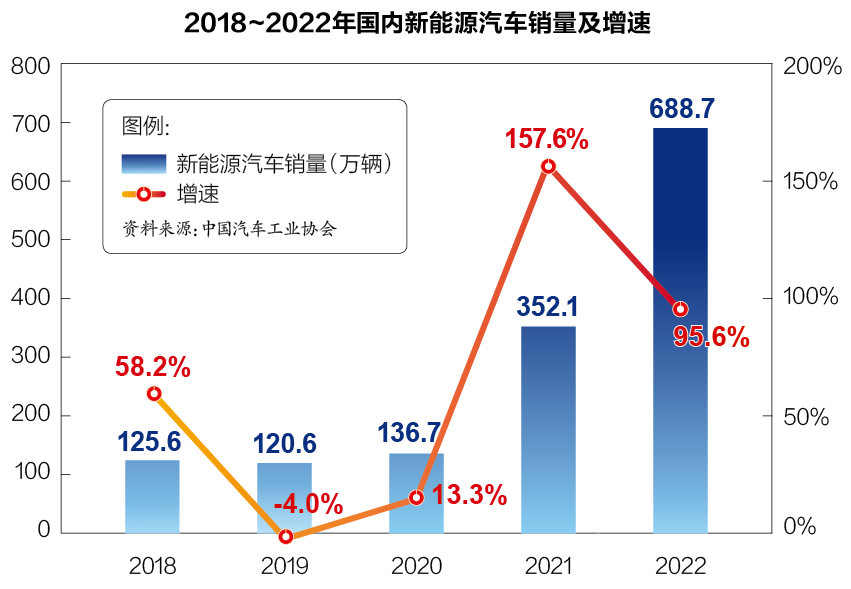
As of 11 a.m. on February 27, NIO's market cap stood at $11.752 billion (approximately 84.6 billion RMB), Xpeng Motors at $8.698 billion (approximately 62.6 billion RMB), and Li Auto at $43.862 billion (approximately 315.7 billion RMB). CATL's market cap, meanwhile, reached 680.2 billion RMB — far exceeding the combined total of the three startups.
Li Auto is a strategic partner of CATL. At Li Auto's Changzhou manufacturing base, a vehicle rolls off the line every 40 seconds on average. As of January 31, 2024, Li Auto's cumulative deliveries reached 665,000 units, making it the highest-delivering Chinese new force automaker.
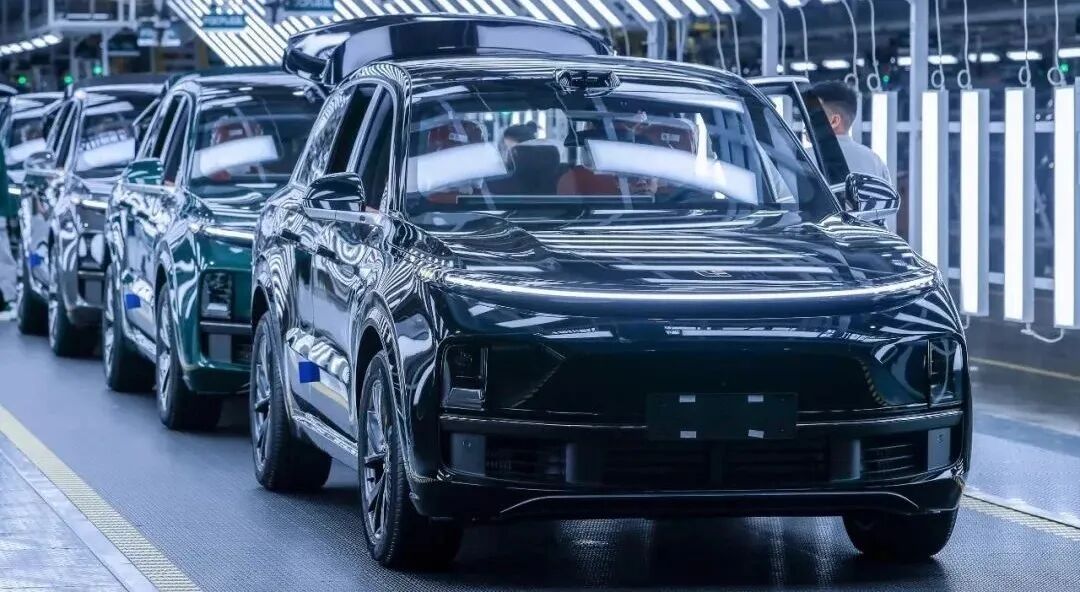
Li Auto Changzhou factory production line. Source: Interviewee
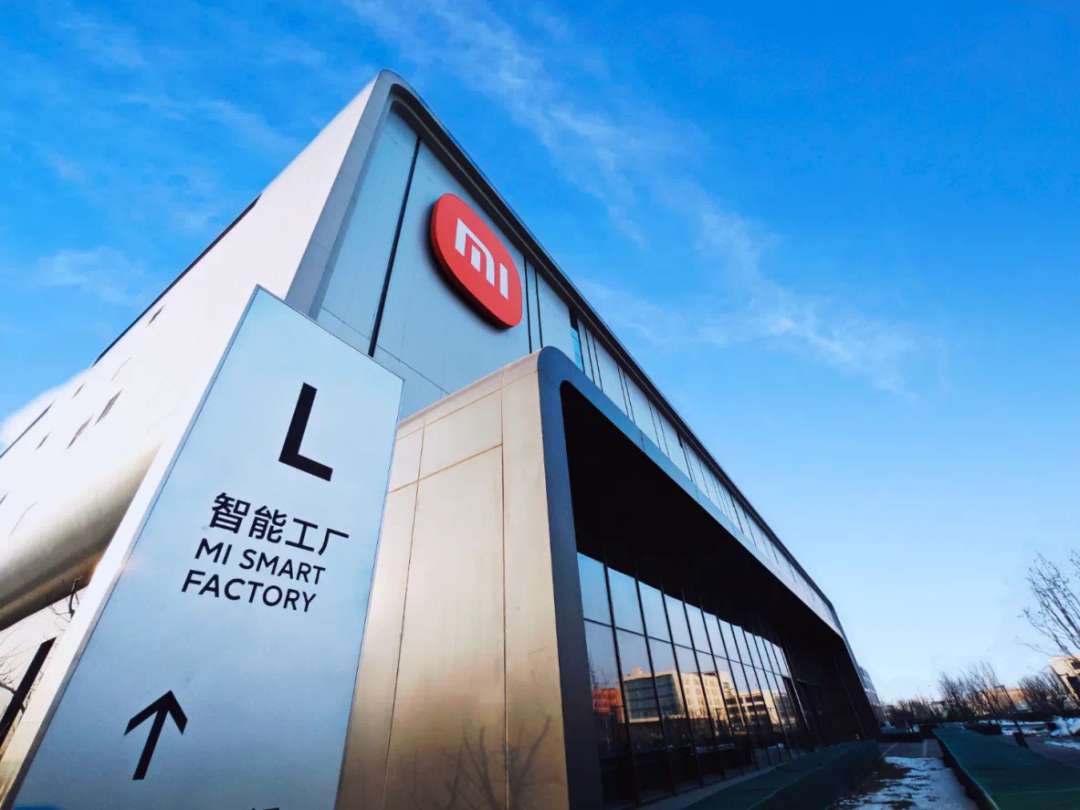
1,000 kilometers from Changzhou, in Beijing's Changping district, a new Xiaomi smart factory has officially commenced production. Integrating IoT, 5G, cloud computing, big data, and AI technologies, the Xiaomi Smart Factory achieves full automation and digitization. With Xiaomi's entry into the auto industry, its intelligent manufacturing footprint has expanded once more — and CATL has become the most important partner on Xiaomi's supply chain.
Across the ocean, Chinese cross-border e-commerce platform SHEIN has become impossible to ignore. As the initiator and central figure of flexible manufacturing systems, SHEIN has launched a series of initiatives to transform its partner supplier factories, including shifts in factory mindset, digital transformation, and standard training.
Like CATL, Li Auto, Xiaomi, and SHEIN, a cohort of new chain master enterprises is profoundly reshaping the global supply chain landscape — they too are representatives of new quality productive forces.
They are distributed across emerging tracks and fields such as new energy, cross-border e-commerce, and intelligent manufacturing. Through capital investment, standard-setting, production transformation, and collaborative innovation, they transform upstream and downstream industry players and co-evolve with them.
Compared to the previous generation of chain masters, the new chain masters have further upgraded in organizational management, pathway empowerment, R&D investment, platform models, systemic relationships, and compliance. They demonstrate greater possibilities through deep integration into upstream industry, enhanced supply chain resilience, and expanded boundaries.
Based on the characteristics of new chain master enterprises and their primary functions in the industrial chain, combined with case studies and research on chain masters, suppliers, and investment institutions, we find that enterprises capable of becoming new chain masters must meet the following conditions:
Leadership threshold: It must be a leading enterprise in its industry, with strong comprehensive competitiveness in technology, products, services, and capital; it must possess innovative products and business models, with sufficient profit cushion to support R&D and nourish the supply chain.
Technological moat: It must have the capability to guide suppliers, having built unique competitiveness in technology, roadmaps, and industry; it must go beyond hardware and manufacturing capabilities to encompass software and service iteration capabilities.
Empowerment and upgrade: Unlike the previous generation of chain masters, new chain masters and supply chain enterprises are not in simple supply-demand relationships — they bear the responsibility of empowering and upgrading the supply chain; supply chain enterprises are tightly bound to them, with some even coming into existence because of them.
Resource integration: New chain masters can thread through and integrate upstream and downstream resources with leading enterprises, strengthening cooperation, bringing in capital, and pursuing collaborative innovation, shouldering the responsibility of enhancing industrial chain efficiency and building ecosystems.
Relationship restructuring: Compared to traditional relationships of "extraction and dependence" or "client and vendor," new chain masters emphasize "collaboration and integration" for long-term, mutual development.
Resilience and agility: New supply chains can balance resilience and agility. Resilience and agility have traditionally been contradictory in supply chains — resilience implies greater stability while agility requires greater flexibility. But thanks to the development of digital technology, AI, cloud computing, blockchain, and other technologies, these contradictions now have concrete solutions, enabling rapid recovery to original states after disruption.
China Entrepreneur magazine has long followed transformations in industrial sectors. It previously covered how tech companies were seizing factories under the theme "Factory Revolution" (see the January 2021 cover story). Now, we can broaden our lens to examine the changes occurring in supply chains.
Lei Jun once described the new generation of chain master enterprises this way: "Tech companies must bravely shoulder chain master responsibility, focus on strengthening and filling gaps in the chain, conquer key core technologies, use technology empowerment to drive high-quality rise of domestic supply chains, and truly achieve 'one prospers, a hundred become strong.'"
Over 30 years ago, British logistics expert and Cranfield University professor Martin Christopher said: "Competition in the 21st century is no longer between enterprises, but between supply chains." In 2015, Huawei founder Ren Zhengfei repeated this statement in an internal letter.
"Now every industry is talking about supply chains. Through new technologies and new business models, global supply chain resource integration has become a new trend in industrial development," said Zhao Xiande, professor at CEIBS and director of the Supply Chain Innovation Research Institute, in an interview with China Entrepreneur. "This also has important implications for addressing overcapacity issues in certain industries."
1
The Birth of New Chain Masters: Industries Rise, From Nothing to Something
Where opportunity exists, money follows. Investors are paying close attention to supply chain transformation.
"People used to say China had no homegrown brands. But in recent years, domestic brands have gained real momentum in the consumer market, and Chinese consumers have started paying attention to the supply chains behind these excellent Chinese brands," said Di Wang, managing director at Source Code Capital, in an interview with China Entrepreneur.
Wang has long focused on industrial manufacturing. In his experience, supply chains used to be studied only by insiders like investors. But now, things have changed. "When Xiaomi or Huawei launches a new car, you immediately see discussions online, with people even tearing down their supplier systems."
Lin Lin, vice president at Lenovo Capital and Incubator Group and a partner there, shares this sentiment: "We used to focus primarily on the portfolio companies themselves. Now, beyond that, we also need to pay attention to investment opportunities arising from the upstream and downstream supply chains of our portfolio companies." After investing in NIO, the Lenovo Capital team conducted industry research and determined that new energy batteries would be another strong investment opportunity in the EV supply chain, leading them to invest in CATL.
The booming new energy vehicle sector is just the tip of the iceberg when it comes to transformation in Chinese manufacturing, especially emerging industries. China is a manufacturing powerhouse with massive production capacity and scale, possessing international competitiveness. Yet for three decades, Chinese manufacturing has largely sat at the bottom of the value chain. International brands manufactured in China, but the Chinese suppliers serving them had no voice—the power imbalance was extreme.
As China's technological capabilities advance and industries undergo digital-intelligent transformation, a cohort of "bellwethers" has gradually emerged. New chain masters are appearing in China and deeply engaging with global value chains.
Whether established manufacturing leaders like Haier and Lenovo Capital and Incubator Group, or more recent risers like Xiaomi and CATL, they all possess formidable brand power, innovation capacity, and competitiveness—their influence in global industrial chains has grown substantially.
Zhao Xiande uses the home appliance industry as an example: "The first generation of chain masters emerged during the early reform and opening period, when not a single Chinese manufacturer held that position—we all depended on others to survive. Now, whether through building their own brands or acquiring foreign ones, most well-known appliance brands are in Chinese companies' hands. From this perspective, the first and second generations of chain masters in the appliance industry have already emerged."
In emerging sectors like new energy, particularly batteries, Chinese companies have become global chain masters.
Driven by industrial transformation and technological development, power battery technology has become the "killer app" dominating the new energy vehicle supply chain. Whether entrenched traditional auto giants or buzzy EV upstarts, all must make the pilgrimage to CATL's headquarters to secure greater production allocations and pricing leverage. CATL has established partnerships with nearly every major global automaker.
CATL's rise owes much to the overall leap forward in new energy industries: surging demand for new energy vehicles, continued growth in power battery and energy storage markets, and the clear trend toward clean energy transition under China's "dual carbon" goals. Lithium batteries seizing the commanding heights of the supply chain, combined with shifts in vehicle composition and cost structures, together paved the road for CATL and its peers to become new chain masters.
Compared to Chinese companies' dexterity in new energy, supply chain integration in China's restaurant industry has proven more difficult—stemming from the sector's inherently low standardization and weak digital foundation.
Yet in recent years, restaurant groups like Xibei and Qianwei Central Kitchen have deepened integration across supply chain segments, accelerating restaurant chain-ification and central kitchen management, even reaching upstream to raw material factories and farms—pushing integration efforts all the way to the fields.
Digital-intelligent transformation, industrial upgrading, overseas expansion, decoupling risks... As "accelerated reconstruction" becomes the defining theme of our era, new chain masters have carved out a bloody path. Through new technologies, deep cultivation of emerging industries, innovative business models, and continuous self-evolution, they are also reshaping capital chains, information chains, and value chains. These new chain masters are leading suppliers large and small into a new chapter of deep industrial transformation.
As the book Supply Chain Attack and Defense notes, China's supply chains today face dual challenges: one, the internal challenge of upgrading toward leaner, greener, and smarter operations; the other, the challenge of pursuing constructive integration and sustainable development amid extraordinarily complex global conditions.
2
Defining the "New Chain Master": More Than a Value Balancer
The chain master concept was once widespread in traditional industries like home appliances.
Chinese manufacturing once forged chain masters like Haier: on one hand, with dominant market share; on the other, developing products based on diverse customer needs—a process that transformed its supply chain. Where companies once purchased large quantities of foreign-made components, now more and more components are produced by Chinese companies themselves.
As Haier established relative competitive advantages, it began investing overseas, integrating R&D, design, and production resources globally, even acquiring foreign brands to combine their innovation, production, and brand capabilities. It organized R&D, design, production, sales, and logistics activities across different countries and regions, gradually building a globally leading position in home appliances.
In recent years, emerging industries like new energy have become fertile ground for new chain masters. Some battery companies benefited early from government policy support, rapidly scaling up with clear cost advantages. Companies like CATL and EVE Energy have developed global influence in the new energy sector, with industrial coverage spanning raw material supply to battery manufacturing. Peer BYD, meanwhile, vertically integrated through the entire chain all the way to vehicle manufacturing.
"Chinese companies are playing a leading role in many segments of the new energy industry," Zhao Xiande said. In his view, this leadership manifests in two ways: market share, and mastery of digital technology, product R&D technology, and process technology. With both technology and scale, companies gain competitiveness, and as market share grows, they can integrate resources inside and outside the company, upstream and downstream.
Qingpeng Meng, vice president of supply chain at Li Auto, said: "As leaders of the value chain, new chain masters must first guide everyone in continuous innovation around products and business models, creating new value rather than merely balancing existing value."
Second, given current industry conditions, new chain masters need the ability to continuously break through encirclements, grow rapidly, and operate healthily. This relates to strategic planning and business management capabilities, and the organizational capabilities supporting them. Moreover, as chain masters, they need more open and rational resource integration and deployment capabilities.
Furthermore, new chain masters need healthy, open collaborative cultures and the ability to empower suppliers and pursue mutual growth. Empowerment encompasses strategic and organizational capabilities, operational capabilities like processes and digitalization, and alignment on values and culture. When partners share values, culture, and even basic process tools with the chain master—when connections are tight—efficiency and synergy become very high.
Lihong Zhang, vice president at JD.com and general manager of supply chain and technology at JD Industrial, has observed two distinctive characteristics in new chain masters: first, their actions aren't constrained by traditional factors; second, they carry no baggage when adopting new models. Leading new energy vehicle companies, for instance, adopted new digital procurement models for supply chains from the start—"and they adopted them top-down, achieving very high speed and efficiency when opening overseas channels," Zhang said.
One inescapable fact: in the new energy vehicle industry, for complete vehicles and automotive chips, much core technology remains in foreign companies' hands. Zhao Xiande believes that in this situation, how one defines chain master matters greatly.
"One definition is having influence in the industry, leading the supply chain with the highest output and largest scale. Another definition concerns mastery of core technology. In terms of battery output, we have absolute global advantage; in new energy vehicle production and speed, we're also the highest. But for some key chips in vehicles, we still lack capability," Zhao said.
Wang believes two factors are crucial for whether an industry can spawn chain masters. One is external: a thriving industry growing from nothing, policy support, and manufacturing attributes. More important is the internal factor—breakthroughs and accumulation in underlying science. Companies that become chain masters, beyond having innovative products or business models and substantial room for growth, also need strong cognition around technology concepts, roadmaps, and macro-level trends.
"How to design a certain material, how to manufacture it—the chain master may not necessarily be stronger than supply chain companies. But the industry cognition barrier must be the deepest," Wang emphasized.
Some supply chain leading companies don't themselves master certain core technologies or have deep manufacturing process expertise, but can integrate supply chains, connecting different segments in an organized way, using supply chain management knowledge and experience to lead different participants in collaboration.
SHEIN, the digital-intelligent transformer in apparel, exemplifies mastery of global supply chains. SHEIN uses digital technology and big data capabilities to rapidly and accurately research consumer demand across global regions, completing design, outsourcing, production, and logistics from its China base. "This is essentially integrating resources from different countries globally, then delivering goods to consumers worldwide," Zhao Xiande said. "Such a company truly deserves to be called a new chain master."
3
Empowering Suppliers: Investing People and Money, Innovating Together
Leading industrial chains to reduce costs and improve efficiency has long been chain masters' basic "mission." In the digital-intelligent era, new chain masters are charging toward global value chains in emerging industries. They pay close attention to bottlenecks throughout the chain and to suppliers' operational conditions, injecting capital and talent, innovating together, strengthening collaboration, and distributing benefits fairly—demonstrating distinctly contemporary characteristics.
"At any given moment, you might be the chain master, but some supply chain companies may develop faster," Lin said. Lenovo Capital actively promotes exchanges and collaboration between chain masters and suppliers.
This January, Lin took ten portfolio companies to Shanghai for ten days of exchanges. "Each company presents for 20 minutes, the others learn about each other, and in this context you might facilitate deep collaboration among five or six companies," Lin said.
In Lin's view, investing in early-stage companies within the supply chain, injecting capital, innovating together, and mutual success—the meaning of being a chain master becomes far greater.
How do you assess the value of a target company? Lin summarized two criteria: first, whether the startup has technological innovation capabilities, in which case Lenovo Capital and Incubator Group can leverage its CVC resources to facilitate business connections; second, whether the startup has product upgrade capabilities, enabling mutual empowerment between Lenovo Capital and Incubator Group and the company.
How does a new chain master unite supplier companies "from zero to one" within its supply chain system?
Air suspension is an expensive system. Even excluding the cost of shock absorbers, it exceeds 7,000 yuan. On gasoline-powered vehicles, it was never an essential component—only a small fraction of high-end luxury cars used it. With the rapid growth of the new energy vehicle market, air suspension has gradually become a mainstream configuration for premium new energy platforms. Star models such as the Li Auto L7/L8/L9, NIO, Xpeng Motors G9, and ZEEKR all come equipped with air suspension.
Konghui Technology is Li Auto's primary air suspension supplier, but Li Auto was not Konghui's first customer. Before partnering with Li Auto, Konghui had been in a prolonged period of entrepreneurial exploration, with limited capabilities in mass production, manufacturing processes, and quality maintenance. Meng Qingpeng recalls that Li Auto's first step upon "entering the scene" was to seek out the most professional talent in the industry.
Founded just five years ago, Konghui has grown into China's largest air suspension supplier, capturing nearly 45% market share in 2023. Konghui Technology currently holds over 100 invention patents. It can provide not only system-level solutions for OEM customers but also automotive electronic-controlled suspension controller hardware and software, air spring assemblies, and air compressor assemblies (both open and closed systems), with extensive experience in air suspension system development and mass production.
More importantly, this process brought air suspension technology "down to earth," making it accessible even for 300,000-yuan vehicles. Once the industry developed this new understanding, Konghui's overall design, industrialization, production, and quality management capabilities all improved.
"Because we led the way, it landed several major clients in quick succession. The scaling and industrial application of air suspension reduced costs—and of course, ultimately benefited consumers," Meng Qingpeng said. "In this process, we grew together."
However, for some mature, established suppliers, Li Auto's empowerment approach leans toward good working methods, tools, and management systems. Additionally, Li Auto's supply chain has established a supplier community operations organization that advocates for empowerment on demand, built around FREE culture (Fairness, Respect, Equality, Evolution). "You need to identify what it actually needs and empower it in a targeted way. If it doesn't need something, don't disturb it," Meng Qingpeng said.
When the customer base expanded from C-end to B-end, JD.com's intelligent supply chain technology and service capabilities began empowering deeper into industries, such as industrial sectors. Zhang Lihong believes that the industrial goods distribution process has yet to be fully optimized. Not only is the digitalization level low, but coordination efficiency is also poor. Combined with complex industry scenarios and operational pain points, "we hope to build an entire digital supply chain system."
Last year, JD.com opened its supply chain "full-chain solution" to society: on the supply side, establishing a supply network of "ten thousand warehouses as one, ten thousand orders as one"; on the demand side, helping enterprises break down data silos in traditional management models, building a secure and stable digital intelligent supply chain system from point to line, from surface to network, from internal to external.
As a chain master, Xiaomi adopted a "explore first, empower later" path—establishing its own benchmark first, creating a solid template, and only after successful exploration and validation did it export to industrial chain and supply chain partners, empowering industrial upgrades. Currently, some supply chain partners including Lens Technology and Longcheer Technology have already activated the complete production line equipment and smart factory systems exported by Xiaomi.
After the digitalization and intelligentization levels of supply chain enterprises improved, Xiaomi hoped to engage in joint R&D with them. A typical case is the domestic screen co-developed by Xiaomi and CSOT, which completely ended the problem of domestic smart device companies being "strangled" by screen suppliers like Samsung and Sharp.
4
Transforming Factories: Faster, More Standardized
Factories are the foundation of delivery. New chain masters have "evolved" their management and empowerment of upstream factories to new heights.
In a Guangdong garment factory supplying the SHEIN brand, a "production progress chart" is posted, showing delivery times along with signatures from team leaders and supervisors. Throughout the factory floor, screens are everywhere, with production status synchronized with SHEIN in real time. On one large screen, beyond conventional metrics like order quantities and employee and equipment counts, even the number of times workers press sewing machine pedals and the needle count per unit time are displayed.
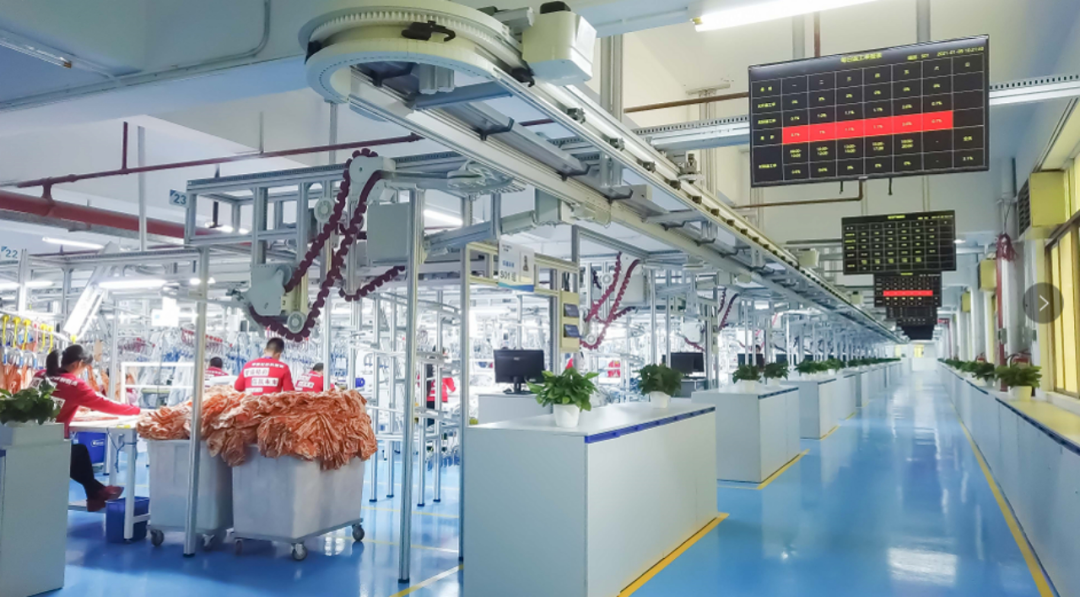
"Efficiency" is SHEIN's keyword. ZARA and H&M have clothing production cycles of more than two weeks, but this factory achieves higher efficiency than its Western counterparts. As the initiator and central role of the flexible manufacturing system, SHEIN launched a series of initiatives to transform factories. For example, to attract factories to participate in the "small orders, quick response" model, SHEIN helped enterprises improve turnover efficiency. In 2014, when conventional payment cycles were at least 90 days, SHEIN settled accounts in just one week. SHEIN also deeply participated in factory transformation, investing money, dispatching personnel, and so on. SHEIN's subsidies were even calculated down to the square meter.
In 2023, SHEIN also launched the "Factory Expansion Project," planning to use 100 million yuan in funds for physical expansion and renovation of factories in its supplier community, with a target of covering approximately 300 suppliers. Additionally, SHEIN developed an online digital management tool, provided free to partner factories. For every garment, SHEIN would calculate the required main and auxiliary materials and transmit this information to factories in real time. SHEIN also helped factories solve employee training and standard output issues.
Andrew Tsuei believes that although SHEIN operates in a traditional industry, it doesn't do traditional work. Instead, through new thinking, it uses digital technology and big data capabilities to integrate upstream and downstream supply chains. It hasn't invested in factory buildings, production lines, or workers itself. Its main work lies in integrating China's manufacturing and design resources, as well as logistics and distribution resources from different global locations, to provide products and services to global customers.
What one sees in Guangzhou is "SHEIN speed"; what one experiences in Changzhou is "Li Auto speed."
As one of Li Auto's two self-built factories, the Changzhou factory bears the vast majority of production capacity. "The Changzhou factory's automation level ranks in the top tier of the industry, and we continue to push intelligentization, such as the widespread application of unmanned inspection functions currently. Only this way can the entire manufacturing rhythm operate faster," Meng Qingpeng said.
For the recently commissioned Beijing Changping Xiaomi Smart Factory, Xiaomi Group President William Lu described its capabilities as "self-evolving." He revealed that the factory has achieved scaled mass production of advanced intelligent manufacturing. The self-development rate of assembly and testing packaging equipment in the factory reaches 96.8%, while the overall factory software system self-development rate reaches 100%.
Before 2015, Xiaomi had not yet built its own manufacturing factories. At that time, Xiaomi phones were all outsourced to external factories like Foxconn and BYD for OEM production. As user demands and Xiaomi's requirements for quality and efficiency increased, traditional OEM factories struggled to gather advanced resources to meet the digital-intelligent requirements of production lines. To avoid the uncertainty of frequently changing OEM partners, Xiaomi decided to enter manufacturing itself.
To ensure stable raw material supply and quality, Xibei, a leading catering enterprise, also decided to build its own factories.
In June 2017, Xibei invested more than 60 million yuan to build the Xibei Wuchuan Oat Noodle Processing Plant, of which equipment costs accounted for one-quarter. Plant manager Li Jiabin revealed that Xibei spent 15 million yuan to introduce the most advanced Swiss Bühler complete processing equipment, and through continuous testing of production processes, ultimately developed a standardized procedure.
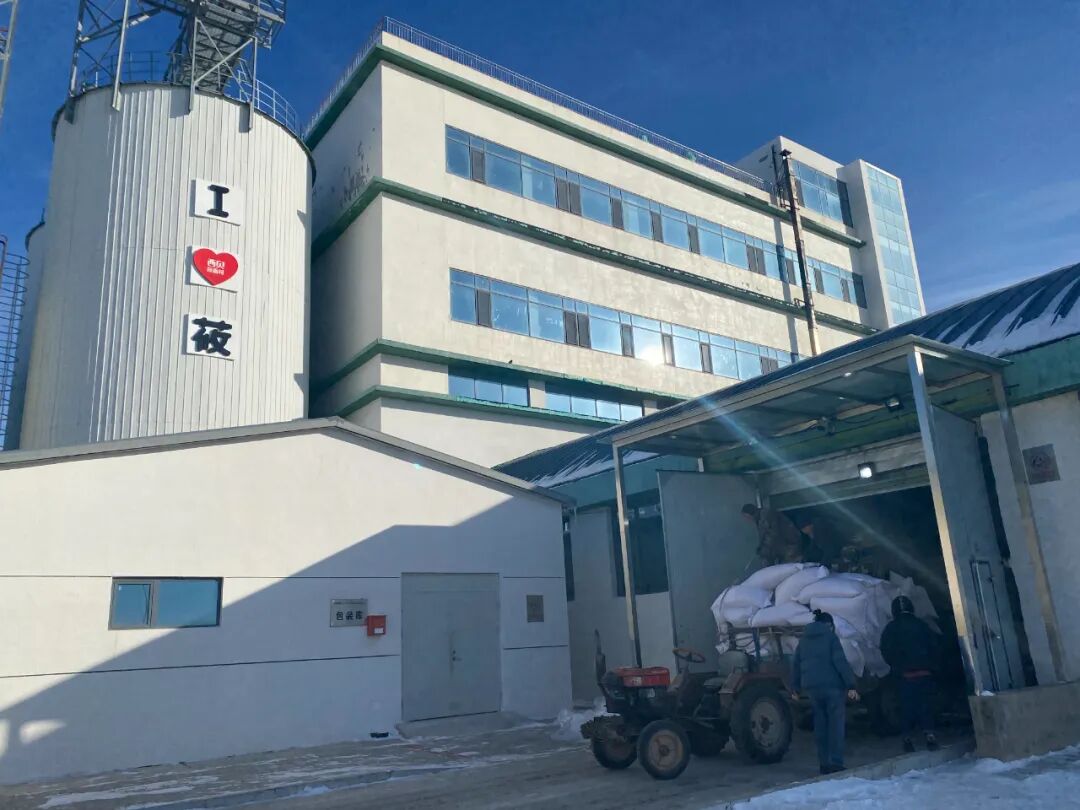
At the Wuchuan Organic Oat Noodle Base, the roar of machine operations sounds punctually during production cycles—typically operating 8 hours a day, but possibly 12 or 16 hours, adjusted in real time based on inventory, order volume, and store sales.
"The catering industry supply chain competes on agility; adjustment speed must be fast enough," said a Xibei Catering Group vice president (pseudonym).
Xibei, which built its own supply chain system and controls the entire process from raw materials to delivery, was among the earlier catering enterprises to "roll" toward supply chain investment. Starting in 2014, channel-side transformation forced supply chain transformation. Xibei gradually established central kitchens nationwide and extended upstream, building two major factories in Hohhot, the Wuchuan Organic Oat Noodle Base, and the Zhenglanqi Dairy Base, achieving a full industrial chain model of "production base + factory + store."
"Domestic Substitution": Rise and Nightmare
"Localization" has been written into Li Auto's supply chain strategy.
"We are proud of our extensive use of Chinese domestic suppliers. If consumers dare to buy Chinese brand cars, we dare to boldly use Chinese domestic supply chain enterprises," Li Auto CEO Xiang Li posted on Weibo last May.
Xiang Li noted that whether it's Horizon Robotics and SemiDrive providing chips, Changxin providing memory, Hesai providing LiDAR, CATL and Sunwoda providing batteries, Konghui and Baolong providing air suspension, Bethel providing braking systems, or Future Horizon Technology providing HUDs—the number of Chinese domestic suppliers is countless.
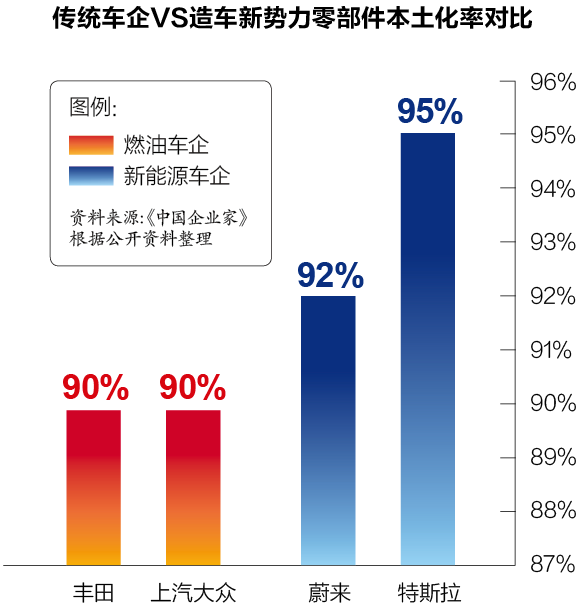
Statistics show that NIO's domestic procurement ratio reaches as high as 92%, while Tesla's Shanghai Gigafactory already has a parts localization rate as high as 95%, far exceeding industry averages. Liu Lu, analyst at Yunlian Research Institute, noted that although traditional automakers like Toyota and SAIC Volkswagen have reached 90% parts localization rates, the localization characteristics of new energy vehicles are even more pronounced.
After 13 years of development, Xiaomi is now the world's third-largest mobile phone manufacturer. In terms of mobile phone component domestic substitution, apart from SoC chips, it has achieved domestic substitution in the vast majority of mobile phone sub-sectors including screens, cameras, charging, and process materials.
Lin Lin believes that "domestic substitution is primarily about securing supply chain safety." In the past, supply chains only prioritized extreme cost-performance and manufacturing advantages, but now the goal is to nurture our own. Lin Lin pointed to the upside: "(It) creates opportunities for China's small and medium-sized enterprises. They used to find it difficult to participate in this kind of competition—like the chip technology companies and domestic foundational software companies that have emerged in China in recent years." Even Tesla's battery suppliers include companies beyond CATL, "fundamentally also for safety," Lin Lin emphasized.
Meng Qingpeng noted that traditional OEMs tend to have a client-vendor relationship with partners, one that's rather dominant. As a new chain leader, Li Auto places greater emphasis on deeply integrated partnerships with suppliers, treating every link in the chain as part of the same team and striving for alignment. This cultural approach, he said, can shrink the distance between every segment to nearly nothing.
"Today, external competition and people's mindsets have shifted dramatically. Only through a culture of openness, mutual benefit, and shared growth can our partners stay tightly locked in with us."
The new EV makers prioritize localized production, elevating local parts procurement to new heights. A wave of new supply chain companies seized this opportunity to revive and grow. But not all domestic suppliers enjoyed Konghui's good fortune. For supply chain giant OFILM, "major client dependency syndrome" is likely a nightmare it cannot escape.
OFILM was once labeled a titan of the "Apple supply chain." In 2020, Apple removed over 34 Chinese suppliers, OFILM among them. Subsequently, OFILM saw declining performance for three consecutive years—2020, 2021, and 2022—suffering losses and nearly facing delisting. Perhaps due to multiple considerations, major client identities became conspicuously absent from OFILM's annual reports thereafter.
At the end of September 2023, the supply chain for Huawei's Mate 60 series was "exposed": OFILM's (front and rear) camera modules and fingerprint recognition modules captured the majority share, with per-unit value supply ranging between 500–600 yuan. Data from another research firm suggested that if Huawei P series orders were included, OFILM's value share in the "Huawei supply chain" would be roughly 70–80%.
Fortunes reversed. Driven by the launch of Huawei's new phones combined with the AITO M7 launch and other news, massive attention and capital flowed toward Huawei's supply chain. In this rally, no company shone brighter than OFILM. In the half-month following September 28 last year, OFILM's market cap nearly doubled.
In retrospect, the years of U.S. "supply cutoff" against Huawei were also OFILM's most difficult period surviving without the Apple chain. Regarding Huawei phone orders, OFILM chairman Cai Rongjun's reply—"stubbornly alive"—carried profound undertones.
Shortly after the Huawei Mate 60 Pro officially opened for pre-order, it was revealed that over 90% of components came from Chinese domestic suppliers, with 70–80 companies disclosed. In other words, this Huawei phone had over 10,000 components fully supplied domestically.
Under the new circumstances, how should the fates of supply chain enterprises be weighed?
"Suppliers must prepare for a rainy day. When times are good, they need to make preparations to avoid forming single-client dependency," Lin Lin said. He hopes that a new generation of chain leaders can open a better cooperation model with suppliers. "As chain leaders, we can more easily spot innovation and foster it, without hindering suppliers' own corporate development. Our relationship should be more equal and more open, not master and servant."
Strengthening Self-Development: Building the Foundation, Achieving Autonomy
Wang Di has observed that some powerful chain leaders don't merely possess hardware and manufacturing capabilities—they can also distill underlying logic. Take Apple. It's a product-plus-ecosystem company with top-tier understanding of manufacturing. Its suppliers were essentially trained by Apple itself. "Many Apple supply chain companies in Shenzhen—Apple provided some of their core equipment, and the industrial control software for that equipment was also introduced by Apple," Wang Di said. This equipment largely determines Apple's process capabilities. In this regard, China's chain leaders today still have ground to cover.
Wang Di has also conducted research finding that Chinese companies tend to prefer self-reliance. "Once Western markets matured, industrial division of labor became very clear. China, relatively speaking, prefers self-development and self-production. This industrial pattern is determined by many factors—different choices for different contexts." However, he added: "For some technological barriers, capital investment is indeed substantial. Chain leaders may prioritize existing profit margins."
New chain leaders like Li Auto, Xiaomi, and CATL are both collaborating closely with suppliers and strengthening self-development and self-production in certain core categories—even building their own factories. What considerations lie behind this management approach? Where do the boundaries of "self-development" and "integration" lie? Some suppliers with technological barriers also unhesitatingly extract profits from automakers—does this also drive companies' self-development pace?
In Meng Qingpeng's recollection, the boundary question of self-development has been discussed internally many times. "Our identity is a technology company. A very important characteristic is being asset-light. So we choose carefully and cautiously what to do and what not to do. Only when absolutely necessary do we do it ourselves; whenever someone outside can do it and has the capability, we hand it to them."
Li Auto has established basic rules for self-development or self-production: first, whether it enables technological leadership and builds product "moats" and competitiveness; second, whether it meets autonomous and controllable supply needs; third, whether it satisfies large-scale consistency and quality requirements.
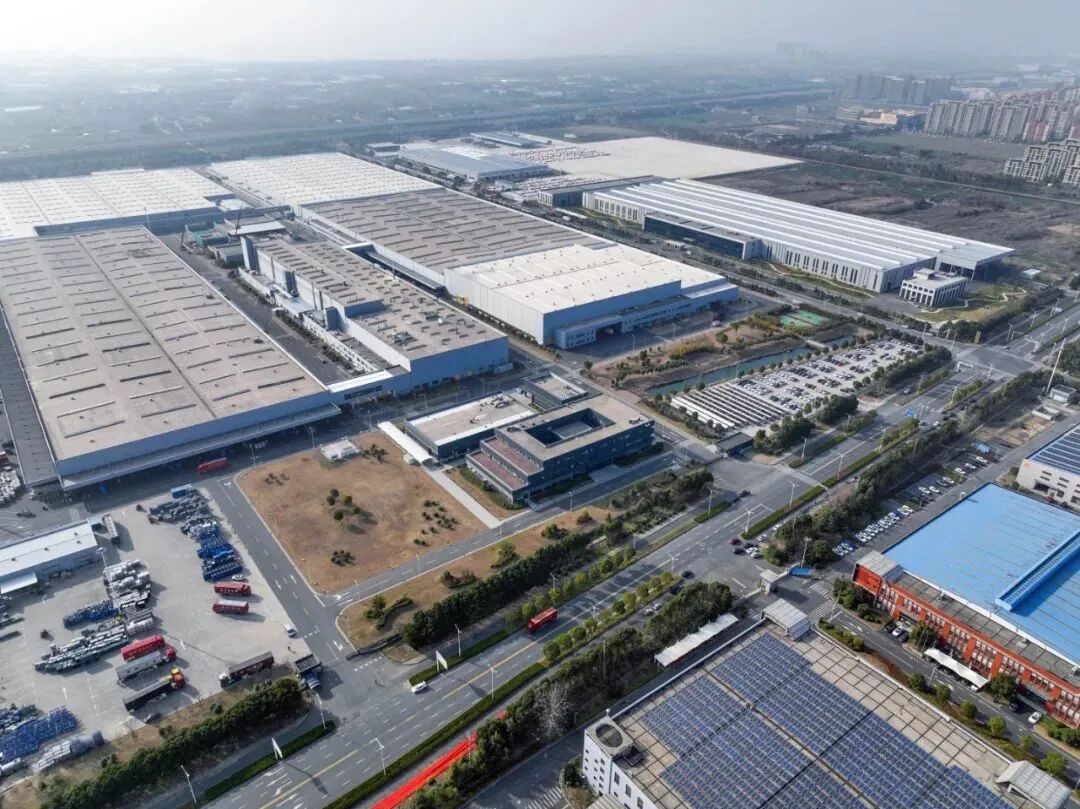
Li Auto Changzhou Intelligent Manufacturing Base
Meng Qingpeng senses that the new energy vehicle industry, now deep in red-ocean competition, operates on a completely different business model than before. Traditional fuel vehicles' core components were engines and transmissions, developed and produced in-house by automakers with virtually no outsourcing. But today, the core has become batteries, motors, electronic controls, autonomous driving, and controllers within smart cockpits.
"What to do? Then we need autonomy and control. We need to self-develop, even self-produce, to achieve certain technological positioning, even leadership," Meng Qingpeng said. Among new car makers, NIO has also embarked on deep self-development, hoping to gain root-level control over product strength, cost, and supply.
However, Meng Qingpeng also candidly noted that compared with Apple's near-total self-development, fully self-developing a car is extraordinarily difficult. "The number of components in a car isn't on the same magnitude as electronics. Full self-development involves enormous resources and investment. You must balance what to hand to factories and what to do yourself. Resource integration capability is crucial."
Currently, Xiaomi's smartphone smart factory has achieved full automation and digitization. Last year, Lei Jun announced "the core strategic goal for the new decade": Xiaomi's first decade was about validating and developing its own business model, rapidly achieving scale. Xiaomi's new decade is about deeply cultivating underlying technologies and gradually establishing leadership. The core strategic goal for this new decade: massive investment in foundational core technologies, becoming a global leader in next-generation hardcore technology.
The CVC Era Arrives: Ecosystem Integration, Accelerated Global Expansion
Amid the national push for "chain master" enterprises and the evolution of tech companies themselves, Lin Lin noticed that industry-leading tech firms across various sectors had successively established their own CVC investment arms, strengthening coordination with their core businesses. For tech startups, they provided both business opportunities and capital. "Often, business support matters more than funding," Lin Lin said. He believes that this year marks the arrival of an era of rapid CVC growth, closely tied to national development priorities and industrial investment logic. Every chain master enterprise needs to develop its own industrial ecosystem logic to help portfolio companies grow. Take scientist-entrepreneurs, for example — they typically possess advanced technology but lack strength in product development and supply chain system building. Chain masters can help fill these gaps, creating win-win outcomes. "Lenovo has a flexible production line at its smart manufacturing facility in Shenzhen's Guangming District specifically available for SMEs. We can also help them with core component procurement and factory management issues," Lin Lin said.
In Lin Lin's view, CVC institutions with industrial resources will become the dominant force in future industrial investment and research. In collaboration with supply chain enterprises, Lenovo, BYD, and Xiaomi have all demonstrated their capacity for ecosystem building. "What's impressive about Xiaomi is that on one hand, through independent R&D and product design, it has built an exceptionally loyal user base. On the other hand, through the Xiaomi ecosystem, it invests in other companies, sharing brand recognition, supplier networks, and distribution channels with them — achieving economies of scale while lowering costs, and sharing the risks of new product development with its portfolio companies," said Zhao Xiande.
Global industrial division of labor is shifting from efficiency-first to a balance of efficiency and security. Zhang Lihong sensed that while the core of supply chains hasn't changed — it's always been about connection and coordination — demands for resilience and stability have grown. "Many excellent Chinese-made products struggle to go global due to lack of distribution channels. This is a problem of unopened pathways in the supply chain."
Wang Di has long focused on manufacturing investments. He sees China's policy environment as broadly positive in recent years. "The current national emphasis on 'new quality productive forces' essentially means prioritizing the advancement of industrial technology and smart manufacturing." Chinese companies have accumulated solid overseas supply chain foundations and continue to actively expand them — "this follows the logic of industrial upgrading."
"Companies and entrepreneurs rooted at the industrial frontier are still actively benchmarking against German and Japanese manufacturing. Many people think Chinese manufacturing lags far behind Germany and Japan. In reality, our best-performing manufacturers have already caught up closely, and some even outperform German counterparts. The pace of progress across many industries has exceeded general public perception. That's quite encouraging," Wang Di said.
Lin Lin believes the primary driver for Chinese manufacturers going global is the hyper-competitive domestic environment. Second, domestic technological and product development has reached levels capable of leading globally — companies that can succeed in China tend to gain greater recognition overseas. Take SmartMore, Zhongke Huiyuan, and Future Robot — all Lenovo Capital portfolio companies. "Their technology and products can confidently compete head-to-head with any global industry giant," Lin Lin said.
Zhao Xiande cautioned that many Chinese companies going global remain stuck in old patterns, relying on low prices to scale market share without actually turning a profit, while damaging local business environments. Many countries discourage price-based competition and have even established price thresholds. "In some of our advantaged industries, companies first rush to expand capacity, then rush to cut prices — and still fail to make money in such excellent global markets."
In Zhao Xiande's view, cross-border e-commerce represents one of the main pathways for Chinese manufacturing's global expansion. Going forward, companies need to establish R&D, production, and service facilities across different global markets while building brand recognition locally.
In the vast endeavor of constructing and integrating global supply chains, new chain masters are actively making their mark. CATL's 21C Innovation Laboratory has become a global R&D hub for cutting-edge energy storage and conversion technology. As BYD expands into Southeast Asia, South America, Europe, and the Americas, it is also in discussions with KG Mobility — formerly SsangYong Motor Company — to establish a joint power battery factory in South Korea, building out a global supplier network.
After experiencing the benefits of enhanced supply chain resilience and security, Lei Jun has set even bolder plans and targets. On November 23, 2023, Xiaomi's sub-brand Redmi took the lead in launching the "2 Trillion New Grand Plan" global cooperation framework alongside domestic supply chain partners, aiming to co-create and share 2 trillion RMB in comprehensive output value in global markets over the next decade.
As global expansion and platform strategy advance, SHEIN has pushed flexible manufacturing models worldwide. SHEIN has now established a supply chain layout with China's domestic system as the brain and core, supplemented by localized operations in select overseas markets. Simultaneously, SHEIN is gradually leveraging its influence to promote flexible supply chain models across the broader fashion industry.
"This is a step Chinese enterprises must take," Zhao Xiande said. But going forward, how to expand into premium markets, create differentiated products, push into cutting-edge fields, and build distinct supply chain networks locally — these are questions worth pondering for the new chain masters.