Code Brain | In the Future, Human Labor Won't Be Nearly Enough — The Market for Robots Is Massive

These Companies Are Also Betting on Humanoid Robots


Introduction
In the age of AI, humanoid robots may never have been closer to everyday human life. Judging by the progress of startups so far, they're still at the stage of adapting to and understanding the physical world. Some startups predict that tens of millions — even billions — of humanoid robots will eventually hit the market to fill the gap in human labor. At the same time, the debate over "whether we really need humanoid robots at all" has never stopped.
In a recent conversation, Tesla CEO Elon Musk predicted that the future of AI would be an "age of abundance" with "universal high income," but he also warned: "We should be highly concerned about humanoid robots that can follow you anywhere."
Tesla's humanoid robot, Optimus, is expected to begin taking orders in three to five years. According to electric vehicle news site Electrek, Tesla is working toward this production goal — its careers page currently lists more than 50 open positions related to Tesla Bot (i.e., Optimus).
Tesla is hardly the only tech company pouring resources into this. Influenced by popular science fiction, the industry has been trying to develop humanoid robots for decades. While the latest AI boom has triggered another wave of investment in humanoid robots, most current prototypes remain clumsy and impractical, performing far worse in real life than in staged demos. That hasn't stopped a handful of startups from pushing ahead.
Advances in machine learning over the past decade have enabled more sophisticated computer vision, making it easier for robots to navigate complex environments and execute tasks like climbing stairs and grasping objects.
"Our goal isn't to make robots look human," said Jonathan Hurst, co-founder and chief robot officer at startup Agility Robotics. "We're trying to build robots that are useful in human spaces."
Do we really need humanoid robots? Hurst emphasizes that Agility's warehouse robot, Digit, is human-centric rather than humanoid — a distinction meant to highlight what it does, not what it aspires to be.
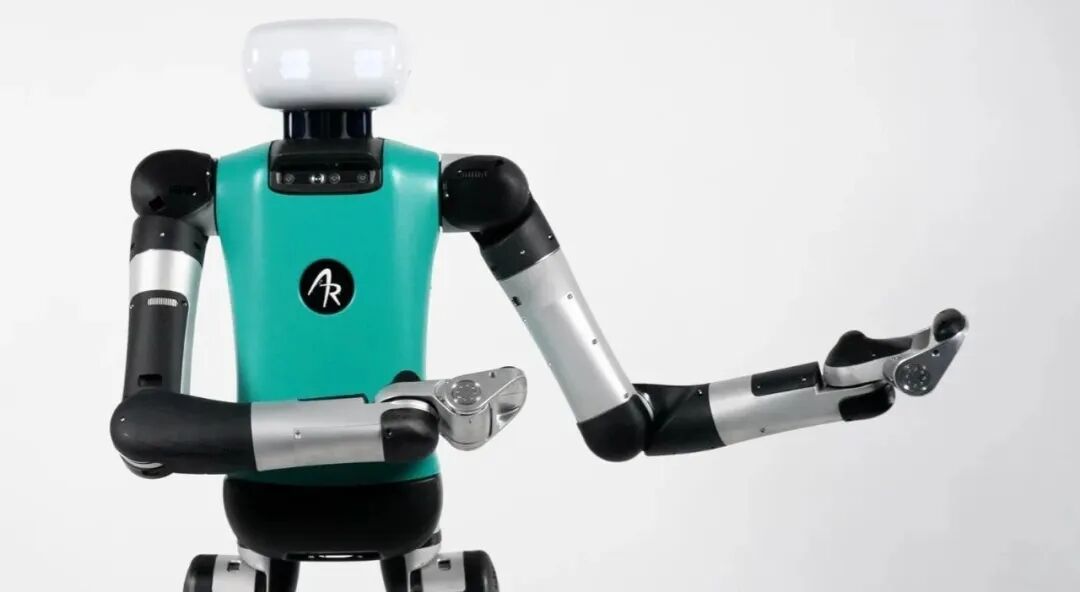
Currently, Digit excels at bulk material handling tasks, such as picking up tote bags and moving them. Amazon announced in October that it would begin testing Digit in its warehouses, and Agility's Oregon factory broke ground in September to mass-produce these robots.
Digit's head is equipped with cameras and a suite of sensors; its LED-animated eyes are designed to improve human-robot interaction. Its motors are housed mainly in the torso. It has two arms and two legs, though its legs look more birdlike than human — the knees bend inward, resembling those of digitigrade animals like birds, cats, and dogs, which walk on their toes rather than flat feet.
Meanwhile, Agility's competitors, such as Figure AI, are pursuing a more purist direction. They believe only truly humanoid robots can effectively operate in workplaces, homes, and human-built societies. Figure also plans to start with a relatively simple use case, like retail warehouses, but its goal is to develop a commercial robot that can "iterate like the iPhone" to perform multiple tasks — stepping in for humans as birth rates decline worldwide.
"There aren't enough people to do these jobs, so the market is huge," said Brett Adcock, CEO of Figure AI. "If we can get humanoid robots to do work that humans don't want to do because of labor shortages, we can sell millions of humanoid robots, maybe billions."
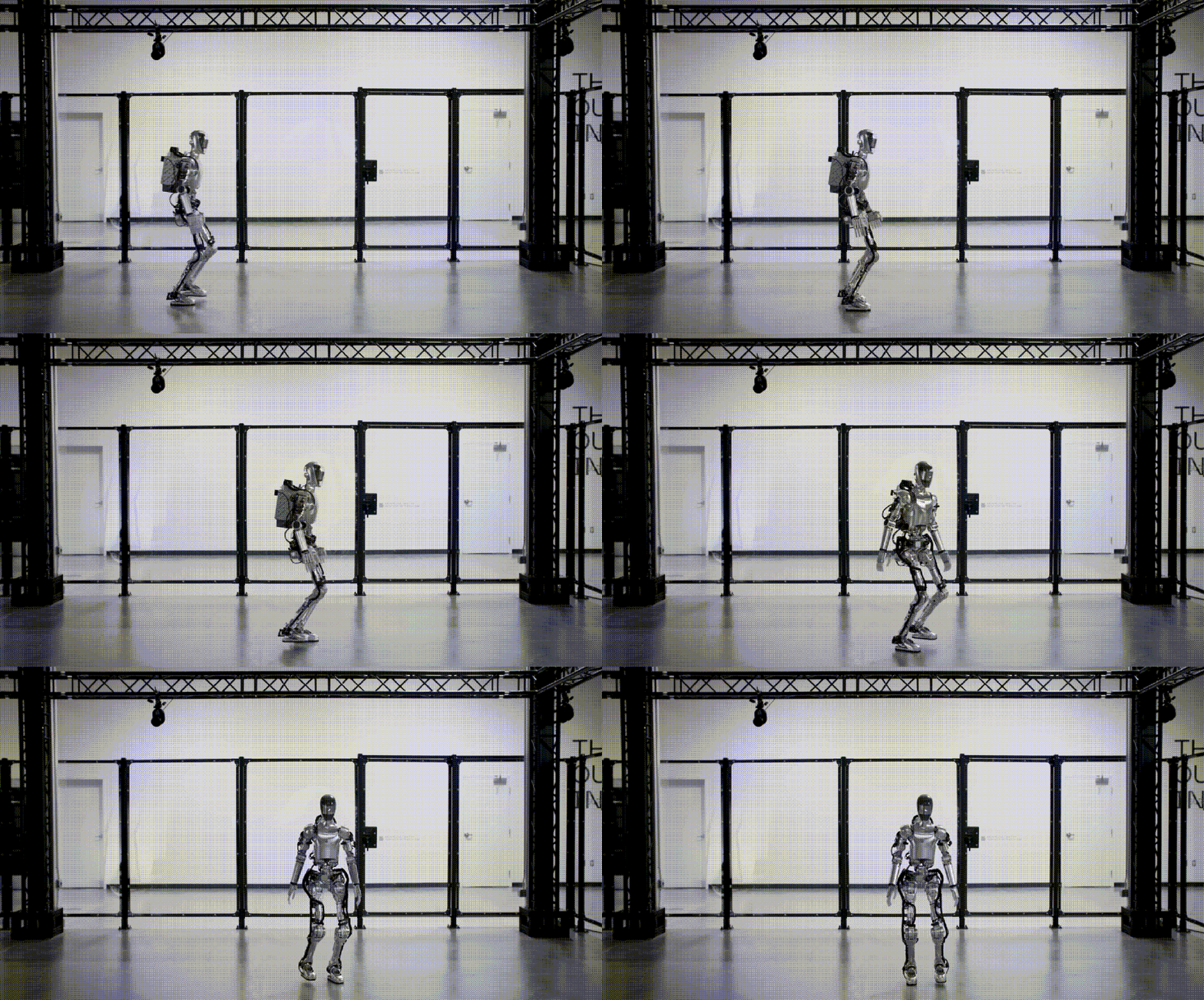
However, Figure AI doesn't yet have a market-ready prototype. Founded just over a year ago, the company has raised tens of millions of dollars, and recently released a 38-second video showing its Figure robot walking dynamically on two legs.
While Tesla's live robot demos failed to impress robotics experts, its Austin, Texas neighbor Apptronik appears to be further along — the company unveiled a humanoid robot named Apollo in a video demo in August.

For wealthy technologists, all the attention and money poured into building clumsy humanoid robots might make the whole enterprise look like a futile hobby. But for some pioneers in humanoid robot development, what matters more is what they've learned along the way. "Not just about their design and operation, but also about how people respond to them, and the underlying key technologies involving mobility, dexterity, perception, and intelligence," said Marc Raibert, co-founder of Boston Dynamics, best known for its robot dog, Spot.
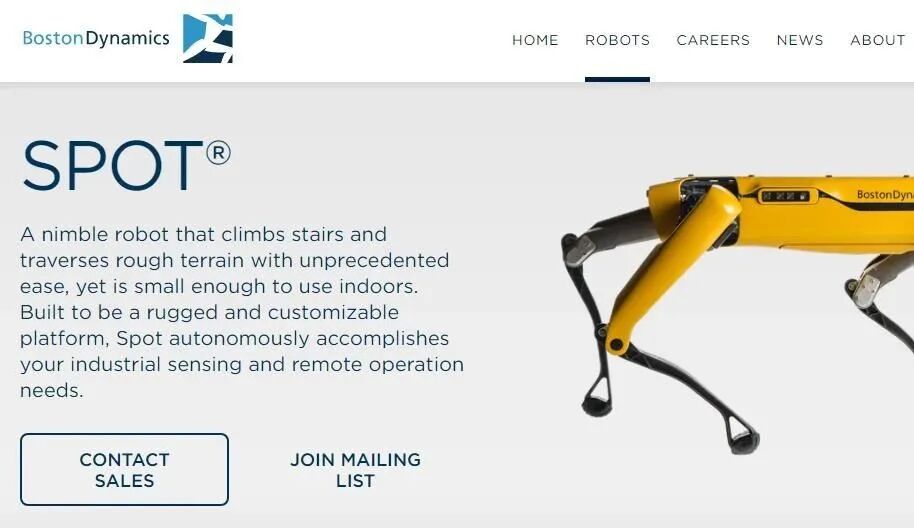
Raibert notes that progress isn't always linear. Boston Dynamics (now a subsidiary of automaker Hyundai) has been experimenting with a humanoid robot that can move boxes.
"That led us to develop a new robot that isn't truly humanoid but has several humanoid characteristics," he said in an email. "That ultimately gave rise to a new robot that can handle boxes faster, work longer hours, and operate in tight spaces like truck trailers. So humanoid research produced a useful non-humanoid robot."
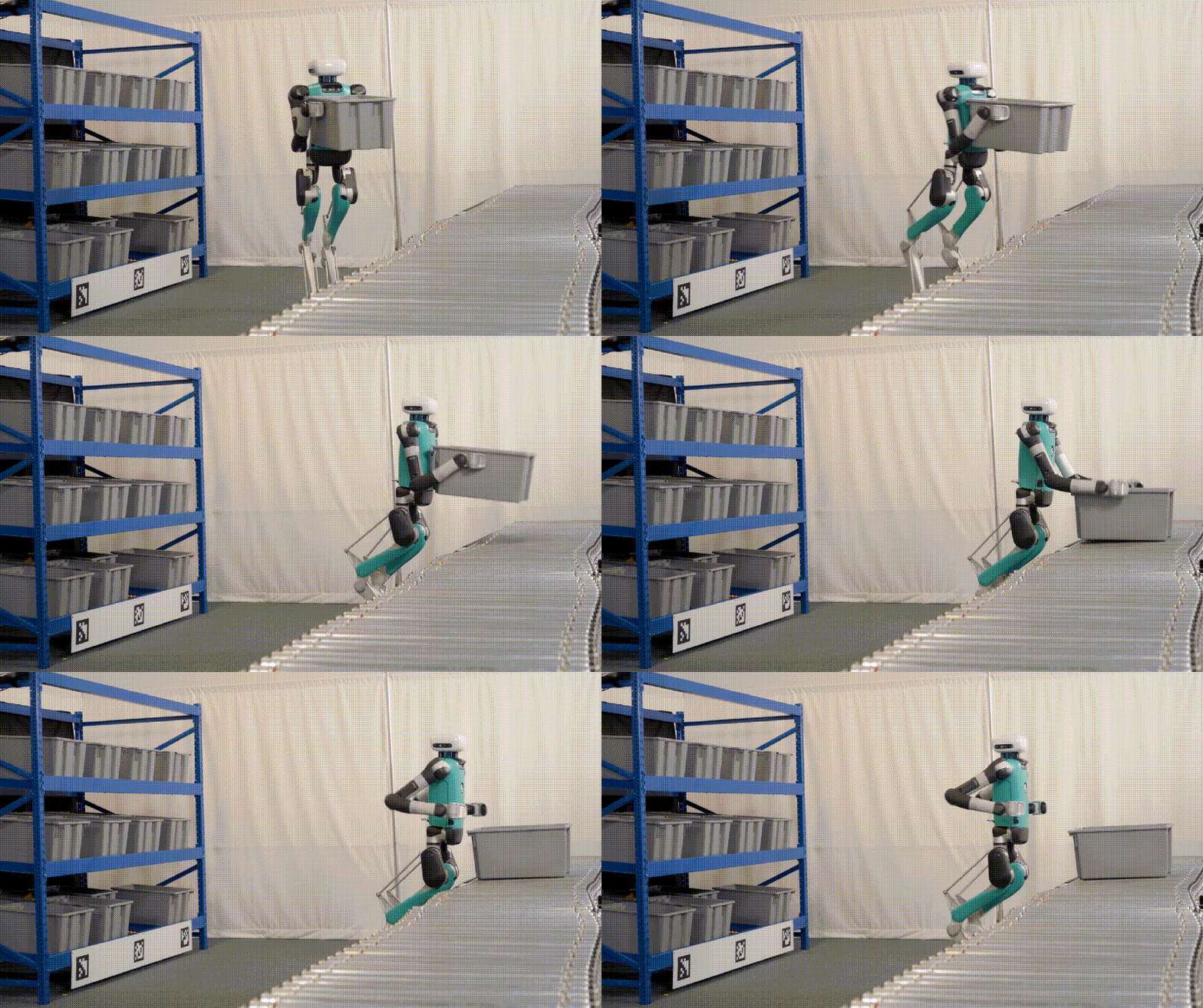
Some startups targeting humanoid machines have prioritized improving robot finger dexterity before tackling walking.
"Walking isn't the hardest problem in humanoid robot development," said Geordie Rose, co-founder and CEO of Canadian startup Sanctuary AI. "The hardest problem is getting it to understand the world well enough to manipulate it with its hands."
Sanctuary's latest and first bipedal robot, Phoenix, can stock shelves, unload goods, and operate cash registers — which Rose sees as early steps toward a longer-term goal of enabling robots to perceive the physical world and reason about it in an intelligent-like way. Like other humanoid robots, it looks approachable because interaction with real people is central to its function.
"We want to be able to provide labor to the world, not just for a single function, but to serve everyone who needs it," Rose said. "The system has to be able to think like a person. So we could call it artificial general intelligence. But more specifically, I mean the system has to understand semantics, and needs to be able to translate that semantic understanding into action, so it can fill various roles in the economic world."
Agility's Digit robot has caught Amazon's attention precisely because it can both walk and move around, complementing the e-commerce giant's existing fleet of vehicle-style robots that move large carts around its massive warehouses. "The mobility aspect is more interesting than the actual form factor," said Tye Brady, Amazon's chief technologist for robotics, at a media event in Seattle.
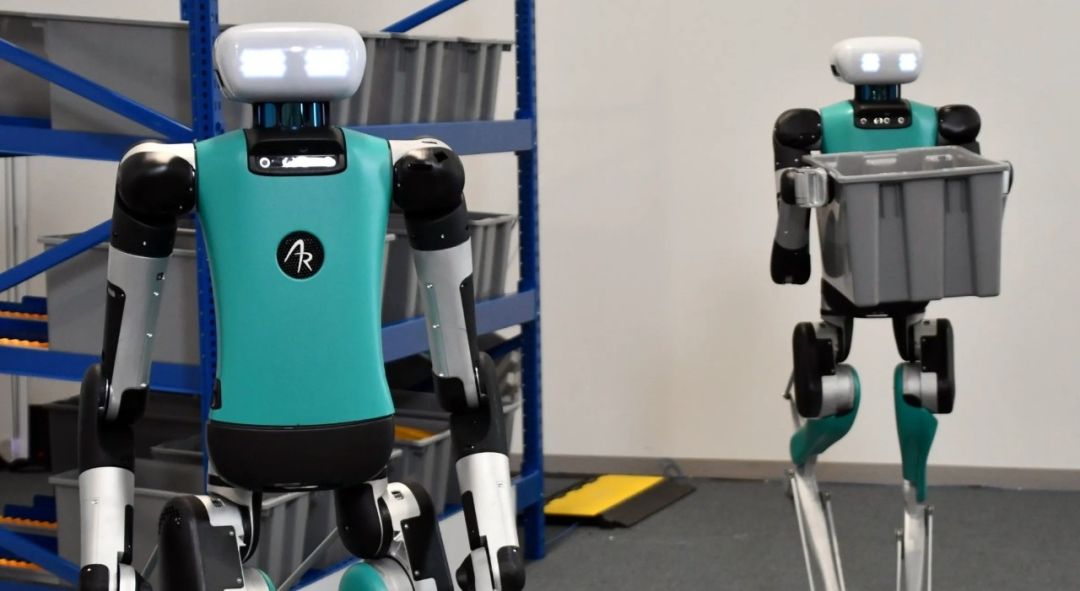
Currently, Digit is being tested on repetitive tasks like picking up and moving empty tote bags in warehouses. But even testing is bound to reignite fears about robots taking human jobs — a narrative Amazon is trying to contain.
Damion Shelton, co-founder and CEO of Agility Robotics, says warehouse robots are just the "first use case" for a new generation of robots, and he hopes they'll be embraced rather than feared when they're ready to enter businesses and homes.
"So in 10, 20 years, you'll see these robots everywhere," Shelton said. "Human-centric robots like this will become a permanent part of human life. So it's very exciting."
In short, the integration of AI has enhanced robots' ability to handle object manipulation and coordinate more complex activities. For now, the market prospects for humanoid robots may ultimately depend on whether these tech companies can bring costs down to reasonable levels, and on how receptive the market proves to be.
Sources:
-
Robot startups see huge market in replacing human workers: 'We can sell millions of humanoids, billions maybe'(https://fortune.com/2023/11/05/when-will-robots-replace-humans-startups-elon-musk-humanoids-optimus/)
-
Humanoid Robots Are Coming of Age(https://www.wired.com/story/fast-forward-humanoid-robots-are-coming-of-age/)