Code Brain | Why Do Some People Seem to Have All the Luck? Actually, You Can Too

Unlucky people miss opportunities right in front of them — make sure you don't.


Nir Zicherman was a thoroughly mediocre law student, busy scrambling for summer internships. On his way to one interview, he stepped into an elevator and noticed the woman beside him carrying an entire tray of coffees. He cracked a joke.
"You must really like coffee," he said.
He had no idea that brief encounter would change his life.
They met again soon after. The woman turned out to be the hiring manager for NASA's legal department — the very position he was interviewing for.
She loved the joke and gave him the internship. That summer, a chance spark led Zicherman to teach himself programming. He eventually abandoned law for tech, co-founded a startup, and sold it to Spotify for several million dollars in 2019.
"It all traces back to that elevator ride," he says. Zicherman now lives in New Jersey, working as an entrepreneur and writer.
People tend to think success comes from hard work. Yet many of us also seek paths to happiness through "superstitious" rituals — knocking on wood, consulting tarot cards, reading horoscopes.
In reality, our destinies often hinge on circumstance and coincidence. Believe it: we have more power than we imagine to make ourselves luckier.
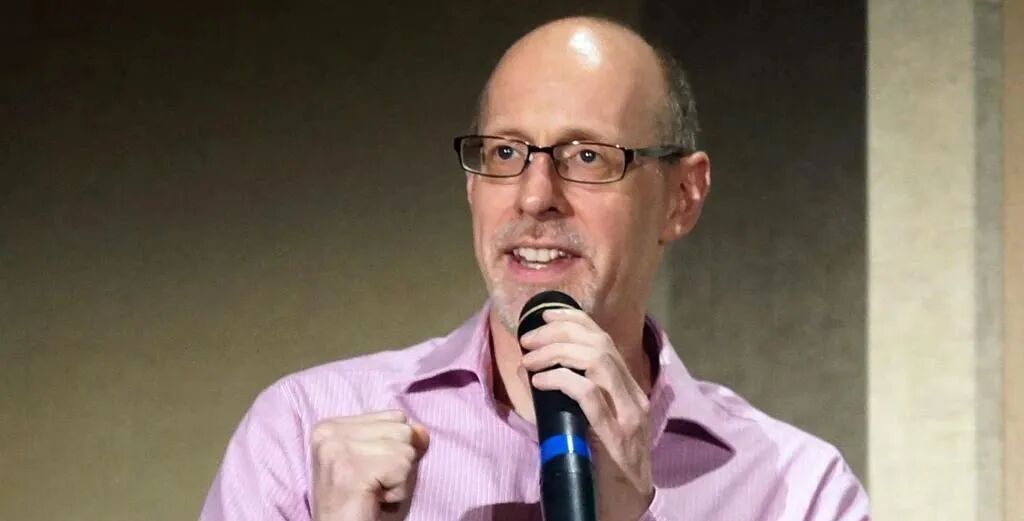
Richard Wiseman, a psychology professor at the University of Hertfordshire in the UK, says you can engineer your own serendipity. He published a groundbreaking book on luck, and his team studied hundreds of people who considered themselves exceptionally lucky or unlucky. The research found that the former tended to be cheerful, optimistic, open, and resilient. The latter often walked with their heads down, unable to spot or seize opportunities. In one experiment, participants were asked to count the photographs in a newspaper. One self-identified unlucky volunteer skimmed past a half-page advertisement that contained the answer to the task. Rather than completing the assignment quickly to claim a cash reward, he simply scanned past it.
"When you're stressed, worried, and anxious, your vision narrows," Wiseman says.
Here are a few key points that might help you attract more good fortune.
01
Shift Your Mindset
Wiseman suggests cultivating a broad, positive outlook by keeping a "luck diary." In it, record good things that happened each day, or bad things that didn't happen — which is itself a kind of good thing, isn't it? Emotions are contagious, he notes. Your good mood and certainty about positive possibilities can infect others. And these people might help make things happen for you — funding your idea, making an exception for you, or introducing you to a soulmate you haven't yet met.
Next, try eating new foods, watching a movie you'd normally skip, or rearranging your home. Wiseman says you need to demonstrate to yourself that you're a flexible person. Unlucky people tend to see only one path forward. Lucky people set goals, then stay open to the various ways they might reach them.
02
The Power of Opportunity
"Luck is as important as talent," says Alessio Emanuele Biondo, associate professor of economic policy at the University of Catania in Italy.
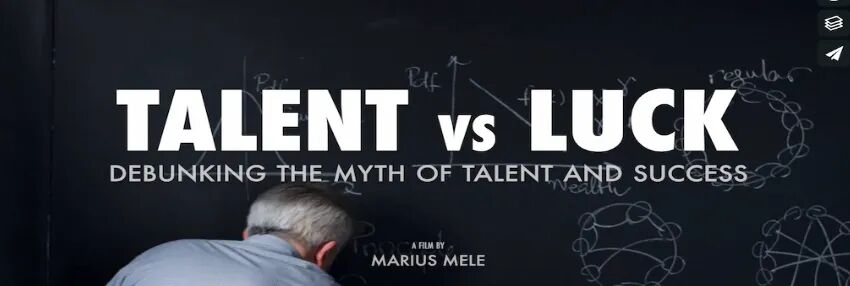
In a 2018 paper, he and his co-authors built a computer model of 1,000 people, each exposed to 1,000 random events over a 40-year career. Half the events were positive, half negative. Each person was assigned varying levels of intelligence, ability, and effort. The simulation revealed that those who reached the pinnacle of success were almost never the most talented. Instead, the biggest winners were moderately gifted individuals who, buoyed by random luck, hit more positive events and rode them to the "peak of life."
Biondo points out that many things beyond our control — where we're born, our family's wealth — often determine our trajectories.
Laura Knight, a creative director in toy packaging, was raised by a single immigrant mother. Obsessed with achieving financial stability, she passed up opportunities that felt too risky. An entrepreneur invited her to join his company, which later became hugely successful. A film executive promised her a screenwriting job after high school. Looking back, she deeply regrets not taking these chances.
"I was scared," recalls Knight, now 43.
This summer, she finally worked up the courage to pursue a long-held dream, launching her own mermaid-themed trading card game. When orders flooded in, she was stunned. Then Netflix premiered "MerPeople," a show that dovetailed perfectly with her game. She had finally given herself a chance — and it paid off.
03
Connect the Dots
Christian Busch, associate professor at USC and author of The Serendipity Mindset, says serendipity is about connecting dots — between yourself and others.
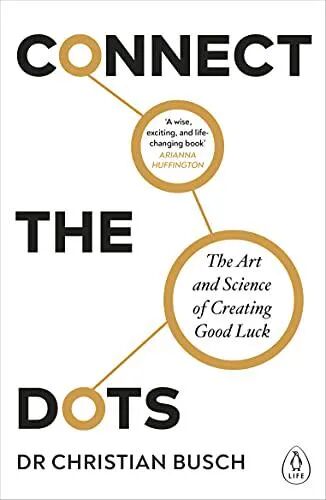
When meeting someone new, he advises, don't just introduce your job. Instead, toss out three data points that reveal different facets of who you are. Maybe you're fascinated by black holes, planning a canoe trip, or recently pondering how to parent a two-year-old. Busch calls this the "hook strategy" — it increases your odds of forging a deep connection or discovering a coincidence with someone.
If you're an introvert, and chatting with strangers or pitching ideas makes you nervous, Busch suggests asking yourself: What's the worst that could happen if I don't do this?
"If you hit obstacles while working toward your goals, try reframing. Don't see the problem as something derailing your plan — redefine it as part of achieving your plan," he adds.
We often believe certain events in our lives are bad luck. But sometimes, with time, we realize these temporary "obstacles" were precisely what pushed us onto a new, wonderful path.
A few years ago, planning a budget backpacking trip to Europe, I was crushed to find my desired beachfront hostel in Barcelona fully booked. Frustrated, I reserved accommodation elsewhere.
I was right to be wary: the new hostel was nothing special. But in the common room, I started chatting with someone. We discovered we'd graduated from the same university just weeks apart.
We're now happily married with two children. I still can't believe my luck.
If you've read this far, take action now — believe that good fortune is waiting for you!
Source: "Some People Are Just Lucky. You Can Make Yourself One of Them." https://www.wsj.com/lifestyle/workplace/some-people-are-just-lucky-you-can-make-yourself-one-of-them-5f7c7329?mod=lifestyle_feat6_workplace_pos2. Author: Rachel Feintzeig