How to Avoid the Pitfalls in Equity Incentive Plans? | ESOP Research

Source Code Capital Deep Dive on Equity Incentive
Preface: Equity incentives are a double-edged sword. When designed well, they boost morale and performance; when implemented blindly, they plant seeds of endless trouble. To help founders navigate the complexities of scheme design, employee communication, tax planning, dispute resolution, and IPO preparation, Source Code Capital's legal team joined forces with external experts to organize an offline seminar for Ma Hui CEOs. To benefit more entrepreneurs, we've distilled the speakers' key insights into five Q&As below — we hope they help you avoid the pitfalls of equity incentives.
- Who gets ESOP shares? How many? How should exercise prices be set?
- How can founders communicate with employees to avoid the tragedy of "shares distributed, but motivation never materialized"?
- Why should companies aiming to go public think about tax planning early?
- Which equity incentive issues can affect an IPO, and how can they be avoided?
- How should CEOs prevent ESOP disputes triggered by employee departures?
Recommended for: CEOs with a basic understanding of ESOP, executives and core employees participating in equity incentives, and investors looking to strengthen their post-investment management capabilities.
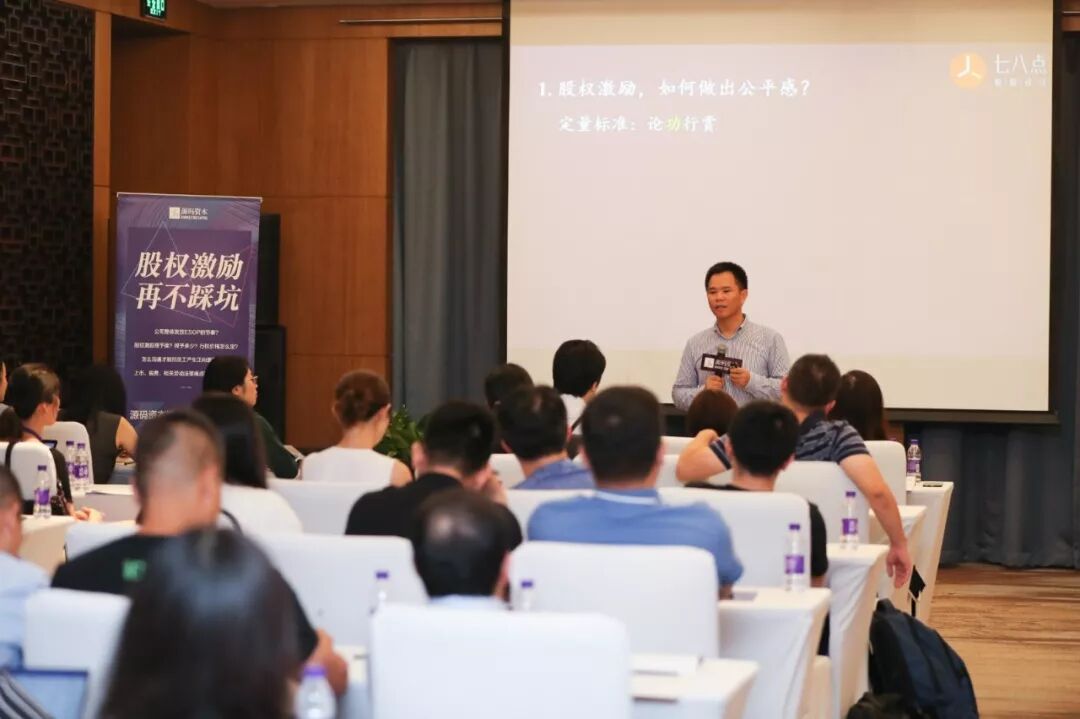
Source Code Capital ESOP Seminar
Q1
Who gets ESOP shares? How many? How should exercise prices be set?
The most frequently asked questions about equity incentives are "How do we split them? Are there market conventions we can follow?" But we believe excellent CEOs should dig one level deeper and ask a more fundamental question: "What principles should guide the design of equity incentives?"
Because even when following market conventions, some CEOs set aside ample ESOP shares only to find employees prefer cash. Some teams stick together through the grind of early-stage building, only to end up in court when someone leaves. These problems don't just stem from insufficient incentives or uneven distribution — they can also arise from missed communication cues, or from failing to account for employee turnover, tax obligations, and IPO compliance during scheme design. So we advise entrepreneurs to follow this principle: The goal of equity incentives is to enhance long-term motivation; the entire process should aim to minimize administrative costs and risks.
Take "who gets shares" as an example. Recipients should be employees who make outsized contributions to the company's long-term competitiveness, whose departure would materially impact operations — that's when equity makes sense as a mechanism to align their interests with the company's over the long haul. From this angle, you'll also have more conviction when explaining to employees "why the agreement includes vesting schedules and exercise periods" — any goal needs mechanisms to achieve it. Vesting and exercise periods are designed to test whether employees are committed to long-term service. Granting equity to someone who leaves quickly not only increases management costs but also demoralizes employees who weren't included.
As for "how many to grant," we break this into four sub-questions: how large an option pool to reserve, at what pace to distribute, how many people per round, and how much per person.
Angel investors or VCs typically ask founders to reserve 10-15% for the option pool. This isn't a valuation squeeze — it's accounting for dilution in subsequent rounds. Assume a company reserves 15% at the angel round, then issues 15% each in Series A, B, and C to new investors. Without pool expansion, 15% × 0.85³ ≈ 9%. Domestic companies listing on A-shares or U.S. markets typically have option pools around 8%, so this is reasonable. One more thing: pool size also depends on how complete the early team is. If the CEO knows there are gaps in core roles, more shares need to be reserved to attract key talent.
Option grant pacing, headcount, individual allocations, and exercise prices are interrelated, so we discuss them together. Pacing usually tracks company growth speed — fast-growing companies may plan by year or financing round; steadier companies might release a set percentage every 2-3 years. There's no universal approach, but here's an example to illustrate the allocation logic.
Assume a company has a 12% option pool at Series A, plans four grants before IPO, with 3% in the first. The Series A executives are a COO, CTO, and VP of Sales, to be allocated among these three. A simple formula:
▽ Employee X's allocation = Total planned grant for this round × Employee X's contribution coefficient / Sum of all employees' contribution coefficients.
The practical challenge is determining contribution coefficients. Four factors typically apply: role importance, current performance, seniority level, and tenure. Different companies weight these differently. One useful baseline metric is salary.
Because salary is itself an external variable reflecting role importance, performance, seniority, and tenure — factors the company already evaluates consistently — it's easier for employees to understand. For the example above, assuming the three executives' salary ratio is 6:5:4, the allocations would be 1.2%, 1%, and 0.8%. Note that for executives and early key hires, market salary rather than internal salary should be used, as they likely joined at reduced pay, bearing startup risk and opportunity cost. For mid-to-late-stage hires, the above method works better.
Exercise price is typically based on the most recent financing valuation, or 80-90% of it. When discussing option agreements, some employees may want lower exercise prices. The risks of handling this are explored in more detail in Q4.
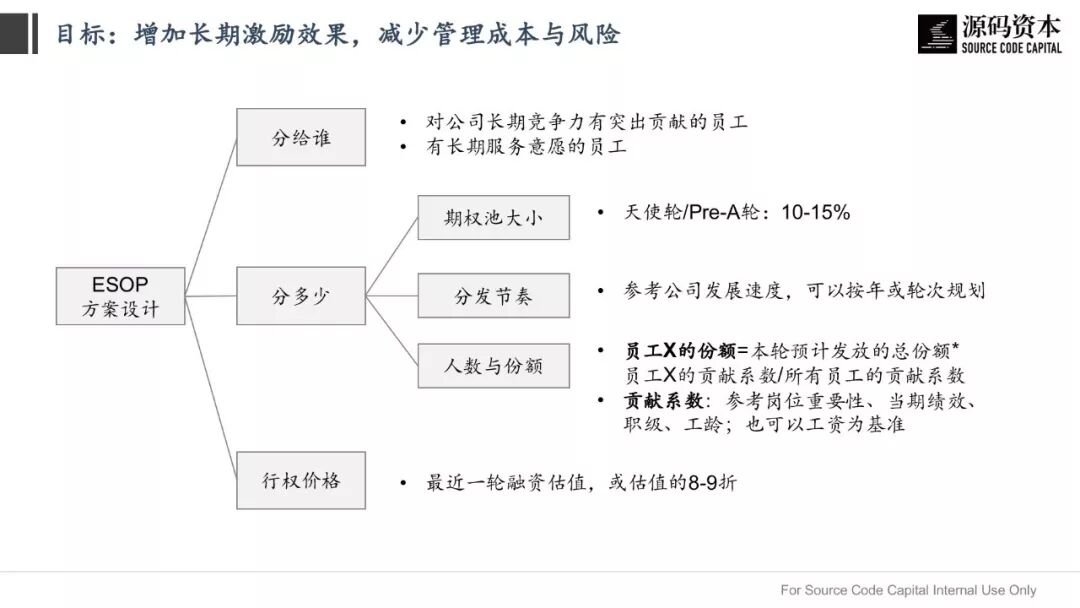
Image source: Source Code Capital
Q2
How can founders communicate with employees to avoid the tragedy of "shares distributed, but motivation never materialized"?
Compared to cash incentives, equity incentives have much longer liquidity timelines (typically 4+ years) and highly uncertain value. So founders can't expect employees granted 1% or even 0.1% to naturally feel the same drive and ownership they do. CEOs should instead cultivate an internal product mindset — treat employees as customers and equity as a product, thinking about how to amplify equity's perceived value.
From the employee's perspective, you'll find that before exercise, they perceive no meaningful change. They don't appear on shareholder registries, don't participate in core decisions, and can't put a down payment on a house when valuation rises. For most of the pre-IPO period, they're living on hope. The "more aggrieved by inequality than scarcity" problem can also emerge — most people overestimate their own contributions. After each option grant, questions like "Why them and not me?" or "Why more for them?" breed resentment.
To address these issues, we recommend CEOs focus on three areas: First, emphasize the value equity represents rather than the percentage; second, reduce information and rule opacity around equity incentives; third, offer bundled incentive packages that reduce employee insecurity. Two cases illustrate this.
The first scenario many CEOs face: to recruit a key department head, you offer "30k monthly salary + 1% options," but the candidate says the equity is too low (another company offered 2%) and salary too low (another offered 50k). When you're uncompetitive on both equity percentage and cash, how do you break the deadlock?
Two techniques:
- First, quantify the equity's potential value. Saying "1% options" may leave them cold; saying "these options could eventually be worth 5 million" makes it feel substantial. Valuation logic varies enormously by industry and function, so comparing 1% vs. 2% is meaningless — what matters is the terminal value that 1% represents. Founders need to persuade candidates to believe in that terminal value through performance and logic.
- Second, offer bundled incentive packages. Create gradients between salary and options with three alternatives: 1) 120% market salary; 2) 80% salary + moderate equity value compensation; 3) 50% salary + higher equity value compensation. Let candidates choose based on preference. You'll typically find option 2 most popular — most people won't take big risks, but won't want to miss out if the company succeeds. For CEOs, this also helps identify who has genuine confidence and willingness to serve long-term.
The second scenario: for important mid-to-late-stage hires, you may only offer a few tenths of a percent or less, making them feel minimally invested. How do you convince them to take your offer over others'? What if they want cash instead of options? The above techniques still apply, but two more moves are worth learning:
- First, provide more information to aid decision-making. According to ZhenFund's prior statistics, COO, CFO, CTO roles (excluding co-founders) average 0.3%-1% per person, VPs average 0.2%-0.6%, and other key employees average 0.02%-0.2%. At a 3 billion RMB valuation, that's 10-30 million (CXO), 6-18 million (VP), and 0.6-6 million (other key employees) respectively. This is information candidates care about but may lack access to — proactively sharing it during negotiations builds significant trust. Similarly, when communicating with existing employees about ESOP, consider inviting lawyers or practitioners to participate — for more professional answers to detailed questions, and to enhance ceremony and credibility.
- Second, establish clear share repurchase plans and communicate them fully, ensuring employees have liquidity paths even pre-IPO. Xiaomi conducted two employee equity repurchases before its IPO, with investors buying employee shares at discounted prices. This had dual benefits: maintaining frugal culture while improving employees' lives, providing phased material incentives; and using repurchase prices to solidify employees' confidence in their shares' value.
In short, equity incentives are both a design problem and a communication problem. CEOs need to consciously transmit long-term company value throughout the negotiation process.
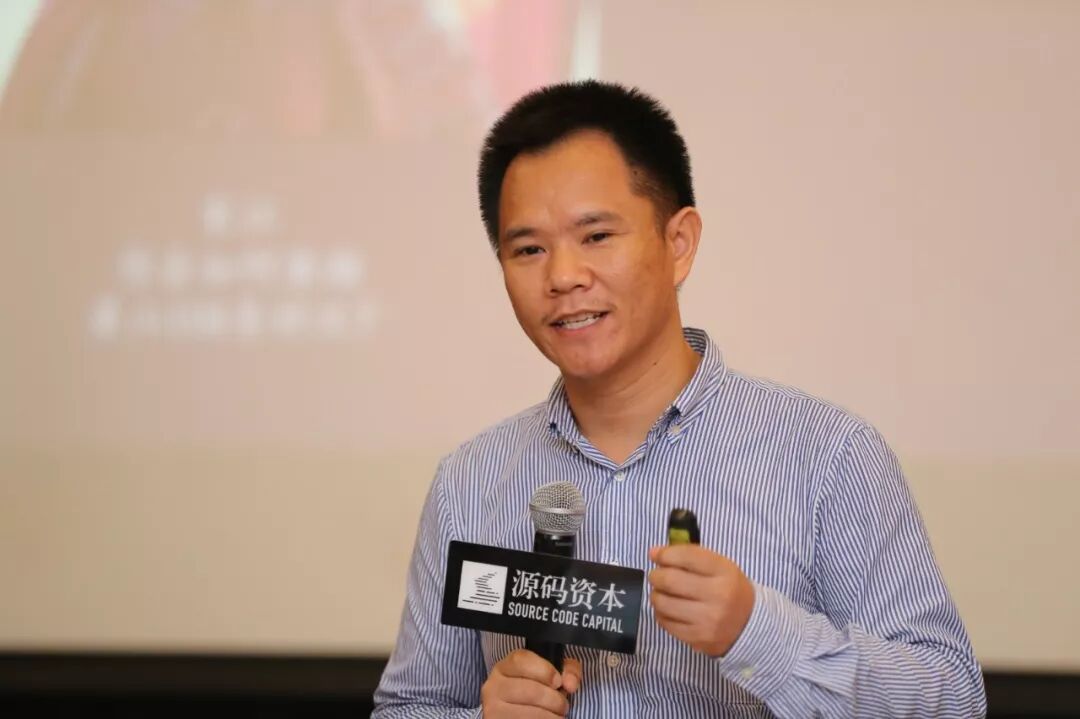
Mr. Dewen He
Founder, Beijing 7-8 PM Equity Design Studio — Equity Designer
Provided equity design services for Xiaomi and numerous other internet companies
Q3
Why should companies aiming to go public think about tax planning early?
In our early research, we found early-stage CEOs rarely mention tax planning, while post-Series B companies care deeply. Why? An example illustrates.
Under current domestic tax rules, equity incentives are generally taxed in two stages: First, when employees receive unrestricted shares (e.g., option exercise date, restricted stock vesting date), taxed as wage income at up to 45%, with the company obligated to withhold and remit; second, after receiving shares, gains from dividends or sale are taxed at 20% as capital gains.
Assume an employee exercises 1 million shares at 10 RMB/share before IPO, when fair value is 20 RMB/share. At exercise, withholding tax is (20-10) × 1 million × 45% = 4.5 million (simplified — in practice the 10 million gain is divided by 12 for progressive rate calculation, but we use the ceiling for approximation). Post-IPO lockup, if price rises from 20 to 25 and the employee sells all, capital gains tax is (25-20) × 1 million × 20% = 1 million.
Total net gain: 9.5 million. Taxes: 5.5 million. Most is paid at exercise. The employee ultimately receives a 35%-discounted equity incentive — hardly ideal for long-term motivation. So companies nearing IPO have strong incentive to use compliant tax planning to reduce employees' tax burden.
How? Fair value at exercise is the key variable. Exercising when fair value is lower reduces wage-income taxable amount, increasing employee take-home. In other words, shifting more income from wage classification to property/capital gains classification — with its preferential rate — is the core of tax planning.
But this isn't costless for companies. Earlier exercise requires earlier share confirmation. While business registration is relatively straightforward, employee departures or disputes with shareholder status changes create significant administrative burdens.
Our recommendation: Establish equity incentive arrangements early, so eligible employees enter vesting and exercise periods sooner; but be sufficiently cautious at grant, ensuring thorough evaluation of recipients' long-term service commitment; also, set reasonable post-exercise lockup periods in option agreements with corresponding repurchase rights, to address potential departure disputes.

Deloitte Tax Team
Since the first wave of Chinese tech companies listed overseas in the early 2000s,
this team has been a leader in equity incentive tax advisory services for such enterprises,
having completed over 10 large-scale equity incentive tax advisory projects since 2017 alone.
Q4
Which equity incentive issues can affect an IPO, and how can they be avoided?
Nothing terrifies entrepreneurs more than thriving business operations blocked at the IPO gate by structural flaws, missing window after window. To prevent such regrets, let's examine what CSRC particularly scrutinizes in domestic markets.
-
Direct and indirect shareholders exceeding 200: Employees in incentive holding platforms are typically counted on a look-through basis, not as one shareholder per platform. Exceeding 200 direct and indirect shareholders is a material obstacle to listing, requiring careful attention. While CSRC's June Announcement No. 17 opened a door for pilot innovative enterprises to potentially exceed this limit, no successful cases have yet emerged in practice.
-
Clear equity ownership: Before Announcement No. 17, all equity incentives had to be terminated at IPO filing to ensure clear ownership. Under new rules, companies meeting conditions on exercise value, incentive plan proportion, and lock-up can maintain pre-IPO option plans. However, equity proxy arrangements still need termination before listing.
-
Source of funds for employee share purchases: CSRC prefers employees using personal funds to purchase company or holding platform shares; companies should avoid lending to employees for exercise.
-
Interest transfer concerns: Companies should avoid granting shares to upstream/downstream suppliers and customers, as this may raise CSRC suspicions of interest transfer.
-
Cornerstone/sudden shareholding: Companies should avoid capital structure changes in the six months before filing, as new shareholders will be treated as sudden entrants. CSRC scrutinizes entry price, rationale, and funding sources, and such shareholders face 36-month lock-ups.
Another potential issue is pre-IPO share-based payment. The difference between employee exercise price and fair value is recorded as company expense; if too large, current net profit may fail to meet CSRC requirements, affecting listing. The solution aligns with Q3: implement equity incentive plans earlier, having employees exercise when fair value is lower and recording share-based payment expenses then, helping buffer the profit impact of one-time charges.
In markets outside mainland China, equity incentive obstacles are fewer with no net profit restrictions. U.S. markets are disclosure-based — options, restricted shares, and restricted share units all integrate seamlessly, and pre-IPO approved incentive plans remain valid regardless of grant status at listing. Hong Kong is stricter than the U.S.: incentives already granted pre-IPO remain valid post-IPO; but ungranted incentives must comply with Hong Kong's listed company equity incentive rules post-listing.
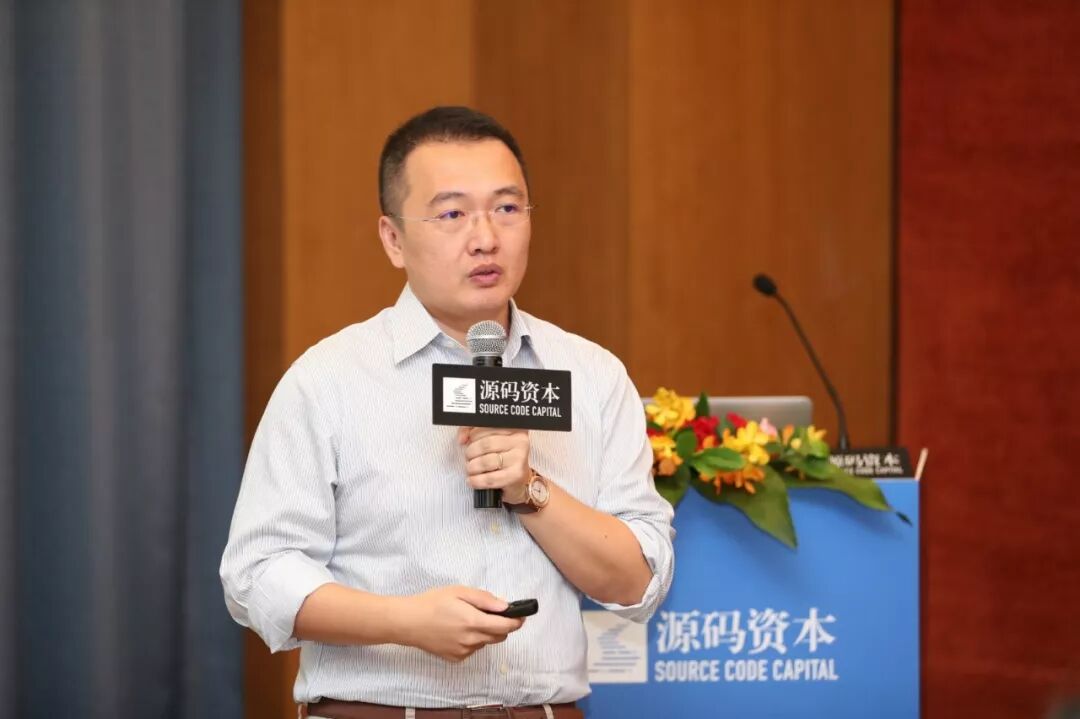
Mr. Menghan Zhao
Managing Partner, Private Equity Investment Group, Zhonglun W&D Law Firm
Designed equity incentive plans for tens of thousands of employees at a major internet company,
provided specialized equity incentive legal services for numerous internet companies.
Q5
How should CEOs prevent ESOP disputes triggered by employee departures?
Many teams start out harmoniously, accommodating each other in details out of shared vision and trust. But once they "break up," less admirable aspects of human nature surface. At the seminar, Hu Gaochong, partner at Beijing Global Law Office, shared three real cases (all VIE structures):
-
Case 1: An employee departed with termination and dispute settlement agreements signed with the domestic company, but neither addressed stock options nor modified the option agreement with the offshore company. The employee later claimed offshore options and won. Reason: The domestic company (employer) could not bind the offshore option grantor's legal relationship with the employee; and the offshore option agreement lacked governing law and jurisdiction provisions, so the court applied the closest connection principle to confirm Chinese court jurisdiction and Chinese law. (Lesson: Under VIE structures, the offshore option grantor should directly sign agreements with domestic employees containing governing law and jurisdiction clauses, and directly adjust rights and obligations under the option agreement — domestic operating companies or employers should not overstep.)
-
Case 2: A domestic company issued a "Share Option Grant Notice" during employment, defining option rights and obligations and granting offshore company options. Post-departure, the domestic company failed to facilitate exercise, and the employee sued the domestic company. The domestic company argued the offshore company's "Prospectus" stated "options lapse and become unexercisable on termination date," but the court rejected this. Because the domestic-employee agreement didn't reference this prospectus or disclose its contents. The court ordered the company to pay the option's discounted value. (Lesson: Option agreements should clearly define and disclose rights and obligations changes upon departure; offshore company articles cannot automatically bind domestic company-employee agreements.)
-
Case 3: A domestic company's offer letter stated offshore option grants; during employment the employee signed an offshore option agreement exercisable when conditions were met. Due to departure, the employee didn't receive options and sued the domestic company, which argued the proper defendant was the offshore company. Unlike the first two cases, Beijing First Intermediate Court treated the option benefit as a welfare benefit, bringing it under labor dispute jurisdiction with the domestic company as proper defendant (contract disputes would exist only between option agreement parties — offshore company and employee). Labor dispute resolution tends to favor employees, so option provisions limiting employee rights may be challenged by judges. (Case pending, but lesson: Option disputes being treated as labor disputes may become a trend; currently, offshore and domestic companies should best maintain separation on option grants to strengthen defensive positions.)
Summarizing these three cases, the company's disadvantages stemmed mainly from incomplete option agreements and failure to properly modify option agreements through appropriate entities at departure. We recommend planning ahead while relations are good, designing documents and systems to mitigate risks. For vested but unexercised options, there are five handling approaches from severe to lenient: complete forfeiture, repurchase at net asset value, repurchase at original investment cost, repurchase at fair value, or continued retention. The option grantor should embed these five outcomes in the option agreement through advance agreement — specifying which consequence applies to which circumstance. This helps effectively constrain employee departures or misconduct, reducing dispute management costs.
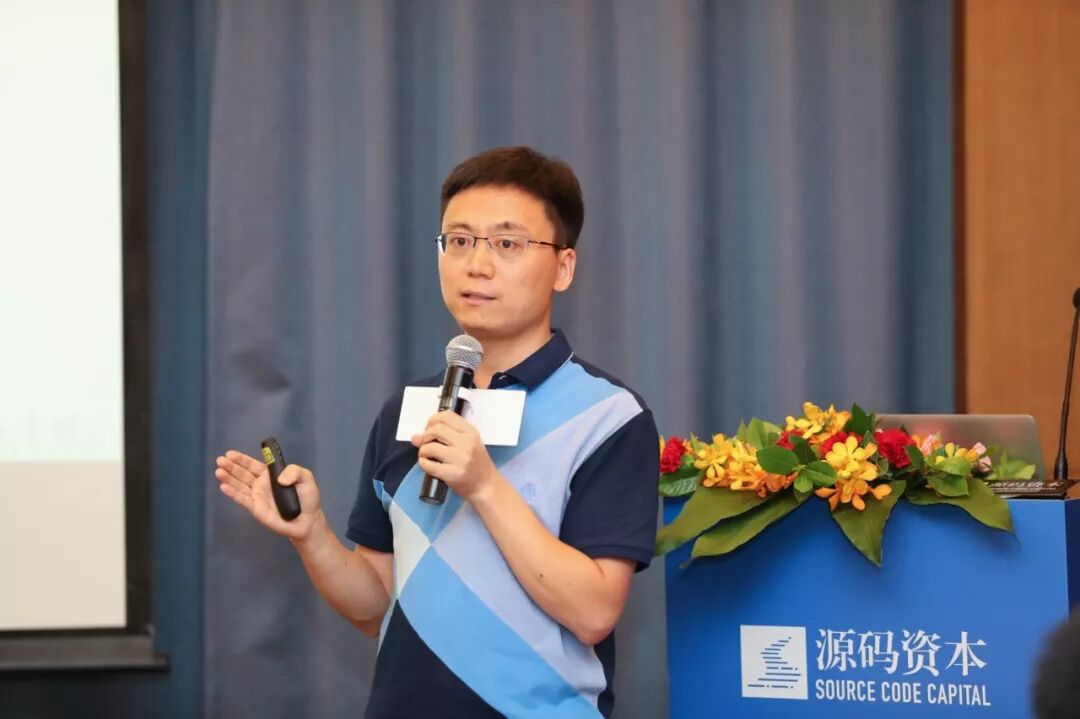
Mr. Gaochong Hu
Partner, Beijing Global Law Office (based in Beijing)
His team provided ESOP dispute resolution services for Meituan, Toutiao, and Pactera.
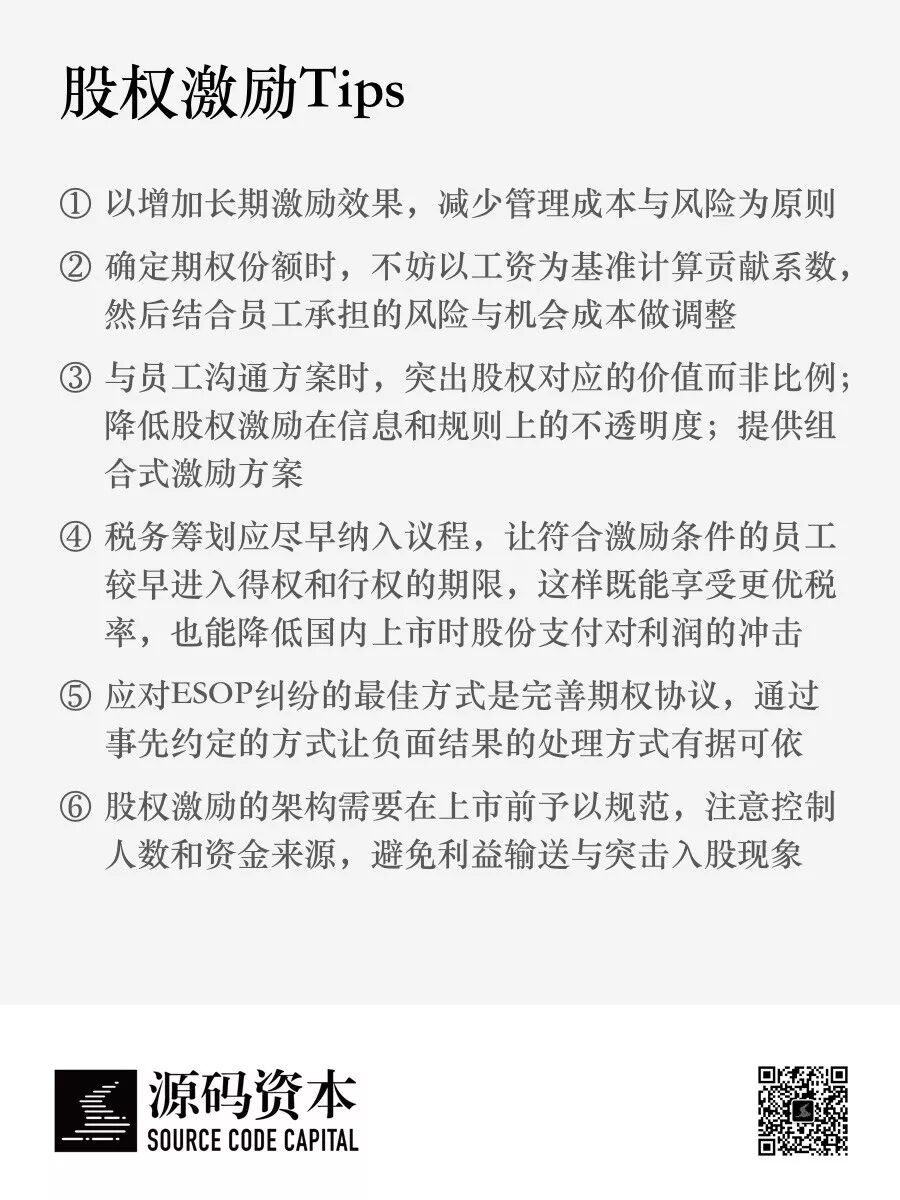
Conclusion: Attentive readers will notice "enhance long-term motivation, reduce management costs and risks" runs through all five answers. It may not be the best formulation, but it's sufficiently concise and consistent. We recommend CEOs develop their own guiding principle for communicating and implementing equity incentives — this helps employees more clearly understand design intent, and more effectively transforms paper incentives into substantive motivation.
Finally, here's a summary chart of core recommendations from this article. Stay tuned for four follow-up articles with detailed speaker transcripts for more original insights.


Source Code Capital
Creating Lasting, Genuine Value

WeChat ID:
sourcecodecapital
More professional content
Follow our official WeChat