Code Moment | Senmu Leishi Unveils Ultra-Affordable Palm-Sized HIL to Advance Power Electronics Industry


Power electronics and motor control are core practical courses for electrical engineering and related majors, but traditional lab equipment suffers from bulky size, high costs, and complex operation — constraints that limit teaching efficiency and dampen student enthusiasm for hands-on learning.
Senmu Leishi's EasyGo Hardware-in-the-Loop (HIL) Simulation Division has launched the EGBox Nano, an entry-level HIL simulator built around extreme portability, precise curriculum alignment, and exceptional value. It offers universities an innovative solution that matches coursework needs exactly, breaking through space and cost barriers through technical innovation to achieve the teaching goal of "experiment anytime, practice for everyone" — advancing both power electronics education and industry talent development.
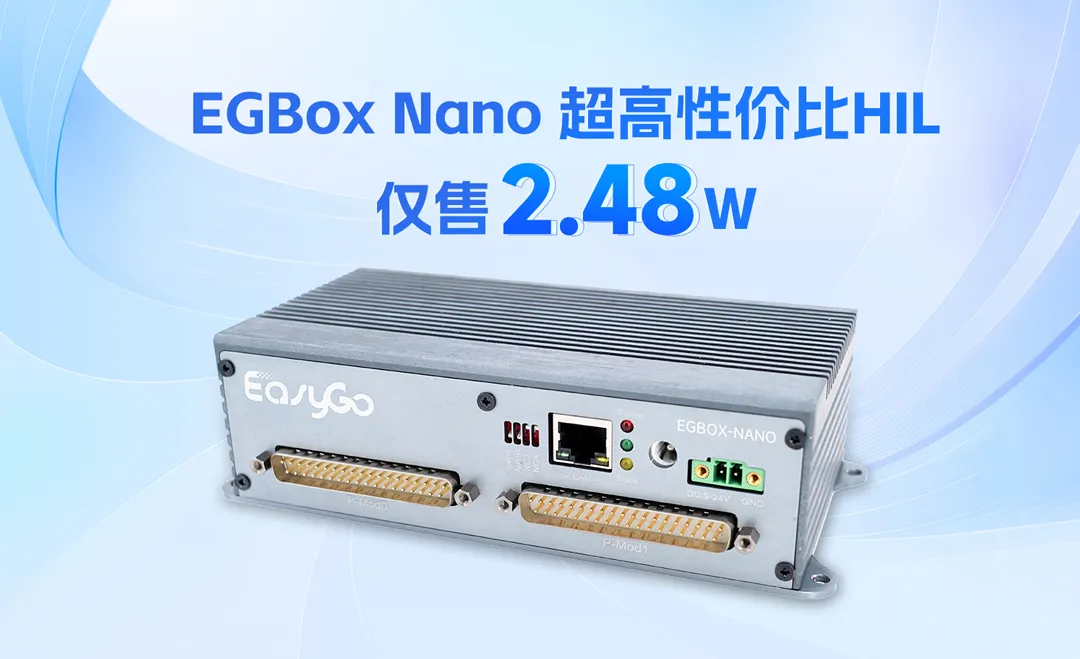
EGBox Nano
The EGBox Nano is the entry-level HIL (Hardware-in-the-Loop) product in the EGBox series, targeting undergraduate lab instruction in power electronics and motor control. It combines portability, practicality, and outstanding value in one package. Its compact form factor breaks from the limitations of traditional bulky equipment — it fits easily in a backpack, letting students run experiments in classrooms, labs, or even dorm rooms, truly enabling "lab freedom."
Core Features
Adaptable to Diverse Teaching Scenarios with Comprehensive Lab Coverage
The EGBox Nano is deeply aligned with undergraduate teaching characteristics, featuring a meticulously designed real-time simulation lab system that covers the full workflow of power electronics and motor control. It supports multiple teaching modes including "in-class synchronized practice," "team-based collaborative learning," and "after-hours independent exploration."

▍In-Class Synchronized Practice: Instructors can use the EGBox Nano immediately after lectures to organize hands-on verification, creating seamless integration between theory and practice that reinforces student comprehension.
▍Team-Based Collaborative Learning: The device's ease of use enables group projects where students divide tasks like circuit building, programming and debugging, and data monitoring — collaborating to complete complex system designs while developing teamwork skills.
▍After-Hours Independent Exploration: Students with capacity for more can use their free time to explore novel circuits and algorithms, enhancing their innovative practical abilities.
The EGBox Nano features a built-in lab system ranging from fundamentals to advanced topics, supporting differentiated instruction needs. From basic rectifier and inverter circuit construction, to classic experiments like motor startup and speed regulation, to cutting-edge explorations of multilevel converters and soft-switching circuits — the content progresses from elementary to advanced, fully covering curriculum requirements. Instructors can flexibly adjust labs based on teaching progress, and regardless of a student's specialization or learning stage, they can find a personalized practice path on the device, laying a solid foundation for future professional development.
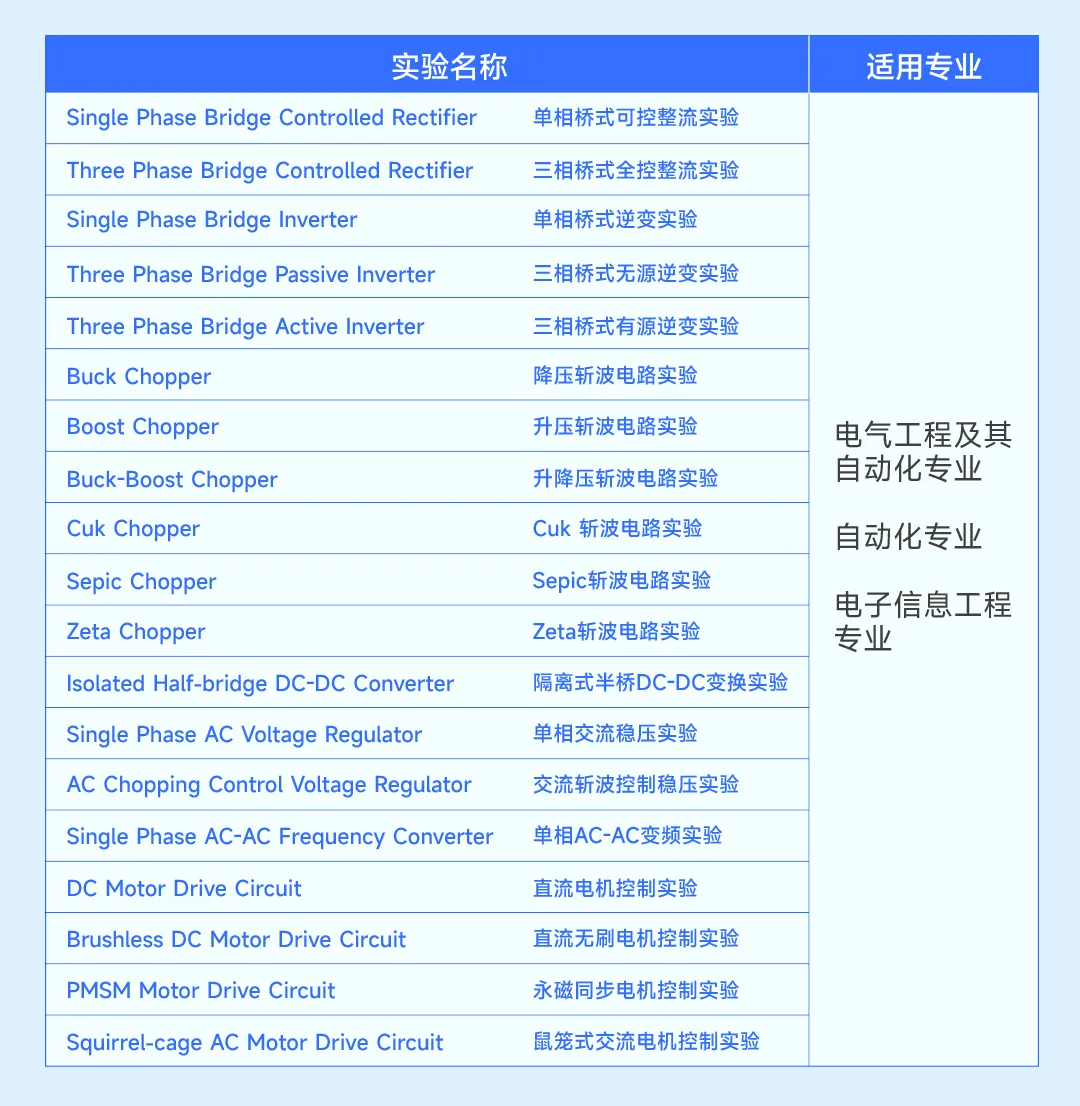
Currently, the device already covers core courses across multiple majors including electrical engineering, automation, and electronic information engineering, with the experiment library continuing to expand to meet more teaching needs.
Exceptional Value
On the balance between cost control and performance, the EGBox Nano truly delivers both outstanding value and high performance. Priced at just 24,800 RMB, its accessible price point enables universities to implement a "one device per student" teaching model, completely solving the chronic shortage problem of traditional equipment and ensuring every student gets equal hands-on opportunities.
At the same time, the device is equipped with a XILINX A7-200T FPGA chip, gigabit Ethernet port, and multi-channel high-precision analog/digital interfaces, providing solid technical support for complex circuit simulation and control algorithm verification.
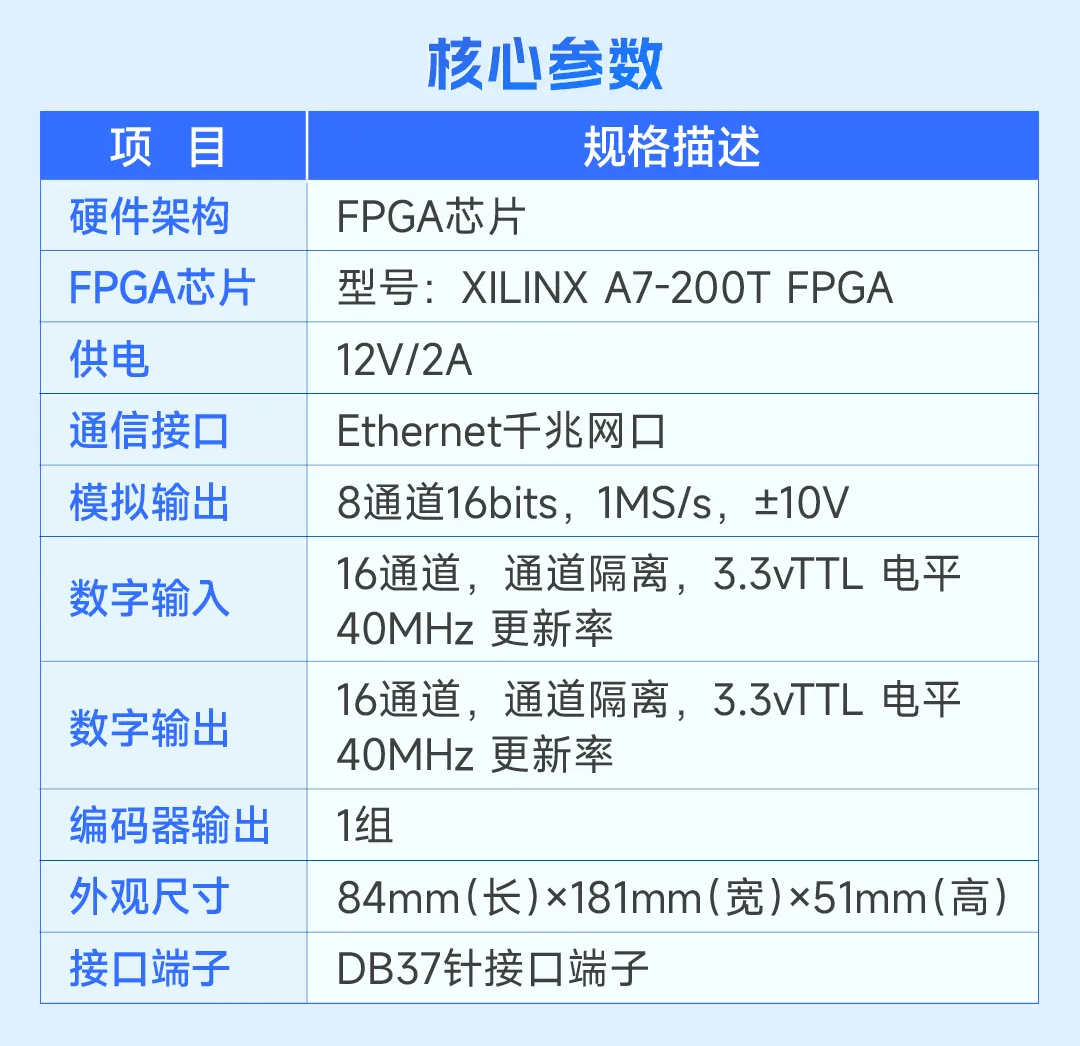
Ultra-Compact, Maximum Convenience
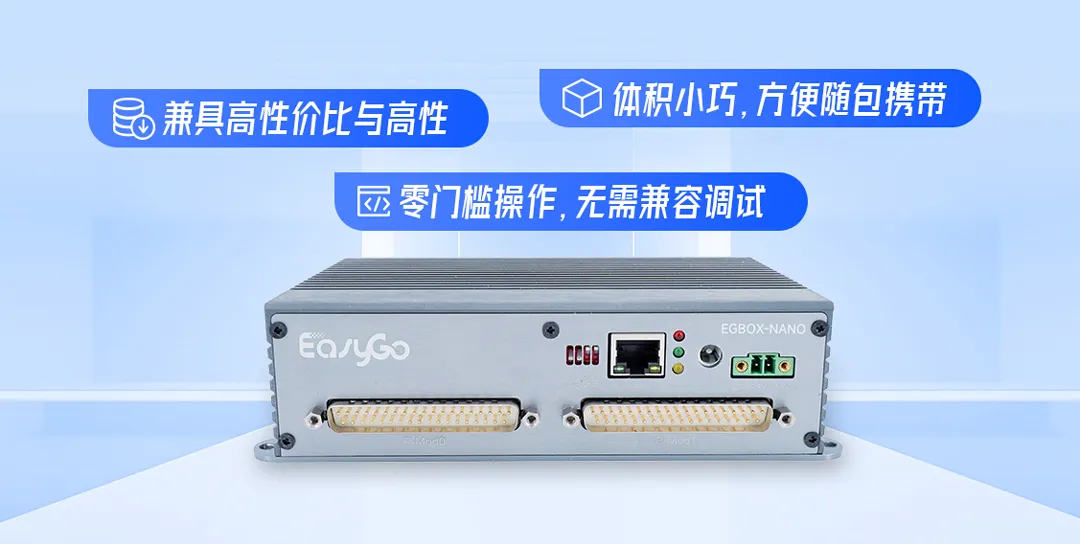
The EGBox Nano is built around a "palm-sized, ultra-portable" design philosophy. At just 84 × 181 × 51 (mm), it's comparable in size to mainstream smartphones and weighs under 600 grams — completely breaking from the bulky form of traditional equipment.
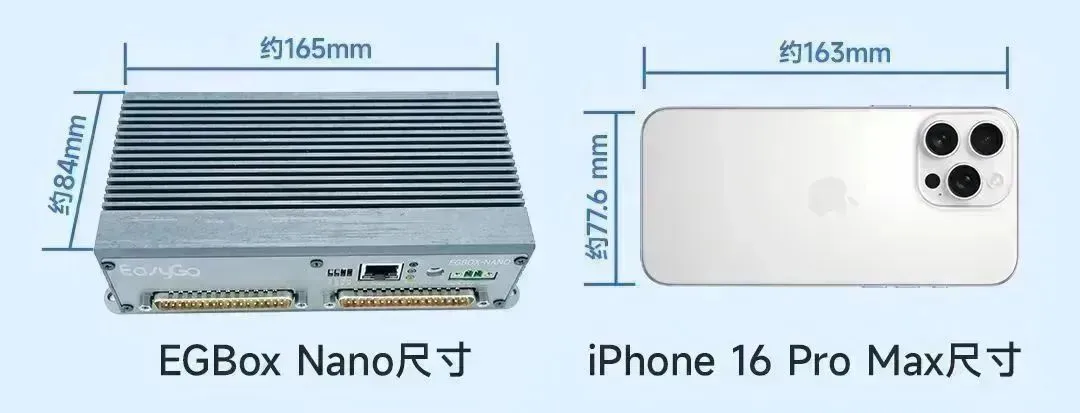
Students can easily slip it into a backpack and complete power electronics experiments in classrooms, labs, or dorm rooms, truly achieving "one device in hand, experiments without worry." The lightweight design not only frees up lab space but also sparks students' enthusiasm for independent exploration, making knowledge verification no longer confined to fixed locations.
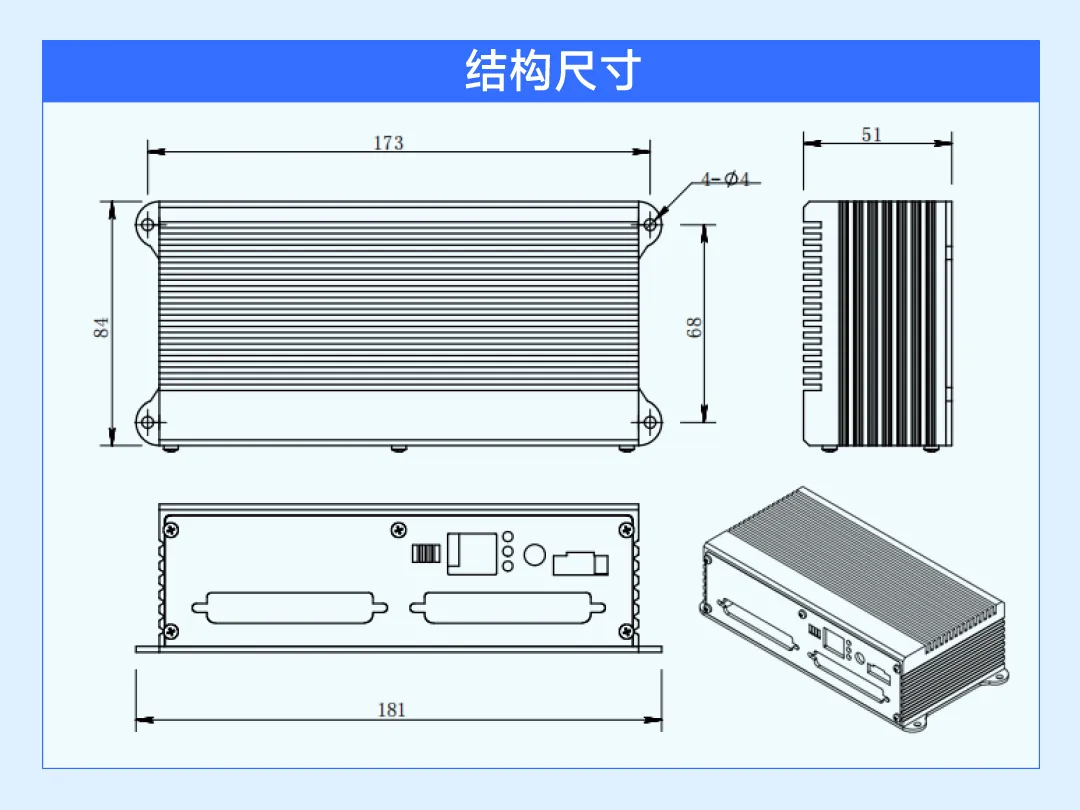
Fully Graphical, Minimalist Operation
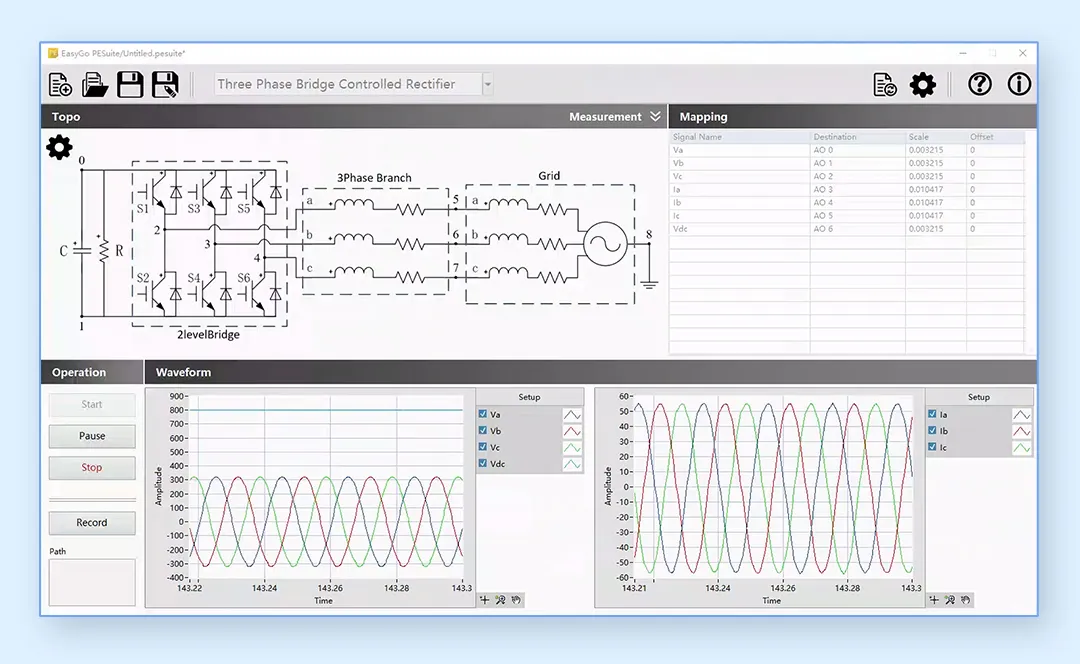
The EGBox Nano's companion Pesuit software is remarkably simple to operate, with no reliance on third-party modeling software and no compatibility debugging steps. It features a fully graphical interface with built-in mainstream power circuit topologies, allowing students to quickly build experiment models without any programming.
This "what you see is what you get" interaction dramatically lowers the learning curve — even beginners can get up to speed quickly, letting students focus their energy on understanding circuit principles and control strategies rather than wrestling with tools. Technology truly in service of teaching.