MaHui Book Giveaway | A Springtime Invitation to Reading and Serenity

As seasons turn, the harvest grows rich.
Looking back on this year,
amid the ups and downs of living through cycles,
strength often comes from reading.
"Reading is building a portable refuge for yourself." From page after page,
we search for our authentic selves,
see farther into the world,
touch thoughts that transcend daily life,
and gain a little more composure and calm.
This marks the seventh year of the MaHui Book Gifting program walking alongside you.
We deeply believe that every reading experience is a step forward in thought.
As the Lunar New Year approaches, we've compiled our book selections into an annual reading list,
hoping that in the year ahead, you'll keep books as companions
and step into the new year hand in hand with them.
These 12 books have been carefully selected by Source Code Capital for MaHui entrepreneurs.
This New Year reading list
is not only our seasonal greeting
but also our heartfelt wishes for founders.
Seeds will still sprout.
All things continue to grow.
We hope
that through this list,
you'll return to life itself,
explore the true meaning of ideas,
and remain as resolute as a river,
moving forward all the way.
Until the horizon opens wide —
that's when you've reached the sea.
1. Business Reflections
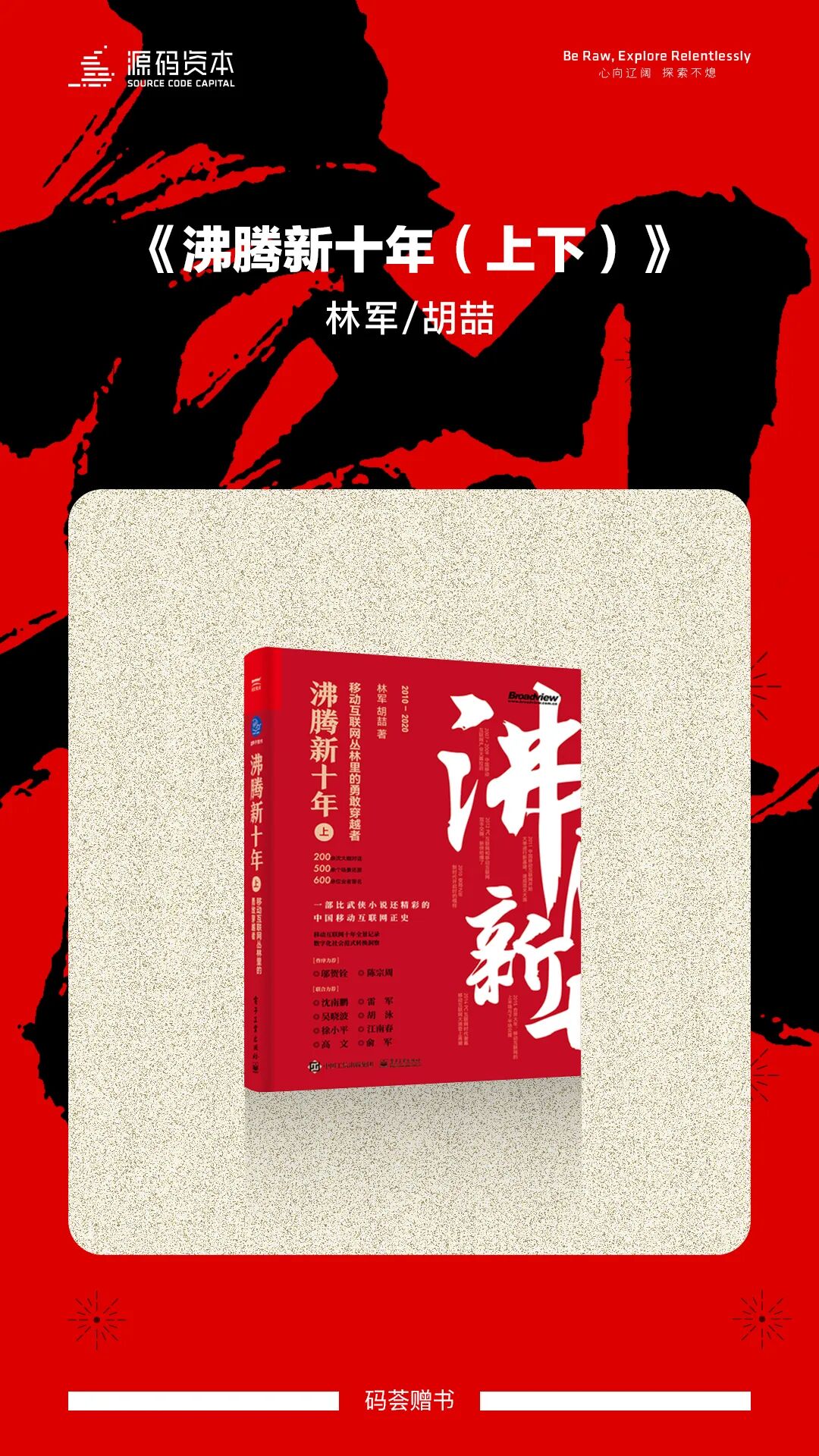
Synopsis: This book portrays the collective portrait of China's mobile internet entrepreneurs over the decade from 2010 to 2020, narrating the sweeping journey of the mobile internet industry from nonexistence to emergence, from imitation to surpassing, from naivety to self-assurance. Written in annalistic form, it devotes little ink to the technical trajectory of China's internet, focusing instead on pivotal events and figures in the industry's development — including numerous behind-the-scenes stories disclosed for the first time, offering a glimpse into the rise and fall of mobile internet over ten years.
Why we recommend it: The book's narrative concludes in 2020. One year later, Chinese concept stocks representing mobile internet suffered major setbacks both domestically and abroad. After a decade of glory, the industry entered another period of hesitation, correction, and cooling. In this era of great transition, we hope this book helps entrepreneurs examine, learn from, and draw upon the developmental experience of the past decade from a more objective vantage point.
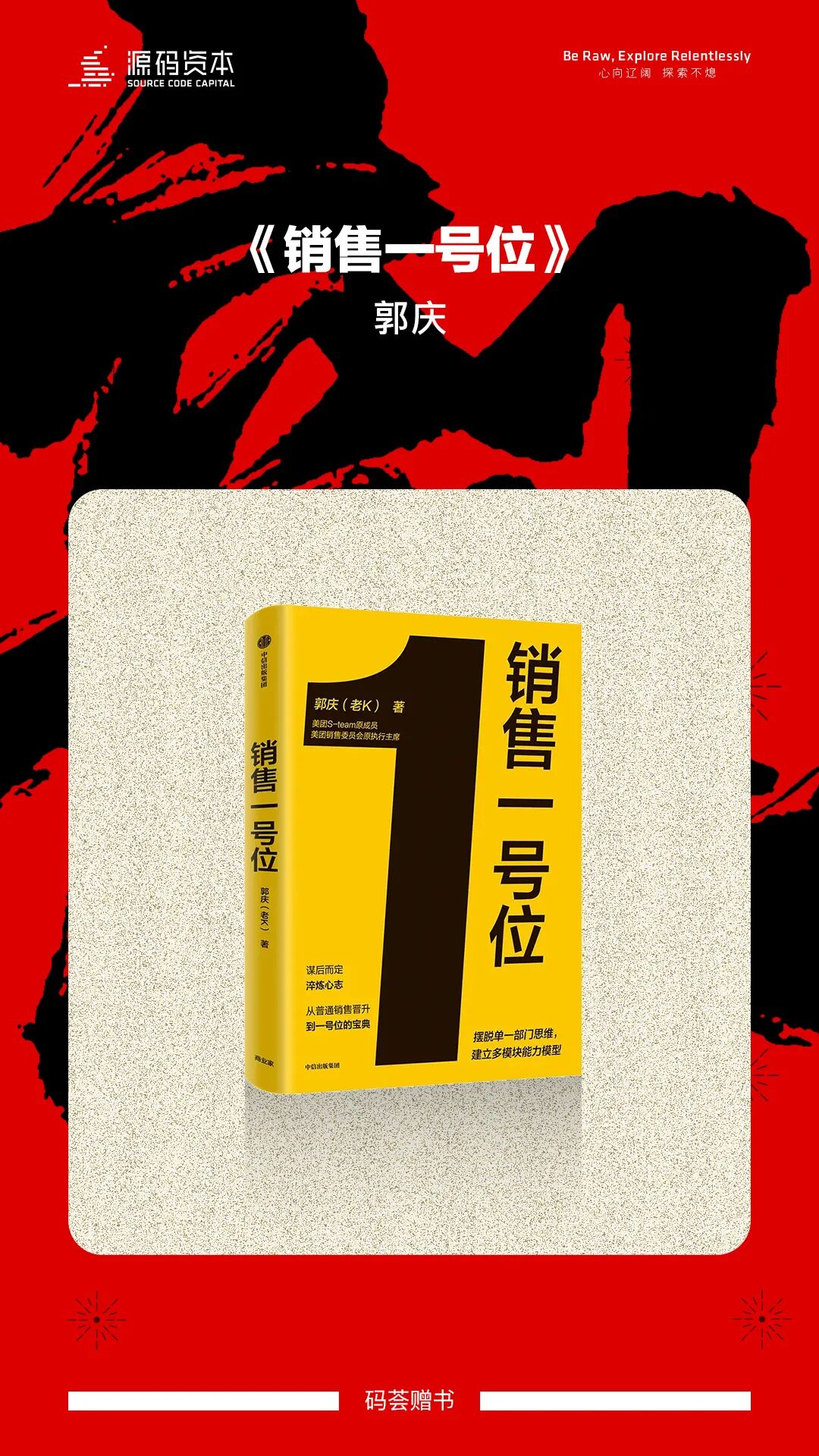
Synopsis: The author is Kevin Guo, CEO of Xianglu Technology and a MaHui member company. Before founding Xianglu Technology, he was a former member of Meituan's highest decision-making body, the S-team, and former executive chairman of Meituan's Sales Committee — widely recognized within Meituan as someone who could win tough battles. Drawing on over 20 years of professional experience and a practitioner's perspective, he systematically expounds how to become an excellent "sales lead" across four dimensions: defining roles and responsibilities, core competencies, growth paths, and common pitfalls — along with what capabilities and competency models a sales lead should possess...
Why we recommend it: As DiDi CEO Will Cheng put it: "This book has practice, reflection, and theory." Former Meituan COO Gan also stated directly: "This book represents thinking formed by integrating Meituan's direct sales and scientific operations methodologies, with a clear 'business lead' perspective." We hope it helps sales leads avoid mistakes already made and pitfalls already stepped into along their work and growth journeys, reducing wasted personal energy and organizational resources.
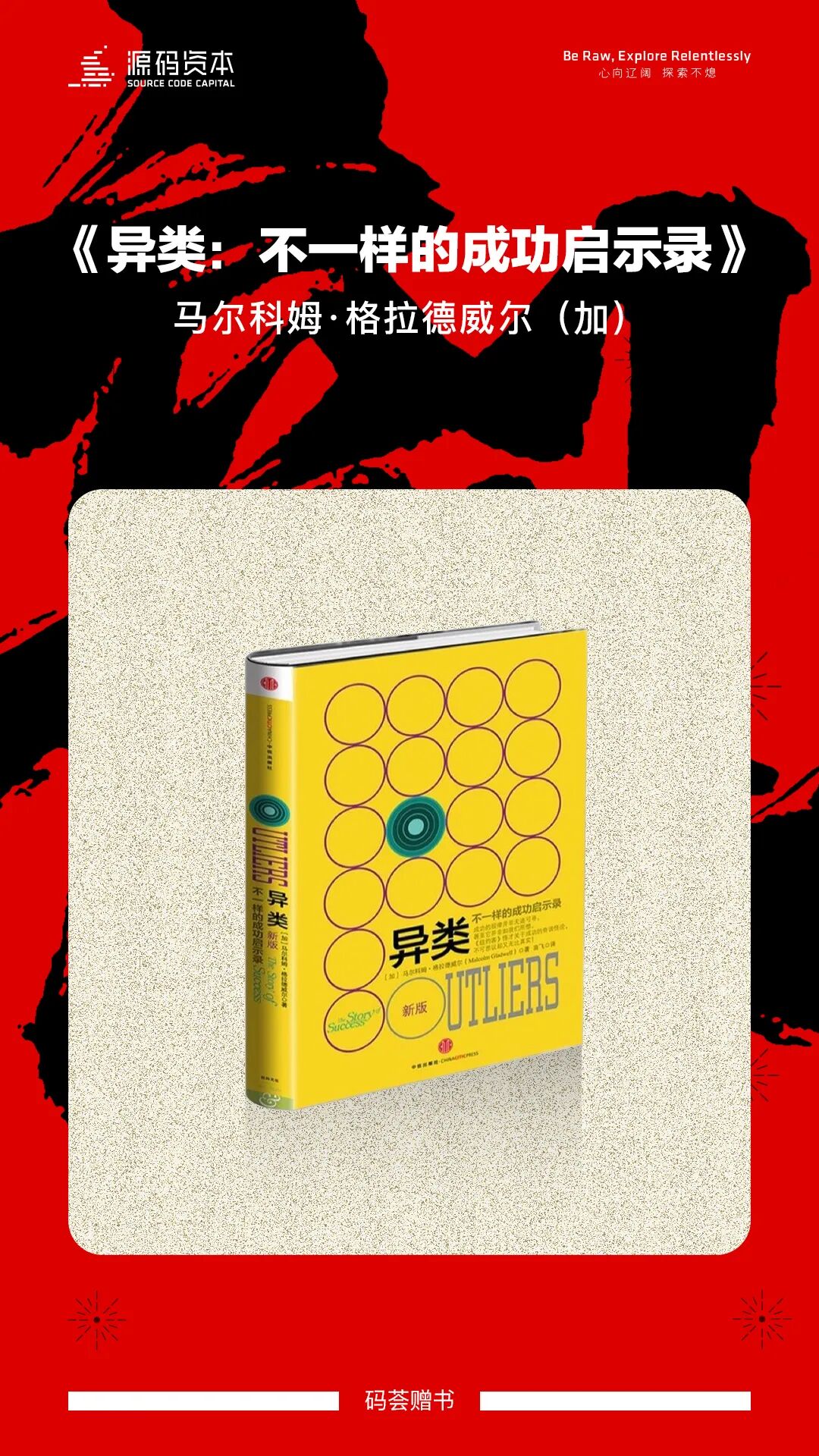
Synopsis: Books on "success" abound globally, but most devolve into chicken soup for the soul. Outliers is the outlier among them. Using captivating narrative technique and extensive evidence, the author advances a clear argument: individual personality is not the determining factor in personal success; successful people do not pull themselves up by their bootstraps. Those who ultimately become extraordinary may appear to rely entirely on personal struggle, but in reality, their achievements are closely tied to the era's backdrop, historical opportunities, cultural influences, and family circumstances.
Synopsis: In any case, the question this book seeks to answer is unambiguous: "It's not enough to ask what successful people are like. We must also ask where they come from — only then can we understand why some succeed while others settle for mediocrity."
2. Management & Operations
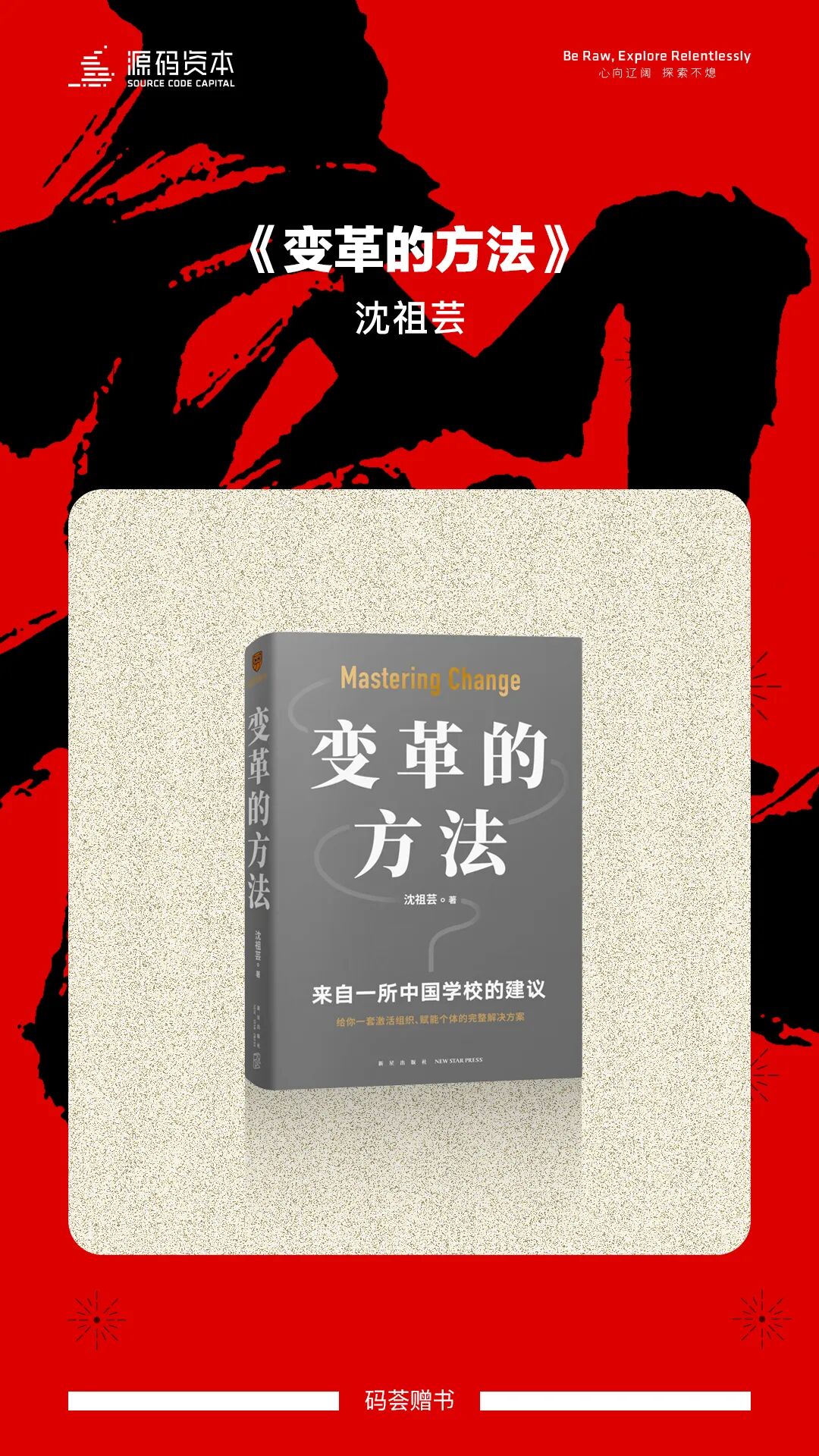
Synopsis: This book tells the story of organizational transformation at Beijing Haidian District's prestigious High School Affiliated to Renmin University (commonly known as "Shiyi School"). Author Shen Zuyun meticulously documented the school's 14-year transformation journey beginning in 2007, presenting in detail the pain points, difficulties, and keys to success. All organizations are composed of people; the密码 to successful organizational transformation naturally follows the same underlying logic — when facing change, how do we adjust people, ignite people, and elevate people, enabling those within the organization to transform and grow together with it.
Why we recommend it: Approaching organizational transformation through the lens of a prestigious school adds intrigue and uniqueness, offering entrepreneurs an alternative perspective for observing their own organizations — a key reason for our recommendation. Notably, this organizational transformation methodology was successfully replicated at Dedao, validating its applicability. This book merits reference not only by education professionals but also by other organizations seeking to learn from and adapt its insights. We hope this alternative angle on organizational transformation inspires entrepreneurs.
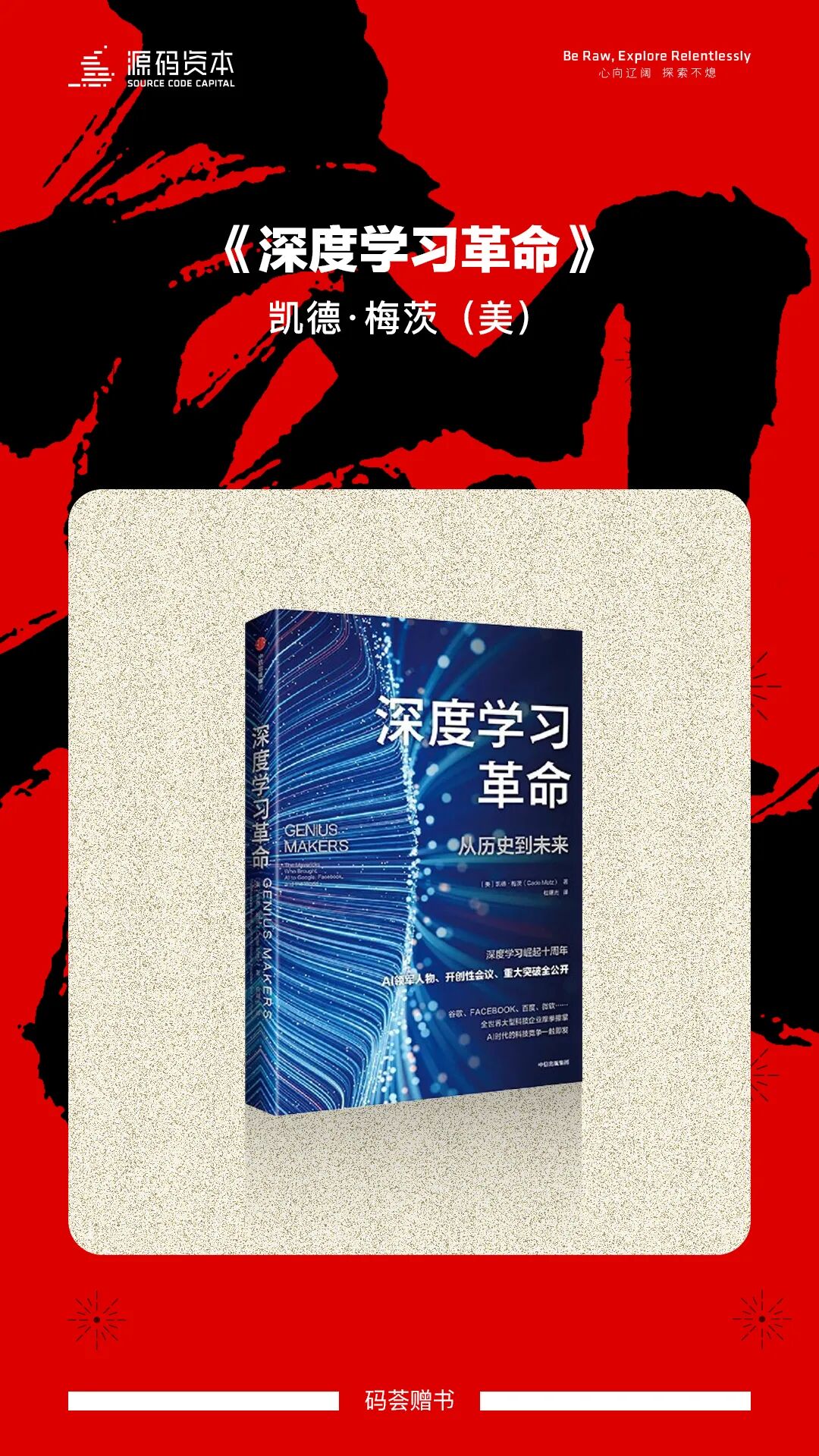
Synopsis: The author is Cade Metz, a well-known correspondent for Wired magazine and The New York Times who has long covered tech internet giants and researched AI and other technology trends. Over eight years, he interviewed more than 400 top figures in related fields, conducting over 100 additional interviews specifically for this book. He narrates in detail AI's evolution from germination to today, but the focus is not on abstruse technology — rather, on the participants and supporters behind AI: the experiences and stories of entrepreneurs and scientists. Through these flesh-and-blood individual narratives, outsiders can understand AI's turbulent 60-year history.
Why we recommend it: AI's impact on humanity's future will be comprehensive. For frontline entrepreneurs, regardless of whether your current work has direct AI relevance, you will become part of the affected ecosystem. We hope this book helps you understand: How did AI reach where it is today? And how will it develop in the future?
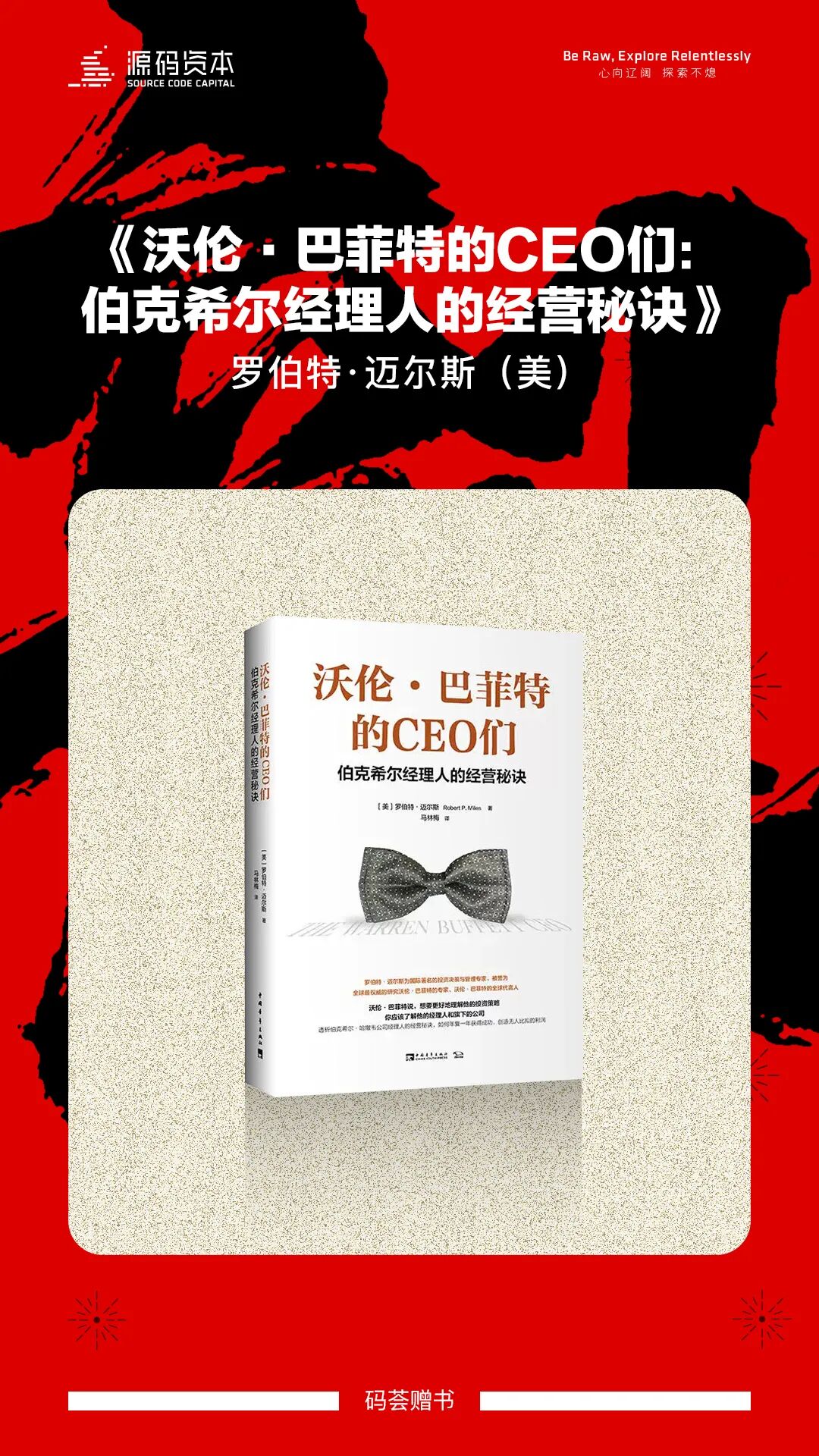
Synopsis: This is a classic and essential read on the management secrets of Berkshire Hathaway's managers and Warren Buffett's managerial acumen. Author Robert Miles is an important investment decision partner of Buffett's, known as Buffett's global spokesperson. His research and distillation of Buffett's investment and management philosophies and practical experience are regarded as authoritative in European and American financial circles.
Why we recommend it: This book represents the concentrated essence of Robert Miles' years of in-depth interviews with more than a dozen CEOs of Berkshire Hathaway subsidiaries. Through these intimate interviews, outsiders can understand how Buffett manages a vast industrial empire beyond his identity as the "Oracle of Omaha," and more importantly, observe and contemplate from an insider's perspective how Buffett's management principles are put into practice — how he manages these subsidiary CEOs, how he ensures business success...
3. Macro Perspectives
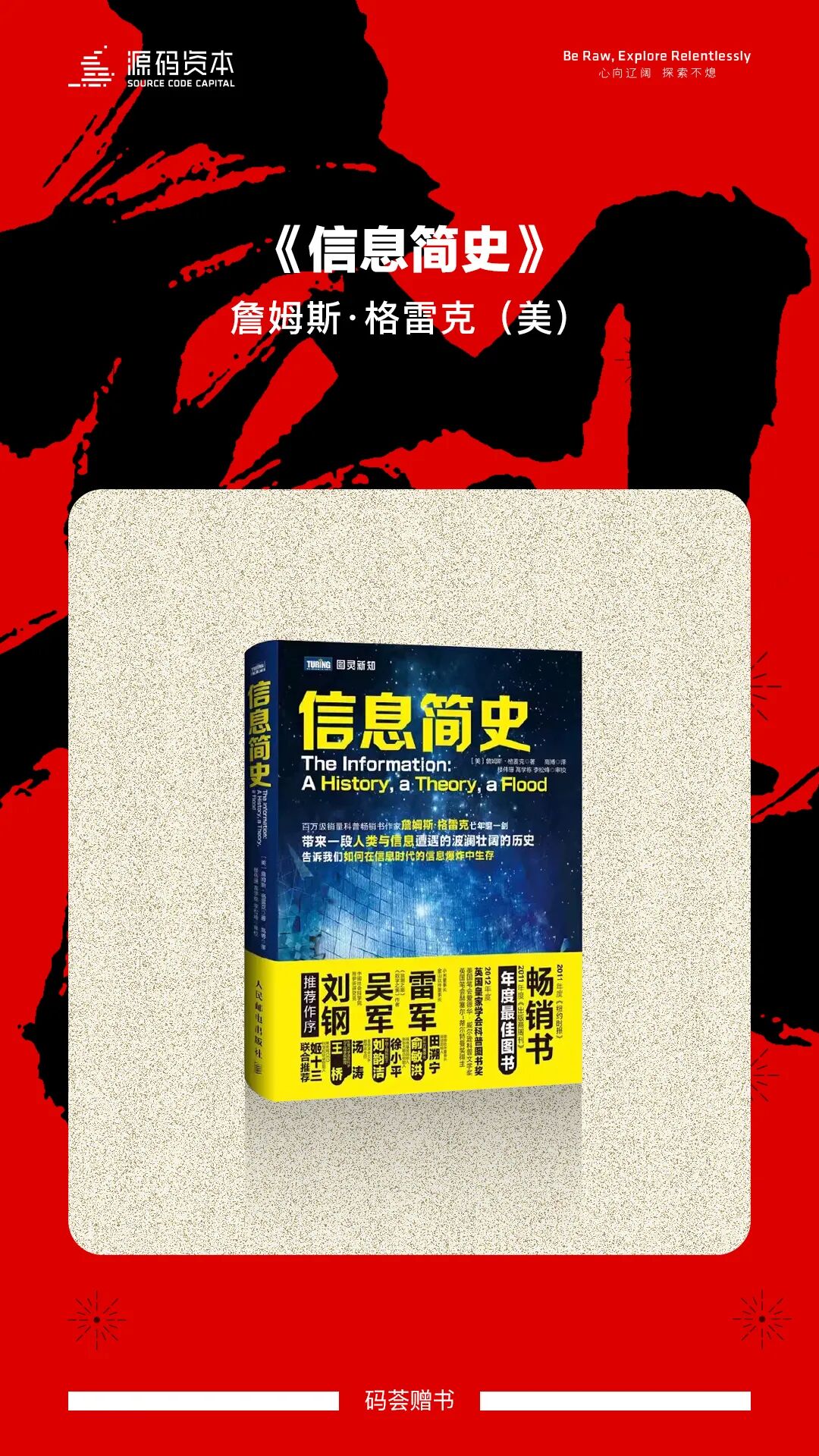
Synopsis: This is a work widely praised for its insight, demonstrating to all the importance and influence of information technology throughout human history. It outlines and details IT's past, present, and future, painting a sweeping temporal panorama spanning historical cycles and presenting a comprehensive, forceful information-centric historical view. Author James Gleick, a longtime New York Times reporter and editor, conducted nearly obsessive deep research into information's developmental history, preparing for this book over seven years.
Why we recommend it: A key reason for our recommendation is the book's extraordinarily rich dimensions and broad span — from the invention of writing, to Shannon's information theory, to present-day Google and Wikipedia on the internet. It surveys information science, linguistics, logic, mathematics, physics, genetics, quantum theory, and numerous other disciplines, while also analyzing IT's negative impacts: information overload, disinformation spread, threats to privacy and security, and more...
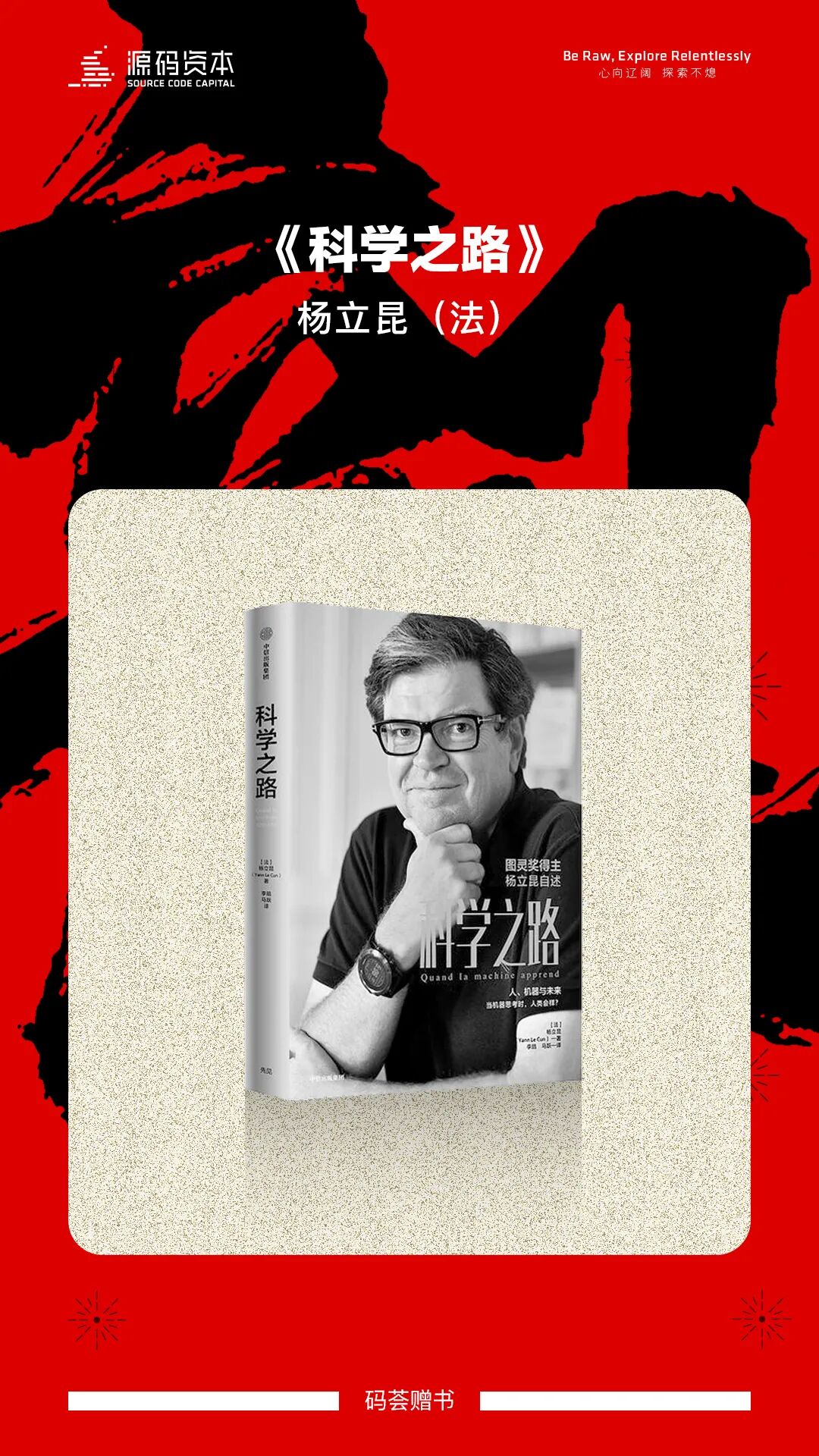
Synopsis: This is a book unique in both conception and subject matter. Author Yann LeCun, 2018 Turing Award winner and French AI scientist, is considered one of the inventors of deep learning and hailed as the "father of convolutional neural networks." He weaves his personal development journey into the grand trajectory of AI's evolution, using accessible language to explain progressively deeper methods and techniques of AI operation, the mathematics and scientific logic behind them, the technology's applications, prospects for future development, and potential impacts on society and people's lives.
Why we recommend it: This book also addresses how to think about machine intelligence — how to transform such real-world problems into forms computers can process. Thus, it is a book combining autobiography and popular science, a book teaching how to think about scientific problems, and a magnum opus comprehensively introducing AI technology that balances popular science and specialized treatise. Both LeCun's autobiographical account as a top scientist and his various reflections and observations on AI merit reading.
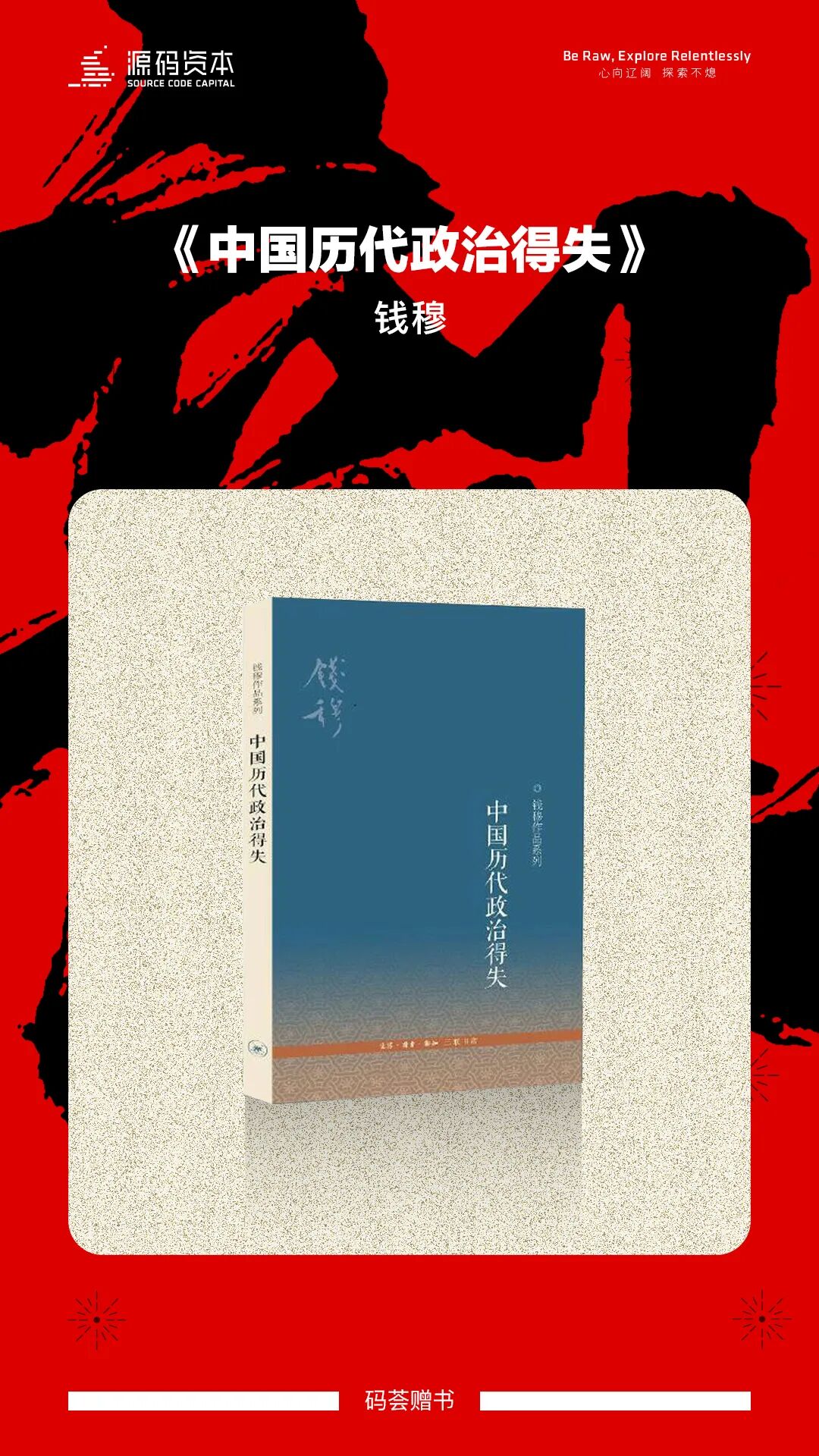
Synopsis:
This book derives from five lectures Qian Mu delivered in 1952 at the invitation of He Jingzhi, subsequently edited and revised. Using five enduring Han Chinese unified dynasties — Han, Tang, Song, Ming, and Qing — as case studies, it examines the successes and failures of ancient Chinese politics. For each dynasty discussed, the analysis typically unfolds across four dimensions: governmental organization, electoral systems, economic systems, and military systems, concluding with brief assessments of merits and demerits. The book dissects the political gains and losses of China's pivotal dynasties through "personnel" and "institutions," rejecting binary oppositions. Qian argued that institutional evolution should be driven by changes in personnel, which are themselves constrained by "historical tradition." On this foundation, he maintained that the development of Chinese institutions across dynasties emerged as cumulative evolution responding to specific temporal and spatial circumstances — inheriting strengths and reforming weaknesses of predecessor institutions. Yet each institutional reform would spawn new problems, perpetuating this cycle. Thus, no institution is permanent; any institution will decay as time and circumstances change, and systems that initially facilitated problem-solving may eventually become constraints on people.
Why we recommend it: In this book, Mr. Qian Mu conducts a methodical, layer-by-layer analysis of Chinese institutional evolution, its merits and demerits — an analysis that is not only dynamically evolutionary but also concretely situated in time and space. For entrepreneurs, this book not only aids understanding of how China's various institutions gradually developed to their present form through experience and lessons, but also offers more insight into understanding China today, with much applicable reflection for organizational and managerial evolution within their own enterprises.

Synopsis: This book encompasses painting, sculpture, architecture, music, and multiple other art forms, covering at least 300 artworks by over 200 great artists in human history. What makes it precious is that it is not obscure or difficult — in fact, it is remarkably accessible, "translating" previously abstruse and esoteric Western art history into knowledge assets that anyone can understand, remember, and use. During editorial review, the publisher had ten fourth- and fifth-grade elementary students read it; not only could they finish it, they even eagerly discussed their impressions.
Why we recommend it: This book is like an excellent teacher, rapidly immersing you in the periods when art was created, placing you on the scene, enabling fundamental understanding of art from the ground up. The most memorable review I've seen stated: "This book is accessible without shutting out amateur enthusiasts; simultaneously systematic and substantive, not a superficial popular bestseller." We hope it allows you to view that distant yet familiar history through a different lens — perhaps with utterly extraordinary experiences and sensations.
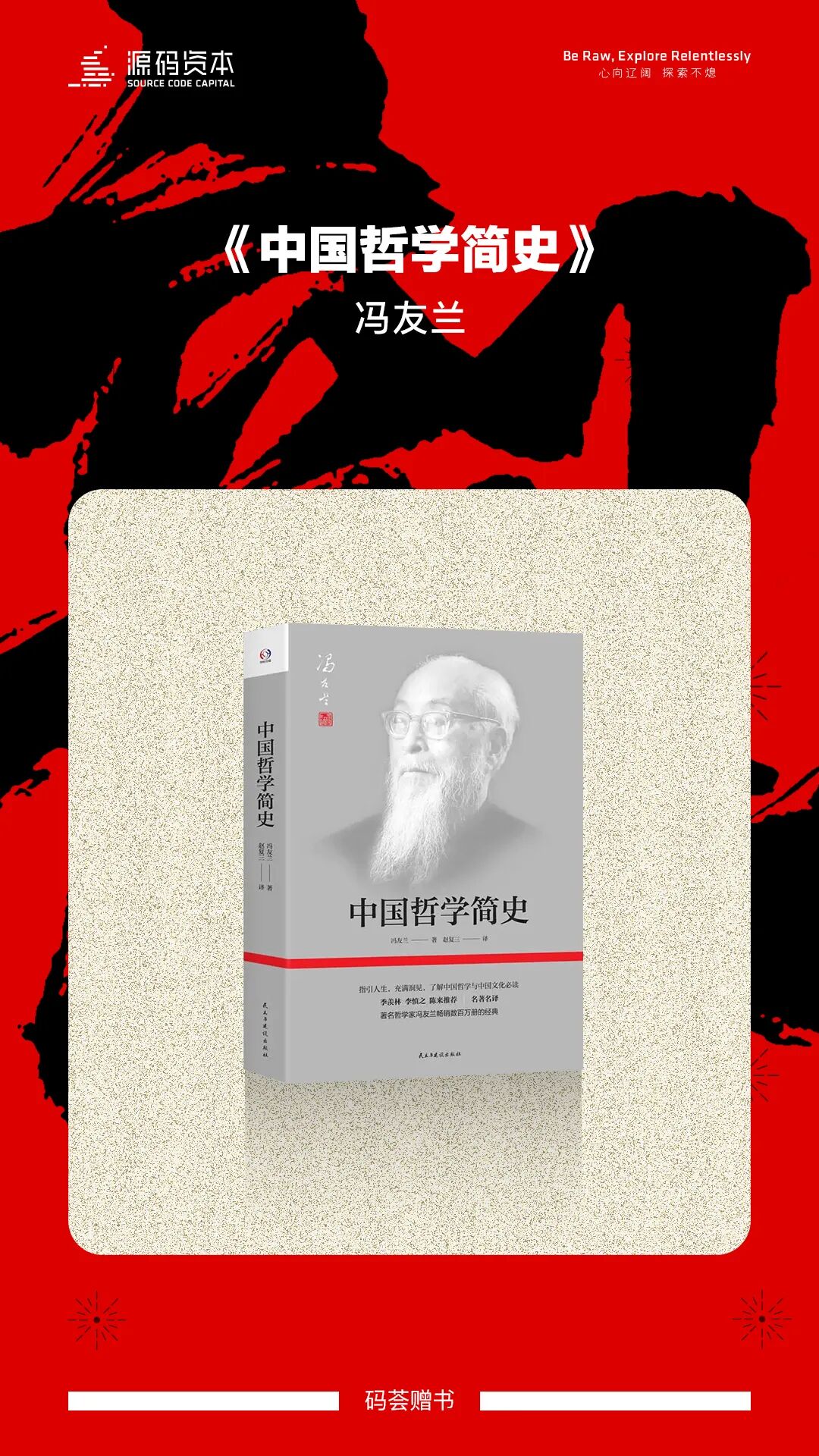
Synopsis: This is the magnum opus of Feng Youlan, the renowned 20th-century thinker and philosopher — a classic widely regarded domestically and internationally as the textbook on Chinese philosophy. The book has been translated into numerous languages worldwide, with many readers, and serves as a standard text for Chinese philosophy at many universities.
Why we recommend it: In just over 200,000 characters, it offers a penetrating, accessible, and integrated exposition of Chinese philosophy from a macroscopic, expansive perspective. Within limited space, it incorporates understanding of traditional Chinese thought, culture, spirit, and wisdom — a crystallization of history and philosophical reflection, brimming with life's wisdom and philosophers' insights, imbued with genuine concern for human existence.
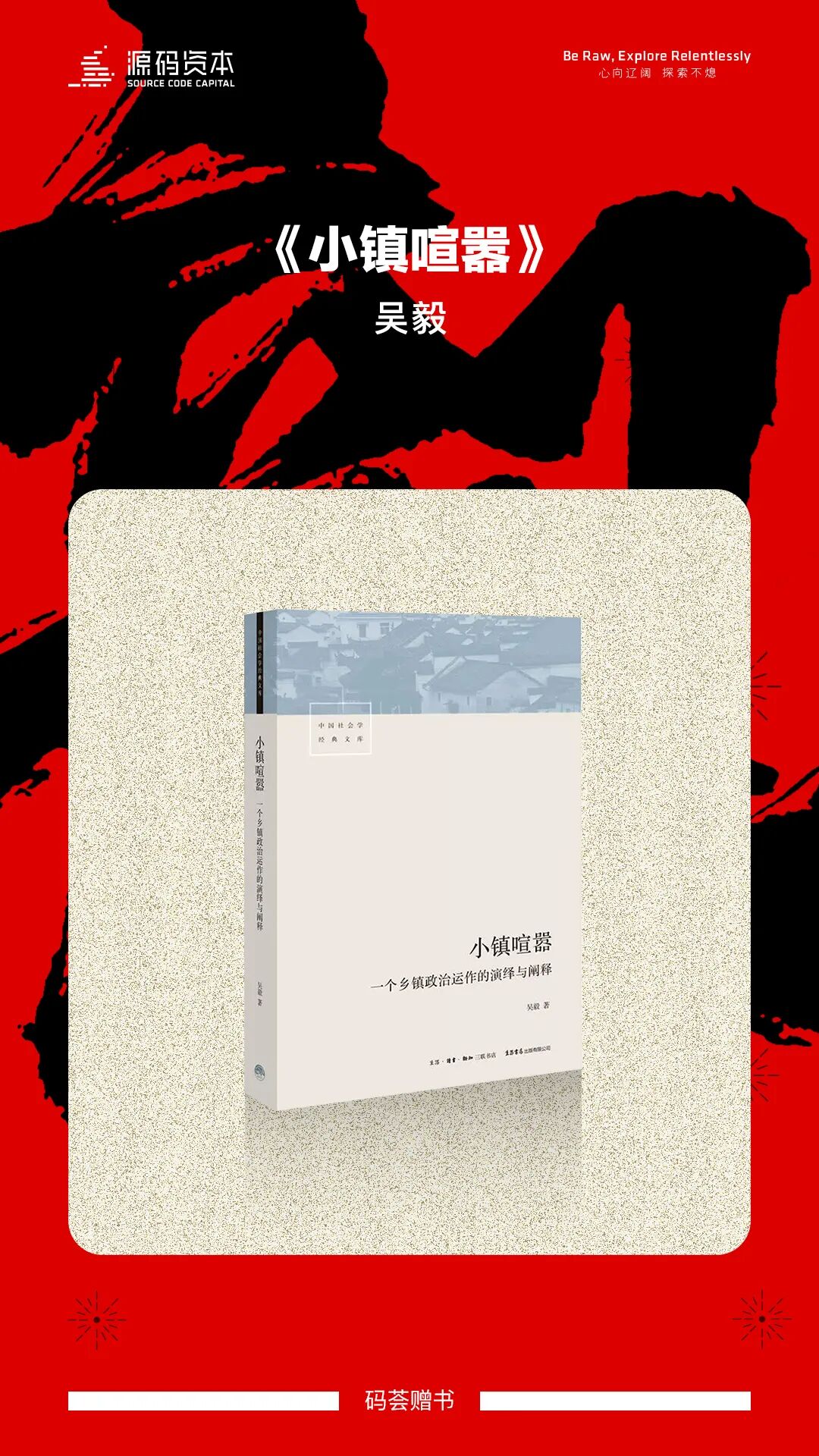
Synopsis: The book's subtitle — "The Performance and Interpretation of Politics in a Chinese Township" — directly states its core content. Employing postmodern narrative strategy, it centers on the processes and conditions of博弈共生 among grassroots government, village-level organizations, and farmers within complex rural power fields, offering deep interpretation of the operational practices and dominant logic of "township-domain politics" in a central Chinese township in the early 21st century. It has been acclaimed as a rare work in decades that "complexifies understanding" of Chinese grassroots society through "close-to-the-field," "deep-description" methods with narration "more gripping than fiction."
Why we recommend it: Author Wu Yi is a renowned sociologist who has also published Authority and Order in Village Governance Transformation — The Expression of Shuang Village in Eastern Sichuan in the 20th Century and Narrating Village Politics, all directing attention toward China's most grassroots territories and organizations, presenting authentic China through vivid, documentary-style technique. Perhaps through one township, the whole of China may be glimpsed.
"Nothing travels farther than the fragrance of books"
The new year's journey begins with reading; every snowflake drifts toward spring.
May your wishes come true, may your steps move forward.
May every step hereafter be composed, resolute, and full.