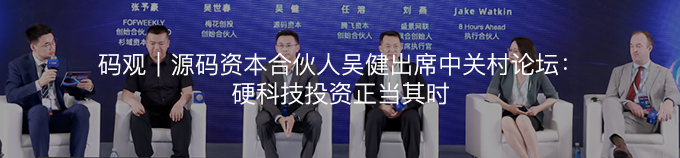
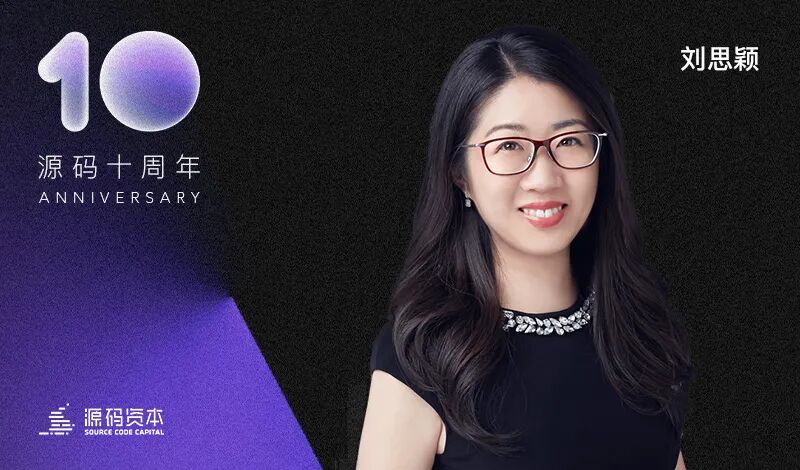
Source Code Capital at Ten | Venture Capital Is the Art of Balancing Reality and Optimism

Right now, we need confidence — but even more, we need resilience.
In 2014,
Alibaba listed on the NYSE, setting the record for the world's largest IPO, showing the world the power of China's internet;
Xiaomi shipped over 60 million units, rising to third place globally, demonstrating the innovative appeal of combining Chinese hardware manufacturing with internet services;
DiDi and Kuaidi Dache merged, kicking off consolidation in mobile ride-hailing and laying groundwork for the sharing economy wave that followed;
WeChat surpassed 400 million users, becoming China's largest social platform and ushering in the mobile internet era.
Also in 2014,
ByteDance had just launched Toutiao two years prior and remained primarily focused on personalized news recommendation. Mobile internet was on the rise, yet few foresaw short video becoming the next major trend. Two years later, ByteDance launched Douyin.
Meituan was in the thick of the O2O wars. Group buying was gradually declining, and Meituan began pivoting toward broader local lifestyle services. After entering food delivery in 2013, it engaged in fierce competition with Ele.me. Many questioned the profitability of O2O models at the time, but we saw the execution capability of Xing Wang's team and their deep understanding of the local services market.
Li Auto didn't exist yet. Founder Xiang Li was still running Autohome. It wasn't until late 2015 that Li began preparing for his electric vehicle dream. New energy vehicles were still a nascent concept in China, and the market broadly viewed EV startups with skepticism — but we valued Li's deep accumulation in the automotive sector and his unique insights into the future of intelligent electric vehicles.
In 2014, Source Code Capital was founded.
Over the past decade, China has undergone a transformation from following to leading. Chinese venture capital has advanced alongside the wave of Chinese technological innovation. From mobile internet to artificial intelligence, from the sharing economy to the new energy revolution, every technological shift has created new investment opportunities.
We've experienced the industry's booms and challenges, witnessing the most daring entrepreneurs join the adventure of changing the world. Today, with macro and micro factors layered upon each other, we find ourselves in a community of shared destiny where everything is interconnected and one move affects all.
"Life can only be understood backward, but it must be lived forward (without knowing the final outcome)." Venture capital is the art of balancing reality and optimism. At this moment, confidence is needed, but resilience is needed even more.
Despite new challenges, China's innovation potential remains enormous. It is precisely in moments like these that the most valuable stories are being conceived and the greatest companies are growing.
From day one of Source Code's founding, we've believed this is the era for China's own VC. Our participation isn't merely about investing in good companies — it's about investing in entrepreneurs with the potential to reshape industries and define the future. They are writing a new chapter in China's development, and we too will become part of this grand story.
At the end of August, the entire Source Code team went on an offsite in Qingdao. By the sea, we shared Source Code's ten-year story with everyone. As the Mid-Autumn Festival brings reunion and joy, we also share these stories with you, hoping to inspire us all to carry forward with vigor and perseverance.
"We believe this era belongs to China's own VC"
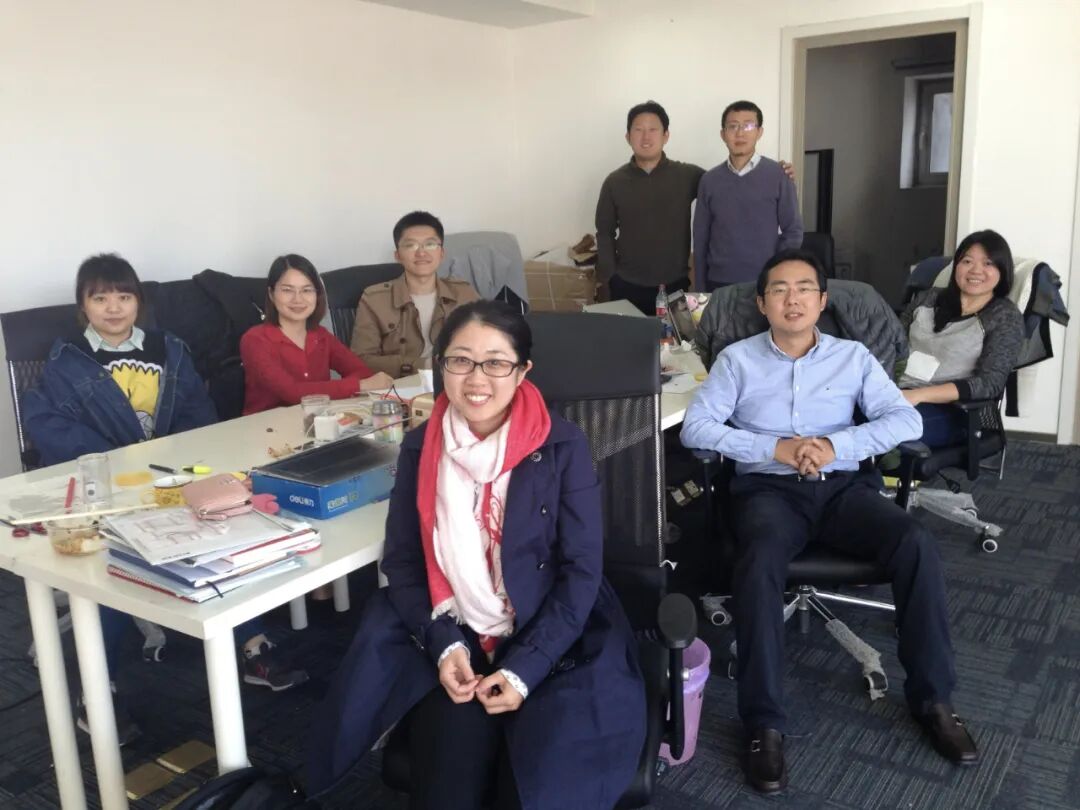
In 2014, Source Code had just been established. Initially there were only five or six people, with no office of our own. We spent half a year squatting in a small room next to one of ByteDance's (then called Toutiao) server rooms (we paid rent) — a rather scrappy start to our entrepreneurship ^_^.
The room had previously been an archive. Aside from white walls and a white desk, there was nothing. With no conference room, the lobby lounge of the Jingyi Hotel across the street became our meeting room, where we mostly received entrepreneurs and LPs. Our expense reports contributed quite a bit to that hotel.
The most relaxing moment each day was after getting food, returning to that small room, turning on the speakers, opening QQ Music, and playing a few songs. What left the deepest impression was that ByteDance's cafeteria was exceptionally good.
2014 was a golden period for the industry. There were many projects; every investor met with dozens of companies each week. But everyone was energized, not feeling tired or bitter. After each meeting, investors would write a small card in the system. From May to December 2014, in just seven months, six or seven investors accumulated over 1,000 cards.
At that time we worked with a pure entrepreneurial mindset — 12 hours a day, seven days a week. Internal team meetings were often scheduled for 10 or 11 p.m., or on weekends. Because daytime was spent with external investors and entrepreneurs, reviews and strategy sessions could only happen on weekends. We'd often meet until late Saturday night, then spend Sunday preparing materials for the next week, before entering another week of high-frequency work.
I remember an LP asking us: "Do you guys not sleep?" Because no matter when, we always replied to his messages instantly.
We frequently studied and learned from other excellent investment institutions. Many entrepreneurs didn't know Source Code then, but they knew Yi Cao. When Cao founded Source Code, he was only 30 — yet more composed than many 40-year-old investors. He thought very clearly about how he wanted to do investing and how Source Code should develop.
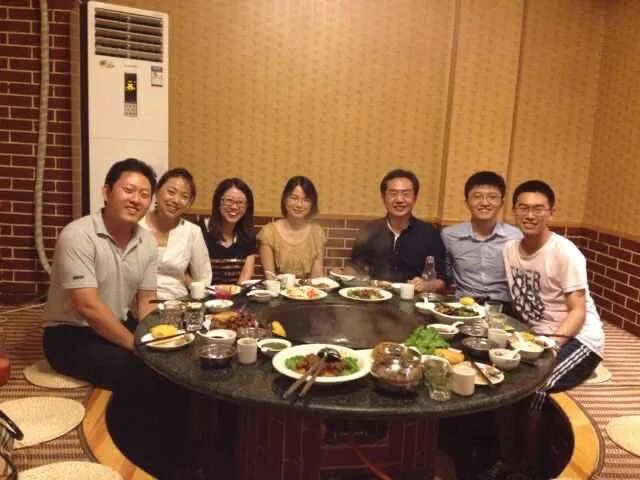
The topic we discussed most then was how to invest in the best companies and how to help entrepreneurs in that great era. We firmly believed we were doing the right thing, and we also felt a sense of mission as a Chinese domestic VC. Unlike overseas brands opening branches in China, we believed this era belonged to China's own VC, and in that environment, we were precisely the ones needed to do this.
"I believe those LPs saw something more essential that was different about Source Code"
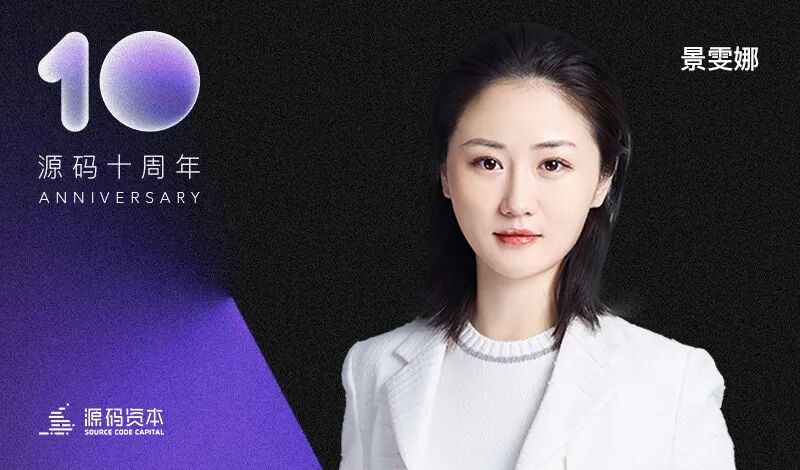
Last week, a company's CEO left me a message after a meeting: "Wenna, I trust you, and I trust Source Code."
This company has performed well in the consumer sector and recently landed a rare large order, needing cash flow to support larger-scale supply.
But with the industry in a downturn, financing has become exceptionally difficult. Many institutional investors only offer strategic advice; those providing substantive help are few and far between. Some institutions have even demanded company buybacks at this juncture to reduce risk, or threatened to block IPOs to force exits for self-protection. If an institution actually initiates litigation, the company would lose in court per the agreement — a company that could have continued growing might go bankrupt due to capital environment issues.
In the current tightening environment, discussions about the role of investment institutions continue. As investors, we face a choice: at moments like this, do we reach out to pull the company up, or push it down? With interests at stake, many institutions choose the latter. However, if the industry races to the bottom, it's easy to trigger跟风踩踏、挤兑 [herd-driven stampedes and runs] — at which point even institutions that want to help are forced into self-protection. In the end, everyone loses.
But we want the company to win. On one hand, we actively connect them with interested investors, bringing the company along to meet potential partners; on the other hand, we advocate internally that equity exits should not be "allocated according to who makes the most noise," but rather "rewarded according to contribution," steering company governance toward healthy operation.
Actually we had internal hesitation too. Many institutions were racing to get ahead, there was much chaos in the industry, and everyone was anxious. But this is precisely when more steadiness is needed — what kind of institution do we want to be, what legacy do we want to leave.
When markets are good, many claim they do equity management well, spending every day with founders. But founders don't need psychological comfort — they need tangible help: raising money, finding resources, cutting costs and improving efficiency. Meanwhile, Cao also has to serve as mediator, resolving conflicts.
In this process, we must also protect LP interests, and the time and energy invested in portfolio companies is enormous. Investing is the art of endlessly seeking possibility and balance. We want the company to develop well, together aiming for a bigger future.
Perhaps it's precisely in moments like these that an investment institution's true character reveals itself. In my previous fundraising experience, many LPs were willing to make exceptions for Source Code. They believed we captured the best companies of every era: ByteDance and Meituan in 2014-2015; Li Auto in 2016-2017; and later companies that reached tens of billions in market cap, where we invested at the angel stage. But beyond these, I now believe they saw something more essentially different.
"We have the chance to be friends for life"
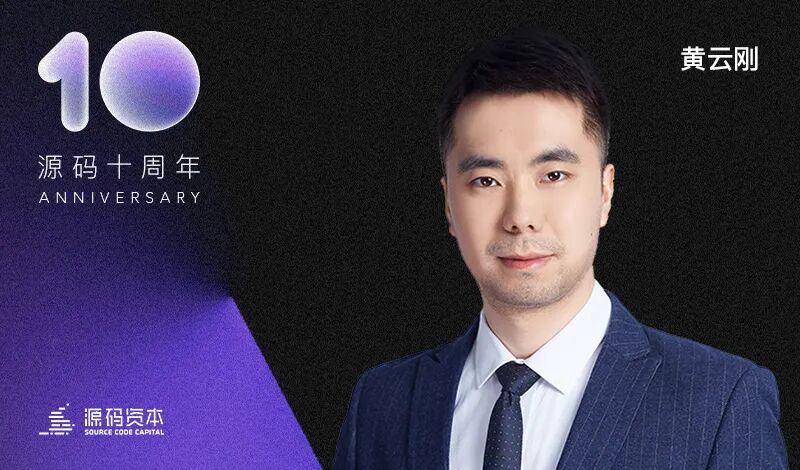
There are too many stories in investing. What left the deepest impression was when, at the industry's hottest moment, a CEO we pitched ultimately chose us. After signing the term sheet, he called me and said: "I chose you not just because of your professional capability, but because we have the chance to be friends for life."
In many subsequent interactions with entrepreneurs, I always recall what that CEO said to me. It helped me define more three-dimensionally what kind of institution Source Code should be, and what kind of investor I personally should become.
At Source Code, we're a young team. When we first started looking for projects, some entrepreneurs questioned whether we were too young, not high-profile enough, not worldly enough, lacking investment "old hands." But we worked hard with an entrepreneurial mindset. Once we started talking and got to know each other, we'd discover that entrepreneurial spirit attracts entrepreneurial spirit, and complementary knowledge structures and capabilities — kindred spirits are more like external partners who build and advance together, learning from and helping each other.
We too needed to prove ourselves at first. For example, when meeting a medical device company, the founder's first words were: You understand TMT, but do you understand healthcare?
We started from his core business of medical devices, analyzing e-commerce strategy, analyzing consumer product attributes, how to build channels. Perhaps we're not the most expert in healthcare, but understanding technology, healthcare, consumer, and channels — in this kind of "interdisciplinary" space, we're not weak in any area, and we do all of them quite well. This is our advantage.
Entrepreneurs don't need investors whose capabilities overlap with their own. As he put it: "If I can't even handle things in my own professional domain, what kind of entrepreneur am I?" But they need people who can help in other areas.
Now, he considers us the most helpful investors, trusting that we can go the distance together. Whenever the company has any major decision, he comes to us first.
I often think: what kind of investor do entrepreneurs want? Not just someone with professional knowledge, but more importantly, someone who can walk alongside them.
"Every day is the best day"
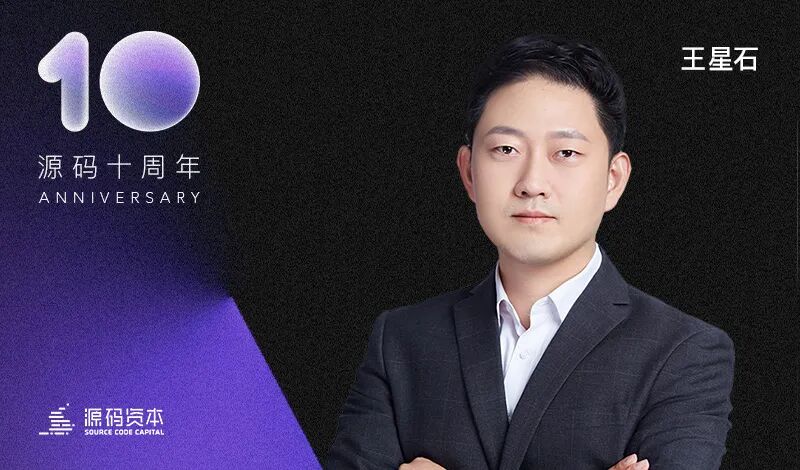
At the 2018 MaHui annual conference, I served as head of the organizing committee. Since we began holding MaHui in 2014, there have been new changes every year. By 2018, attendance reached 375 people — the largest in history.
With so many people attending, needing to eat well, have fun, and gain something — how to create more engagement and better connections in this setting? We treated the event as a community to operate and manage, doing extensive data tracking to analyze and measure event effectiveness and participant feedback, facilitating subsequent review and improvement.
What now seems standard — mini programs, H5 — wasn't yet widespread then. No one had defined how to do it, so we defined it ourselves.
We treated attending CEOs, LPs, guests, and Source Code employees as users. Over the three-day event, we set up different types of groups, analyzed user needs, and combined offline conference scenarios like tea breaks, roundtables, after parties, and outdoor activities with online interaction.
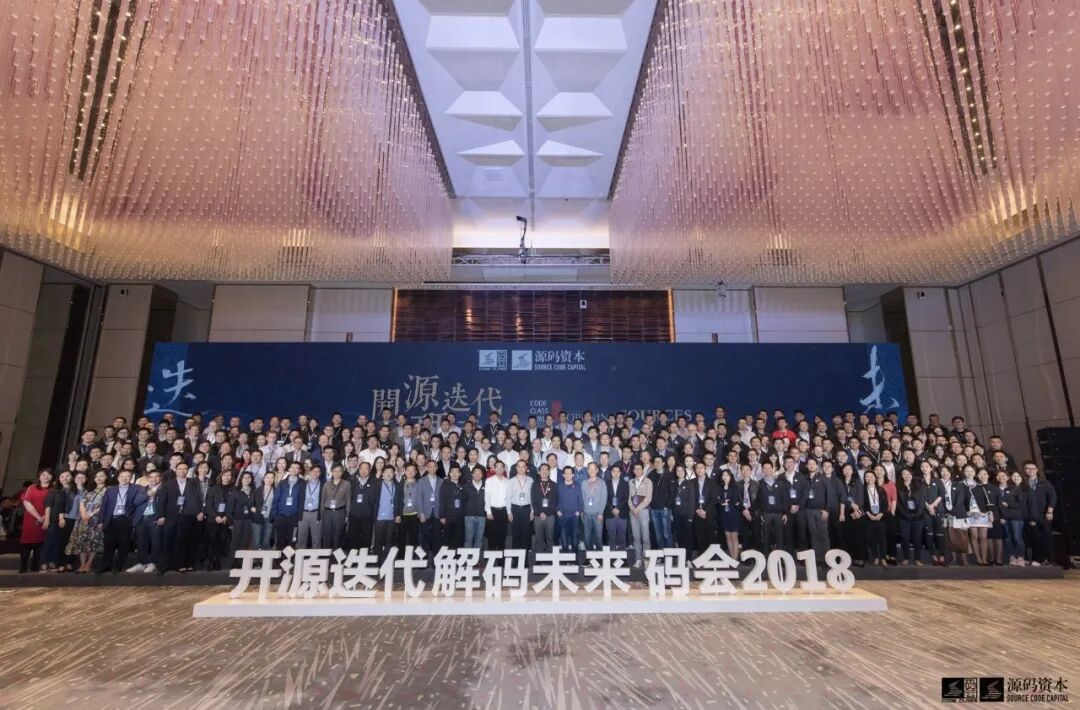
The result: unlike typical conferences where engagement declines over time, at this MaHui, user interaction rates increased as the event progressed. The all-group interaction rate went from 17% on day one, to 22% on day two, to 36% on the final day. Many entrepreneurs are extremely busy, often only showing up for their own session, but that time many stayed until the end.
At that MaHui annual conference, Li Auto founder Xiang Li and Qudian founder Min Luo shared the stage for a dialogue, with veteran media professional Zhigang Li as moderator; Cao, Xing Wang, and Yiming Zhang held a conversation that became the highest-rated session. For this dialogue, we specifically considered how to prevent it from becoming formulaic — not just one person speaking, nor several unfamiliar guests giving seemingly polished remarks. The gains and losses of entrepreneurship, the journey of the heart — people who are normally friends with genuine interactive viewpoints make for interesting exchanges.
What struck me deeply was that every Source Code colleague participated in the event's organization and arrangements, each with their own responsibilities, all hands on deck, covering for one another.
Source Code has walked ten years, experienced many things and many people. The world is real, but every day is the best day.
"Source Code — striving to live up to this name"
One evening in March 2014, the name Source Code came into being.
Beijing's winter hadn't yet ended; there was still chill in the air. Just days after the Spring Festival, having decided in my heart to start a business, I felt it was time to think of a company name.
I sat alone at the wooden dining table late into the night, my thoughts racing, unable to focus on naming. My infinite longing for the future, my inner excitement — I couldn't stop imagining the enormous transformation and elevation that digitalization, globalization, and intelligence would bring to business and life. Gratitude toward the era and toward HSG intertwined with nervousness and anticipation.
Suddenly, the world seemed to quiet. All thoughts and notions dissolved. I clearly heard a voice: Why start an investment institution? The world is a superposition of political, economic, cultural, technological, human, and many other forces — colorful and bewildering. I infinitely long to see, bit by bit, its original face.
Investing will let me experience countless changes, experience the transformation of people and things, experience cycle after cycle, the changing of seasons; will let me taste countless successes and failures, the full range of human experience, will let me confront my own shortcomings; of course, it also gives me the opportunity to climb high and gaze far, alone on a tall building seeing the end of the world. Investing may be the most suitable path for me to understand the world and myself; founding an investment institution is pressing forward with even greater leverage.
At that very moment, the name "Source Code" flashed before my eyes — seeking the source, investigating things to extend knowledge, isn't this precisely the original intention behind my starting an investment institution? This is it!
That evening, I personally drew the prototype of our logo — like a long river, sometimes turbulent, sometimes gentle, rising and falling, flowing day and night without cease. Looking back now, the warm light quietly shining above the dining table that night seems to remain so clearly imprinted in my mind.
One evening this past June, an entrepreneur sent me a screenshot of Bill Gates's Weibo post, announcing that his upcoming autobiography would be titled Source Code. I forwarded it to the shareholder group with a note: "We strive to live up to this name, and keep running the long run 🏃😊."