Source Code Capital Congratulates Portfolio Company Space Transportation on Successful First Flight Test of Tianxing I-1 Horizontal Recovery Technology Verification Rocket

It took a historic step forward in the domestic pursuit of reusable rocket recovery technology.
At 7:28 AM on April 23, 2019, Space Transportation's "Tianxing I-1" rocket completed its maiden flight test, successfully fulfilling all experimental payload missions!
Live ignition and launch video
The "Tianxing I-1" rocket is a generalized, reusable rocket launch platform developed by Space Transportation. This flight marked the "Jiageng-1" experimental launch vehicle, jointly developed by Xiamen University's School of Aerospace Engineering and Space Transportation based on the "Tianxing I-1" platform. The rocket measured 8.7 meters in total length, with a wingspan of 2.5 meters and a launch mass of 3,700 kg. It conducted a full suborbital flight, reaching a maximum velocity exceeding 4,300 km/h.
The primary payload of "Jiageng-1" was Xiamen University's XTER dual-waverider vehicle, alongside an intra-cabin wireless communication system and a near-space high-energy particle detection system developed by Xidian University's School of Space Technology. This flight test successfully acquired comprehensive experimental data from the actual flight process, fully meeting customer requirements. It also validated multiple key technologies including ground-based wireless launch control and low-cost electrical systems, laying a solid foundation for subsequent research into rocket reusability.
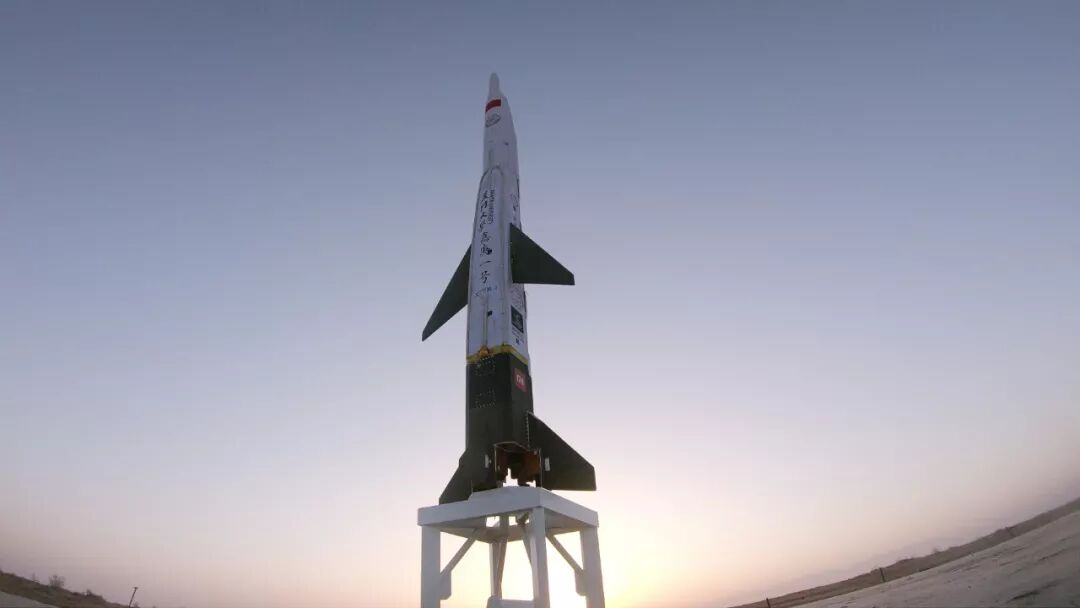
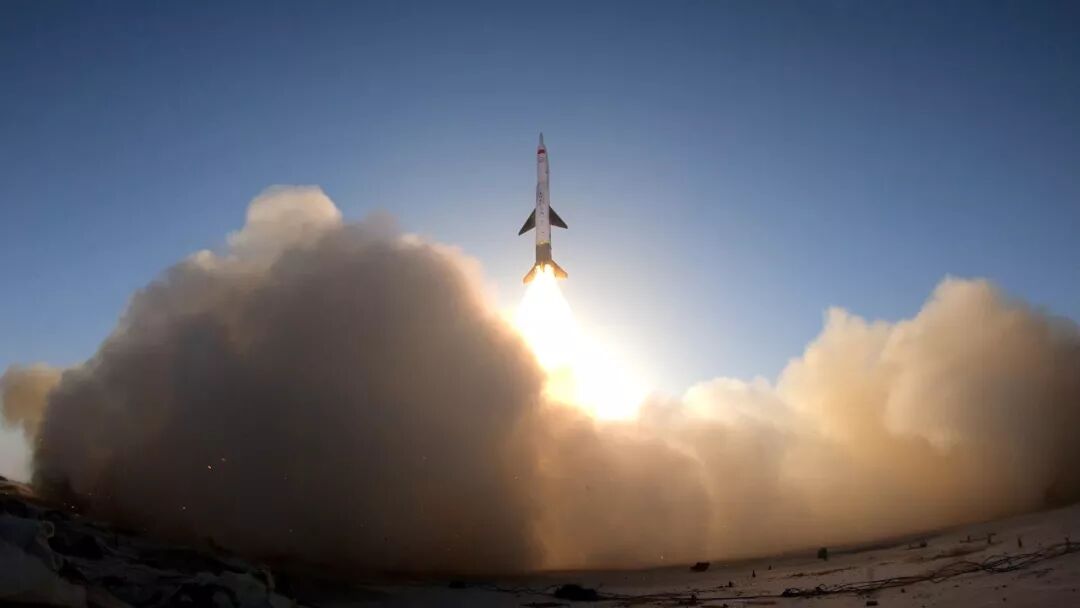
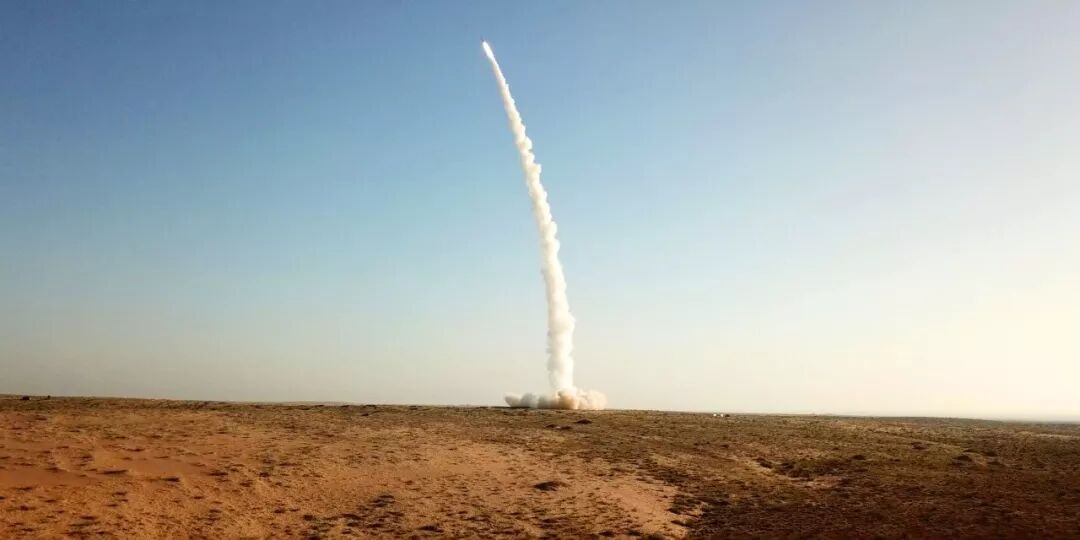
First flight of the "Tianxing I-1" rocket
Founded in August 2018, Space Transportation is dedicated to solving the high cost of launches in the commercial space sector, providing customers with reliable, cost-effective, and convenient space transportation services.
Drawing on its extensive technical expertise in launch and reentry recovery, combined with the objective development pace of China's commercial space market, the company has developed the "Tianxing" series of reusable rockets, serving national aerospace flight testing, commercial small satellite launches, crewed space tourism, and other fields.
As a reusable hypersonic vehicle, "Tianxing I" can meet China's current demand for real-world flight test environments and design validation across multiple disciplines including hypersonic systems, aerodynamics/heating, control, and materials, offering a commercialized, reliable, and low-cost flight test solution for the country's hypersonic research community.
A Rocket "With Wings"
When people think of spaceflight, they naturally associate it with satellite launches and various outer space exploration missions. Speaking of the recently booming private space sector — including pioneer SpaceX in the United States, as well as more than a dozen companies springing up domestically — most focus primarily on satellite launch as their core business model. Today, however, we'll explore a particularly distinctive private space enterprise: Space Transportation. They have successfully developed and launched a unique recoverable rocket, expanding their scope from space transportation into far broader domains.
The "Tianxing I-1" launched by Space Transportation looks essentially like a rocket "fitted with wings." It uses rocket engines to provide ascent power during takeoff, then gradually transitions to level flight after reaching the edge of the atmosphere, utilizing its wings to generate sufficient lift in the thin air for stable flight.
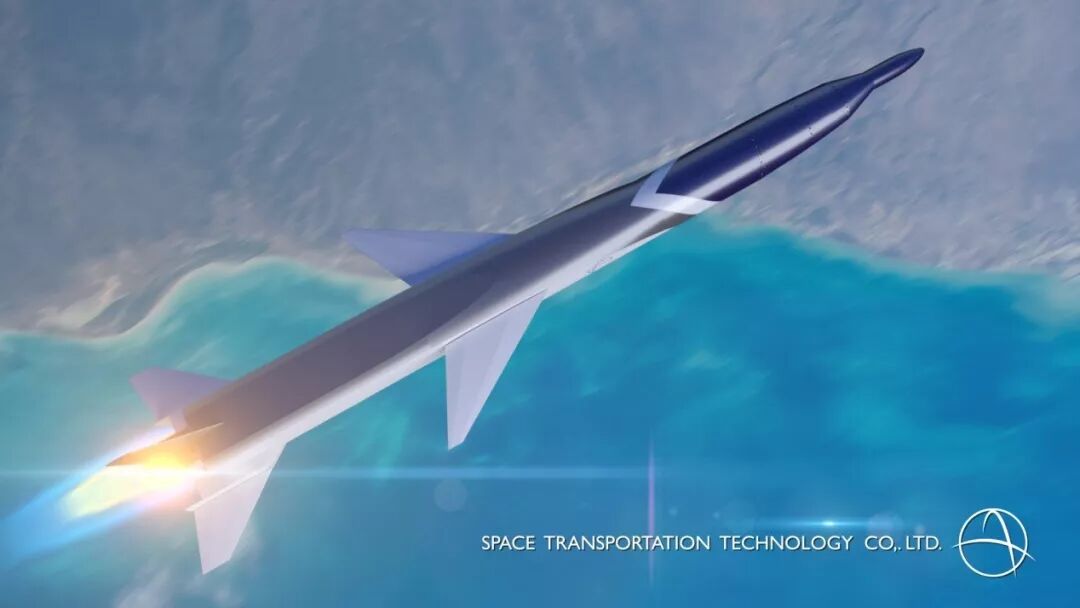
Figure 1: Tianxing I-1 rocket concept rendering
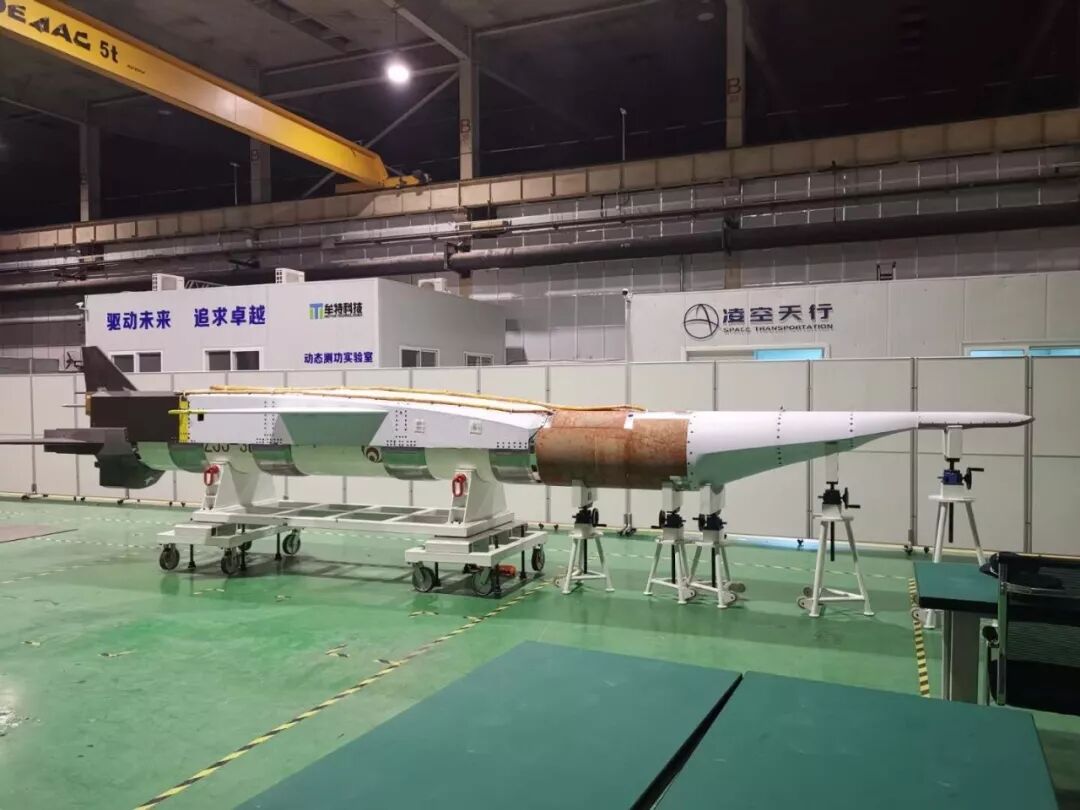
Figure 2: The "Tianxing I-1" rocket ready for launch in the assembly workshop
Exploring New Applications for Rockets
The "Tianxing I-1" rocket can both travel to and from space and fly steadily through the upper atmosphere along designated trajectories. Leveraging these unique advantages, the Tianxing I-1 first targets the unaddressed field of aerospace science and technology experimentation. The near-space region in particular represents not only a crucial future flight corridor but also a necessary passage for travel to and from space. Yet human understanding of this domain remains in its infancy; exploring its scientific mysteries requires extensive flight testing. The Tianxing series can fly freely in near-space, providing a reusable high-speed test platform for scientific research, new technology validation, and environmental testing.
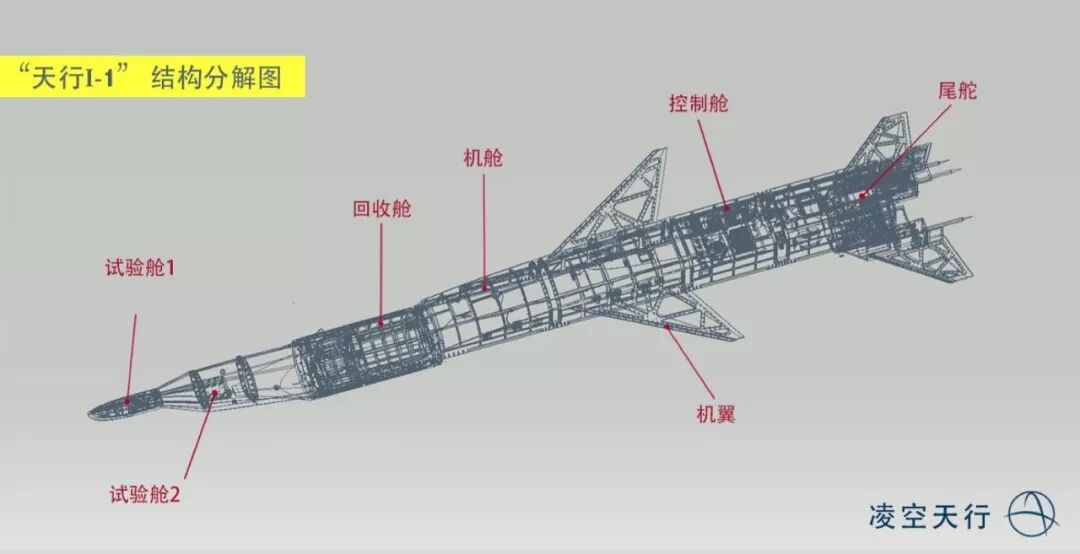
Figure 3: "Tianxing I-1" structural breakdown
This flight test fully demonstrated Space Transportation's overall rocket design capabilities, validated multiple key technologies including ground-based wireless launch control and low-cost electrical systems, and also provided "flying wind tunnel" test services for scientific experiments at Xiamen University and Xidian University, yielding accurate and comprehensive flight data.
Based on the "Tianxing I-1" rocket platform, Xiamen University jointly developed the "Jiageng-1" experimental launch vehicle with Space Transportation. The rocket's nose section carried Xiamen University's test model, conducting high-speed aerodynamic tests on a core component of a novel engine design they had developed.
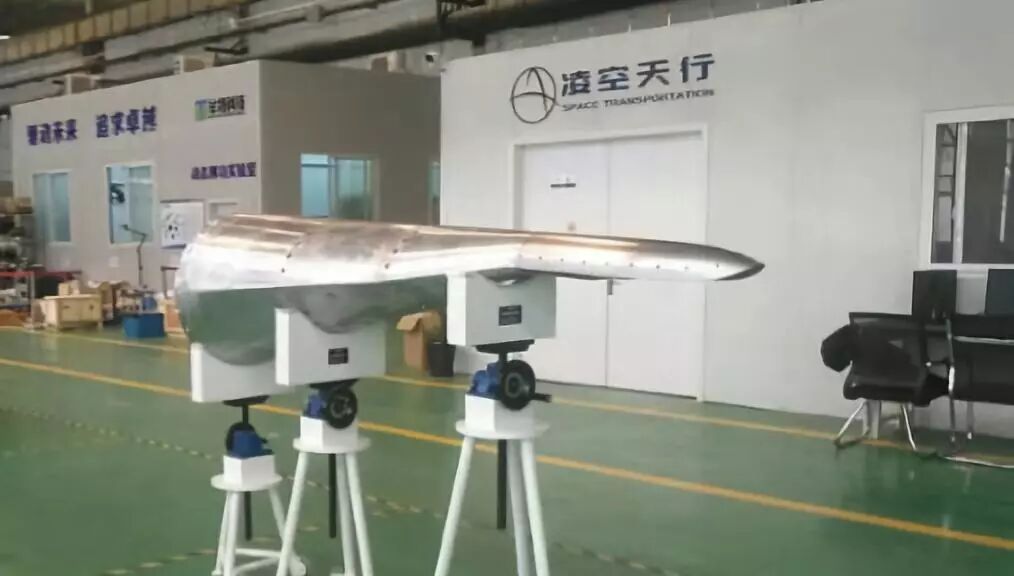
Figure 4: Xiamen University aerodynamic test model installed in the nose section
Xidian University simultaneously conducted near-space scientific observation experiments and multiple new technology validation tests using this launch. They installed two high-energy particle detectors within the "Tianxing I-1" to count various high-energy particles capable of penetrating the cabin walls into the vehicle's interior. These detectors will remain installed on Tianxing series vehicles for subsequent flights, gradually accumulating measurement data at different altitudes in near-space — data that will provide highly valuable references for future electronic system reliability design and human safety dose assessment for spaceplanes.
Xidian University also carried ten new technology validation payloads. These included a novel integrated wireless HD camera system that combined traditional HD camera, image compressor, and wireless transmission units into a single device, reducing volume by more than tenfold and cutting power consumption to 3-5 watts. Serving as the "Tianxing I-1's" primary camera, it completely captured the entire process of skimming the edge of the atmosphere. They also conducted systematic validation of intra-cabin UWB wireless information transmission technology, simultaneously validating real-time wireless transmission for servo control loops, image data streams, and multi-point sensor networks.
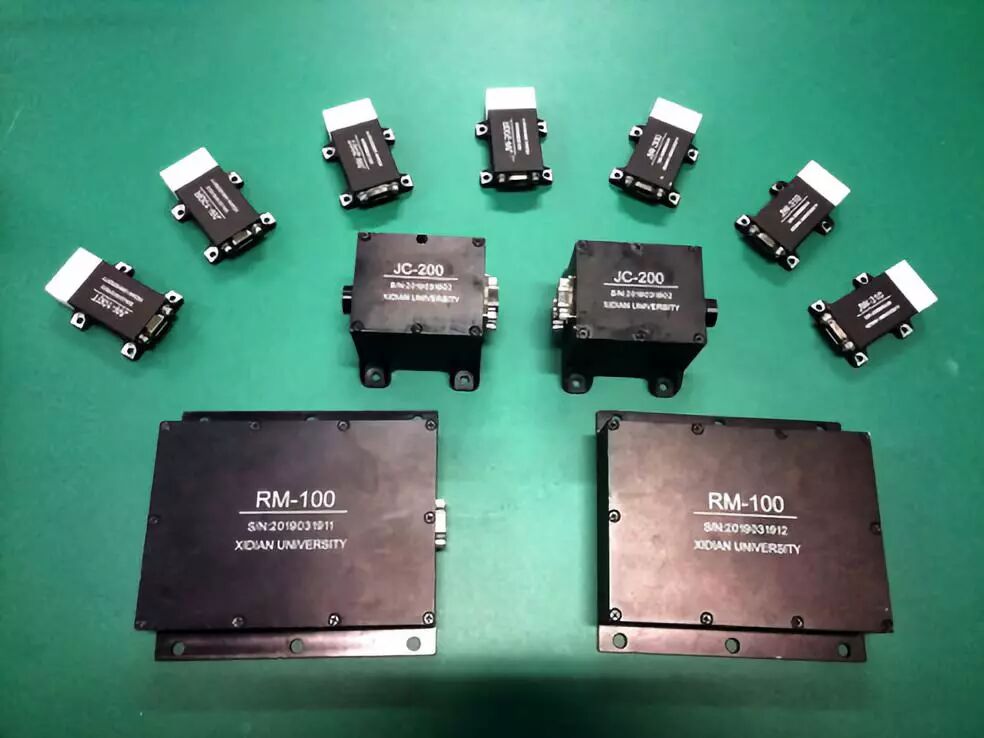
Figure 5: Xidian University new technology validation payloads
Top: UWB intra-cabin wireless information transmission system;
Middle: Integrated HD camera; Bottom: Particle detectors
Future variants in the Tianxing series will feature multi-stage propulsion. After the first stage breaches the edge of the atmosphere, the second stage will separate and ignite to enter space, providing satellite orbital insertion launch services. Through the perfect integration of aviation and space technology, offering full airspace flight capabilities from the atmosphere to outer space, the system can provide not only conventional launch services such as satellite deployment but also aerospace science experiments, space tourism, and high-speed point-to-point transport and passenger services.
The "Tianxing I-1" overcomes not only technical challenges but also innovates in business model and service philosophy. Through a convenient and efficient approach, it transforms aerospace flight testing into a standardized service. The mission of Tianxing-1 is to serve as a powerful "booster" for advancing science, technology, and space technology — becoming a flight test service platform for universities, research institutes, and enterprises.
Professor You Yancheng of Xiamen University's School of Aerospace Engineering noted that the cycle time for high-speed aerodynamic testing has long been a persistent headache. In particular, the handful of high-speed wind tunnels must prioritize service to major national projects, leaving university scientific research with queue times potentially exceeding a year and offering limited test conditions. Choosing Tianxing-1 for flight testing this time, from initial proposal to finalized plan to actual launch, took only four months total. Moreover, the data quality, quantity, and completeness from this flight were excellent; the tested model could be recovered for further analysis, and measurement equipment could be reused — delivering exceptional cost performance. For the aerodynamics field, this represents something of tremendous value.
Professor Xie Kai of Xidian University's School of Space Science and Technology, speaking about this hosted payload opportunity, said: "Purchasing spaceflight test services in such a convenient and accessible manner was unimaginable in the past." He observed that scientific research itself is inherently high-risk; historically, the exorbitant cost of space launches and the pursuit of "zero failure" has, in a sense, made technological progress excessively cautious. The emergence of reusable vehicles reduces the cost of new technology experiments and trial-and-error to a range affordable by ordinary research groups, allowing scientists to boldly experiment and greatly accelerating the pace of innovation.
He also noted that unlike the traditional aerospace model dominated by mission-specific programs, commercial space companies provide complete launch and data telemetry services while making every effort to accommodate the external conditions required for research, enabling scientists to lead their own experimental missions. "For example, in our analysis of future crewed spaceplanes, we suspected that some residual cosmic rays and high-energy particles at the edge of the atmosphere might be harmful to humans, possibly requiring protective measures. But measured data for this airspace is extremely scarce internationally. So we could simply build a detector ourselves to take actual measurements — as routine and straightforward as doing a test in our own lab. This was simply unimaginable before."
Space Travel Is No Longer a Dream
The Tianxing series will eventually become a family of flight platforms offering diverse space services from scientific experiments to orbital insertion. When serving aerospace science experiments, it can operate as an independent vehicle for round-trip suborbital flight — compared to traditional single-use models, ultimately reducing launch costs to less than one-tenth.
Building on the Tianxing I with the addition of a second stage for orbital insertion, it can be used for small satellite constellation deployment and replenishment launches. Its mature first-stage recovery and reuse technology will eventually yield cost advantages in the small satellite launch market.
Reusable technology may eventually catalyze a new affordable space tourism industry. Looking to the future, bringing the entire global village within a one-hour business circle — offering suborbital flight, space tourism, and global rapid transport services at ticket prices accessible to ordinary readers — represents the company's developmental vision and ultimate dream.

More Source Code Capital Portfolio News
Li Auto Becomes Reality: "Li ONE" Now Open for Pre-Order
Source Code Capital Portfolio Company GalaxySpace Payload Successfully Launched!