Source Code Capital Private Academy | Qiang Yadong: There's No Such Thing as Zero-Cost Brand Building, Only Zero-Budget Thinking

He once built a brand worth over 100 million yuan from zero cost, and masterminded a viral internet case study that shaped a brand in 60 days. He excels at creative content control — ideas that start from market realities, deliver results for every dollar spent, and cut straight to the bone.
"Source Code Academy" is a private course series offered by Source Code Capital for the founding teams of its portfolio companies. Each session invites industry heavyweights in management, fundraising, product, technology, sales, marketing, human resources, finance, and more to help startup CEOs and functional leaders solve practical problems in running their businesses. Since its launch, "Source Code Academy" has drawn significant attention from entrepreneurs. Source Code Capital remains committed to providing founders with the highest-quality value-added services and growing alongside them.
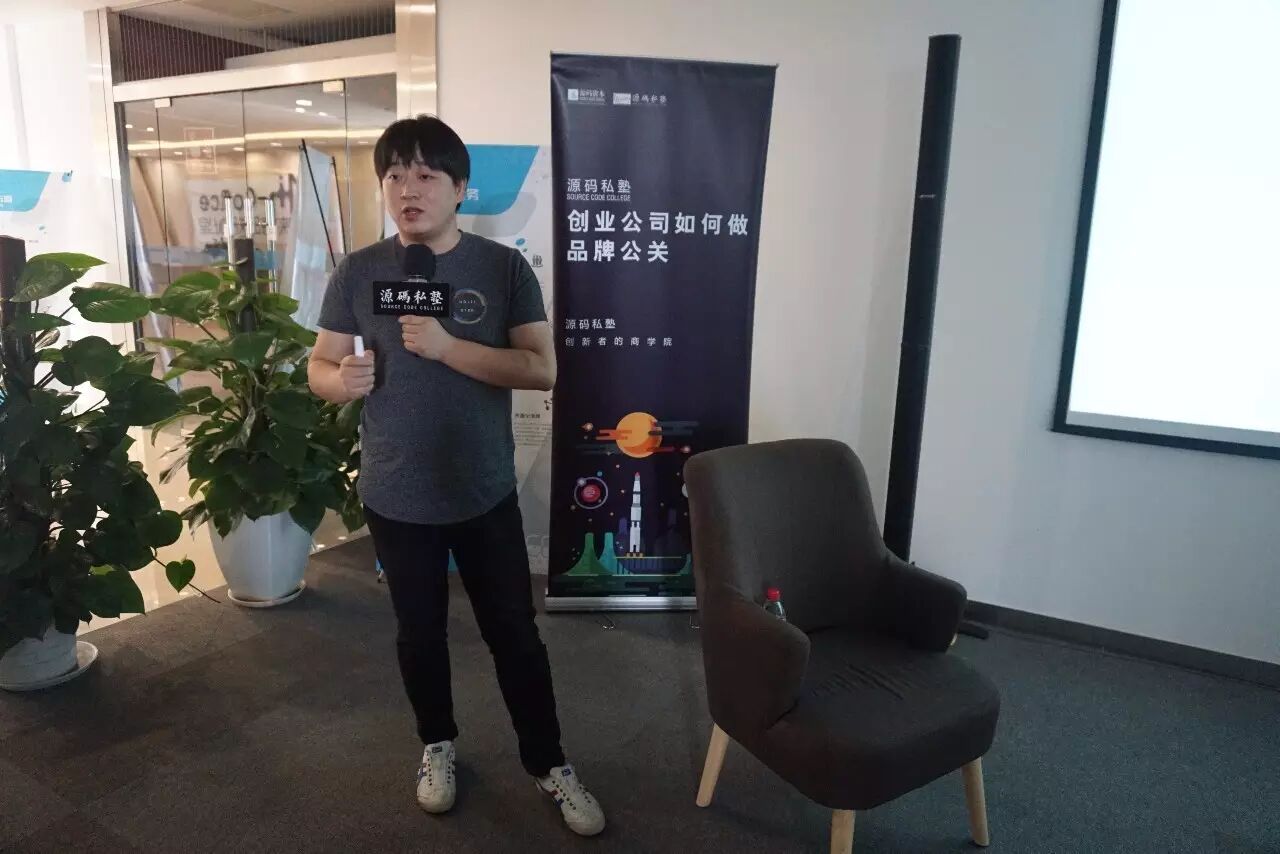
Yadong Qiang: CEO of A Cotton Flower, co-founder of Call a Duck. A post-90s marketing prodigy.
He once built a brand worth over 100 million RMB with zero budget, and orchestrated an internet self-propagation case that shaped a brand in 60 days. He excels at creative content control, market-driven execution, and cutthroat ideas that deliver results without burning cash. Recruited by Baidu before graduation, he led the construction of Baidu's fan ecosystem.
How can startups build a brand from scratch? What if there's no budget? What are the ways to do more with less? How do you get users to remember you? Where do you find reliable talent?
At a Source Code Academy session, Yadong Qiang offered startup CEOs practical frameworks and solutions.
Can Startups Build a Brand Without Spending Money?
Startups often harbor unrealistic, illogical "dreams" about branding. How do I build a brand quickly? How do I make something go viral overnight?
Qiang has a phrase for this: too many ideas, too little reading.
"None of it follows normal logic."
Brands require accumulation. Building one demands deep expertise — specifically, an understanding of human nature. When someone drinks Evian versus Nongfu Spring, they're saying something different. The water is basically the same; the difference is the brand.
I've always used a Smartisan T2 phone. Every time I place it on the table, the person across from me immediately gives me a look — "so tasteful."
That's exactly what I want. Through their reaction, my values are expressed.
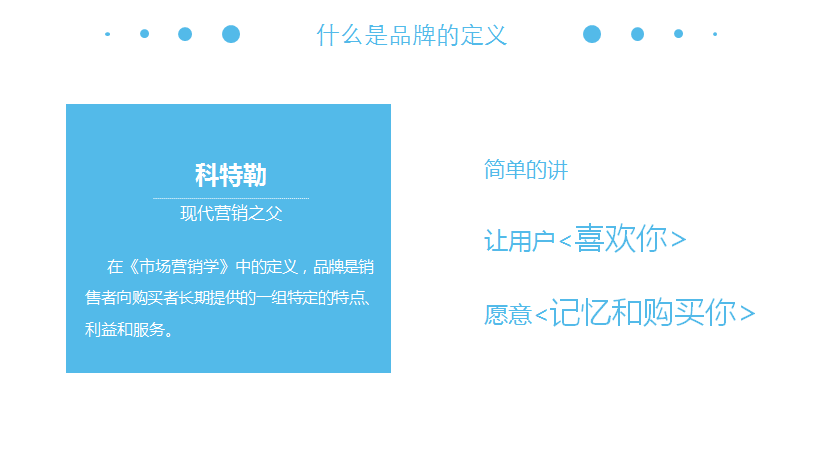
A brand, defined simply, is something that consistently offers specific benefits to its buyers. Put more plainly: getting users to like you, remember you, and buy from you.
There are two kinds of brands. First: whether users are willing to remember you at all. You might do everything right, everything by the book, but will they actually retain you in their minds?
Second: maybe you're not that exceptional, but people are willing to support you and remember you anyway. Brand building isn't just about doing things well or having great packaging — what matters most is the core. The core drives everything external. It's exactly like a person.
Fix the CEO and Team First
We generally assume startups don't prioritize branding. Here are some reasons why.
One: the founder doesn't come from a marketing or brand background. Maybe they're technical or product-oriented. Early on, budgets are tight, and there may not be anyone with professional expertise on the team. They figure they can adjust later, or transform as they scale.
But I believe you need to take this seriously from day one. If you build your brand as Feng Jie early on, you can't turn it into Angelababy later.
Two: the CEO has never spent money. Many CEOs haven't run brand projects or event marketing campaigns in their previous roles. Most likely, they come from non-marketing backgrounds.
At Baidu, why could we build brands? I packaged about a dozen companies. Why could we execute so smoothly without spending much? A crucial reason: I had spent money before.
During my two-plus years at Baidu, I worked on Baidu Tieba, Zhidao, and Baike's core user systems, and also helped with major Baidu event marketing. One red envelope project had a budget of 100 million RMB, with 50 million in prizes — the grand prizes were houses and cars. We had massive room to experiment.
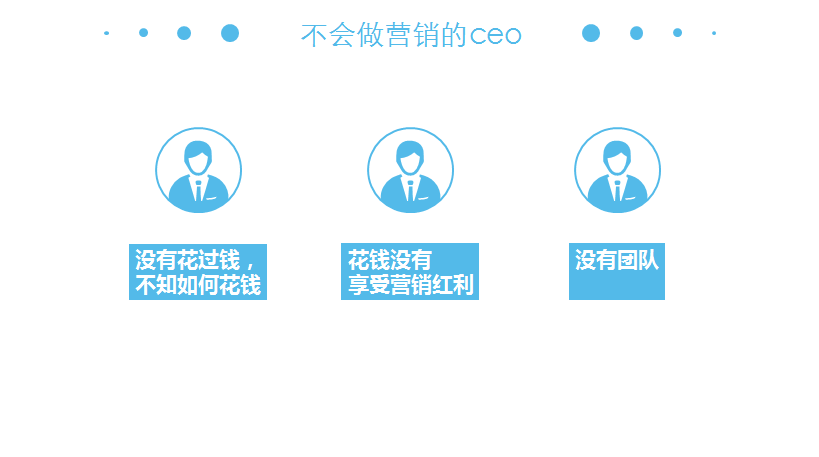
Three: no team. What kind of brand do we want to build? If we want a MUJI-style brand, we need people who've built MUJI-style brands.
If we want a brand with strong craftsman spirit, we need someone who embodies that craftsmanship.
If you hire the exact opposite person, you'll never pull it off. That's guaranteed. Gene-level problems can't be changed. However strong your learning ability, it still takes time. So when I see companies that can't do marketing, the issue usually traces back to the CEO or whoever's running marketing or brand. It's always a people problem. People matter. Find the right ones, and fully empower them.
Zero-Budget Solutions
When I built Call a Duck, I didn't spend money either. We genuinely had none. No budget.
Marketing and branding have nothing to do with company size or budget. When you have no money and ask someone to promote something for you, the question is: are they willing?
Call a Duck wasn't the original name. But I felt it perfectly captured human psychology.
Here's a real scenario: a woman says, "I'm tired after work, I'll call a duck to treat myself." Translated: I'm lonely, but I can't say I'm lonely, so I'll say I'm treating myself to a duck — is anyone coming to keep me company? She posts this on Moments, and it spreads naturally.
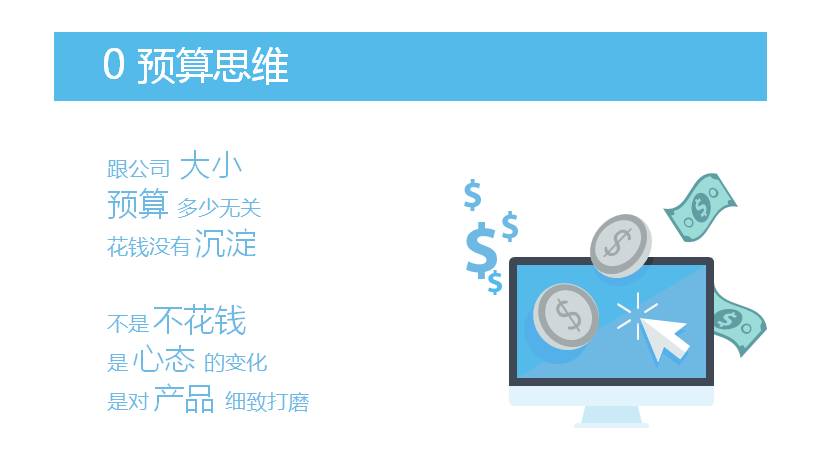
Good content spreads itself. Money has nothing to do with it.
Don't advertise for advertising's sake. You create all these self-amusing skits to push your ad — it's still an ad. You rope in relatives and friends to spread it, but you know how annoying ad people are. First share is fine; second share, they don't even want to look. We can't force this.
When something won't spread, the core issue isn't that you didn't push hard enough — it's that you haven't examined your own problems.
If we think this through, there's no need to spread for spreading's sake. You can simply not do it. Doing it poorly wastes money and energy. Flip your thinking, and content打磨 takes on a different dimension.
A Good Name Equals a Super Symbol
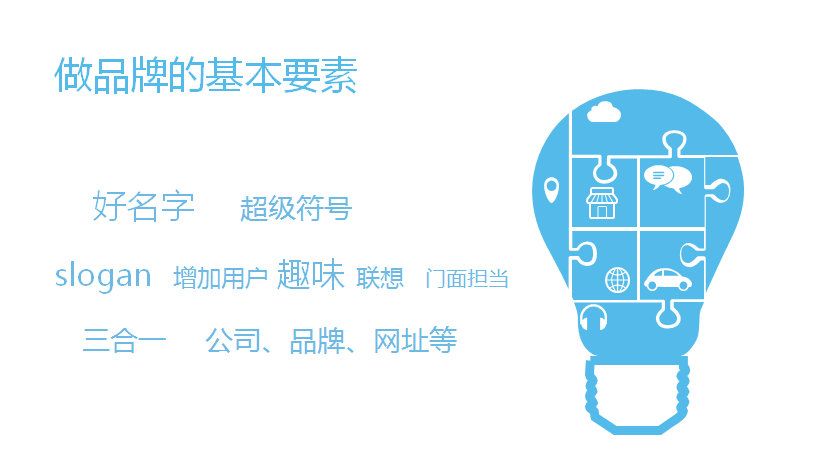
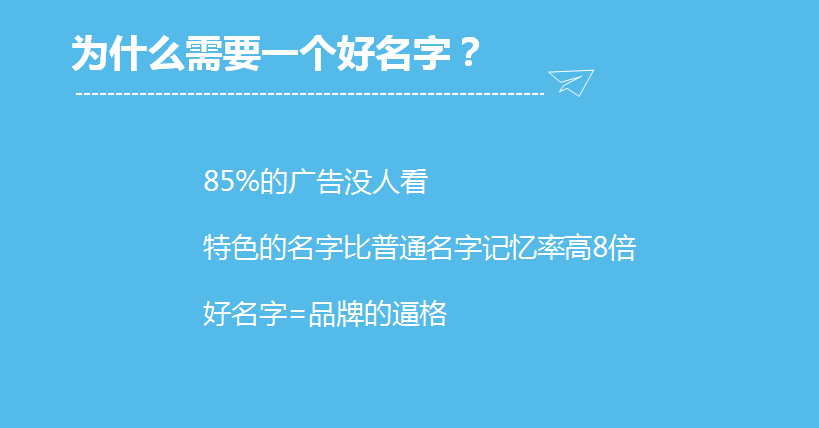
How do you build a brand? Most importantly, have a good name. A good name equals a super symbol — it makes people remember you.
A good name equals a brand's bige [sense of quality/style]. Names matter. A few examples: A Chicken, Six Nuts, Deskmate Xiaoming, Country Chicken...
Never rip off company names or slogans.
Many CEOs think they need to sound incredibly impressive. That's self-indulgence — you think you're amazing. Users don't really care; they're more interested in your product and what directly affects them.
What makes a good slogan? I love this office chair brand called Black and White Tone. I've mentioned their chairs in many settings: "Sleeping on this chair is more comfortable than sleeping with a man." That perfectly captures youth culture.
Slogans serve different functions. Results-oriented: "Afraid of getting hot? Drink Wang Lao Ji." Value-oriented: "We don't produce water, we're just nature's delivery crew." There's also "born proud" — don't copy Smartisan, you don't have that depth of craft. Or practical: "An awesome comic every minute" — Kuaikan Manhua.
How do you produce these lines? Avoid what everyone can think of. Because people — founders and CEOs especially — always collect information that favors them. So you need to disrupt that favorable information gathering.
True focus. Marketing and branding, I believe, are about solving problems. If what you're doing doesn't solve a problem, it has no reason to exist.
One thing solves one problem, in sequence. Marketing does marketing, brand does brand, sales does sales.
Don't conflate everything — it's just short-term versus long-term interests. With short-term interests, all your orientation becomes passive; you're always chasing conversions. Brand is long-term. It's about vision — how far you see depends on how well you execute now. And the sequence must be clear.