Novosight Micro-LED Micro-Display Chip Mass Production Line Begins Operations, Ushering in a New Era for Micro-Display Technology | Unity Ventures Portfolio

A critical step in the journey from technology to commercialization
On March 19, 2025, Unity Ventures portfolio company "NoSee Technology" officially launched production at its first-phase Micro-LED microdisplay chip mass-production line. This milestone marks a major industrial breakthrough for NoSee in the Micro-LED microdisplay sector, laying a solid foundation for the company's own growth while injecting fresh momentum into the global microdisplay industry.
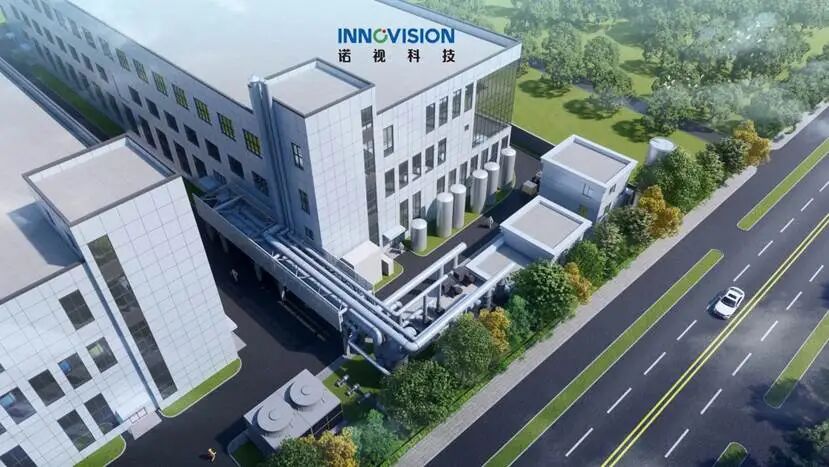
NoSee Technology production line in Deqing, Zhejiang

Looking Back: From Technical Breakthrough to Mass Production
Since its founding in 2021, NoSee Technology has dedicated itself to the R&D and commercialization of Micro-LED microdisplay chips. The company independently developed its VSP (Vertically Stacked Pixel) technology, successfully breaking through the technical bottleneck that had limited the miniaturization of pixels in conventional microdisplays and achieving significant improvements in both performance and yield.
As a representative of next-generation display technology, Micro-LED has drawn considerable attention for its high brightness, low power consumption, and long lifespan. Yet its complex manufacturing process and high cost have long been critical challenges the industry has struggled to solve. NoSee's VSP technology, built on innovations in large-size epitaxy, homogeneous integration processes, and precise damage-free substrate removal methods, substantially reduces production costs while delivering outstanding achievements in pixel density and performance improvement.
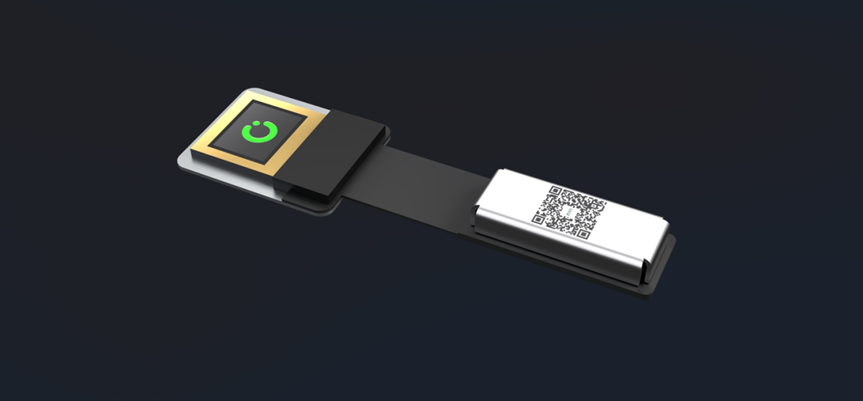
NoSee Technology 0.12-inch microdisplay chip
In September 2023, NoSee successfully completed the full VSP process flow, achieving wafer-level integration of AlGaInP and GaN material systems and lighting up a three-color stacked engineering sample. In April 2024, NoSee successfully demonstrated the world's first XGA vertically stacked full-color Micro-LED microdisplay chip, built on its WLVSP technology platform with integrated RGB subpixels and a CMOS driver backplane — a major breakthrough for the company in the Micro-LED field. That August, NoSee introduced a production-grade monolithic full-color XGA Micro-LED chip, with peak brightness exceeding 500,000 nits, further cementing its leading position in Micro-LED microdisplays.
The mass-production line going operational represents a critical step in the commercial translation of Micro-LED microdisplay technology. NoSee broke ground on the line in March 2024. Drawing on its deep expertise in chip technology and manufacturing, and powered by the team's relentless round-the-clock effort, the company brought the line into production by March 2025 — less than a year later. As production capacity continues to ramp up, NoSee will supply high-performance Micro-LED microdisplay chips for AR/MR wearables, micro-projection systems, HUDs (head-up displays), and digital automotive lighting, while offering customized microdisplay solutions to downstream customers.
Future Outlook: Technology Enabling a New Microdisplay Ecosystem
Yazhou Wang, founder of NoSee Technology, commented: "The production line coming online marks an important milestone in NoSee's development. This carries significance not only for our company but for the entire Micro-LED microdisplay industry. Through continuous technological innovation and capacity expansion, we will drive broader application of Micro-LED technology and contribute to the advancement of the global microdisplay industry."
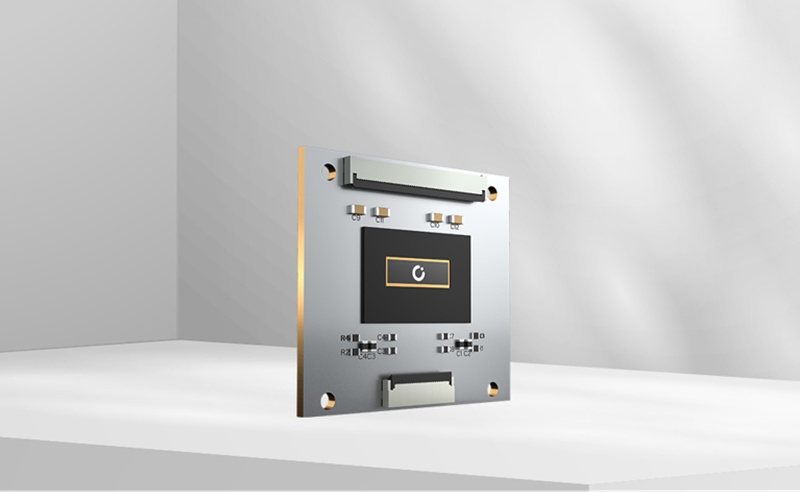
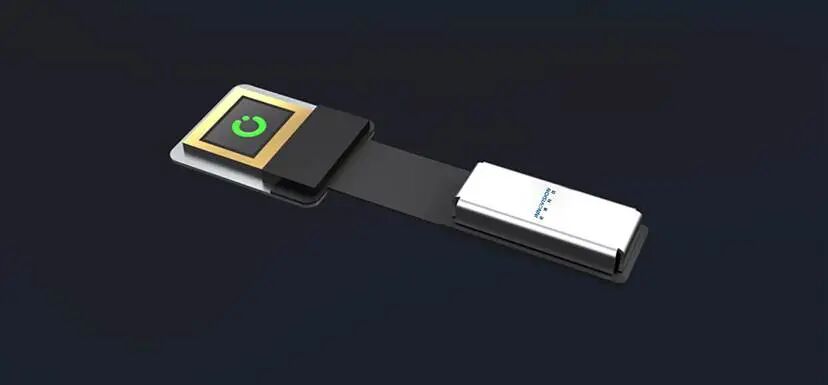
NoSee Technology 0.61-inch microdisplay chip
With its first-phase production line now operational, NoSee has entered an entirely new phase of growth. Going forward, the company plans to further expand capacity, continue promoting the widespread adoption of Micro-LED microdisplay chips, deliver more intelligent and immersive visual experiences to users, and explore the integration of AI with microdisplay technology — helping to cultivate a new ecosystem for the microdisplay industry.


- "NoSee Technology" Achieves Another VSP Breakthrough, Unveils Production-Grade Monolithic Full-Color Micro-LED Microdisplay Chip | Unity Ventures Portfolio
- "NoSee Technology" Demonstrates World's First XGA Vertically Stacked Full-Color Micro-LED Microdisplay Chip | Unity Ventures Portfolio
- Micro-LED Microdisplay Chip Developer "NoSee Technology" Closes 100-Million-Yuan Pre-A2 Round, Proprietary VSP Solution Tackles Commercialization Challenges | Unity Ventures News