Humble enough, and life becomes a miracle.

Consultant Vitality

From our first introduction to this piece, we have now published three prefaces to The Way of Zen in total.
Today's foreword comes from Mr. Eniao, founder of the independent publishing house Federal Cavalier.
Through a recommendation letter that reads like a soliloquy — restrained, candid prose — he responds to what "the way of the heart" means to him.
Open to the Feelings and Experiences of the World
Eniao
This is an age that can be summarized as experiential and consumerist, yet devoid of transcendence.
People inhabiting the secular world, lacking ultimate meaning, can only set their sights on an unrealistic vision of the "good life" as a goal — consuming for it, being fed one experience after another.
Because we always feel we're just one experience away from the good life. If only we buy that sports car, that house. If only this startup succeeds, if only we get that promotion. If only we could live with him or her. Then we'd have the good life.
Indeed, the deception of consumption lets us escape into the imagination of a better world. All these consumer goods conspire in some way to make us believe that if we just buy one more thing, we'll run into happiness around the next corner. The age seems to offer us a world "without constraints, without responsibilities," yet everywhere there is a terrifying monotony, a nameless anxiety, a petty emptiness. Self and world grow ever more separate. Only exhaustion remains — the urge to lie flat, the longing for ease, the absence of vitality.
At this moment, you're driving an electric car through noisy streets. Autonomous driving gives you the chance to let your mind wander. Suddenly you turn a corner. Sunset spills across the glass curtain walls of skyscrapers, refracting into a magnificent gold that renders the whole world as glorious as a celestial city. You are stunned. Nothing remains in your mind but that beauty, that wonder.
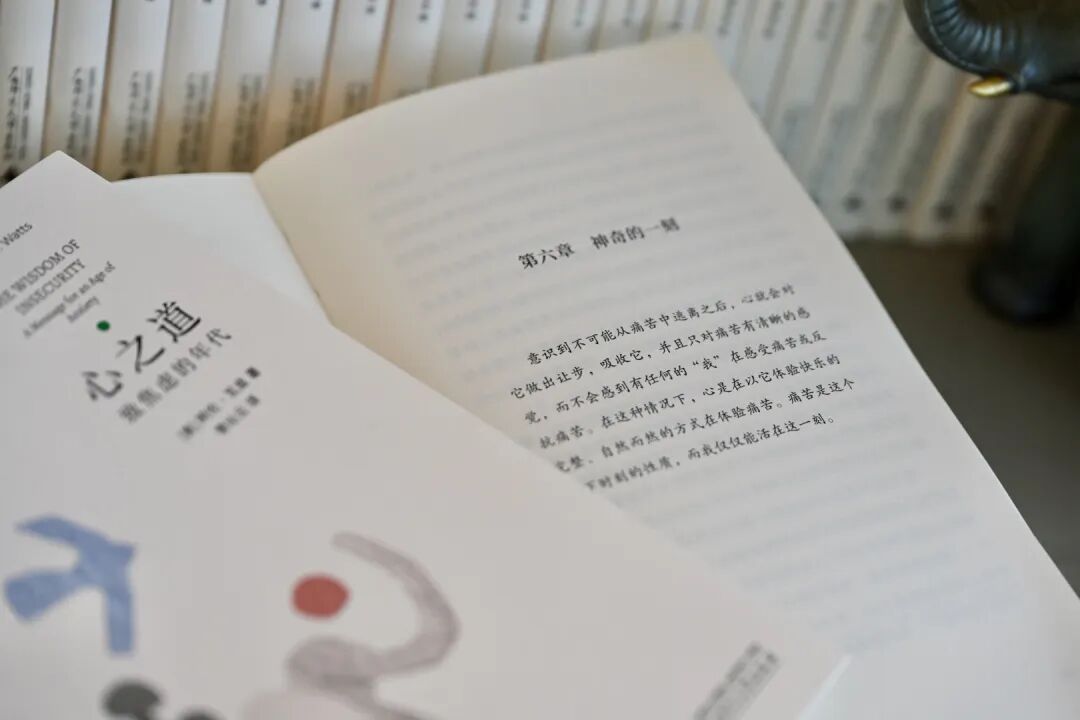
You cannot speak. No toil of work, no pressure of mortgages, no confusion of emotions, no painful past haunts your heart. The only experience you have in this moment is what enters your eyes — this present instant, fused with your entire being. Watts said that in the very moment of experiencing something, we forget that we are experiencing it; this is the most complete possession of that moment. Yet the moment we become conscious that we are experiencing it, the moment consciousness registers the existence of "I" — that is already another thought, another moment. This too is what Patanjali's Yoga Sutras describes: the experiencer and the experience becoming one. You forget who is experiencing, and who is being experienced. A feeling of complete fullness pours into the body. Life awakens again.
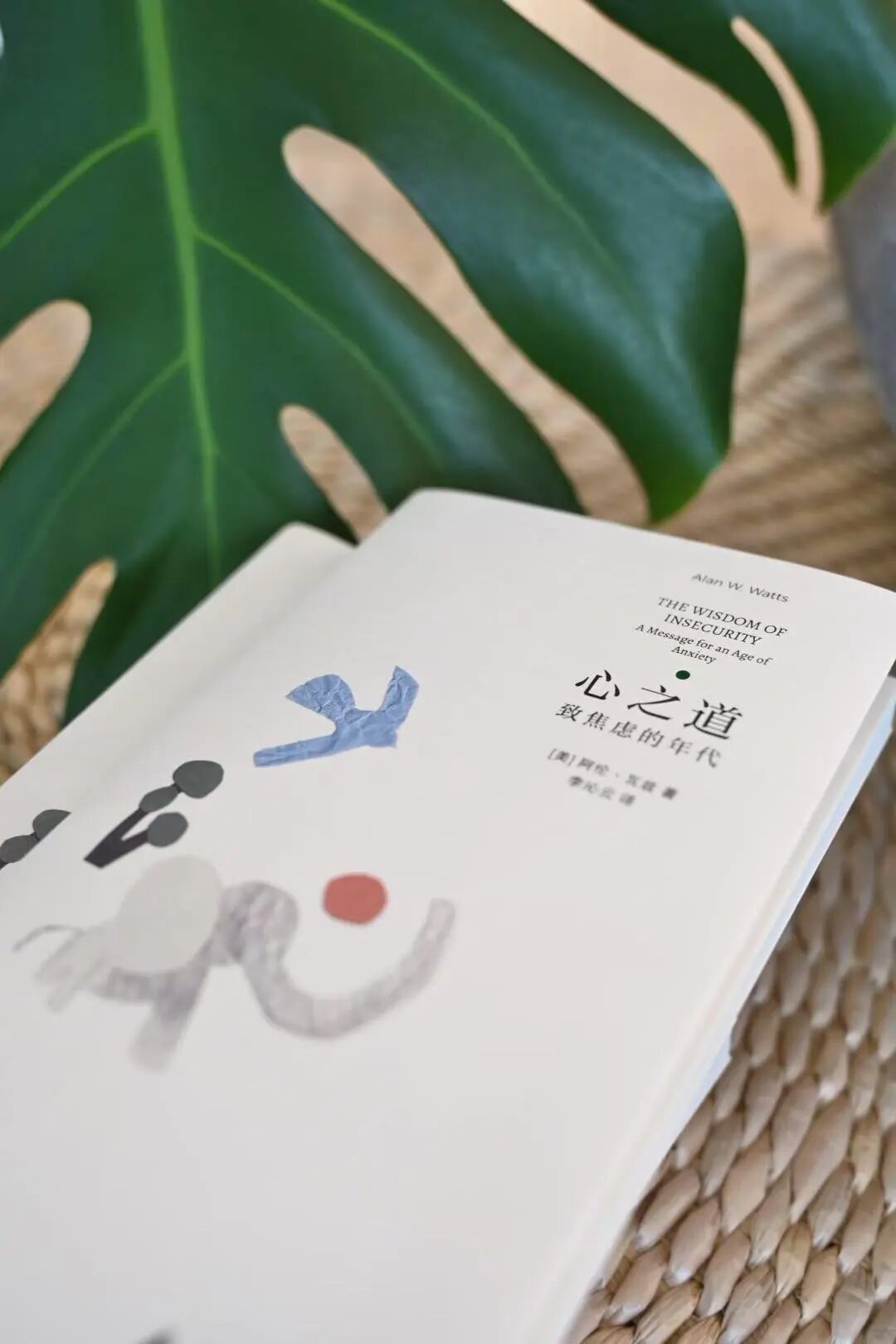
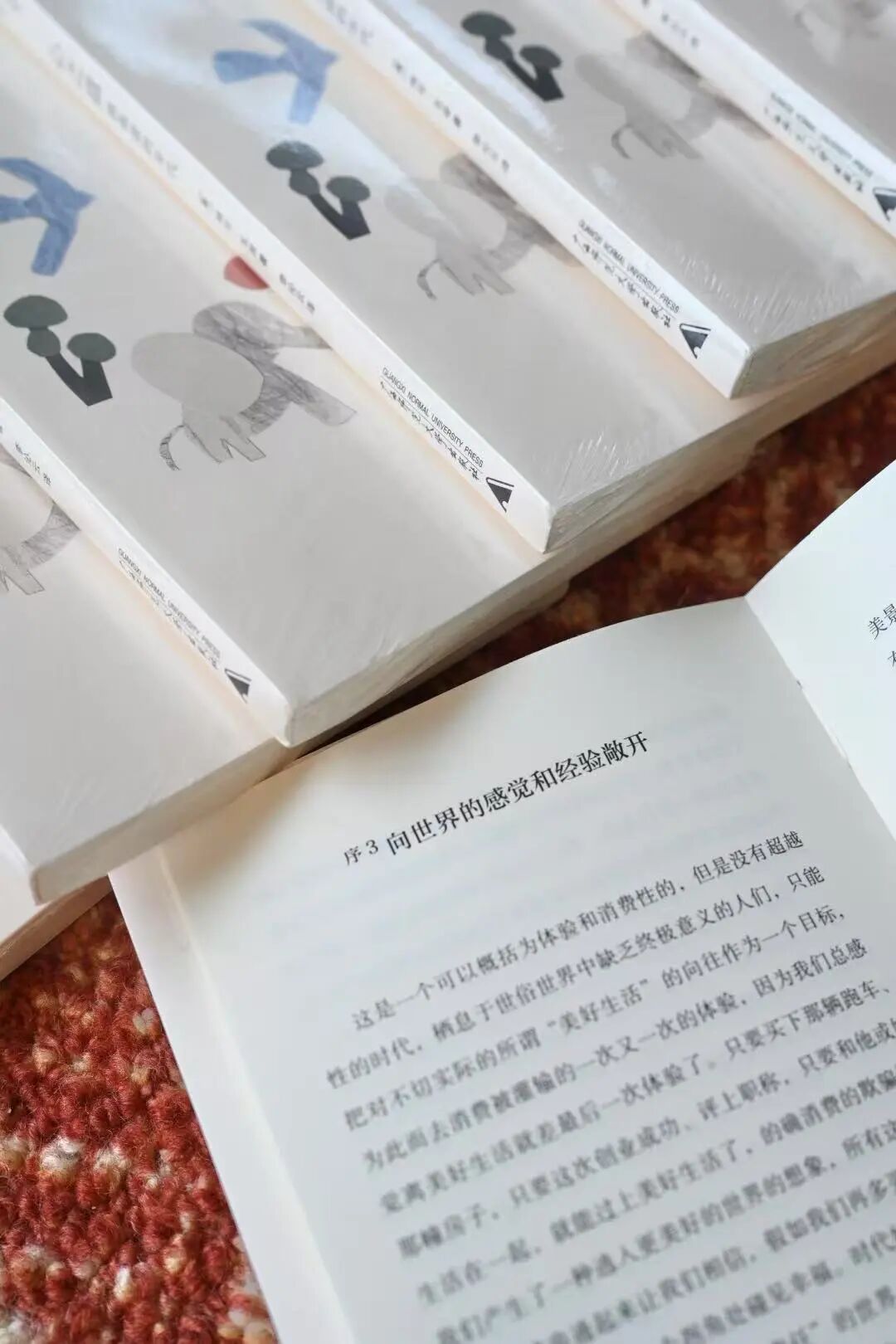
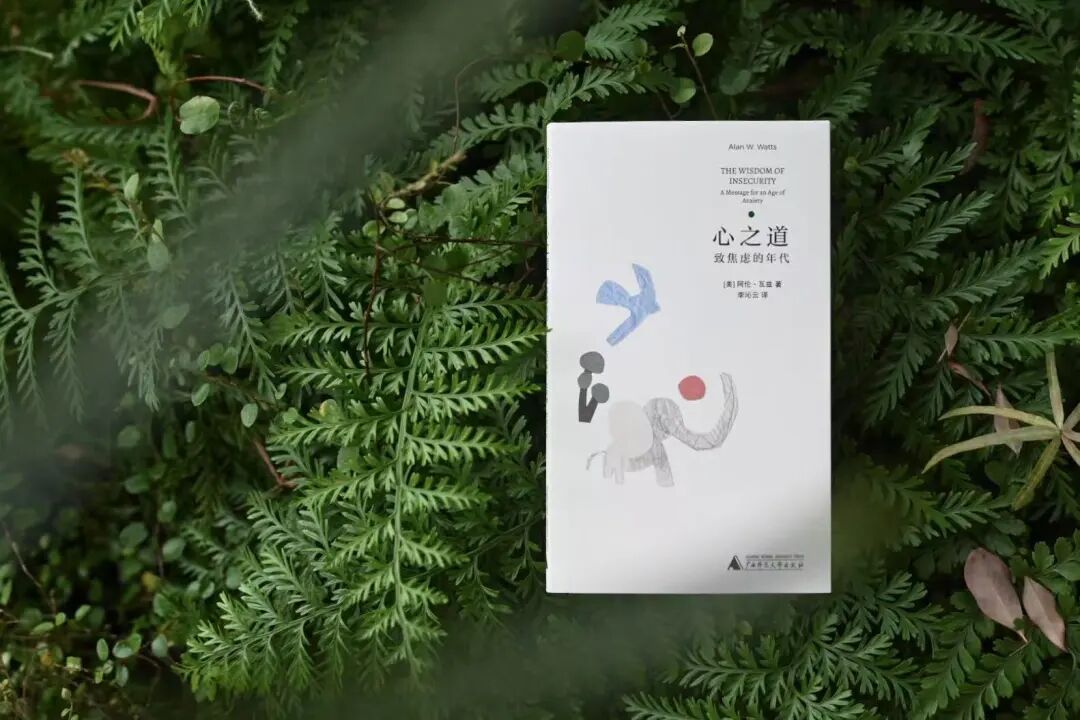
Alan Watts's book seeks to teach precisely this wisdom of living. Not passively waiting for it to descend, but gradually cultivating the serenity, peace, and joy that come with it. In an environment of constant flux and extreme instability, to know one's position in the age is to know how one spends one's time in life; and this in turn determines how body and spirit exist — that is, how a person finds their place in the age. Once this is thoroughly understood, one knows how to let go (śīla), how to focus on one thing or on all things simultaneously (samādhi), and from there, the wisdom that naturally arises.
This wisdom differs from worldly cleverness. The cleverness of the world is called "worldly wisdom and eloquence" — one of the eight difficulties in Buddhism. It refers to using ordinary, petty cleverness to debate right and wrong, to scheme and speculate. This wisdom does not naturally emanate from a stable state of body and mind; that is, it is not wisdom born of concentration, which is born of discipline. Instead it skips over discipline and concentration, going straight to discrimination. That is a deviant wisdom, called discriminating wisdom. First, it is unstable. Second, it is not ultimate. Third, because it is not held by discipline, it is impure.
As the book says, without discipline and concentration, people's eyes sweep restlessly across phone and computer screens. On these media, through a series of titillating rapid-fire displays of gleaming cars, dazzling female bodies, and other sensory indulgences, they are kept in a state of "unreleased climax"... The promotional copy and slogans accompanying these images are crafted in the same style: insatiably provocative, replacing every partial satisfaction with a new desire.
Of course Alan Watts will not teach us how to become enlightened. Enlightenment is too vast to be deserved. Who deserves enlightenment? You must humble the self. Our selves are "wrapped up," not "transparent." A transparent self is open to all feelings and experiences of the "external" world. Because our schooling only teaches us concepts, our experience can be intellectual, emotional, sensory, and so on — but it is not "whole." When you are sufficiently humble, you return to your true self that is nothing at all (returning to the seat of the self). A transparent self begins to emerge. This is what Alan Watts will teach us. Then you will see that complete nothingness, the fullness of emptiness, and thus see all things.
Life becomes miracle.
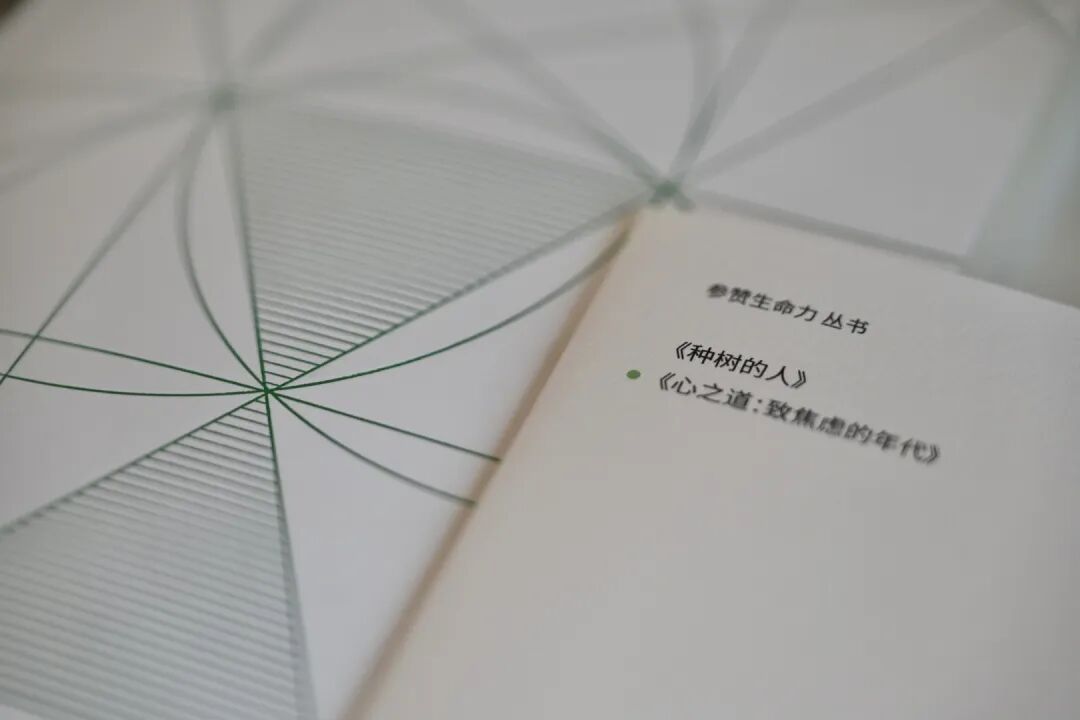
At this moment, this little book about "vitality" is officially published.
If you too are interested in The Way of Zen
and wish to read it
please leave us a comment
and scan the QR code to complete a registration survey

Heart to heart, in this age of anxiety, let us together participate in and celebrate the vitality of life.