"LimX Dynamics' Bipedal Robot P1 Goes Hiking in the Wild | Oasis Vitality"

Counselor Vitality

Powered by reinforcement learning (RL), LimX Dynamics' bipedal robot P1 made its first trip to Tanglang Mountain, a suburban park in Shenzhen, for a zero-shot, unprotected, fully open-field test — straight out of the box. In a completely unfamiliar wilderness environment, it dynamically traversed multiple complex terrains, demonstrating exceptional control and stability honed through RL training.
LimX Dynamics bipedal robot P1 completes wild forest hiking test based on reinforcement learning. LimX Dynamics has long-standing expertise in reinforcement learning and is currently focused on translating cutting-edge RL techniques into systematic R&D capabilities that support product development. The company has developed its own RL R&D framework, centered on three core pillars: a Real2Sim2Real closed loop, neural network architecture design, and data generation mechanisms paired with training algorithm design. Combined with continuously improving process management and algorithm validation, this framework drives the development of critical humanoid robot capabilities.
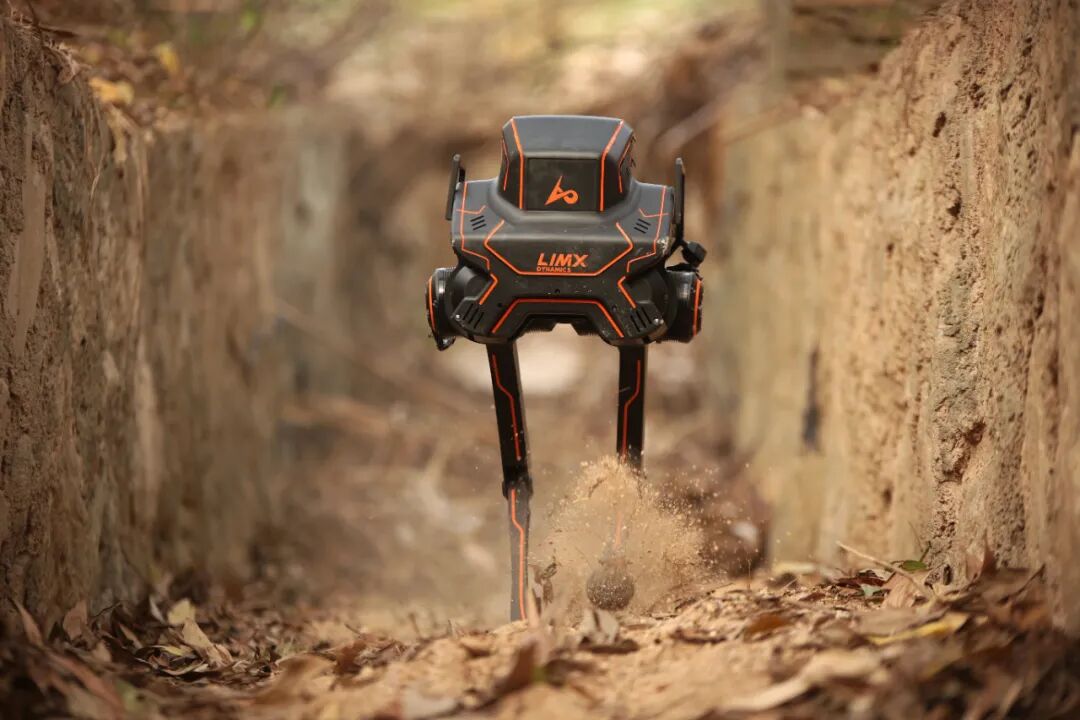
Bipedal robot P1 walking dynamically and stably through a narrow ditch
P1 is a novel bipedal robot that LimX Dynamics was the first in China to introduce, and it serves as a critical platform for the company's systematic RL R&D and modular testing, advancing the development and iteration of fundamental bipedal locomotion capabilities. P1's successful conquest of wild forest terrain represents the fruits of LimX Dynamics' systematic RL R&D and showcases the capabilities of its three core pillars.
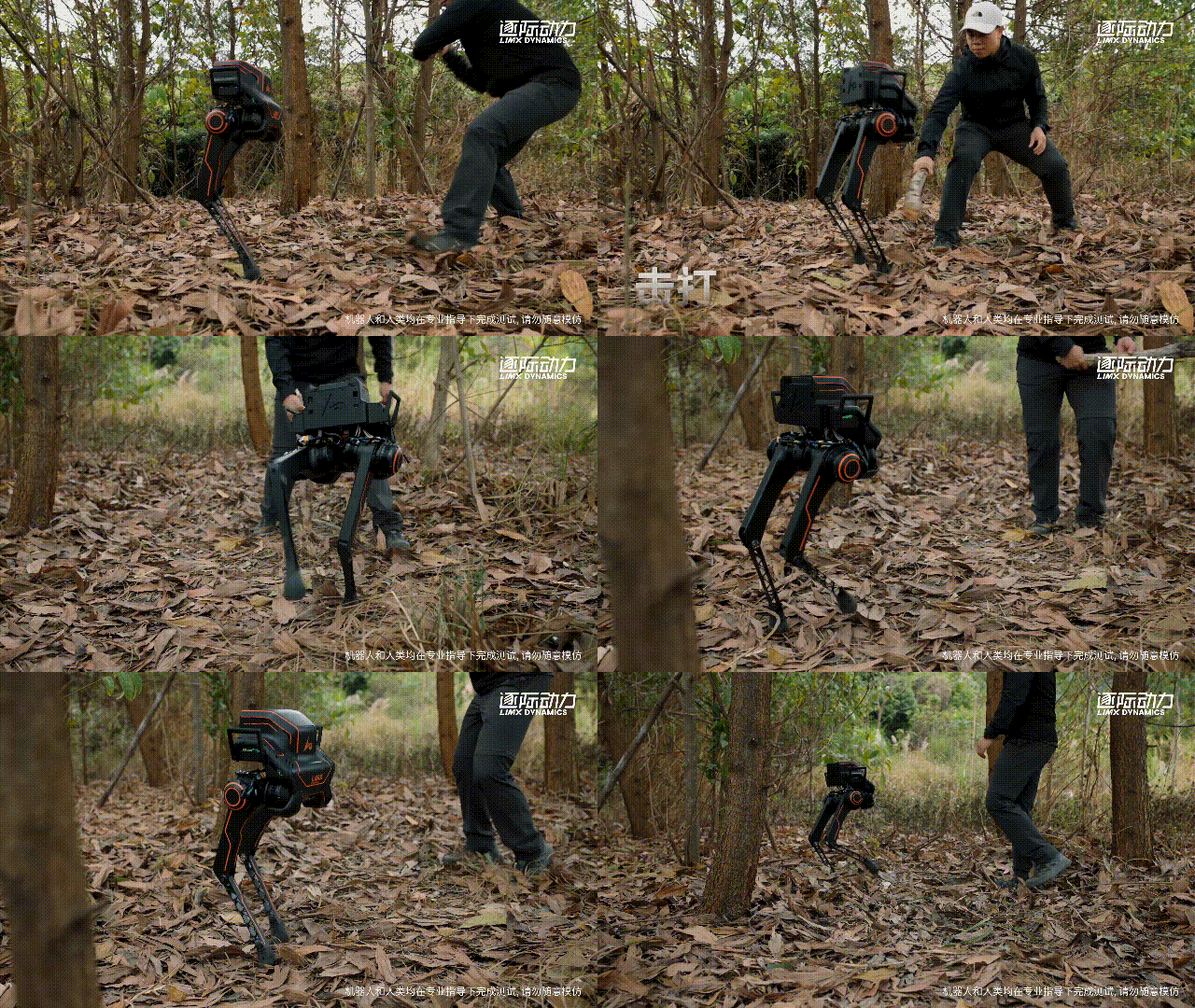
Bipedal robot P1 demonstrating strong anti-interference capabilities under heavy striking
Real2Sim2Real Closed Loop
From Real2Sim to Sim2Real, creating an automated data-to-data closed loop. Whether collecting real-world data to generate simulation models or deploying simulated policies onto hardware, LimX Dynamics aims to fully automate the entire process — from data generation and transfer to deployment — minimizing human intervention, narrowing the gap between simulation and reality, and improving training efficiency and quality.
Neural Network Architecture Design
Neural networks are not black boxes but scientific, systematic complex structures that determine the upper limit of RL capabilities. Their architecture design reflects the distinctive characteristics and strengths of different teams. LimX Dynamics' neural network comprises various modules — how to divide these modules, how to define each one, and what the input-output interfaces are — these design choices are critical. The neural network architecture LimX Dynamics has built can effectively handle massive disturbances from environmental interaction and hardware variation, generating adaptive control strategies that enable the same neural network to work across different robots and scenarios.
Data Generation and Training Algorithm Design
In reinforcement learning, data is key to training — but larger data volumes don't automatically mean better results. LimX Dynamics has focused on solving the problem of scarce effective data, proposing an Iterative Pre-training method that divides general robotic locomotion capabilities into different levels for progressive, step-by-step pre-training. This process makes training outcomes more controllable, enabling efficient production and collection of effective data to train high-performance policies.
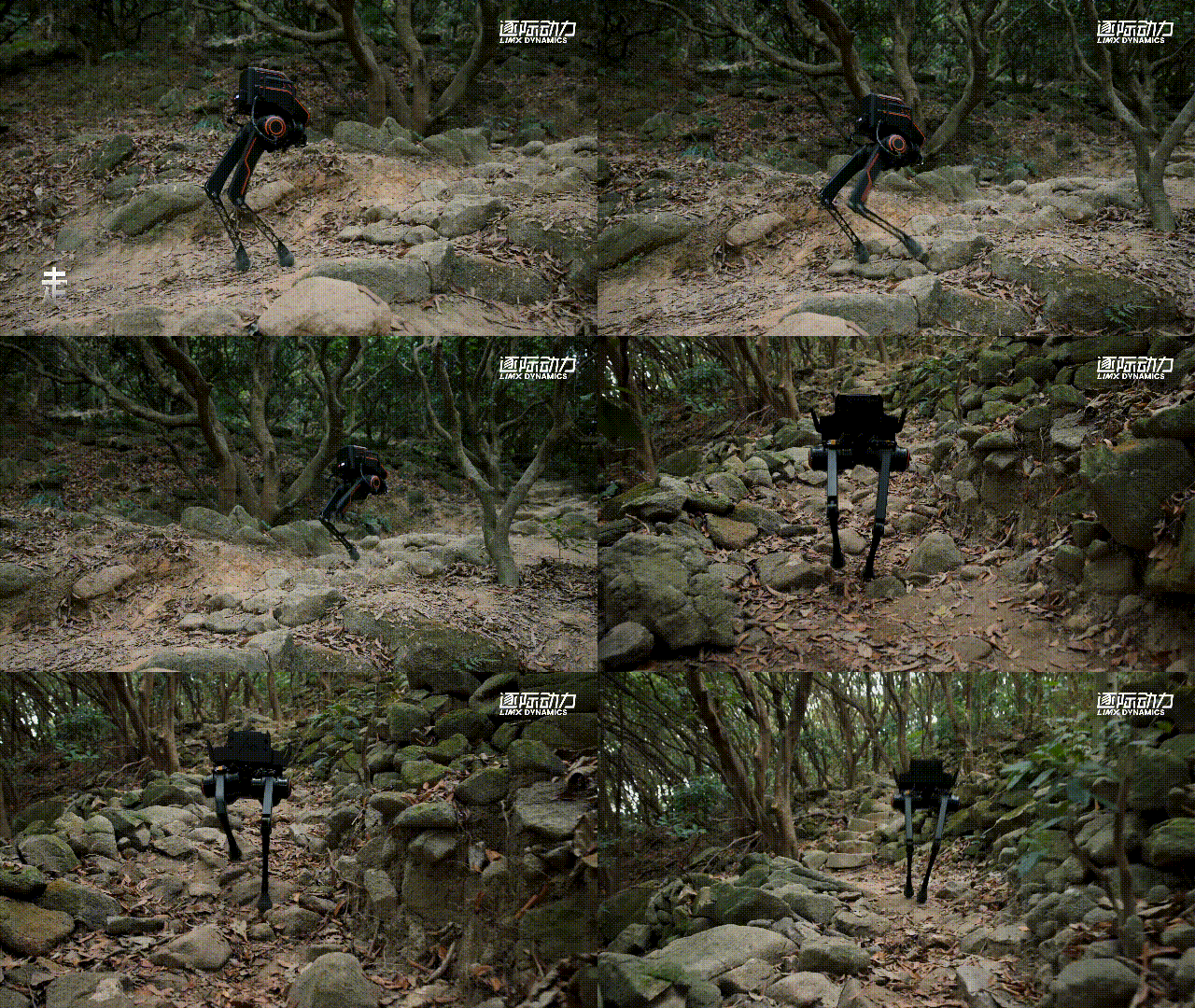
Bipedal robot P1 walking freely on rugged mountain paths
In this test, the biggest difference between the wild and laboratory or urban environments was that no two steps or slopes were alike. From mountain base to summit, the terrain changed dramatically: water erosion exposed subsurface rock, tangled vines covered slopes, weathered soil layers turned to sand and mud, and makeshift ditches built from local materials took on irregular shapes. These were all scenarios P1 had never encountered. They weren't easy for ordinary people to overcome either. P1 was never fed any data related to forests or hiking during training — the deployment environment differed enormously from its training conditions — yet it could still adapt to entirely new environments and walk freely through the unpredictable forest. This is thanks to LimX Dynamics' systematic RL training, ensuring that R&D outcomes are feasible, usable, and reliable in real-world applications.
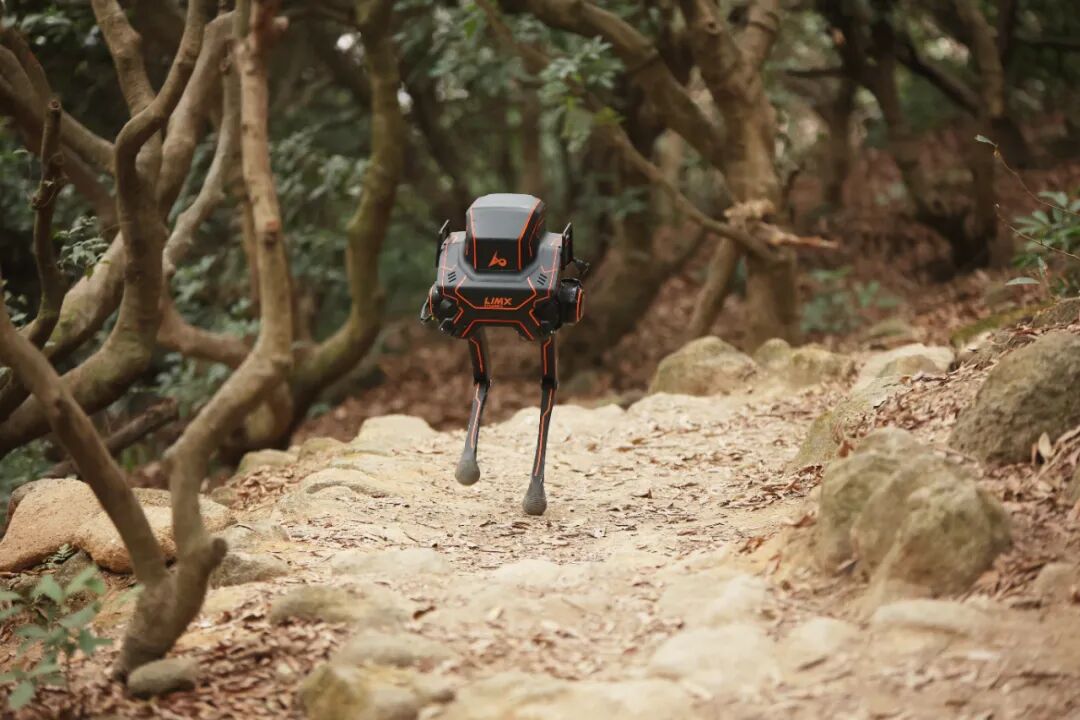
Bipedal robot P1 undergoing zero-shot, unprotected, fully open-field testing in wild forest
The four pillars of embodied intelligence R&D are hardware, algorithms, data, and compute. Reinforcement learning is a critical technology stack within algorithms. LimX Dynamics emphasizes systematic R&D processes and capabilities. P1 became the first bipedal robot in China to successfully hike in the wild, proving the advanced nature of this technical approach. Beyond locomotion, LimX Dynamics is also making continuous breakthroughs in manipulation and loco-manipulation on humanoid robots, with more progress to share soon.
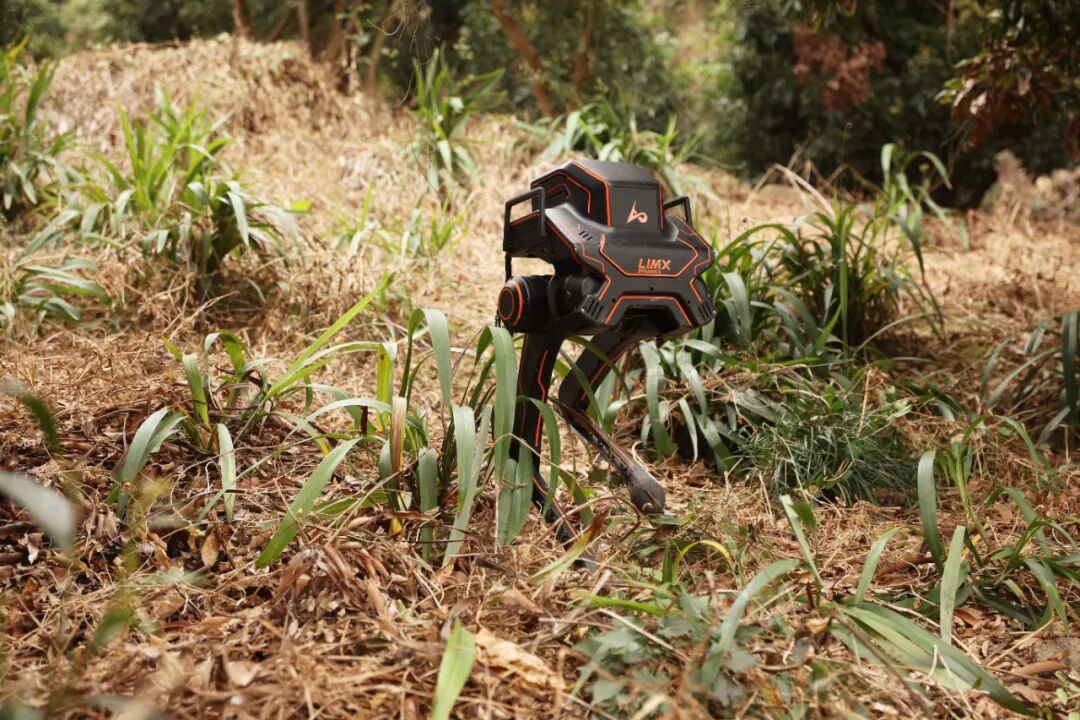
LimX Dynamics' systematic RL training ensures R&D outcomes are feasible, usable, and reliable in real-world applications
For product purchases and project collaboration, please contact: bd@limxdynamics.com