Talent Recruitment Strategies and Organizational Breakthroughs for Startups | Vital Views

Counselor Vitality

People are always the most critical factor in any startup journey.
How to develop talent strategies that fit a company's growth stage, and how to build organizational management models that continuously attract top talent, remains one of the toughest challenges for startups.
Recently, Oasis Capital hosted a closed-door salon in Shanghai, inviting a human resources expert with nearly 20 years of experience at a company with over 100 billion RMB in market cap. The session focused on talent challenges faced by portfolio companies at different development stages, with nearly three hours of sharing and discussion.
Over 30 founders and senior executives from portfolio companies attended.
Below is a partially redacted summary of the session. Enjoy.

2,134 words, approximately 7 minutes to read
Three Flexible Tools for Quickly Identifying Top Industry Talent
"Recruiting is essentially a systems engineering problem.
When business and HR collaborate effectively, plan well, manage the process, and get the inputs right, the outputs follow.
It's a probability game."
The expert noted that talent acquisition is never a one-and-done effort — it breaks down into early, middle, and late stages.
The most fundamental question is clarifying the philosophy that will guide your hiring.
Among the three core tasks for early-stage companies — "find people, find money, set strategy" — understanding the "find people" piece is especially critical. "Recruiting is the most important job for any business leader." Hiring core executives in particular demands significant time and energy from the founder.
Across the full talent acquisition pipeline, entrepreneurs can leverage three tools to support their efforts.
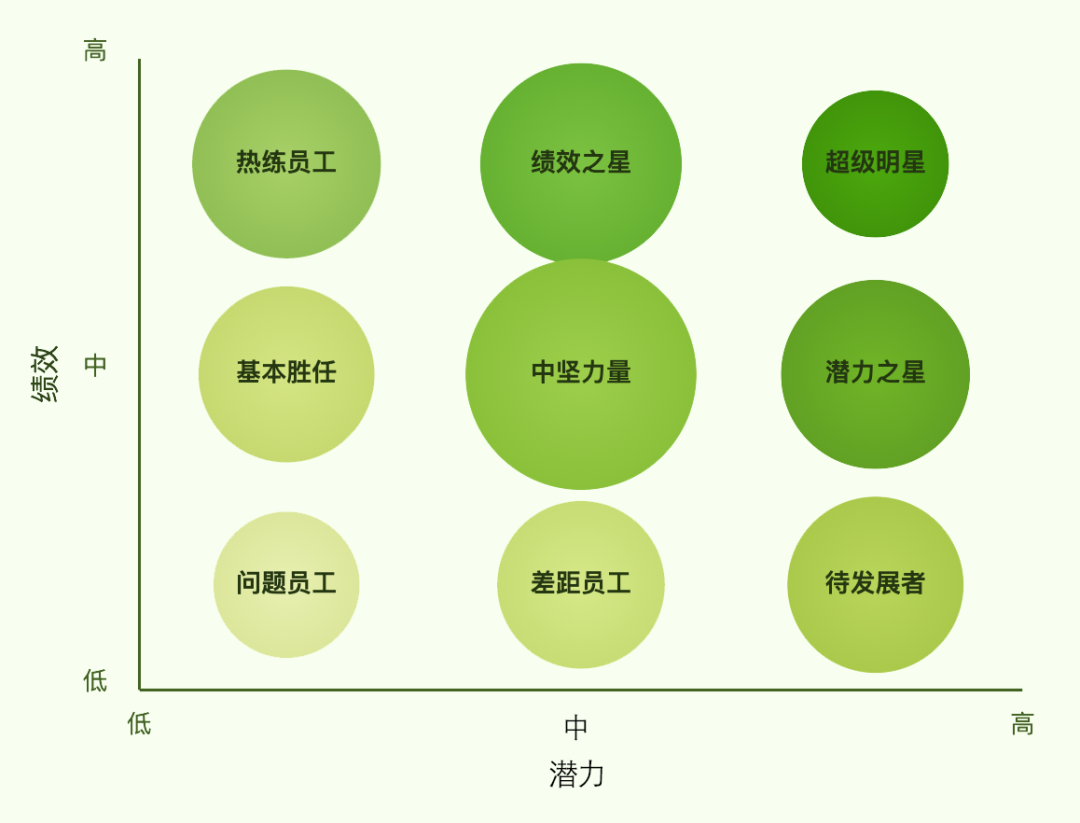
The first is an internal talent inventory, which provides clearer visibility into your organizational structure and each individual's capabilities. "The vertical axis tracks performance; the horizontal axis tracks future growth potential. Even someone highly experienced may struggle if their ability to adapt and learn can't keep pace with rapid company growth." Even at early stages, companies should analyze talent by department and function, enabling more grounded adjustments to management and organizational direction.
The second tool is building an external talent pool. Talent needs must be anticipated from the business side, well in advance. "Start a year ahead if you can, six months at minimum — because trust between people takes time to build."
The expert emphasized looking outward to the market, conducting industry mapping, and continuously building profiles across dimensions like industry, company, and strategic position within the business ecosystem. At the same time, external talent situations are never static — they're constantly evolving. Companies should update their "talent maps" dynamically every three months based on their own needs.
Tool three: recruiting plan and process trackers, which help companies clearly identify which specific stages of talent acquisition can be optimized.
The expert gave an example: "Take low pass rates alone — you can build a data funnel to analyze the recruiting process. When we say pass rates are low, is it the first or second round? Is it screening or HR review? Could there be issues with job leveling or compensation structure?" Breaking it down by stage and step ultimately surfaces root causes and improves recruiting efficiency.
Systematic Methodologies to Refine Recruiting and Holistically Assess Talent Fit
With solid preparation in place, execution also follows systematic methodologies.
The recruiting industry's foundational 4S model — Standard, Sourcing, Screening, Securing — can be optimized at each stage, even for startups.
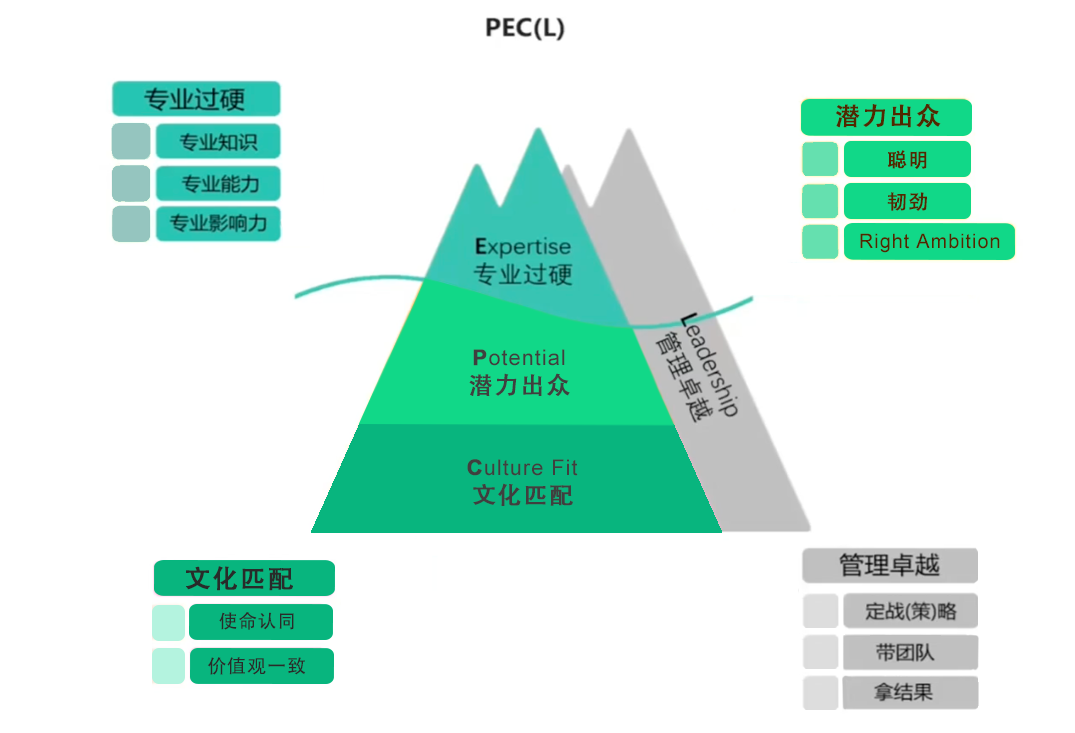
Central to recruiting is making grounded, criteria-based judgments about people. When establishing internal standards, the "PEC(L) model" offers a useful framework. Through its four dimensions — Professional excellence, Exceptional potential, Cultural fit, and Leadership strength — companies can design interview stages to assess each one.
For talent sourcing, early-stage startups need more than just the "talent map" covered earlier. They should expand their reach through the founder's personal and professional networks, industry conferences, and executive search partnerships. "Attend forums regularly, organize them too. Your alumni networks are also worth mining during industry events."
During screening, founders and business leaders should flexibly apply behavioral interviewing to better assess fit, with detailed follow-up on Situation, Task, Action, and Result.
"Why do so many hires seem great in interviews but don't pan out?
Often it's because the interview process wasn't handled well.
Some candidates may attribute knowledge, halo effects, or team results to their own experience.
As the interviewer, you have to ask, and keep asking."
For such cases, the expert offered a behavioral interview follow-up method, with sample questions: "Why was that specific target set? What was the background? Why that approach? When was it initiated? What did your manager expect? How were roles divided? What did others contribute?"
Another soft-skill screening dimension — and the hardest to judge — is "cultural fit."
Interviewers should examine candidates' past experiences and behavioral choices in depth, understanding their preferences regarding company and business types, then compare against your own company's characteristics to determine whether they can truly join and adapt to your specific work and cultural environment.

In the final decision stage, every interviewer involved should provide comprehensive ratings and assessments, yielding a more balanced talent profile and enabling better salary and role alignment.
The expert also noted that even after candidates pass interviews and join, companies should actively help new hires integrate during their probation period.
"If possible, managers should do weekly reviews.
Clarify the specific problems they need to solve — don't assign broad, sweeping work. Give them a few concrete tasks.
Help new hires find accomplishment quickly and adapt to the team."
Adjusting Recruiting and Organizational Strategies to Strengthen Team Competitiveness
"Talent acquisition isn't just what you map out — it's what you actually do."
The expert emphasized building on methodologies with regular review, adjustment, and optimization of recruiting practices, making talent acquisition genuinely iterative as a system and making active talent attraction possible.
Entrepreneurs also raised specific organizational management situations for discussion.
Q: With limited resources at early-stage companies, how should incentive strategies be designed?
A: Balance recognition and compensation, with timely verbal encouragement.
Use quarterly and annual bonuses to reward past achievements, stock or options as forward-looking incentives, and salary adjustments as a bridge between past and future — collectively signaling the organization's confidence in an individual's growth potential.
Q: How should cross-regional talent recruiting and management be handled?
A: Beyond goal-setting frameworks like OKRs and KPIs, early-stage organizations especially should avoid process complexity, maintaining clear, flexible alignment on communication methods and business priorities.
Hold regular virtual all-hands meetings so every member understands overall business progress and milestones, strengthening team belonging and identity.