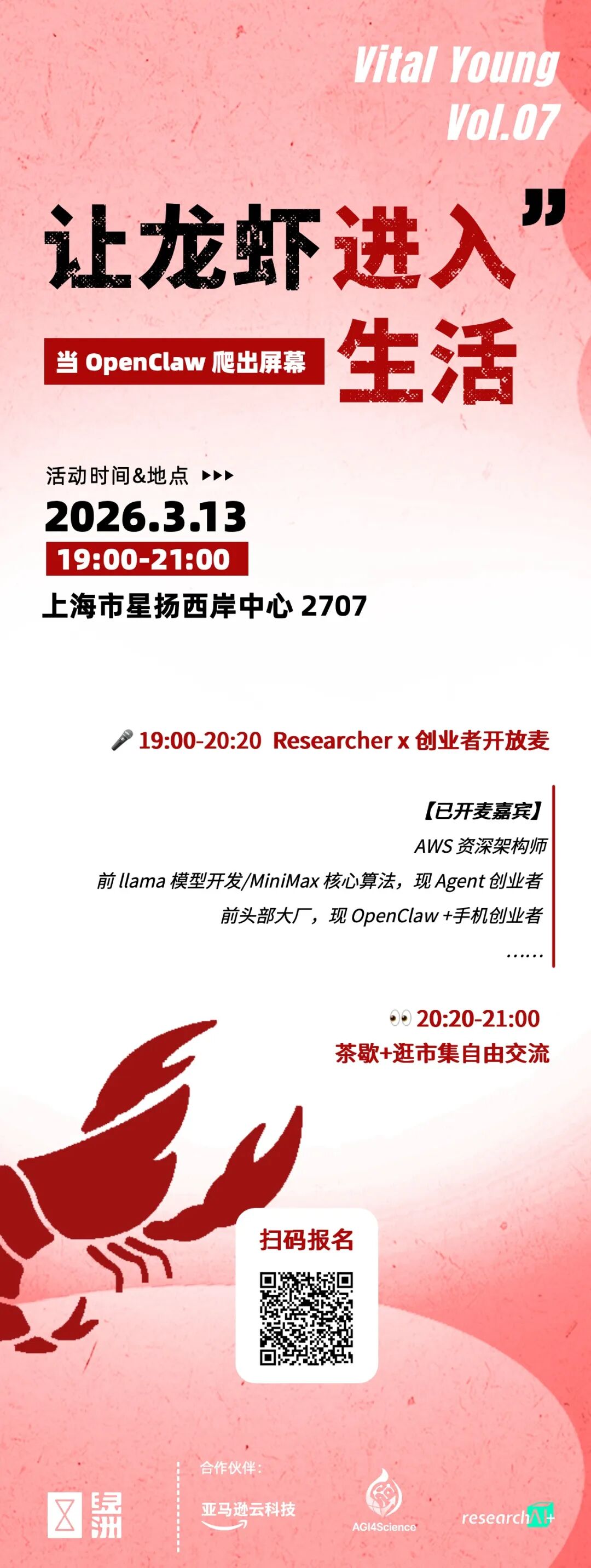
A New Species Is Born: Let's Talk About Bringing "Lobster" Into Daily Life | Vital Young

When OpenClaw Crawls Out of the Screen

Oasis Capital's Vital Young brand event is back — this time, we're inviting everyone to talk about the birth of "new species."
For the past three years, we've grown accustomed to AI as a "conversationalist."
Then came OpenClaw. This open-source Agent framework became the most-starred project on GitHub in just three months. No longer content with answering questions, it started trying to directly "take over" concrete tasks — expanding from codebases to actual physical-world operations.
The "lobster" is crawling out of the screen.
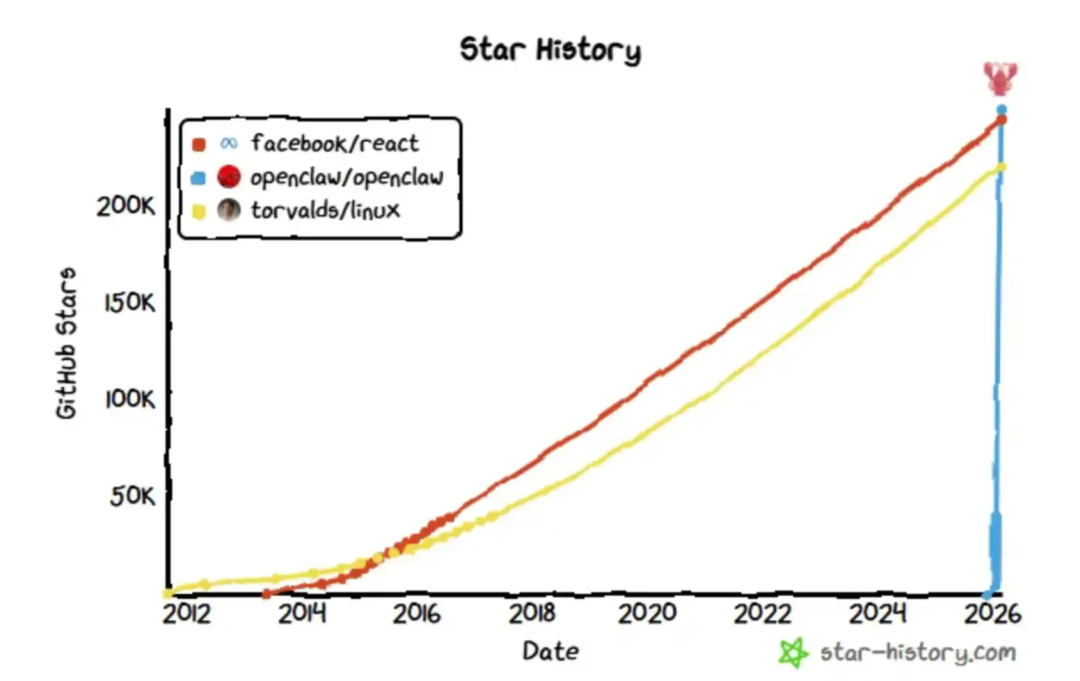
Thousands of engineers, twelve years
Facebook's open-source React library only climbed to 230k stars
We realize this migration isn't just an interface change. It means Agents are starting to genuinely permeate daily life — handling your schedule, optimizing subscription bills, autonomously building complex security systems in local environments, and confronting even more complex physical rules.
As Agents cross from pure digital logic into real-world execution scenarios, we're seeing developers grapple with engineering problems that simply didn't exist in previous environments:
Decision weight and cost: On-screen, a logic error is just one line in a console. In reality, when an Agent is authorized to operate physical devices or financial accounts, a single misinterpretation can mean actual asset loss or physical damage. What kind of "safety redundancy" do we need to build at the foundational level?
Edge compute balancing: Real life demands immediate feedback. In resource-constrained local environments, how do you achieve millisecond-level response times without sacrificing model inference depth? This is a game of extreme engineering optimization.
The "dirty data" of real environments: Lab data is clean, but life is full of fluctuating networks, unstable lighting, and non-standard sensors. How do you keep an Agent's instruction loop robust amid noisy feedback?
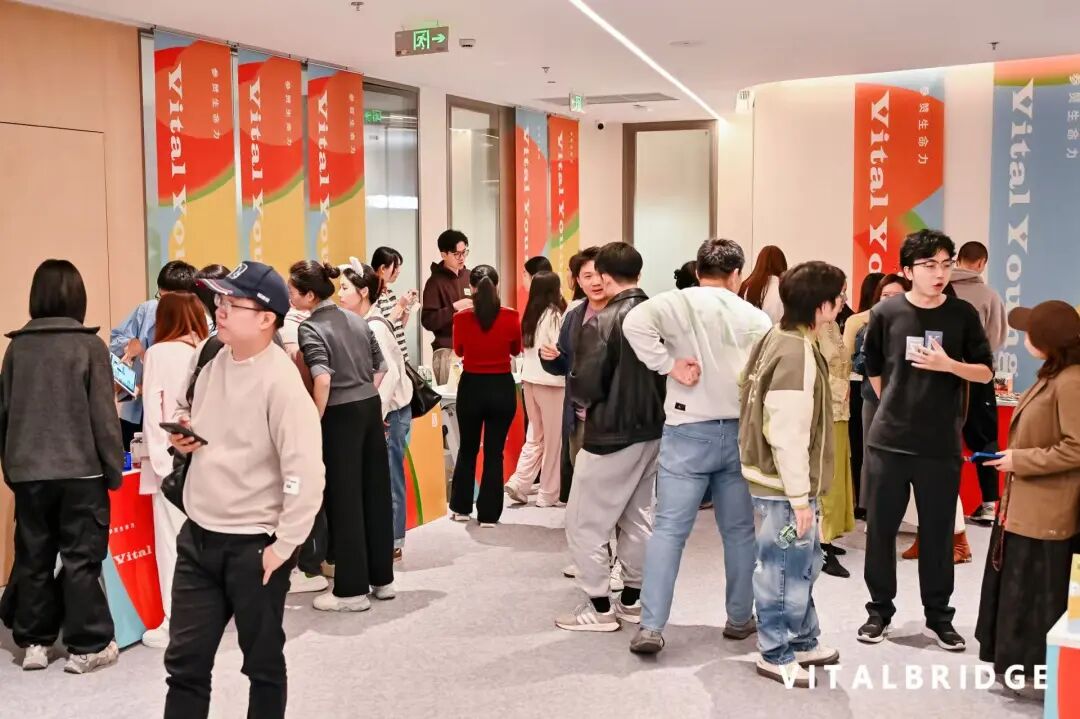
We're creating a real space for the people exploring these front lines.
What people see in Vital Young: young, de-narrativized. No suits, no pitch decks, no sweeping industry predictions. We want this to be a pop-up "tech garage" — participants sharing stalls, free-flowing conversation, mutual interrogation of concrete problems, and respect for real feedback.
This time we're co-organizing with Amazon Web Services, Shanghai AI Lab, Research AI+, and other partners. If you're a researcher, architect, founder, or serious enthusiast exploring new species, we welcome you to host a stall or join the discussion.
- If you're trying to connect OpenClaw to specific physical devices and have hit unresolved "potholes" in communication protocols or model deployment.
- If you have original thinking on Agent interaction paradigms and are trying to redefine some product in daily life through model capabilities.
- If you're a hardcore "lobster keeper" with a prototype that's partially working and want to see how it behaves in different real-world scenarios.
We encourage you to bring actual engineering problems, products, or test data to the event. Rather than listening to what others say, we value direct collision between different approaches.
Through this event, let's collectively figure out effective paradigms for the "lobster" in life interaction.
Event Activities
1. Frontline Experience Sharing
We've invited senior AWS architects, former Llama architects / MiniMax core algorithm leads who are now Agent founders, and founders building products with OpenClaw to share their experiences in communication efficiency, model distillation, instruction tuning, and more. You're welcome to share too.
2. Open Demo & Exchange
We've reserved space for everyone to bring prototypes or projects and discuss technical details with real feedback.
Time & Venue
March 13, 2026, 19:00-21:00 @ Oasis Office (Suite 2707, Xingyang Center, Shanghai)
Scan to register!