Oasis Capital Backs "Xin," a New Bet on Offline Social Gatherings for Young People | VitalCommunity

Counselor Vitality --- *Note: This appears to be a fragment without context. "参赞" can mean "counselor/advisor" (as in a diplomatic role or business title) or "participate in planning." "生命力" means "vitality" or "life force." If this is a company/product name or part of a longer phrase, additional context would help determine the most natural rendering.*

In 1888, Kodak released its first portable camera — a breakthrough that completely reshaped the landscape of artistic creation. The democratization of photography meant image-making no longer depended solely on traditional painting, unsettling many oil painters, portraitists especially. They feared the rise of photography would erode demand for their craft, since photographic techniques were relatively easy to pick up while painting skills required years of disciplined practice. At the time, this shift was seen as a "threat" to traditional art.
Yet as time passed, many artists gradually embraced photography as a new creative tool. Henry Peach Robinson was among these pioneers. Originally a painter with formal art training, he ultimately made his name in Britain as a photographer. In the mid-19th century, Robinson's composite photography — combining multiple images into a single photograph — produced more complex and artistic effects. He became one of the leading advocates for photography's acceptance as a legitimate art form.
Photography did not replace painting; instead, it sparked new artistic styles and methods of creation. During the Impressionist and modern art movements, artists frequently used photography to study light, shadow, and composition, enriching and elevating their painted works. This cross-media exploration not only expanded the boundaries of artistic expression but also drove innovation and transformation in art.
Today, the evolution of AI technology has recreated the scenario from over a century ago, and many content creators once again feel the impact — and opportunity — of technological disruption. So in July, we sat down with student representatives from the University of Pennsylvania's Penn Quakers Venture Club and longtime AI enthusiasts to discuss AI's influence on young people today and the entrepreneurial opportunities it presents.
The Penn venture club's visiting delegation had in-depth face-to-face exchanges with the Oasis Capital team, with the core theme centered on "how to view AI's development." The discussions aimed to help returning overseas students better understand current domestic dynamics in AI technology development and industry trends.
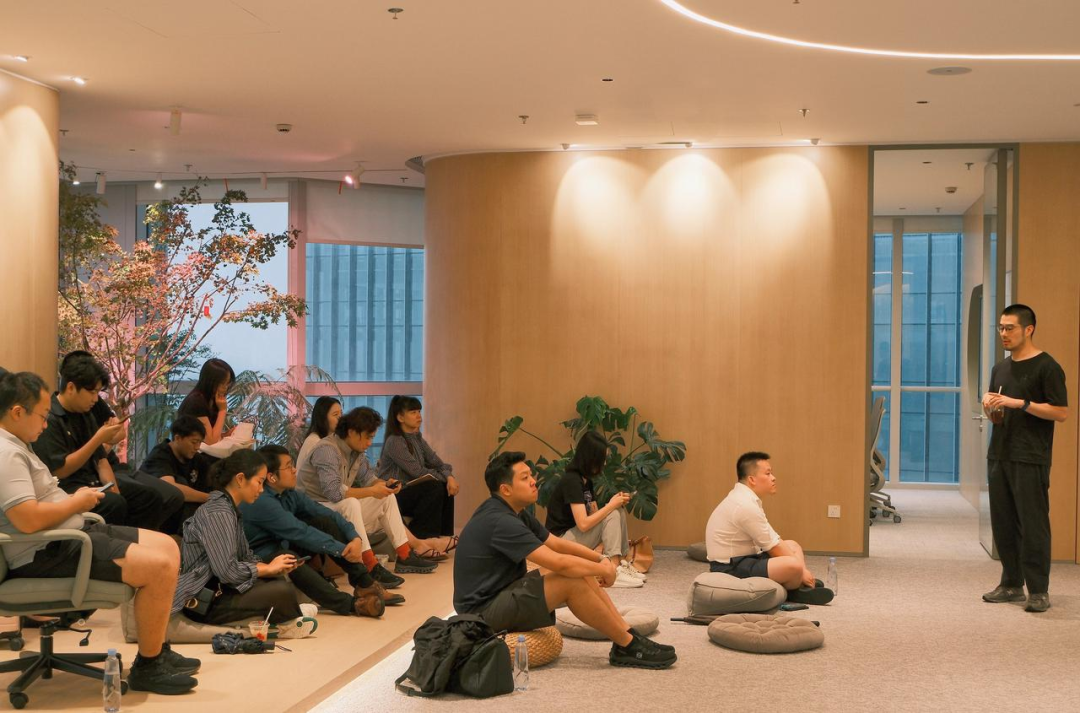
July 2024: The Penn club at Oasis Capital
During this exchange, we explored AI technology's application prospects across various fields, analyzed differences between markets, and examined how AI is reshaping traditional industries. The Oasis team outlined different stages of AI development, emphasizing the tight relationship between technological innovation and market demand, and pointed out how entrepreneurs should seize opportunities in this rapidly changing environment.
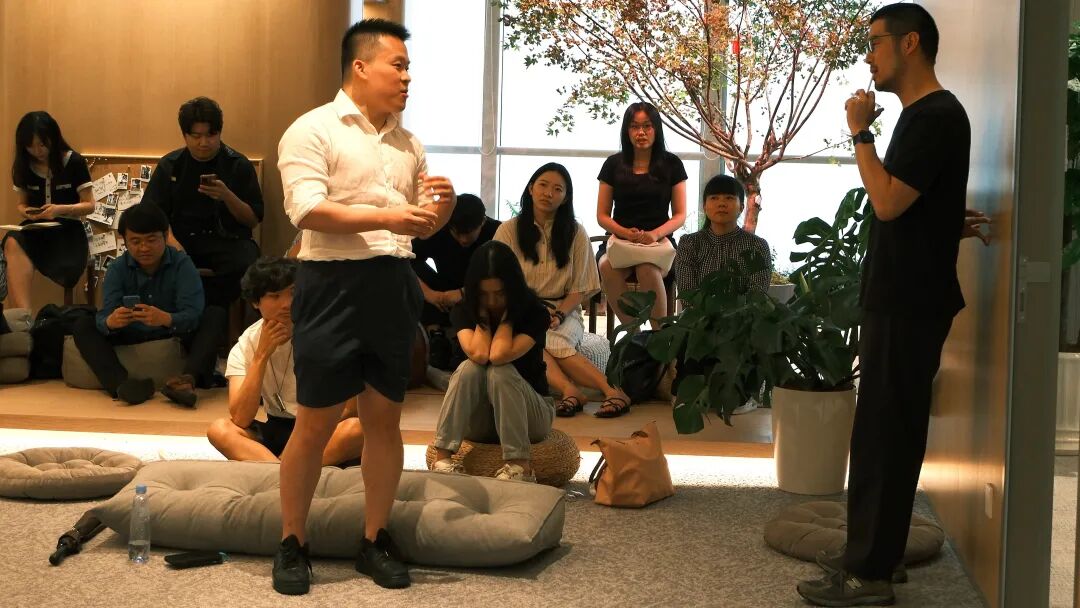
July 2024: Penn club members exchanging ideas with the Oasis team

At another event, we invited seven seasoned AI tool enthusiasts and AI content entrepreneurs.
Together we discussed:
- Does AI bring competition or productivity?
- How to create value (make money) with AI?
- Where is AI content creation now — what do you think can be replaced, and what cannot?
...
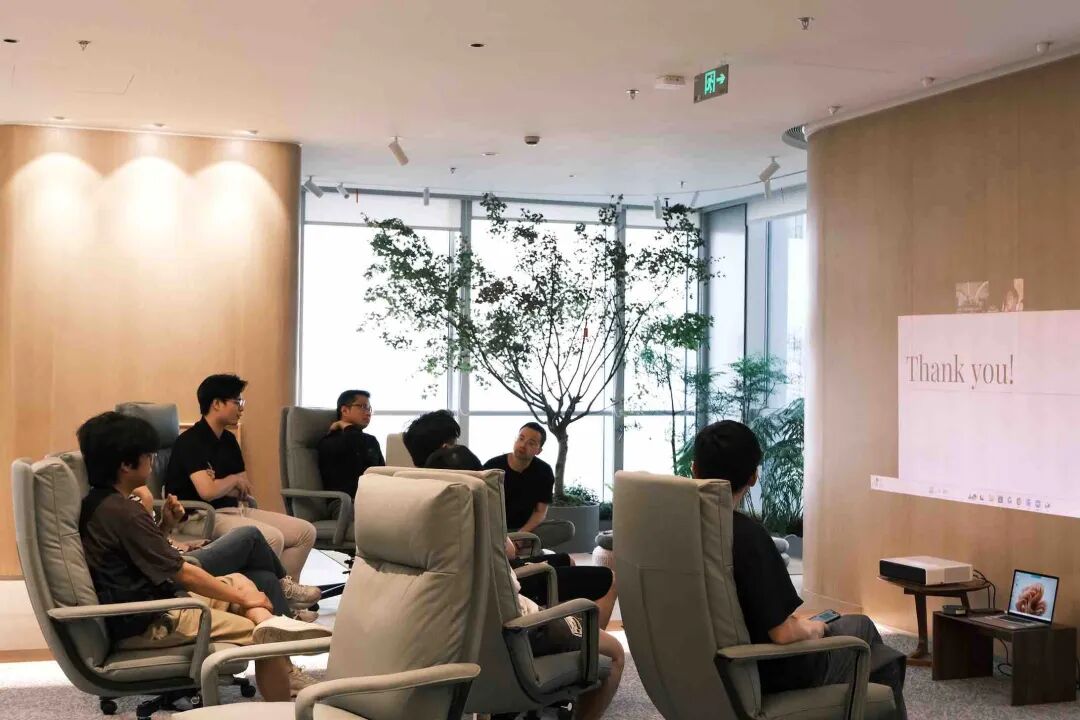
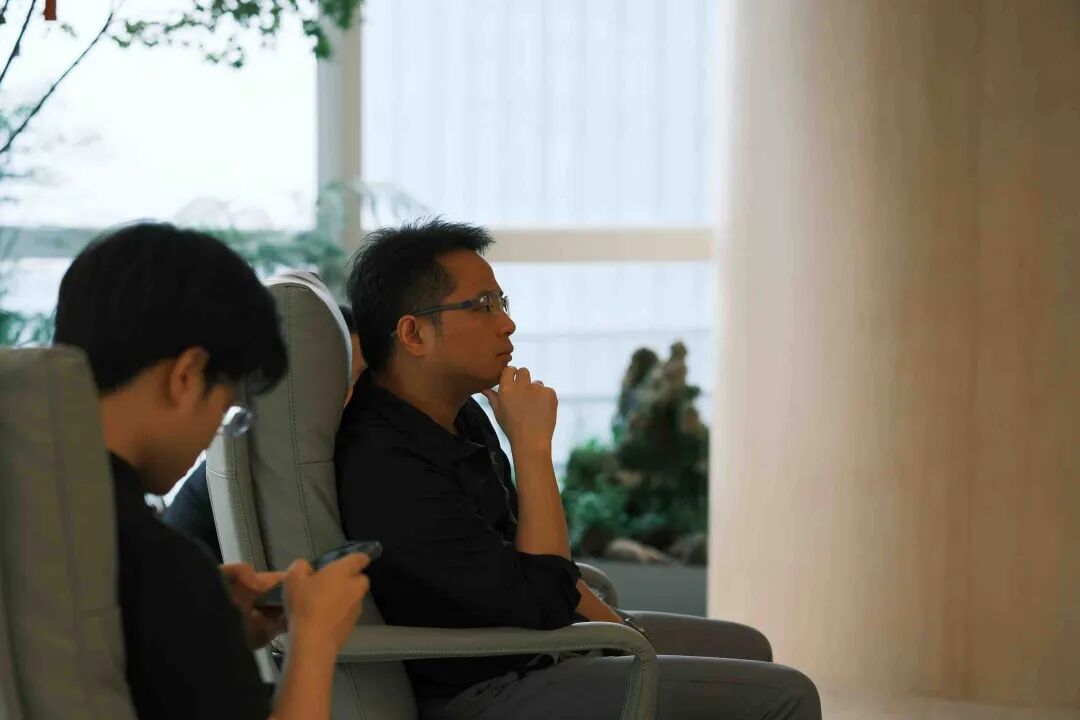
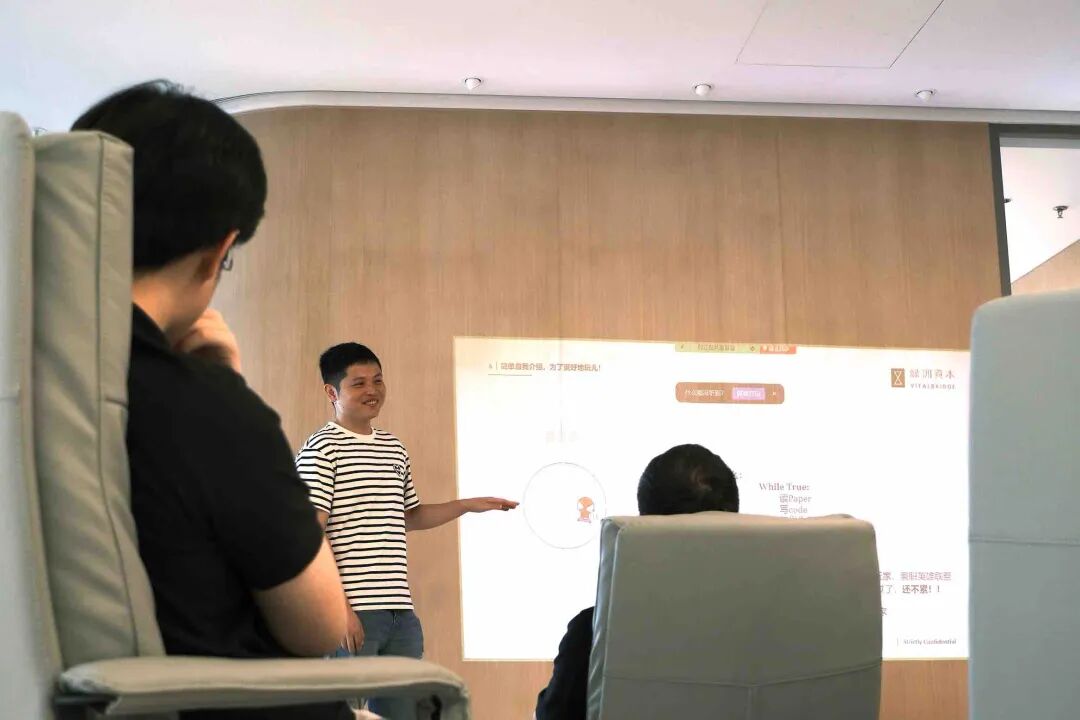
July 2024: AI creators at Oasis Capital
Some interesting takeaways:
- "We're currently paying users of almost every leading AI product, and not a single one fully meets all our needs."
- "As creators, we mostly use open-source tools, so no fees involved, haha."
- "I noticed something interesting. When the AI boom first started, we all thought it would replace practitioners — designers, illustrators, artists would all take a hit. But recently I've observed that the most impressive workflows in China are built by people who were already top-tier industry veterans. They haven't been displaced at all; they've actually created new business opportunities."
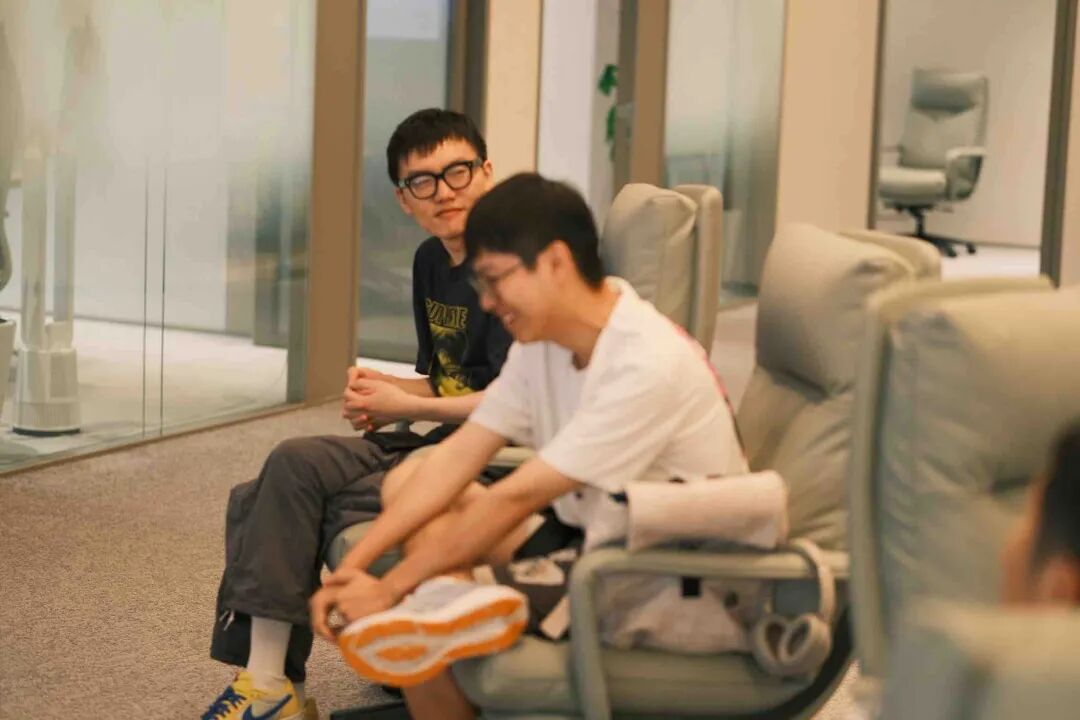
- "I feel like my current workflow will most likely be replaceable by AI in the future — it's just a matter of time. But taste cannot be replaced."
- Despite all the attention on AI technology, genuinely valuable applications remain scarce in the market. Many projects offer incremental innovation around a few successful products, while large-scale applications have yet to emerge.
- AI technology is empowering content creators with greater capabilities, enabling them to rapidly realize ideas and even build product prototypes themselves.
- AI video technology will disrupt traditional film and television production methods this year, enabling decentralization and de-hierarchization, allowing anyone to become a creator.
- "Small teams face challenges in AI applications including lack of technical moats and competitive pressure from large companies."
"A person's success depends on many factors, of which 'opportunity' is perhaps the most important and the hardest to harness. I hope more such opportunities will visit young people." — Tsung-Dao Lee
We have always believed in the boundless power of young people, and we are willing to be long-term companions on their journey forward — supporting their continuous growth and breakthroughs, and witnessing every moment of their joy.
We deeply believe that the era will reward those who believe in vitality. We hope to be here to witness the vitality of those who dream of achieving their goals — breaking through the soil, sprouting, and growing. Going forward, we will continue to host regular gatherings with young people, and sincerely invite every friend who believes in vitality to join us in sharing and creating.
On September 1, Oasis will continue to roll out something new. Together with Demo Inn, we're inviting new friends to come play!
(Scan the QR code on the poster below to register)