Manycore Tech's Spatial Intelligence Brings Century-Old Turtle City Into the Digital Age, Smashing Global 3D Gaussian Reconstruction Record | Yunqi Partners

The warmth of technology is in helping ordinary people hold onto their memories.
In the real world, high-fidelity 3D reconstruction operates on entirely different scales between "centimeter-level accuracy for a single building" and "centimeter-level accuracy for an entire city."
Our early portfolio company Manycore Tech, this past summer, partnered with creator "Tenengsi" — four people, four days, deep into Yongtai Turtle City in Gansu. Over 60,000 photographs transformed into 2.4 billion Gaussian splats across 600,000 square meters of digital Yongtai — setting a new global record for publicly documented 3D Gaussian reconstruction. The digital ancient city has been handed over to Jingtai local tourism authorities as a permanent digital cultural archive; that same 3D scene was then fed through Manycore's video creation platform LuxReal to generate the AI short film Yongtai: No War.
China has nearly 400,000 immovable cultural heritage sites, many hidden in remote mountains or lying in the Gobi, silently succumbing to the erosion of time. This is a loss humanity cannot halt — yet technological development is now fighting back against this silent disappearance.
In this Yunqi Partners feature, we explore how Manycore Tech is using spatial intelligence to extend the century-old story of Turtle City.
The following is adapted from Manycore Tech
In Gansu, where the Tengger Desert meets the Loess Plateau, Yongtai Turtle City stands quietly, guarding the northwestern frontier for over four centuries.
Under the grinding of time and wind, the history and memory of this Ming dynasty military fortress are slowly being buried. Chinese National Geography listed the ancient city among "China's Top Ten Disappearing Wonders."
Many say that in a few more decades, perhaps only a mound of earth will remain.
This summer, we joined creator "Tenengsi" to plunge into the depths of the Gobi, hoping to use spatial intelligence technology to preserve an imperishable digital portrait of Yongtai Turtle City.
Four people, four days, 60,000 photographs, transformed into 2.4 billion Gaussian splats, aggregating into 600,000 square meters of space, constructing an eternal digital Yongtai ancient city — and setting a new global 3D Gaussian reconstruction record.
The first time standing beneath the walls, my chest felt tight
Three-plus hours north from Lanzhou, the roads grew yellower, the wind thick with the taste of loess.
Rounding a mountain ridge, Yongtai Turtle City suddenly crashed into view. Like an old turtle伏伏 on the ground, quietly crouching for over four hundred years.
Stunning, yet somehow heartbreaking. The city was too still — occasional bleating of sheep, most courtyards abandoned. This 318-mu fortress now holds barely thirty households.
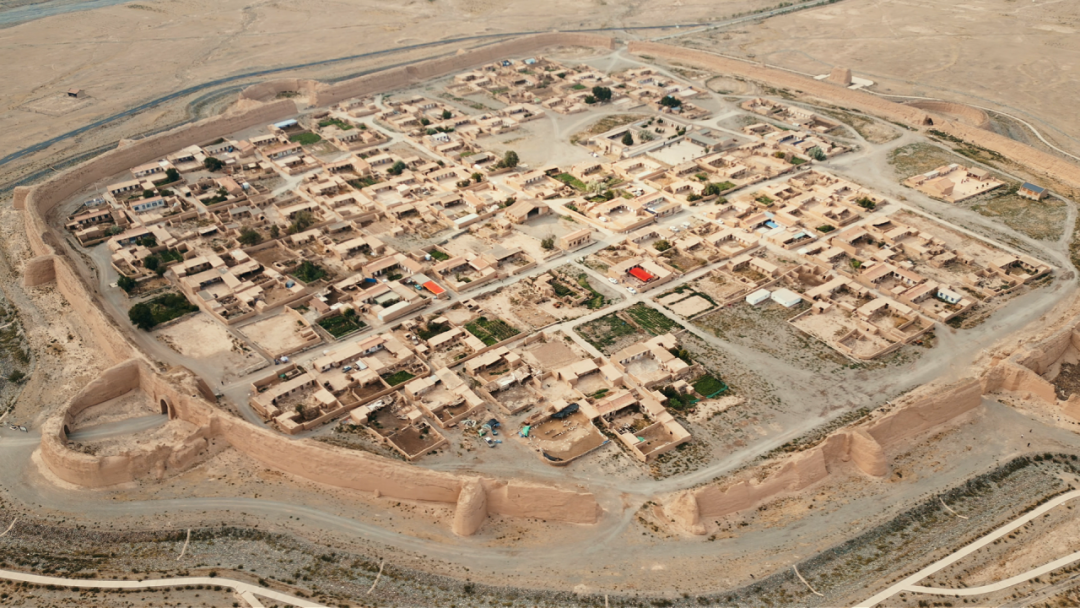
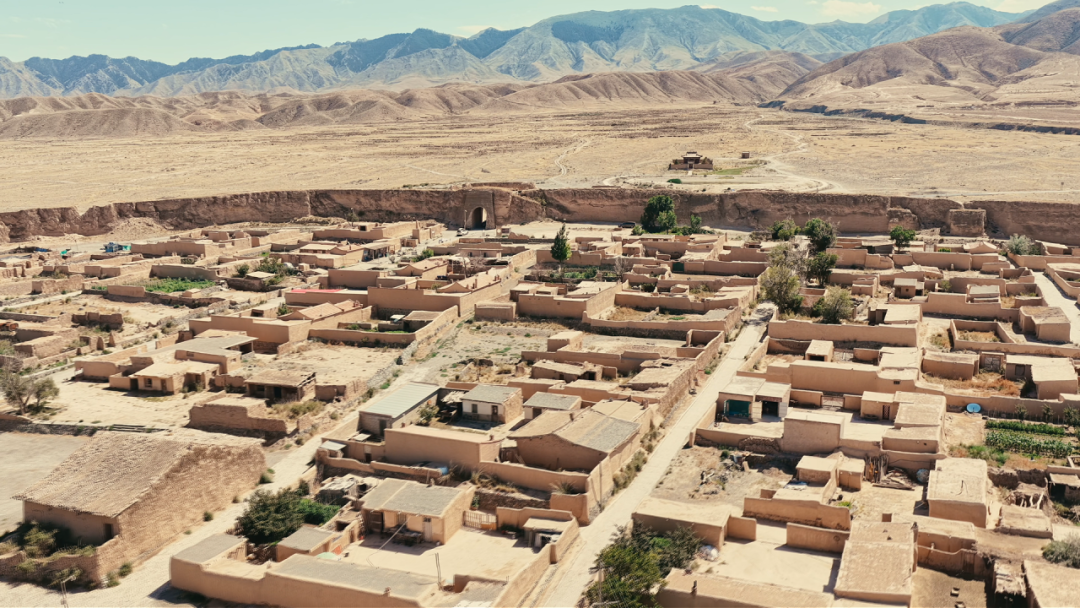
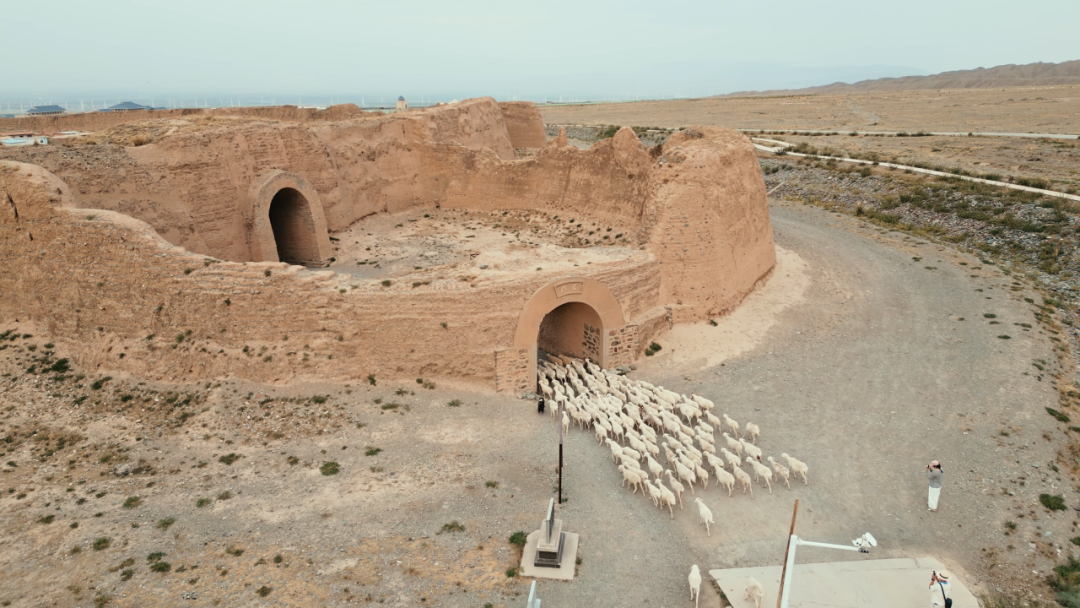
Yongtai Turtle City, photographed on location
This is Yongtai Turtle City.
A military fortress built in the 36th year of Wanli's reign in the Ming dynasty, once the most critical defensive line on Lanzhou's northern front. The entire city was constructed in the shape of a turtle — in the hope that, like a turtle, it would withstand war and endure for millennia.
Our guide, elderly Li Chongren, is a retired local school principal. He recalled how in his childhood, schools teemed with children, the streets alive with their running and shouting after class. He paused, then sighed: "Now? Not a single child left in school."
The city walls remain, the ancient wells remain, the Republic-era primary school remains.
But the people have gone, the vitality dissipated, and even the stories seem ready to be ground smooth by wind and sand alongside the walls.
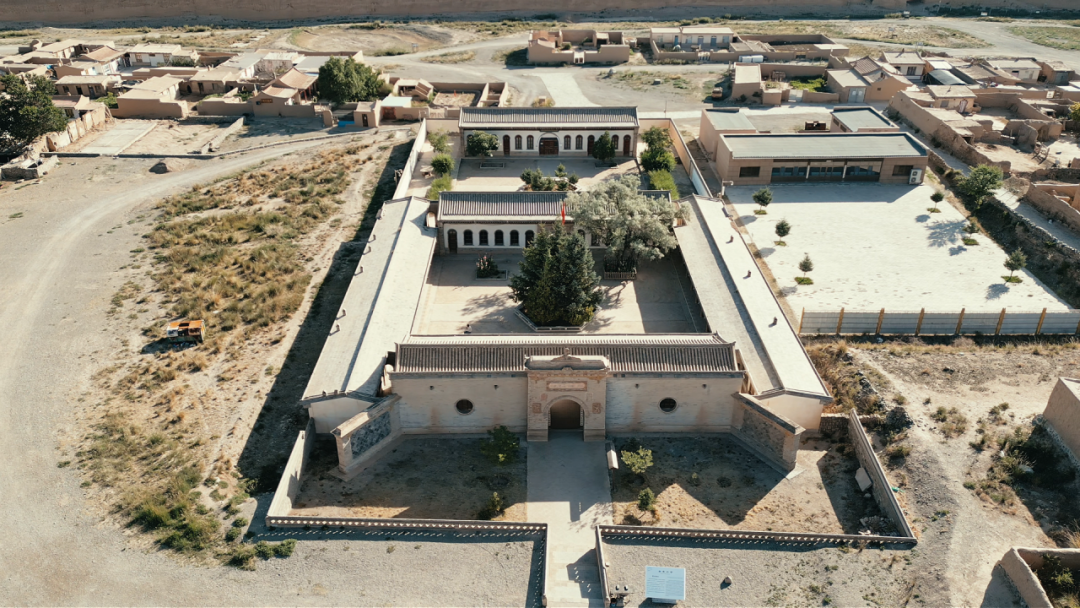
"Yongtai Primary School" — one of only three Republic-era primary schools still standing nationwide
An old man, using his hands to fight time and wind
Eighty-something Zhang Yuebin, born and raised in Yongtai. For over a decade, he alone has built three generations of Turtle City miniature models.
The first time, he used plastic tubing, patching and gluing for half a year — crude, yet the city as he saw it in his mind;
The second time, he switched to wood, using saws, hand planes, and hammers to carve out doors, windows, walls, calluses thickening on his palms;
The third and most refined version sits in the Baiyin Hotel exhibition hall, where limited space forced compromises on the city's contours and architectural layout.
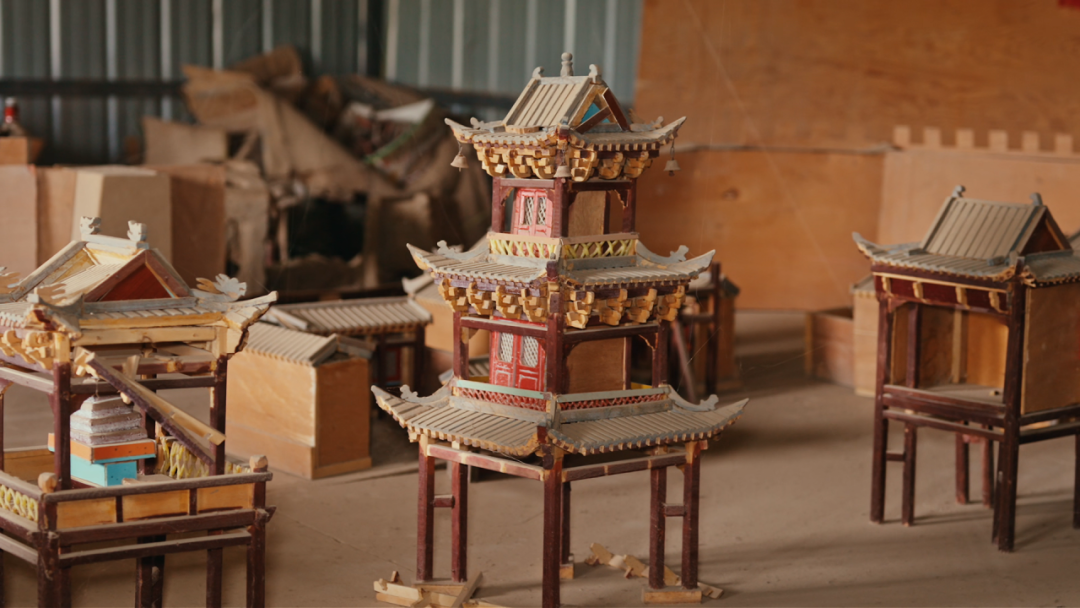
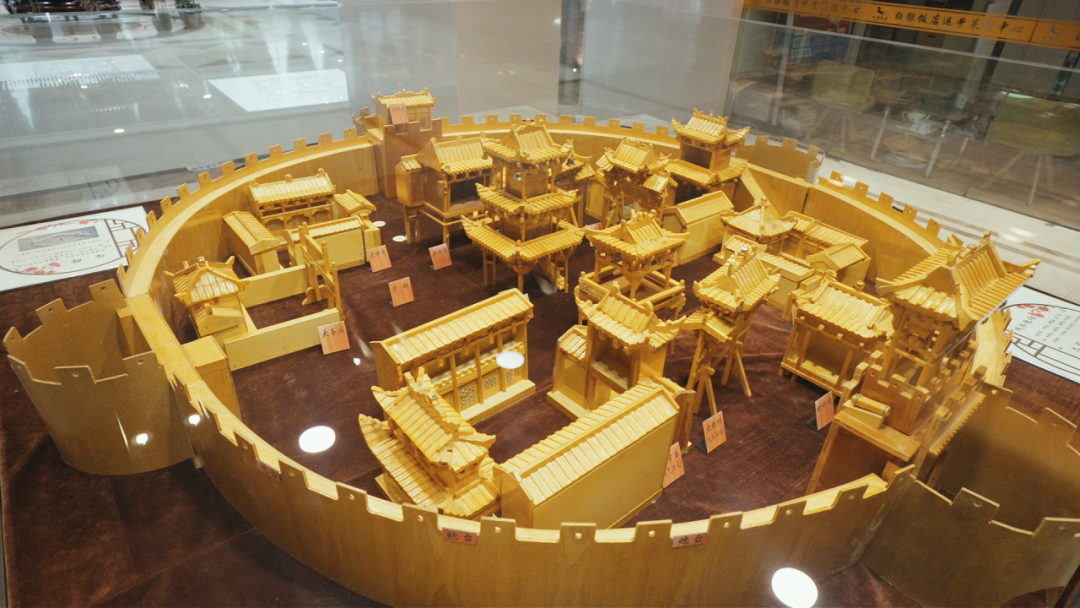
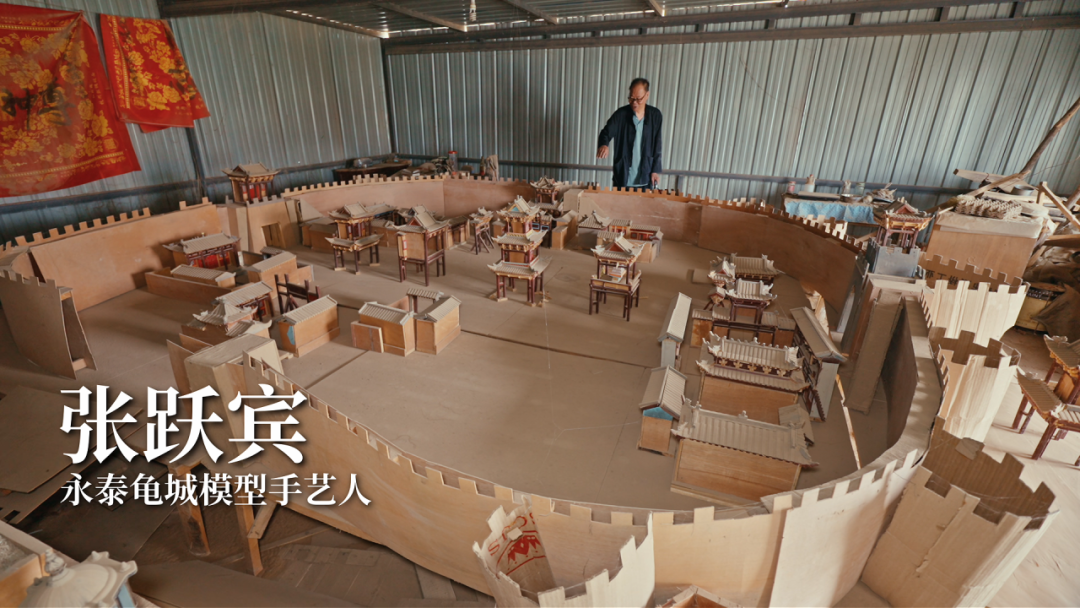
Master Zhang Yuebin and his models
We asked him — why go to such trouble?
He said: "If the houses all collapse later, what if future generations don't know what Yongtai originally looked like?"
Yet he knew too that his age left him unable to maintain and update the models. He said: I don't have the strength anymore. Perhaps this would be his final generation of ancient city models.
In that moment, we had but one thought: we needed to lend a hand.
Our 3D Gaussian reconstruction platform, Aholo Reality, can generate digital scenes restored 1:1 to reality — building a "digital twin" for cultural heritage.
Master Zhang built three versions by hand; we would build the fourth — digital, the kind that never breaks.
Four people
Four days to piece together a city that never disappears
Only on site did we realize: hard, far harder than imagined. The reconstruction covers the ancient city and its surroundings, over 600,000 square meters — an unprecedented challenge in scale.
We walked every alley and lane, using drones to efficiently capture aerial and multi-angle imagery; handheld cameras for high-precision, comprehensive coverage of every brick and tile, every architectural detail.
Those familiar with Gaussian reconstruction know this technology demands extreme rigor in shooting: stable lighting throughout, even exposure — any shift in light, and the output shows ghosting and blur.
The ancient city sits over 2,000 meters above sea level in the Gobi, where light angles change rapidly; the shooting window was only a few short hours around midday.
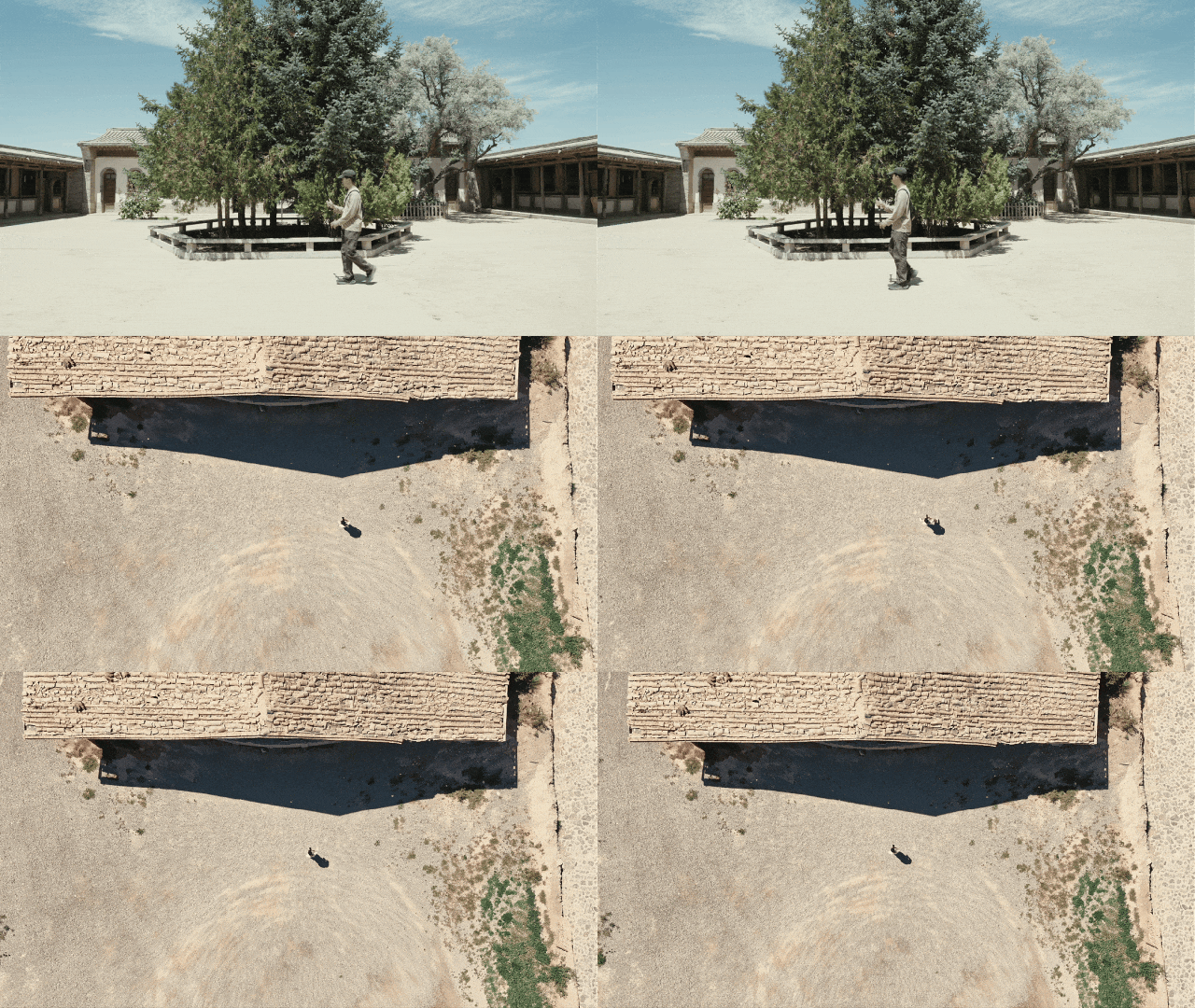
Four people, four days, full-coverage acquisition across the ancient city, ultimately accumulating over 60,000 photographs, raw material exceeding 1TB.
Facing such massive-scale scenes, the Aholo Reality engineering team could only process through distributed training. Ultimately, the ancient city transformed into a digital scene of over 2.4 billion Gaussian points.
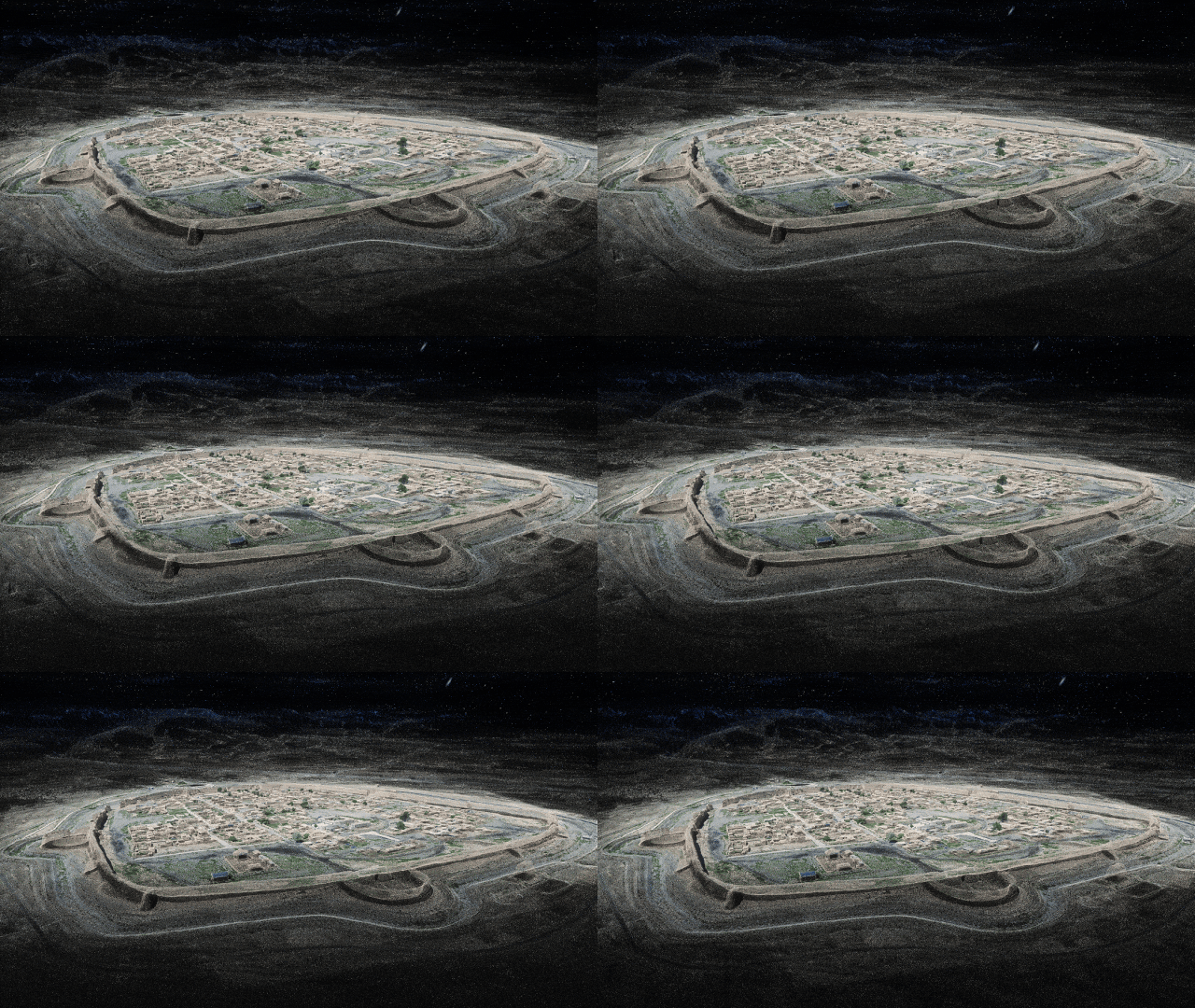
Manycore Tech Aholo Reality 3D reconstruction footage
What does this mean? Here's an industry benchmark:
Currently, publicly documented quality 3D Gaussian reconstruction cases globally mostly range from tens of millions to hundreds of millions of Gaussian points; 200 million already counts as extra-large scene territory. This 2.4 billion represents the largest-scale, fully delivered 3D Gaussian reconstruction scene currently documented anywhere in the world.
Leveraging Aholo Viewer's ultra-large-scene streaming scheduling capabilities, combined with LOD hierarchical construction and visibility-based on-demand loading, the digital Yongtai ancient city can now be explored and visited online through the Aholo Reality platform.
From the sweeping curves of the city walls and the layout of the barbicans, down to the wind-etched grooves in rammed-earth walls and the mottled blackboard bulletins in the primary school — all indistinguishable from seeing the physical objects with your own eyes.
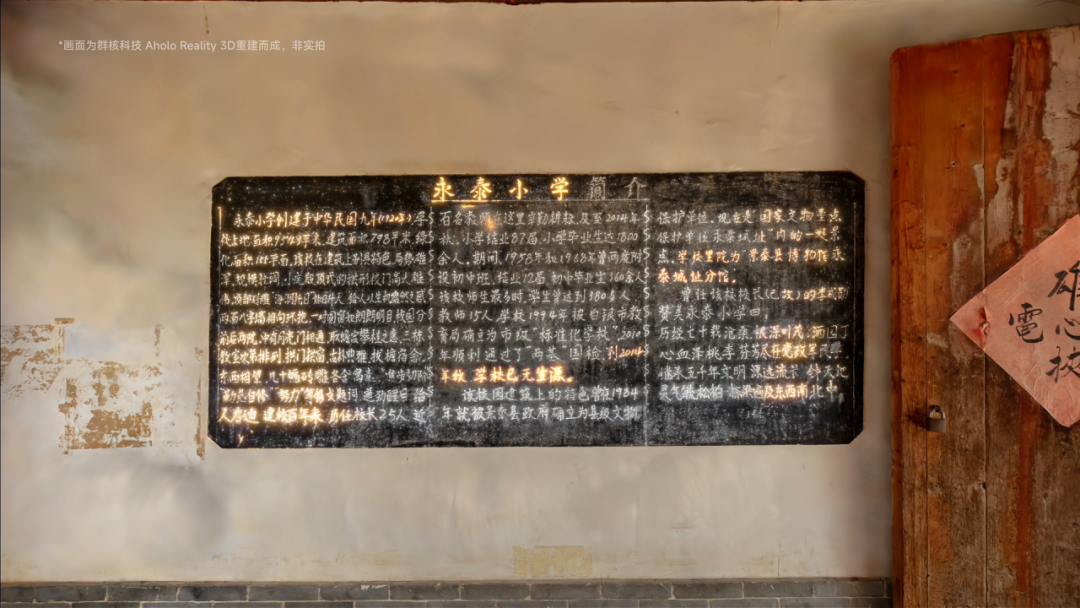
Manycore Tech Aholo Reality 3D reconstruction footage
We have now formally presented this 3D Gaussian reconstructed digital ancient city to Jingtai local tourism authorities as a permanent digital cultural archive.
And the advancement of AI has given us the chance to travel through time, back to the city's former days.
Based on the 3D reconstructed scene, creator "Tenengsi" used Manycore Tech's video creation platform LuxReal to recreate the frontier garrison life of 400 years ago.
AI short film Yongtai: No War
The warmth of technology
Is helping ordinary people hold onto memory
Yongtai Turtle City was never an isolated case.
China has nearly 400,000 immovable cultural heritage sites, many hidden in remote mountains or lying in the Gobi, silently succumbing to the erosion of time.
And many ordinary people like Master Zhang and Principal Li, guarding their old homes, old houses, old stories — wanting to preserve, yet lacking the strength.
This is a loss humanity cannot halt, yet technological development is now fighting back against this silent disappearance.
Four hundred years ago, our ancestors raised city walls to protect a region; four hundred years later, we use spatial intelligence technology to protect the traces of time these days have left behind.
"Yongtai" — those characters once sought peace; now they pray for permanence. May this turtle city on the Gobi always have stories to tell, and may every memory worth keeping find a place to rest.