Tianfu Software Unveils Industrial World Model Generator in Global First | Yunqi Partners

Move Trial and Error Into the Model
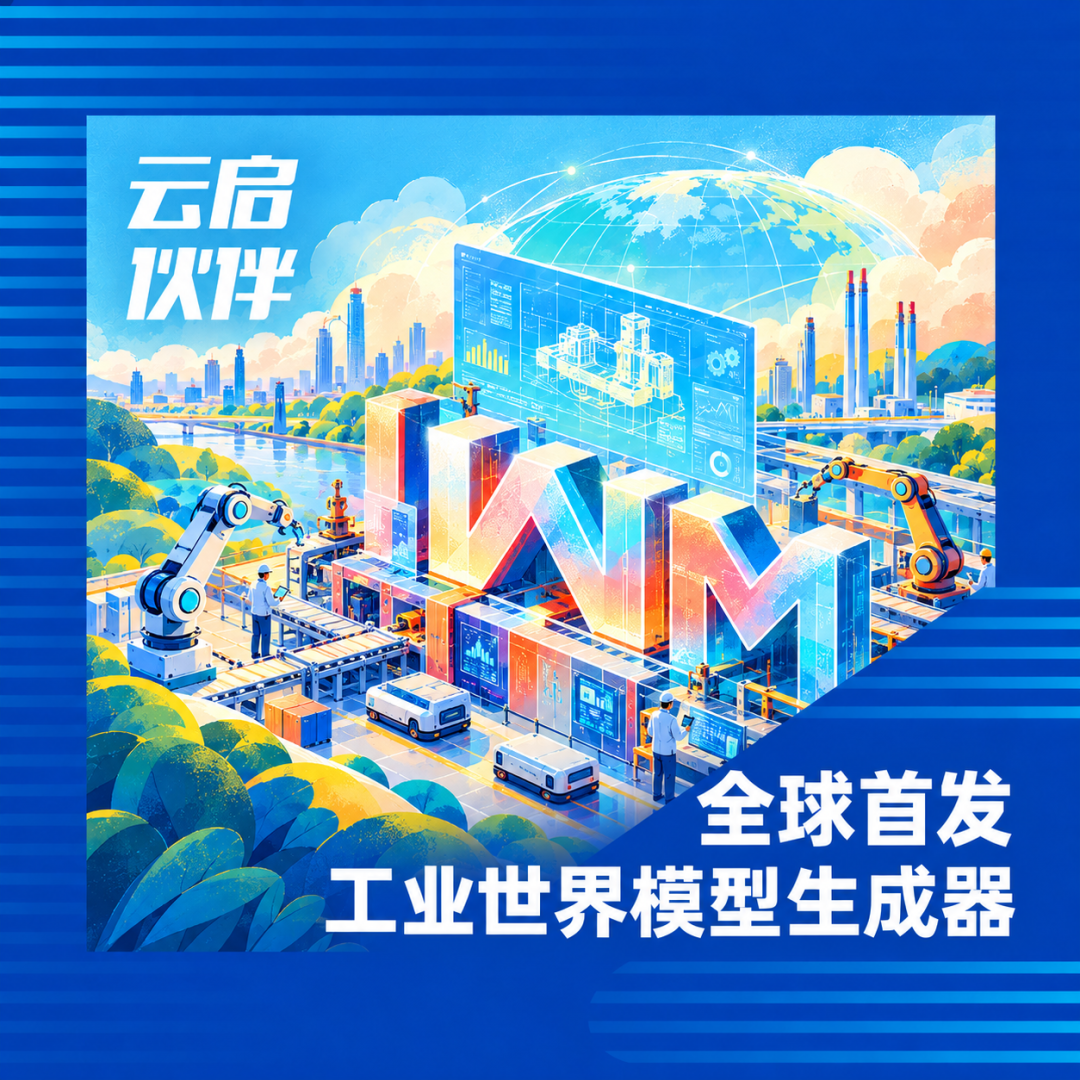
How world models are used in industry versus content generation are two fundamentally different things — physical laws must be encoded into the model, not left to inference from data alone. Yunqi Capital portfolio company Tianfu Software is one of the few domestic CAE vendors that insists on fully independent core code. From thermal-fluid simulation AICFD and structural simulation AIFEM, to optimization design AIPOD and industrial AI foundation TFIIF, more than a decade of algorithmic investment has been poured into a single mission: getting the numbers right.
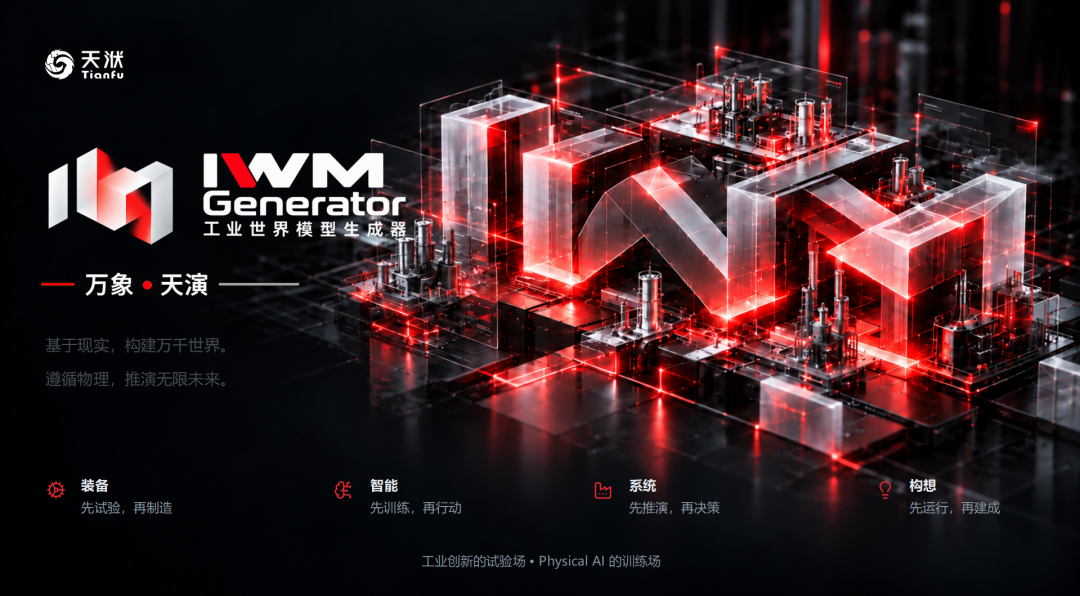
Recently, at the "Industrial World Models" sub-forum of the 2026 Physical AI and World Models Conference, Tianfu globally debuted its Industrial World Model Generator (IWM Generator). In this edition of Yunqi Partners, we share Tianfu Software's latest developments.
Packing Industrial Knowledge into Computable Models
A long-standing tension in industry: physics simulation results often "look right but aren't accurate." Another frustration comes from knowledge itself. Companies accumulate vast stores of drawings, engineering models, test data, and operational records through R&D and production — but these assets are typically scattered across different software and systems that don't speak to each other.
Tianfu's Industrial World Model Generator (IWM Generator) organizes this material, embedding information about equipment characteristics, component connections, and behavioral changes under external forces into a model that lets the digital world operate according to engineering principles. Existing knowledge and experience thus become reusable assets.
"The challenge of industrial world models isn't whether they look realistic — it's whether they're accurate. Physical laws must be written into the model; you can't rely on data alone to guess. The real world only gives you one shot at trial and error. We move that trial and error into the model."
— Zhang Ming, Founder and Chairman, Tianfu Software
Runnable, calibratable, reusable. These three characteristics point to the same goal: moving expensive, dangerous, and difficult-to-repeat physical testing and iteration into a trustworthy, operable industrial world.
Bringing Digital Tests Closer to Reality
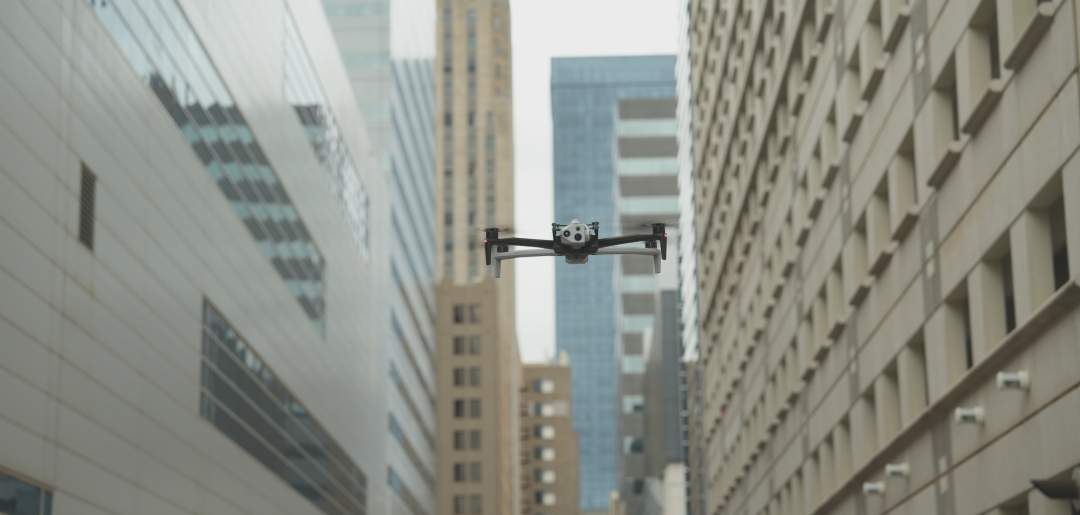
Take drones as an example. Once models of the aircraft and wind environment are established, you can vary conditions like wind speed, direction, and payload to observe performance under different scenarios and compare control strategies.
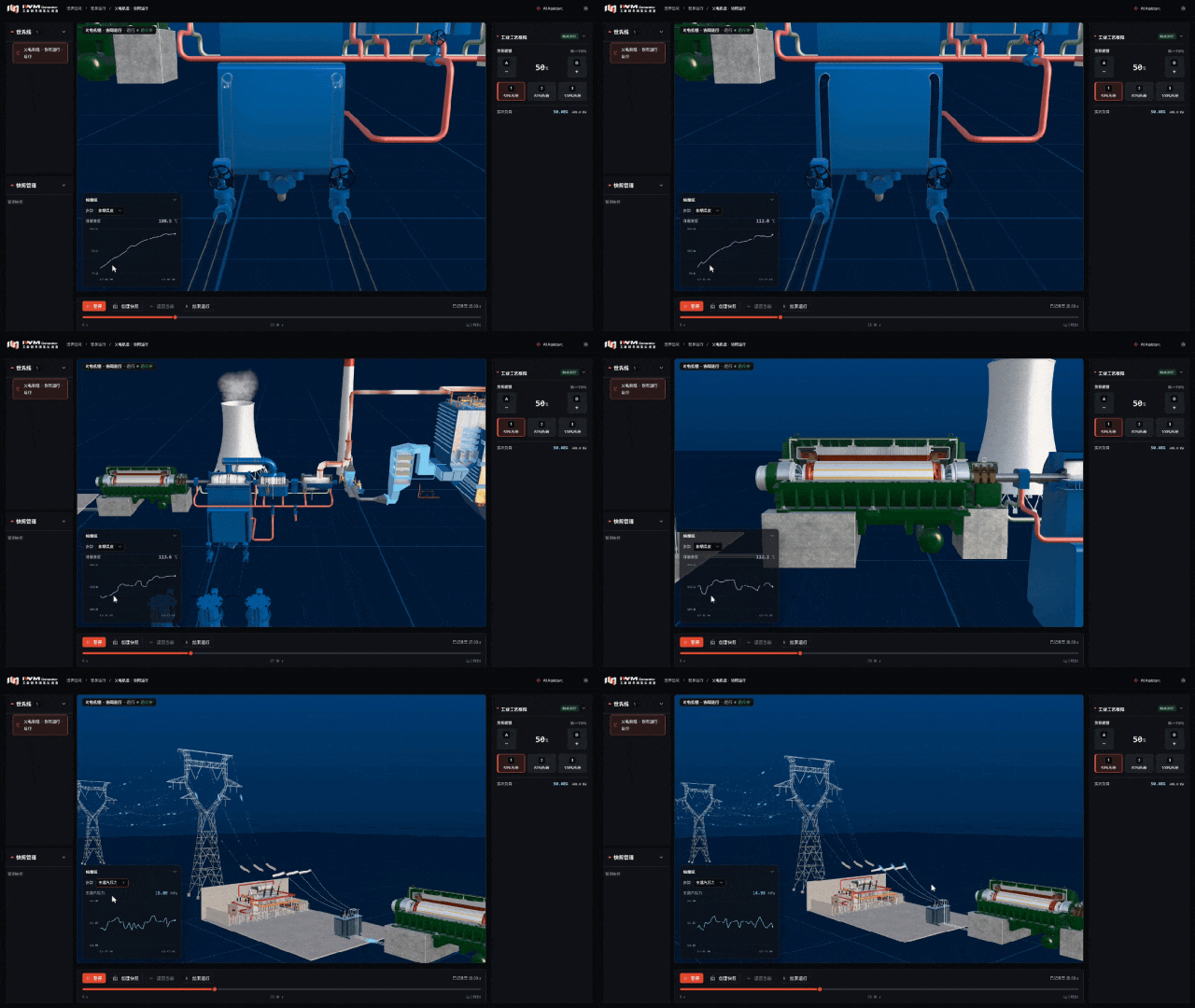
In a power plant world model, load commands can be adjusted in real time to observe system response and state evolution.
These varied digital test environments are "parallel worlds." The same world model can continuously generate different scenarios, helping engineers spot easily overlooked issues and explore better solutions.
In terms of product form, it maps to three scenarios that Tianfu calls the "World Lab": training grounds, test grounds, and data factories.
In parallel worlds, run the tests you wouldn't dare run, or couldn't afford to run, first.
Building Industrial AI Data Through Testing
For digital world results to be useful in reality, they need reliable foundations.
The generator connects physical computation, AI models, and real data. Physical computation describes processes like motion, deformation, flow, and temperature change. AI models accelerate computation. Test and field data provide calibration.
As real data accumulates, models can be continuously adjusted to better reflect changes in equipment and environment.
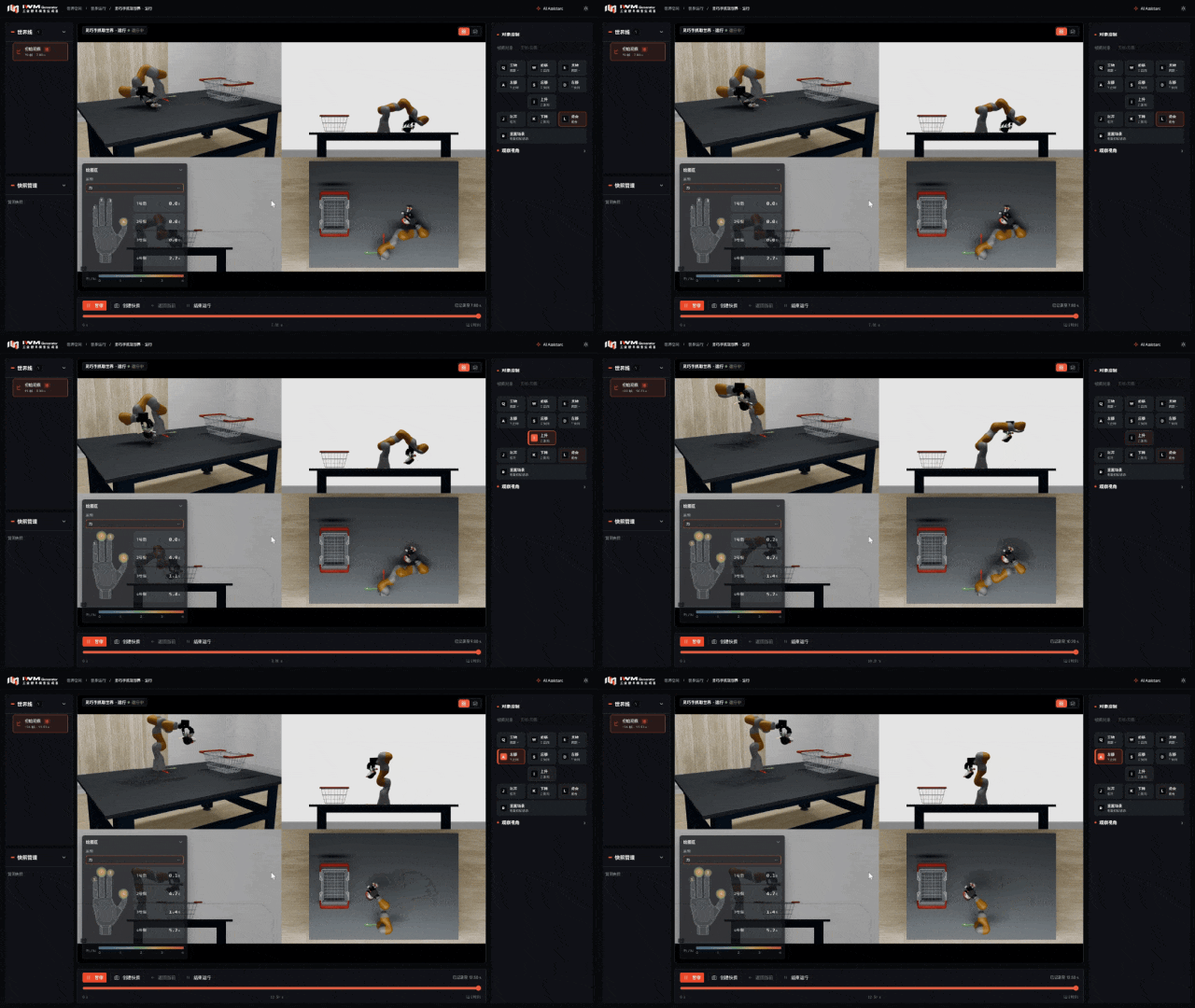
Through repeated runs in the digital world, actions, state changes, and test results can be continuously recorded to support training and validation — reducing dependence on expensive, dangerous, or hard-to-repeat physical tests.
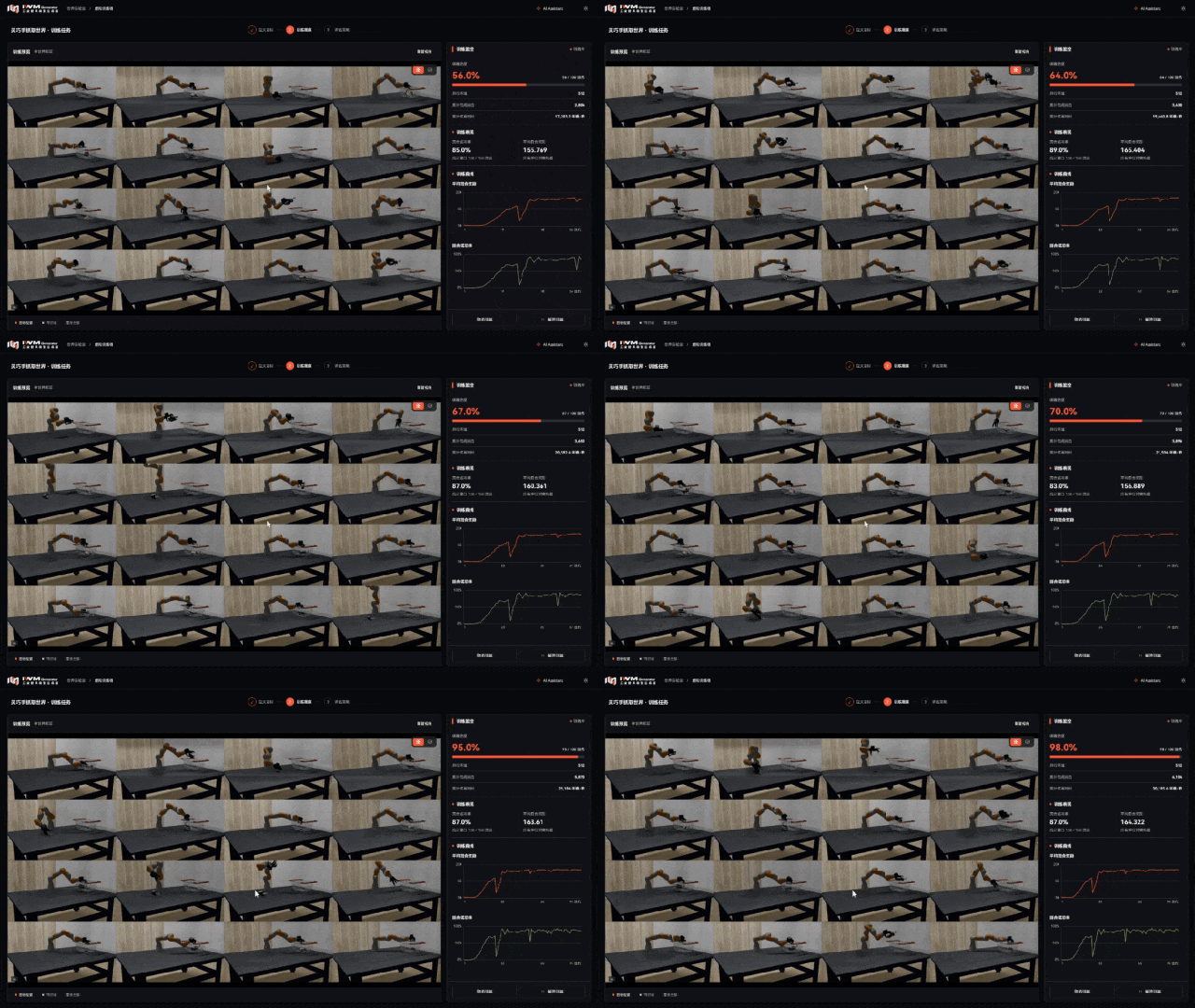
The release of the Industrial World Model Generator enables companies across industries to transform existing knowledge and data into repeatable test environments, providing foundations for design, training, and decision-making — giving industrial innovation more opportunities to see the likely consequences of different choices before acting.
Content adapted from "Tianfu Software"