Ten Years in the Making, Over 300,000 Copies Sold: How the Soulslike *AI LIMIT* Became a Dark Horse of Chinese Game Development | Z Talk

Top earner among domestic single-player games.

Z Talk is ZhenFund's column for sharing insights.
On April 24, the China Indie Game Sales Chart released its 2025 Spring rankings, with AI Limit placing second with 300,000 copies sold. By revenue alone, it had already become the top-earning Chinese single-player title. To date, the game has maintained a 92% positive review rate.
ZhenFund invested in Sense Games, the team behind AI Limit, at the Pre-A round in 2021. Sense Games is also China's first Soulslike development team.
As a veteran single-player gamer, Yang Bin (VISKEM), CEO of Sense Games and producer of AI Limit, has long harbored a dream of making an ARPG. After greenlighting AI Limit, he scraped together a five-person team to pursue that dream, living for a long stretch on what amounted to intern-level pay.
Later, the project earned recognition from Sony's China Hero Project, yet its mid-tier (2A) ARPG scale and the trendy "anime" and "Soulslike" labels also scared off numerous indie publishers. Despite the twists and turns, Yang Bin looks back on the journey feeling richly rewarded. In his view, if a career has platinum achievements, then the team's first playthrough has already unlocked quite a few trophies.
This article is republished from Youxi Tuoluo. The original follows:

A Decade-Old Dream of Making an Anime Dark Souls
Q: When did you enter the games industry? What have you worked on?
Yang Bin: Around 2010, back in the browser game era. I mainly did operations and technical work, building user platforms for online games and planning server operations. Earlier on, I also did UI design — web UI, app UI, that sort of thing — so I later moved into game UI as well.
Q: I heard you also ran a gaming community site at one point?
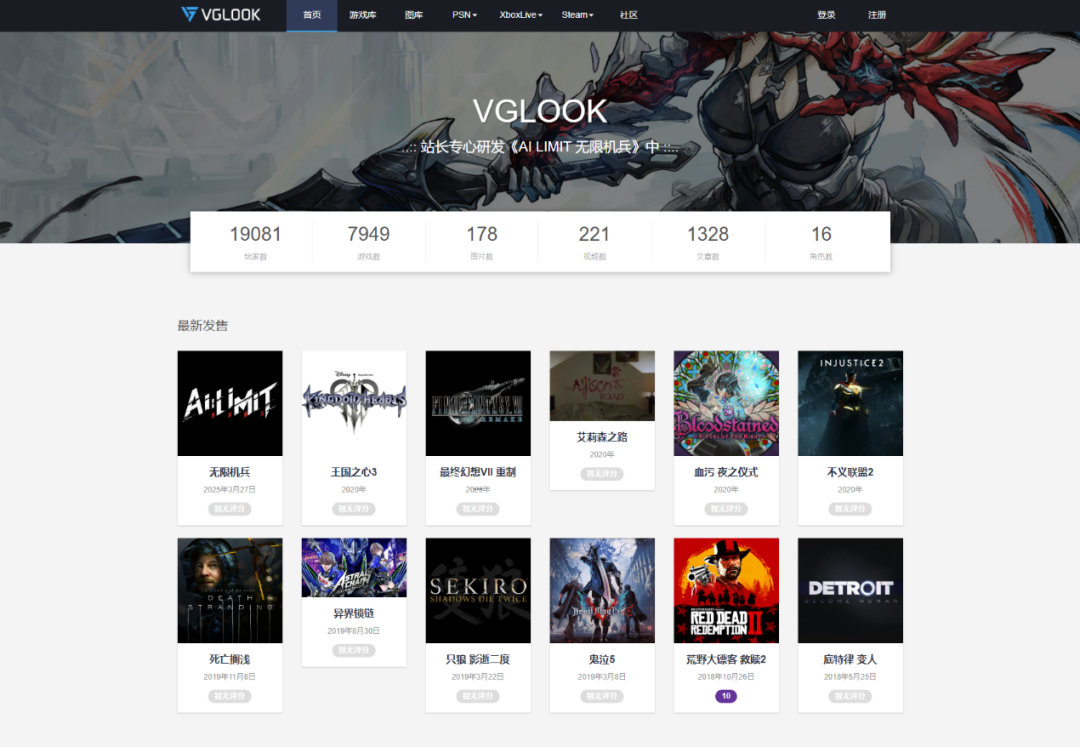
Yang Bin: I made a site called "VGLOOK," an achievement aggregator that pulled together trophy data from PlayStation, Xbox, and Steam. It was one of China's earliest two trophy sites. This was around 2012. I set it aside when I decided to make games. But recently I revived it, since the original purpose was to serve as my own game database. I'm fixing it up now to see if I can keep it running in simple form.
Q: When did you start hatching plans for AI Limit?
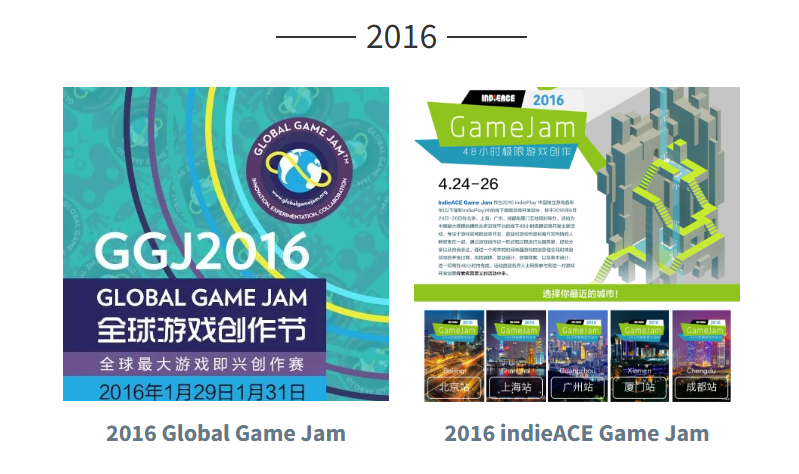
Yang Bin: I had some ideas around 2015. To get more familiar with the industry, I organized the Chengdu region's Game Jam 48-hour events in 2016 and 2017. After that, I truly committed to making a game myself.
I'd always hoped to create a series title. It so happened that I followed AlphaGo's Go matches in 2016, and I zeroed in on AI as a theme. There weren't many AI-related titles at the time, so out of professional habit, I quickly registered ailimit.com. Once the theme was set, I went straight for my favorite — Dark Souls, or rather, the ARPG direction.
Q: The mobile game market was so hot back then. Why not make mobile games?
Yang Bin: Because by 2013–2014, the mobile market was already showing mass product failures. Everyone gradually realized that only a few titles at the very top succeeded. Many mobile teams would toil for two or three years only to have their projects killed — it was tragic. So I had this question at the time: Why did so few teams choose to do what some Japanese studios did — make lower-cost, single-player games that steadily build a series across multiple installments?
Looking back, domestically there were only a handful of IPs like early The Legend of Sword and Fairy, Xuan-Yuan Sword, and Swords of Legends that stuck to this path and established series reputations, though era played a part. Meanwhile, classic Japanese series like Tales and Trails — their development pipelines weren't unattainable, yet they maintained global success and enduring IP value.
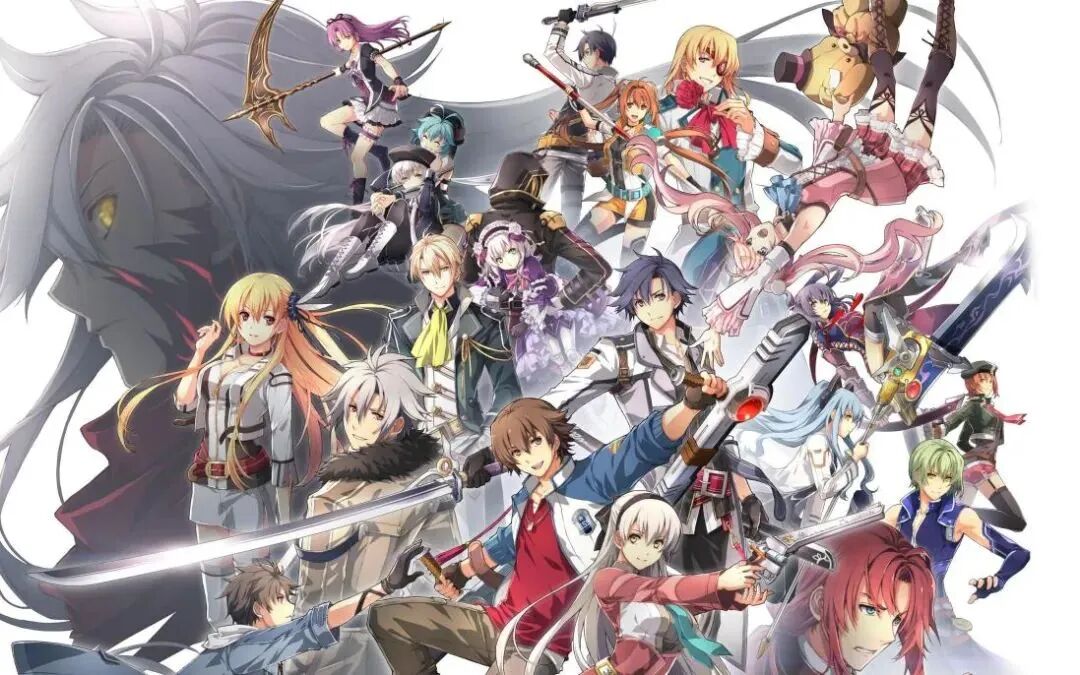
The Trails series from Falcom, a studio "that never posts losses"
Q: As a startup team, why jump straight into something as ambitious as an ARPG?
Yang Bin: I never considered doing smaller projects for practice. Around 2015, I met quite a few indie developers, but their projects were relatively light. For my goals, they wouldn't yield useful technical experience, and the commercial opportunities were too scarce to see a long-term future. So I figured that if I was going to make games, I had to head straight for the end goal.
Q: Why the "anime + Souls" style?
Yang Bin: "Anime" was decided quite early. The 2017 film BLAME! gave me a lot of inspiration. I felt that Soulslike gameplay combined with that audiovisual atmosphere would be exceptional. Though I knew that with my technical skills and experience at the time, I probably couldn't achieve that effect, having a highly ambitious long-term goal was still a good thing.
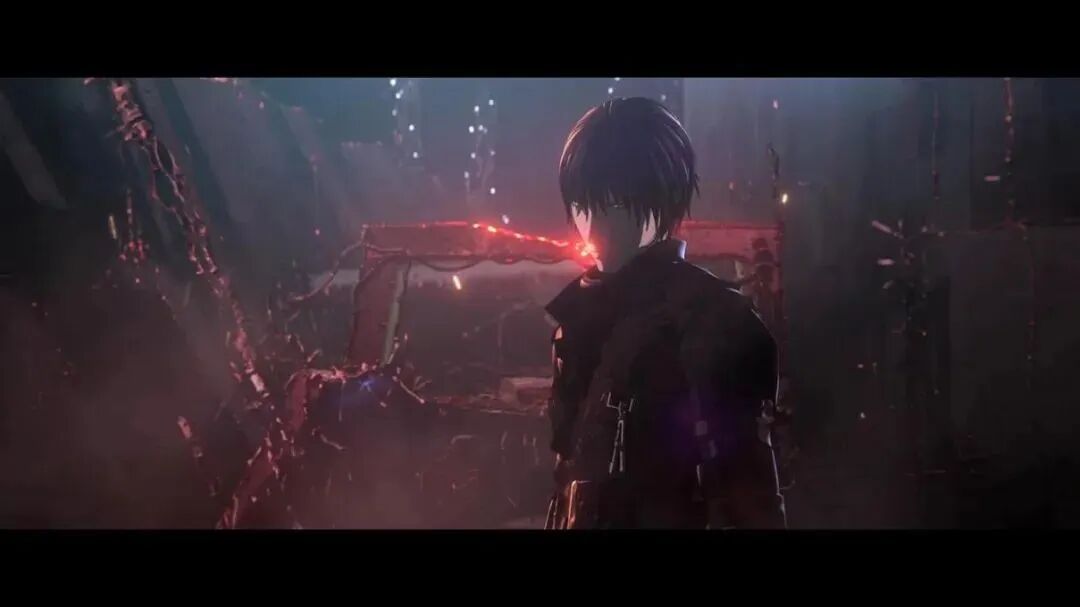
BLAME!
I also anticipated that realistic-style single-player games would proliferate. So a cel-shaded Dark Souls might not have much competition for a while — I predicted nothing like it would appear within five years. Who knew Code Vein would come out in 2019 (laughs).
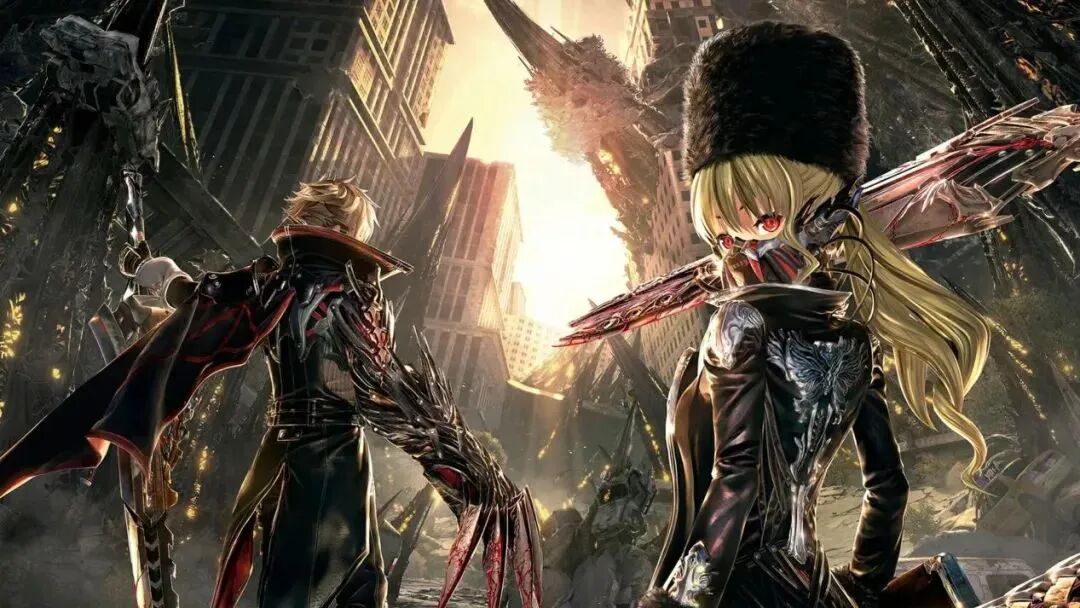
Bandai Namco's Code Vein
Q: When did you actually assemble the team?
Yang Bin: Until around late 2017, the project was solo development. I made a slice somewhat like Breath of the Wild and showed it to some companies, but nobody seemed confident about its future.
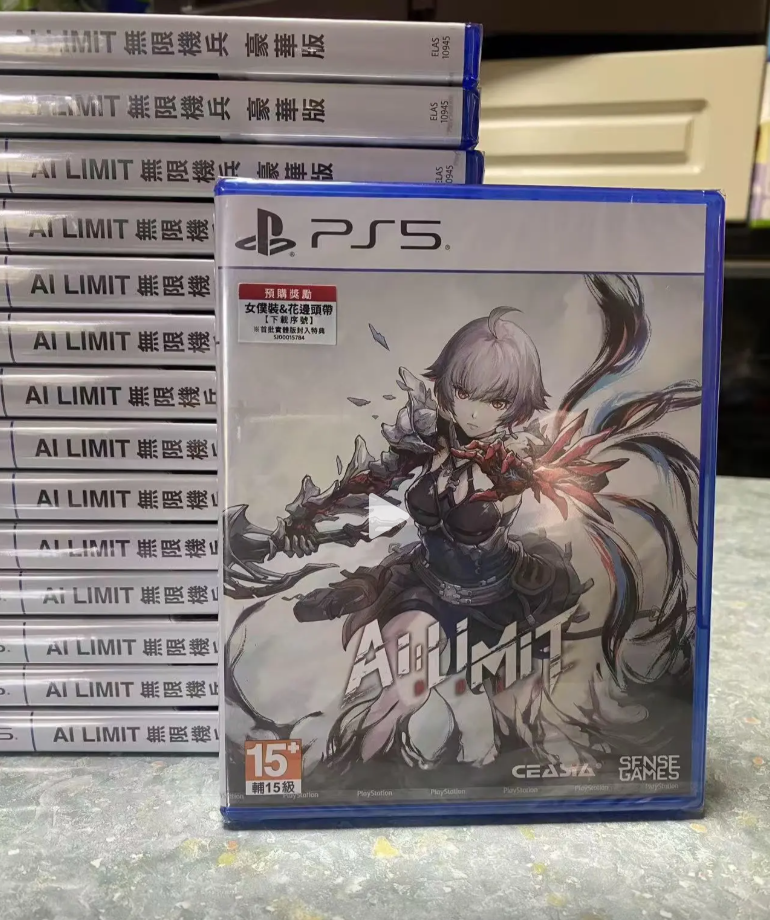
Later, two lead technical members from the Tales of the Neon Sea team saw the demo and found it interesting. They wanted to build the project together, forming a four-to-five-person team. Over the next year, we made a demo much closer to what AI Limit is today, and happened to catch Sony's China Hero Project Phase II in 2018.
Q: So the project joined the second phase of China Hero Project in 2019?
Yang Bin: Yes, pretty lucky. We submitted at the end of 2018 and got selected quickly.
Q: Were the China Hero Project selection criteria very strict?
Yang Bin: There didn't seem to be fixed standards. Each phase evolved. I recall Phase II's requirement was "must have a relatively complete playable demo" — otherwise no entry. This probably had to do with the completion rate of domestic single-player games in the early days.

Perpetually Broke Throughout the Process
Q: I heard the project went through a major adjustment?
Yang Bin: Sort of. After the reveal trailer in early 2019, to seize this hard-won opportunity, we brought on a dedicated writer and thoroughly reworked the worldbuilding framework and core concepts. Once investment came through, we could recruit more talented people. The team expanded from five to fifteen, and we truly began advancing the full project.
Q: How were the project costs?
Yang Bin: Mainly personnel. Art outsourcing accounted for roughly 2–3% of total costs. We were genuinely poor — so much so that many outsourcing partners didn't ask for much upfront payment, instead waiting until the game shipped.
Q: Quite the penny-pincher.
Yang Bin: Though this also had to do with the project's background and the quality shown at various stages. Partners may have sensed the game's challenging value and accepted this arrangement to support it. At the time, few had opportunities to participate in an original domestic mid-to-large-scale ARPG.
Q: What was publisher CE-Asia's attitude toward AI Limit?
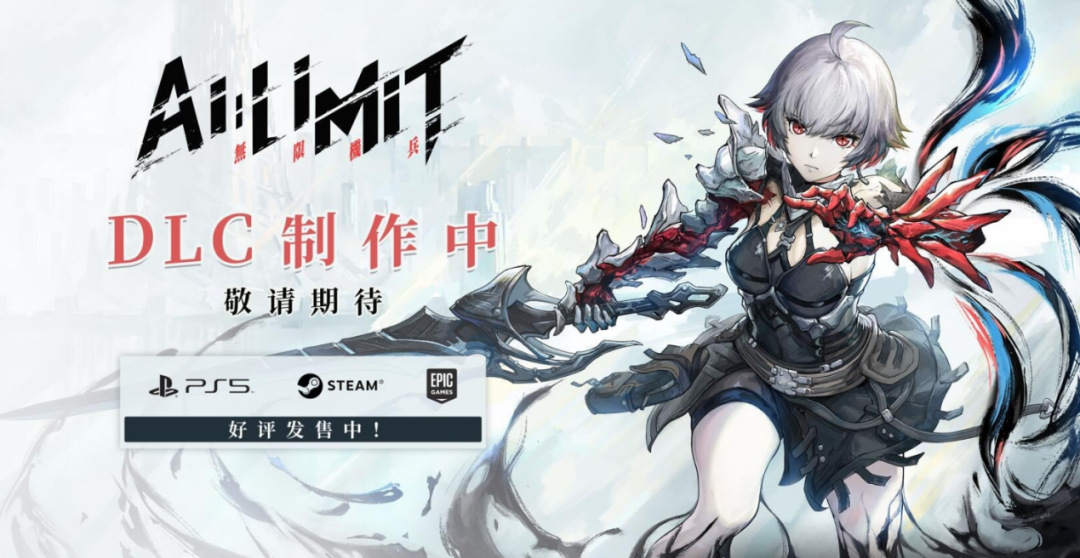
Yang Bin: Toward the project's end, the publisher boldly took on AI Limit. In early 2023, the version was still noticeably different from now. We'd approached many domestic and overseas publishers, but most didn't follow through. We knew AI Limit's content framework intimately — the story, all the logic — it was quite rich. But honestly, what we could actually demonstrate at that time remained very limited.
Only after they came on board did we get the chance to fill out the content to its current state in the final year or two. And CE-Asia is also one of the few domestic publishers with experience releasing globally-oriented 2A-and-above action games.
Q: Why were publishers hesitant about 2A-scale projects back then?
Yang Bin: Probably because there weren't many successful 2A cases on the market, so nobody could quite gauge it. When you say you want to make something like Dark Souls without particularly outstanding resources, people inevitably wonder: Can this really work? What do you have to compete with Dark Souls?
I think this overlooks something: Many single-player games don't actually need to match the very best in their genre. It's like reading books or watching movies — after finishing the hottest titles, if you genuinely like a genre, you'll keep digging for less prominent works in that same category. It's just a matter of order.
Also, people probably worried about costs and returns for this type of project. A project might only sell fifty to a hundred thousand copies, but with proper cost control, many projects still have room to work. And developers get to boldly exercise their talent. So I believe if developers and investors focus on long-term value accumulation through their works, they'll naturally have more courage to tackle mid-to-large-scale projects.
Q: The recent spring sales chart came out — AI Limit placed second with 300,000 copies, and by revenue it's actually first. Must be decent profit?
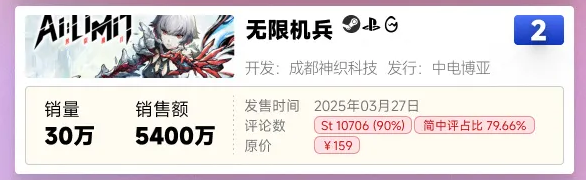
Yang Bin: Hard to say for sure, but this title had limited costs, and players of this genre continuously seek similar experiences to play. So relatively speaking, AI Limit's long tail may be fairly healthy. In any case, we need to keep working to improve quality and sell more.

Making Classic Soulslike Levels Requires More Handcrafting
Q: IGN gave the game a 5 at launch. How did that feel?
Yang Bin: Back when I ran VGLOOK, I'd daily repost review scores from IGN, GameSpot, GameInformer and others for new releases. Suddenly seeing IGN slap a 5 on our own game — the feeling was complicated. We knew the media build had some bugs, but other outlets' scores were roughly what we expected, mostly sevens and eights.
Later a friend joked that IGN gave Death Stranding a 6.8. I consoled myself: "Alright, so we're only 1 point behind Hideo Kojima" (wry smile). Besides, dwelling on it was pointless — we had to hurry up and keep optimizing the experience.
Q: AI Limit has been widely praised for its map design, which seems different from most domestic Soulslikes that emphasize combat?
Yang Bin: When thinking about differentiation, people's first instinct is often to differentiate core gameplay, and the inertial assumption tends to be "combat equals core gameplay." So the whole team dives into making combat creative, while content flow and storytelling follow familiar patterns from past experience.
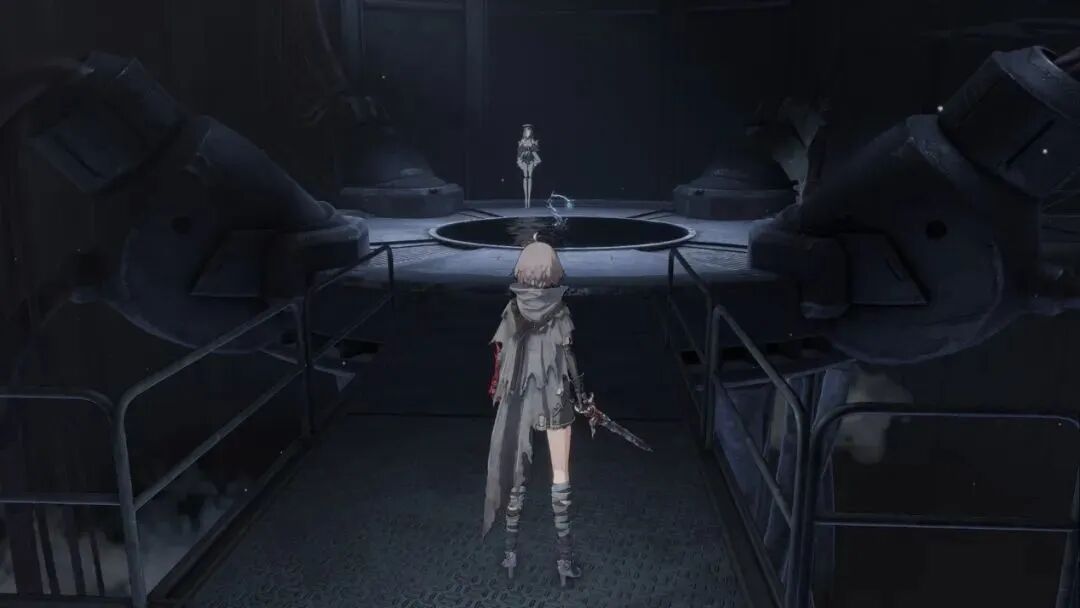
This time, AI Limit placed more emphasis on content flow experience, which shows in the map design. To capture that classic FromSoftware Souls flavor, the design requires extensive detailed thinking and handcrafting. Everything else has to serve the map to create excellent content flow. So the praise for "excellent map design" probably reflects that this approach was right.
Q: If everything revolves around map and level design, was everyone constantly in extreme tension with the level designers?
Yang Bin: There were many times we'd make trade-offs for the level's needs. For example, a monster might have four or five moves, all looking pretty cool, but level flow testing shows only one or two can stay, with functional adjustments needed. The enemy designer might feel slightly frustrated, worried the monster ends up too boring or fails to represent their design skill. It all depends on what the design ultimately serves.
Q: With such strong interconnection between elements, wasn't project progress hard to control?
Yang Bin: Yes, many sections of the game were rebuilt three or four times. In early design, greyboxing would go through repeated adjustments. After content deployment, problems found in testing might still lead us to overhaul things. Even after optimization was supposedly finished, local adjustments still happened.
With changes like these, if project management can't withstand the pressure, it severely impacts timelines and market opportunities. But if you don't change, the design accumulates more obvious flaws. Looking back at AI Limit's development, the gameplay side always leaned toward: "Clear design flaws must be fixed."
Q: Will AI Limit 2 continue the current style and core experience?
Yang Bin: The AILIMIT worldbuilding architecture is quite solid, and the story has long had much foreshadowing laid. The style and core experience will definitely build upon the first game. Hopefully we can reach a more ideal state.
Q: Including AI Limit, many Soulslikes with different emphases have been quite popular. Why do you think that is?
Yang Bin: Probably because Soulslikes are a fairly balanced solution. Personally, I'm not particularly fond of slow turn-based combat or high-speed combo-heavy action games.
By comparison, Soulslike's realistic combat hits just right — it has immediate feedback, and as long as you keep exploring and growing, you can overcome challenges. That's the core appeal of ARPGs. And the Soulslike narrative logic and exploration mechanisms make all this more fully realized.
Many players resist the suffering aspect, but I believe if they patiently play through, they'll come to love this highly challenging, deeply rewarding genre.

The Biggest Barrier Is Sufficient Love and Patience
Q: Beyond sales, AI Limit must have brought the team quite a lot.
Yang Bin: If a career has platinum achievements, then this first playthrough has surely unlocked quite a few trophies — including the current positive review rate and the recognition we've gained in the Soulslike genre. But the bigger gains are Sense Games growing to its current state, and AI Limit being remembered by tens of thousands of players. The long-held dream has been preliminarily realized.

Q: What do you think of Chengdu being called the city of single-player games?
Yang Bin: Probably low costs remain key. If costs were too high, many indie developers wouldn't consider forming teams for single-player games — they'd have to silently lay more groundwork alone before daring to bring on more companions. Chengdu might be relatively better in this regard. As mentioned earlier, with good cost control, there isn't excessive revenue pressure. So Chengdu may indeed be an ideal creative environment.
Q: For those wanting to make single-player games now, should they first get experience at a major studio?
Yang Bin: If there's opportunity, it's quite necessary. Otherwise you might lack comprehensive understanding of projects and teams — including project management, team collaboration, and the problems a product ultimately faces when going to market.
If you push forward a project without much experience, losses from problems encountered mid-way become very costly. Many one- or two-person indie developers start with brilliant creativity and secure some small funding, but after establishing a company and expanding the team, they quickly hit walls with project management and team collaboration, gradually fading from view. So getting some work experience first might help avoid mishaps to a greater degree.
Q: So is now a good time to make single-player games?
Yang Bin: I'd say so. For China, Black Myth: Wukong's emergence has more broadly connected players' hardware layers — some bought consoles for it. It also significantly raised player acceptance of single-player games. Meanwhile, mobile games continue facing homogenization challenges and severe headwinds. So various trends show: Right now might be a good time to make single-player games.
Q: With more developers flooding into this track, won't barriers rise?
Yang Bin: Engines are growing more powerful, so the barrier to creating single-player games is actually continuously lowering — works will appear faster and more plentiful. But similarly, this brings massive homogenization. As player tastes grow more sophisticated, everyone is constantly awaiting creative, outstanding works in each window of opportunity. So from this angle, barriers may not be that low either. In any case, for developers, the biggest barrier will always be sufficient love and patience.