Post-95s Founders Lead the GenAI Application Revolution: A Look at 2024's New American Unicorns

In the US, more than half of the new AI unicorns are application companies.
Z Talk is ZhenFund's knowledge-sharing column.
In 2024, 140 companies worldwide reached unicorn status. Earlier this year, ZhenFund published its "2024 China New Unicorn Research Report."
In this edition, we conducted comprehensive research, analysis, and review of 67 new unicorns in the United States. To download the full PDF report, please scroll to the end or click "Read More."
In 2024, the U.S. added 67 new unicorn companies [1], ranking first in volume. China came second with 44.
Of these, 25 (37%) came from the rapidly evolving generative AI sector. In China, only 2 new generative AI unicorns emerged, with hard tech dominating the landscape.
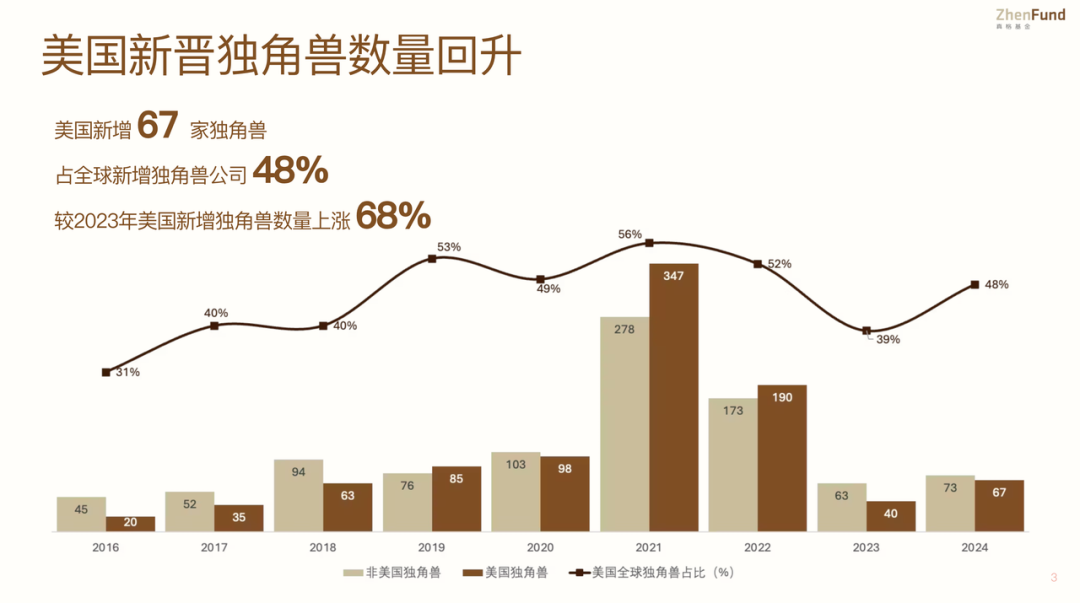
Figure 1 — U.S. New Unicorn Share Over the Past 9 Years
01
The American Entrepreneurs Behind the Unicorns
Committed to its "people-first" investment philosophy, ZhenFund has proposed a four-quadrant theory for entrepreneurs — categorizing founders as "Veterans," "Wunderkinds," "Technologists," and "Operators."
Veterans
Among U.S. new unicorns, "Veteran" founders account for the largest share: 34 individuals (51% of U.S. new unicorns [2]). "Veterans" are serial entrepreneurs. They possess extensive startup experience, learning through battle and compounding their expertise over time.
Elon Musk is one such example. His xAI set a staggering record of building the world's largest AI supercomputing cluster in just 122 days, securing the top spot globally in computing power with 100,000 H100 chips [3].
Equally prominent is Ilya Sutskever, former Chief Scientist at OpenAI. Following the OpenAI leadership turmoil, he left in May 2024 and founded Super Safe Intelligence (SSI) in June, with the mission of achieving "safe superintelligence."
According to media reports, SSI is expected to raise over $1 billion in its latest funding round, with a valuation exceeding $30 billion [4].
Wunderkinds
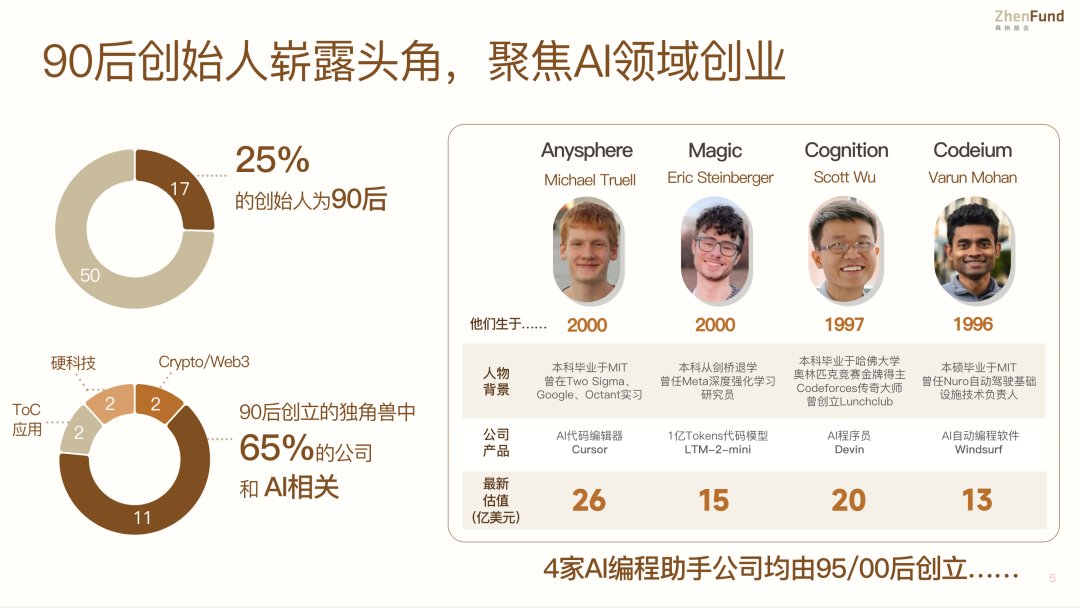
Figure 2 — Post-90s Founders Making Their Mark
"Wunderkinds" are the favored entrepreneurs in America's generative AI wave. Beyond "Veterans," there are 17 "Wunderkind" founders (25% of U.S. new unicorns), ranking second. Among them are 4 post-95 founders and 2 post-00 founders.
Most "Wunderkind" founders launched their startups after accumulating 1–3 years of corporate work experience; only 3 dropped out or started immediately after graduation.
In 2024's hottest AI coding sector, all four founders are post-95s.
Cursor
- Parent company Anysphere was founded by 4 post-00s entrepreneurs. All four founders studied computer science and mathematics at MIT and were heavy GitHub Copilot users as students.
- Currently, Anysphere employs only about a dozen people, yet serves over 30,000 paying customers including OpenAI, Perplexity, and Midjourney. In just six months, Anysphere's valuation grew 5x to over $2.6 billion.
Devin
- Parent company Cognition's Chinese-American founder Scott Wu was born in 1997. He demonstrated exceptional mathematical talent from a young age, starting to code at age 9 and winning three International Olympiad in Informatics (IOI) gold medals. He achieved the highest rank of "Legendary Grandmaster" on Codeforces, the world's largest competitive programming community (only 56 people globally hold this title).
- Scott Wu is a serial entrepreneur. While studying economics at Harvard, he founded AI-driven professional networking site Lunchclub and served as CTO, securing investments from a16z, Coatue, and Lightspeed, with a valuation exceeding $100 million.
- In 2023, Scott left Lunchclub to found Cognition, and officially launched Devin, the first AI software engineer, in December 2024 — regarded as a landmark moment in AI Agent history.
Windsurf
- Parent company Codeium's founder Varun Mohan was born in 1996. He graduated with perfect GPAs from both undergraduate and graduate programs at MIT.
- Before founding Codeium, he served as a tech lead at autonomous driving company Nuro.
- Currently, Windsurf has over 800,000 active users and more than 1,000 enterprise customers.
Magic
- Founder Eric Steinberger was born in Vienna in 2000. At 14, he taught himself computer science and physics through MIT online courses, and as a high schooler, cold-emailed his way into Meta to collaborate with top AI researcher Noam Brown (one of the core architects behind OpenAI o1). Eric later enrolled in Cambridge University's computer science program but dropped out after one year.
- In 2022, he founded AI coding company Magic, and in 2024 launched LTM-2-mini, the world's first model with a 100 million token context window.
- Currently, this company of just over 20 employees has received nearly $500 million in investment from prominent institutions including NVIDIA, Sequoia, and Alphabet, with a valuation of $1.5 billion.
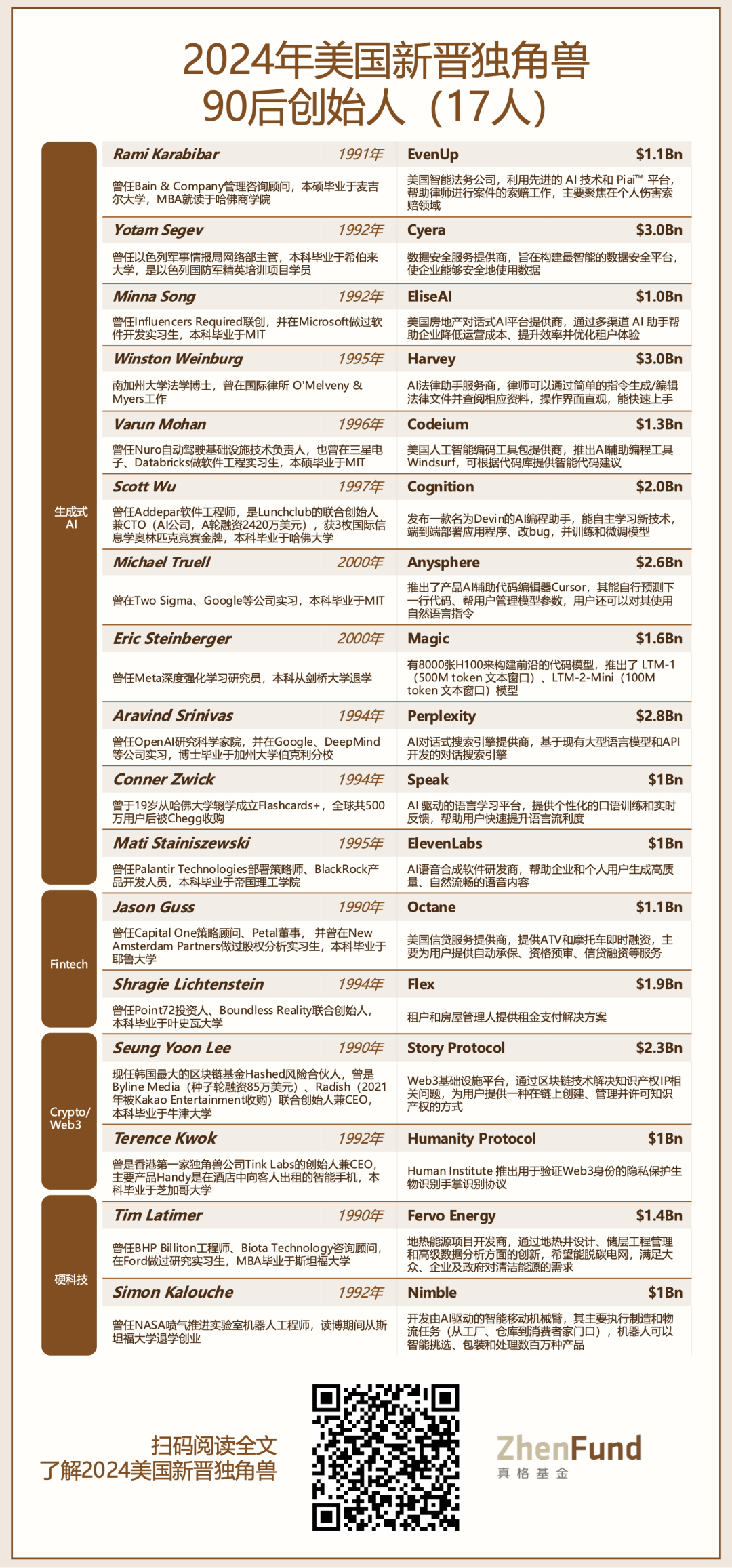
Figure 3 — North American New Unicorn Post-90s Founders
Technologists
"Technologist" founders rank third, comprising 22%.
Most previously conducted cutting-edge research at universities or led core research teams at major tech companies like Google and Meta. Of their companies, 73% focus on AI, covering large language models, embodied intelligence, AI chips, and other frontier areas.
Because "Technologist" founders possess formidable technical moats and new technology exploration requires substantial capital support, their companies achieve capitalization far faster than other industries. On average, "Technologist"-founded startups receive their first funding round just 10 months after establishment, compared to the overall average of 2 years.
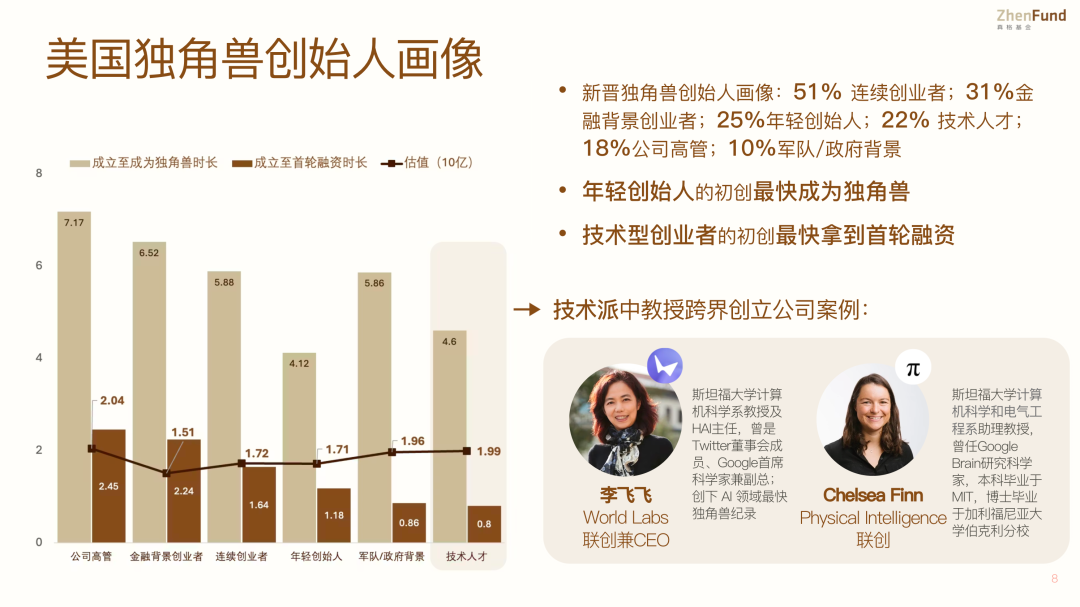
Figure 4 — U.S. Unicorn Founder Profiles and Proportions
"AI Godmother" Fei-Fei Li is the star founder among "Technologists." In April 2024, then-director of Stanford HAI (Institute for Human-Centered AI), Li founded World Labs, declaring its mission to build "spatial intelligence" — bringing AI into dynamic 3D worlds.
Just 3 months after its founding, World Labs attracted over $200 million in investment from tech giants including NVIDIA, AMD, and Adobe, with a valuation exceeding $1 billion — setting the record for fastest AI startup-to-unicorn growth.
Another notable "Technologist" founder is Chelsea Finn, also from Stanford, then an assistant professor in computer science and electrical engineering. She and Sergey Levine co-founded Physical Intelligence (π) in March 2024, aiming to build a general-purpose robot brain. Within 8 months, Physical Intelligence (π) raised 3 funding rounds from Sequoia, OpenAI, and Amazon founder Jeff Bezos, reaching a valuation of $2.4 billion.
Chelsea Finn previously led Stanford's IRIS (Intelligent Robot Learning in Scalable Environments) Lab, creating the viral "shrimp-frying robot" ALOHA. Co-founder Sergey Levine is a leading figure in reinforcement learning and Chelsea's PhD advisor at UC Berkeley. With over 160,000 Google Scholar citations, Sergey is known as an "academic machine."
02
Four Notable Observations on U.S. Unicorn Founders
Unlike China, founders with finance, investment, and consulting backgrounds account for one-third of U.S. new unicorns.
- For example, May Habib, founder of enterprise AI assistant platform Writer, previously worked as an analyst at Lehman Brothers and VP at Mubadala, Abu Dhabi's second-largest sovereign wealth fund.
- Financial backgrounds give these entrepreneurs sharper market opportunity detection, though this founder type is rarer among China's new unicorns.
10% of founders previously served in military or government roles.
- These founders mostly focus on hard tech sectors like cybersecurity and defense technology. For example, teams at storage solutions provider WEKA, AI cybersecurity company Cyera, and cloud backup management platform Eon all have roots in the Israeli military.
45% of unicorn founders are first-generation immigrants. Another 33% are children of immigrants born in the U.S.
- By region, entrepreneurs from the Middle East and India are most numerous; by ethnicity, Jewish founders account for as high as 20%.
- Chinese-founded unicorns number 5. Beyond the aforementioned World Labs and Cognition, these include AI property management platform Elise AI, blockchain identity verification provider Humanity Protocol, and semi-solid-state lithium-ion battery developer 24M Technologies.
Additionally, 26 unicorn founding teams had prior working or school relationships before starting up.
- For example, ElevenLabs founders Mati Staniszewski and Piotr Dabkowski met in high school in Warsaw, Poland, collaborating on numerous hackathon projects. Their shared frustration with Polish film dubbing quality drove them to found the voice generation company ElevenLabs.
- Shared experiences build deeper trust and rapport among founders, forming common goals and values that provide a strong foundation for startup success.
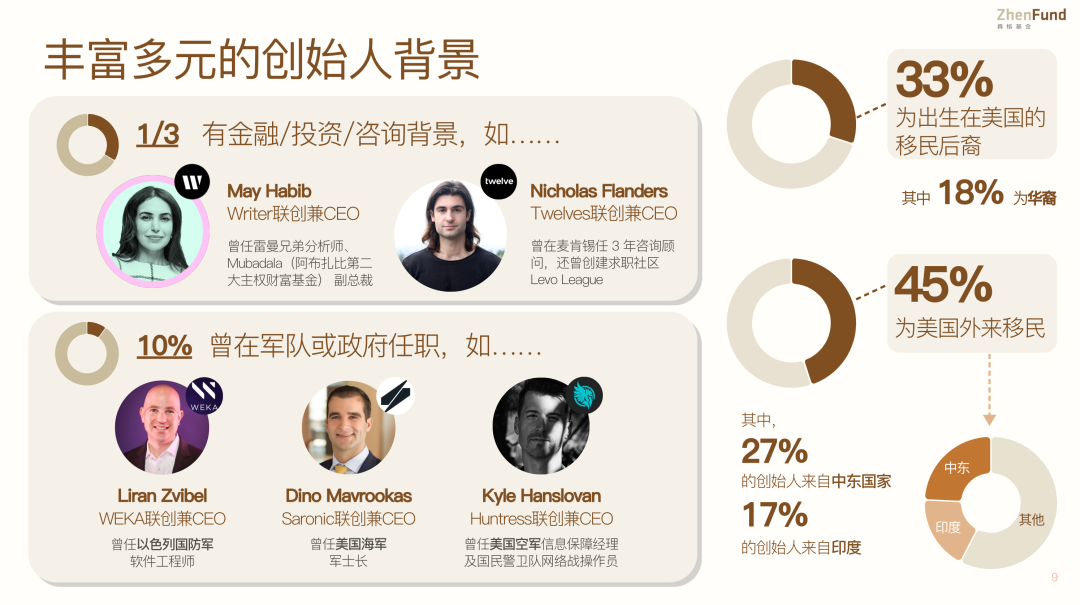
Figure 5 — Summary of Founder Background Characteristics
03
U.S. Unicorn Sector Distribution
Among 67 U.S. new unicorns, 28 are AI unicorns, of which 25 are generative AI unicorns.
These AI unicorns command an average valuation of $2.1 billion, reaching unicorn status an average of 3.7 years after founding — the fastest-growing sector after Web3.
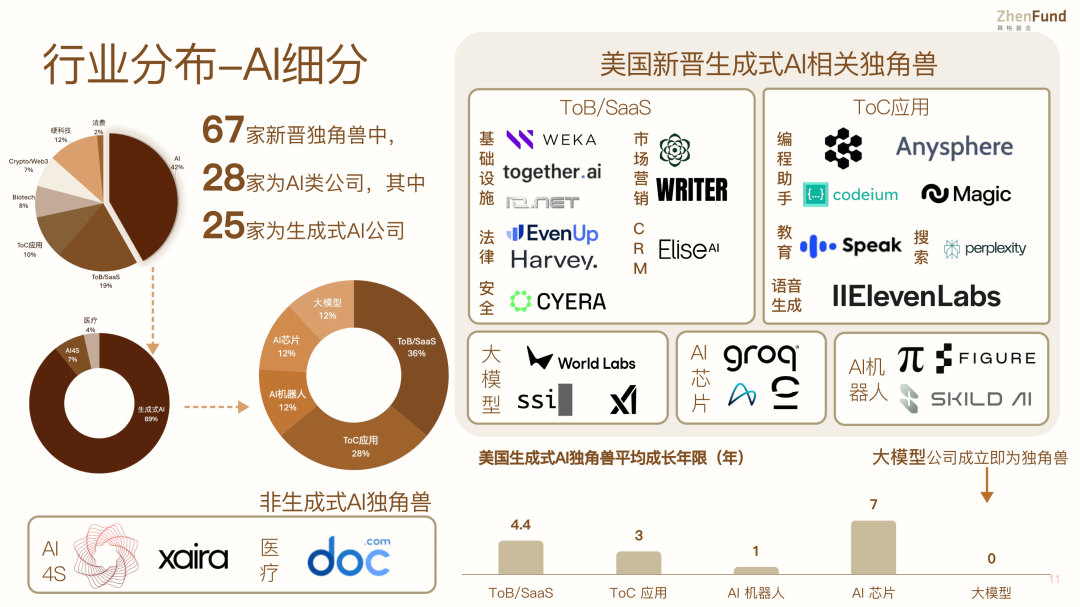
Figure 6 — U.S. New AI Unicorn Breakdown
Over half of U.S. new AI unicorns are AI application companies, totaling 17. These include B2B marketing and legal assistants, and B2C coding assistants, language learning, and research search assistants.
Contrasting with America's flourishing AI application landscape, China's only 3 new AI unicorns this year include 2 large model companies — Moonshot AI and StepFun — plus humanoid robot company Unitree, which has drawn considerable attention.
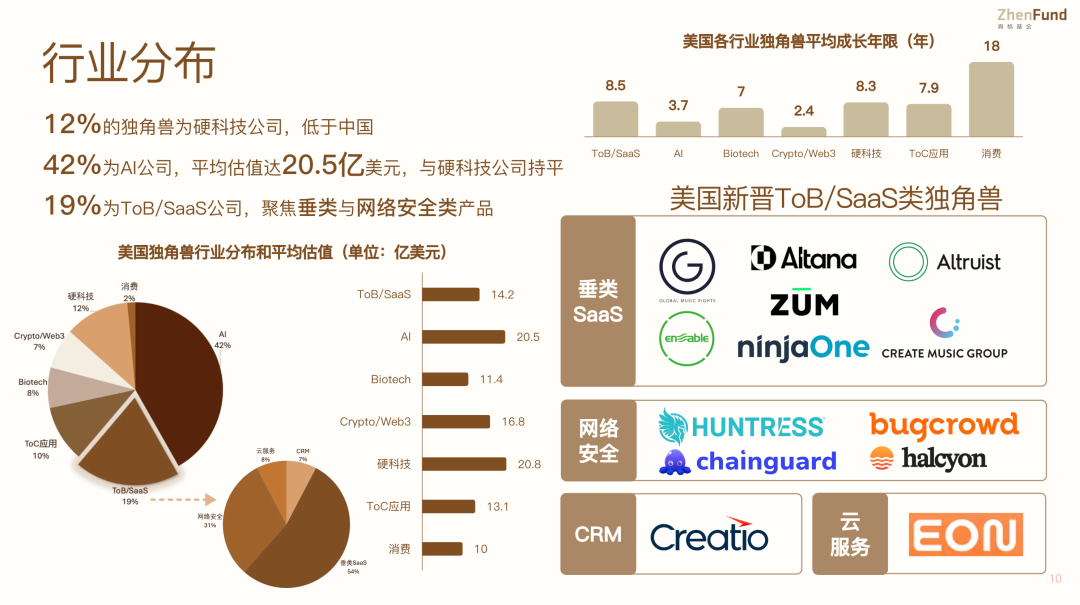
Figure 7 — U.S. New Unicorn Sector Distribution
Traditional B2B/SaaS remains a popular entrepreneurship domain in the U.S. This sector produced unicorns accounting for 19% of the total, second only to AI.
These typically offer highly verticalized services for specific industries. Examples include:
- Enable, which provides rebate management software for B2B enterprises
- Zūm, which provides fleet management software for school transportation
- Altana Technologies, which provides compliance services software for supply chain logistics
- Global Music Rights and Create Music Group, which provide copyright protection services for the music industry
After years of development, U.S. SaaS has entered a stage of high specialization and verticalization. Additionally, the AI boom has heightened attention to cybersecurity and privacy breaches — last year, 6 U.S. cybersecurity companies became unicorns, representing 31% of the SaaS sector.
U.S. hard tech new unicorns rank third, comprising 12% of the total. In China, hard tech was the sector producing the most unicorns last year.
Among U.S. hard tech new unicorns, the vast majority are new energy companies. These include geothermal energy developer Fervo Energy, community solar operator Nexamp, nuclear fusion company Zap Energy, sustainable aviation fuel developer Twelve, and battery developer 24M Technologies.
Additionally, U.S. hard tech unicorns born this year include quantum computing company Quantinuum, military-grade unmanned vessel developer Saronic, and warehouse logistics robot Nimble.
Other sectors with new unicorns include:
- TMT and FinTech B2C applications, at 10%. Among these, social live-streaming e-commerce platform Flip is widely regarded as a competitor to TikTok Shop. In April 2024, Flip raised $140 million led by Streamlined Ventures, and in July acquired Curated, a personalized product recommendation platform with human shopping guides. Curated's average order value reaches $700; this acquisition is expected to double Flip's revenue.

Figure 8 — Flip Official Website
- Biotech, at 7%
- Blockchain projects, at 7%
- Among all these tech ventures, the sole fashion brand The Row stands out. Founded in 2006, The Row has surged in popularity over the past two years through its signature "quiet luxury" aesthetic, and in 2024 received investment from Chanel and the L'Oréal family.
ZhenFund is fully committed to backing young founders with passion and innovative ideas, and looks forward to walking alongside you on the journey to unicorn growth.
If you have a great startup idea, we'd love to chat!
To obtain the full "2024 U.S. New Unicorn Research Report," please download the PDF below or click "Read More."
Data sources: U.S. — PitchBook + TechCrunch; China — PitchBook + IT Juzi; Other countries — PitchBook
[1] In U.S. new unicorn data, Cart.com, Xpansiv, Clear Street, and Ascend Elements had already reached unicorn valuation standards before 2024, while Alumis's valuation fell below $1 billion after its June 2024 IPO. Therefore, these 5 companies are excluded from this analysis based on the previous 72 U.S. new unicorns.
[2] Some founders have composite backgrounds; multiple labels are applied here, so proportions sum to over 100%. For specific label definitions, please see the full PDF report.
[3] Due to the exceptional nature of Musk's xAI, its ultra-high valuation significantly deviates from the average ($50 billion vs. average $1.7 billion); therefore, all valuation and growth speed calculations in this article exclude this outlier.
[4] As of publication, SSI's latest funding round at a $20 billion valuation has not yet closed; therefore, all statistics in this article use the previous round's valuation data ($5 billion).
Information collection and organization | Manlu, Xinyen
Report writing | Leah, Cianna, Manlu
Editing | Bonnie, Wendi
Recommended Reading