ZhenFund's Yusen Dai's Lunar New Year Reading List: You Have to Keep Running Just to Stay in Place

Accompanied by words, seeing a wider world.

I read 58 books in 2025 — fewer than in previous years, and once again falling short of my goal of 100. Partly because work got busier (excuse), but also because more high-quality conversations and discussions have migrated to podcasts and newsletters, diverting time I'd otherwise spend reading. Meanwhile, much of what I used to consume through books has gradually shifted to dialogues with AI. Even so, here are my picks for the best books of 2025, along with recommendations across nonfiction and fiction.
Yusen Dai, Managing Partner at ZhenFund
01
The Red Manifesto of Kangxi
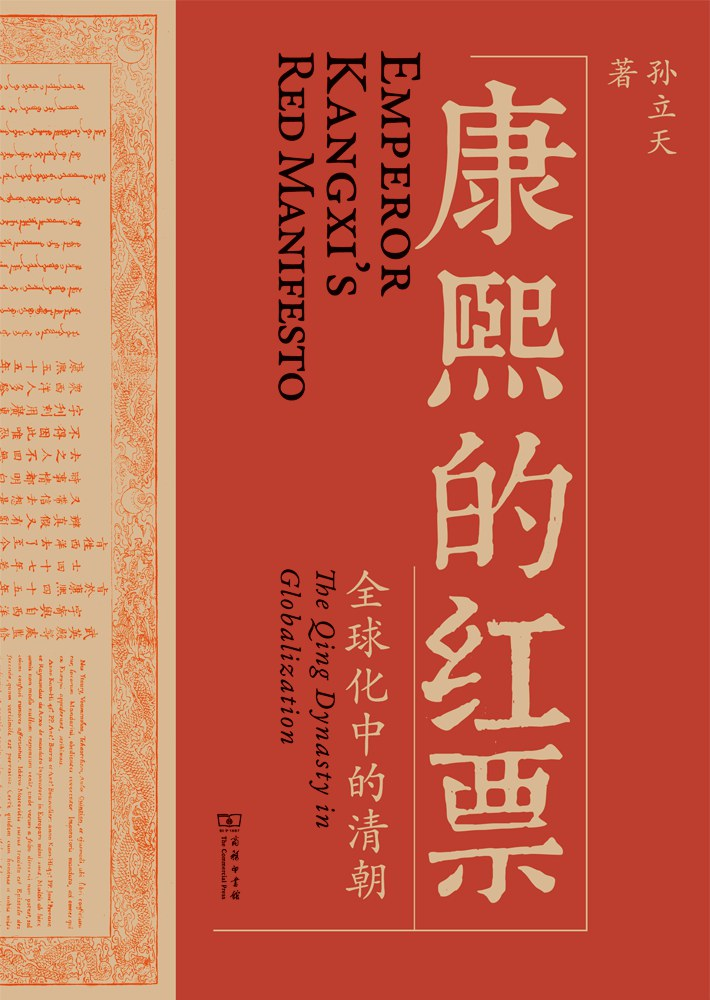
Author: Sun Litian
Why did missionaries ultimately fail to bring Western science and ideas into China? The usual explanations center on "Qing isolationism" or "clash of civilizations." But drawing on extraordinarily detailed historical research, the author offers a more compelling thesis: missionaries were deeply entangled in the early Qing court's power struggles — they rose with Kangxi and fell with Yongzheng. The personal relationships between missionary circles and individual emperors, not abstract cultural forces, drove this historical arc. Seemingly contingent events altered the course of history: Kangxi's youthful purge of Oboi, or Yongzheng's own devout Buddhist practice. These personal circumstances converged to produce an outcome that might easily have been different.
02
In the Blink of an Eye
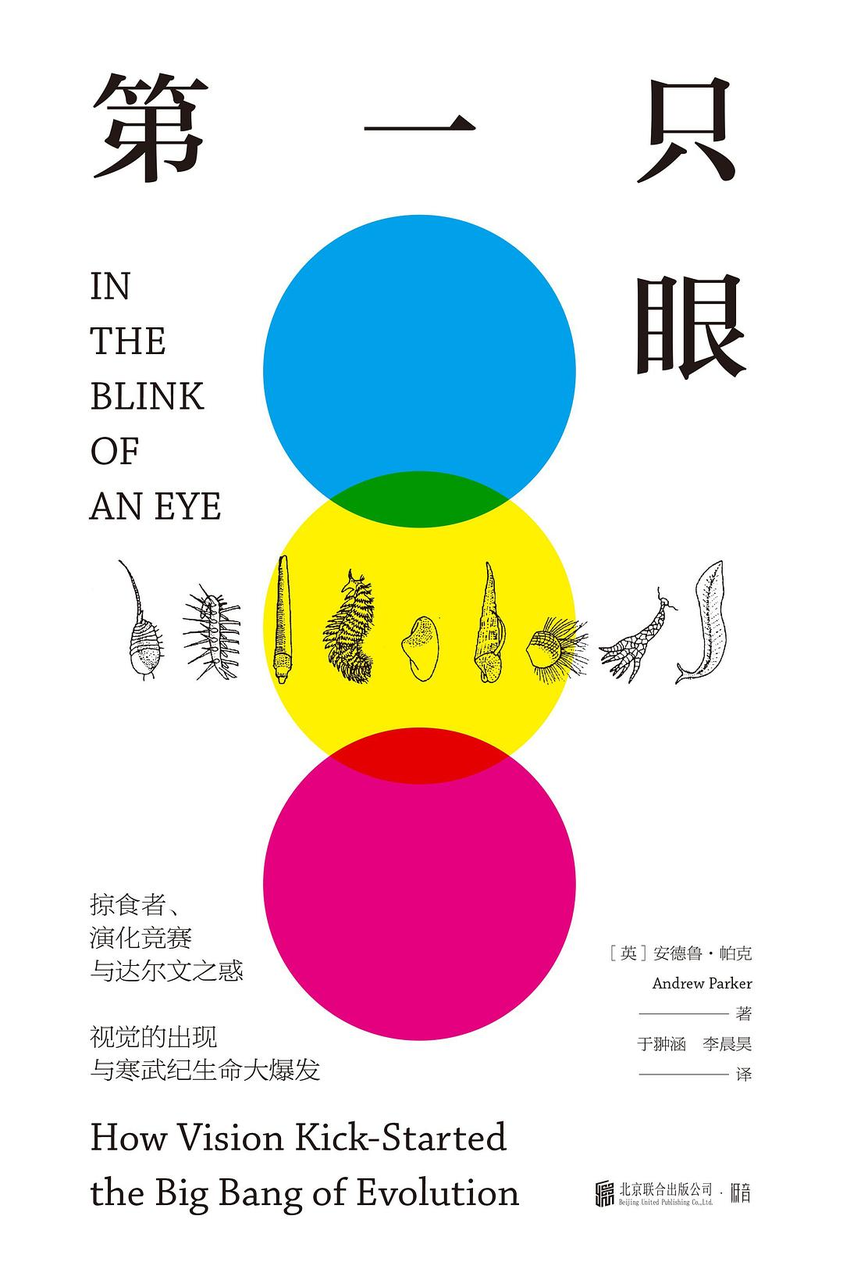
Author: Andrew Parker
A wonderfully accessible yet rigorously argued book. Why did the Cambrian explosion happen? Parker proposes the "Light Switch Theory": the critical event was when primitive trilobites evolved the first eye. Before eyes, Earth was a world without "involution" — competition and predation weren't dominant selection pressures; organisms simply lived quiet, parallel lives. Then a light-sensitive spot emerged on a trilobite, multiplying and complexifying until the first eye appeared, and Eden ended. For the first time, a creature with vision became the ultimate "involution champion," and active predation and defense were born. Predator and prey entered a Red Queen's race — "it takes all the running you can do to keep in the same place" — and life's grand symphony truly began. By Chapter 9, the effect is almost symphonic, as if time itself collapses back hundreds of millions of years. The beauty is shattering. (Note: Highly recommended as a companion read to A Brief History of Intelligence, my 2024 pick of the year.)
03
Open: An Autobiography

Author: Andre Agassi
Behind every glittering life lies a hidden landscape of helplessness, compromise, pain, and despair. Agassi's memoir is extraordinarily honest. Yes, he never truly loved tennis as a child. Yes, he had an explosively violent, even cruel father. Yes, he used drugs, lied to ATP arbitrators, burned clothes in hotel rooms after losses, smashed a championship trophy in jealous rage after watching his girlfriend's on-screen love scene. Yet this unvarnished candor became his most indestructible weapon — and perhaps because of it, he was always surrounded by people who genuinely cared and never left. The price of legend is never cheap, but that's the buy-in for this game.
04
Our Mathematical Universe
Author: Max Tegmark
A magnificent popular science work that covers the origins and implications of multiverse theory comprehensively — the kind of book that leaves you genuinely "awed without fully understanding." Whether the universe is indeed a "mathematical reality" as the author proposes, whether countless inaccessible, unobservable parallel universes truly exist, or whether every choice we make splits off a new world — these speculations are captivating in themselves. One closing line particularly stays with you: it is not the universe that gives life meaning, but rather life, and we ourselves, who give meaning to the universe.
05
Boom
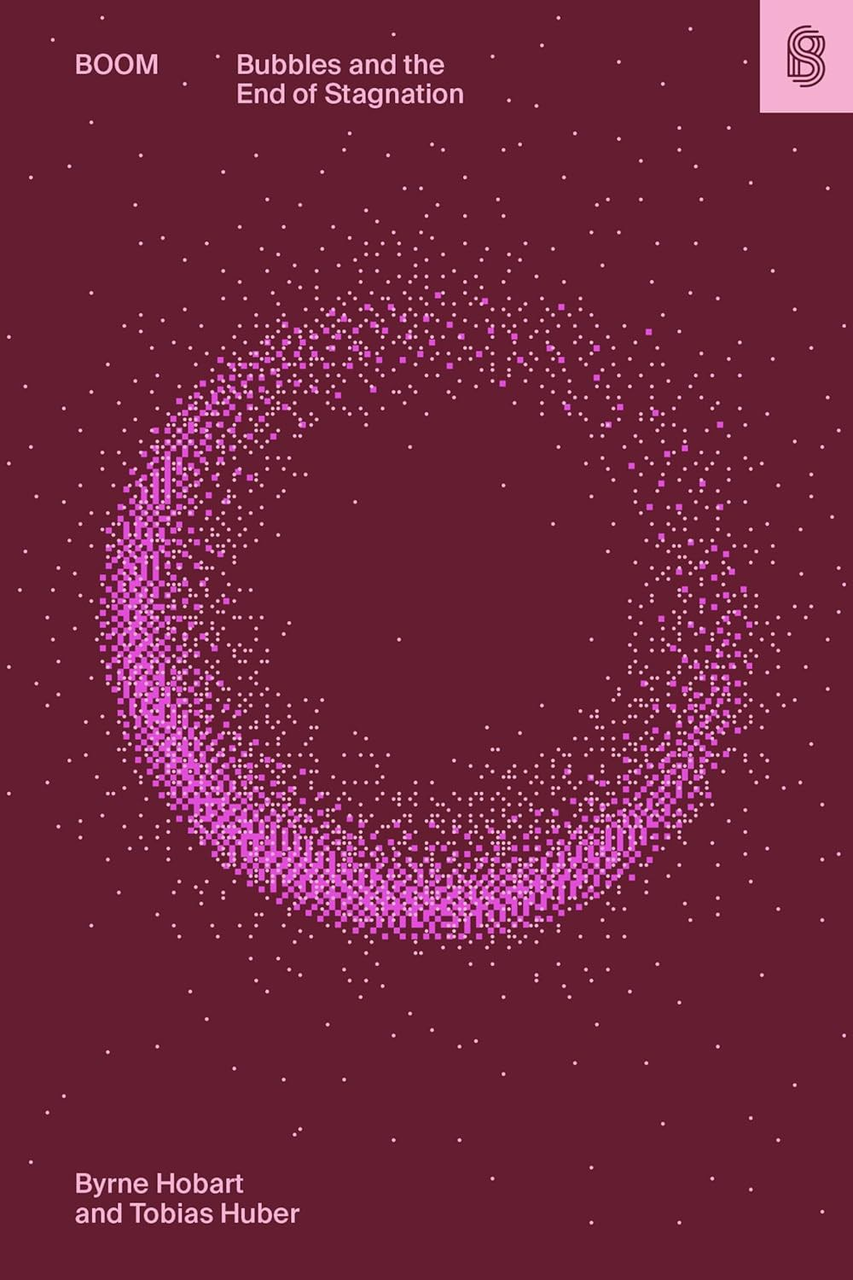
Author: Byrne Hobart / Tobias Huber
Venture capital is inherently a profession that must live with bubbles over the long term. "Bubble," traditionally pejorative, is in many cases precisely what makes society willing to take risks and push innovation forward. I especially appreciated the authors' binary classification: mean-reversion bubbles versus inflection bubbles. The former assumes the future extends the past, overpricing certainty; the latter assumes the future diverges radically from the past, overpricing potential upside. This conceptual distinction is the book's core contribution.
06
Reinterpreting Entrepreneurship
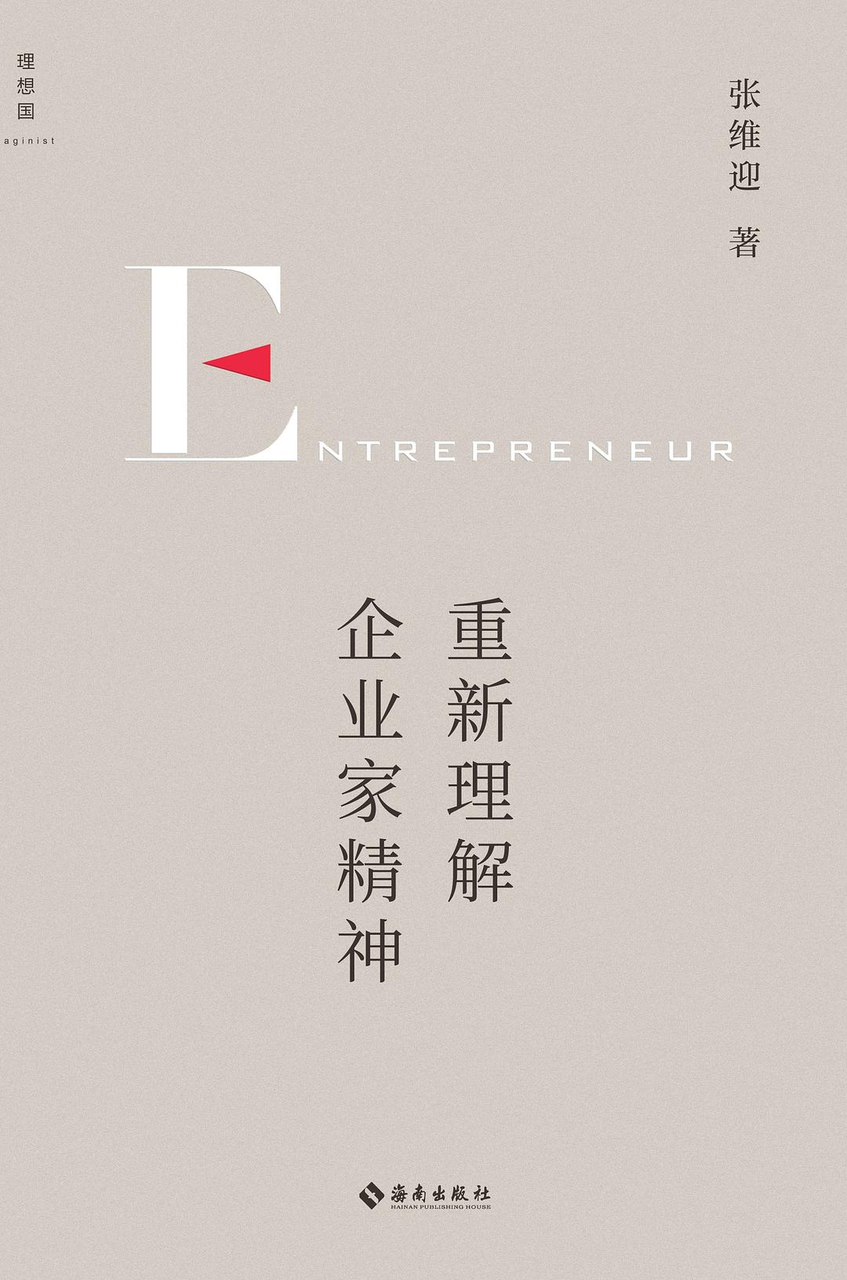
Author: Zhang Weiying
From an economist's scholarly vantage, Professor Zhang offers exceptionally clear and penetrating conceptual analysis of entrepreneurship: hard knowledge versus soft knowledge, entrepreneurs versus managers, arbitrage versus innovation. I strongly endorse his three-part deconstruction of what entrepreneurial spirit is not: first, entrepreneurial decisions are not scientific decisions — they're not based on data and calculation, but on imagination and judgment; second, entrepreneurs don't optimize within given constraints, they actively transform those constraints, turning impossibility into possibility; third, entrepreneurs don't pursue profit as their sole objective — they typically seek goals and missions that transcend profit itself.
07
Because It's Unique

Author: Li Xiang
Reading this in May 2025, as Pop Mart's market cap surged past 300 billion, feels like having the ending of a mystery spoiled in advance (or at least a major milestone) before watching the whole film. In an era dominated by fast-growing tech companies, Pop Mart is genuinely anomalous. Ning Wang's philosophy and journey building the company bring to mind: "Slow is smooth, and smooth is fast." Scale is easy; brand and culture are hard; spreading a cultural IP worldwide through physical stores and products is harder still. Wang has many quotable lines in the book. Having weathered stock price swings in recent years, one can see Pop Mart genuinely practicing and holding to many of these principles. Yet today also brings the "more good news means more danger" phase — global frenzy will test team mentality and supply chain alike. But from another angle, this is equally an opportunity for the company to continue upgrading and evolving. Go for it!
08
Source Code
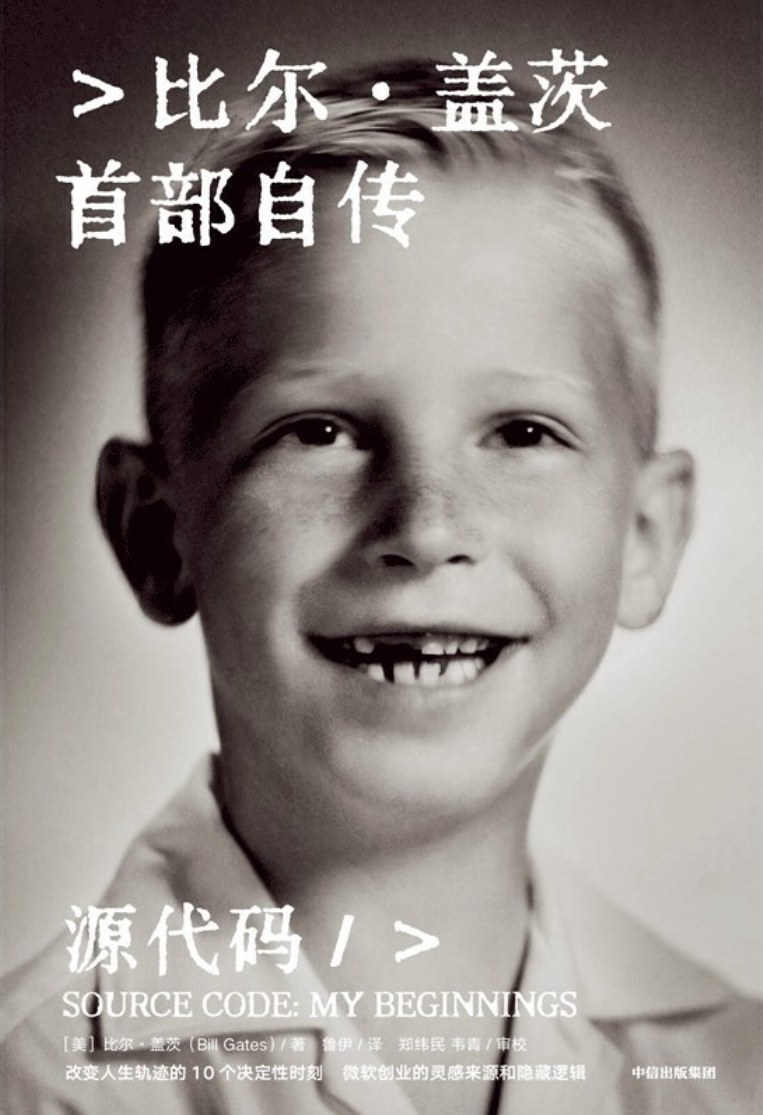
Author: Bill Gates
Bill Gates's memoir from before he devoted himself full-time to Microsoft. Remarkably candid, it lets us travel back to the dawn of the computing revolution and witness how a gifted teenager found his chance to change the world. In Microsoft's birth story, the evolution of underlying hardware technology opened the real window for software and developers. Gates writes that they spent years waiting for a personal computer built on Intel's 8080 chip — only the 8080 was powerful enough to truly drive good software. This reminds me of early 2025, when we too were waiting — and perhaps have now found — a sufficiently powerful foundation model to drive Agent applications like Manus, which we invested in. We stand once again at the beginning of a new technology cycle; the new era's Gates and Jobs are already emerging.
09
Seabiscuit: An American Legend
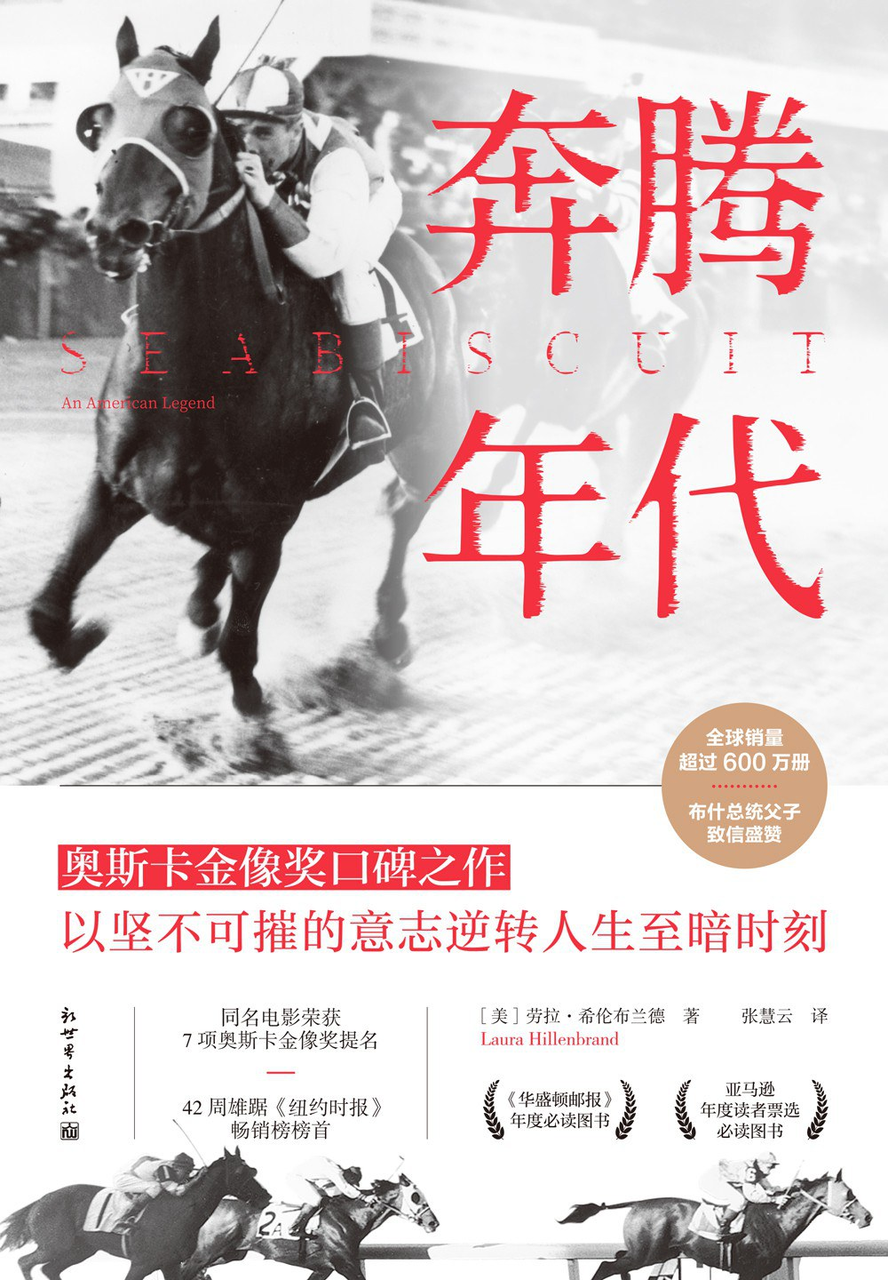
Author: Laura Hillenbrand
A book well worth recommending. Of all the elements that make great stories, none move us more than the rise of the unknown, the reversal of the underestimated, the defiance of fate after repeated blows, and the abrupt end at the height of glory. Seabiscuit and the men behind him symbolized the America of that era — the Roaring Twenties. Compared to the literal translation "Seabiscuit," the Chinese title The Galloping Age carries greater force, using the small to illuminate the large, the horse to evoke the age.
10
Unbroken
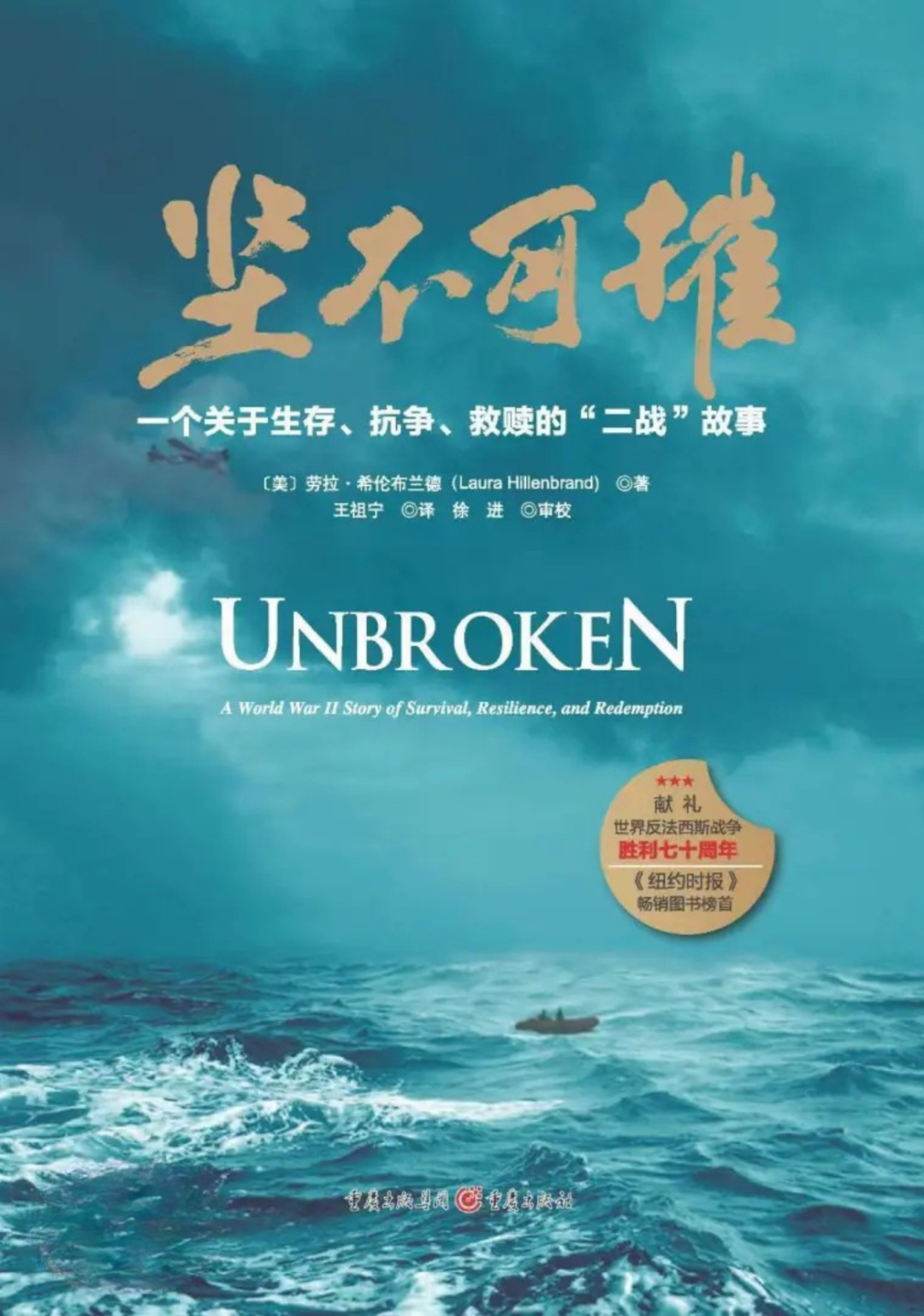
Author: Laura Hillenbrand
A profoundly moving work of narrative nonfiction. World War II produced its share of legendary American soldiers: Audie Murphy (yes, that Murphy of "Murphy's Law"), "machine gun saint" John Basilone, the pilot who single-handedly crippled two carriers at Midway. Louis Zamperini wasn't a "superhero" in that mold, but his life was no less extraordinary. Finishing this book, one can't help but marvel: just how tenacious can human life become, fortified by character and sheer will?
11
The Spy Who Loved

Author: Clare Mulley
Two extraordinary women, in an extraordinary time, entering the same extraordinary field. Throughout, I found myself repeatedly stunned by their spirit of pushing past every limit — and the final outcome is all the more heartbreaking. A superb dual biography, where two individual and family stories refract the silhouette of an entire era.
12
Invitation to a Banquet

Author: Fuchsia Dunlop
"Food moves the taste buds through flavor; teases the lips and teeth through texture; reaches the heart through the emotions it carries." The translator Yujia's closing observation captures it perfectly. Seeing one's own culinary culture through a foreigner's eyes, and thereby arriving at fresh understanding and deeper respect — the feeling is strangely wonderful. Passion is the best teacher, and its mark is the exploration of every detail, the tracing of every historical thread. Thank you, Fuchsia, for letting us re-examine and re-feel the beauty and culture carried in a bowl of plain rice, a piece of Dongpo pork.
13
The NVIDIA Way: Jensen Huang and the Making of a Tech Giant
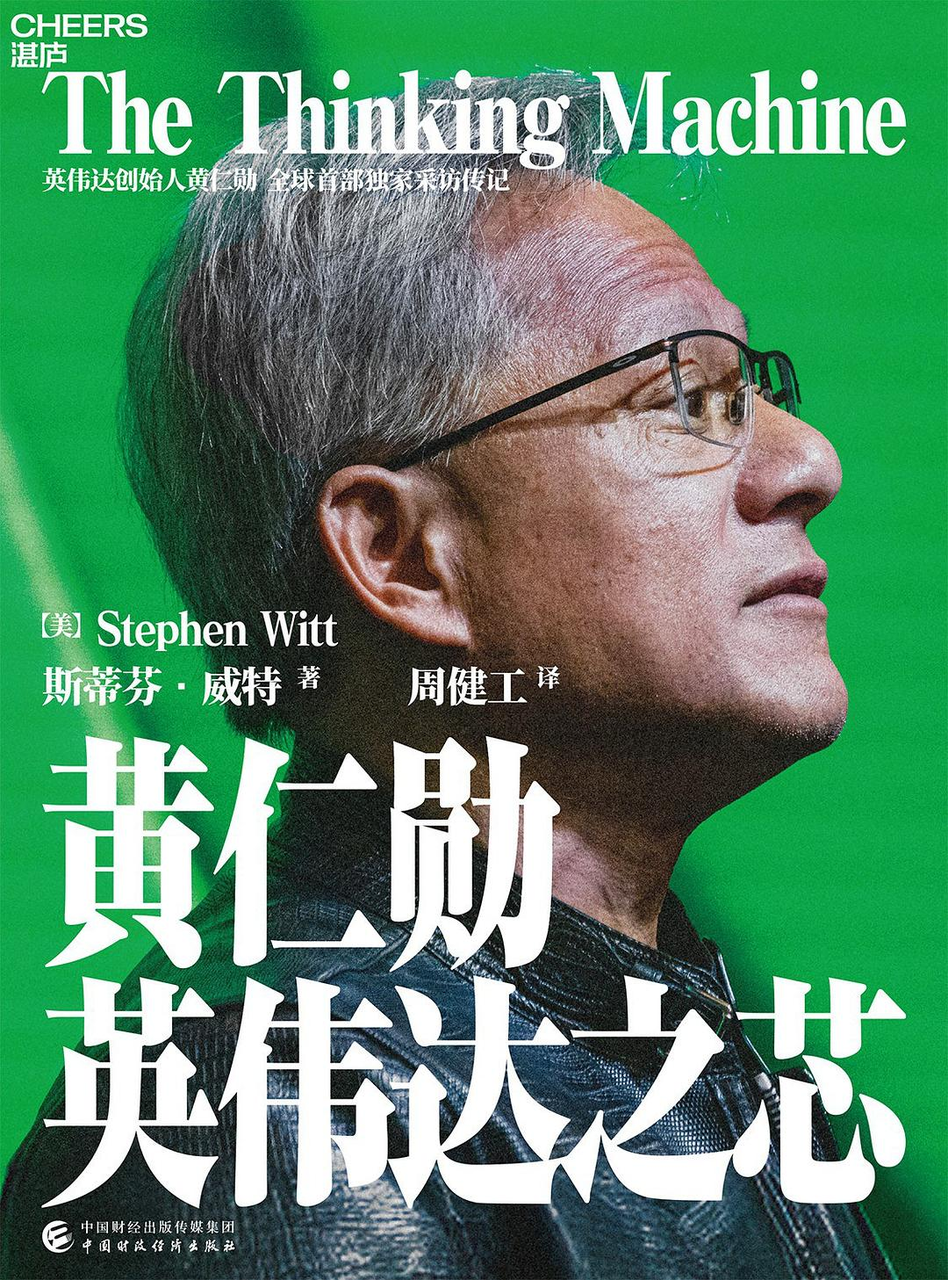
Author: Stephen Witt
The original scores 4.5/5 — a competent but unexceptional account of Jensen Huang's life. Where the book gets interesting is in showing how Huang combines the visionary, risk-taking spirit of a top-tier Silicon Valley founder with traits common among Chinese entrepreneurs: relentless work ethic, operational focus, a blend of severity and warmth, no fascination with sci-fi grand narratives, just long-term heads-down execution. Beyond the main text, don't miss the deeply insightful review by Wei Qing at the end — it bumps this to five stars.
14
The Thirteenth Juror
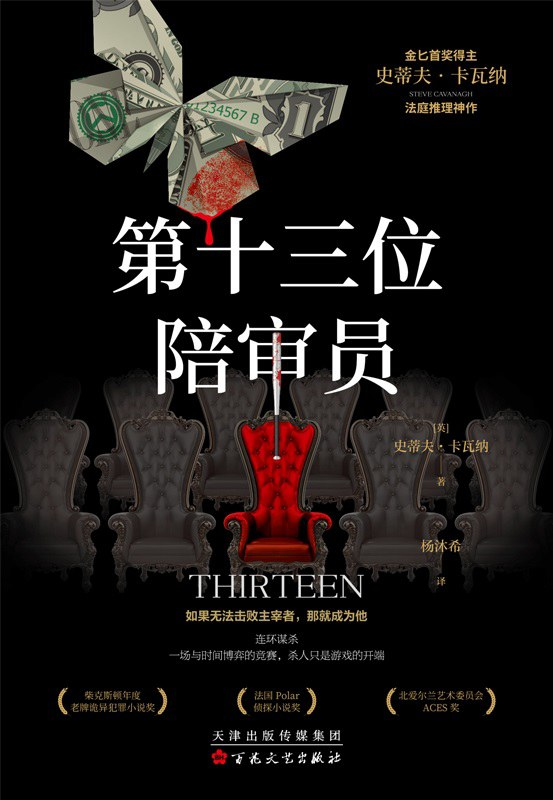
Author: Steve Cavanagh
Absolutely riveting — the dual narrative, the courtroom sparring, the converging finale. Highly recommended.
15
The Strange Tales of a Small Town
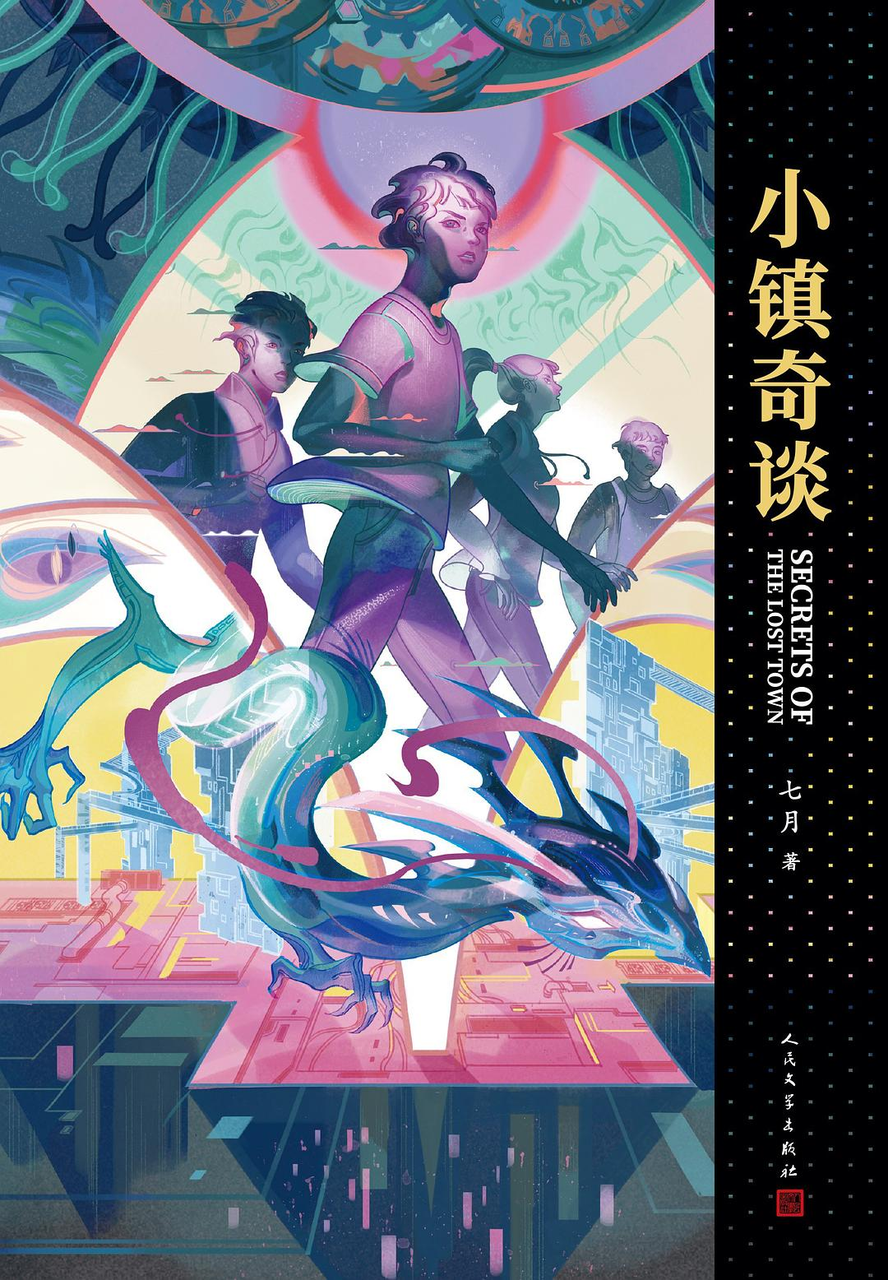
Author: July
A thoroughly exhilarating read. With a whiff of Stranger Things, the setup — a forgotten 1999 world-defense battle, Mandela effect, double-slit experiment — is brilliantly conceived.
16
Fiasco
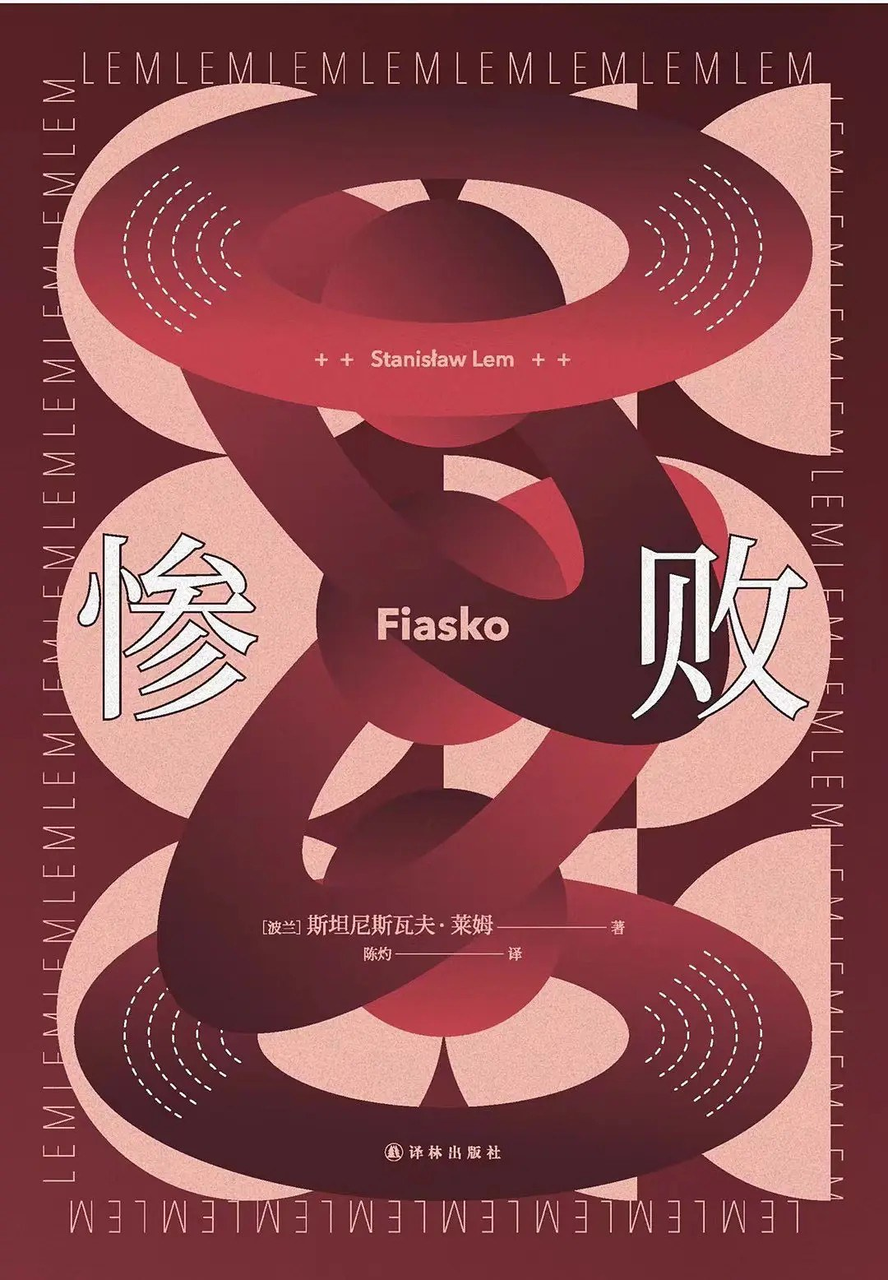
Author: Stanisław Lem
A great work of science fiction. The plot carries obvious historical echoes — like the Spanish entering Latin America, an advanced civilization arrives with extreme centrist arrogance and curiosity, attempting "communication." The heavy use of Greek mythological names and biblical imagery lends the narrative a dense religious coloring. Even purely as science fiction "concept" work, it ranks among the best — Liu Cixin's droplet-catching scene in The Three-Body Problem clearly bears its influence.

✨ ZhenFund New Year Gift 🎁
Share in the comments:
"One good book you plan to read in 2026"
We'll select 5 readers from the comments
to receive a ZhenFund "Year's Picks" mystery book box
Looking forward to discovering a wider world together!