Qiming Venture Partners and Peking University Launch "Building Global Consensus on AI Guardrails" Initiative
Build a shared framework for dialogue among industry, professional communities, and policymakers based on common understanding, driving the formation of foundational international norms of conduct.

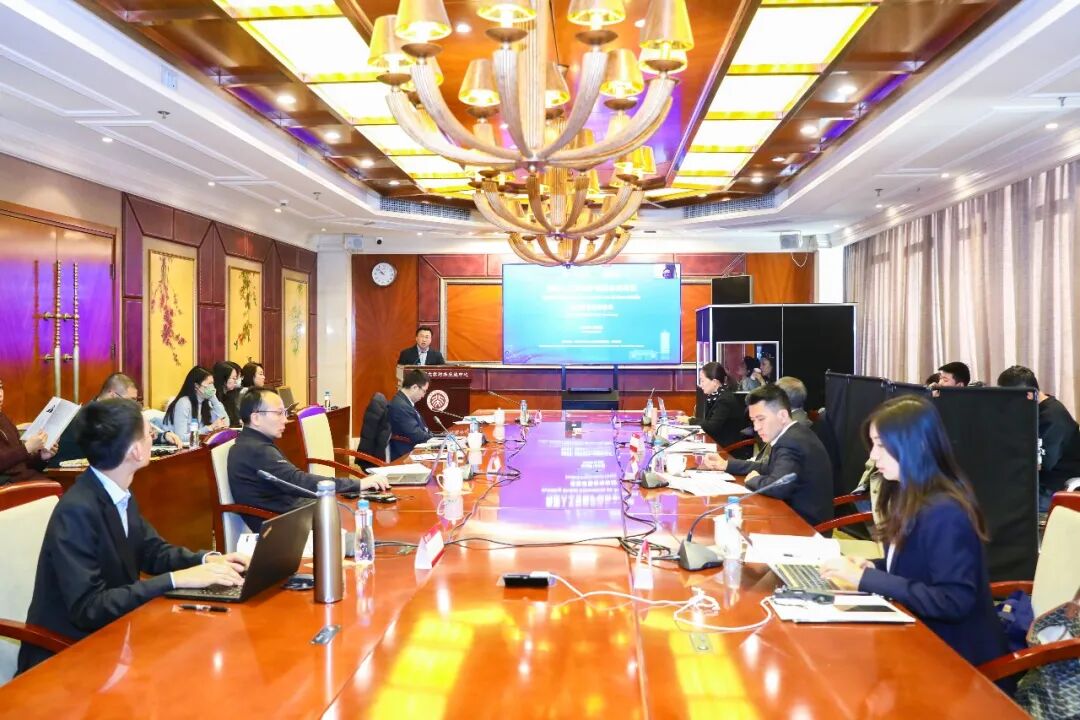
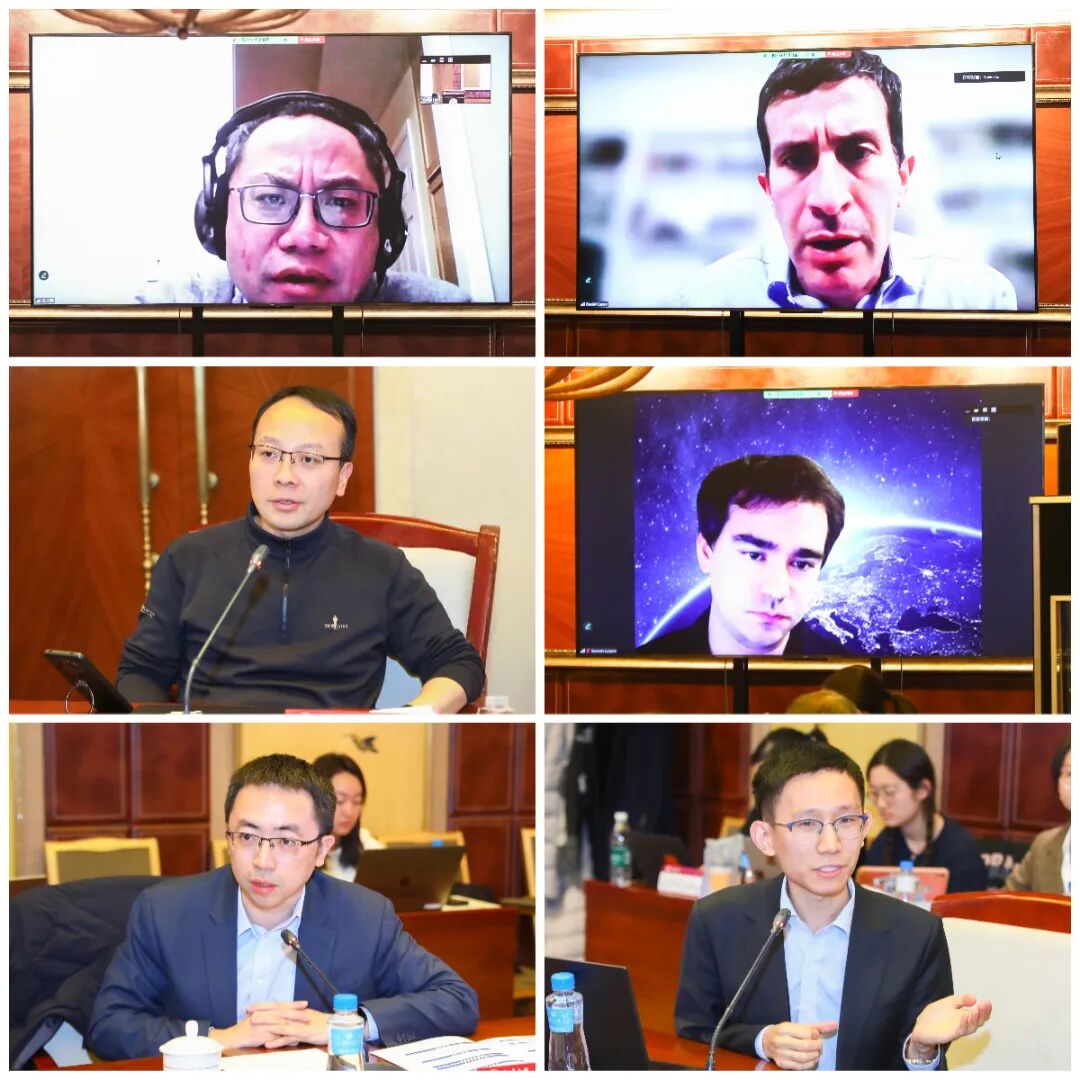
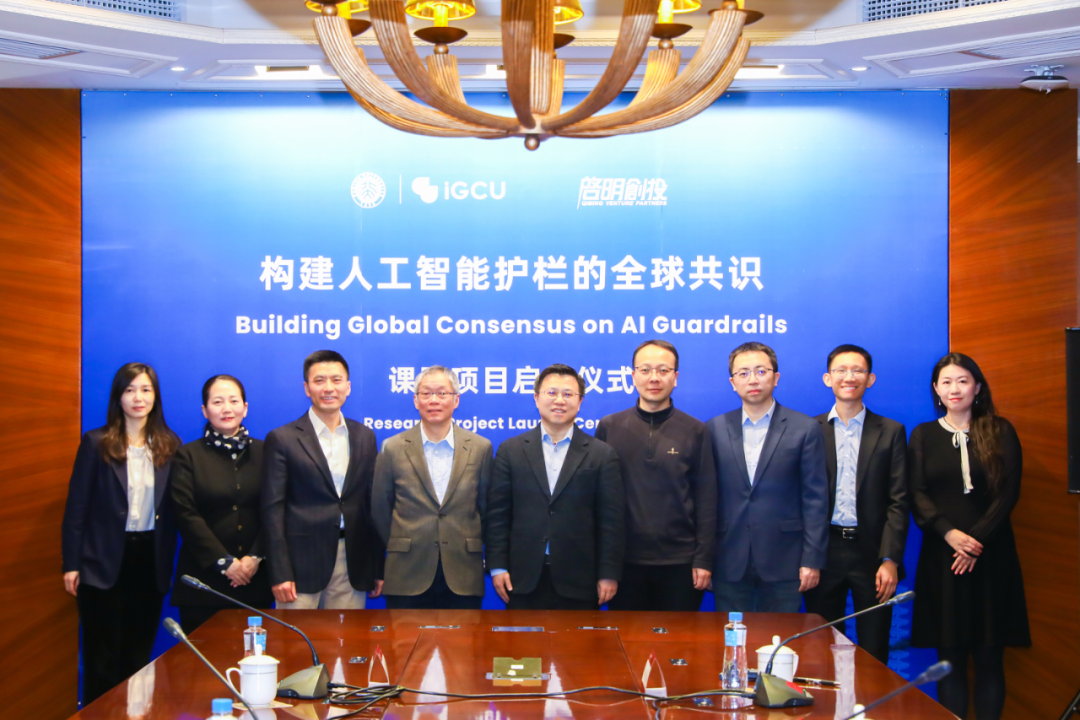
On the morning of January 23, Peking University's Institute for Global Cooperation and Understanding (IGCU) and Qiming Venture Partners co-hosted the launch ceremony for the research initiative "Building Global Consensus on AI Guardrails" at the Yingjie Conference Center's Xingguang Hall, held in a hybrid online-offline format. Experts, scholars, and media representatives from various countries gathered to discuss the construction of global rules in artificial intelligence and explore international governance consensus.
Wang Dong, Professor at Peking University's School of International Studies and Executive Director of IGCU, moderated the event.
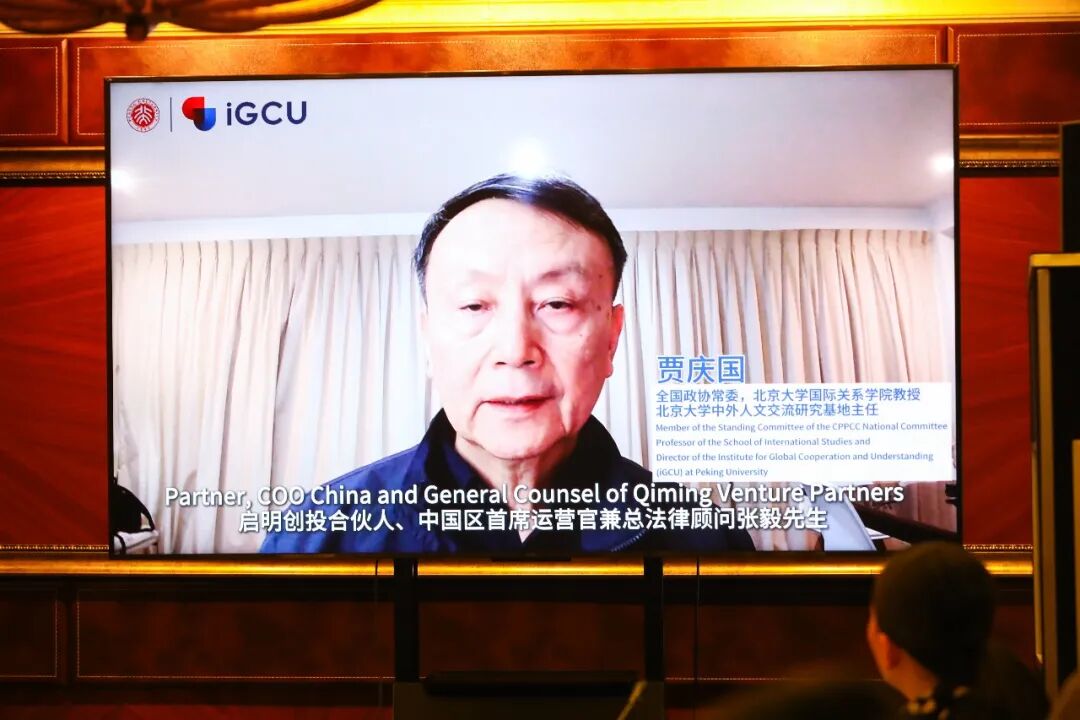
Jia Qingguo, Member of the Standing Committee of the Chinese People's Political Consultative Conference, Professor at Peking University's School of International Studies, and Director of IGCU, delivered opening remarks via video. Jia noted that compared to any technological breakthrough in human history, AI may bring greater and more numerous opportunities and challenges. On one hand, AI applications have made significant progress in information processing, knowledge innovation, health protection, economic quality and efficiency improvement, and clean government construction. On the other hand, the risks and challenges it has triggered — including job displacement, privacy breaches, reduced direct social interaction, development of lethal weapons, and the emergence of superintelligence — have already become visible and foreseeable. As a global phenomenon, effective governance of AI risks is a major challenge facing all humanity, urgently requiring international cooperation and coordinated responses. This initiative is a direct response to this pressing human need and holds significant importance for China's participation in global AI risk governance and its contribution of Chinese solutions and strength.
Duane Kuang, Founding Managing Partner of Qiming Venture Partners, delivered opening remarks. Kuang stated that over the past 20 years, Qiming Venture Partners has consistently invested in China, firmly believing that technological innovation can integrate into society and benefit humanity. For this reason, the firm has concentrated substantial efforts on AI investments in recent years, making multiple investments in the sector, with many portfolio companies delivering both economic and social value. Kuang said, "We deeply believe AI is a transformative technology that will bring change and even disruption, and in most cases enhance efficiency, improve quality of life, and even transform how society operates." At the same time, Qiming Venture Partners recognizes that AI also brings significant risks and challenges — challenges that are global and shared by all humanity. Through supporting IGCU's "Building Global Consensus on AI Guardrails" initiative, Qiming Venture Partners hopes to build a dialogue framework based on shared understanding for industry professionals, specialists, and policymakers, promoting the development of basic international norms of conduct.
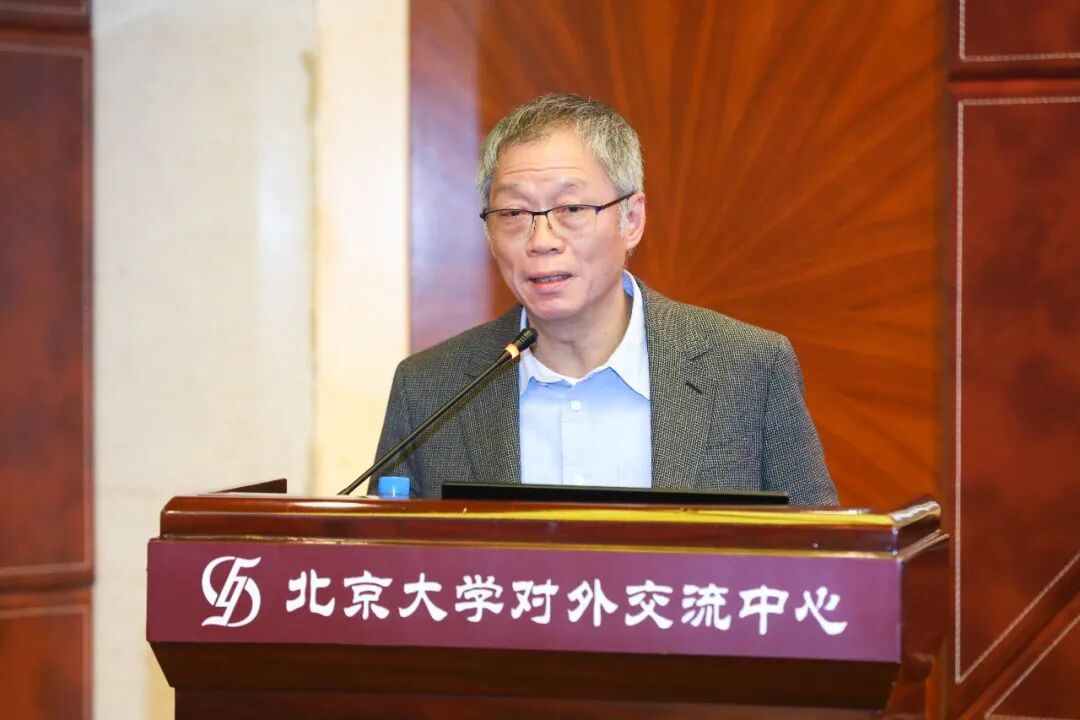
During the project launch session, Wang Dong, Professor at Peking University's School of International Studies and Executive Director of IGCU, introduced the overall project plan and report release schedule. Wang stated that this initiative is committed to establishing clear, actionable, and sustainable mechanisms for consensus-building and implementation, serving as a core lever for resolving AI governance disagreements. Through "panoramic mapping," the project will catalog national AI governance frameworks, identifying areas of consensus, divergence, and gaps. Relying on "joint research coordination," it will establish a dynamic divergence-tracking mechanism to identify global AI governance red lines and common ground. For "mechanism implementation" of AI governance consensus, it will construct a full-cycle "dialogue — joint research — translation — tracking" mechanism to promote the consolidation of AI governance consensus and sustainable technological development. Wang highlighted the project's first report, The International Landscape of AI Governance, which aims to systematically review AI guardrail frameworks proposed or adopted by governments, international organizations, enterprises, and academia worldwide, presenting a panoramic view of the current global governance landscape.
In the thematic discussion session, participating guests offered guiding suggestions on the project design.
Wu Zhiqiang, Executive Director of Peking University Wuhan Institute for Artificial Intelligence, suggested drawing on the dual-framework approach of nuclear safety governance to distinguish between "existential risks" and "systemic risks" in AI. He emphasized that current policy should focus on realistic, addressable systemic risks, avoiding the overconcentration of resources on distant hypothetical threats, and called for increased investment in AI safety research to make it central to foundational design.
Daniel Castro, Vice President of the Information Technology and Innovation Foundation, used food safety as an analogy, noting that different countries will make different choices in AI governance, with the key being to ensure basic safety standards. He emphasized that guardrail design must account for inherent trade-offs, and pointed out that open science and research sharing are crucial for global collective learning and avoiding repeated mistakes.
Wei Kai, Director of the Artificial Intelligence Research Institute at the China Academy of Information and Communications Technology and Head of the Overall Group of the China Artificial Intelligence Industry Alliance, elaborated on the multi-layered nature of AI risks and emphasized the concepts of "dynamic security" and "agile governance." He recommended establishing a "PDCA" (Plan-Do-Check-Act) closed-loop management mechanism from enterprises to nations, forming a multi-stakeholder collaborative governance ecosystem to address the uncertainty brought by rapid technological iteration.
Karman Lucero, Senior Fellow at Yale Law School's Paul Tsai China Center, stated that global AI governance faces triple challenges: technological, institutional, and political. He suggested that research should confront and deeply analyze political differences and institutional capacity-building issues, seeking actionable consensus and frameworks on the basis of acknowledging disagreements.
Dai Xin, Vice Dean of Peking University Law School, stated that the effectiveness of any technical or institutional guardrails ultimately depends on the legal and social normative systems in which they are embedded. He argued that reasonable expectations for guardrails and governance should not be that they ensure safety, but rather that they help maintain public safety perception and social trust against the backdrop of major uncertainty in AI development. On the international cooperation dimension, he suggested starting by identifying several uncontroversial consensus governance topics to break through the current impasse where AI governance dialogues are trapped by discursive disagreements and unable to achieve concrete action.
Jason Zhou, Senior Research Manager for International AI Governance at Concordia AI, introduced a three-category risk framework based on "misuse, malfunction, and systemic" risks, along with an operationalized approach using "yellow lines" and "red lines." He proposed grounding governance principles through concrete risk assessment and model testing, and called for strengthened cross-border crisis management collaboration to collectively enhance capabilities for responding to AI emergencies.
At the conclusion of the event, Wang Dong, Professor at Peking University's School of International Studies and Executive Director of IGCU, delivered closing remarks. Wang stated that the insightful contributions from experts and scholars at the meeting would provide important guidance for the project's next steps. The research team will carefully organize and absorb these valuable suggestions, and fully dedicate itself to writing the first report. Going forward, the project will continue to focus on the global proposition of AI safety guardrails, promoting the consolidation and implementation of international consensus through solid research. He expressed sincere gratitude for Qiming Venture Partners' strong support, the guests' in-depth sharing, and the team members' hard work, and looked forward to working with all parties to jointly contribute to the global governance and sustainable development of artificial intelligence.
Previous Highlights
Qiming Weekly · Portfolio News in Brief, Vol. 02, 2026.1.20
Qiming Honors | 5 Qiming Venture Partners Investors Named to Forbes China 2025 Midas List

Founded in 2006, Qiming Venture Partners currently manages 11 USD funds and 7 RMB funds, with total assets under management reaching $9.5 billion. Since its establishment, the firm has focused on investing in outstanding early and growth-stage companies in Technology and Healthcare.
To date, Qiming Venture Partners has invested in over 580 high-growth innovative companies, of which more than 210 have gone public on the New York Stock Exchange, NASDAQ, Hong Kong Exchanges and Clearing Limited, Shanghai Stock Exchange, and Shenzhen Stock Exchange, or exited through M&A and other means. Over 80 portfolio companies have become recognized unicorns or super-unicorns.
Many Qiming Venture Partners portfolio companies have grown into the most influential companies in their respective fields, including Xiaomi (01810.HK), Meituan (03690.HK), Bilibili (NASDAQ:BILI, 09626.HK), Zhihu (NYSE:ZH, 02390.HK), Roborock (688169.SH), Hesai Technology (NASDAQ:HSAI, 02525.HK), UBTECH (09880.HK), WeRide (NASDAQ:WRD, 00800.HK), HyperStrong (688411.SH), Insta360 (688775.SH), Unisound (09678.HK), Biren Technology (06082.HK), Zhipu (02513.HK), Gan & Lee Pharmaceuticals (603087.SH), Tigermed (300347.SZ, 03347.HK), Zai Lab (NASDAQ:ZLAB, 09688.HK), CanSino Biologics (688185.SH, 06185.HK), Schrödinger (NASDAQ:SDGR), MicroPort EP MedTech (688617.SH), Sanyou Medical (688085.SH), Amoy Diagnostics (300685.SZ), Sinocelltech (688520.SH), Insilico Medicine (03696.HK), Arbutus Biopharma, Yuanxin Technology, MediLink Therapeutics, LaNova Medicines, StepFun, among others.