Unitree, DJI, Fourier, Xiaomi… We Rounded Up 15 New AI Hardware Products for 2025

"The year of AI hardware" has come and gone, and the market remains the one and only ruthless arbiter.
The "Year One of AI Hardware" is over. The market is the one and only judge — and it is brutal.

👦🏻 Author: Cora
🥷 Editor: Bella
🧑🎨 Layout: NCon

Three days. Three AI hardware launches.
On August 5, Unitree released its robotic dog A2. On August 6, DJI's robot vacuum ROMO and Fourier's humanoid robot GR-3 debuted on the same day.
This was no coincidence. It was a signal.
The "Year One of AI Hardware" has passed. The era of grand talk is over. Every player now stands on the same starting line, facing the one and only brutal judge — the market.
Price. Iteration speed. Practical value. These three metrics make up the entire exam.
Now, it's time to hand in the papers.
🚥
The most pleasant surprise came from Fourier. On August 6, they released their first touchable, interactive companion humanoid robot GR-3 — capable not just of eye contact, but of sensing its owner's different needs, and even dancing to entertain.

(Image source: Fourier official website)
That same day, DJI also launched an intelligent cleaning robot — the all-in-one sweep-and-mop DJI ROMO series, starting at 4,699 yuan. Users can not only wake ROMO by voice, but also use it for voice and video calls. These days, even robot vacuums are juggling multiple jobs, competing for their place.
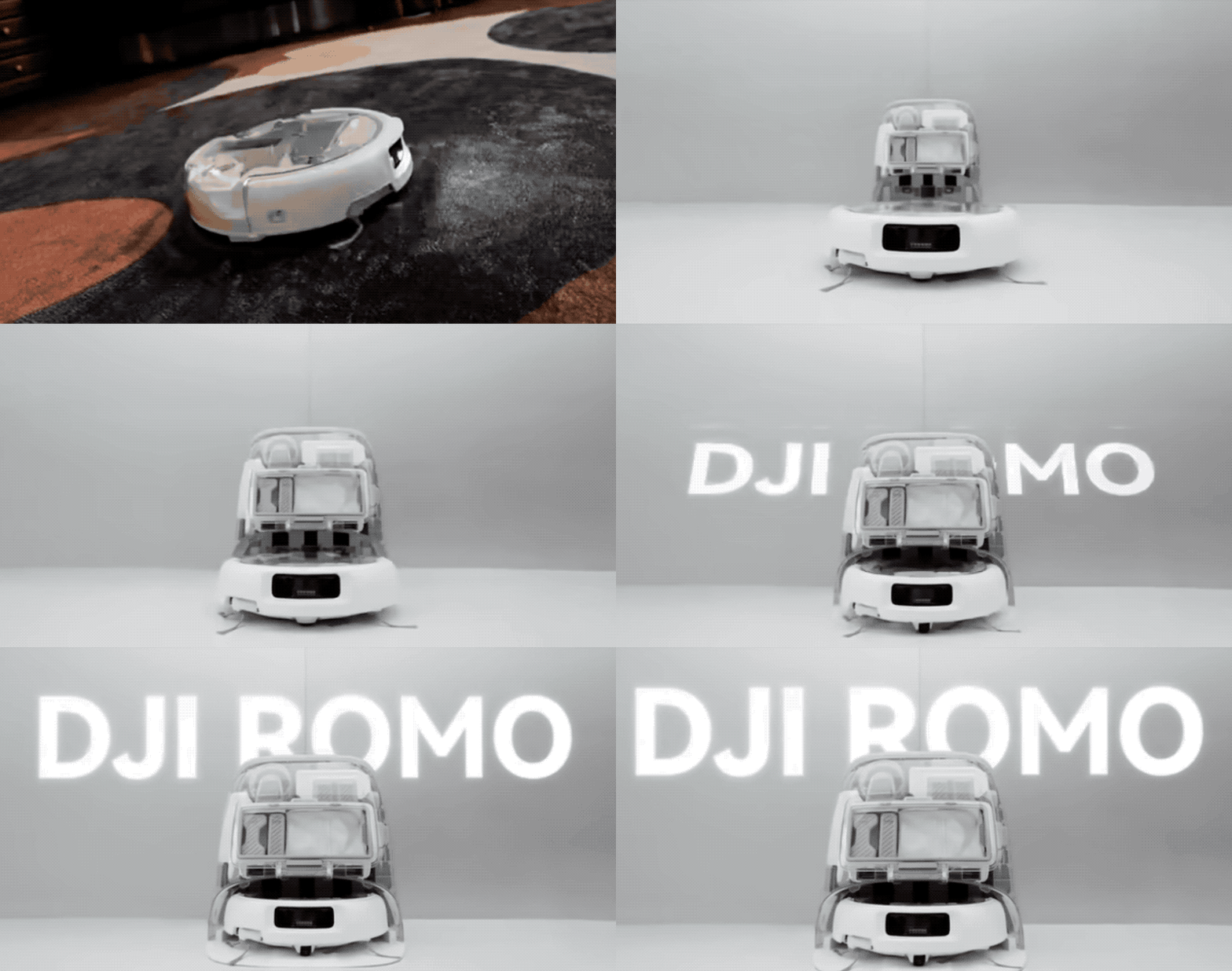
(Image source: UP creator 影视飓风)
The day before, on August 5, Unitree finally released its new quadruped robot product, the Unitree A2, with a maximum running speed of 5 meters per second and maximum climbing height of 1 meter. Reportedly, the A2 can not only do one-handed handstand spins, but also carry a person on its back — a significant leap in agility.

(Image source: Unitree)
After WAIC 2025 wrapped up, what stuck with us most wasn't some forum's lofty rhetoric, but the AI hardware that came "alive" on the exhibition floor.
They were no longer just cold programs silently executing commands behind screens. They had acquired vivid "bodies." They began to show expressions, modulate tone, even learn to "read the room" — actively breaking silence, integrating into your life like a friend. GR-3 learned to offer hugs when users were feeling down. DJI ROMO could report problems via video call. The Unitree A2 could actively probe its surroundings and share what it found.
Behind these subtle changes, AI hardware players have launched a real, no-holds-barred war of "proving strength." Competing on price, on new product cadence, on practical capability... After the baptism of 2024's "Year One of AI Hardware," players at home and abroad have realized that market validation is the core measure of AI hardware success. Together, AI hardware products have entered the market and arrived at the moment of reckoning.
I. Robot All-Star Lineup Debuts: Tool-Person, Tool-Dog, and Companion Butler Take Turns
Rather than waiting for the wind, chase it. After robots took the Spring Festival Gala stage, Xingxing Wang became the "butterfly" that set off China's embodied intelligence storm. It's hard to imagine how many cards he still has up his sleeve. In the past, Unitree might release one new product every three years. But entering 2025, Unitree began throwing rapid punches at a pace of three products per year.
On July 25, on the eve of WAIC, Unitree launched its third humanoid robot, the Unitree R1, weighing 25 kg.
In Unitree's view, the R1 was "born for motion" — an athletic powerhouse. It can not only do flips and handstands, but also execute "sweeping leg" and "handstand" moves like a Shaolin monk.
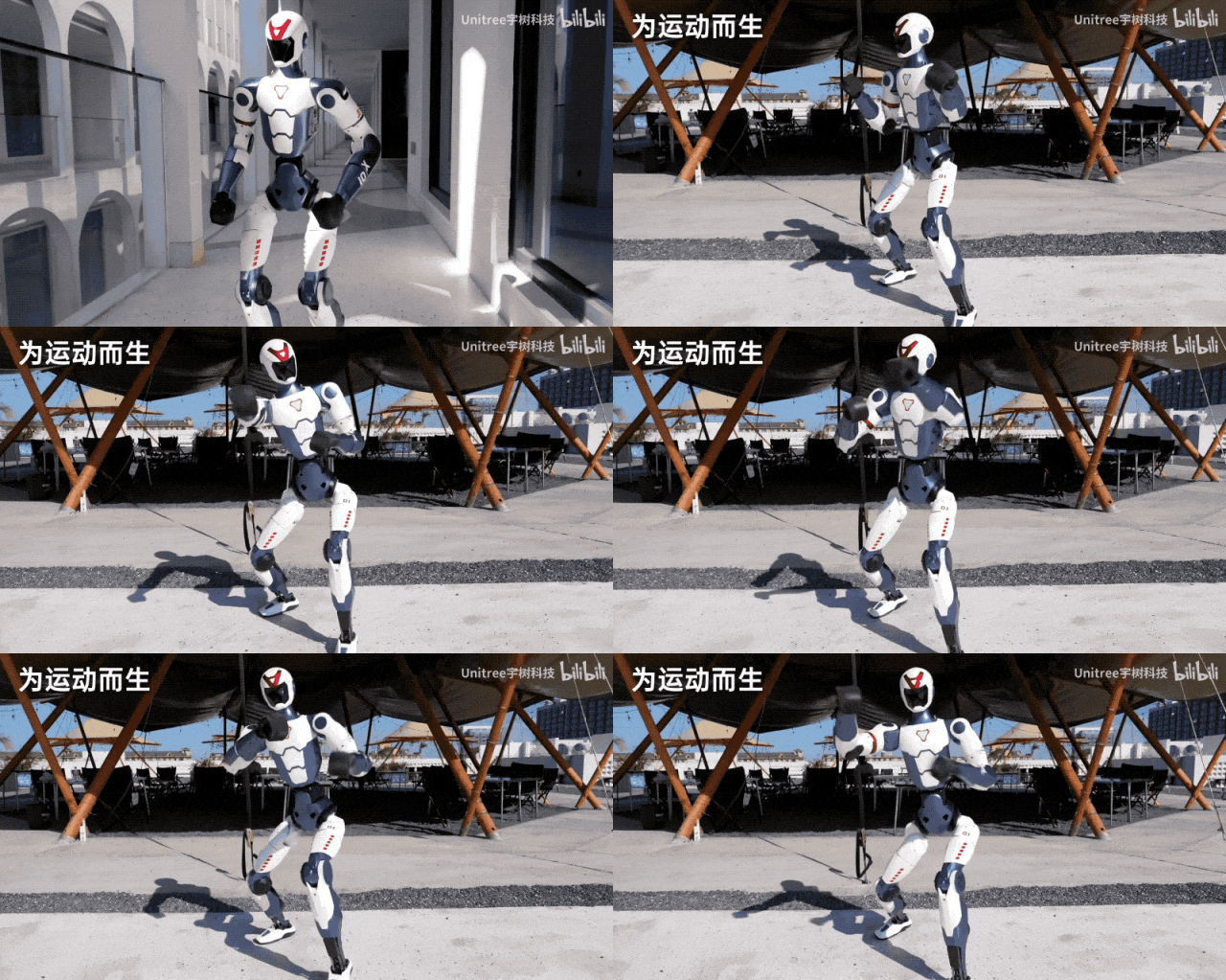
(Image source: Unitree)
And the downhill running that has long been considered one of the challenges for bipedal robots — from the video demonstration, it showed considerable stability.
Moreover, the Unitree R1's price was startling: starting at 39,900 yuan. Consider that in the United States, Tesla's Optimus is priced above $20,000, Figure 01 above $30,000, while the R1 comes in at just over $5,500 — less than one-sixth the price of American bipedal robots.
The newly released robotic dog Unitree A2 weighs 37 kg total, with an unloaded range of up to 20 km.
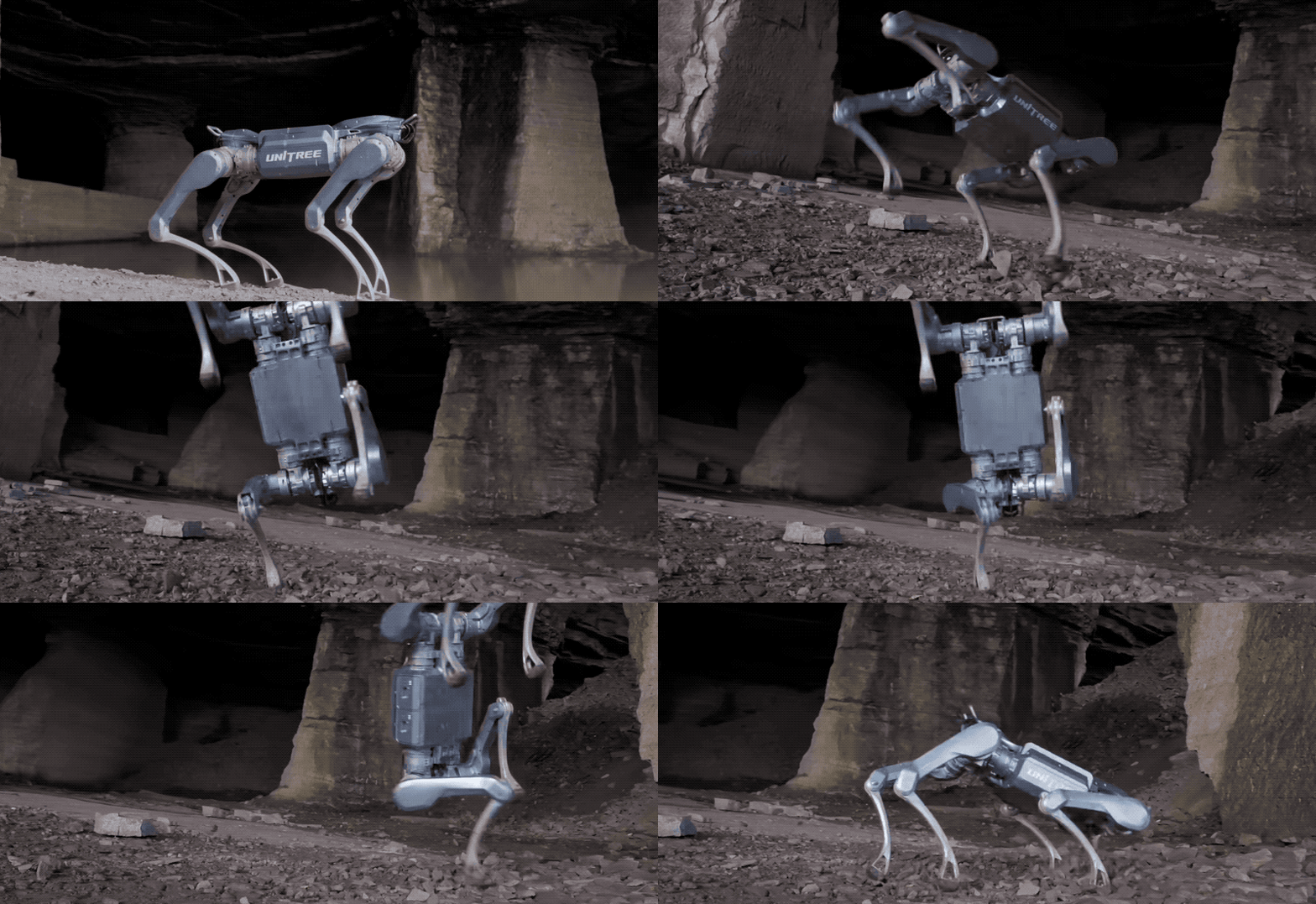
(Image source: Unitree)
In performance, the A2 has a maximum running speed of 5 m/s and maximum climbing height of 1 m. In the video demonstration, it could clear obstacles with ease and maintain stable forward movement.
What was even more surprising: such a lightweight robotic dog could steadily carry a 100 kg adult male. According to reports, the A2 can currently carry 25 kg of weight and walk continuously for over three hours.
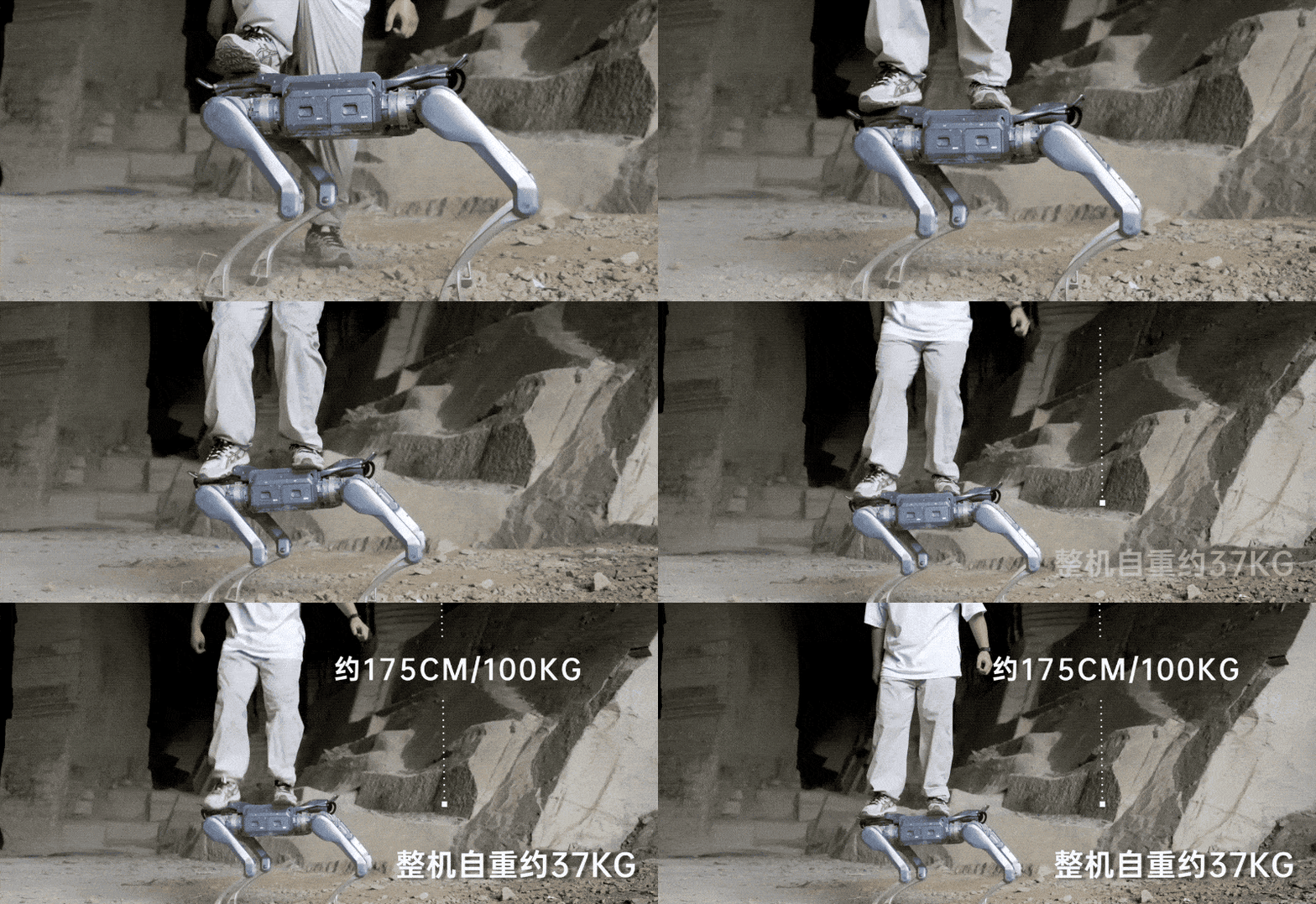
(Image source: Unitree)
Similarly, AgiBot and Magic Atom have recently launched industry-grade small quadruped robots. AgiBot released the AgiBot D1 Ultra, with a maximum running speed of 3.7 m/s, supporting continuous stair climbing.
Magic Atom's MagicDog-W can reach speeds of 3 m/s, with a maximum load of 10 kg, achieving smooth switching between "wheel" and "leg" modes. The industry version starts at 75,000 yuan, the consumer version at 25,000 yuan.
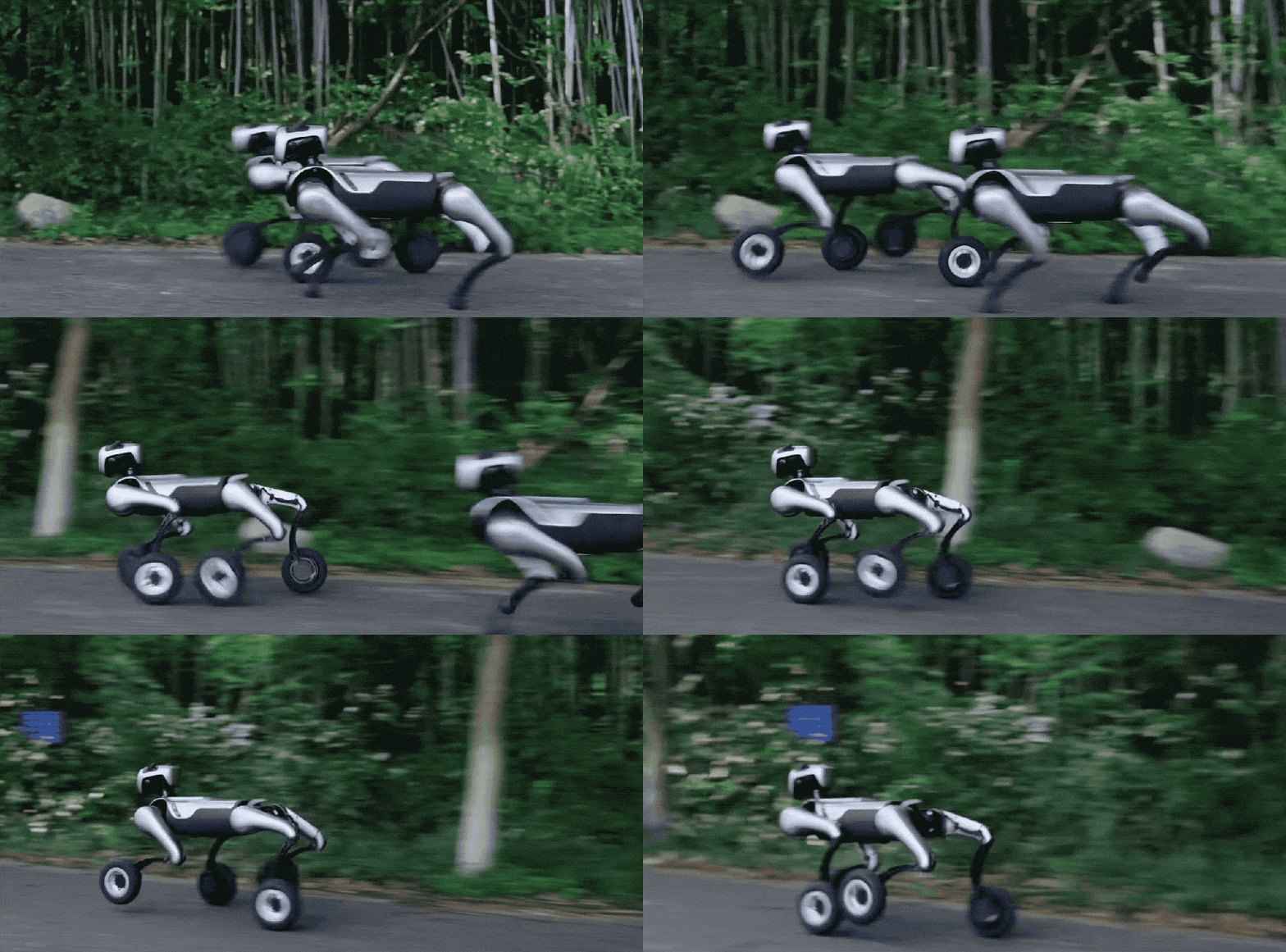
(Image source: Magic Atom)
Vbot (Vita Dynamics), founded less than a year ago, also recently unveiled its first robotic dog, "Datou" (Big Head). The dog's head is equipped with automotive-grade radar. Even without remote commands, Datou can closely follow its owner.
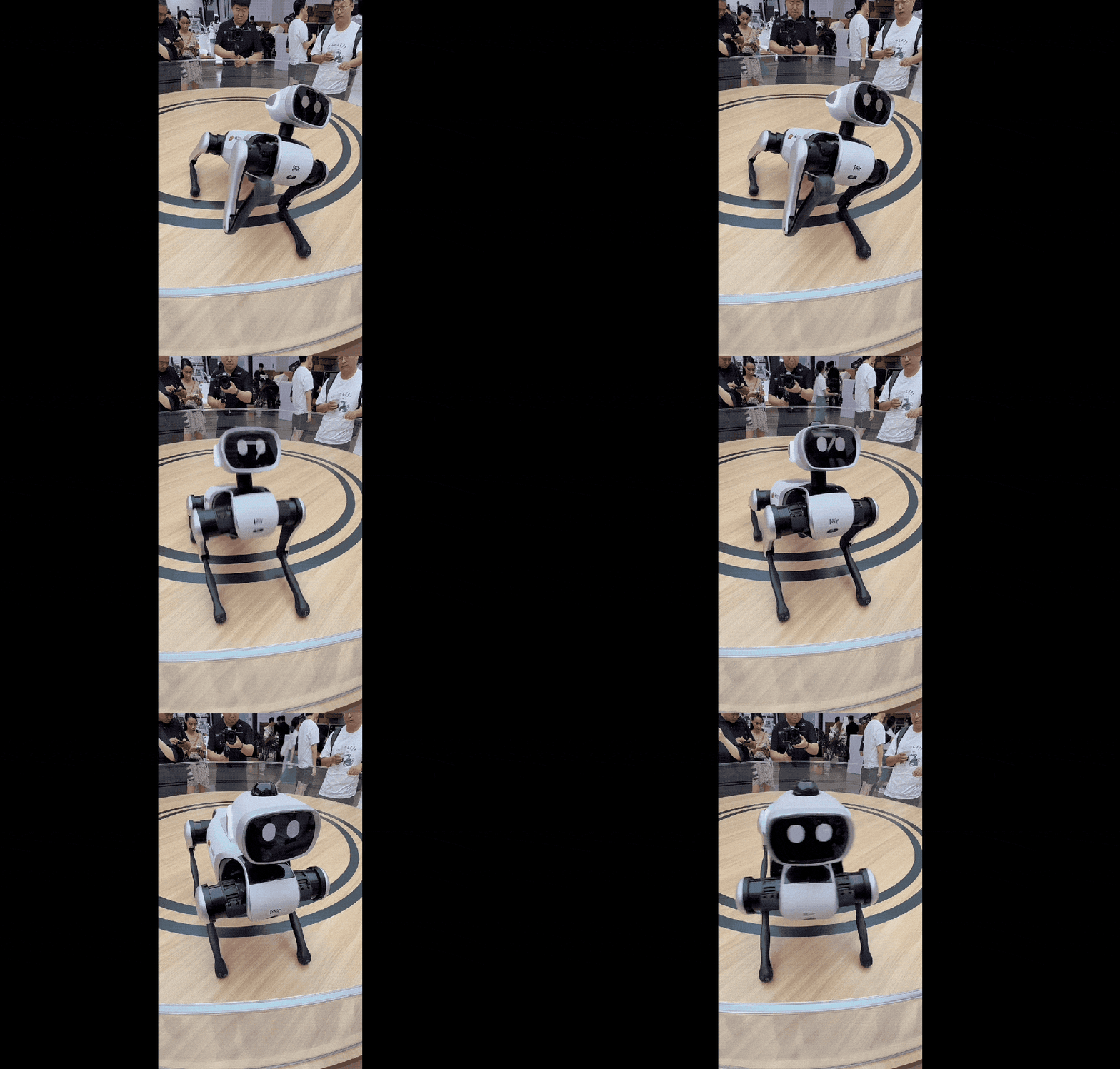
(Image source: Internet)
Unlike Unitree, AgiBot, and Magic Atom, which emphasize hardcore performance, Fourier focuses more on companion value.
On August 5, Fourier officially released its first interactive companion, "touchable" humanoid "Care-bot" GR-3. Previously, the GR-3 had also appeared at WAIC 2025.
The GR-3 has snow-white skin, sparkling bean-shaped eyes, a flat round little head, and wears white "slippers." Compared to the series of silver-gray bipedal robots, it projects considerably more warmth.
When it walked on stage, the GR-3 hopped and skipped with great vitality.
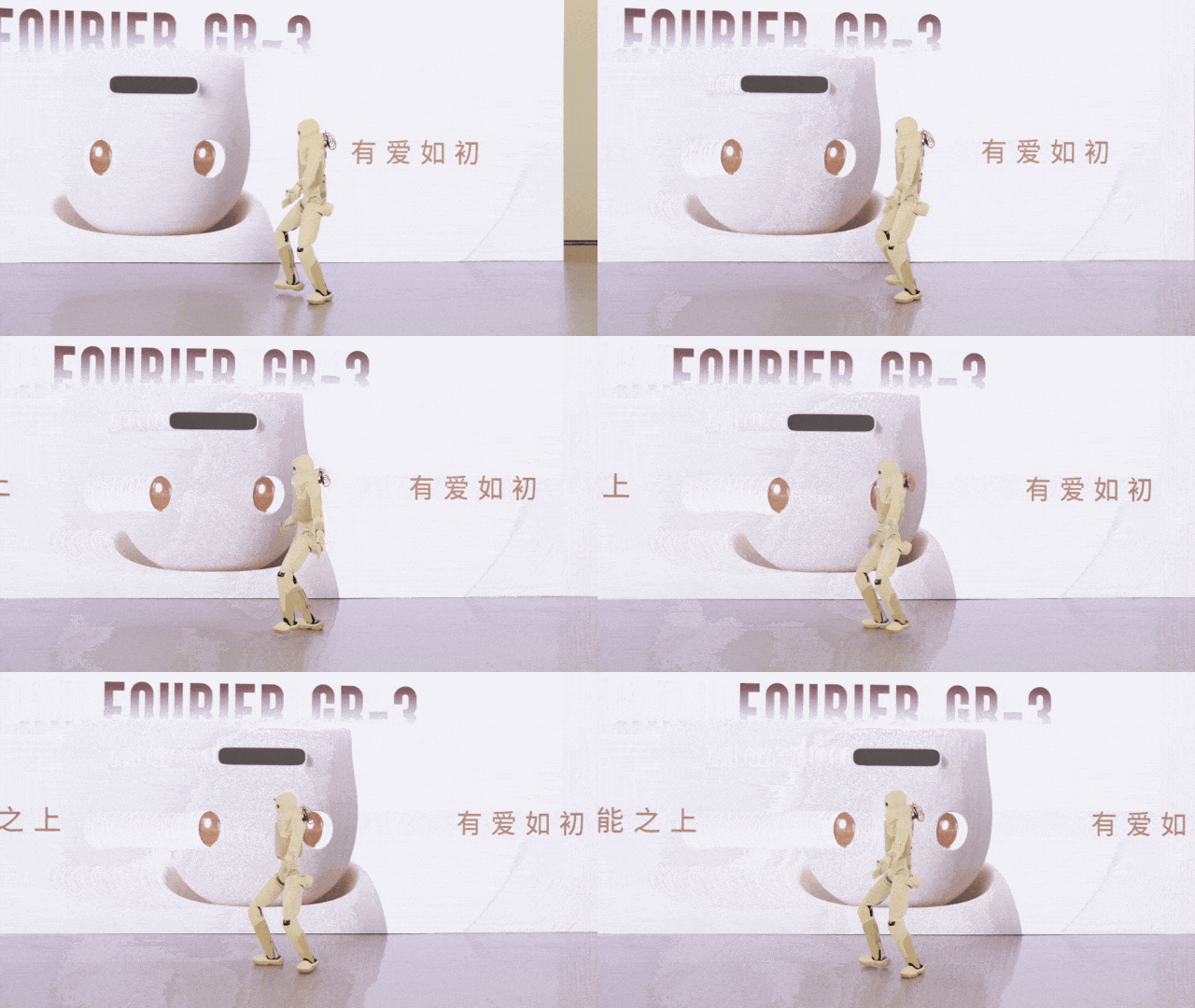
(Image source: The Paper)
If you hug it, it waves its hands in response. According to reports, the GR-3 employs a dual-path response mechanism — it can quickly respond to commands, while also leveraging large models to deeply think through user questions and provide appropriate answers.
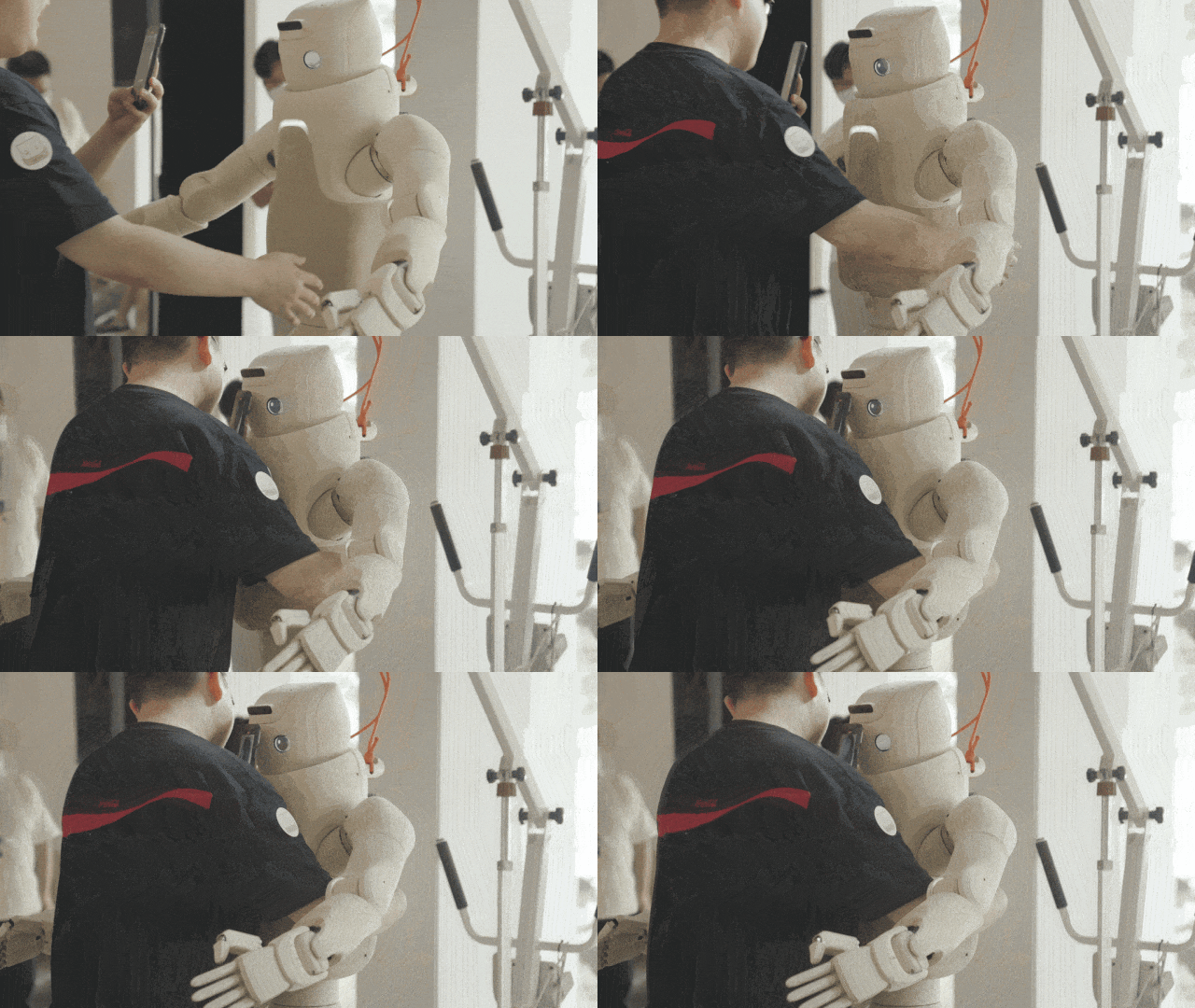
(Image source: The Paper)
DJI is also trying to enter the robotics track from different application scenarios. DJI released its first intelligent cleaning robot, the DJI ROMO series, starting at 4,699 yuan.
Users can not only wake ROMO by voice, but also use it for voice and video calls.

(Image source: UP creator 影视飓风)
"One year now feels like three to five years in the past," shared Fourier founder and CEO Jie Gu at the event. As one of the important sub-tracks of AI hardware, AI robotics is growing at an unpredictable speed. Perhaps in a few more years, robots entering millions of households will no longer be a distant technological fantasy.
II. Alibaba, Xiaomi, ByteDance Enter the Fray — AI Glasses Enter Market Validation Phase
Chinese tech companies are using AI glasses as their spear, thrusting into a new battlefield of ecosystem competition — under the spotlight of WAIC 2025, Crossing discovered that a battle for "first-person perspective interaction" has already begun.
At a museum exhibition stand, a visitor puts on AI glasses and looks at a Western Zhou dynasty ding — history from three millennia ago flows and flickers across the century-old architecture, reality and data merging in that moment.

(Image source: Tmall official promotional video)
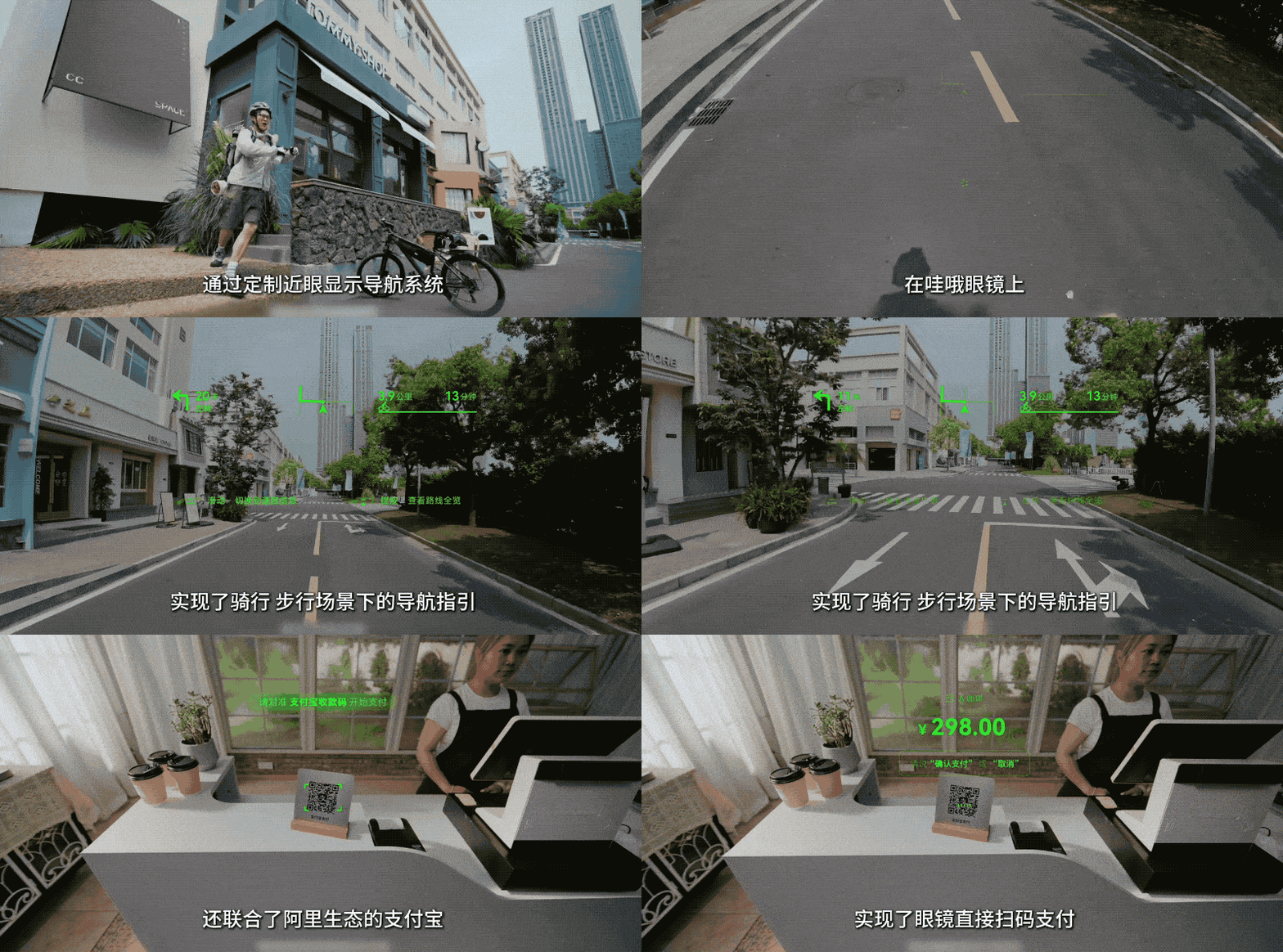
With its newly launched Quark AI glasses, Alibaba deeply integrates local lifestyle ecosystems, weaving services from Taobao, Fliggy, and AutoNavi into a visualized information web. Reports indicate that Alibaba's Quark AI glasses connected to 870,000 merchants' AR information in its first week.
(Image source: Tmall official promotional video)
Xiaomi wields a "1,999 yuan price blade," using a body as light as 40 grams and electrochromic lenses to pry open the mass market. The Xiaomi AI glasses come with the killer feature "Super Xiao Ai" voice assistant, supporting air-scan payment. Reportedly, the first batch of 100,000 units sold out in 74 seconds.

(Image source: Lei Jun official video)
ByteDance's ambition lies in a dual bet: after testing emotional interaction with Ola Friend earphones, reports indicate that AI glasses developed by the PICO team have entered mass production countdown.

(Image source: UP creator 影视飓风)
At Mobvoi's WAIC booth, we also witnessed firsthand how AI hardware demand is being unearthed by entrepreneurs from the finest details, and how it passes market tests to gain user recognition.

Mobvoi's AI voice recorder TicNote saw its first batch of 500 engineering units sell out in 47 minutes; 300 emergency restocked units sold out in another 1.5 hours. (We conducted a 98-hour review at TicNote's launch; details here)
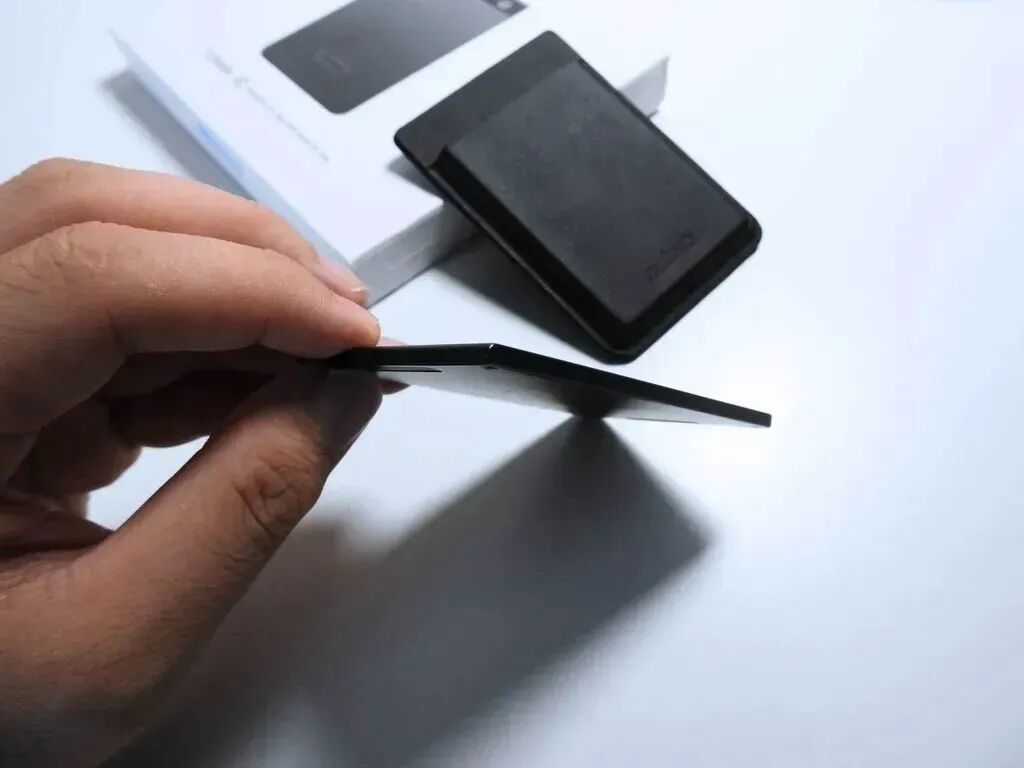
Plaud, which created the recording card category, also achieved notable results. On July 23, Plaud officially announced that its product sales had surpassed 1 million units. Reports indicate Plaud's software subscription revenue also exceeded $16.96 million. Some even predict Plaud will become one of the most profitable AI hardware products this year.
In February this year, Plaud officially launched the Plaud NotePin. Compared to the first-generation product, the NotePin is more lightweight, supporting 20 hours of recording and 40 hours of standby. Functionally, the NotePin acts like a fashion accessory, integrating into users' daily outfits, with four different wearing options.

Transformation in commercial scenarios is also happening quietly. Through its Tianyi AI glasses equipped with "Star Ring Intelligent Agent," China Telecom Group Co., Ltd. features a 150° ultra-wide-angle camera and bone conduction earphones, supporting real-time translation in 180 languages. In field tests at Dunhuang's Mogao Caves, it could directionally capture the guide's voice amid noisy crowds, automatically generating bilingual guidebooks with artifact illustrations — dominating both cultural tourism and government service scenarios.

Supply-side transformation is equally rapid. 4Paradigm's Phancy AI glasses become "industrial smart eyes": after workers put them on, the device automatically identifies faulty parts on the assembly line, providing voice-guided operations. Its multimodal algorithms can even predict equipment wear through mechanical sound anomalies, dramatically improving maintenance efficiency.
While overseas labs are still testing different AI hardware R&D prototypes, Chinese AI hardware has already charged into vegetable markets, drilled into grottoes, and climbed onto assembly lines — validating survival rules in the market.
III. Overseas AI Hardware Acquisition Wave — OpenAI, Amazon Accelerate Talent Recruitment
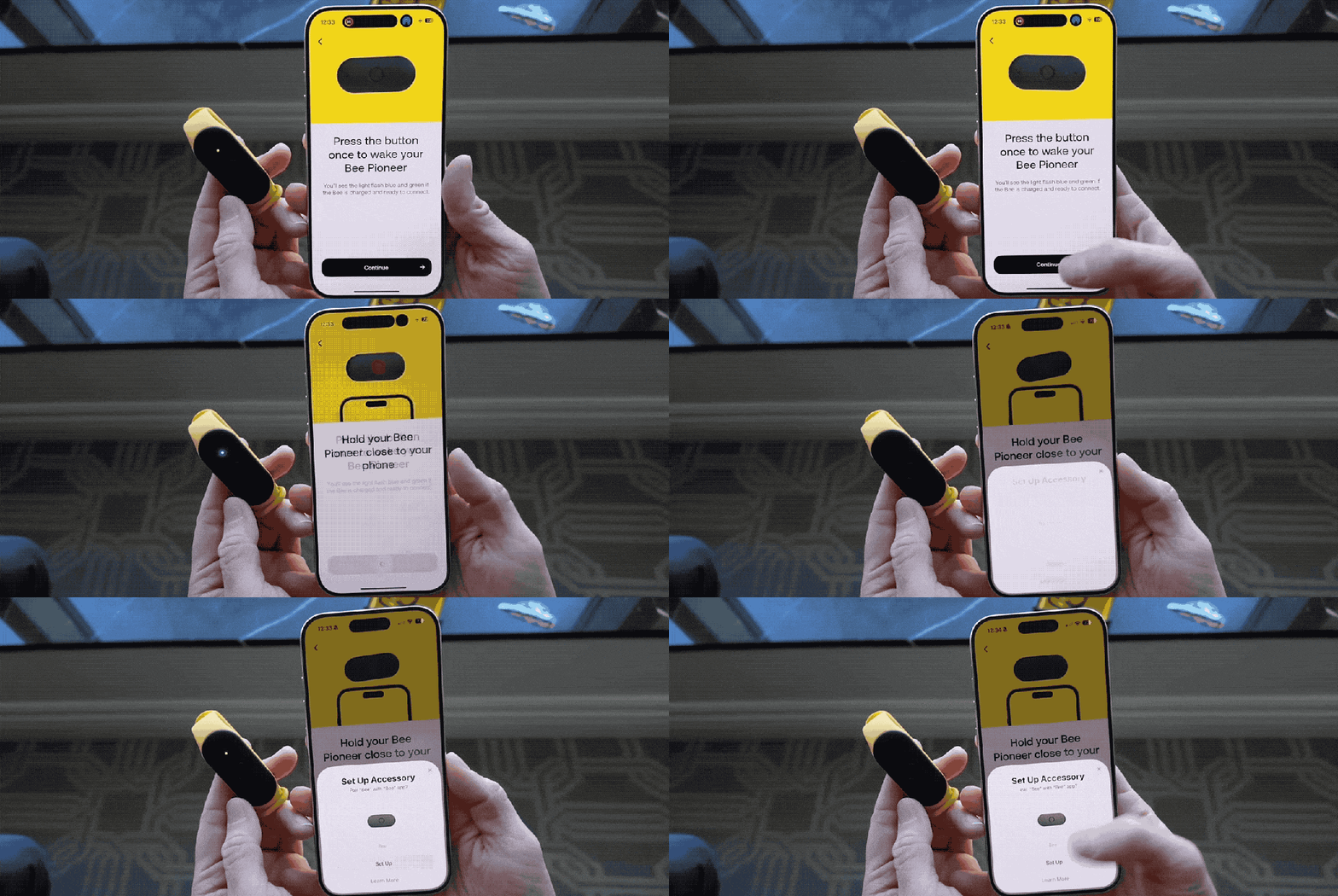
In July, Amazon announced the acquisition of American AI hardware startup Bee AI. Founded in 2022, the company took only 10 months to launch an AI smart bracelet, priced at $49.9 with subscription services. Originally scheduled to begin formal shipping this September.
The device can not only monitor user conversations in real time, but also generate summaries and message reminders, supporting 40 languages. Bee AI calls the device an ambient intelligence device, enabling AI to understand the environment rather than simply receive commands.
This is Amazon's second charge into the wearables space. The Halo Band, which failed three years ago, exited quietly. Now with Bee AI's addition, the Alexa ecosystem upgrades from "single-point breakthrough" of smart speakers to an "ambient intelligence network" of all-day sensing.
Similarly, just days before Amazon announced its Bee AI acquisition, Meta announced the acquisition of voice generation startup PlayAI. PlayAI was co-founded by Hammad Syed and Mahmoud Felfel in 2021, focusing primarily on high-fidelity, emotional AI voice generation, and completed a $21 million seed round in 2024.

The company previously launched the PlayDialog model, supporting 200+ voice styles, capable of adjusting tone, emotion, and rhythm based on context. Meanwhile, PlayAI's PlayNote feature can automatically convert PDFs, photos, and videos into podcasts or stories, dramatically lowering content creation barriers.
Unlike Amazon, Meta's AI hardware layout centers mainly on Ray-Ban smart glasses and Quest headsets.

"AI glasses will be the primary way to interact with AI in the future. Those who don't wear them may be at a cognitive disadvantage." He believes AI glasses can "see what you see, hear what you hear," understanding the environment around the clock, becoming the core terminal for the fusion of humans and the digital world.
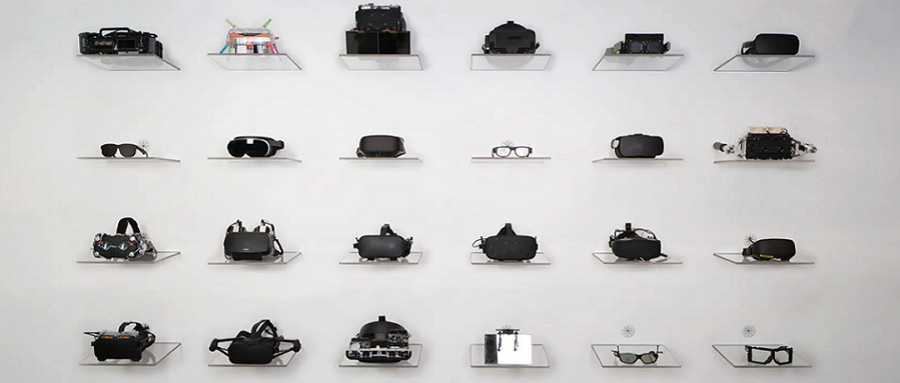
And OpenAI, which sparked the AI transformation frenzy, as early as this May acquired io, the AI hardware startup founded by Apple legendary designer Jony Ive. Even OpenAI is now trying to break free from screen limitations, building "ambient AI" that proactively senses needs rather than passively responding.

According to disclosures, io is developing a screen-free ambient sensing module based on millimeter-wave radar and thermal imaging sensors, predicting user needs through non-contact biometric identification such as heart rate and subtle body temperature changes.
It can be seen that the AI hardware layouts of the three Silicon Valley giants almost all revolve around two directions: spatial perception and proactive interaction. How to give AI ears through algorithms, or how to give AI a hundred different voices, is becoming one of the hottest topics among major AI players right now.
IV. Concept Products Cluster and Emerge — Crowdfunding an AI Hardware Future
Crossing also discovered that quite a few strange and novel conceptual products have appeared in the AI industry. Some already have prototype models; others attracted attention even at the conceptual stage.
For example, this AI dream machine can, after the user wakes up, use fleeting dream memories combined with large models to reconstruct dreams through voice using AI.
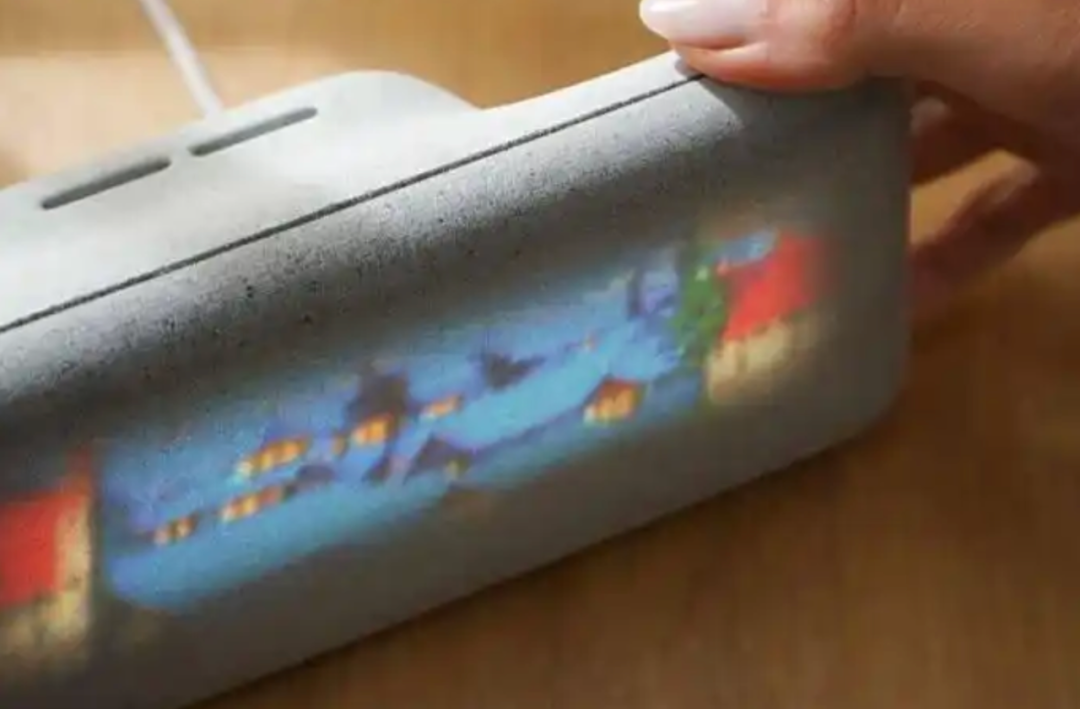
This is the Dream Recorder developed by Dutch design studio Modem. With AI's assistance, it unveils the mystery of dreams through an easy, simple approach.
Another example: a ByteDance executive created a 3D AI companion device, Code 27 Character Livehouse. Users can customize their companion's appearance and engage in voice interaction with it.
The AI companion is vividly lifelike, with rich movements, language, and even more human-like expressions. Currently, Codie has received support from over 1,800 backers on crowdfunding platforms, raising as much as $950,000. Reportedly, Code 27 starts at $429, with delivery expected to begin in August.

(Image source: Xiaohongshu creator Vrch)
We even discovered AI-interactive emotion dice. The dice have 12 different emotional faces. When a user randomly selects an emotional face, they can see on a large screen AI-generated images combining real-time photos — these stylized AI images represent the user's state under different emotions.

(Image source: Xiaohongshu creator Vrch)
Beyond that, we also found AI socks that intelligently control body temperature, AI necklaces that can sense human emotions, and more.
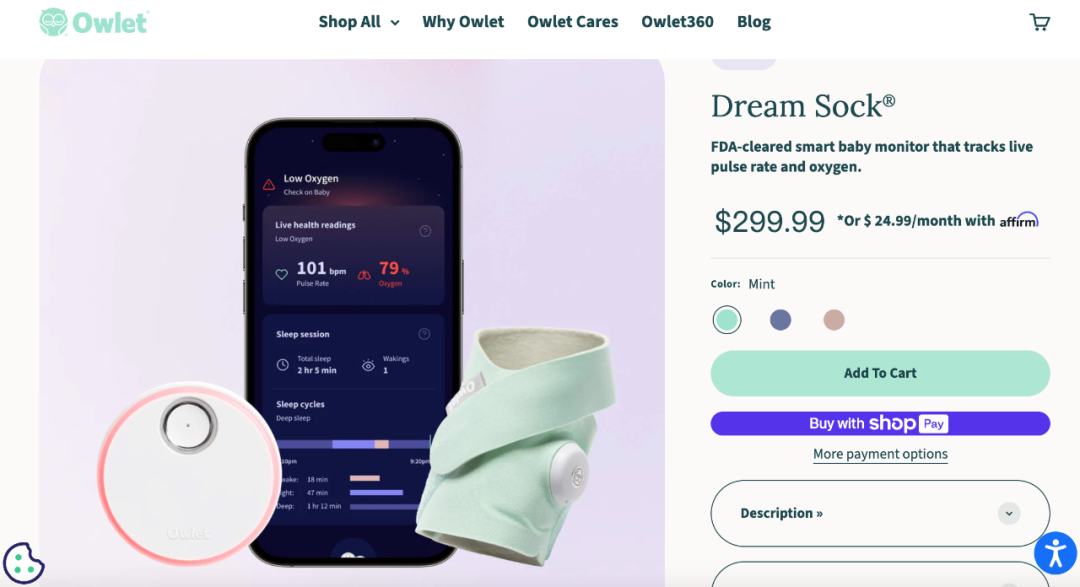
Of course, AI companion pets have also entered daily life, accompanying many users through their growth, becoming emotional soothers in the late night.

Final Word: No Need to Discuss Vague Topics Like "The Future of AI Hardware"
The future has already arrived, and is playing out intensely through acquisitions, price wars, and supply chain races.
From Shenzhen's factory assembly lines to Dunhuang's grottoes, from Xiaomi's 1,999 yuan glasses to Fourier's companion robots, AI hardware has broken free from laboratories and is clashing in real scenarios in the Chinese market. Meanwhile, Amazon, Meta, and OpenAI are stockpiling ammunition for this war through accelerated acquisitions.
So the core of this race was never about creating a novel "toy."
This is the battle for the entry point to the next era's computing platform — after the personal computer, after the smartphone.
Whoever wins will hold the power to define how humans and machines interact for the next decade.