We Brought 7 Hackathon Contestants Into the Podcast | Champions, Oddballs, and Ambitious Sleepless Souls After 48 Hours
When you're young, go to Paris; in the age of AI, go to hackathons.
When You're Young, Go to Paris. In the AI Era, Go to a Hackathon.
👦🏻 Podcast interview: Koji
🥷 Edited by: Crossing
🧑🎨 Layout: Zeoooo
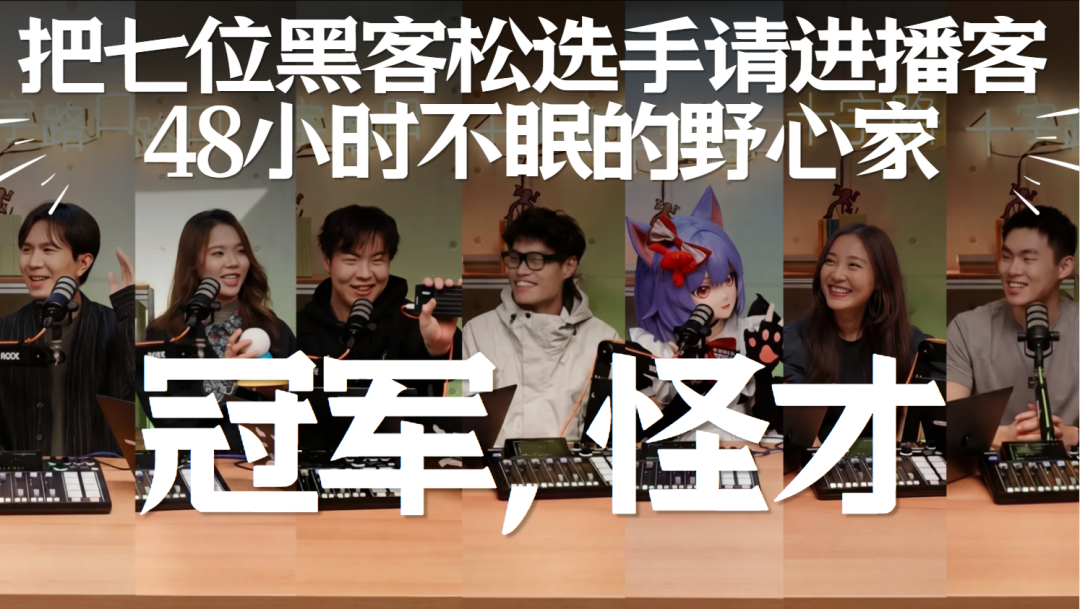

➤ This week on "Crossing," we invited seven contestants from the Xiaohongshu Hackathon Championship, along with the event's overall lead Sanbing, onto the podcast.
In this episode, you'll hear these young creators introduce what they built in 48 hours:
⊹ Pocket Guitar, which took the grand prize and drew cheers the moment it appeared on stage at the finals;
⊹ The "Focus Toaster," which literally locks your phone inside a toaster — a nearly absurd yet thoroughly contemporary attempt to help people reclaim their attention;
⊹ An anime-inspired big-headed avatar, designed to give AI and robots "a face of their own";
⊹ And a special voice changer, born from real pain points, that aims to help people with hearing impairments express themselves and communicate more naturally.
➤ But more moving than the products themselves are the people behind them, and the stories that unfolded at the hackathon.
⊹ You'll hear from someone who, after a childhood mistake on stage, spent years terrified of the spotlight — yet for the first time truly enjoyed being on stage during this demo;
⊹ Someone who says the core thesis of hackathons is actually "self-torture," yet it's precisely the pressure, chaos, loss of control, and pain that make creation feel so joyful;
⊹ And someone who says that after the competition ended, life didn't immediately snap back to normal — they remained in that state of continuous creation.
➤ I've always believed that in hackathons, the journey matters more than the outcome.
Winning matters, of course. But what matters more is finding yourself in a space with people equally full of ambition and equally willing to get their hands dirty. You might be meeting for the first time, teaming up for the first time, pulling your first all-nighter together — but many relationships, many peers, many futures often begin in settings exactly like this.
There's a quote I've been liking lately: When you're young, go to Paris.
If I were to adapt it for today's AI era, I'd say: Hackathons are our Paris.
Because in an era when creativity is most abundant and change is fastest, this is where you'll find the highest density of your kind — people who want to create, to change, to build something with their own hands.
And that, perhaps, is the greatest reward of all.
Listen on WeChat:
Listen on Xiaoyuzhou:

🎬 The video podcast is now live on Koji's WeChat Channels, Xiaohongshu, Bilibili, YouTube, and other platforms
👦🏻 Koji
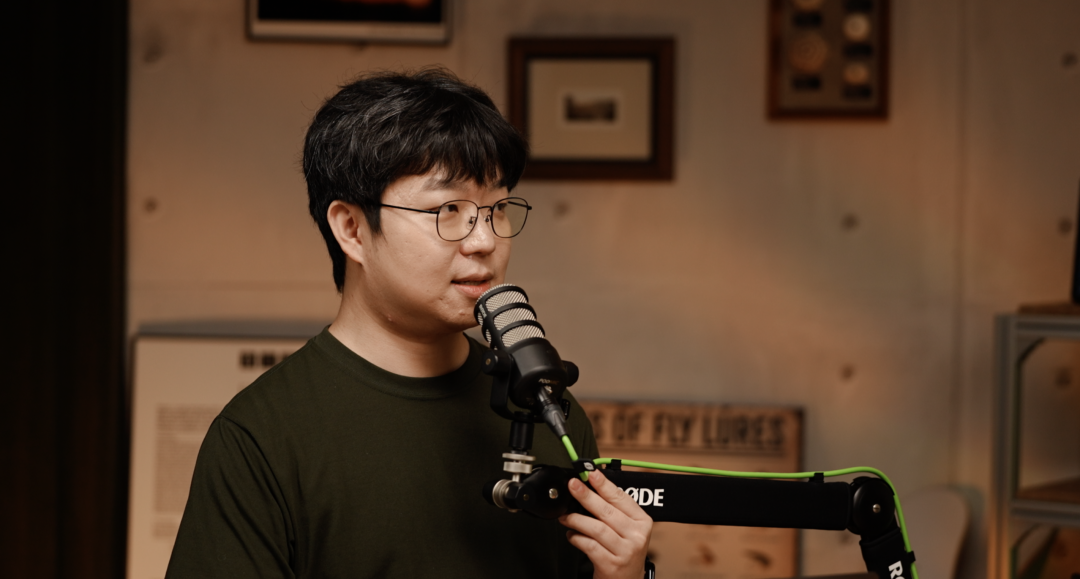
We've invited Sanbing, overall lead of the Xiaohongshu Hackathon Championship (hereinafter "Heidian"), who is also head of community technology at Xiaohongshu. Hello, Sanbing.
👨🏻🚀 Sanbing
Hello Koji.
We Want to Build China's Most Badass Tech Event
👦🏻 Koji
Today I'll chat with you about this Heidian first — you as the organizer, me as a judge and observer, our respective observations and impressions. After that, we'll invite seven contestants to talk about their products and stories.
First question: Of this 48-hour Heidian, what made you happiest?
👨🏻🚀 Sanbing
The happiest thing was seeing over 200 people show up in person. Seeing living, breathing people is an incredibly important experience — everyone's personality and feelings become more concrete.
👦🏻 Koji
Why did Xiaohongshu want to do Heidian in the first place?
👨🏻🚀 Sanbing
We felt that "people" became more important this year. Last year when we did the indie developer competition, we believed there was massive demand in the community and wanted people to see that demand and have conversations with users.
But this year, we felt both demand and technology were iterating so fast that if you chased trends, the lead time for planning and building couldn't keep up — like an event wouldn't even finish before the hype died.
So we felt we needed to find something more fundamental: who are the people actually connected to us.
In the end, we found these young people, these people who are creating.
👦🏻 Koji
Why make it such a youth-focused competition?
👨🏻🚀 Sanbing
Because we wanted to understand who is more willing to create today, and who is actually creating. From what we saw in the community, it really is a cohort of young people, students, or freshly minted founders — their passion and engagement is highest.
👦🏻 Koji
In these 48 hours, what scene left the deepest impression on you?
👨🏻🚀 Sanbing
The gong and drum ceremony. We used a gong strike at the start (midnight, April 8) and a drumbeat at the end (midnight, April 10) to announce the competition's beginning and end. We wanted to give contestants a proper opening, a sense of ritual.
👦🏻 Koji
IPO bell-ringing before even competing?
👨🏻🚀 Sanbing
That gong was inside the hackathon. We thought planting that Easter egg might go viral — though it was also pretty "offensive" — but that feeling, it's very much the vibe we wanted for our hackathon.
👦🏻 Koji
Right, maybe someday a contestant will say, I've rung the bell twice in my life — first at Xiaohongshu's starting line, then at my IPO.
👨🏻🚀 Sanbing
Exactly, I find that fascinating. I love all the impromptu, temporary situations that emerged on site — these made the competition itself feel more alive.
LOL, She Came to a Hackathon and Stuffed Her Phone in a Toaster 👩🏻🎨 Contestant: Jili Xiao'e
🍞 Product: Jili Dingdong Focus Toaster
👦🏻 Koji
Alright, let's bring in our first contestant. Hello Xiao'e, briefly introduce yourself and what award you won.
👩🏻🎨 Xiao'e
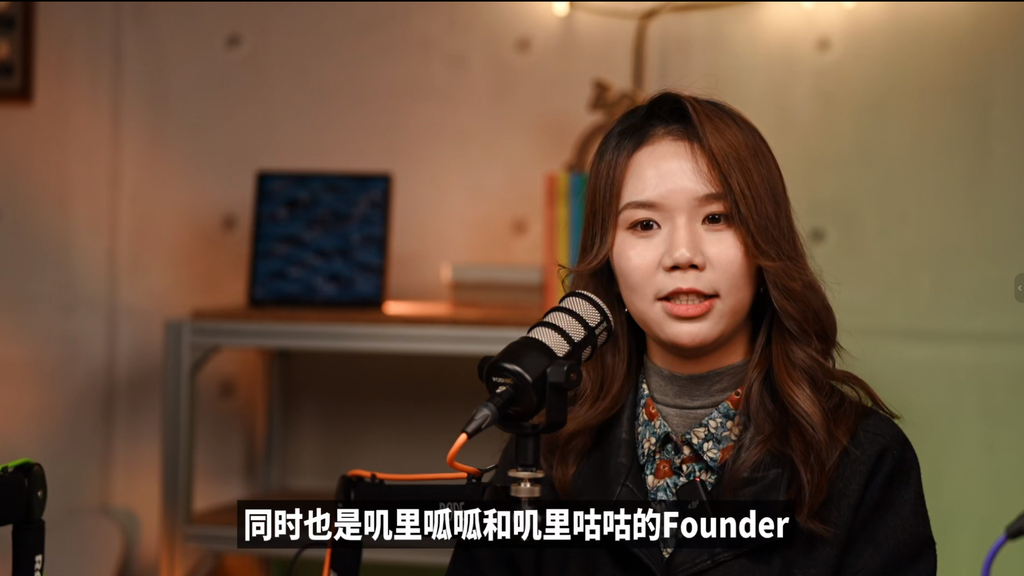
Hello everyone, I'm Wang Xinyi, everyone calls me Xiao'e. I'm a graduate student at Beijing Normal University's School of Future Design, and founder of "Jili Guagua" and "Jili Gugu." This time, I won silver in the Digua track.
👦🏻 Koji
What's the Digua track?
👩🏻🎨 Xiao'e
We build AI hardware products based on the Digua development board.
👦🏻 Koji
Introduce your product.
👩🏻🎨 Xiao'e
We made a set of Doraemon-inspired AI gadgets to help users reclaim focus in real life.
In the AI era, we believe what's scarcest isn't memory — it's attention.
Centered around the phrase "Attention Is All You Need," we reimagined some Doraemon gadgets.
First is a memory-bread toaster: it "toasts" your phone like bread, locking it away. You talk directly to it, and it responds with printed physical feedback. If someone gets distracted, we also have an "extending hand" camera that continuously records the user, analyzes through multimodal AI, and provides a focus report.
👨🏻🚀 Sanbing
I'm curious, how did your team form?
👩🏻🎨 Xiao'e
On-site teaming is fascinating, like a real-life version of Werewolf. You might be forming a team one second, and someone jumps ship the next.
👨🏻🚀 Sanbing
So there's recruiting and defection?
👩🏻🎨 Xiao'e
Absolutely.
👨🏻🚀 Sanbing
You seem like one of the more extroverted contestants — do you actively recruit people?
👩🏻🎨 Xiao'e
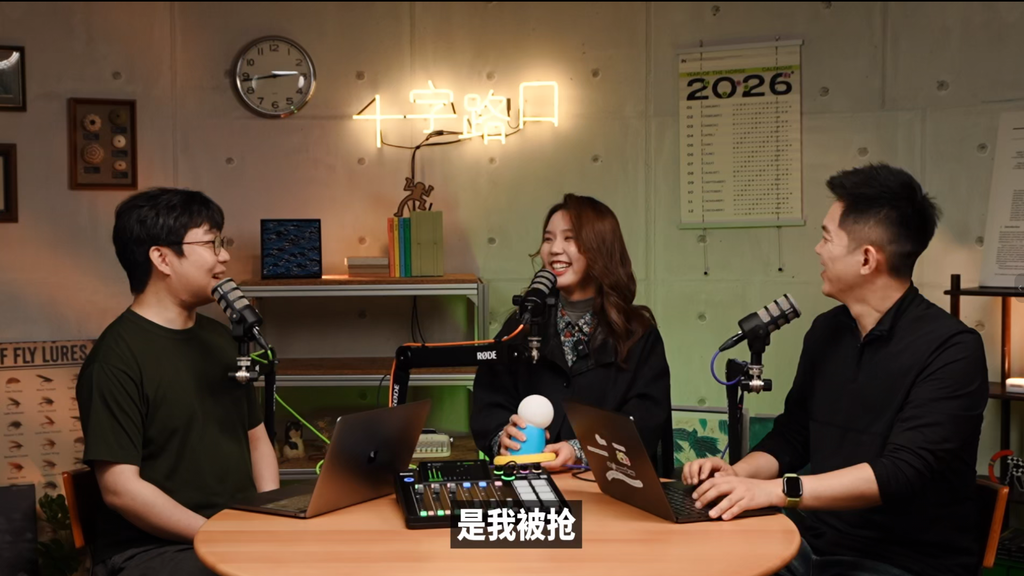
I get recruited, because every team is short on design.
👦🏻 Koji
What was your biggest surprise or shock from this competition?
👩🏻🎨 Xiao'e
My biggest feeling is that Xiaohongshu created an incredibly good experience for contestants.
What impressed us deeply was a staff member named Dongbao, who barely slept for four days. The night before Demo Day, one team's product was too large to move, so Dongbao told them to go sleep and stayed up all night guarding it himself.
👦🏻 Koji
What was that product?
👩🏻🎨 Xiao'e
A jellyfish lamp.
👦🏻 Koji
Besides your own project, which product did you like most?
👩🏻🎨 Xiao'e
Definitely Pocket Guitar. Before the competition, I chatted with Bowen and he sent me a video of himself playing music on a Mac trackpad.
The moment it was demonstrated live was truly an "aha moment." And his closing line — "We take joy in creating, and pain in not creating" — that's probably the Heidian spirit of Xiaohongshu.
👦🏻 Koji
Any project that didn't win but you really liked?
👩🏻🎨 Xiao'e
That would be a design project I supported — a jellyfish lamp that helps users monitor sleep and rest better.
👨🏻🚀 Sanbing
As a contestant, you still went to support other teams — what were you thinking?
👩🏻🎨 Xiao'e
Everyone wasn't just trying to make their own thing good — we were also communicating and helping each other. This wasn't just a competition, more like a gathering where everyone came together for the sake of creating.
👨🏻🚀 Sanbing
That moved me too.
👩🏻🎨 Xiao'e
Even now, I feel like life hasn't returned to normal — my mindset is still back at the hackathon. It's this creative energy that lets me do better work on whatever's in front of me.
"The top of Black Summit should be us" 👨🏻🎤 Contestant: Touke Tongxue Remi
🎃 Product: Making Anime Heads for the World
👦🏻 Koji
Alright, thanks Xiao'e. Next up, a special contestant — Mingwei.
👨🏻🎤 Mingwei
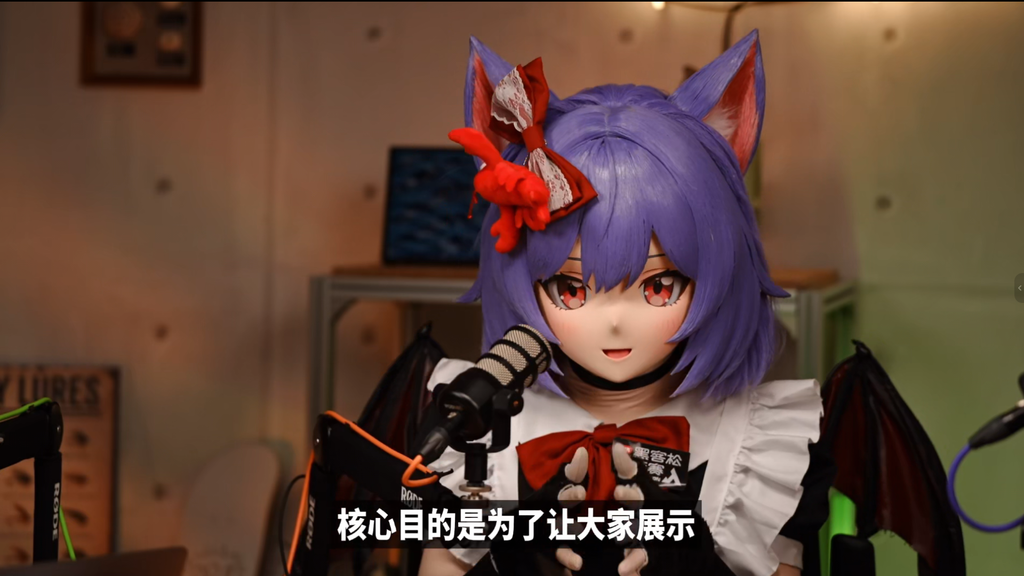
Hi everyone. We make these anime heads.
👦🏻 Koji
Did you win anything this time?
👨🏻🎤 Mingwei
Not this round, but deep down I feel like we were the real crowd favorites of Black Summit.
👦🏻 Koji
Tell us about your product. You didn't just come to a hackathon to make a headpiece, right?
👨🏻🎤 Mingwei
We wore the heads on site to show that they already look perfect on a real person.
Our project was this: imagine in the future when AI or Agents have physical bodies, they'll need unique faces. We built a program where an Agent like "Longxia" (Lobster) could come to our platform and order the face it imagines for itself — the platform generates the design.
👦🏻 Koji
So you built a platform offering custom anime heads for Agents?
👨🏻🎤 Mingwei
The platform handles the blueprints, 3D assets, and surface textures directly.
👨🏻🚀 Sanbing
How does an Agent understand the match between its personality and its appearance?
👨🏻🎤 Mingwei
We wrote a skill that lets "Longxia" imagine its own appearance. We extract the facial features from its imagined character — eyes, eyelashes, contours — and generate a 3D asset from that.
👦🏻 Koji
Has any Agent placed an order yet?
👨🏻🎤 Mingwei
An investor's Agent did try our product on site, but we didn't actually hook it up to a real order system — the complexity of a live system is way beyond a demo.
What we envision is that future embodied intelligence will come place orders with us directly.
👦🏻 Koji
Any surprises or shocks from this competition?
👨🏻🎤 Mingwei
The surprise was — we gave the head legs on site. One of our teammates came over and asked, "Can we borrow the head for a bit?" A little while later, I saw that head running around on its own legs. It was wild.
👨🏻🚀 Sanbing
And I feel like every time judges or audience members walked in, it would come out and start working the room.
👨🏻🎤 Mingwei
What we've been making are anime heads — the technical term is Kigurumi. We thought, why not create unique faces for AIs that will have bodies in the future? I don't think anyone's solved this yet.
👦🏻 Koji
I'm really looking forward to this. Our podcast once recorded an episode about Weilai Buyuan's home robot — basically about getting robots into people's homes. What I understand you guys are doing is: in the future, robots can place their own orders, customizing hairstyles and makeup based on their Agent's memories and preferences stored in their "brain."
Maybe you leave in the morning and it's still a hardcore robot, but when you come back at night it's wearing an anime head.
👨🏻🚀 Sanbing
Was this idea inspired on site, or had you been thinking about it for a while?
👨🏻🎤 Mingwei
I've been fixated on this for a while. The legged head on site was pure serendipity, but I think it was enough to prove this is a real need. Seeing that little thing move, seeing how people looked at it — so many gathered around — I knew this was a product worth building.
👦🏻 Koji
These days, a robot dog running around a hackathon gets zero attention.
But put your anime head on it, and suddenly it's the center of attention again.
👨🏻🎤 Mingwei
The face is the most important interface for emotional connection between people.
👦🏻 Koji
Besides your own, what was your favorite product?
👨🏻🎤 Mingwei
I remember there was a farting project on site.
👦🏻 Koji
Did you try it?
👨🏻🎤 Mingwei
I didn't dare approach it. I'm pretty introverted.
👨🏻🚀 Sanbing
But when you put on the head and started working the crowd, you seemed incredibly energetic and outgoing.
👨🏻🎤 Mingwei
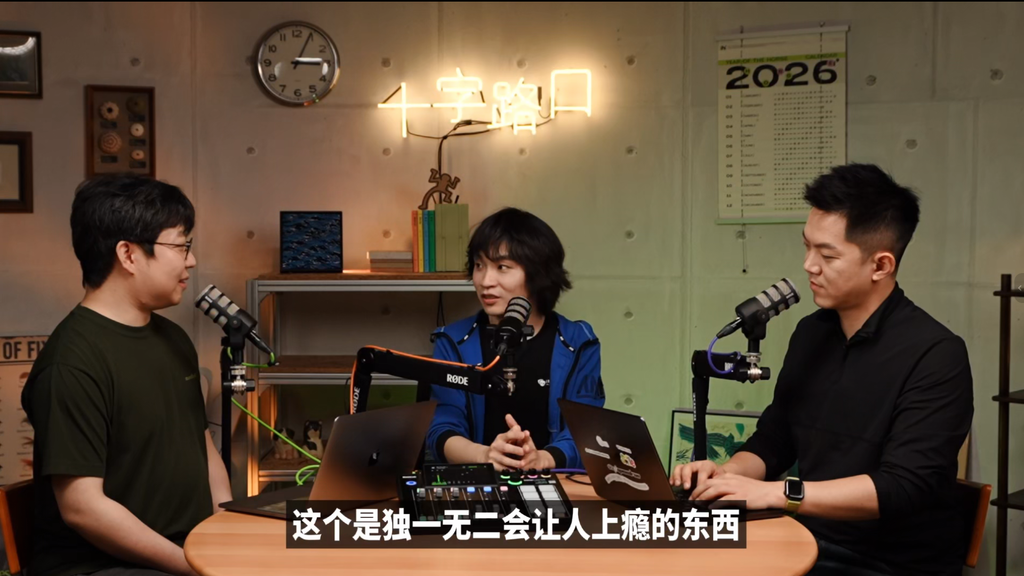
Masks, cosplay makeup — they give you a new profile to present to the world. I found that once I put the head on, the feedback from others was completely different. You get so many profiles, so much feedback looping back, so much value exchange. You enjoy that kind of joy. It gets addictive.
👦🏻 Koji
Did you make new friends this time?
👨🏻🎤 Mingwei
We built great connections with robot manufacturers on site. The live audience feedback was something they hadn't anticipated before — enough to validate that this could be a genuinely new value point worth exploring.
A Pocket Guitar Built in 48 Hours Takes Home the Grand Prize 👨🏻💻 Contestant: Ye Bowen
🎸 Product: Pocket Guitar
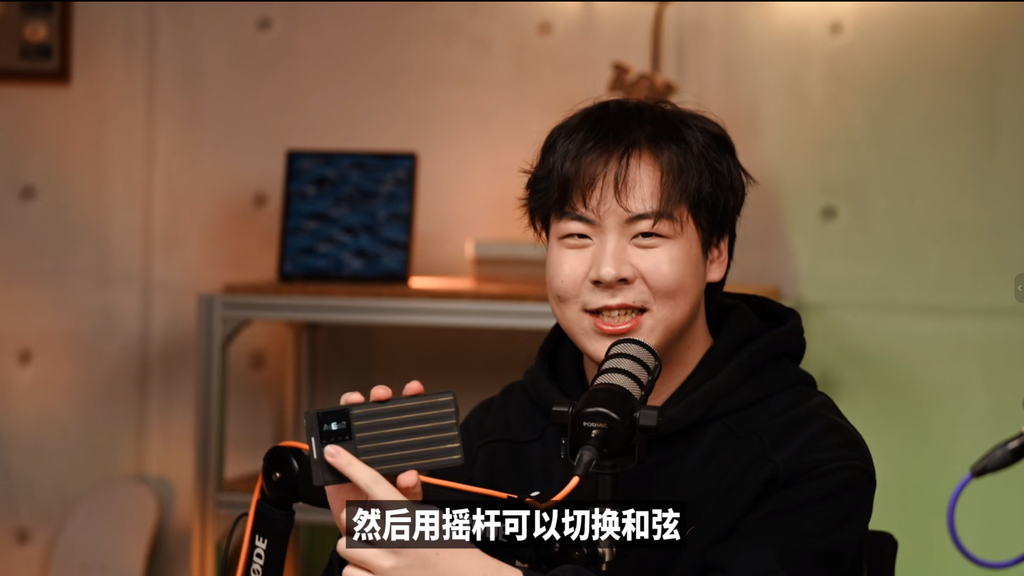
👦🏻 Koji
Next up is our grand prize winner.
👨🏻💻 Bowen
Hello everyone, I'm Ye Bowen — a student and indie developer. I won the grand prize at Black Summit.
👦🏻 Koji
Tell us about your product.
👨🏻💻 Bowen
We made a portable, guitar-like device for feeling the vibe of music — it's called Pocket Guitar. You choose a chord set, use a joystick to switch chords, and touch the strings to make sound.
👦🏻 Koji
Can you play something?
👨🏻💻 Bowen
Just something random. This is a little tune I saw on Douyin yesterday — just vibing, doesn't matter if I mess up. Let me play what I did on stage.
👦🏻 Koji
You have some background though, right? Can total beginners play this?
👨🏻💻 Bowen
Yeah, I actually don't have much background. Anyone can play.
Because within one chord, no matter what you play, it won't sound bad — it's all harmonious. Set it up right, and everything sounds good.
👦🏻 Koji
Makes me feel like I have some artistic talent in me. I think any product that makes people feel good about themselves is a good product. What surprised you most this time?
👨🏻💻 Bowen
The biggest surprise was winning. But what made me happier was the pitch — I've always been terrified of stages. When I was a kid, I messed up a performance and got mocked for a long time. After that, every time I got on stage I'd get incredibly nervous, shaking all over. This time my hands and feet were still shaking, but I actually enjoyed being up there.
The night before the competition, I watched Steve Jobs' iPod Nano launch. So cool. He also pulled the product out of his pocket, and the crowd went wild.
I wanted to recreate that moment, so I came up with this bit: "Why do we have two pockets?" Then pulled out my device. Pretty nonsensical, but I thought it was cool.
👦🏻 Koji
That is a classic moment.
👨🏻🚀 Sanbing
The whole room lit up at that moment.
👦🏻 Koji
Tell us about a favorite product from someone else.
👨🏻💻 Bowen
I really liked the Pixar lamp. Their content, booth, and atmosphere were all done incredibly well. The moment you approached their booth, it felt completely different from everything around it — like being at a real art exhibition, with a complete visual and brand language.
So I felt bad for them — I heard it got accidentally damaged in the morning and they couldn't do a live demo.
👨🏻🚀 Sanbing
How did you put your team together?
👨🏻💻 Bowen
When I was recruiting in the group chat, most people didn't seem that interested. Then a girl studying in Finland thought it was cool, and she brought in her friend in the US studying Music Tech.
I was thrilled — I don't know synthesizers, and I only know the basics of music theory, but he was incredibly professional. Another developer was someone I already knew.
👨🏻🚀 Sanbing
This product blends art, design, product, and engineering. How would you break down your skill distribution?
👨🏻💻 Bowen
This might sound a bit pretentious, but I think of myself as a "hexagonal warrior" — pretty balanced across the board.
Technically, I'm very comfortable with the entire stack this project used. Design-wise, you can see it has some TE-style elements, and that was mostly my direction.
👦🏻 Koji
During your finals pitch you said something like "joy because of creation" — what was the second half?
👨🏻💻 Bowen
Pain because creation is hard.
👦🏻 Koji
How did you come up with that?
👨🏻💻 Bowen
I didn't — it's from a Weibo post by a video creator I really admire. It really struck me when I saw it.
Creation definitely involves a lot of pain, but essentially, as long as you focus purely on creating without thinking about anything else, you'll make good work.
👦🏻 Koji
Creating with complete focus?
👨🏻💻 Bowen
Yeah. The process of creation has pain, but it's precisely because of that pain that you experience joy.
👦🏻 Koji
How much did you sleep during this hackathon?
👨🏻💻 Bowen
I didn't sleep at all after the start at midnight on day one.
👦🏻 Koji
How did you have so much energy for the final pitch?
👨🏻💻 Bowen
I slept about two hours three hours before the pitch, then woke up and started writing my script.
👦🏻 Koji
Any unexpected scares?
👨🏻💻 Bowen
That head-plus-robot combo was pretty freaky. Seeing something walking around on its own in the middle of the night — pretty terrifying.
👨🏻🚀 Sanbing
After your demo, the most common question I got was "Can I buy this? Where?" Do you have plans to mass-produce the Pocket Guitar?
👨🏻💻 Bowen
I'd love to, but not just as a product — I want to build a brand. Like building a TE-style company in China, using design and aesthetic premium to create a brand.
👨🏻🚀 Sanbing
Worried about being copied?
👨🏻💻 Bowen
Copying is unavoidable, but it doesn't matter much. Copycats come later — they can only copy the surface, never the soul. Of course, my product hasn't launched yet, so it's hard to say.
From my experience, latecomers generally can't catch up to whoever built it first. Their mindset and thinking get distorted. Once you start copying, the soul is no longer in the product.
👨🏻🚀 Sanbing
What do you think is the soul of this product?
👨🏻💻 Bowen
Right now, I'd say it's the understanding of chords.
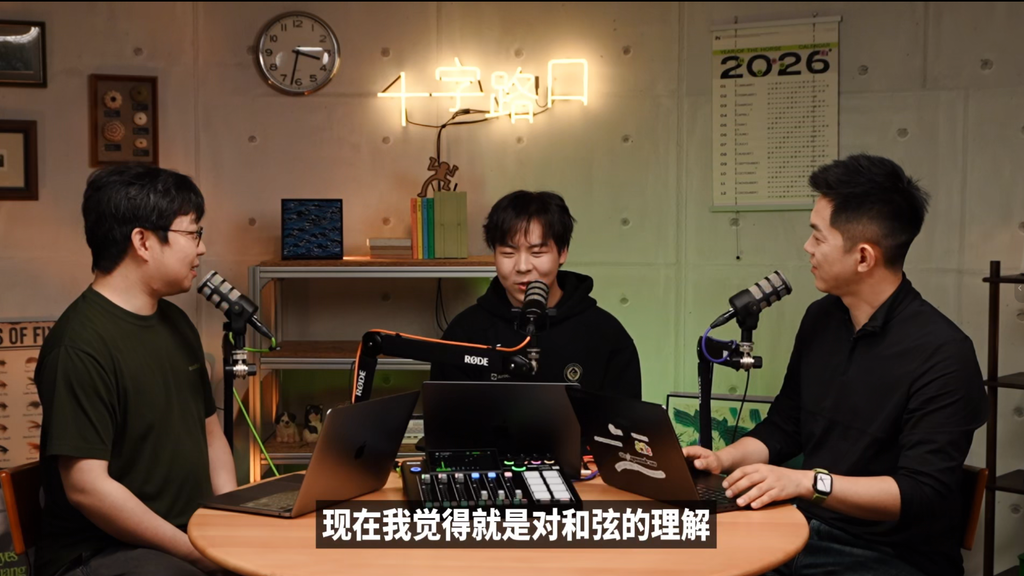
👨🏻🚀 Sanbing
The understanding of chords?
👨🏻💻 Bowen
Traditional instruments are built around individual notes, which means beginners have to learn how to play chords before they can make harmonious music. But we built chords in from the start, so the moment users pick it up, they think, "Wow, I can actually create this kind of atmosphere."
👨🏻🚀 Sanbing
Isn't that exactly how Koji felt during his first demo?
👦🏻 Koji
Yes, that exact feeling.
In this era, aesthetics matter more 👨🏻🔬 Contestant: Edward
💻 Product: Attune
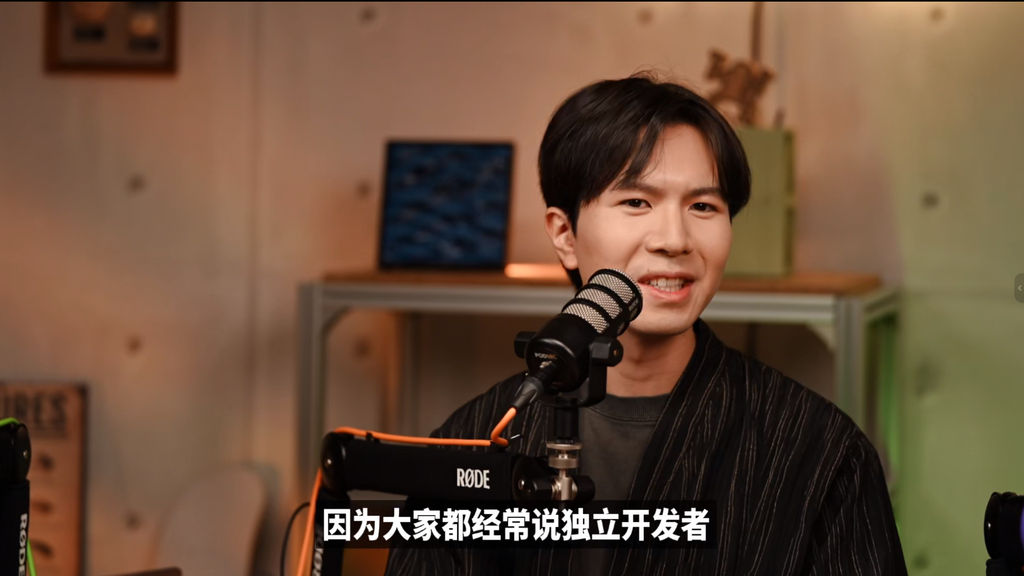
👦🏻 Koji
Alright, next up is Edward, with a project called Attune.
👨🏻🔬 Edward
I used to be an art designer, and now I'm in a "partnered with AI, not solo developing" state.
👦🏻 Koji
"Partnered with AI, not solo developing"?
👨🏻🔬 Edward
Everyone talks about "indie developers." I'm still one person, but with AI, I'm no longer developing alone — I'm a team.
👦🏻 Koji
AI is your co-founder. What award did you win this time?
👨🏻🔬 Edward
Second place in the software track. Our product is called Attune, from "attention," because attention matters so much in this era.
We focus on the "attention interface" — dynamically adjusting or reconstructing web pages based on where the user's attention goes, narrowing information from ten points down to the two or three they need to focus on right now.
That's what we built: a dynamically reconstructed interface. Many buttons on a webpage aren't needed at that moment, so we place the relevant interactive buttons near the user's cursor, try to guess their intent, and translate that intent into one or two buttons.
👦🏻 Koji
What was your biggest surprise or shock from this competition?
👨🏻🔬 Edward
Seeing how energetic the Gen Z crowd is — incredibly energetic. That was both surprising and shocking.
Our team members had all been indie developers on our own. We admired each other's products and said we should find a chance to collaborate. This hackathon was our first time working together.
The most shocking part: we showed up with absolutely no ideas. After ten-plus hours, everyone still had their own separate ideas.
In the end, we each spent time building demos of our own ideas, evaluated them internally, and mine happened to get picked. So we only spent the last 20-plus hours actually building the final idea.
👦🏻 Koji
So with Vibe Coding, ideas become more important, and development can move faster.
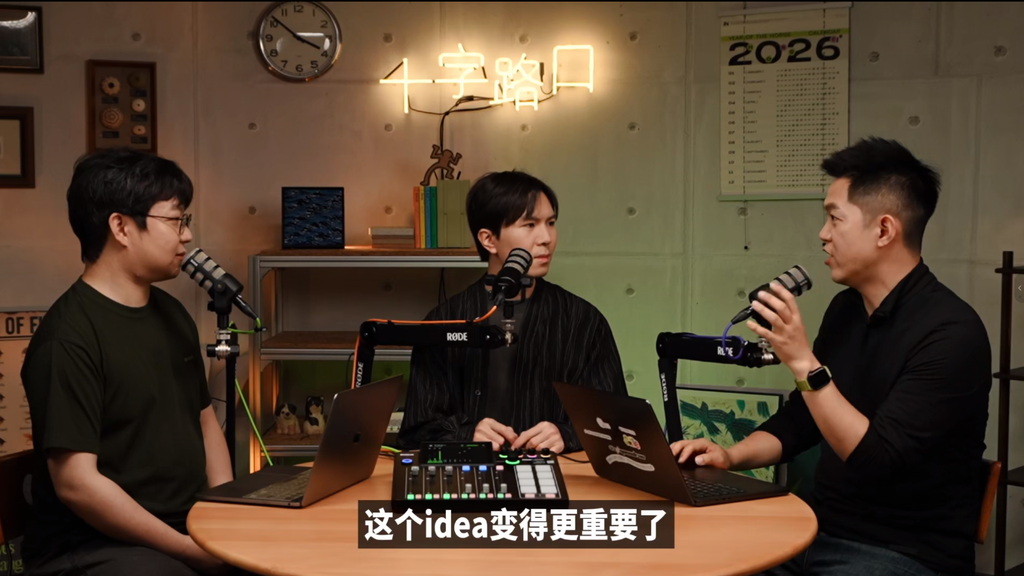
👨🏻🔬 Edward
Exactly. Our team was like an all-star squad. When everyone had different ideas and verbal discussion couldn't create a clear picture, we'd say since Vibe Coding is so fast, let's each spend 20-30 minutes with AI to quickly build a demo and compete. The winner turned out to be the designer with the best aesthetic sense.
Today everyone cares about design. A visually appealing product will definitely get more attention — that's good news for designers.
👦🏻 Koji
Introduce another product you liked.
👨🏻🔬 Edward
The grand prize winner. But I want to talk about it from a different angle. I found their team members' Xiaohongshu accounts — they're all designers with serious artistic sensibility.
Looking at their daily posts, you could tell what kind of work they'd produce. One of them frequently shared synthesizer builds and music explorations, and all that accumulation showed up in the final piece — a great example of technology meeting humanities.
👦🏻 Koji
Would you say your product saves time or kills time?
👨🏻🔬 Edward
We don't think time is necessarily the key factor — what matters is putting your most important attention where it's most worth it. Behind the scenes, it's about efficiency. It may not save time, but it definitely increases the value of your final outcome.
This hackathon was also about "building in public" 👨🏻🔬 Contestant: Jinchu Chen
💫 Product: Cyber Tightening Sutra
👦🏻 Koji
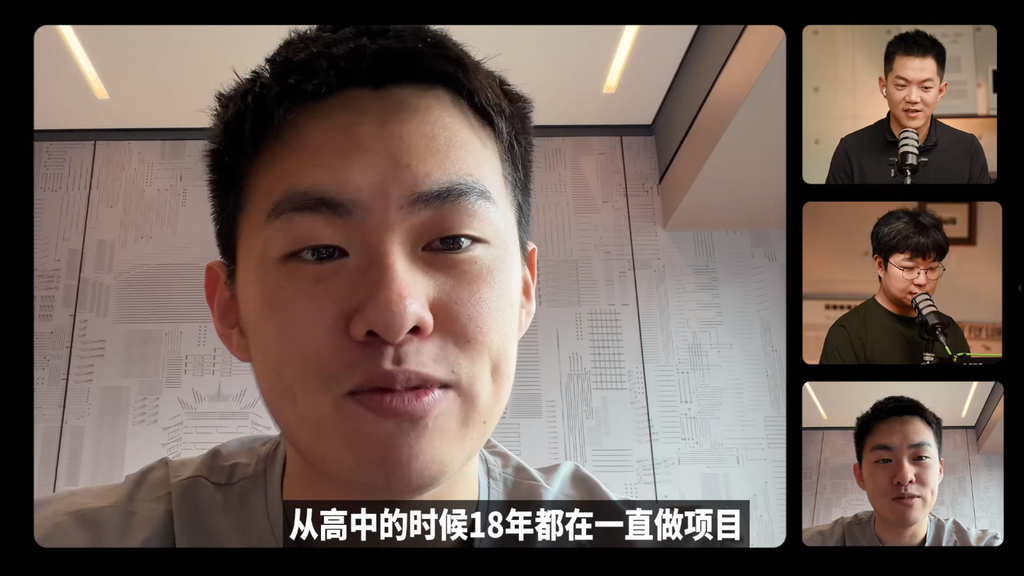
Next contestant is joining online — Jinchu, hello.
👨🏻💻 Jinchu
Hello Koji, I'm Andrew Jinchu Chen. I'm a serial entrepreneur — I've been building projects since high school in 2018. My most well-known one was Instap, a "tap-to-add-friends" app. Lately I've been obsessed with Vibe Coding.
👦🏻 Koji
What award did you win?
👨🏻💻 Jinchu
A niche-track sweet potato award, because Sweet Potato sponsored our circuit boards.
We built a "self-discipline device" — a camera clipped to your head, and if it catches you being undisciplined, like smoking or drinking, two electrode pads on the back of your neck will shock you. Anyway, it's a pretty abstract thing.
👨🏻🚀 Sanbing
Any particular impressions of the contestants' ages and energy?
👨🏻💻 Jinchu
Everyone seems younger. I've been to nearly 20 hackathons — at first I felt young, and now suddenly I don't. Even the post-2010s generation is showing up. That's the most immediate feeling.
Also, while most people are still CS majors, I'm seeing more and more non-coders participating. And the stuff people build feels more "human" now — not like the hard-core tech projects from before.
👦🏻 Koji
What was your favorite product on site?
👨🏻💻 Jinchu
The whoopee cushion left the deepest impression. You sit down, it starts farting — hilarious, and pretty abstract.
👨🏻🚀 Sanbing
You're also a Xiaohongshu creator. How did it feel competing as a creator versus just a contestant?
👨🏻💻 Jinchu
This was my first time competing as a creator. Walking in, lots of people recognized me — a pleasant surprise, since I love connecting with people and enjoy the attention.
👨🏻🚀 Sanbing
Any advice for people planning to build tech accounts on Xiaohongshu and build in public?
👨🏻💻 Jinchu
I think building in public is the best leverage for making AI products in this era. The cost of building an AI product is now extremely low — you build it fast, use social media for early exposure, and immediately validate PMF. If there's traction, keep going; if not, pivot immediately.
Don't worry about friends seeing it and feeling embarrassed — if it doesn't work, move on. I have many brilliant friends whose products are way better than mine, but they never post. They always want to wait until it's perfect.
I think that's the worst decision you can make right now. Your idea is the least valuable thing — if you don't post, someone else might beat you to it.
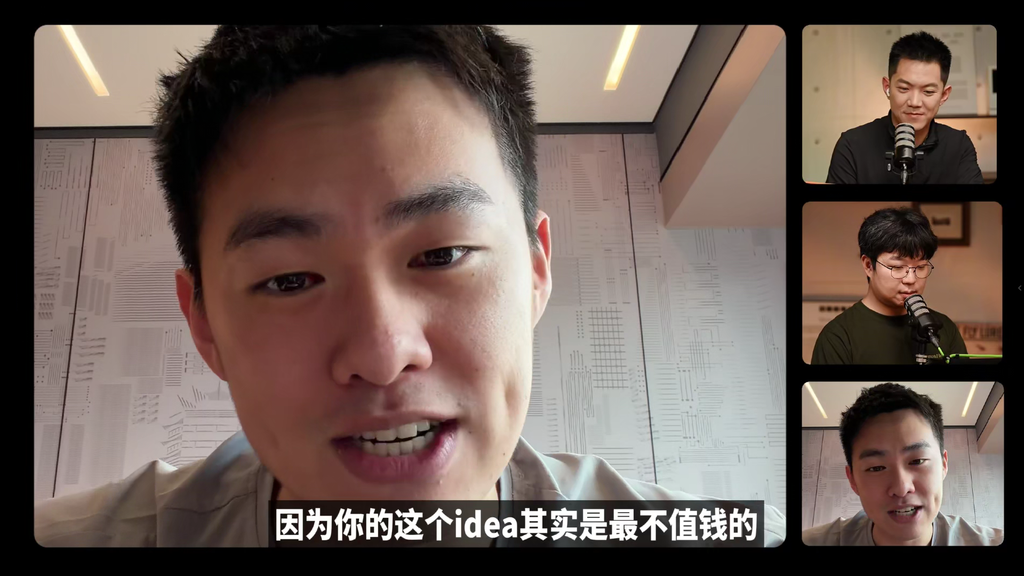
Especially since Vibe Coding blew up last year, I feel like platforms like Xiaohongshu are the best distribution channel. The cost is low, and you can build a personal IP — we're living in a great time.
The hackathon's most popular contestant wants to "eliminate" hackathons? 👩🏻💼 Contestant: Queenie
👾 Product: Vibethon Arena
👦🏻 Koji
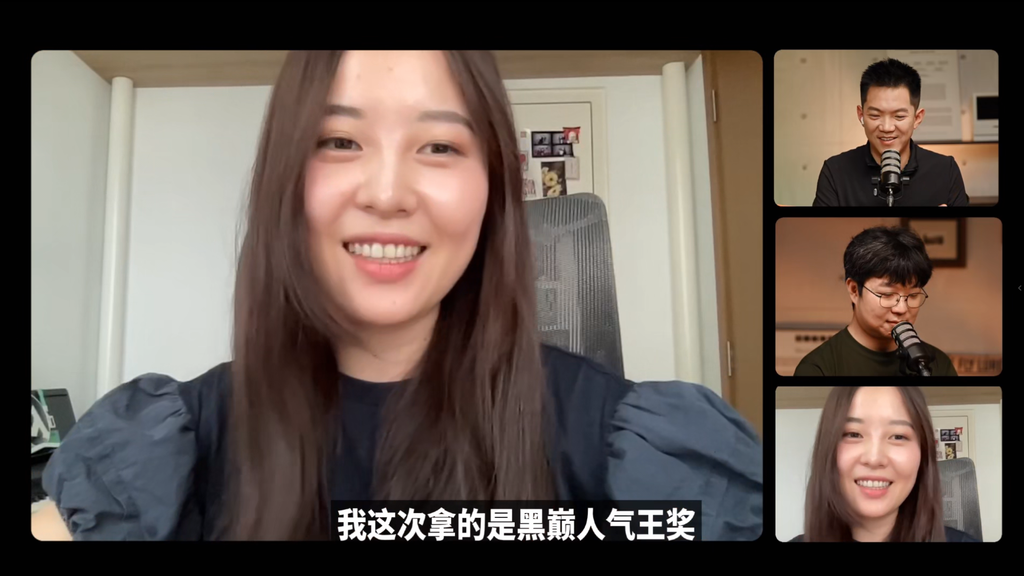
Alright, next up is Queenie.
👩🏻💼 Queenie
Hi everyone, I'm Queenie, an early-stage investor based in Singapore.
👦🏻 Koji
What award did you win?
👩🏻💼 Queenie
The "Heidian Popularity King" award, voted by fellow contestants. I built a product called Vibethon — a platform where anyone can launch and join Vibe Coding competitions online.
You can start a topic, set the number of participants, time limit, even prize money, then livestream the entire Vibe Coding process. Viewers can enter the arena, send bullet comments, try the product, give feedback, and vote in the end.
I wanted to build this product because I personally love Vibe Coding and hackathons — that immersive mode of creation — and I wanted to share it with everyone. This mini-game format dramatically lowers the barrier to entry. I think it's something anyone can enjoy, young or old.
👦🏻 Koji
Any surprising or scary stories from this competition?
👩🏻💼 Queenie
The whole experience felt pretty magical to me. It was my first time seeing a hackathon at this scale, with this level of meticulous preparation. So many details caught me off guard in a good way.
👦🏻 Koji
Any memorable memes from the venue?
👩🏻💼 Queenie
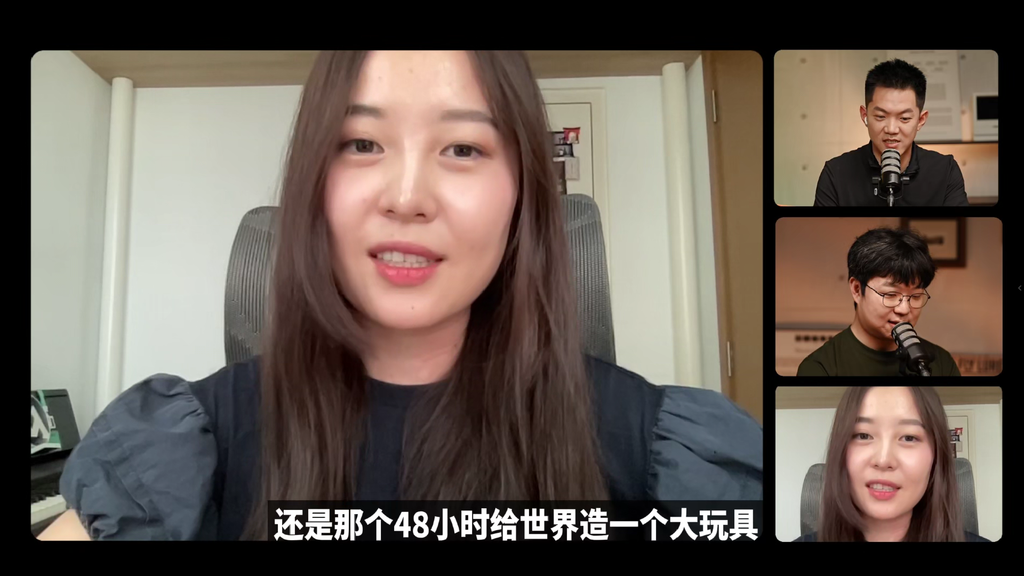
What resonated most was that line: "Build a big toy for the world in 48 hours." That captured exactly how I felt coming in — I was here to build a toy too.
👨🏻🚀 Sanbing
Are you actually planning to host a Vibethon yourselves?
👩🏻💼 Queenie
For real — we already have plans. We've been refining the product every day since the competition ended, hoping to launch within two weeks, and host offline Vibethons in Singapore and Shanghai in May.
👦🏻 Koji
Can people compete anytime, anywhere? Any big prizes?
👩🏻💼 Queenie
The platform is open 24/7, multilingual. Anyone, anywhere, anytime can start a competition. Prize money is currently set by the host.
👦🏻 Koji
Sounds fun. Is it one-on-one or many-on-many?
👩🏻💼 Queenie
Currently up to six people.
👦🏻 Koji
Who decides the winner?
👩🏻💼 Queenie
We've designed two options: one where the host decides who gets the prize money, and another where the live or streaming audience votes.
👨🏻🚀 Sanbing
Aside from your own team, which product did you like best?
👩🏻💼 Queenie
I really liked that noise-canceling mask hardware project. The idea is hilarious — a mask with a built-in microphone that lets you talk to AI in public without disturbing anyone.
I personally have this need. And I'd love to buy it for my Japanese friends — they probably need it even more than I do, since they're so conscious about bothering others in public.
A hackathon is short; a life is long. I want to speak up now.
🧑🏻💻 Contestant: Pengcheng, Speech Training
🎀 Product: Conan's Voice-Changing Bowtie
👦🏻 Koji
Alright, thank you. Our next contestant is Pengcheng.
🧑🏻💻 Pengcheng
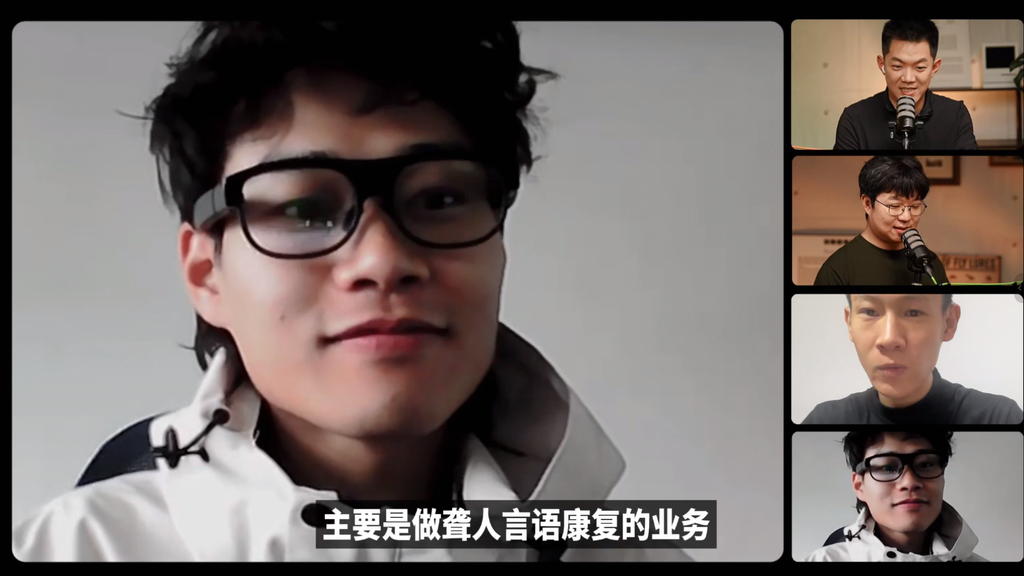
Hi everyone, I'm Li Pengcheng, from Beijing. I mainly work on speech rehabilitation for deaf people.
👦🏻 Koji
Did you win anything this time?
🧑🏻💻 Pengcheng
Our hardware burned out during the demo, so we didn't win any awards.
👦🏻 Koji
But a lot of people were deeply impressed by your product. Tell us what you built.
🧑🏻💻 Pengcheng
Our project is the "Conan Voice Changer." Its main function is using AI to repair unclear speech.
👨🏻🚀 Sanbing
Pengcheng left a deep impression on me. When I walked over, I realized the entire team was hearing-impaired, and they were building a product to convert unclear pronunciation into clear expression. My first reaction was genuine emotion.
🧑🏻💻 Pengcheng
My rehabilitation doctor told me I might need ten years, or even a lifetime, to learn to speak. But I didn't want to spend my whole life on rehabilitation, so our company developed an AI speech training app to reduce costs.
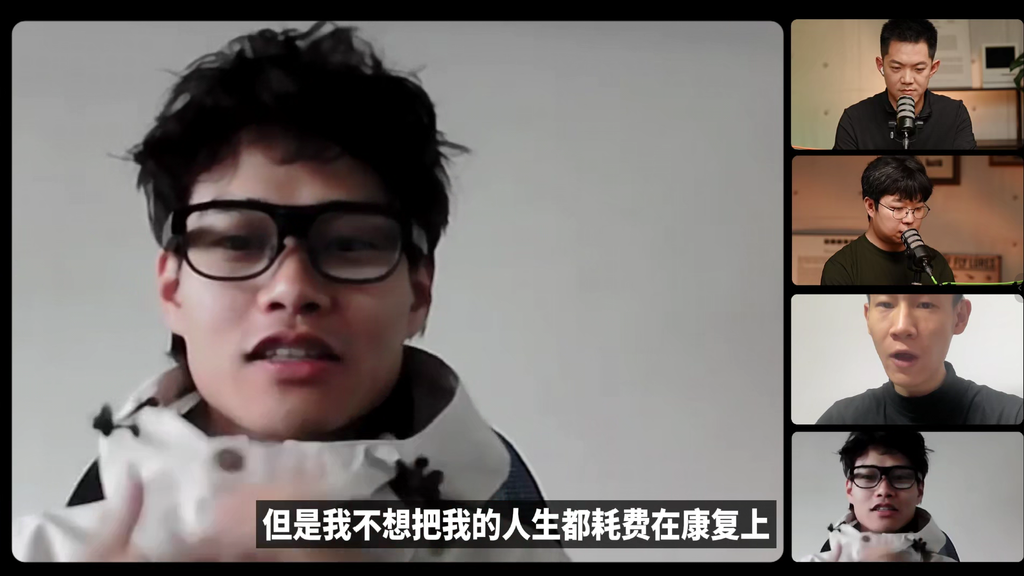
But during the process of learning to speak, people constantly couldn't understand me, which was really discouraging. I couldn't let that stop my rehabilitation journey.
So I thought, could there be a tool that helps me communicate smoothly with others even while I'm still in rehabilitation, still speaking unclearly? That's where the inspiration for the "Conan Voice Changer" came from.
👦🏻 Koji
Any memorable stories from this competition?
🧑🏻💻 Pengcheng
On the first day, the teammate handling our design wasn't familiar with 3D printing, and the print failed. Other contestants saw us struggling and enthusiastically came over to help. We finally succeeded in making the 3D model.
👦🏻 Koji
Aside from your own product, which one did you like most?
🧑🏻💻 Pengcheng
The Xianggu Feiniu project — they made a golden headband that controls wheelchairs with your mind.
👨🏻🚀 Sanbing
Do you want to actually bring this product to market someday?
🧑🏻💻 Pengcheng
Yes, I hope to keep refining it after the competition. If it can really be developed, I could use this product to give speeches on stage myself.
"In the age of AI, we're all peers."
👦🏻 Koji
Excellent. Really looking forward to the product launch, and to more people being able to use it.
We've now spoken with all seven contestants. Sanbing, many people have said the atmosphere at this hackathon felt special. What keywords did you have in mind when designing this vibe?
👨🏻🚀 Sanbing
The first is "creation." We wanted this to be a place that sparks creativity, not a lifeless competition arena. So we prepared lots of stress-relief tools, memes, and reaction images.
The second is "self-inflicted hardship." The core ethos of a hackathon is pushing yourself into an extreme environment, solving hard problems with limited resources.
So the countdown clock, the ritual, the tents — all of it was designed to create that feeling of "I'm here to suffer." When you put "sparking creativity" and "seeking suffering" together, the chemical reaction gets interesting.
👦🏻 Koji
Some contestants mentioned you sent daily mass texts encouraging people to drop out, with a reward of 100 Xiaohongshu coins if they did. Why design it that way?
👨🏻🚀 Sanbing
That ties directly into the "self-inflicted hardship" feeling. It's testing whether you can't take it anymore — if you can't, you get a little sweet reward.
More than anything, it's about activating people's competitive drive and that "I'm not backing down" energy. Young people have this quality, and tapping into it is fascinating. In the end, it didn't cause dropouts — it became a trash-talk meme among contestants: "You're going to take that 100 coins, aren't you?"
👦🏻 Koji
So did anyone actually drop out?
👨🏻🚀 Sanbing
No, everyone held on. I guess 100 coins wasn't tempting enough. Maybe higher next time.
👦🏻 Koji
Make it a million.
👨🏻🚀 Sanbing
Then the next day, there'd be no contestants left — everyone would have dropped out.
👦🏻 Koji
I noticed many contestants were building in public on Xiaohongshu during the competition. Do you actively encourage a particular style of building in public?
👨🏻🚀 Sanbing
This time we hoped people would be more creative, starting from their own needs and surroundings. Past hackathons often centered on "entrepreneurship," but we wanted to show the face of young builders and some more wildly imaginative ideas.
That's what Xiaohongshu wants to encourage. As a platform, we don't have such utilitarian demands, so building in public content can be genuinely fun and creative.
👦🏻 Koji
When did you first notice that Xiaohongshu had become the main platform for people building in public?
👨🏻🚀 Sanbing
I felt it deeply after last year's indie developer competition. Even then, we were talking about how there are so many opportunities here to validate PMF.
Later came the MA competition, and we realized there really are so many talented people and peers here. Building in public is partly about finding demand and users, and partly about exchange.
After these two events last year, more and more people started trying it on Xiaohongshu.
👦🏻 Koji
Do you think this is related to the times? Why is building in public trending both in China and abroad right now?
👨🏻🚀 Sanbing
Very much related to the times. We often say "idea is cheap" now — cheap how? Productivity is so abundant that any idea can become a complete demo within 48 hours.
Under these conditions, how to get your product to users earlier, to go-to-market earlier, becomes crucial.
👦🏻 Koji
Xiaohongshu has many active creators and entrepreneurs. People see the events you host, but what behind-the-scenes operations can you share?
👨🏻🚀 Sanbing
We do a lot to spark creative imagination. Large competitions are the most concentrated showcase, but the day-to-day preparation is more about curating themes. For a smart hardware theme, for example, we'd look for who best embodies the maker spirit we want, who best represents the building in public author.
In selecting people, we embed platform intention. The hardest thing to discern is people's motives. Our filtering criteria is finding people who are "really creating" and "really want to create."
👦🏻 Koji
Among the builders you've come across, anyone leave a particularly deep impression?
👨🏻🚀 Sanbing
One contestant this time was a 13-year-old kid who teaches programming on Xiaohongshu. It was hilarious at the venue — everyone called him "Old Yang." And then there's Zhang Zhenyao, known as "Little Genius." When he arrived, everyone called him "Brother Yao," saying "once Brother Yao arrives, everything gets solved."
👦🏻 Koji
In the future, how do you hope people will describe the Xiaohongshu Hackathon Championship?
👨🏻🚀 Sanbing
I hope that when people talk about China's greatest tech competition, their first thought is the Xiaohongshu Hackathon Championship.
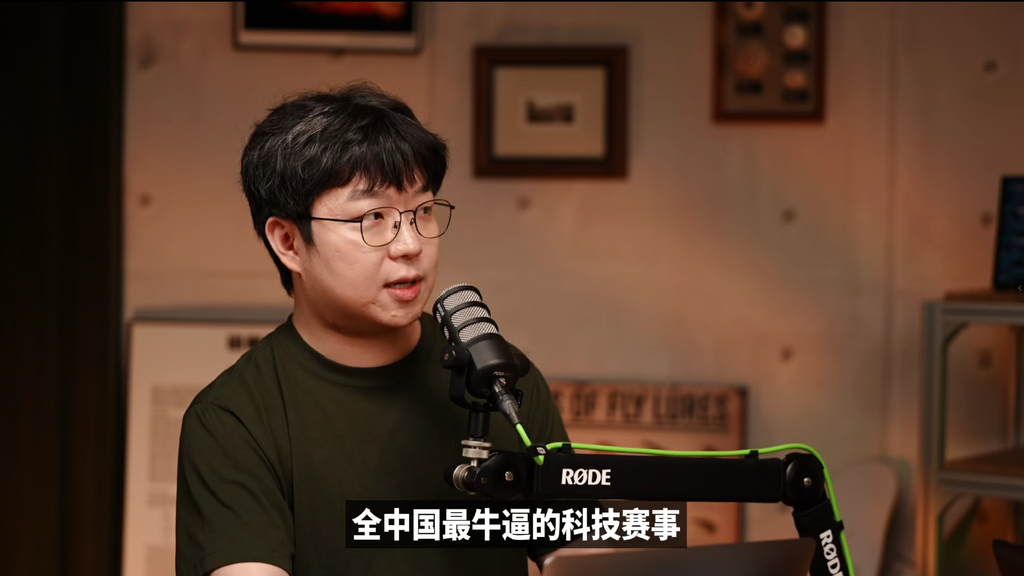
This was our original intention from the start. We wanted to provide China with a top-tier tech event. Because so many of the tech events we saw felt more like trade shows — traditional, old-fashioned.
But the people actually creating things are incredibly young — Gen Z, even younger. What do they like? How should their presence be shown in new contexts? That matters. So we used "hackathon" as the container, but what we really wanted to do was that thing.
👦🏻 Koji
What's the next thing you most want to do?
👨🏻🚀 Sanbing
Two directions.
First, return to community. This time we showed everyone what the people we want look like. We hope more people like this can grow and be seen.
The other is our ambition — we want to build the world's best tech community. This is very different from last year when we said "we want to build the best circle of friends for tech people." The ambition is bigger this year. On the project side, how to create something with global impact on par with the world's best — that's what we're planning and preparing next.
👦🏻 Koji
Last question. When people describe Black Summit now, they always say it's very "young." But there's also a voice that mocks the VC circle for having a kind of "pedophilia" — obsessed with celebrating young, even very young, developers.
What do you think? Why do you emphasize "young" so much?
👨🏻🚀 Sanbing
I think "young" is just an easy word for people to grasp. As Xi Cao mentioned on site, in the AI era, what we care more about is "era age," not physical age.
In a previous interview, I sat with Jinchu and Lao Yang — three generations: post-90s, post-00s, post-10s. But we found that everyone started接触、using, and applying AI at roughly the same time.
So what matters more is: when a new wave of technology arrives, who's more sensitive, who gets in earlier, who's more interested in it.
👦🏻 Koji
So in the AI era, we're all the same age?
👨🏻🚀 Sanbing
Right, we're all peers. Actually I might even be the more幼稚 one.
The Hackathon Is Paris in the AI Era
👦🏻 Koji
I've always felt the hackathon process matters more than the result. I've been loving a line lately: "When you're young, you should go to Paris." Because in the golden age of arts and literature, going to Paris meant encountering the highest density of people like you — full of ambition, wanting to create and change things.
I think the hackathon is Paris in the AI era. Here you can meet many of your kind, and walk alongside them through life. That's probably the biggest takeaway from competing.
👨🏻🚀 Sanbing
Yes.
👦🏻 Koji
Alright, thank you Sanbing, and thank you to all the contestants here today.
See you next year.
👨🏻🚀 Sanbing
See you next year.
Crossing is looking for independent writers to cover AI product and model reviews. If you've written similar articles: Hands-on: PixVerse C1, Hands-on: LibTV, please contact zeo0811@gmail.com. Your email should include: ① personal introduction, ② AI review articles you've written. We offer competitive rates. Looking forward to observing and documenting the AI era with you 🎪