"Uninhibited, brimming with youthful audacity" | Ten Days After Agent Neo's Launch

Innovation is happening.
Unrestrained, brimming with youthful audacity.
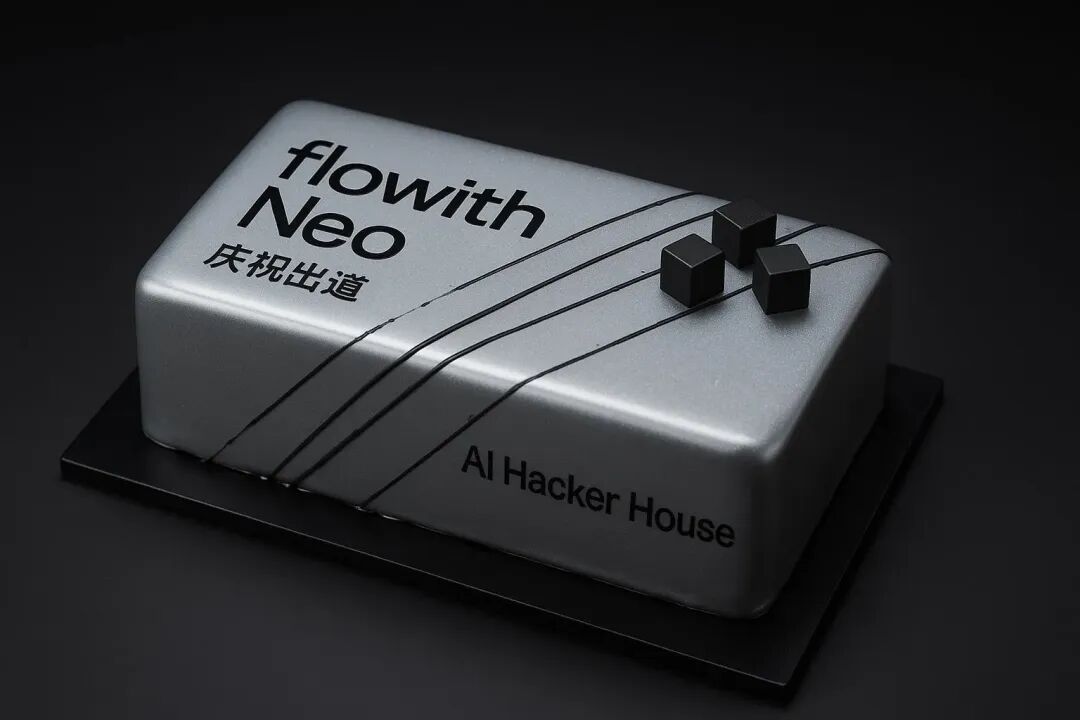 AI Hacker House prepared a "debut" 0th birthday cake for Agent Neo
👦🏻 Author: Koji
🧑🎨 Layout: NCon

"Unrestrained, brimming with youthful audacity." — That Saturday before last, at AI Hacker House during flowith's Agent Neo launch, this phrase popped into my head.
No pixel-perfect slides.
No carefully scripted lines.
No media hospitality fees.
Instead, a little nervous stammering, and excitement that couldn't be hidden — to the point of twice saying, "Ah, I messed up the rhythm, let me go through that again."
In a world of meticulous design, this rough-around-the-edges authenticity felt surprisingly relaxing, effortless, energizing.
 Agent Neo Shanghai launch event group photo
🚦 Nearly ten days after this launch, I'm finally sitting down to write.
Today, Agent Neo is officially open to all — no invite code needed.
Reviews and evaluations of Agent Neo are already plentiful. I want to share some scattered thoughts and impressions of my own.
Stay Hungry, Stay Foolish, Stay Different
Agent Neo attracted significant attention after its release.
Domestically, it hit #1 on Bilibili's trending list, and WeChat Index surpassed 1.2 million.
Internationally, flowith's official X account was receiving new DM requests for invite codes at an average rate of one per minute.
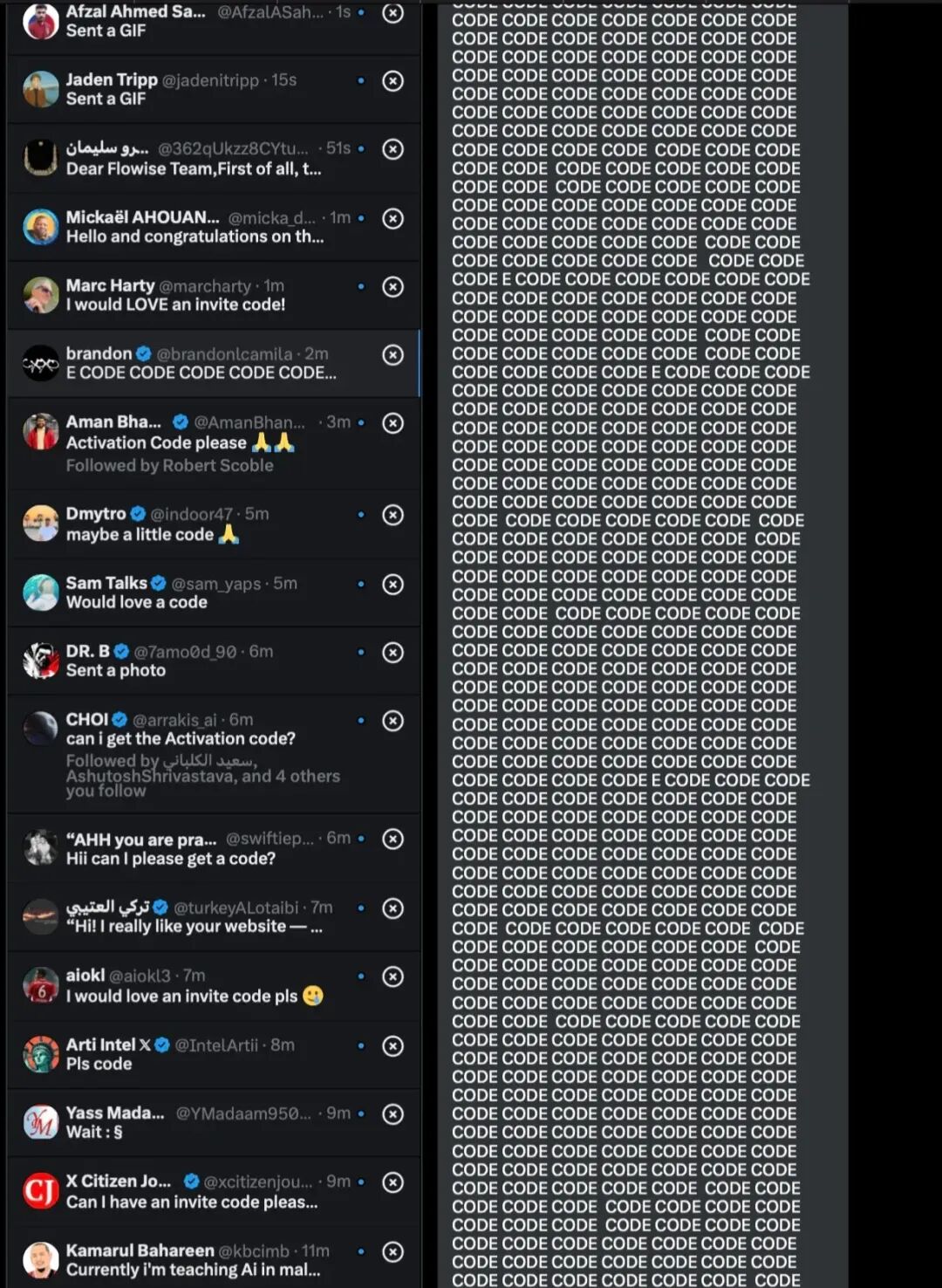 Image source: flowith team
When the Superhuman AI newsletter mentioned Agent Neo proactively, the flowith team excitedly shared it across their feeds.
Controversy abounded too: "Genuinely innovative — compared to certain major tech companies having multiple teams pixel-for-pixel clone Manus, Agent Neo deserves encouragement. But the interface is somewhat complex, somewhat confusing to use."
An interesting phenomenon emerged around Agent Neo and the flowith team: consensus seemed easy to reach. The product has a somewhat high barrier to entry, the experience still needs refinement — but this is a genuinely innovative new product.
I sensed this innovative energy from flowith's very inception — Derek and the team carried that fearless newcomer energy, driven by a primal creative impulse to prove themselves.
This is precious. Innovation tends to happen this way.
First, some interesting stories. Then, some observations.
Why Neo?
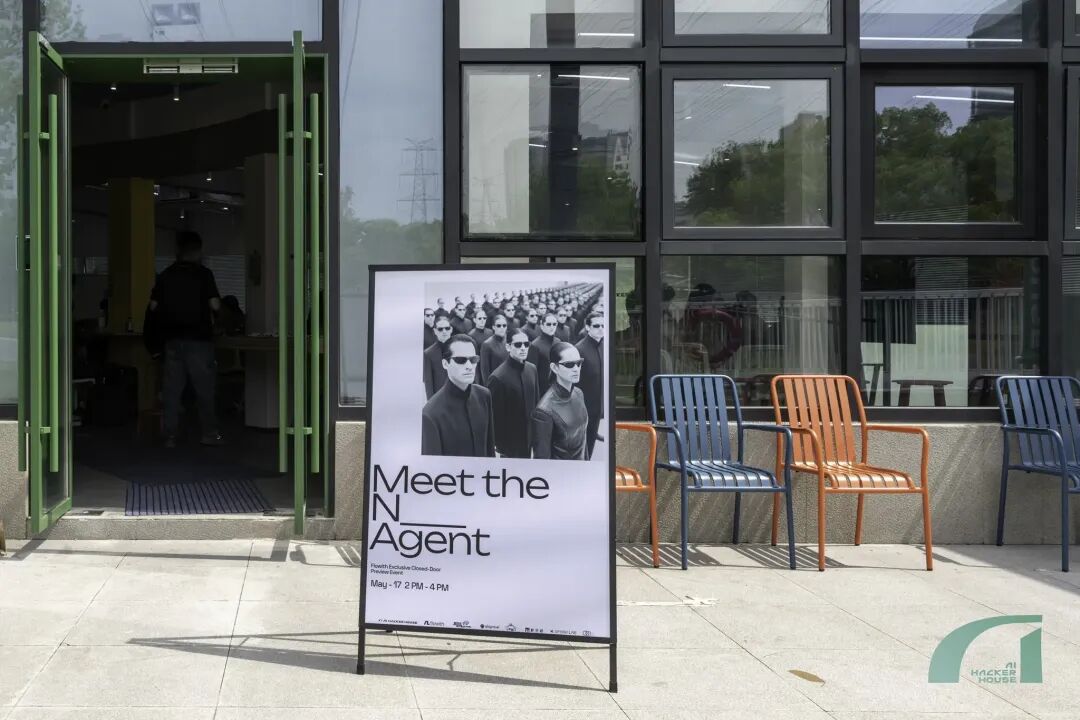 At the launch, flowith COO Zion explained the origin of the Agent Neo name.
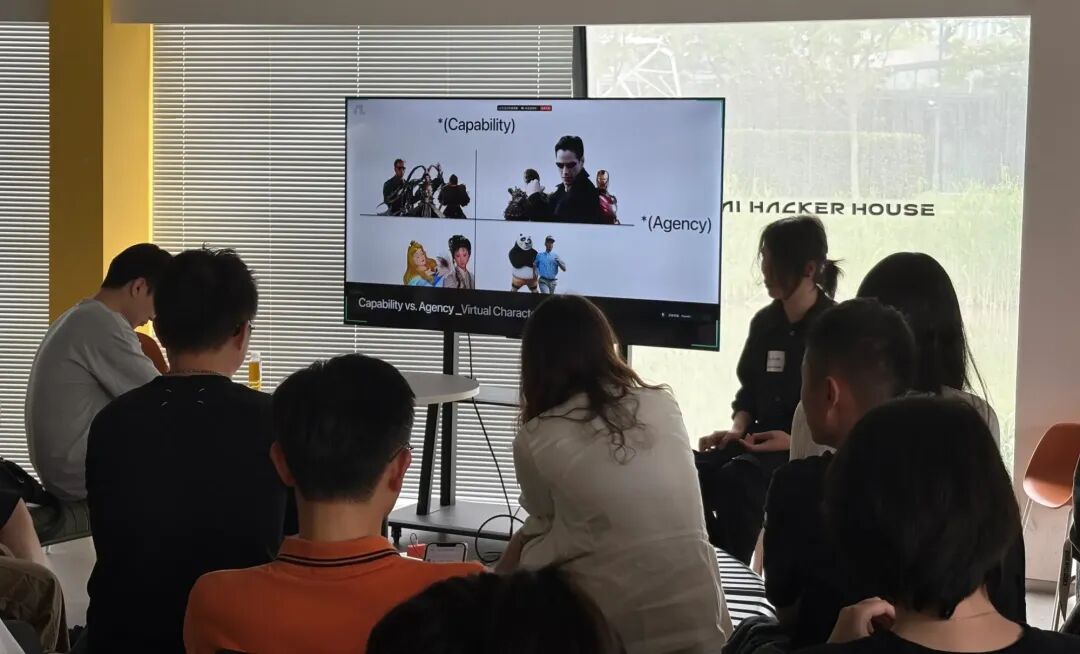
Among superpowered characters across classic literature and film, The Matrix protagonist Neo is distinctive for combining high agency and strong capability.
"It's the strongest! — That's why we chose Neo to name this Agent."
The First Round of Applause
The first applause came when this slide appeared:

"Infinite steps, infinite context, infinite tools" — this is Agent Neo's biggest differentiator.
In Crossing's hands-on review of Agent Neo, 《First Look at the New AI Agent: Who Is Neo? Where Did It Come From? Where Is It Going?》, we designed tasks and ran tests targeting these three points:
- Task 1 (infinite steps): Pick 10 top VCs (e.g., a16z), continuously track their new investments, and email me reports.
- Task 2 (infinite context): Help me continue Empresses in the Palace for 100 episodes, with extensive key illustrations.
- Task 3 (infinite tools): Make a digital twin for Koji.
The actual tests were extensive and won't be repeated here. Interested readers can check the previous article.
The Token Bomb
 Launch event scene
"Infinite steps, infinite context, infinite tools" equals a token bomb.
In chatbot-style AI copilots, each prompt triggers one response, with a natural ceiling on token consumption.
But in Agent products, each prompt triggers a cascade of tasks and subtasks. Especially in Agent Neo, if a user requests "repeat this task daily," that task will keep repeating indefinitely — until the user's token balance is depleted.
This effectively responds to the industry puzzle after scaling law hit its ceiling last year: Do we still need more GPUs, more compute?
Of course we do.
Jevons Paradox
Jevons Paradox is an economic principle stating that when technological progress improves resource efficiency, total consumption of that resource increases rather than decreases.
This happens because efficiency gains lower costs, which in turn drives greater scale of use.
As AI model costs decline, particularly in consumer scenarios, we may see substantially larger-scale application growth.
Agent products including Agent Neo are once again making Jevons Paradox visible.
"Thank You, Manus!"
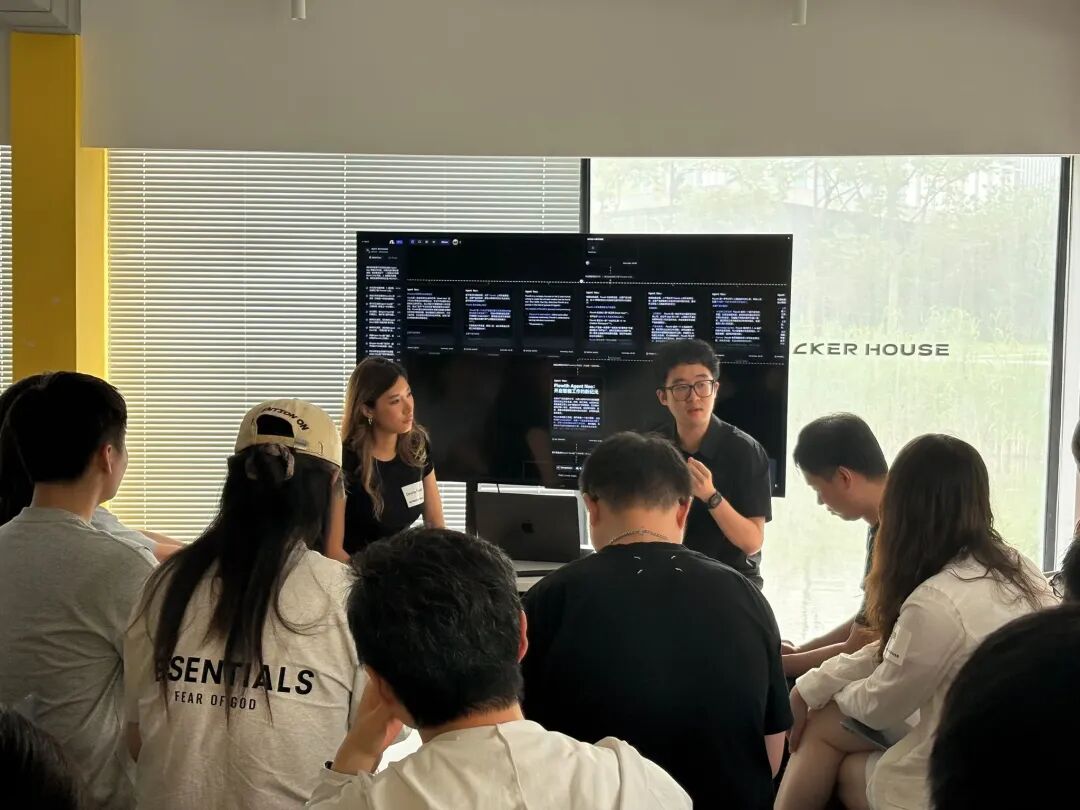
"We're genuinely grateful to Manus for opening the first wave of attention and getting the market to take AI Agents seriously. Not only did it bring Agents into more people's field of view, more importantly, it got everyone to stop focusing solely on underlying model evolution and start thinking about how to use Agents to solve real problems and deliver results," said CMO Guaizi during his presentation.
Lately, many friends outside the AI industry have asked me the same question when we meet: "How would you describe the AI venture market these past six months?"
I've been on the front lines, and I can clearly feel the temperature change. Setting aside sentiment shifts in primary and secondary markets, just "founder confidence" alone has seen massive uplift.
Here's a telling detail.
Six months ago, when people discussed AI entrepreneurship opportunities, it basically boiled down to two lines: toB, Silicon Valley excels; toC, China excels.
But that was still a kind of "inferred confidence": because we built WeChat, Xiaohongshu, and Douyin in the past, we can build equally remarkable toC products in the AI era.
Today, that confidence has been "substantiated." This boost in morale owes much to Manus's release — we produced a product with genuine global influence and reputation.
Subsequent releases — Genspark, Lovart, and now Agent Neo — have each been bricks added to the foundation of confidence for the entire founder community.
Why Use Invite Codes?
Invite code mechanisms were common in web 2.0 product launches. Gmail, for instance, used invites when it launched in 2004, with each user only able to invite a limited number of friends.
Starting with Manus, this new wave of AI product releases has all employed invite code mechanisms. Agent Neo followed suit (by the way, flowith actually had invite codes when it first launched a year ago).
At the launch, Guaizi said:
"We'll probably get flamed for using invite codes — accused of scarcity marketing. But everyone should understand, our main reason is cost control, and ensuring quality experience for each user."
Undeniably, invite codes serve two purposes at once: the mechanism both controls server pressure and token costs, while manufacturing product scarcity.
I've always believed: good wine fears no dark alley, but it still needs marketing. Good products need good marketing to achieve good results. That said, marketing must serve communication goals and align with the zeitgeist.
Invite codes are a good mechanism, but market sentiment has turned somewhat adversarial toward them. So for upcoming product launches, it may be worth innovating growth hacks beyond the invite code model.
The Second Round of Applause
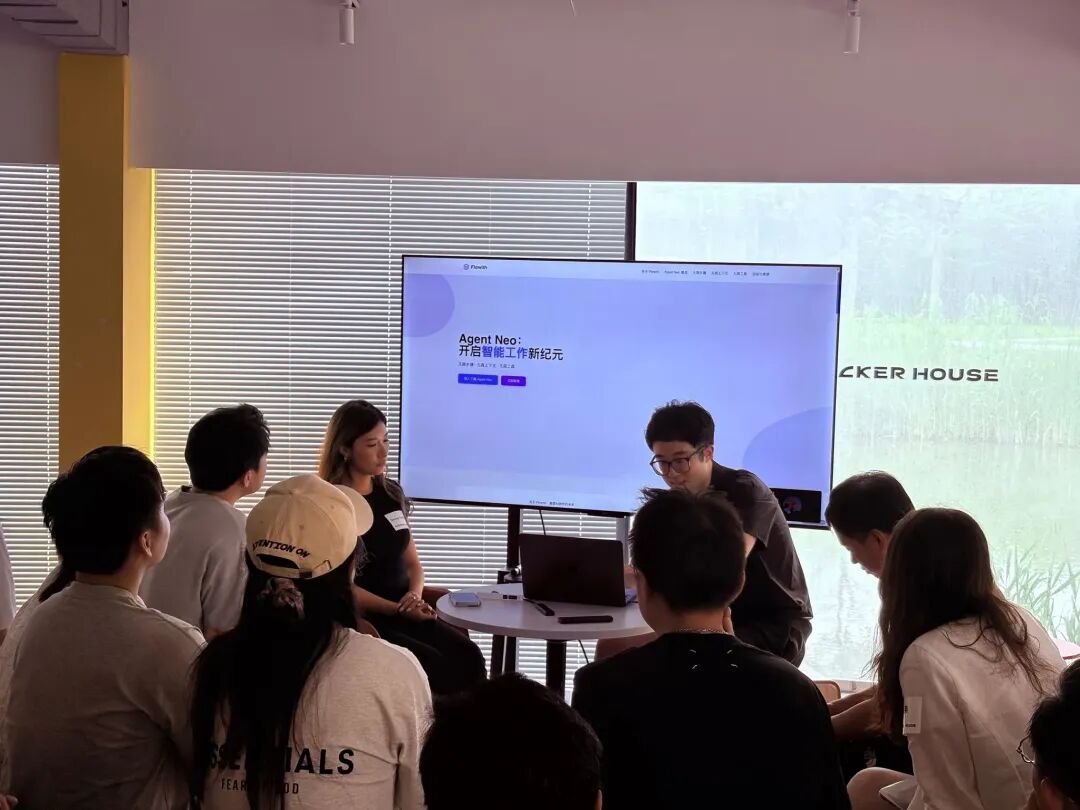
After walking through Agent Neo's typical task performance, Guaizi distributed beta invite codes to all seventy or eighty attendees and announced: "Tokens are on us too."
This triggered the second round of applause.
Products that genuinely interest people are the ones people look forward to accessing via invite codes.
From this perspective, the flowith team successfully won over the room at this launch.
Less Than a Week Later: iOS App and a New Feature
Less than a week after the launch, flowith released their iOS app and introduced a new feature in public beta: a voice Agent called "Dozer."
Dozer can record up to 8 hours. After recording, it automatically analyzes the audio, infers intent, breaks down tasks, and asks the user whether to execute.
Last Saturday at a Zhihu event in Beijing's 798 Art District, Guaizi demoed Dozer in beta for us — it's now fully live.
Debut Stage: AI Hacker House
flowith chose Shanghai's AI Hacker House for the Agent Neo launch.
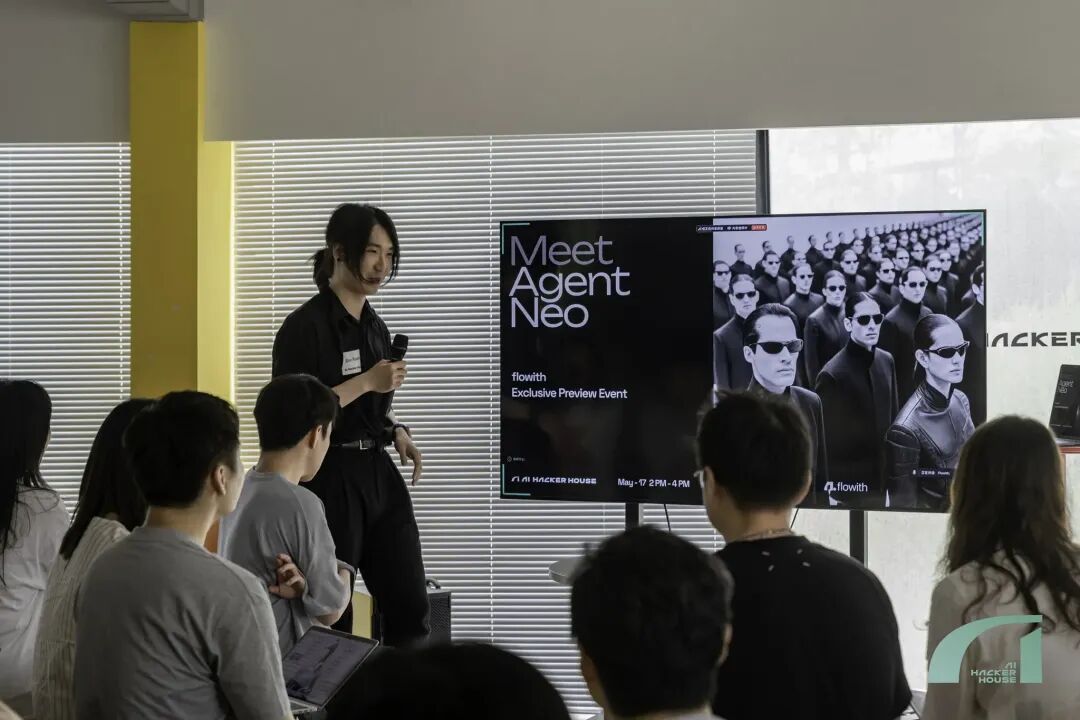
Readers who follow Koji and "Crossing" may know that AI Hacker House is an offline space we launched in Shanghai's Caohejing area — a standalone 300-square-meter building by a lake, surrounded by water and woods.

AI Hacker House has hosted nearly 20 salons on AI entrepreneurship and investment. As a debut launch venue for new AI products, Agent Neo was the first.
Going forward, more AI products are welcome to hold launches at AI Hacker House.
Final Words
Around the launch, Crossing and flowith CEO Derek and CMO Guaizi recorded a podcast: "Agent Neo Launch: First Conversation with CEO Derek and CMO Guaizi — A Youngster Aiming for the Stars Wants to Build the Ultimate AI Creation Tool"
In the podcast, Derek and Guaizi shared Agent Neo's features and use cases, and analyzed the strategic choices and judgments behind current Agent products on the market.
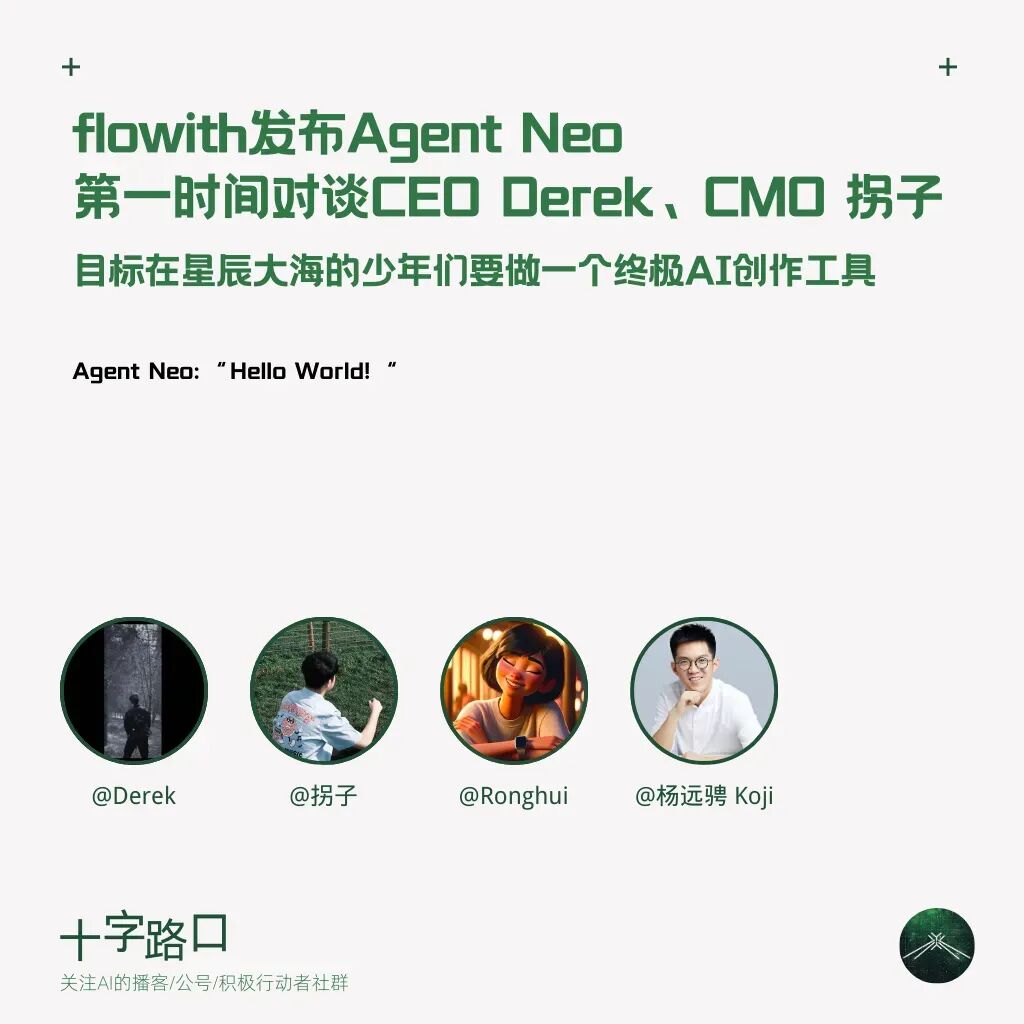
In today's secondary post, we're including the full 10,000-word transcript of this podcast episode.
The Xiaoyuzhou comment section for this episode was unusually lively, with diverse voices. One comment from user @Ashu stuck with me: "flowith feels very futuristic, the canvas design is cool, courageously breaking conventions."
This perfectly captures my impression of flowith — whether in product or marketing, they're somewhat unrestrained, brimming with youthful audacity.
In a sense, the flowith team resembles their own product — choosing "infinite canvas" as both product foundation and life philosophy. This requires courage to break conventions, and the will to take the road less traveled.
May "youthful audacity" create great results.
And may "youthful audacity" be preserved forever.
🖤
Starting today, flowith Agent Neo no longer requires invite codes — anyone can use it.
Paid membership unlocks more usage and advanced features.
Today Crossing is also giving away 20 membership codes via lottery:
🚥