AI Industry Pioneer Qi Yin: Making "Large Models Hit the Road" in the 8D Magic City of Chongqing

Hello sir, what's your "model quotient"?
Hello sir, just how high is your "model content"?
 👦🏻 Author: Jingshan
🥷 Editor: Koji
🧑🎨 Layout: NCon
 Qi Yin's Qianli Technology has finally made its debut.
Yesterday, at the launch event in Chongqing, he said: "Very excited, very match!" — After all these years in computer vision, he'd finally found a scenario where it could achieve large-scale deployment.
Not only did Li Shufu show up in person to lend his support, but Qianli's core management team — Chairman and CEO Wang Jun, Co-CEO Chen Qi, and CTO Yang Mu — also made their first public appearance.
Qi Yin's years of accumulated industry credibility translated into real pull at this moment: he consolidated the intelligent driving teams from Geely and Maichi, built out a team of over 2,000 people, recruited former Huawei Intelligent Automotive BU president Wang Jun, and secured 1.3 billion RMB in investment from Mercedes-Benz.
When a top-tier AI player, carrying the industry's expectations and an elite talent team, goes all-in on building cars, the question he must answer is precisely what's on everyone's mind right now:
How does a "large model" truly get "into the car"? And in the "model content" race of intelligent assisted driving, what kind of answer will he deliver?
Not long ago, Crossing mapped out the competitive landscape in our article Can AI Turn the Tide in the Bloody Battlefield of EV Upstarts?.
This week, the Crossing team returned to Koji's hometown of Chongqing, where Qianli Technology's brand launch was taking place.
So just how much "model content" does Qianli Technology actually have? And what's it actually like to drive with truly high-"model-content" intelligent assisted driving in a city with "hell-level" complex road conditions like Chongqing?
Qianli Technology chose to answer this with a "public technical demonstration" — right there in Chongqing.
🚥
After the launch, we want to share what we saw, heard, and thought.
In 8D Magical Chongqing, an AI Veteran Driver Hit the Road
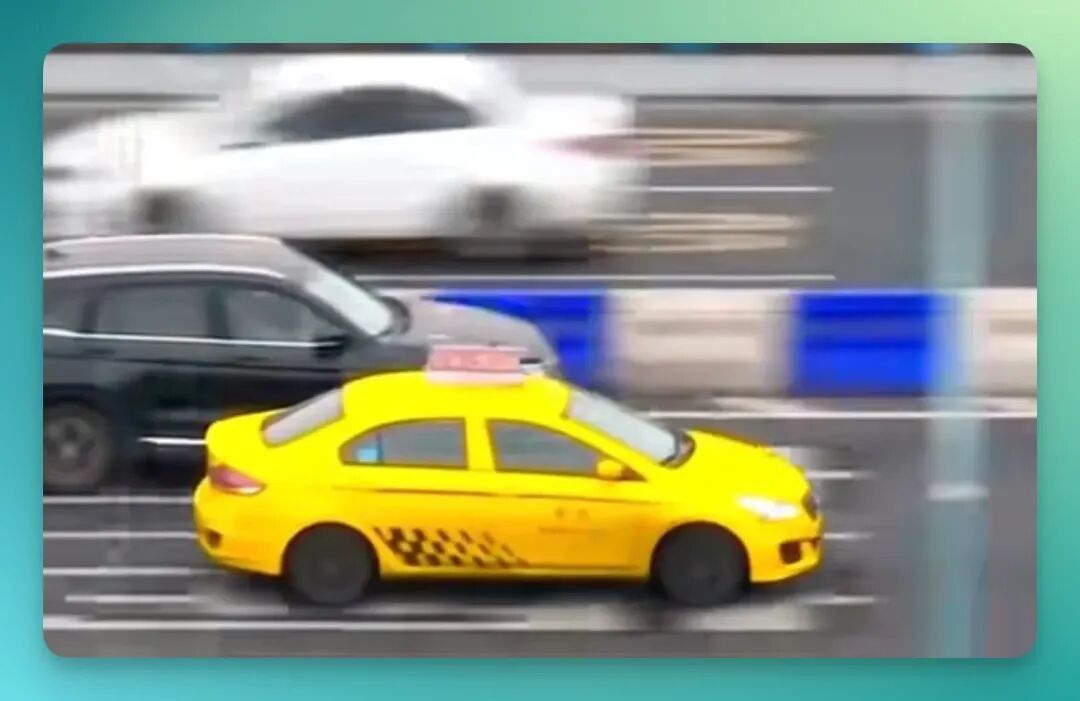
Chongqing may be the birthplace of the "yellow Ferrari" veteran cab drivers, but now it's welcoming an AI veteran driver.
Qianli Conquers "8D"
This brand launch was less a press conference than a reality-TV-level immersive experience.
Because Qianli Technology brought in two guests we're particularly fond of: renowned director and actor Xu Zheng, and racing driver Ma Qinghua, who won the home race at the FIA TCR World Tour in Zhuzhou, China.
Director Xu used Qianli's intelligent driving system throughout, while Ma Qinghua drove manually following navigation. The two went head-to-head, racing all day through the "8D magical city" of Chongqing. Xu's assessment:
Choosing Chongqing for the test drive? Absolutely brilliant!
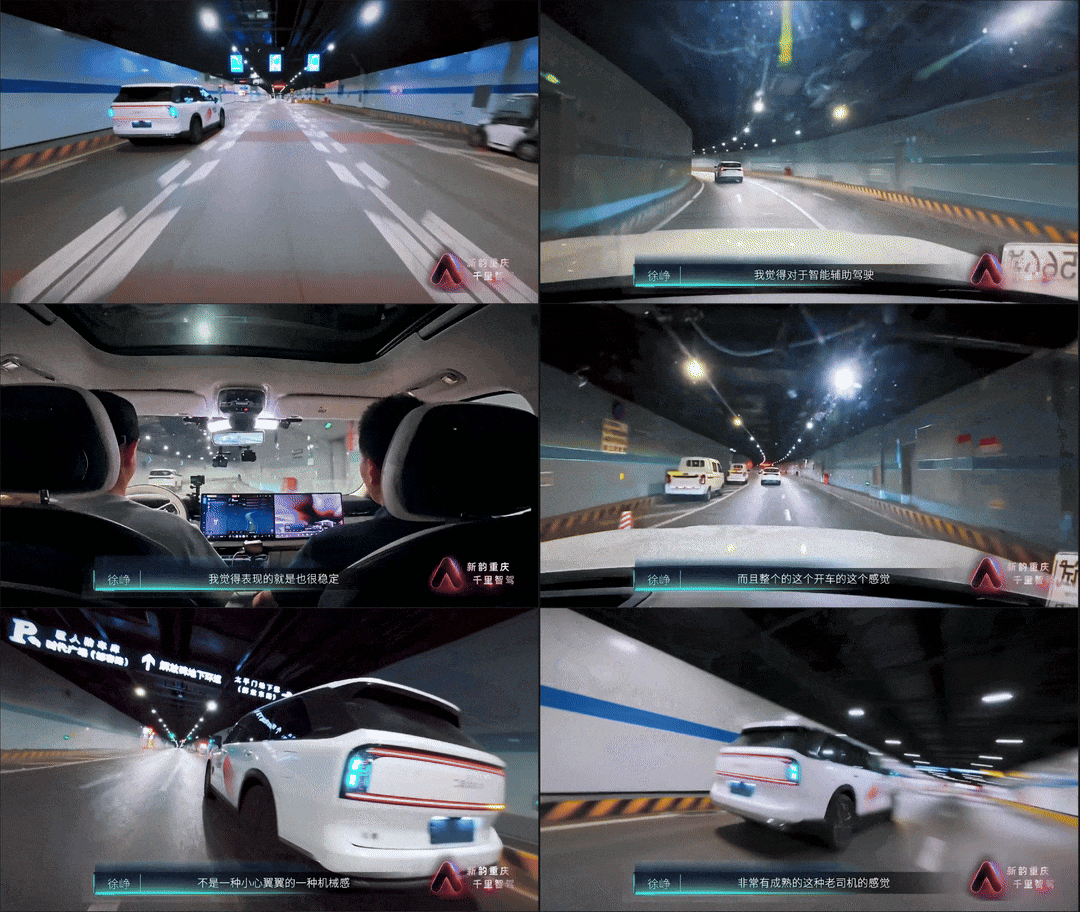
In this megacity with the highest bridge-tunnel ratio and most complex road hierarchy in the country, "8D magical" is about right for describing the road conditions. But watching the whole thing, Director Xu's evaluation came down to one word: Steady!
The two faced three major challenges, each escalating in difficulty, but in every scenario, Qianli's system gave Xu a remarkably consistent response: precise and "veteran-driver."
The first challenge was already hardcore: ultra-narrow lanes, uphill and downhill slopes, sharp turns.
Both had to navigate the "ultra-narrow lane" duck-counting route at Gele Mountain. One moment stuck with me — when Director Xu was driving downhill and encountered a vehicle completely stuck in the middle of an extremely narrow lane on Gele Mountain:
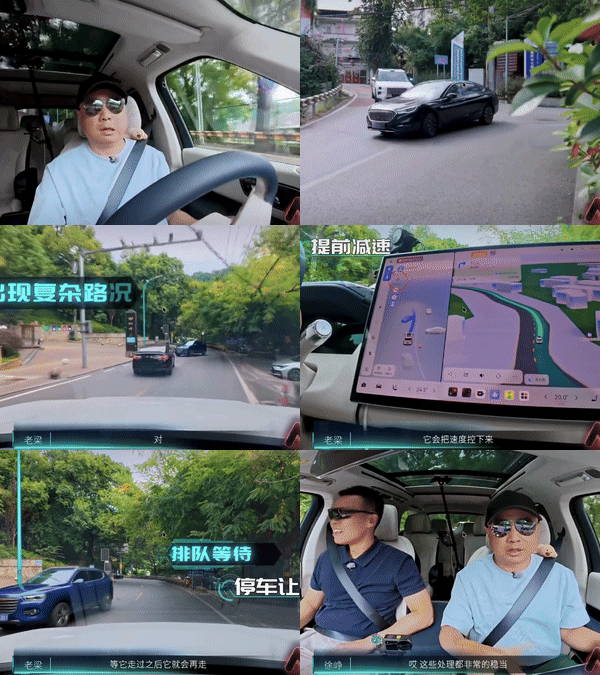
Qianli's system chose to wait patiently and "emotionally intelligently" in line, then smoothly proceed.
Don't know if you've ever experienced a "dooring," but watching Xu nearly get doored by another driver on a super narrow Gele Mountain road definitely felt relatable.
Almost simultaneously, the intelligent assisted driving system recognized the situation and decisively began slowing down:
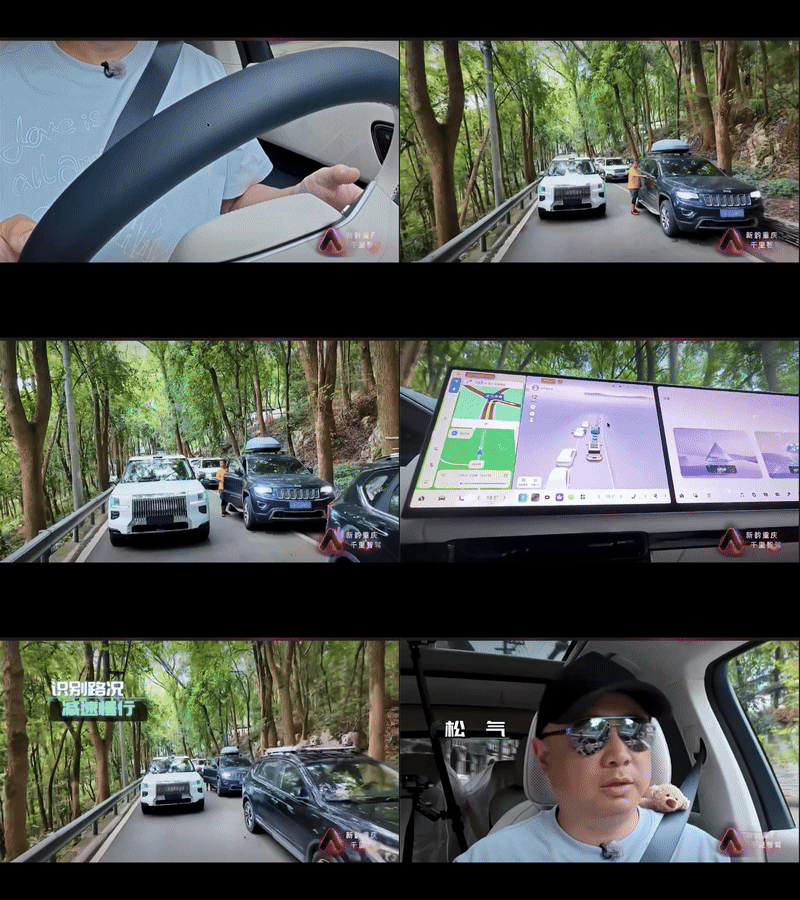
After an instinctive "Whoa," Director Xu reflexively added: "Yeah, that's actually pretty steady."
In Challenge Two, both had to find three parking spots:
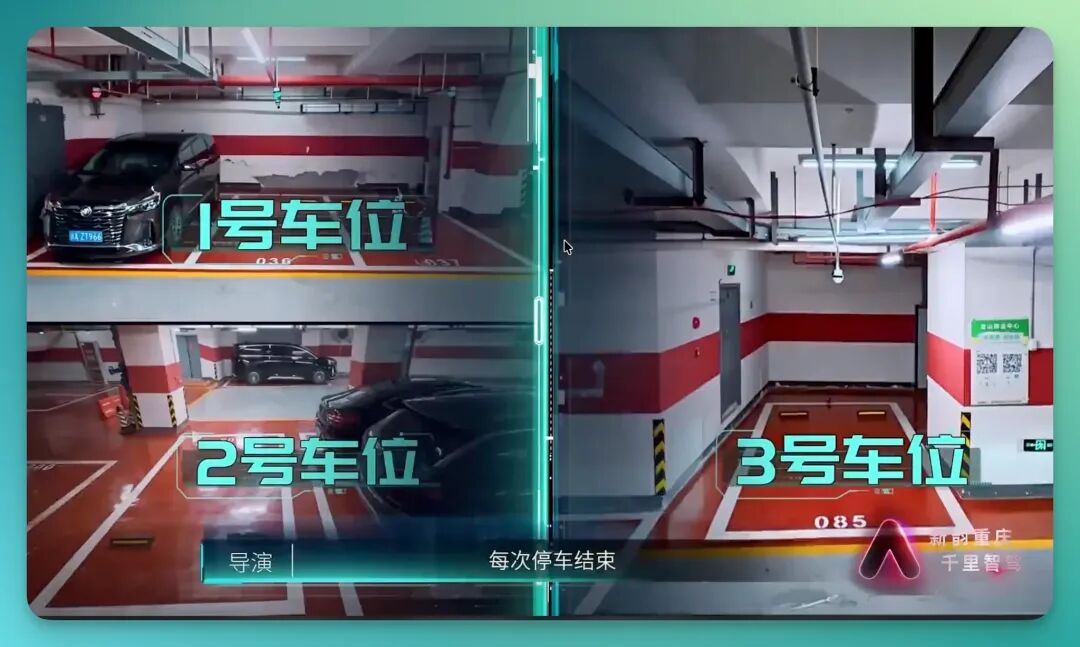
Director Xu's first hurdle was a universal scenario: what do you do when you hit a parking gate?
When he reached the garage entrance, he simply let the intelligent assisted driving system recognize the barrier and wait for it to lift — no need to worry:
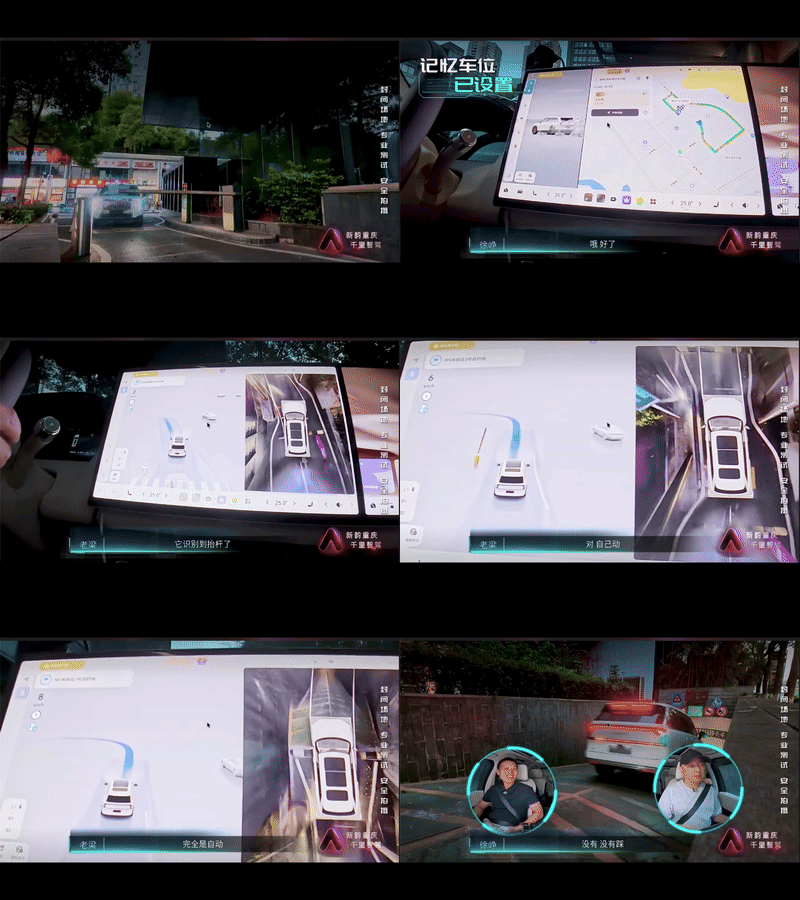
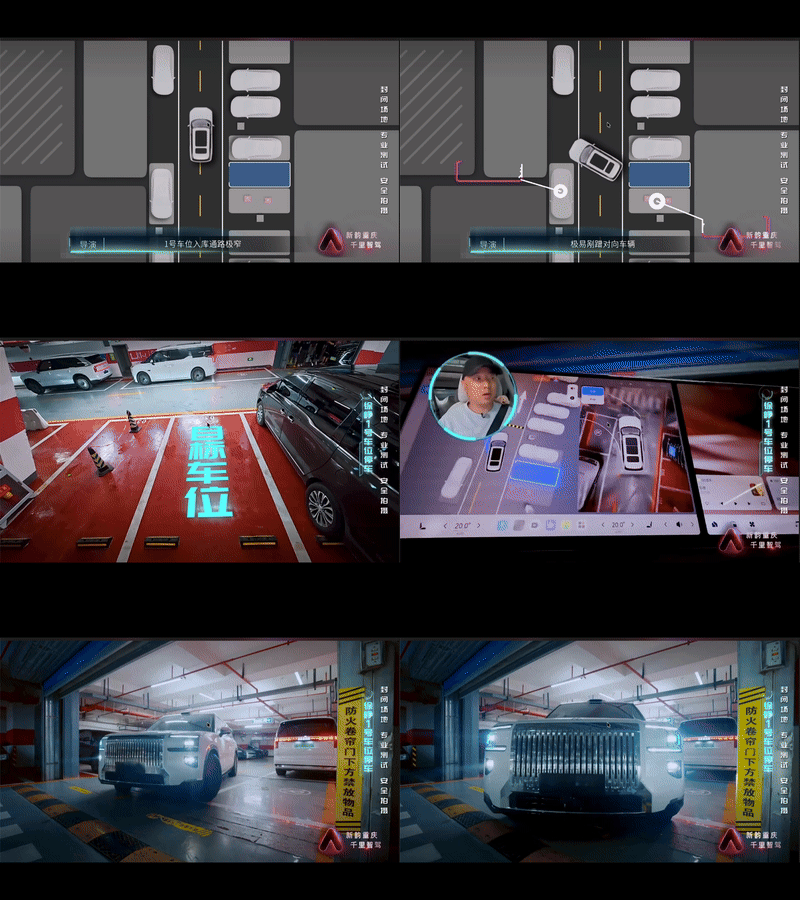
Then, in a maze-like underground garage, the system could "memorize parking spots," even mark elevator locations, and proved particularly adept at reverse parking.
When confronted with oncoming traffic and adjacent vehicles simultaneously "blocking position," the system's performance was genuinely slick:
Challenge Three took place in even more complex conditions — Chongqing's Panlong Interchange, Jiefangbei Underground Loop, and Qiansimen Bridge — where they had to find a "pink contact person." Whoever arrived last bought hot pot.
Right off the bat, it gave Director Xu a scare.
A Chongqing "yellow Ferrari" overtook on the left. But the system detected it acutely, even slowing down while entering the ramp:
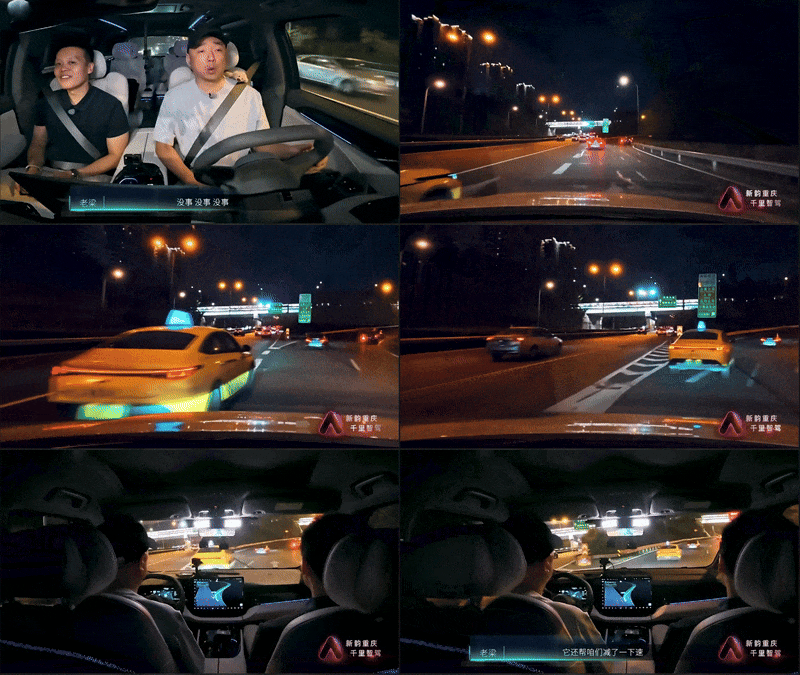
On expressways, its performance was equally stable, nailing the rhythm:
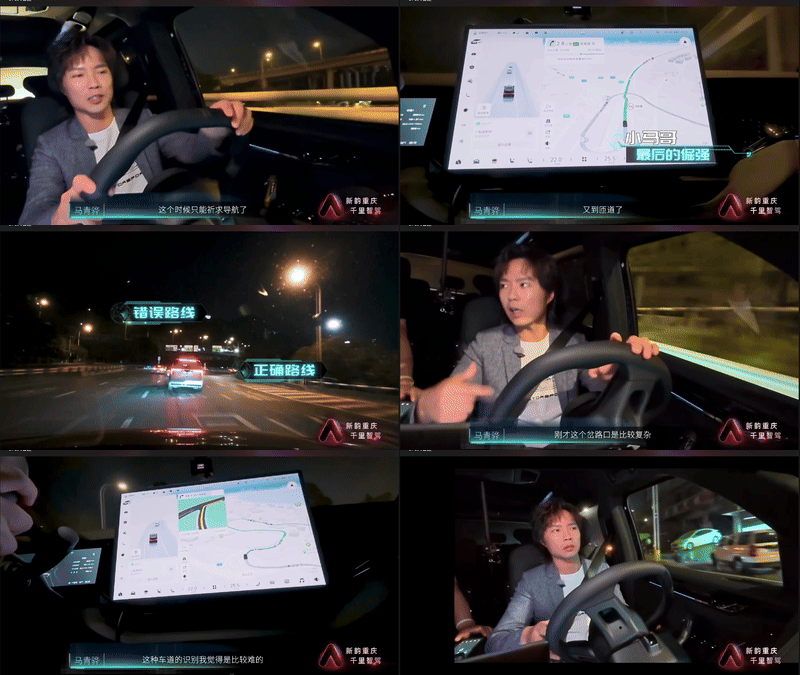
So who found the "pink person"?
Racing driver Ma Qinghua, following incorrect navigation, smoothly took the wrong turn and got utterly lost in Chongqing's maze of ramps, driving off without looking back:
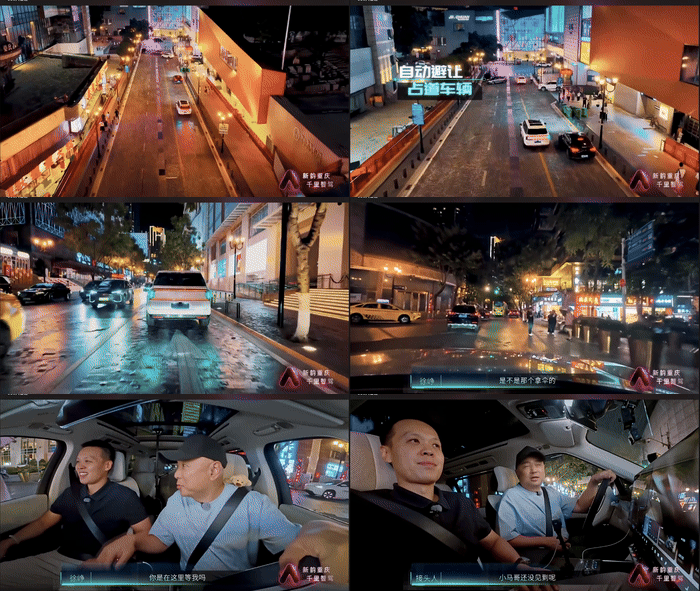
Xu, after automatically yielding to parked vehicles throughout, successfully found the umbrella-holding pink person on a narrow street beside Jiefangbei with its super complex traffic conditions, ultimately winning the challenge:
This three-challenge reality driving show was genuinely immersive to watch. And there were far more impressive maneuvers in these complex scenarios than we have space to list.
Overall, it felt thoroughly sci-fi. Especially the spectacular drone formations we saw on site, which we'll share with you:
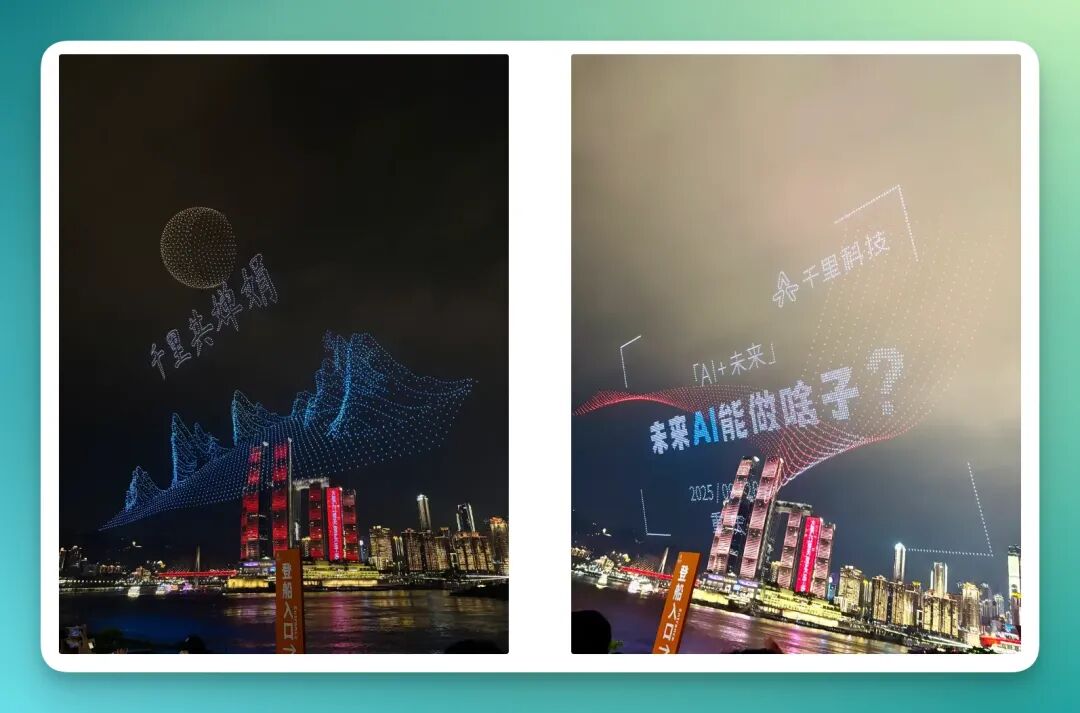
On stage, Qi Yin also covered another topic: the "intelligent cockpit."
You might remember from the World Artificial Intelligence Conference (WAIC 2025) — that "star exhibit," the thoroughly sci-fi-looking Intelligent Cockpit Agent OS (Preview Version). That was actually co-released by Qianli Technology, StepFun, and Geely Auto:
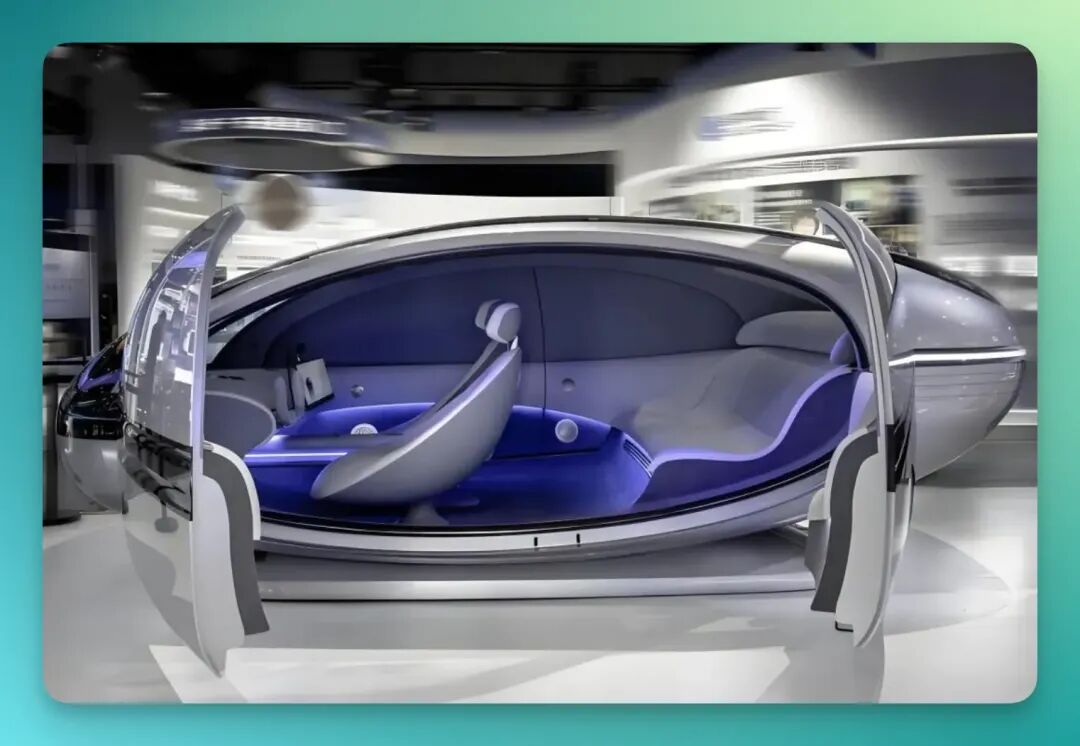 Image source: 36Kr
What Exactly Are "Model Content" and "Large Models Getting Into Cars"?
"Model content" comprises three components: more "AI" feel, more "safety" feel, more "veteran driver" feel. These correspond precisely to the three things the intelligent driving field cares about most right now:
[1] Just how solid is the underlying AI tech?
[2] Does AI add to or subtract from safety?
[3] Does AI make the most direct user experience feel more like a veteran driver?
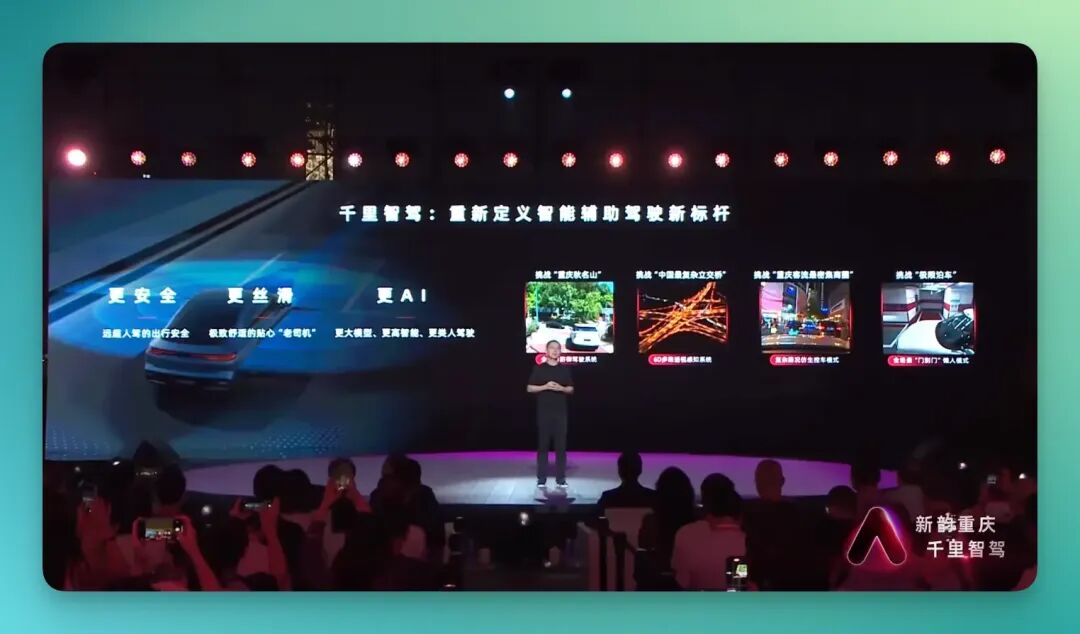
More AI
1) A Shift in Thinking
Traditional intelligent assisted driving works like a machine strictly following instructions, executing a pipeline of "perception-planning-control" step by step.
Qianli's system uses an "end-to-end model architecture," more like a person learning to drive, replacing the workflow with "multimodal generation - reasoning evaluation - strategy optimization."
This means it can directly take in camera and radar feeds, then based on "feel" and "intuition" learned from massive data, directly output steering and braking actions.
2) Ability to Perceive the World
This capability draws primarily from StepFun's multimodal large model foundation support.
So Qianli's system doesn't just "see" — it "understands." Like a person, it synthesizes multiple sensory inputs. It doesn't merely recognize a truck; it comprehends that cargo overhanging from that truck poses a potential risk.
Beyond that, it can "read" text content and time limits on traffic signs. Even in complex environments with weak navigation signals, it can find its way by simply "looking at the road."
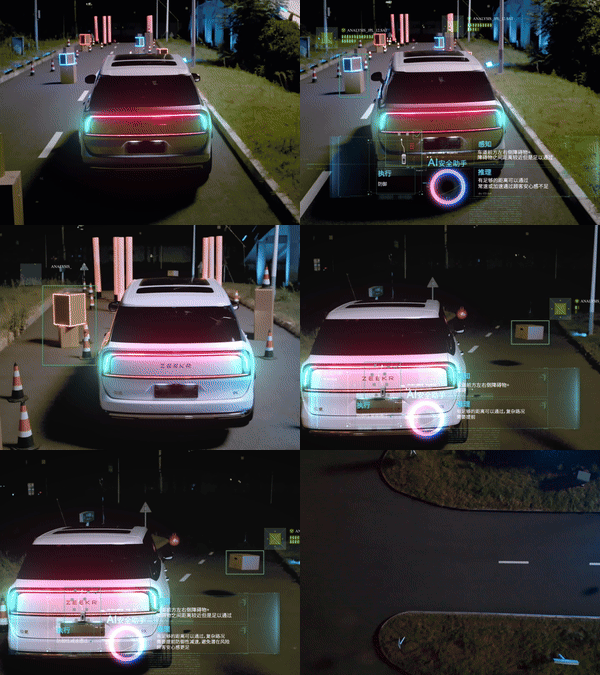 Qianli's system performs real-time multimodal understanding of complex road conditions to avoid various obstacles
3) Learn It Once, Know It Forever
As any driver knows, unprotected left turns, highway ramp merges, and narrow roads with mixed pedestrian-vehicle traffic are genuinely high-difficulty scenarios that human drivers need extensive practice to master. Qianli integrates reinforcement learning into its reasoning evaluation process, not relying on massive historical data but instead training through simulated game-theoretic scenarios to master risk assessment and coordination strategies.
This lets it better anticipate the intentions of other vehicles and pedestrians on real roads, enabling the car to "draw inferences" and handle all kinds of never-before-seen weird situations.
More Safety Feel
Another change brought by high "model content" is the understanding of safety.
We saw three systems that together create "relatively more safety feel": 6D Multi-dimensional Perspective Perception System; Full-Sense Self-Defensive Driving System; Full-Domain AES Intelligent Obstacle Avoidance System.
The jargon is complex, so let's break it down simply.
First, the "6D Multi-dimensional Perspective Perception System" means Qianli fuses vision, LiDAR, and 4D imaging millimeter-wave radar among other sensors. In practice, this means breaking through human visual limitations to see more visual information in all kinds of extreme weather and scenarios.
Whether in torrential rain or blind spots obscured by large vehicles, it's relatively more likely to identify potential risks.
Seeing clearly is only step one. More crucial is the backend system that "anticipates danger." That's the core of the "Full-Sense Self-Defensive Driving System." Rather than waiting for danger to occur before emergency braking, it can dynamically model the entire scene to predict risks.
For example, when passing a school, it will subconsciously, slightly decelerate.
Finally, there's the "Full-Domain AES Intelligent Obstacle Avoidance System" that balances braking and evasion. Traditional emergency braking systems (AEB) just keep braking, while emergency evasion systems (AES) might jerk the steering wheel when they shouldn't.
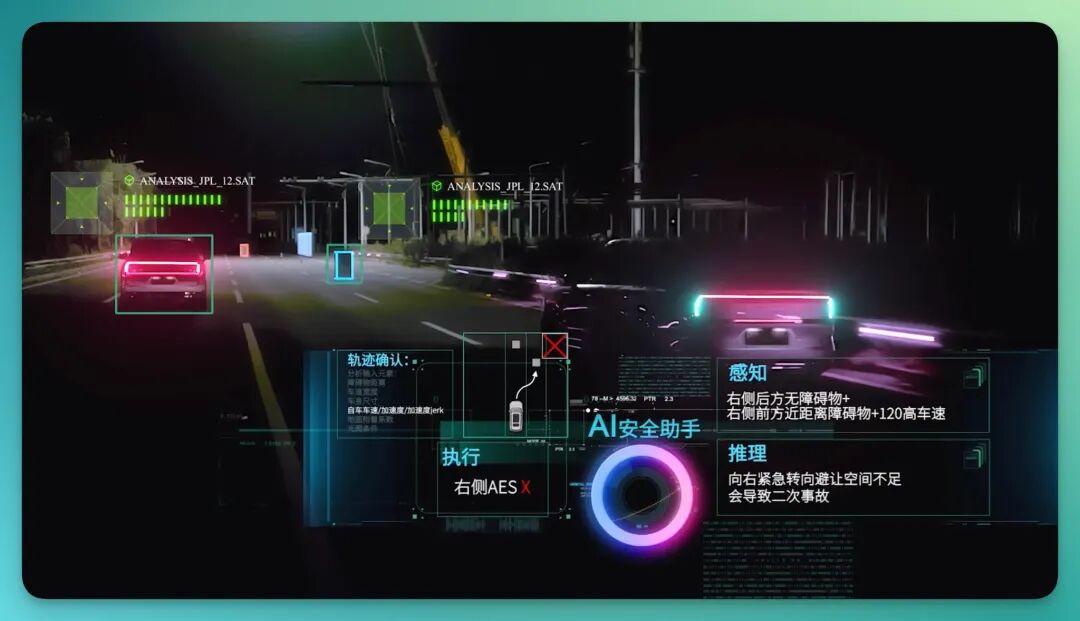
Qianli's system builds on this by judging whether braking or evasion is optimal, and can even "brake while evading," executing relatively complex emergency maneuvers.
More Veteran Driver Feel
"Veteran driver feel" is an important goal for all intelligent assisted driving systems, and it's somewhat "mystical."
What we've always called "a true veteran driver" roughly manifests as "good car control, knowing the score, driving fast yet steady so passengers feel comfortable" — not stop-and-go motion that has users reaching for the barf bag within two blocks.
Qianli is working toward this, starting with improving "car feel."
The main effort here is its "complex road condition biomimetic vehicle control mode." Simply put, it's learned to blend steering with acceleration and deceleration like a human would, rather than having them "fight" each other, minimizing that mechanical "jerk-jerk" sensation during congestion detours or highway lane changes.
Car feel alone isn't enough. Veteran drivers also "keep eyes everywhere," and for this Qianli's technical solution is "short-long temporal spatiotemporal optimization mode."
Short temporal means: immediate reactions to pedestrian and vehicle dynamics within a few meters. Long temporal means: spotting congestion, construction, even predicting traffic light changes kilometers ahead, to plan in advance.
Especially in "Qianli Conquers 8D," when Director Xu encountered extremely complex and heavily congested scenarios, the Qianli system remained "relatively steady, relatively veteran-driver." Particularly in traffic jams, you could actually try handing control to the system.
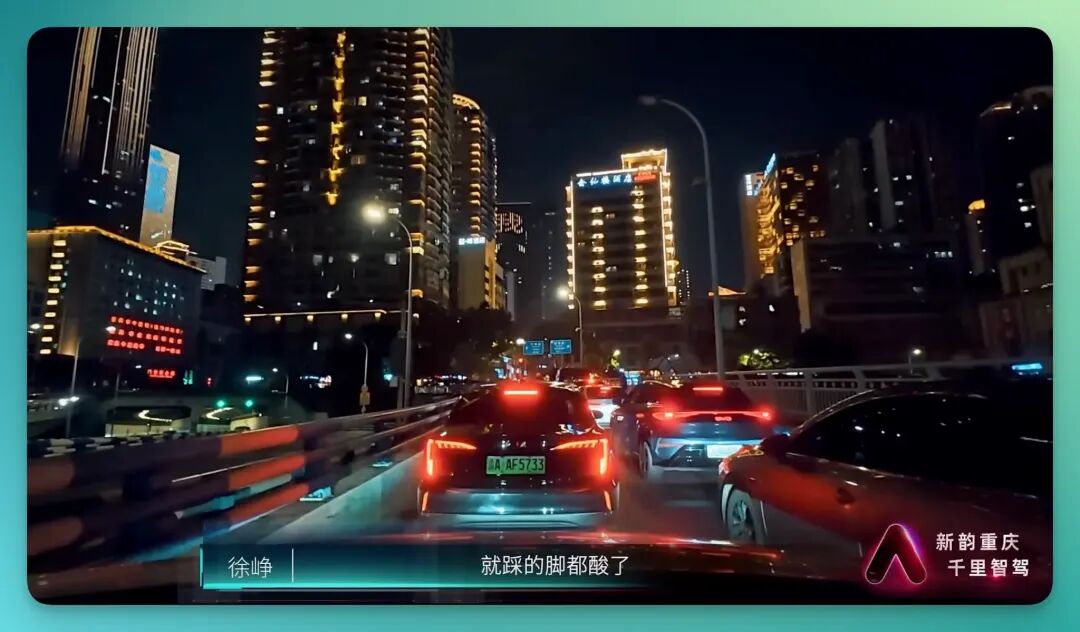
Finally, combining both yields a lazy mode — what Qianli calls "full-scenario, door-to-door."
Put plainly, it's less dependent on high-definition maps and can navigate cities with considerable freedom. From your residential complex's narrow exit to your office's weak-signal underground garage — these most technically demanding "last mile" scenarios — it can attempt to provide solutions.
At the End of the Story, It's "Large Models Getting Into Cars"
When these technical details come together, what we see is no longer merely an intelligent assisted driving system, but a grander narrative: the true meaning of "large models getting into cars." Behind this lies not just technical questions, but something more: the fusion of AI, vehicles, companies, and a city.
Chairman Qi Yin, from experiencing AI's early technology cycles to now leading Qianli Technology with "AI + vehicles" as core strategy, is itself a microcosm of China's AI development.
Qi Yin has deep technical accumulation in computer vision. This gives Qianli Technology, which he founded, its own distinctive understanding of how to make machines "see and comprehend the world."
In his view, technology has today reached a critical juncture where multimodal large models and terminal hardware must combine.
At this brand launch, Qi Yin revealed Qianli Technology's rather interesting English name — "AFARI." The word combines "Afar" (distance) and "I" (intelligence), with "FAR" embedded in the middle, meaning "With AI, we go far."
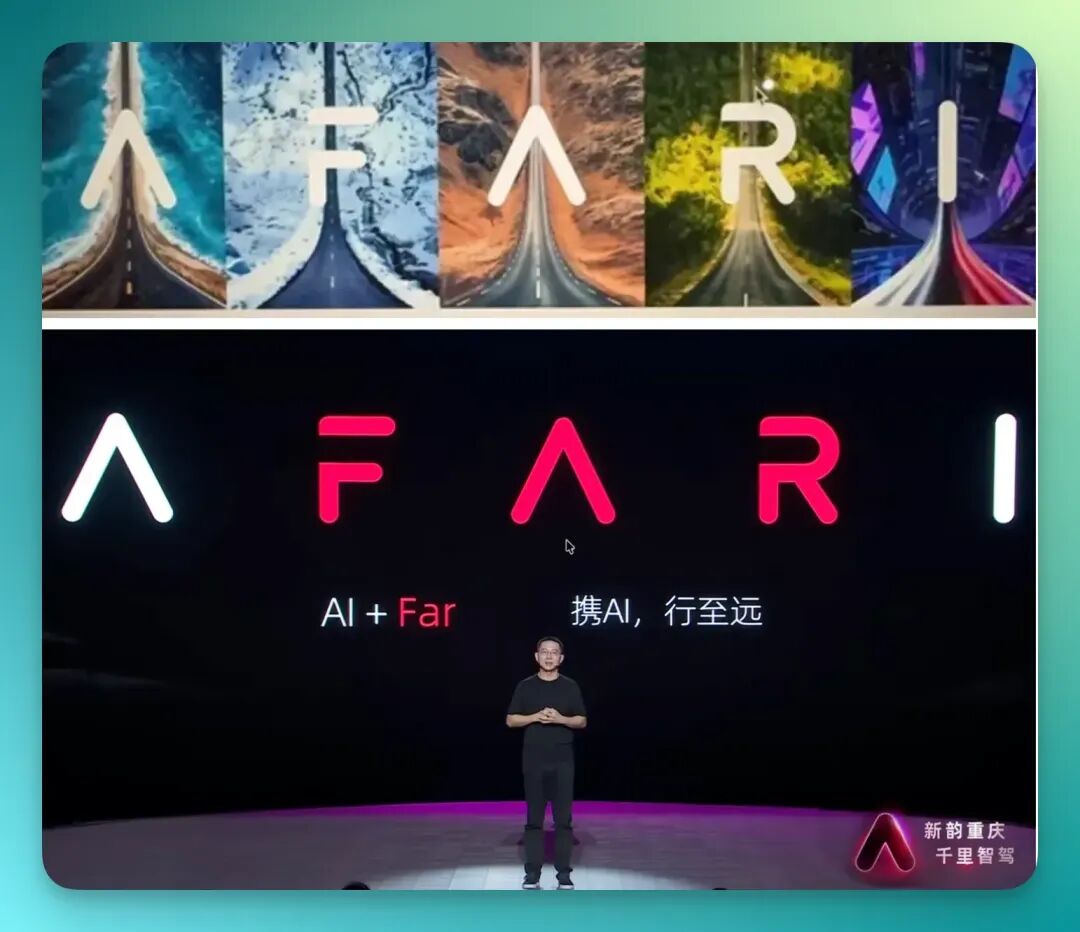
On stage, Qi Yin offered another interpretation: he sees "A far I" as "meeting your future self." He referenced The Grandmaster's formulation of "see yourself, see the world, see all beings," but reordered it to "first see the world, then see all beings, finally see yourself" — perhaps reflecting his own evolving thinking.
This is, one might say, a rare, self-consistent, even somewhat "philosophical" state of continuous AI entrepreneurship. Qi Yin is clearly moving toward his own 2.0 version, bringing his team and deep market understanding to answer one core question: how to reach terminal closed-loop?
How to truly land AI capabilities onto "the car" — the most complex hardware — and convert them into experiences users can perceive?
This was also the phrase we heard most frequently at the event.
Qianli's strategy is clear: not building cars in isolation, but choosing to partner with industrial giants like Geely to establish the joint venture "Qianli Intelligent Driving," aiming to build an open platform facing the entire industry.
Currently, their 1.0 solution is already deployed on multiple Geely models, with 2.0 (L3) and 3.0 (L4) solutions in planning.
Beyond intelligent driving, Qi Yi also judges that "Robotaxi will enter a rapid普及期 [popularization period] in the next three years." For this, he announced clear plans for the next 18 months, summarized in three numbers:
"3": Technology, product, and operations running in parallel. Qianli will not only develop L4-level technology, but also work with Geely to build dedicated hardware vehicles and establish an operations service platform.
"10": Plans to collaborate with ecosystem partners to deploy scaled Robotaxi commercial services in 10 cities globally.
"1000": The target is deploying over 1,000 Robotaxis in a single city, crossing the threshold for commercial viability.
Qi Yin stated bluntly that Qianli Technology's target is the global market: "Going overseas is inevitable; the goal is to capture one-third of the global market."
And supporting this ambitious plan is its vision for rapid scaled deployment. Qi Yin mentioned a staggering number: "In the future, one million vehicles will carry Qianli Intelligent Driving."
In longer-term planning, Qianli Technology hopes to construct an "AFARI Plan": using one large model-driven AI brain (One Brain), building one unified operating system (One OS) to integrate memory and behavior across different devices, ultimately through one super intelligent assistant that understands you (One Agent), achieving seamless cross-scenario services.
This "One Brain, One OS, One Agent" system is Qianli Technology's vision for future intelligent living.
At the launch event and in subsequent conversations, we could clearly sense two seemingly contradictory yet fused qualities in Qi Yin.
On one hand, he remains that pure "AI technologist." When discussing "end-to-end models, foundation models," he dares to assert:
Current AI technology mostly stays at the internet level, while future AI will truly enter reality, becoming "visible and tangible." And cars will not merely be transportation tools, but companions in people's lives.
Furthermore, in an on-stage dialogue with Geely Chairman Li Shufu, Changan Automobile Chairman Zhu Huarong, and Seres Chairman Zhang Xinghai, he publicly and clearly stated that Qianli Technology aims to build an AI open platform empowering the entire industry, not serving as a deep customization supplier for any single automaker.
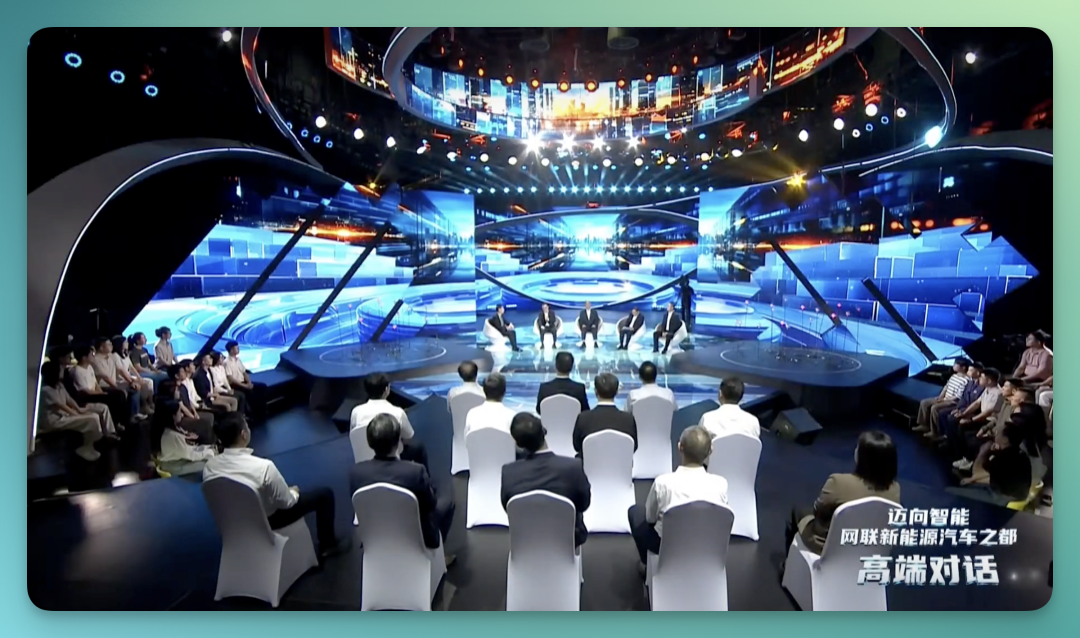
Saying this in front of your most important partners itself constitutes a stance — clarifying Qianli's independence and "platform" identity. This is no empty slogan, but the path he's chosen for Qianli's survival and growth.
On the other hand, after serial entrepreneurship, he has evolved into a mature "AI industry pioneer." His profound understanding of commercial closed-loop means this time he's no longer suspended in mid-air, but has chosen a more grounded path — collaborating with others, conversing with elders.
This evolution found its most vivid expression precisely in his shared appearance with Geely Chairman Li Shufu.
One is Qi Yin, "an entrepreneur who grew up in the AI wave"; the other is Li Shufu, "one of China's automotive industry pragmatists." In the final moments of their "premium dialogue" segment, Li Shufu said directly: He hopes Qi Yin will steadfastly continue down the path of intelligent vehicles.
Coming from him, this reads more like an industry elder's expectation and blessing for an independent ecosystem partner.
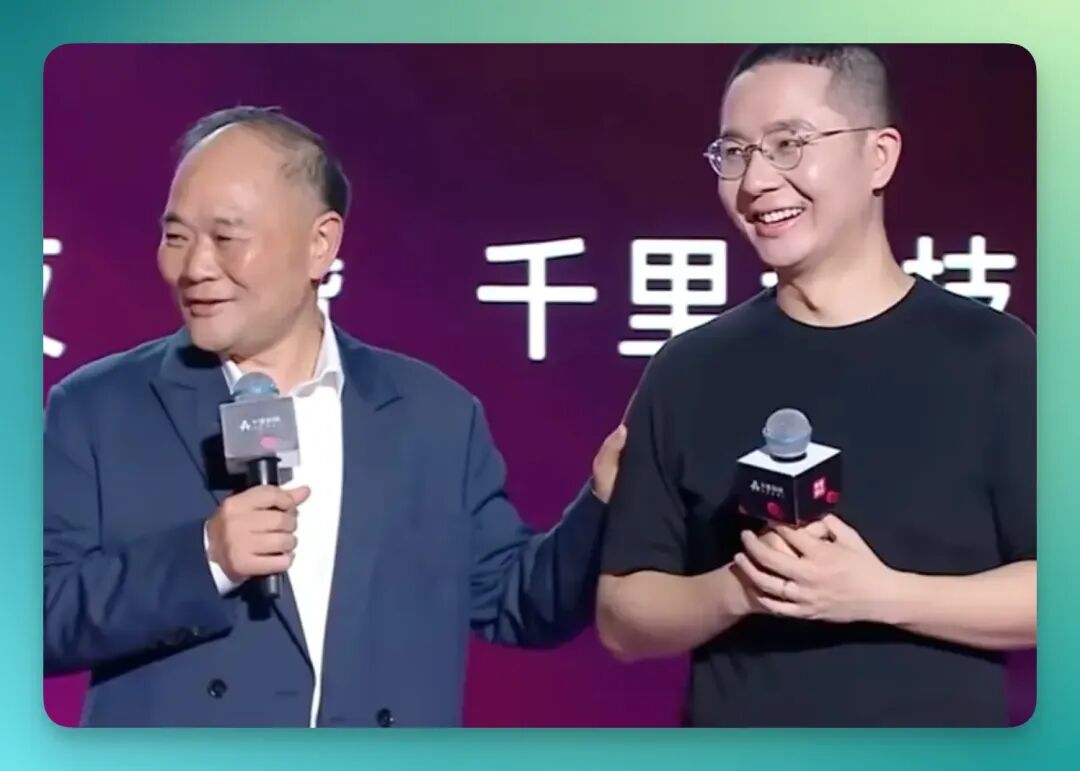
From the former Lifan to today's Qianli, Chongqing has never stopped moving, already embarking on a new journey in the AI era.
Qi Yin once recalled Megvii with slight regret in a LatePost interview, saying: "All glory that cannot be closed-looped is temporary."
We wish Qi Yin's "thousand-li" journey leads to true stars and oceans; we wish Qianli Technology can this time create closed-looped glory!