Critique always sounds clever, just as creation always looks clumsy | After judging the Xiaohongshu Indie Developer Competition, I have so much I need to get off my chest
Between cleverness and clumsiness, I choose clumsiness.
Being at the Xiaohongshu Indie Developer Competition brought back memories of flying to Austin for SXSW in years past: young, diverse, brimming with wild ideas, and shadows of the future.
Those years at SXSW saw so many products debut or gain major attention: Twitter (2007), Tinder (2012), Spotify (2010), too many to count.
In 2025, in the golden age of AI app entrepreneurship, where will the new SXSW be?
At this week's Xiaohongshu Indie Developer Competition, I think I saw that same energy stirring.
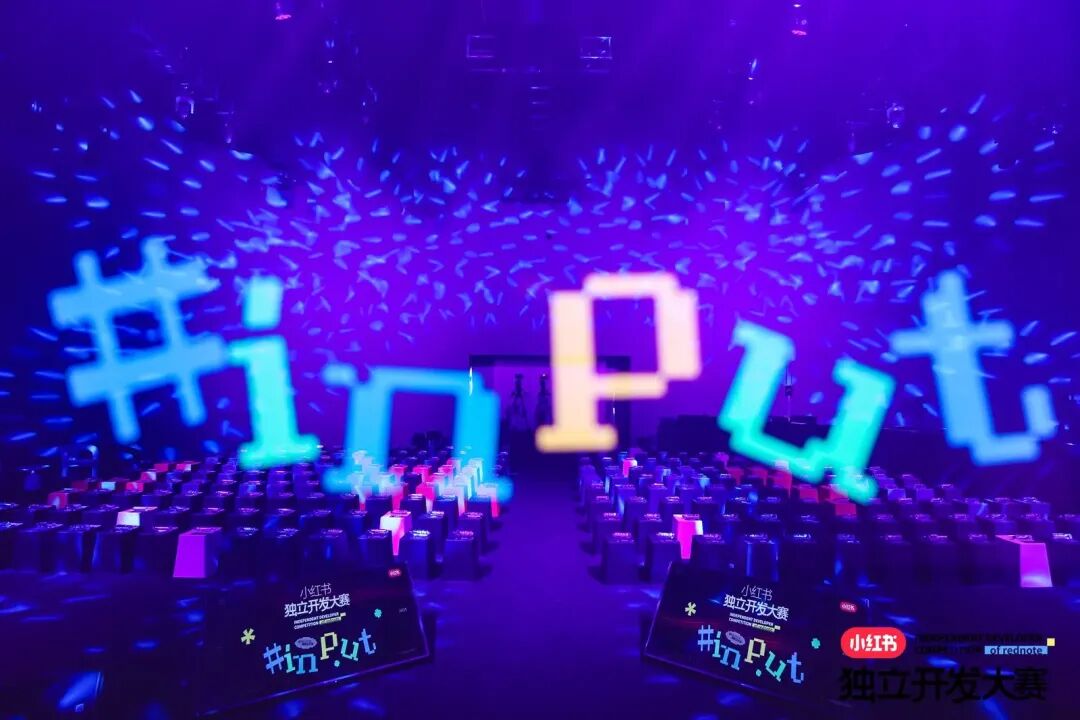
From preparation to wrap-up, I, as an enthusiastic and energetic unofficial staffer, played many roles: judge, award presenter, roundtable moderator, and even volunteered to organize an after-party for over 100 people — eating and drinking at AI Hacker House plus ten AI open mics, chatting late into the night, still wanting more, finally dispersing at midnight.
How did it feel?
So wild!! So romantic!!
— Wild, because indie developers grow freely and wildly, with countless untamed good ideas;
— Romantic, because seeing indie developers freely and passionately build so many romantic products, the competition even created an unprecedented "Romanticism Award."
Of the 12 winning products, how many have you used?
Friendship first, competition second, but with Xiaohongshu putting up 1.5 million RMB in prizes this time, about 1,355 projects signed up — a scene of prosperity and vitality.
As a judge for the special categories, I seriously tried every shortlisted product and discovered a few I secretly loved.
The final 12 winning works received minimum prizes of 50,000 RMB and maximum of 500,000 RMB. They may not all be commercially successful, but each has its own style and flavor, giving me so many aha moments.
That inspiration is precious.
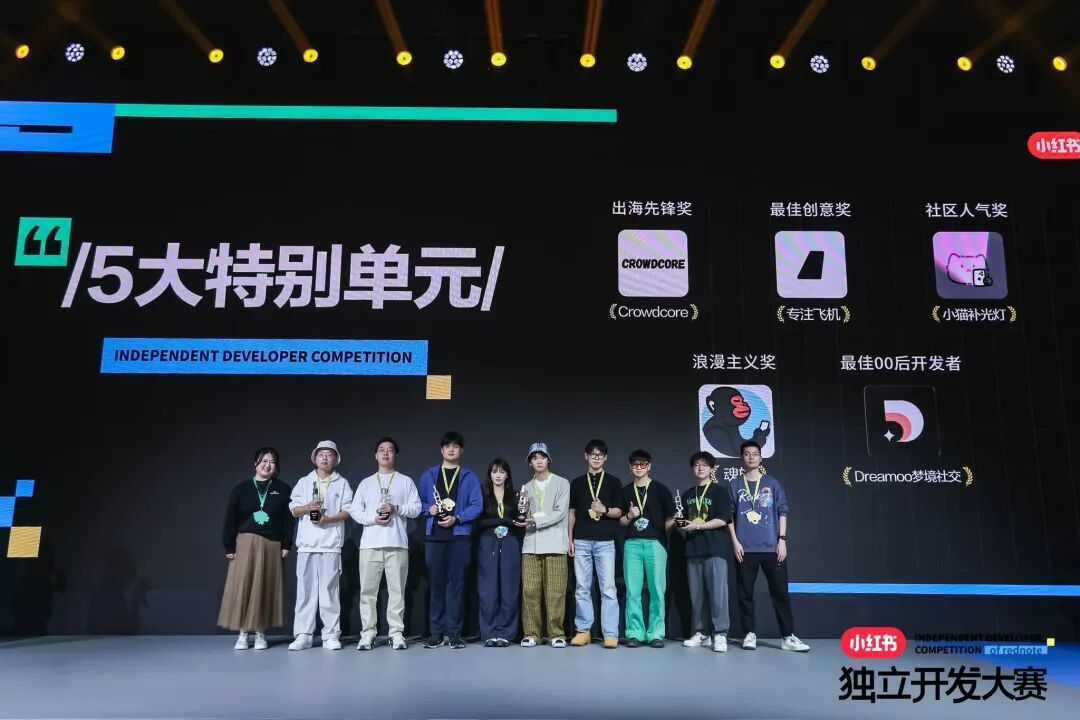
5 Special Category Awards:
- Pioneer Award: Crowdcore[1], automatically searches for overseas marketing influencer information
- Best Creativity Award: Focus Flight[2], cleverly uses an immersive flight experience to simulate inter-city flying patterns for users craving focus
- Community Popularity Award: Kitten Fill Light[3], helps women take good photos in low-light environments
- Romanticism Award: Soul Journey[4], choose where you want to go, an AI avatar slowly travels and live-reports interesting things along the way
- Best Gen-Z Developer: Dreamoo[5], dream-based social networking
"Hidden Gem App" Gold, Silver, Bronze:
- Silver: Podwise[6], uses AI to assist with podcast listening, "reading is faster than listening"
- Bronze: PeakWatch[7], through professional, precise, honest data, remembers every moment of investment in exercise, and progress after pain
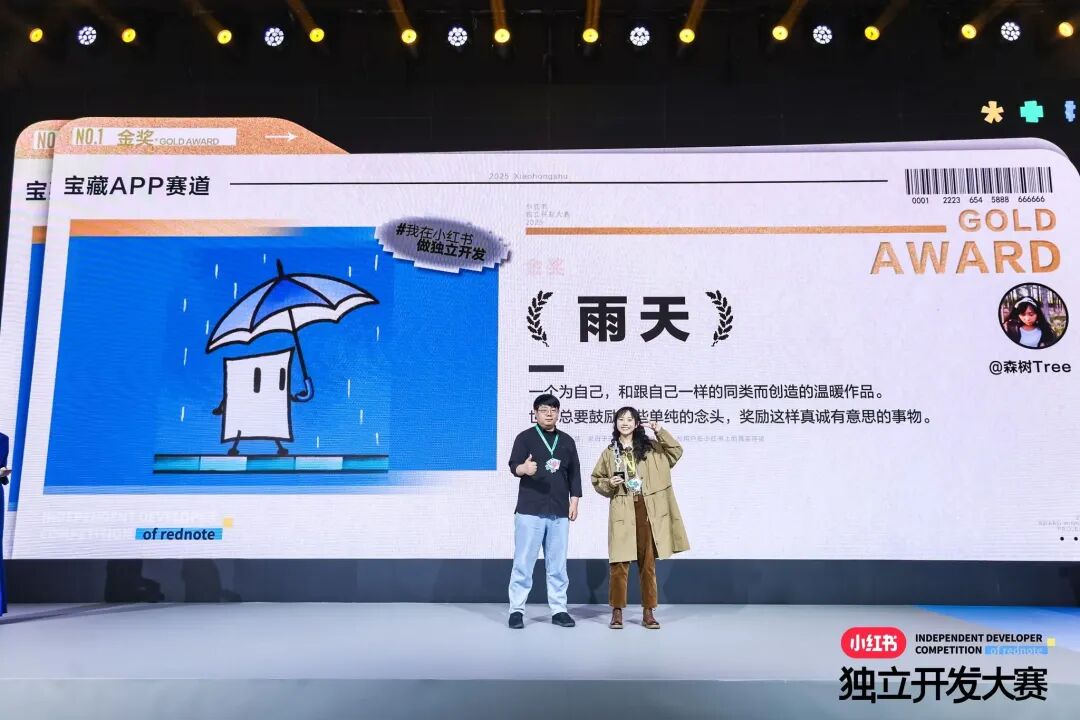
- Gold: Rainy Day[8], a hand-drawn style obstacle-dodging game. The protagonist is a piece of paper living in a town where it always rains, commuting home every day using an umbrella to fend off splashing water from everywhere
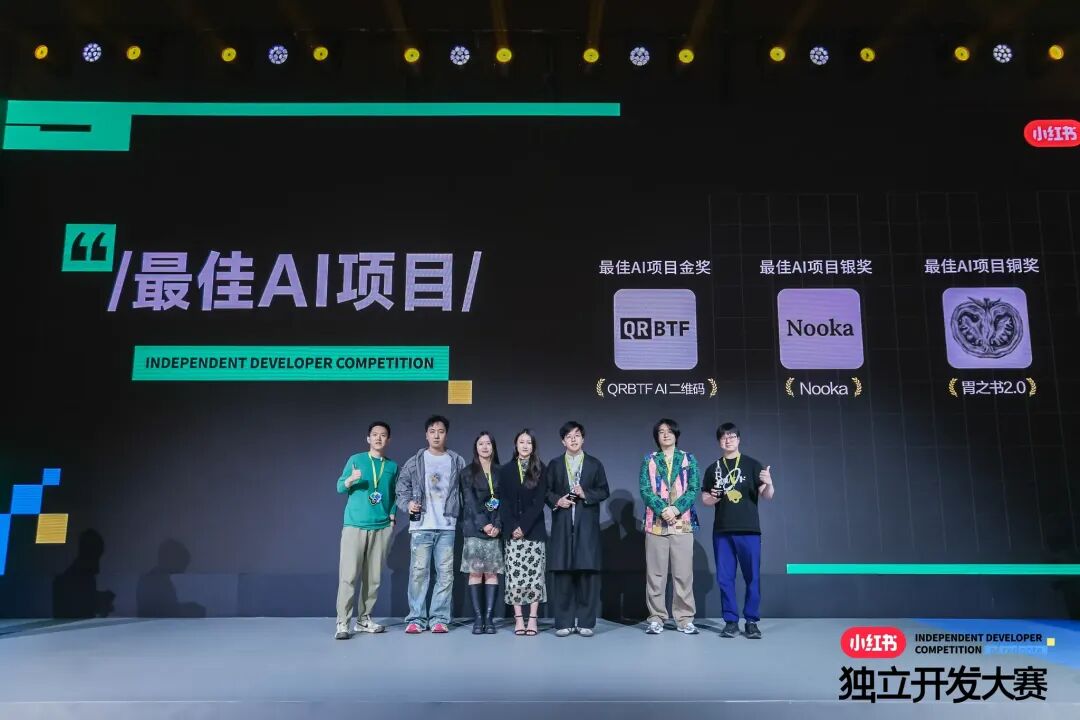
"Best AI Project" Gold, Silver, Bronze:
These were the 3 awards I presented, and I happened to give them to two friends I greatly admire: Chunxiang Zhao (Laplace 2.0) and Hao Ni (QRBTF AI), feeling proud of them.
- Bronze: Laplace 2.0[9], an AI app for recording food experiences
- Silver: Nooka[10], turns text into podcasts
- Gold: QRBTF AI[11], transforms QR codes into beautiful images
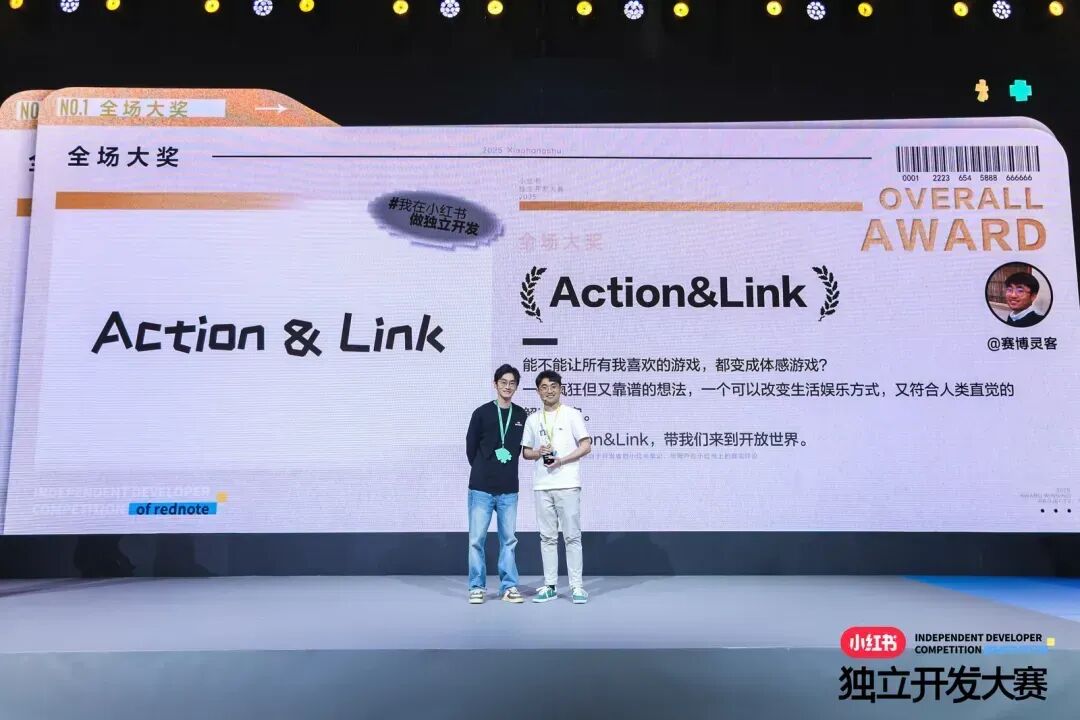
Grand Prize: Action&Link
What kind of project could win the 500,000 RMB grand prize? — The gold award was revealed, the whole room applauded, truly well-deserved!
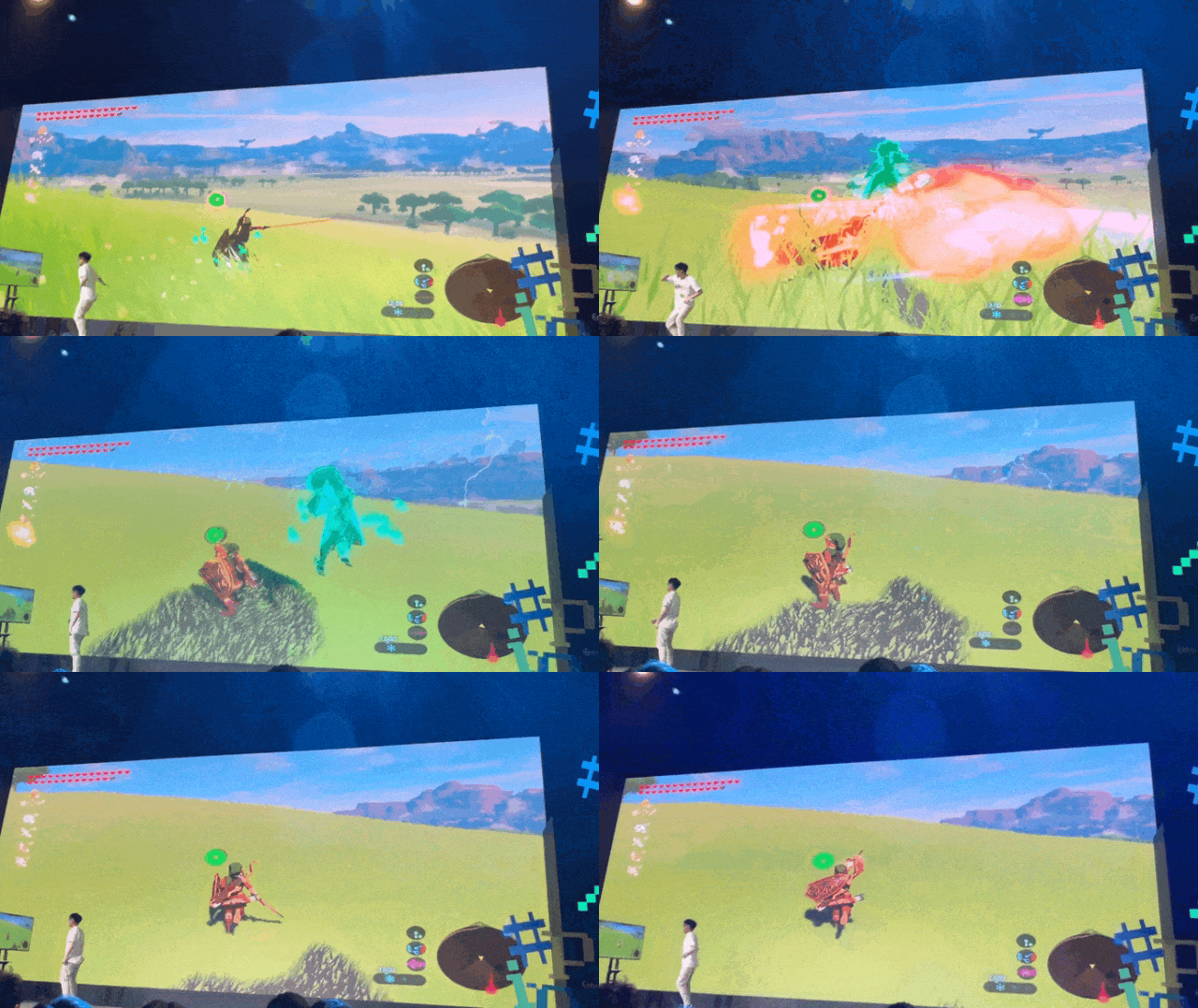
— Action&Link[12] is a hardware-software integrated motion-sensing controller product that converts player movements into game commands, letting you play PC/Switch console games while easily getting exercise.
For gameplay optimization, the product uses AI algorithms to simultaneously recognize movements from multiple body parts (supporting six zones, eight input types), with a rich motion library. Games run smoothly, supporting AAA titles like Genshin Impact and Black Myth: Wukong.
Source: AI Xinbang
Xiaohongshu also produced a well-crafted video with great aesthetic sense and rhythm, introducing these 12 products:
The people I "fear" interviewing most are "indie developers"
Xiaohongshu invited me to present and give remarks for the "Best AI Project Award."
On our podcast "Crossing," we've interviewed many AI-era investors and entrepreneurs.
Actually, there's a secret I've never shared before: the people I "fear" interviewing most are "indie developers." For example, idoubi who was on our podcast, Chunxiang Zhao of Laplace, saito of Podwise, Patrick of StressWatch — all community leaders and opinion leaders in the indie developer circle.
Why do I say I "fear" them? Because I find myself particularly prone to envying, even being jealous of them.
Because indie developers represent an ideal state that many people dream of: doing what you love, while earning decent money, and not needing to manage teams, commute, care about office politics, or tend to your boss's emotions.
And most importantly, if an indie developer creates a good product, they become a friend of time, with long-term compounding returns.
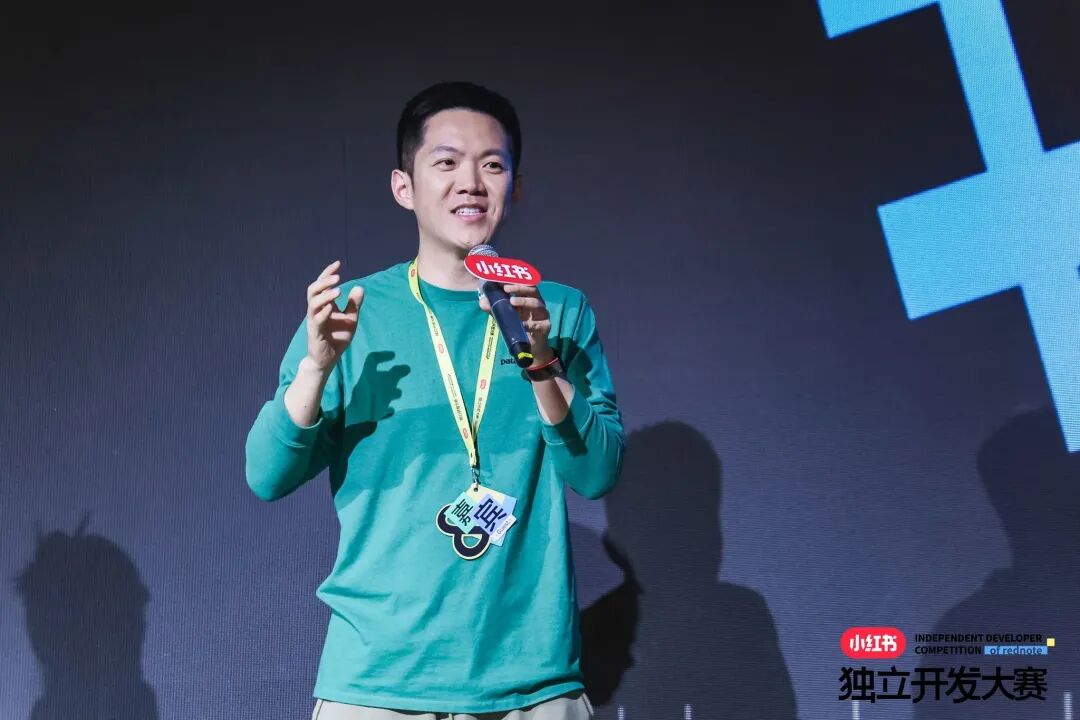
Headline (not really): "At the awards ceremony, Koji told the champion: 'The people I fear most are you!'"
"Building AI products like consumer brands"
Yueguang Zhang, who raised 300 million RMB, has always kept a low profile. Recently, he made a rare public appearance and shared one view:
The essence of Miaoya is a new consumer brand.
Friends who know me know I founded Tangdao, a sleep environment brand that sold several hundred-million-RMB hits like the Cat Belly Pillow and Melon Cool Quilt.
Friends who know me also know I studied computer science, worked as a product manager, and founded Jiepang and The Fair — internet companies. How did I suddenly get into consumer brands?
In fact, the experience of building a consumer brand is no different in essence from building an app or an AI tool. It's all:
User insight — Product design — Product marketing
So in today's Chinese internet, which community is most suitable for doing these three things? — None other than Xiaohongshu. On Xiaohongshu, this lifestyle community, there's a massive "demand pool."
Life's pain points are the starting point for development.
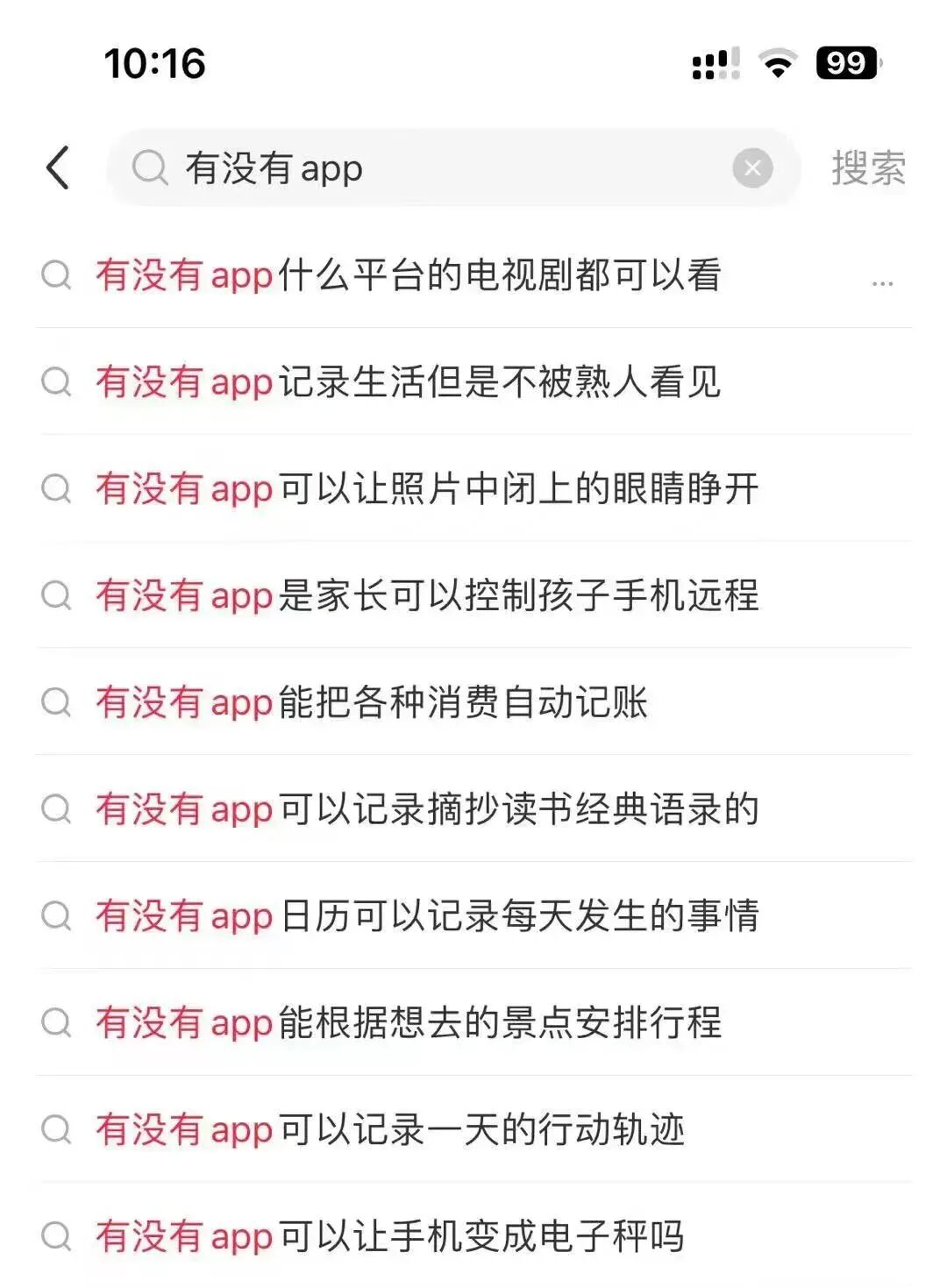
"Is there an app that..."
Honored with trust, besides judging and presenting awards, I also moderated the roundtable "In the AI Era, Every Life Demand Deserves to Be Rebuilt."
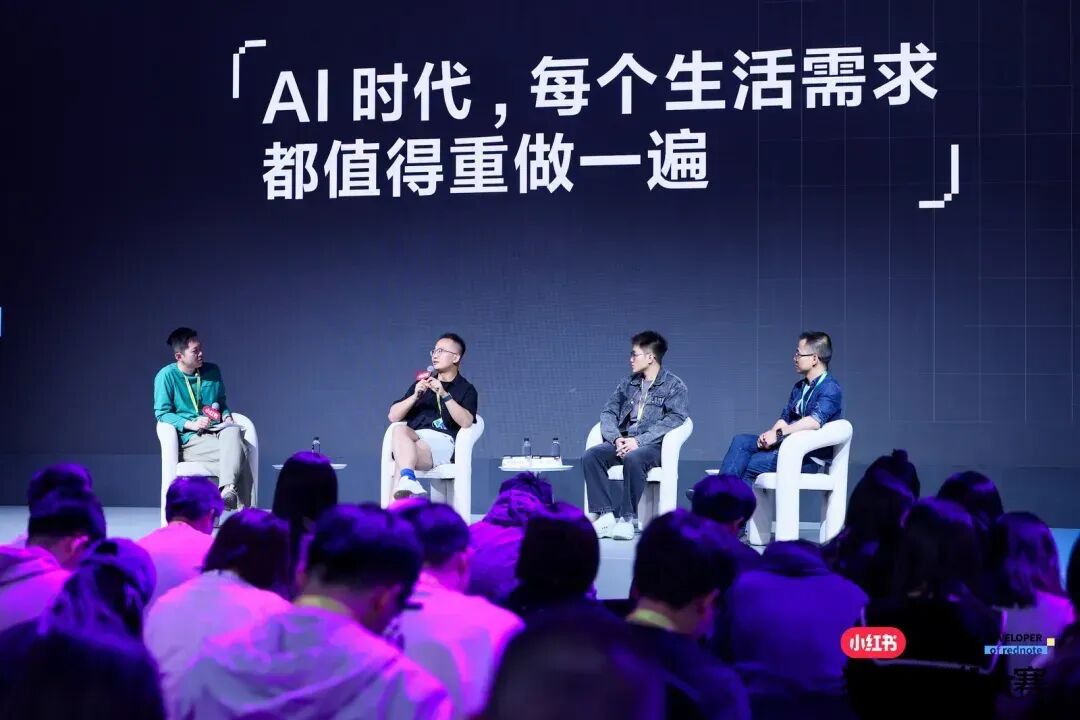
For this roundtable, we temporarily set aside AI's grand narratives and focused on the topic all indie developers and entrepreneurs care about right now: What should the next product be?
Patrick from StressWatch shared a clever way to use Xiaohongshu: search "Is there an app that...":
Patrick's studio is called "100 Bad Ideas." He also shared his entrepreneurial story on the Crossing podcast: when the studio was first founded, he and his partner Alex wrote down 100 bad ideas on paper.
I can't guarantee I'll come up with 1 good idea, but what I can be sure of is that I can come up with 100 bad ideas
At this roundtable, through my persistent questioning and digging, Patrick shared for the first time some of the "didn't get around to doing" bad ideas from that original paper:
- A step-counting product for wheelchair users;
- AI glasses for people with disabilities;
- Heartbeat Museum: recording, preserving, and sharing the sound of heartbeats;
- Emotional BGM for your input method: generating the most suitable ambient BGM based on what you're typing, key press frequency, and time of day;
- ...
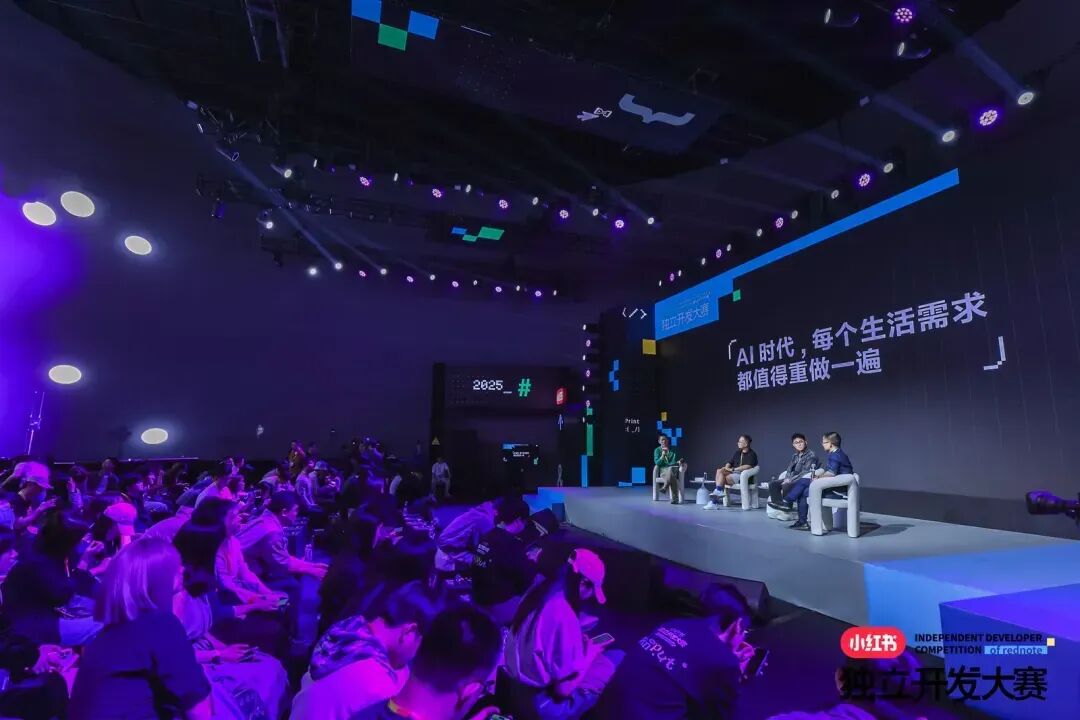
In the past 100 days, DeepSeek launched, Manus went viral, GPT-4o made its explosive debut. In an era with so many upheavals happening simultaneously, how should entrepreneurs choose?
Mars Ren, partner at Sky9 Capital, contributed excellent insights:
- Strongly recommend everyone seize the time to make money, with a model of scaling up quickly then fundraising. Making money is much harder than 5 years ago, but this also validates whether what you're doing has value.
- "Bully the old" — do things that veteran entrepreneurs can't understand, in areas they're not good at. Products they find incomprehensible have the most potential. Things like AI Excel or AI Chatbot that anyone can think of at a glance, veterans can do too, so competition will be fierce.
"We're a Xiaohongshu Native App!"
After "Kitten Fill Light" won the Community Popularity Award, its creator Huasheng jumped up excitedly, bouncing onto the stage, and said:
"Kitten Fill Light" is a Xiaohongshu Native App!
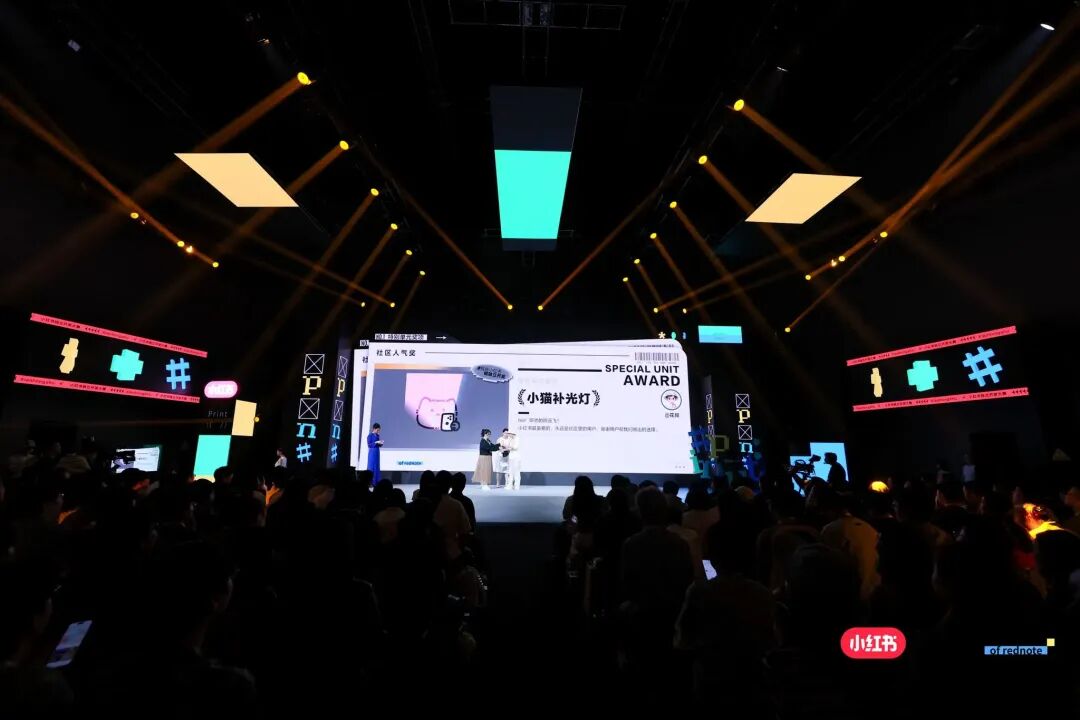
Becoming a "Xiaohongshu Native App" basically takes three steps:
- First, find demand on Xiaohongshu;
- Second, find seed users on Xiaohongshu;
- Third, keep operating on Xiaohongshu to find your 1 millionth, 2 millionth, 3 millionth... user.
Xiaohongshu provides a unique arena: demand is real enough, expression is sincere enough, and indie development can be seen by more people.
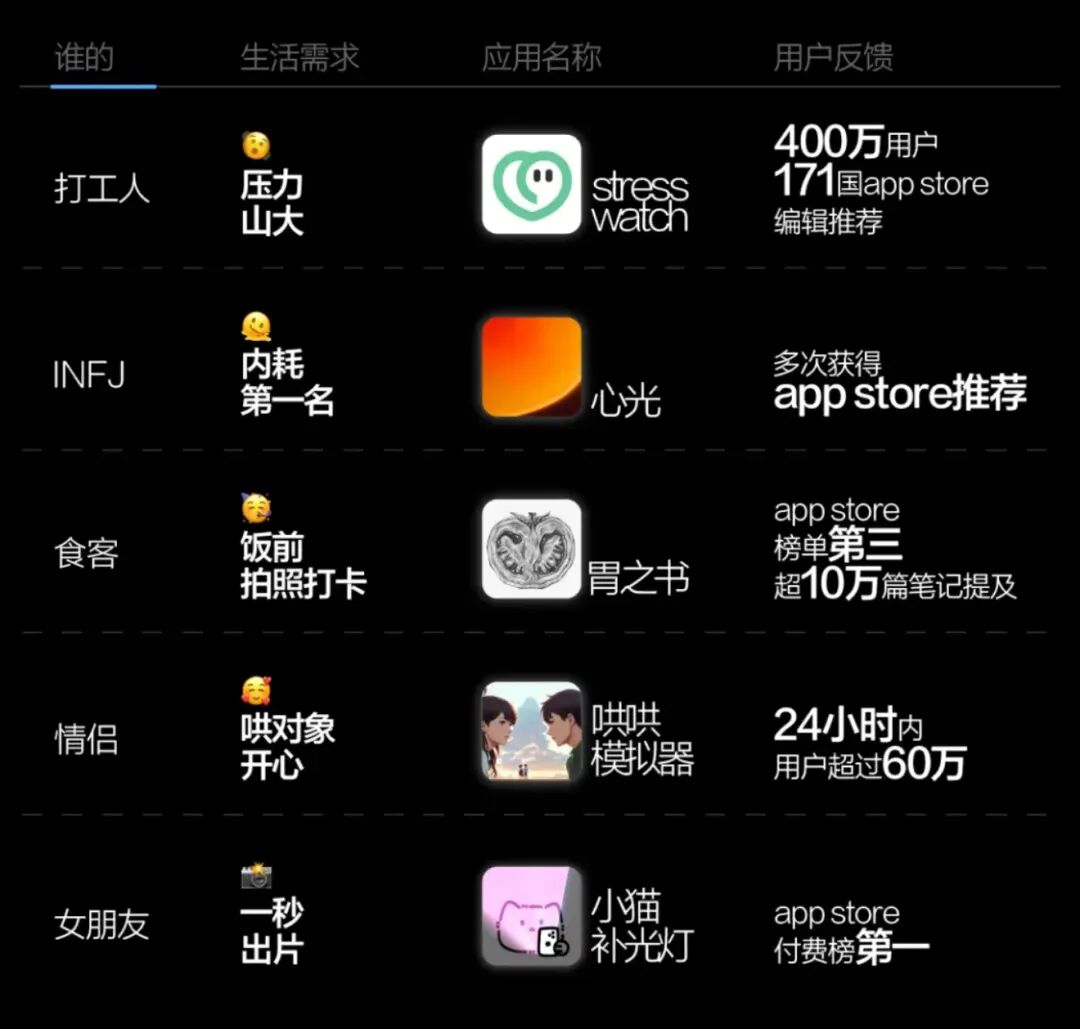 Source: Xiaohongshu "Indie Developer Observation Report"
In the past, Xiaohongshu excelled at turning life into content. Now Xiaohongshu is encouraging people to turn life into products.
Traditional development is heavy, but indie development in the AI era can be light. Building an app may increasingly resemble creating a post.
Among this competition's entrants, 55% were one-person companies; over 90% of developers built more than one app per year.
Indie development, I think, is increasingly like the UGC of the next era. Here, every indie developer can find their own "user pool," creating, validating, and growing in a lighter way.
So the lifecycle of a "Xiaohongshu Native App" looks like this: starting from discovering demand in the community, to product development becoming as light and natural as creating a post, to finally letting the product return to the community to grow and iterate.
"The test of an event's cohesion is how many people want to go to the After Party"

Crossing, Spark Lab, and Qishifu (with his large Liangzhu competition delegation), with Xiaohongshu's full support, together hosted the competition's After Party at AI Hacker House.
After the awards ceremony, everyone moved from the main venue at Shanghai's Xuhui Riverside to AI Hacker House by the lake in Caohejing Development Zone. A group of very introverted indie developers threw an extremely extroverted large gathering, peaking at 120 people on site.
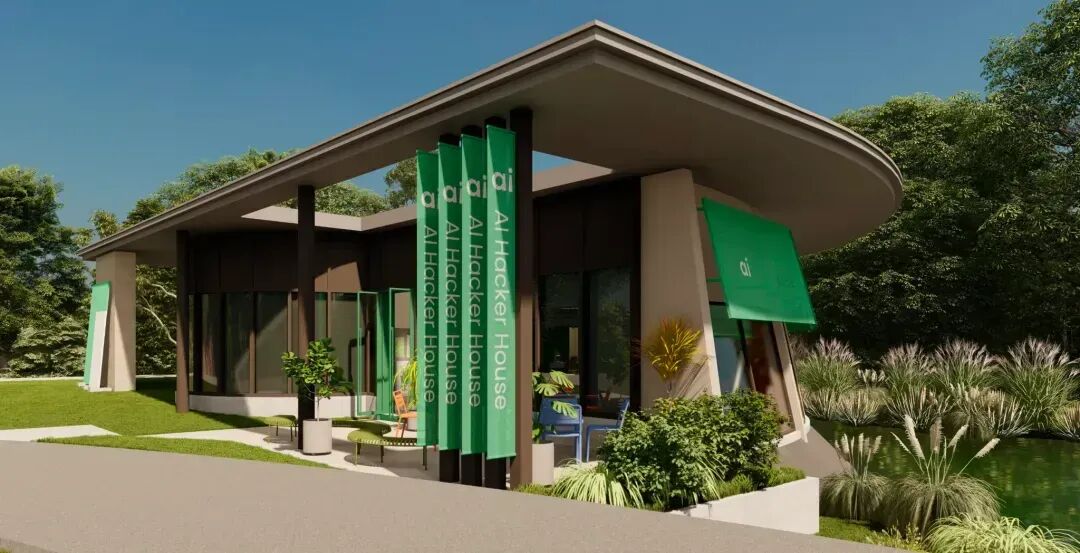 AI Hacker House @ Shanghai Caohejing Development Zone
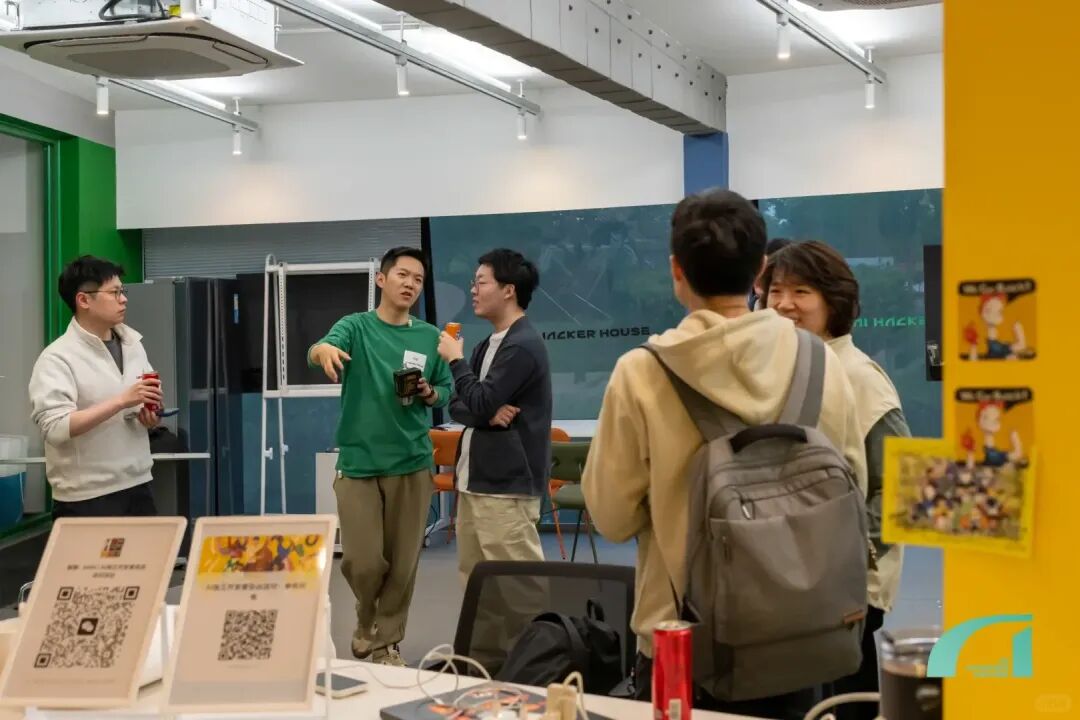 AI Hacker House's great room, can fit 100 people
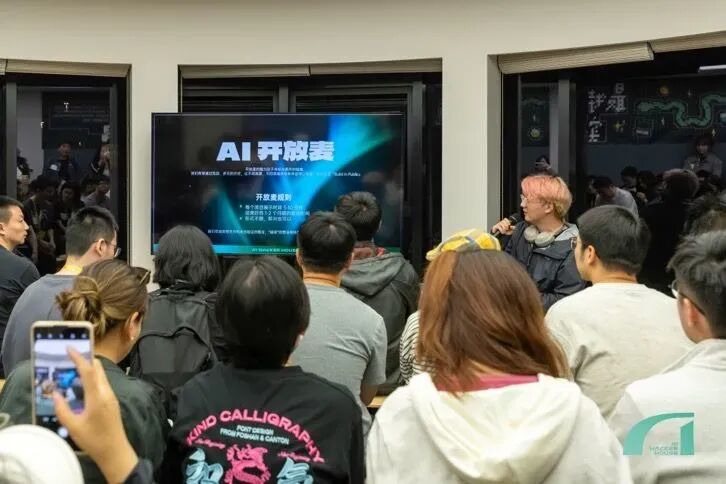 Spark Lab founder Ryan moderating the After Party's key segment "AI Open Mic"
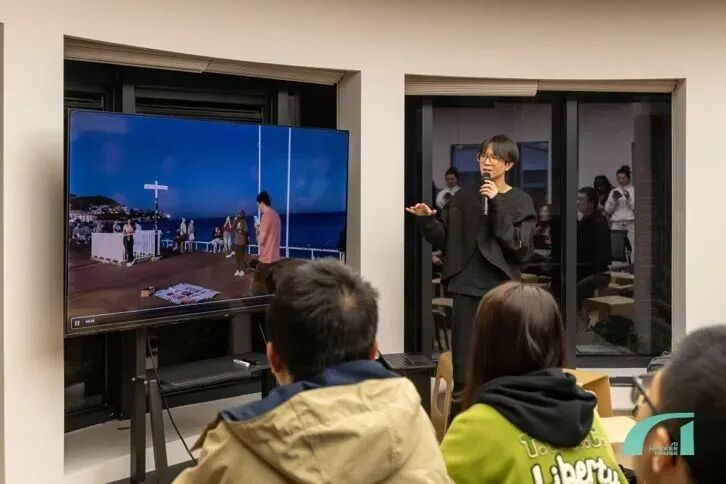 Edward, initiator of Useless Things Studio, sharing at open mic
When people are with their own kind, a chemical reaction that fosters intimacy occurs. This was an indie developers' gathering, but the overall atmosphere was: "Independent, but not lonely."
This party had not just pizza and alcohol, but was also a learning party. Continuing the tradition of Crossing and AI Hacker House, we organized 10 open mics in the circular hall:
- Ryan, Founder@SparkLab, Creator & Hacker
- Huasheng, founder of Kitten Fill Light
- Levy Xiyuan, Founder/CEO of FateTell, former ByteDance product manager
- Alex, founder of Crowdcore
- Shawn, founder of SunAlly
- Tianzong Li, founder of Spreak
- Alex, founder of PeakWatch
- John Jiang Tianyu, founder of Helix Immersive
- Jensen, founder of Jiayi Shangjian
- Edward, Useless Things Studio
10 friends took the stage one by one, sharing products they were preparing to build, currently building, or had already built.
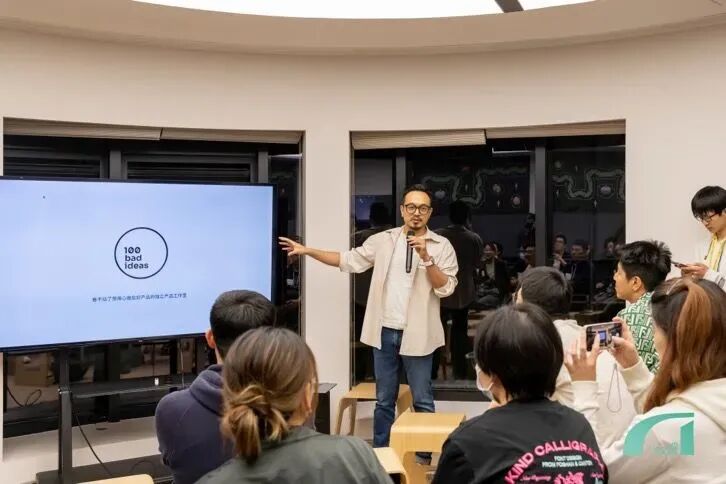
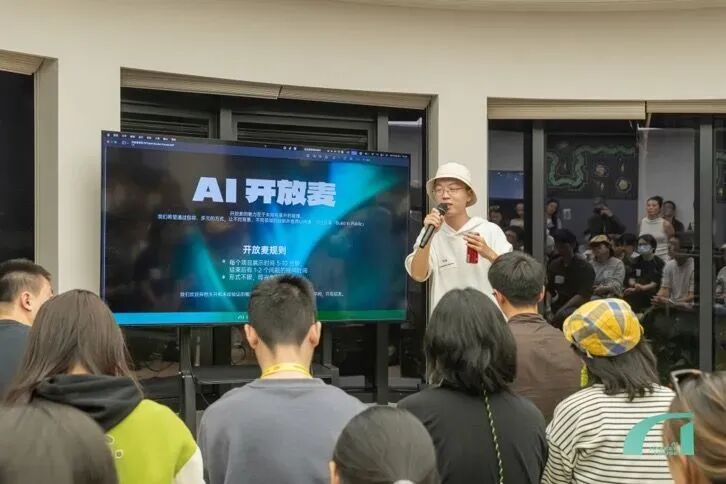
Open mic sharing: PeakWatch founder Alex (left), Kitten Fill Light founder Huasheng (right)
Have you ever had this experience: after attending some industry conference, still unwilling to say goodbye, a group of people organizes an after-party, chatting late into the night still wanting more — the last time I felt this was around 2010 at Chinese Blog Annual and Wordcamp in Wudaokou, Huaqing Jiayuan, and Beihang University.
This time, it was this Tuesday at the Xiaohongshu Indie Developer Competition. After the competition, AI Hacker House's after party attracted 300 sign-ups, 100 people on site. From 5:30 PM until 11 PM, and finally, people still sat scattered on the grass unwilling to leave.
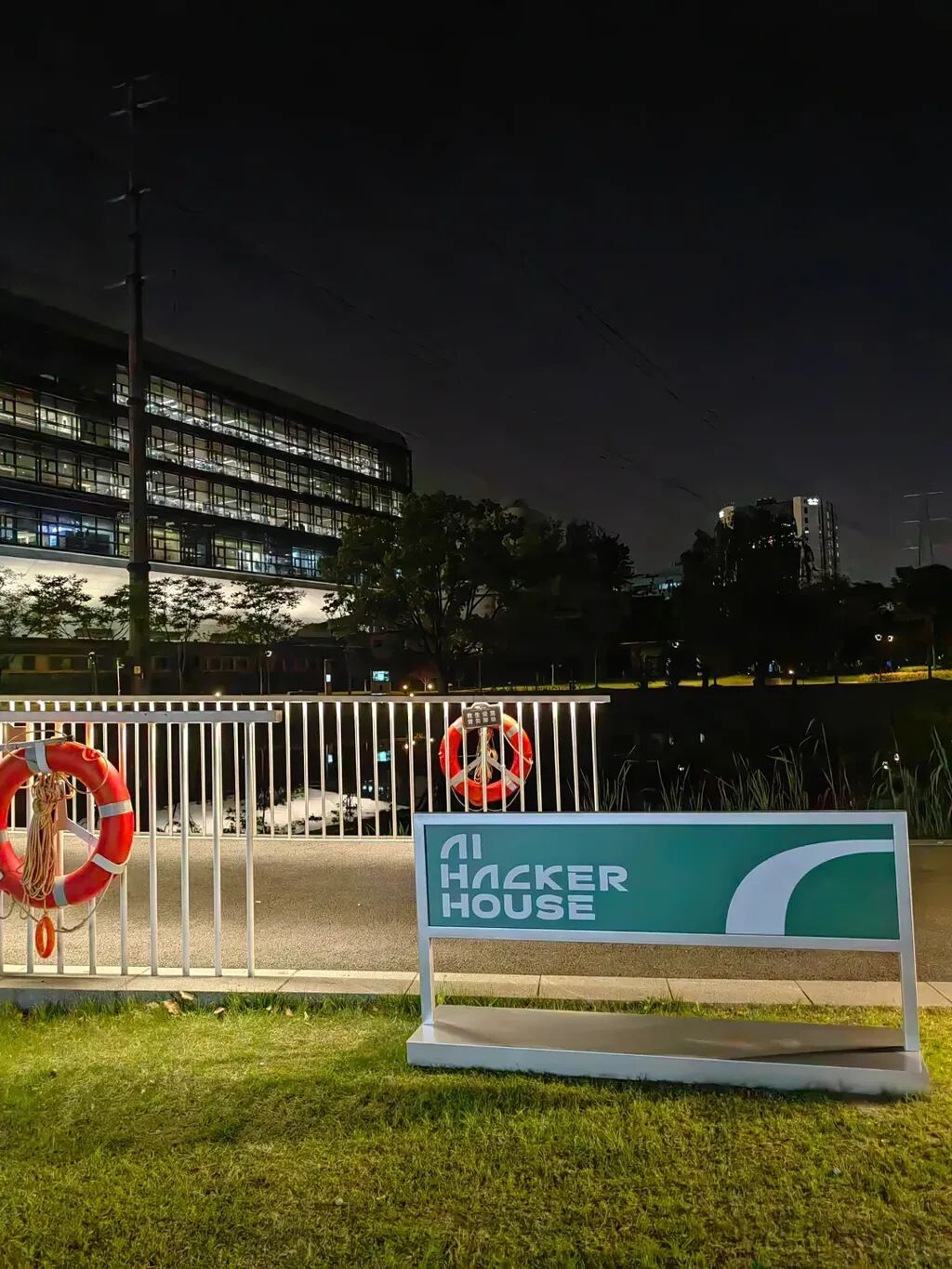
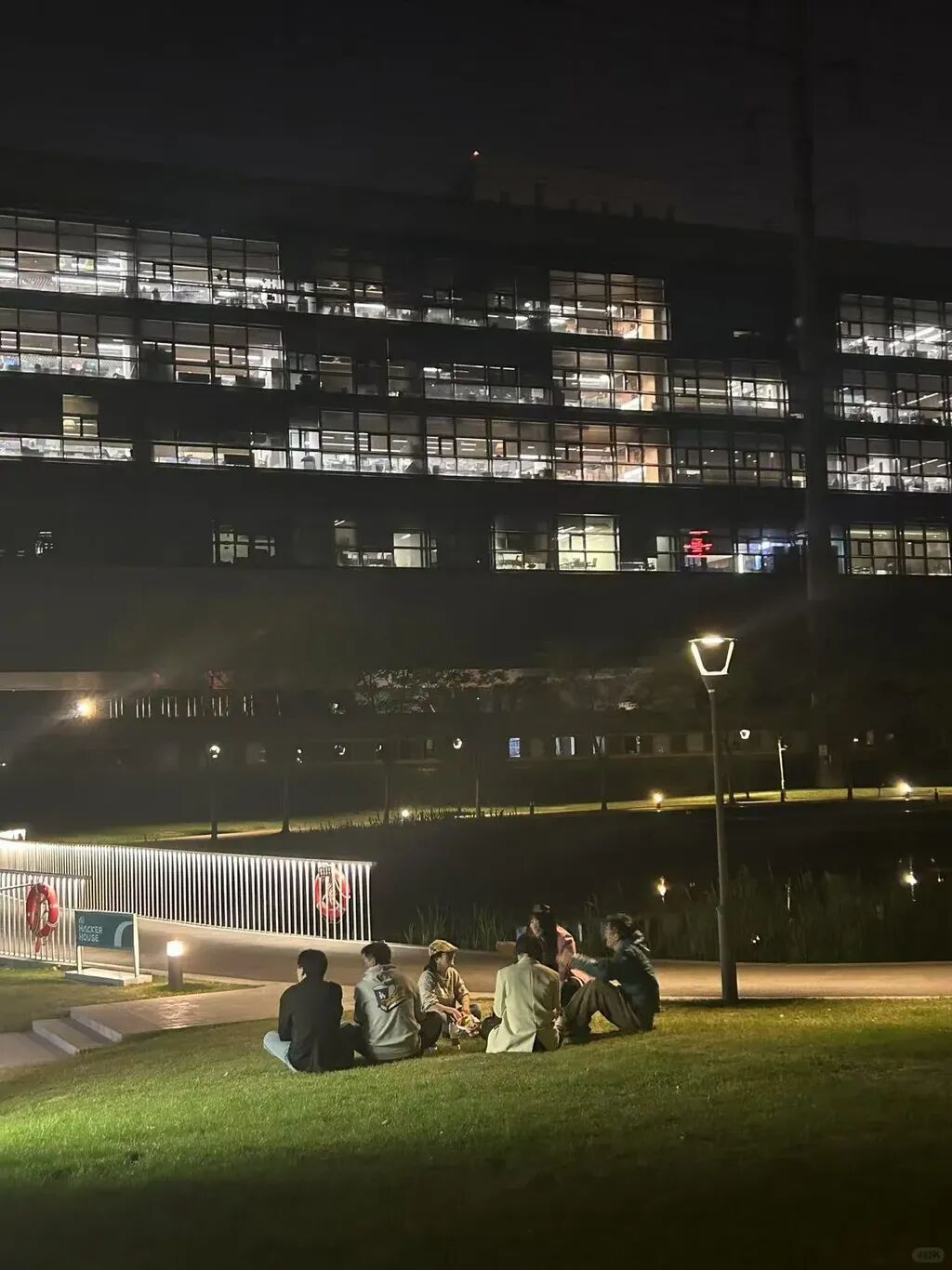
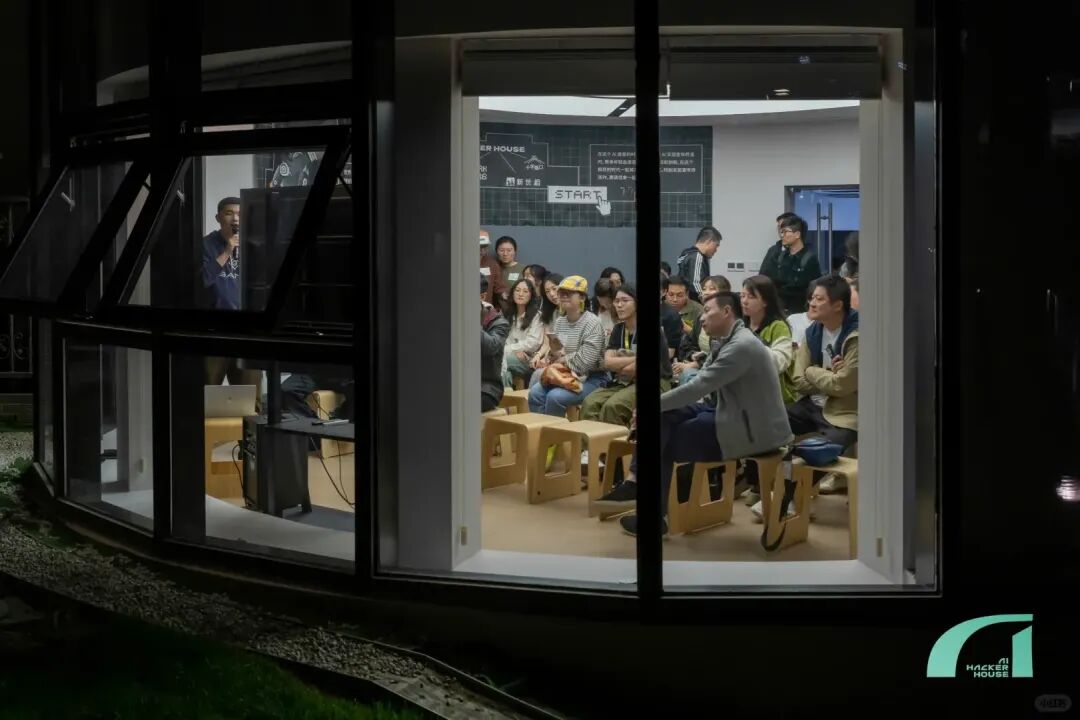 Late night 10 PM, outdoors at AI Hacker House, a large group chatting on the grass; indoors, another large group gathered listening to the "AI Open Mic"
"Life, what should I make of it?"
Recently, Crossing had an article shared nearly 2,000 times: 《Life, what should I make of it?》
In this article, it answered two key questions:
Where is the most fundamental value of human life? The answer is: creating truly beautiful new things.
Why is creation so important? Because it embodies humanity's most core traits: the ability to think deeply and the courage to explore the unknown.
There's another quote I love (from Mao Zhu, founder of Duozhuayu):
Criticism always looks clever, just as building always looks clumsy.
This is exactly how I felt after attending the Xiaohongshu Indie Developer Competition.
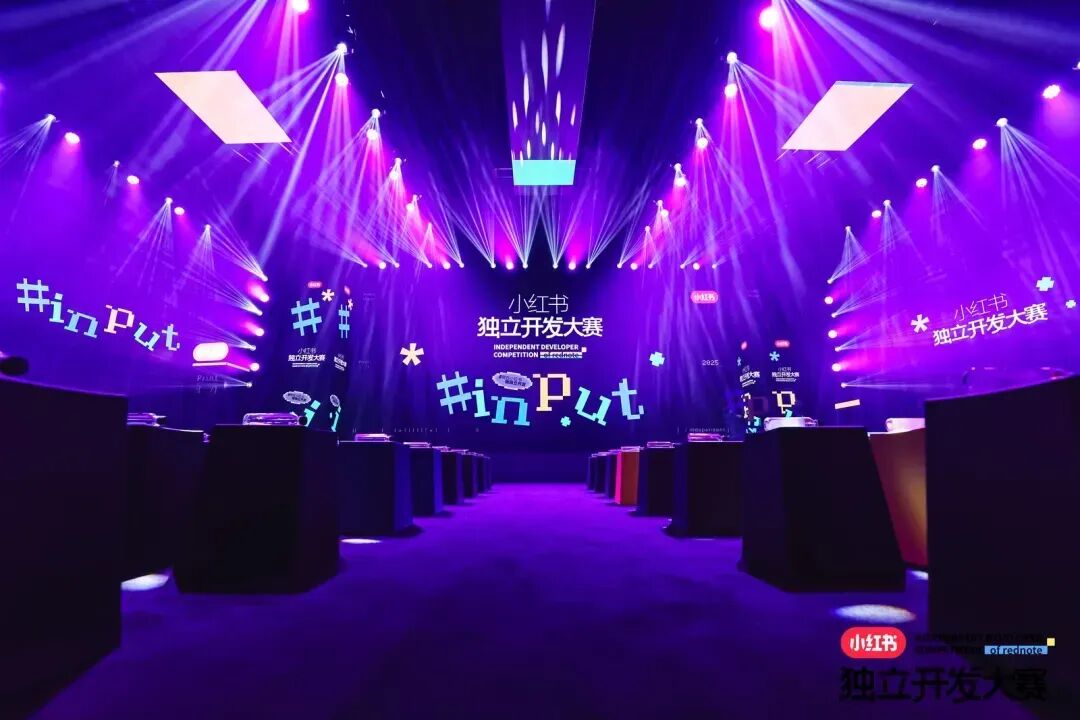
Friends, see you next year.
References
[1] Crowdcore: https://crowdcore.com/
[2] Focus Flight: https://www.xiaohongshu.com/user/profile/608c251a0000000001004a0d
[3] Kitten Fill Light: https://www.xiaohongshu.com/user/profile/5abc6f17e8ac2b109179dfdf
[4] Soul Journey: https://www.xiaohongshu.com/user/profile/65bc4445000000000d01d052
[5] Dreamoo: https://www.xiaohongshu.com/user/profile/5fcba6a0000000000101f705
[6] Podwise: https://podwise.ai/
[7] PeakWatch: https://www.xiaohongshu.com/user/profile/64d4f571000000000100db36
[8] Rainy Day: https://www.xiaohongshu.com/user/profile/5be4fc52d979de0001bdebeb
[9] Laplace 2.0: /1d88e8f58ed18008b97cd9d38d721a82?pvs=25
[10] Nooka: https://www.nookapod.com/
[11] QRBTF AI: https://qrbtf.com/en
[12] Action&Link: https://www.xiaohongshu.com/user/profile/66054897000000000b00fa0e
🚥