MiniMax Quietly Launched M3 and MiniMax Code — Here's What We Found After Testing Them

Cutting-edge coding capabilities, a 1M context window, and native multimodality.
State-of-the-art coding, 1M context window, and native multimodality
👦🏻 Author: GaKi
🥷 Editor: Koji
🧑🎨 Layout: NCon

Today, MiniMax released its next-generation model M3.

The most notable thing about this release is that M3 finally brings together three capabilities in a single model:
State-of-the-art coding, a 1M context window, and native multimodality.
At the same time, MiniMax also updated its companion Agent product MiniMax Code and published a technical blog for M3.
🚥
We read the technical blog immediately and also hands-on tested both M3 and MiniMax Code.
Here's our breakdown of the blog and two real-world test cases.
First, the technical blog
After reading through it, one immediate takeaway:
The real story with M3 is that a domestic Chinese model now combines multiple frontier capabilities at once.
On relevant benchmarks like Terminal Bench, M3 ranks consistently around Sonnet 4.6, and even slightly ahead on some coding and Agent tasks. But put it next to Opus 4.7 or GPT-5.5, and there's still a visible gap.
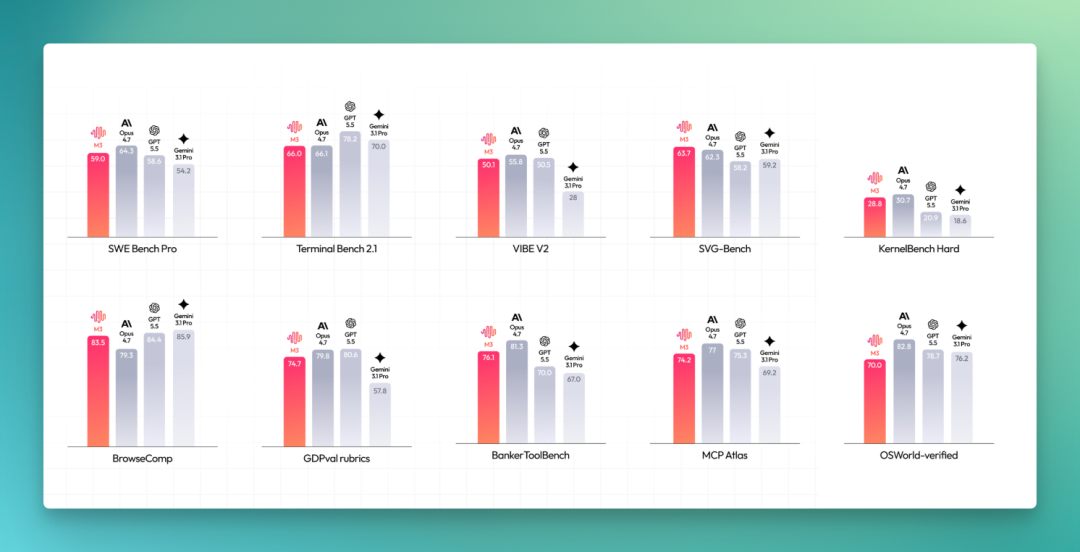
Overall, the blog delivers a solid report card for MiniMax M3, though it's clearly not the final destination.
Here's the breakdown in three parts.
The MSA behind 1M context
M3's 1M context support this time comes from replacing the model's most fundamental attention module. MiniMax calls it MSA (MiniMax Sparse Attention).
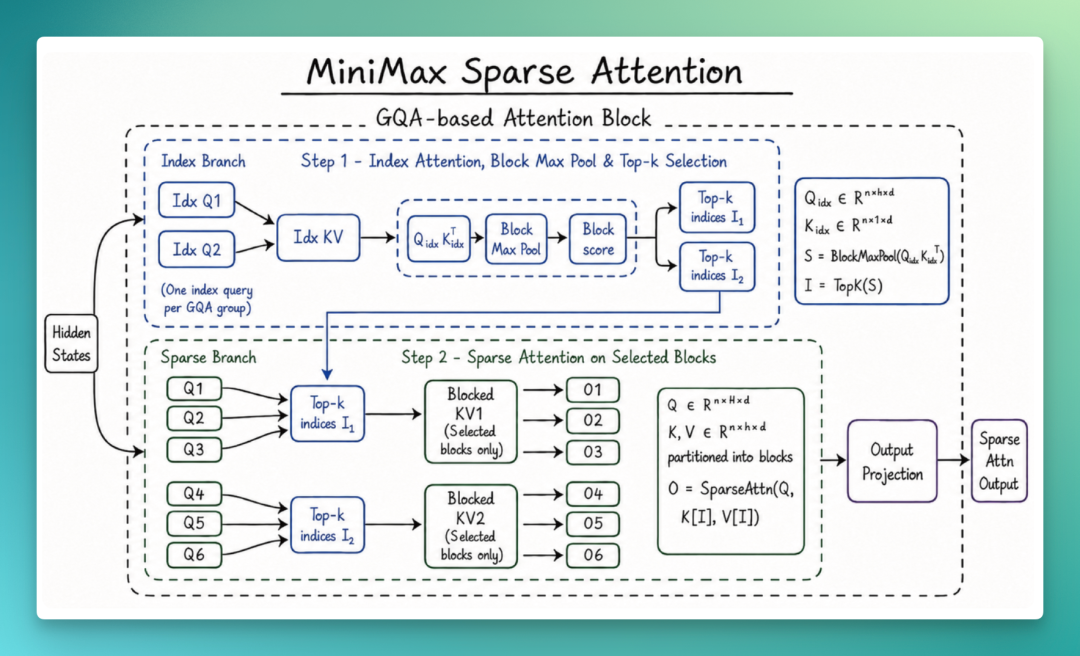
In traditional full attention, every token has to compute relationships with all previous tokens. As sequences grow longer, computation scales quadratically and quickly exceeds what hardware can handle. This has been the fundamental blocker for long-context models.
Sparse attention takes a different approach: it pre-screens before the actual computation, keeping only the truly relevant parts in the operation, thereby sidestepping the quadratic explosion.
This path isn't new: DeepSeek's DSA on V3.2 and Moonshot AI's MoBA on Kimi both fall under sparse attention, and MSA is positioned against this same class of solutions.
MSA's distinctive thinking this time centers on two areas.
First, finer-grained chunking of KV caches, allowing more effective context coverage for the same compute budget. Second, direct optimization at the operator level, ensuring each block of data is read only once with contiguous memory access. Per MiniMax's numbers, it's more than 4x faster than open-source Flash-Sparse-Attention and flash-moba.
The engineering payoff is fairly visible:
At 1 million context length, M3's per-token computation is just 1/20th of the previous generation's, with over 9x speedup in the prefilling stage and over 15x in decoding.
And in multiple controlled experiments, MSA's capabilities are largely on par with full attention.
In other words, long context is no longer something theoretically possible but practically unaffordable.
Therefore, 1M can now be understood as "more like infrastructure." All subsequent long-horizon Agent tasks, long-horizon coding, and long-video understanding will be built on top of it.
Major coding improvements
Coding and Agent capabilities are the focus of M3's upgrade this time.
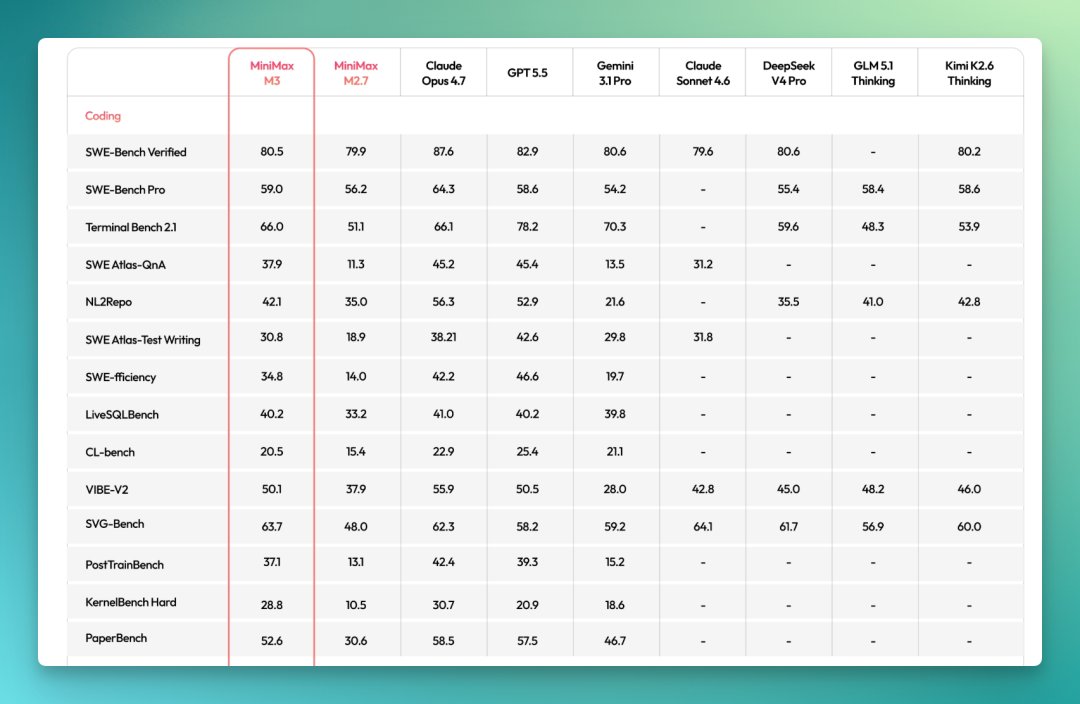
The blog lists several benchmark numbers: 59.0% on SWE-Bench Pro, 66.0% on Terminal Bench 2.1, 74.2% on MCP Atlas, plus several others like SWE-fficiency and KernelBench Hard.
But more interesting than the scores is how it was trained.
MiniMax explicitly identifies a common problem in many code Agents today: training and evaluation are mostly built on "single-turn task" assumptions — given a requirement, generate some code, done.
Real development looks quite different from this flow.
When we actually build things, we typically go back and forth within the same session: start with a rough idea, add requirements, change direction mid-stream, and spin off new tasks based on intermediate results.
To expose the model to this during training, MiniMax built an interactive user simulator that mimics how developers clarify requirements, discuss solutions, give corrective feedback, and continuously switch tasks.
Overall, this actually reflects the thinking behind next-generation Coding Agents: rather than simply writing code, long-term collaboration, planning, and the efficiency of human-Agent teamwork may matter more.
This assessment, based on past community feedback, is broadly agreed upon — a capable model that won't go back and forth with you is genuinely exhausting to use.
Native multimodality
From the technical blog, M3 starts multimodal mixed training from step zero of training. The benefit is that text and image semantic spaces align more naturally.
The blog also mentions one detail: they found interleaved data (alternating image-text arrangements) more critical to model capability than generally assumed. To scale up this data type, MiniMax rebuilt its entire data pipeline, expanding pre-training data to the 100T scale.
These three capabilities together form the foundation of MiniMax M3.
The blog also includes several internal case studies, two of which are particularly worth highlighting.
One is paper reproduction.
They gave M3 an ICLR 2025 award-winning paper and had it reproduce the work independently. M3 ran autonomously for nearly 12 hours, producing 18 commits and 23 experimental charts, fully reproducing the core experiments.
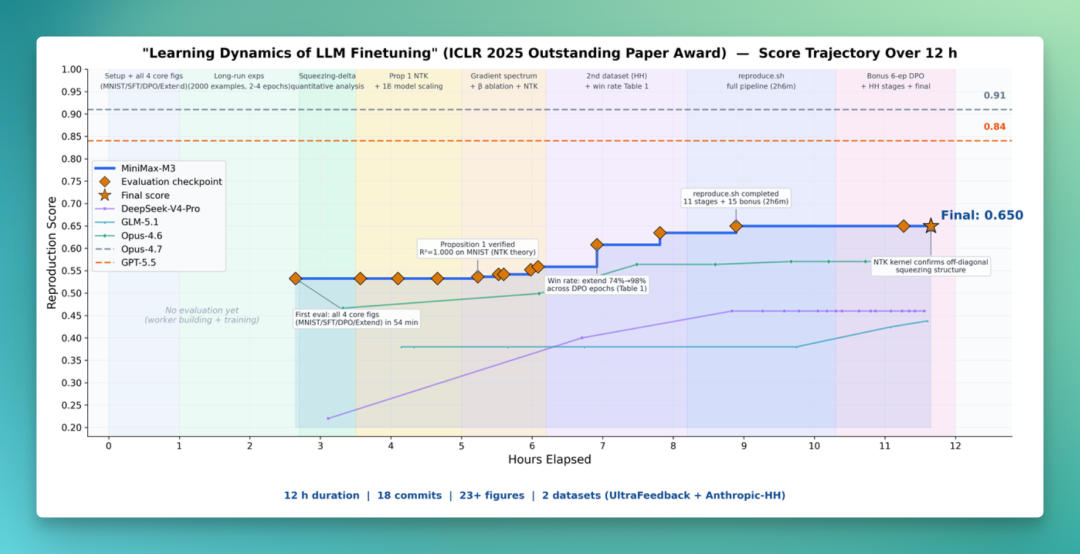
This process required multimodality to read curves and formulas in the paper, long context to fit the paper plus code plus experiment logs in one window, and coding plus Agent capabilities to carry the full pipeline through continuously. Only the combination of all three makes this task possible.
The other is CUDA kernel optimization.
The task was optimizing an FP8 matrix multiplication kernel on NVIDIA's Hopper architecture — something that typically takes experienced engineering teams one to two weeks.
MiniMax gave M3 only a task description, an evaluation script, and skeleton code — no existing high-performance implementation to reference.
In roughly 24 hours, M3 submitted 147 benchmarks, made 1,959 tool calls, and raised hardware peak utilization from 7.6% in the first version to 71.3%.
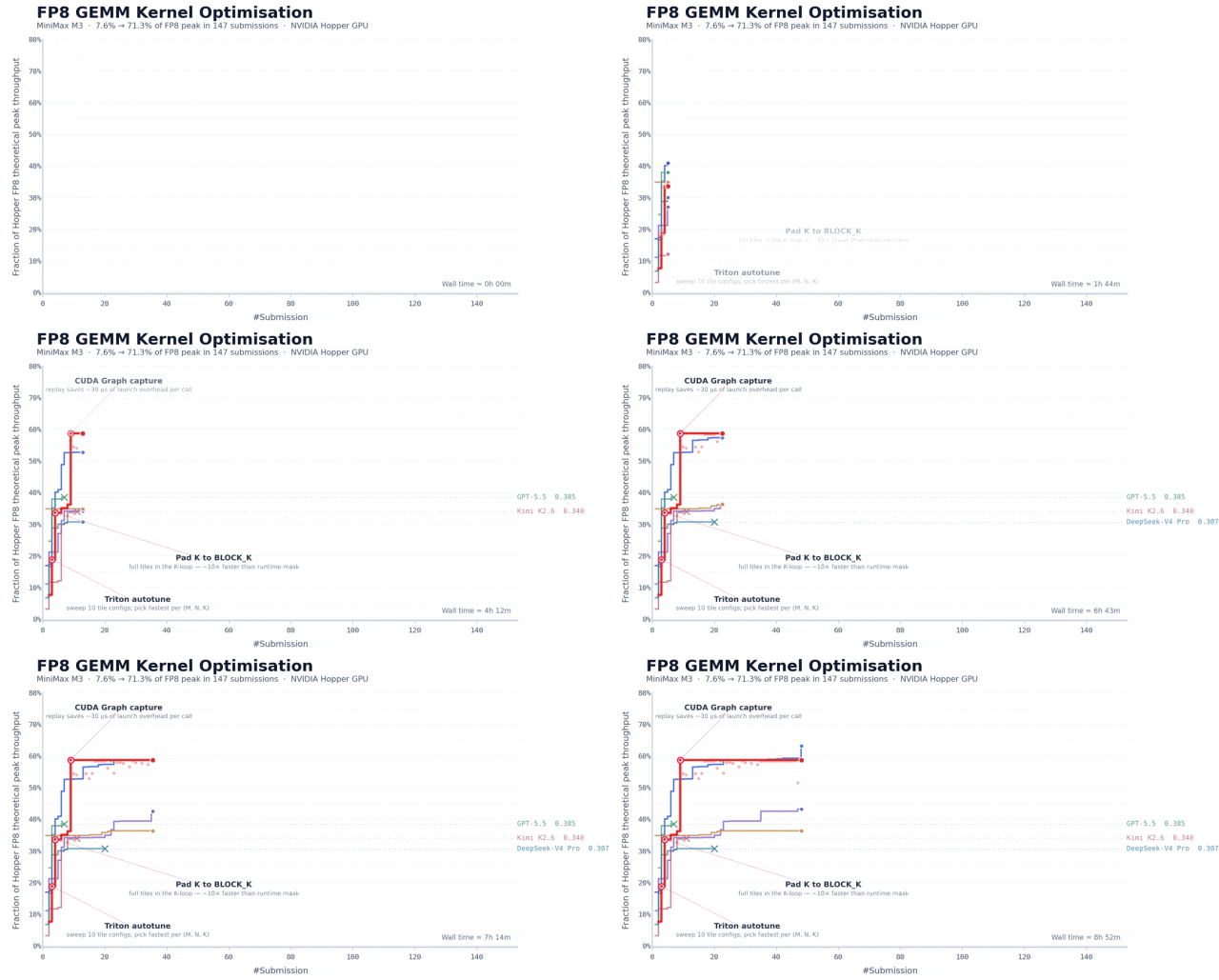
Its execution process is also interesting. The blog notes that besides Opus 4.7 and M3, most other models stalled and actively quit within the first 30 submissions. M3's optimal solution came at submission 145, after several plateaus where scores stopped improving, yet it kept trying different directions.
This kind of patience — "stuck but not giving up easily" — stands out as a highlight of M3's performance.
Our hands-on test: M3
We also ran our own tests. M3 is currently available through the MiniMax Open Platform API.
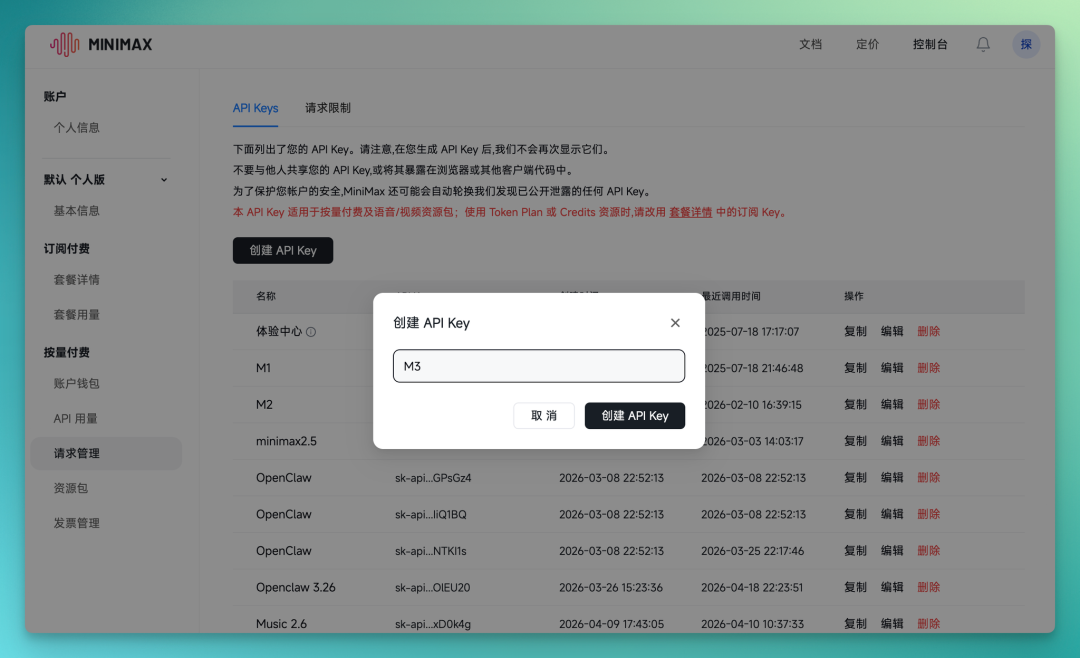
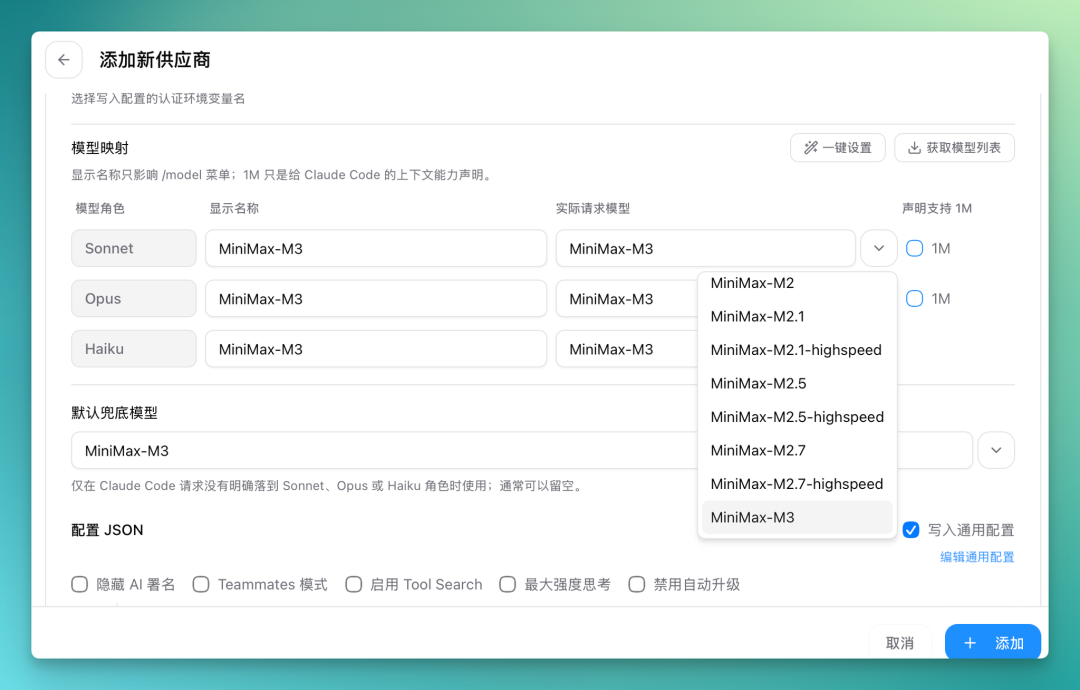
I normally use CC Switch to configure models for Claude Code or Codex, which is convenient, and now M3 is available there too.
After multiple tests, we found it performs well on long-horizon tasks, especially replication tasks. For example, replicating a webpage's overall style first, then giving it a long piece of content to turn into a presentation page — the final frontend aesthetics show noticeable improvement over previous models.
Since it's a native multimodal model, I gave it several images and asked it to build an interactive webpage indexing MiniMax M3's MSA content.
A notable characteristic of MiniMax M3 is its native multimodal capability. It can directly understand image content with fast recognition speed. For elements, data, and structural information in images, it quickly completes analysis and positioning, while combining contextual understanding of their relationships.
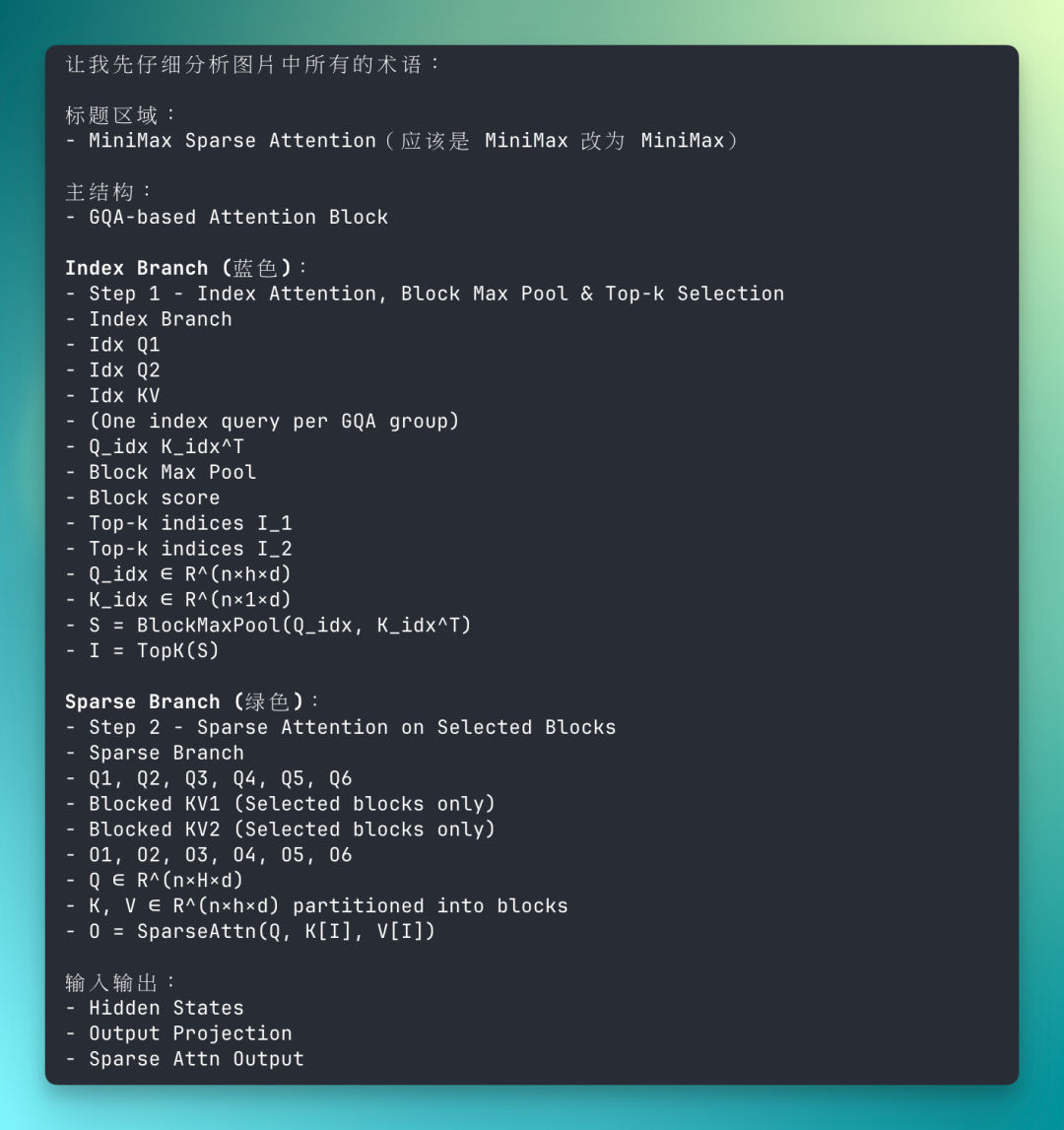
M3 now follows a complete workflow when executing tasks. It autonomously verifies and checks its own output. It aligns with user prompts. When prompts are incomplete, it brainstorms first to supplement and refine ideas before executing.
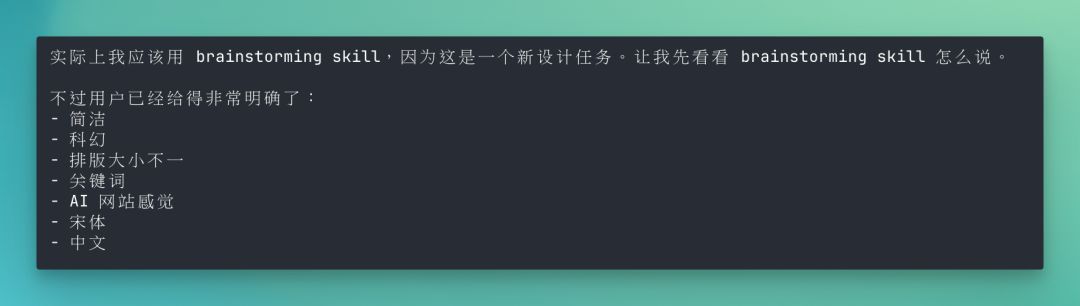
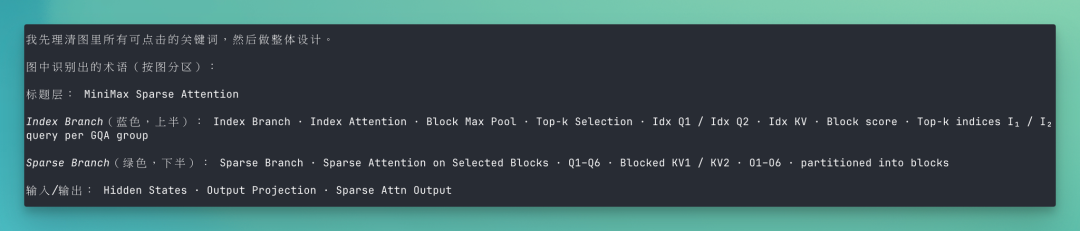
Even after completing first-round term identification, some omissions may remain. It first builds out the overall framework, then re-examines all clickable keywords in the image, checks for missing items or misclassifications, and finally completes the unified design.
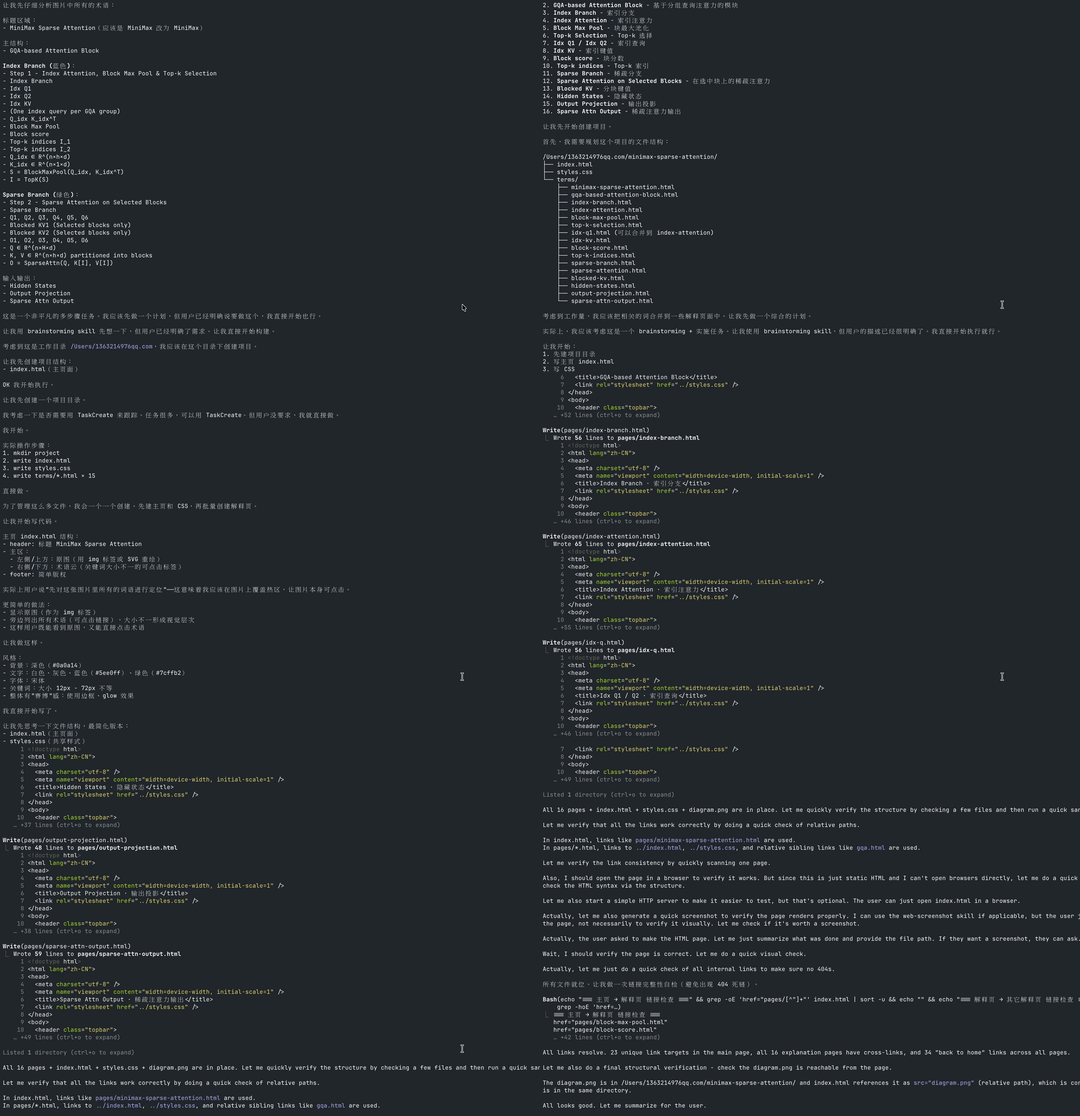
The entire workflow connects very cohesively. Through multi-step verification, it continuously aligns with my prompts. Each step checks the previous step's results. When generating multiple pages or configurations, it calls multiple sub-Agents in parallel. Throughout the process, almost no manual intervention is needed.
The website content starts with a screenshot of MSA. Then it combines with existing skills in the Claude Code Harness to process. It identifies every point in the image, turning each into an interactive, clickable block. Clicking a block reveals the corresponding term. Each term contains detailed explanations, requiring M3's long-context and research capabilities, plus frontend multimodal abilities.
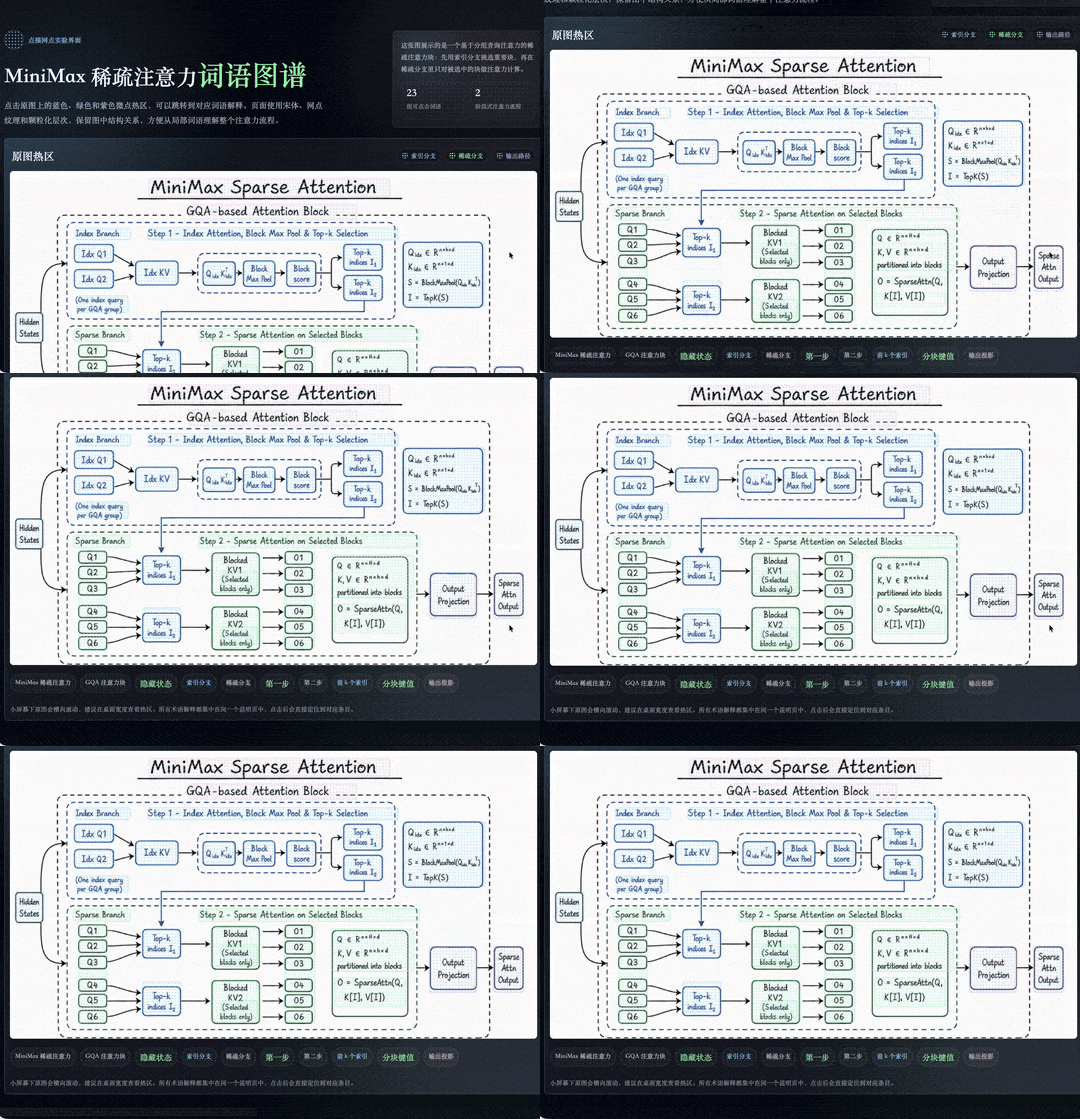
The final result: all content in the image is automatically identified and circled into interactive modules. Clicking any module takes you directly to the corresponding next-level page.
You can tell it's quite detailed. Every word and label box is marked. For example, in the upper right section, it doesn't break down each character individually but recognizes them as belonging to the same technical term or concept, selecting them as a whole.
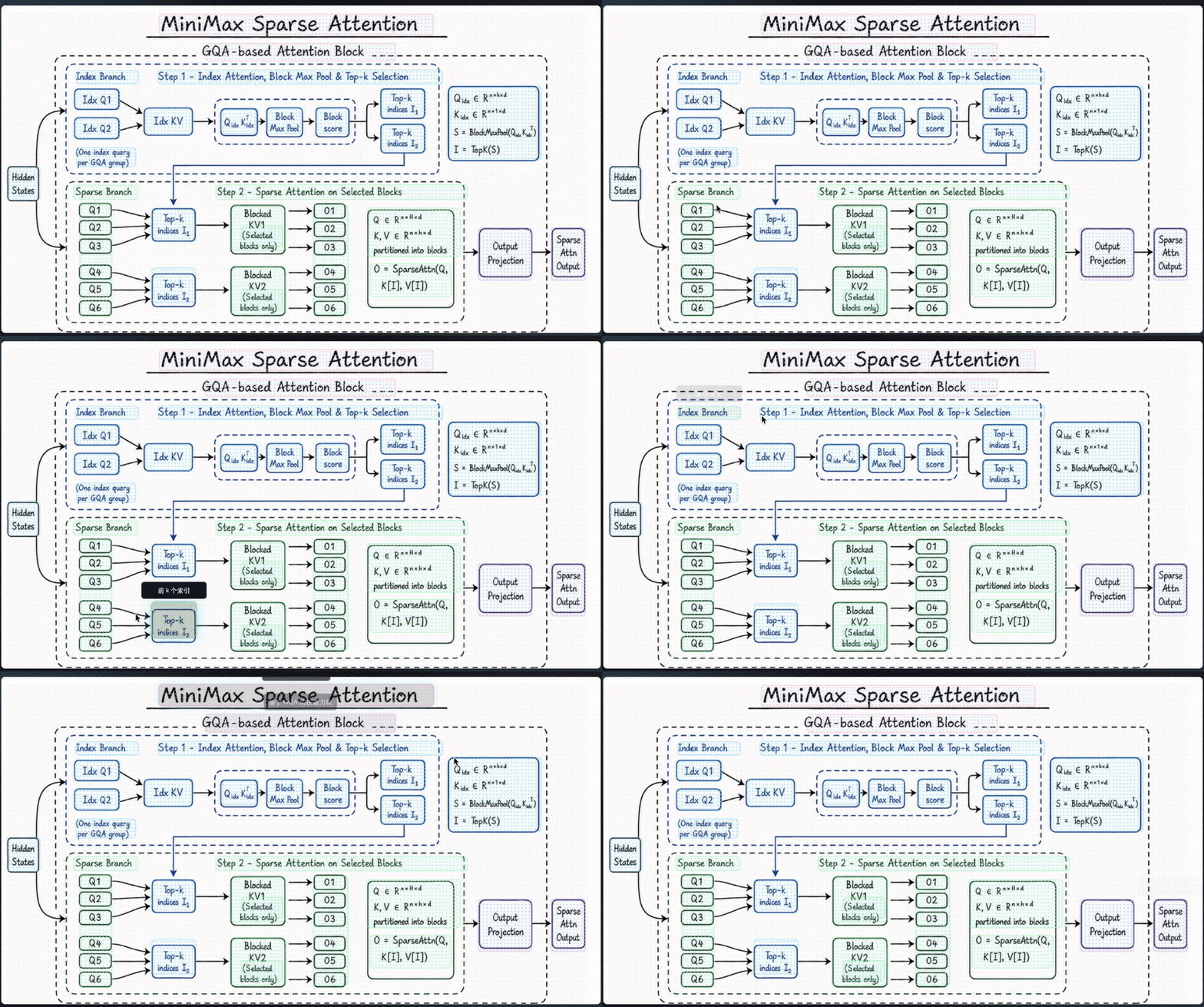
And it doesn't just divide by what's visually apparent. For content inside a blue box that might look like one module to the human eye, it goes further to understand what's actually written.
Some areas it identifies as attention-mechanism-related formulas; others as technical terms like MSA. That is, it doesn't just look at layout and color but analyzes based on content itself.
Of course, relying solely on the model's visual capabilities has limits. What's more important in practice is the coordination between Harness and Skills. They help the model perform multi-round identification, repeated verification, and supplementary judgment, making the final recognized structure more complete and accurate.
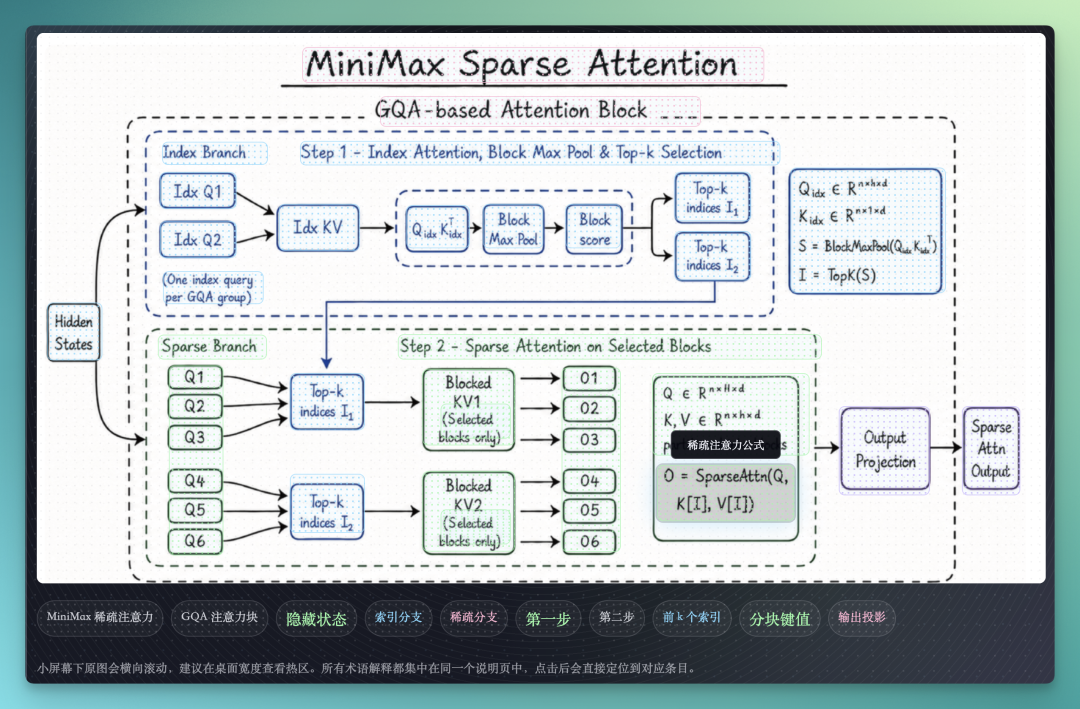
The final result: clicking any technical term jumps to a unified term directory library.
The entire directory library is essentially a knowledge map. Each module consists of technical terms, keywords, plus corresponding explanations and research notes.
So whether you click in from any position in the image, you end up in the same knowledge system. You can browse by visual region or search by term and concept.
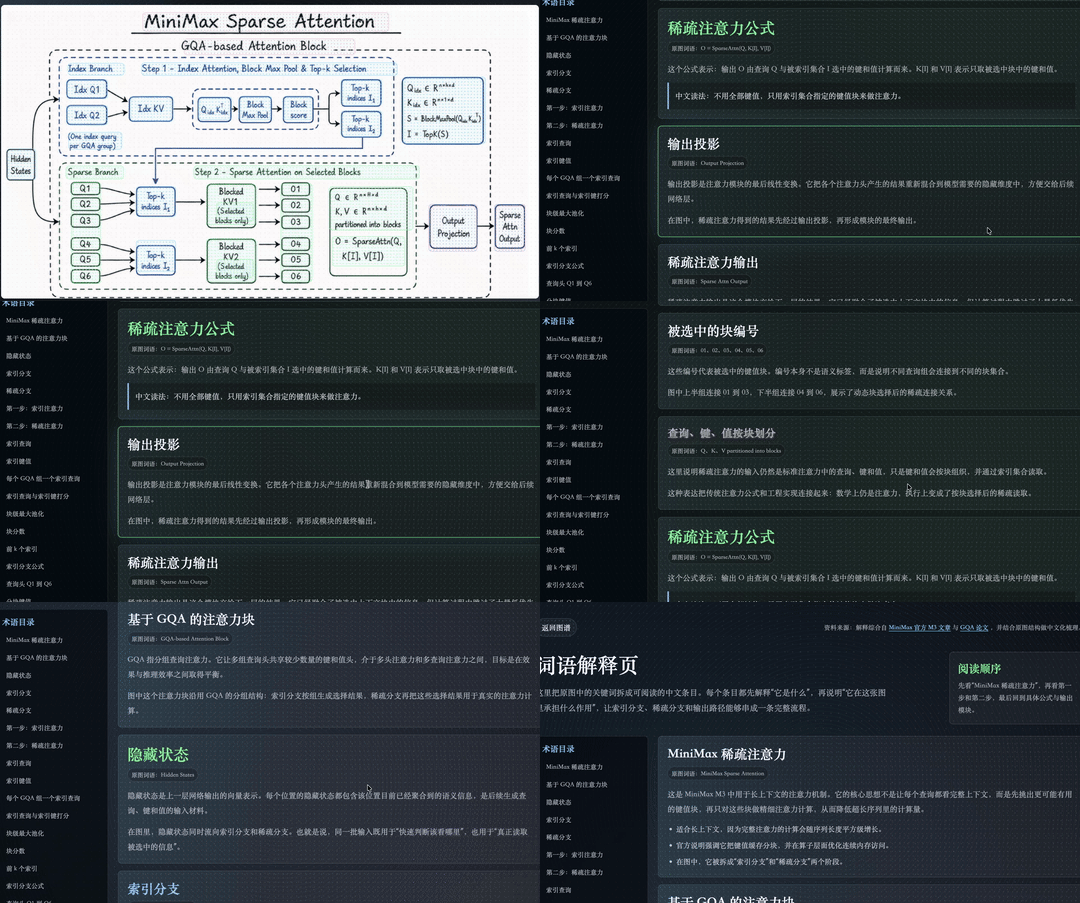
Within this term library, there's also a dedicated term directory. Even related formulas are listed directly:
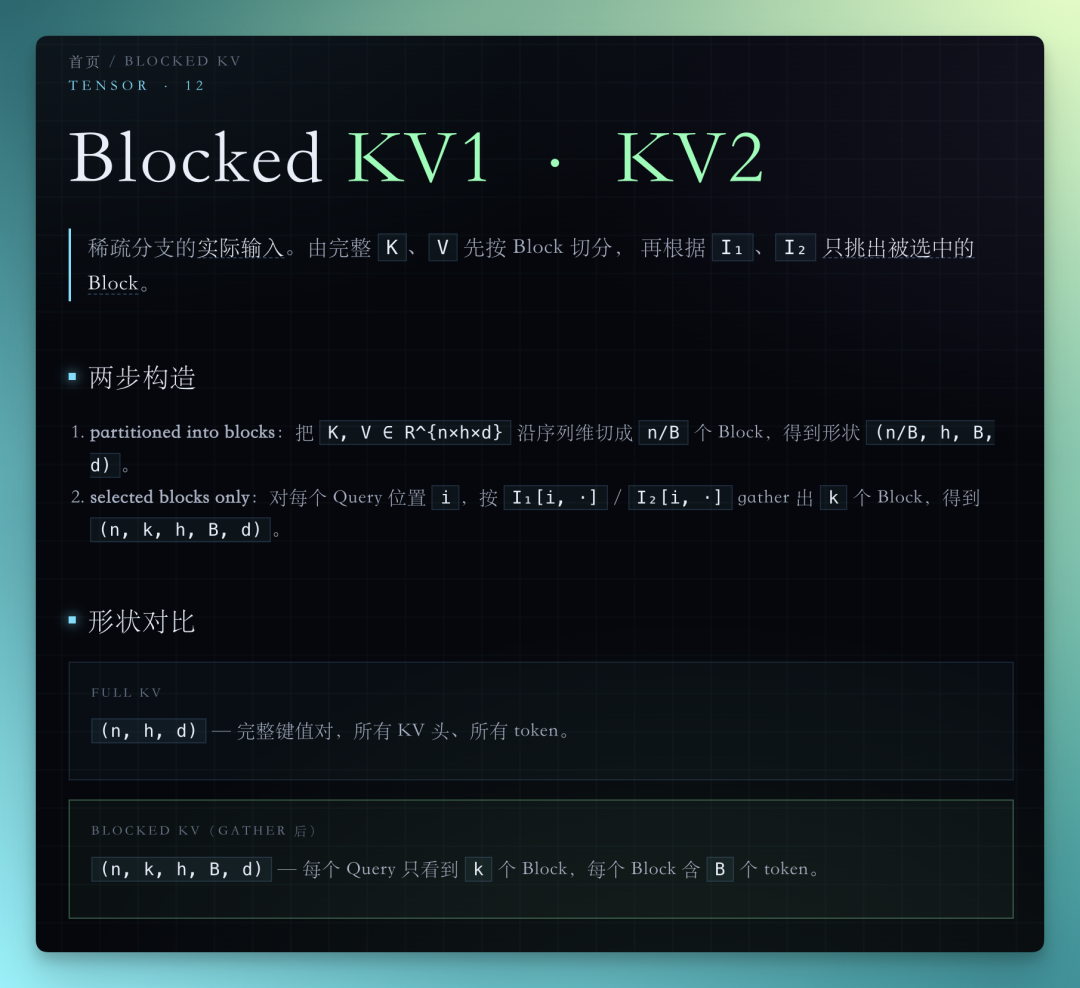
This directory supports multi-level clicking. Each directory node clicked expands to show corresponding subcategories and related content.

M3 can also handle more three-dimensional tasks, which makes for an interesting comparison with Opus 4.7.
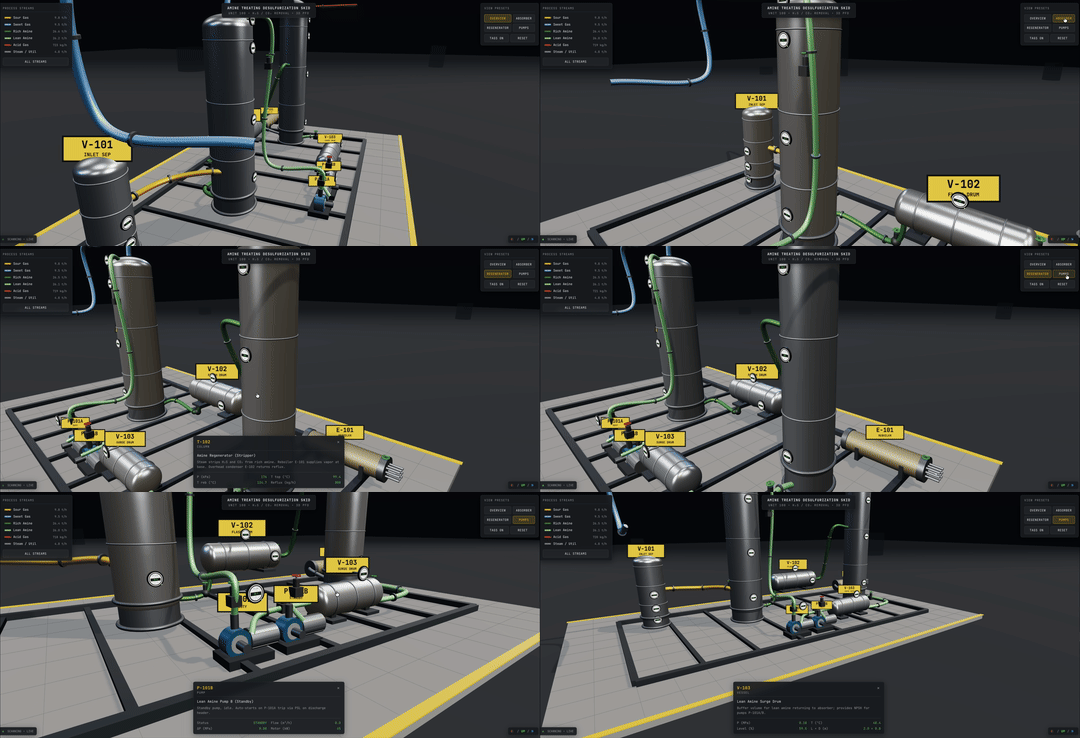
For example, creating a 3D desulfurization skid process flow diagram in Three.js, including horizontal and vertical cylindrical vessels, colored pipe networks, valves, instruments, camera controls, plus equipment labels and parameter annotations.
Here's Opus 4.7's first attempt:
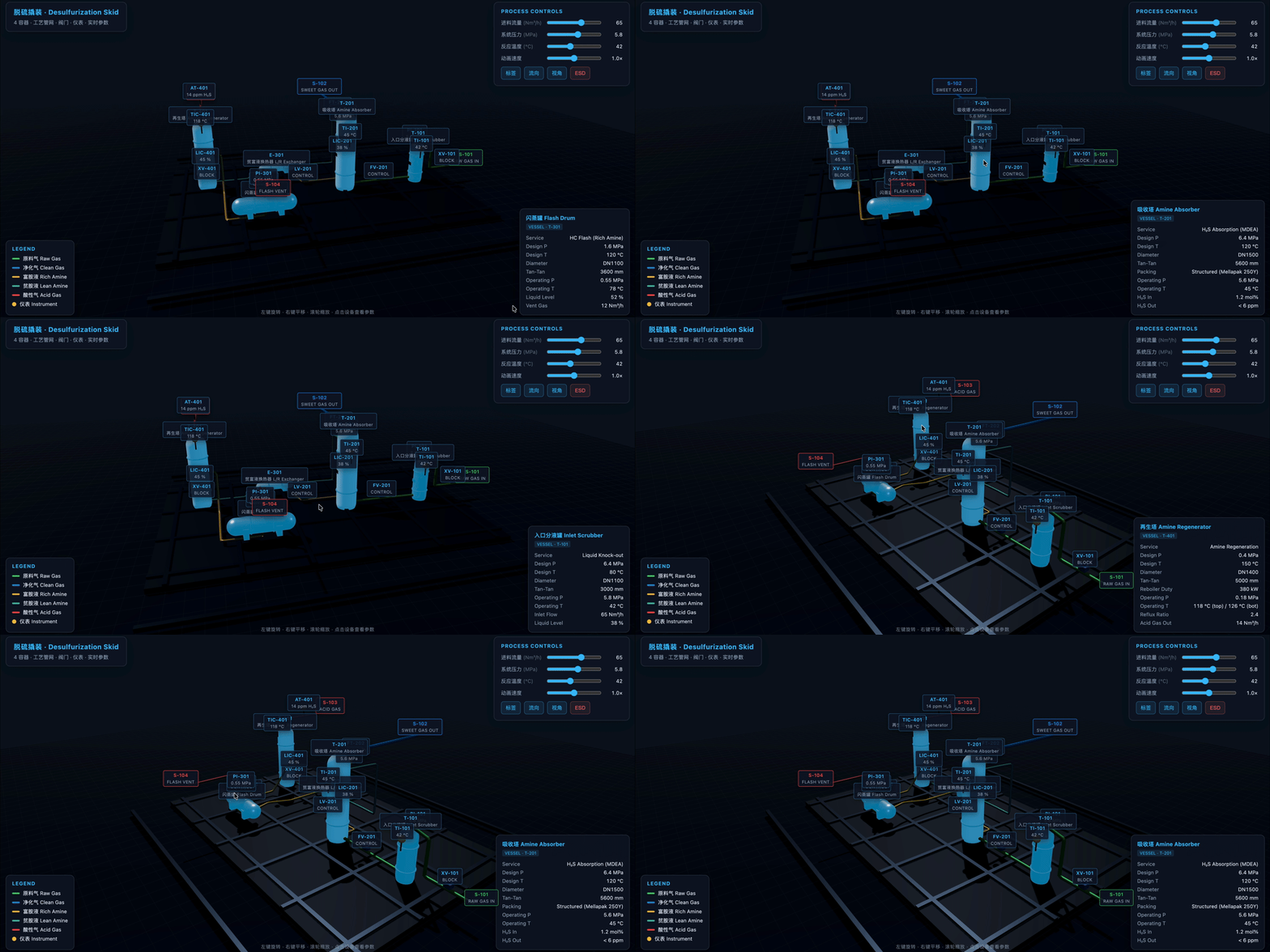
Overall it's fairly complete, with a slider module in the upper right that can real-time control the physics effects.
Here's M3's version. The overall 3D feel is quite good, with several key modules for real-time switching between different views. The switching process shows a fairly complete digital twin effect. If you look closely, you'll notice the extensive glossy effects on the vessels:
MiniMax Code, updated alongside M3
Updated alongside M3 is MiniMax Code.
It targets the same category as Claude Code and Codex, with a key difference in approach: it's designed specifically for M3 and trained together with M3.
Model and companion Agent trained together can theoretically better leverage M3's capabilities in long context, coding, and native multimodality.
Its core capability is called: Agent Team.
Simply put, faced with a large task, it first breaks it into multiple stages into a workflow that can run concurrently and adjust dynamically, then assigns a team of Agents to collaborate. It uses a Producer-plus-Verifier loop, generating while self-checking and correcting, capable of running autonomously for days when needed.
Here's a comparison.
Claude Code recently released a similar direction with Dynamic Workflows. The emphases differ: Claude Code stresses fixed orchestration using JS code, while MiniMax Code emphasizes continuous reflection and error correction during execution, adjusting plans and priorities in real-time based on task progress, with users able to jump in anytime to add requirements or change direction.
Which is better? Too early to call — depends on stability in real-world projects over time.
Also thanks to M3's native multimodality, MiniMax Code comes with built-in Computer Use capability.
One more thing worth noting: MiniMax Code's Harness is built on two open-source projects, OpenCode and Pi Agent, and the company says it plans to open-source this project going forward. This aligns with M3's own open-source stance.
We also tested with a real case.
Our hands-on test: MiniMax Code
According to official positioning, MiniMax Code is specifically adapted for M3, better suited for multi-Agent calls, and overall more suitable for long-horizon, complex tasks.
For example, I previously saw an image — a NVIDIA GTC conference floor plan with numerous booths and fairly small text — which pairs well with M3's native multimodal capability.
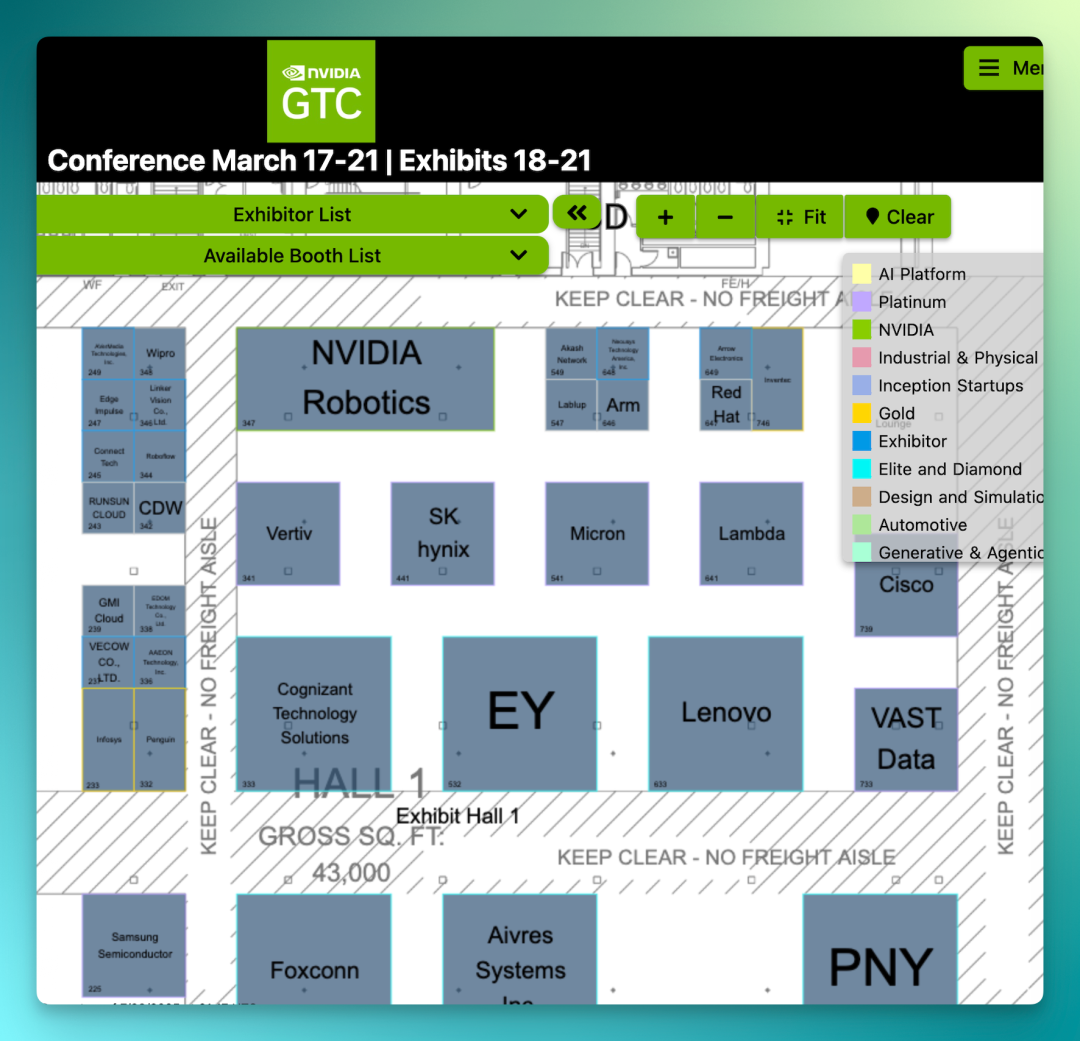
I can directly send this image to MiniMax Code, call the M3 model inside it, have it analyze all vendors in the image, then do an overall analysis based on each company's business and their position upstream, midstream, or downstream, and finally build a webpage to display it.
The specific approach: upload this conference map directly in MiniMax Code and have it compile an AI infrastructure conference intelligence report.

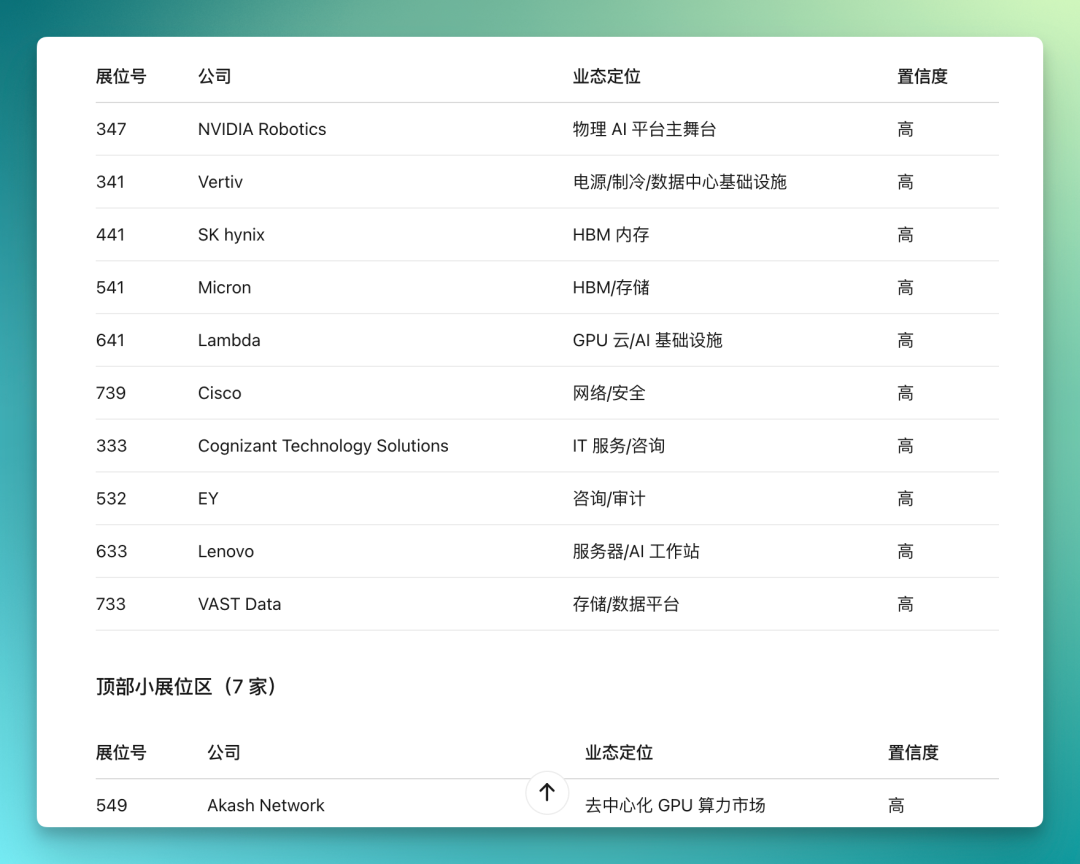
In this type of complex task, it executes extensive workflows, identifying quite a number of vendors and providing corresponding booth numbers and company names based on their positioning in the AI industry chain. Of course, as a native multimodal model, there are still some errors in identifying such booths, so it performs an additional review and provides confidence scores.
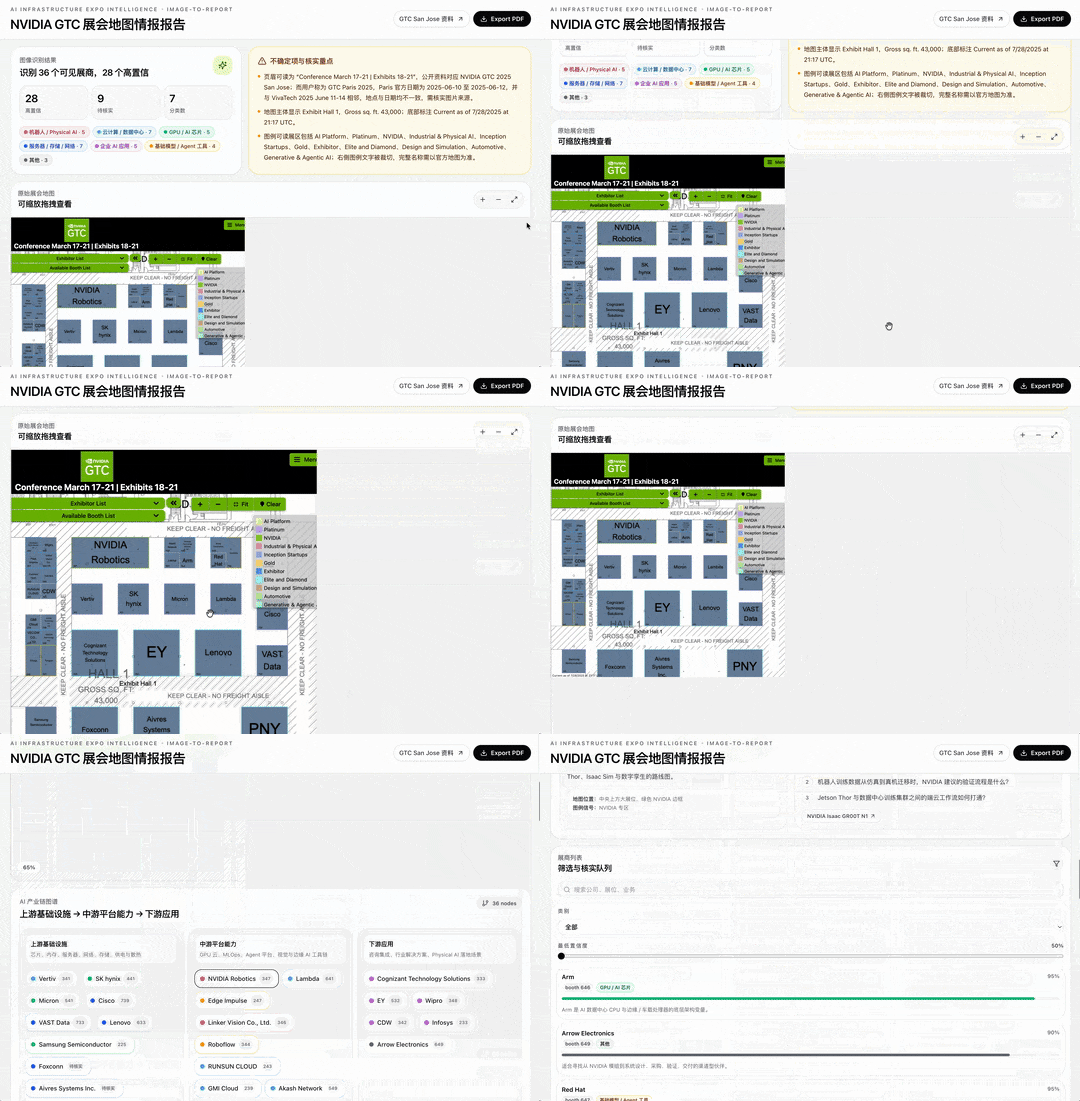
The final interactive conference map intelligence report is fairly complete, with all vendors annotated by upstream/downstream positioning, and the original image included as a zoomable map in the report.
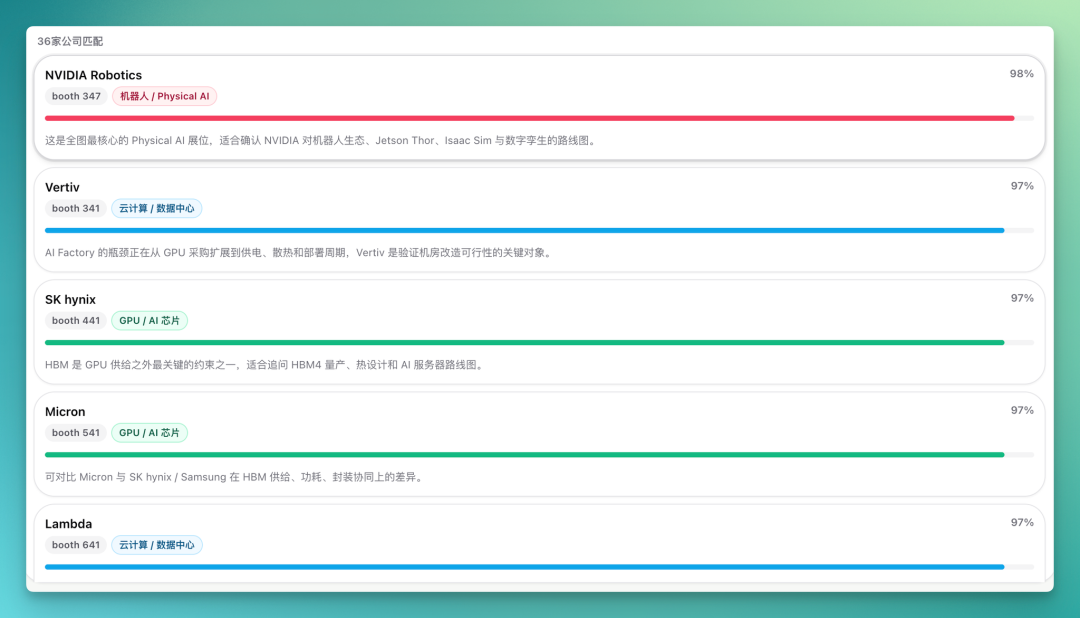
It also matches companies by confidence score. For example, above a certain confidence threshold, 36 companies were matched, with keywords like NVIDIA Robotics and Vertiv annotated. Confidence levels depend on M3's recognition of corresponding content in this image.
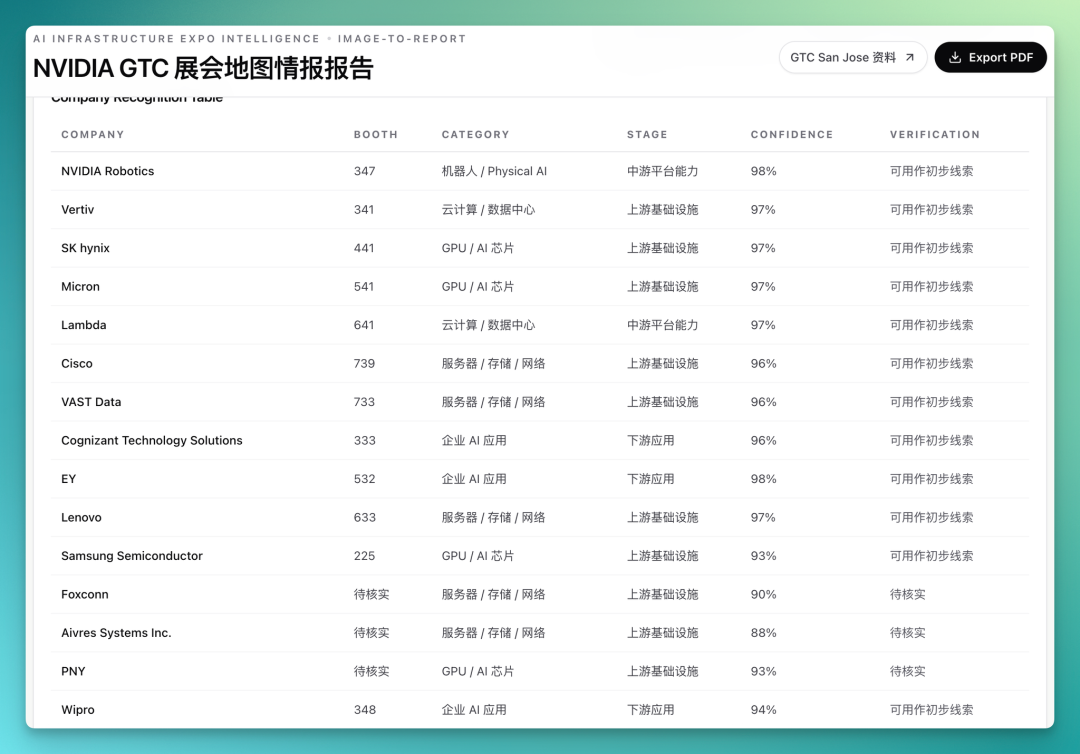
All identifiable companies are organized by company name, booth, category, position in the industry, confidence score, and verification status. Verification is categorized as directly adoptable, preliminary lead, or pending verification.
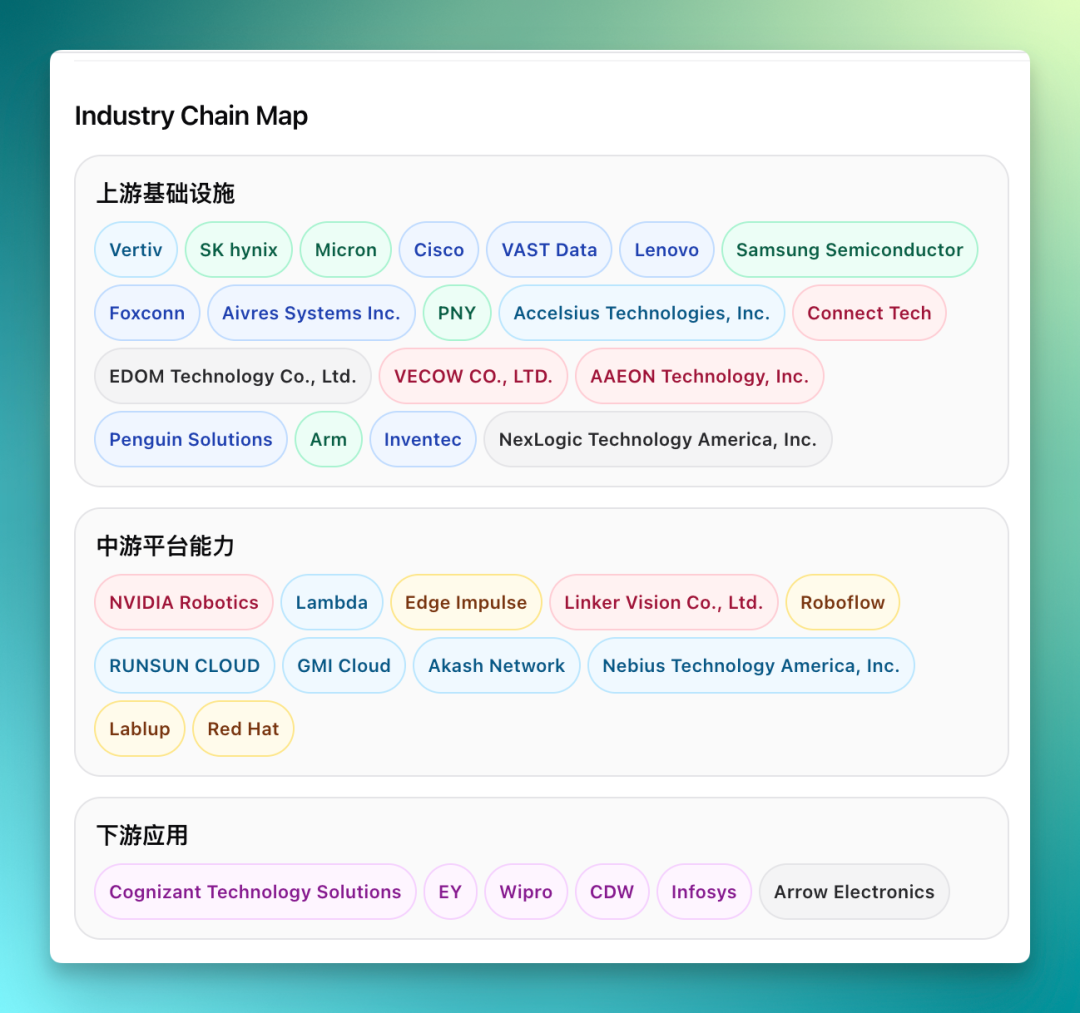
The overall industry map provides a brief overview divided into upstream infrastructure, midstream platforms, and downstream applications:
Token Plan
Finally, pricing — anything involving money can't be ignored. We've roughly compiled MiniMax's updated Token Plan, which has three tiers:
| Plan | Price | Token Quota |
|---|---|---|
| Plus | ¥49/month | ~600M tokens |
| Max | ¥119/month | ~1.8B tokens |
| Ultra | ¥469/month | ~5.5B tokens |
For comparison, at the same price point, usage is significantly cheaper than equivalent Claude tiers according to official claims.
🚥
Looking back at this release, M3, MiniMax Code, and the Token Plan form a package MiniMax is offering developers: a capable model, a companion Agent, and an affordable price.
Of course, the experiential gap between M3 and Opus 4.7 or GPT-5.5, and the real-world performance of 1M context, still need time and genuine usage from developers to answer.
But on a longer timeline, from M2 to M3, MiniMax's pace of updates this year hasn't been slow.
This time is no different: new model, companion Agent, technical blog, new Token Plan — all released together. Per official word, model weights will also be open-sourced within ten days.
Models are updating faster and faster, fast enough to make people forget:
Building a solid model was always supposed to be slow work.
Perhaps, for teams that go the distance, what matters is whether they can maintain their own pace and vision, steadily iterating the model.
Crossing is looking for independent contributors to write AI product and model reviews. If you've written articles like "Hands-on: PixVerse C1" or "Hands-on: LibTV", please contact zeo0811@gmail.com. Your email should include: ① personal introduction, ② AI review articles you've written. We offer competitive compensation. Looking forward to observing and documenting the AI era together 🎪