Nano Banana Goes Viral! We Stayed Up All Night to Compile 14 Unhinged Playstyles

The experience of using foundation models with design agents is actually pretty good.
Foundation Model × Design Agent: The Experience Is Actually Pretty Good
👦🏻 Authors: Jingshan, Xiaoju
🥷 Editor: Zeo
🧑🎨 Layout: NCon

In late August, a mysterious codename — "Nano Banana" — suddenly flooded social media feeds without warning.
At first, people were simply amazed by its uncannily convincing creations, wondering who was behind it all. The answer soon emerged, and a familiar face surfaced: it was Google, the "old lighthouse factory" as we call it.
It was back.
And "Nano Banana" is its latest Gemini 2.5 Flash Image model.
The excitement around this viral moment wasn't just about another new AI image generation/editing tool. More crucially, amid all these "crowd-sourced creations," people caught a glimpse of a qualitative leap in capability.
Nano Banana demonstrated a precise understanding of "object replacement." It no longer merely "could draw something" — it could comprehend relationships within an image and execute modifications while maintaining logical consistency.
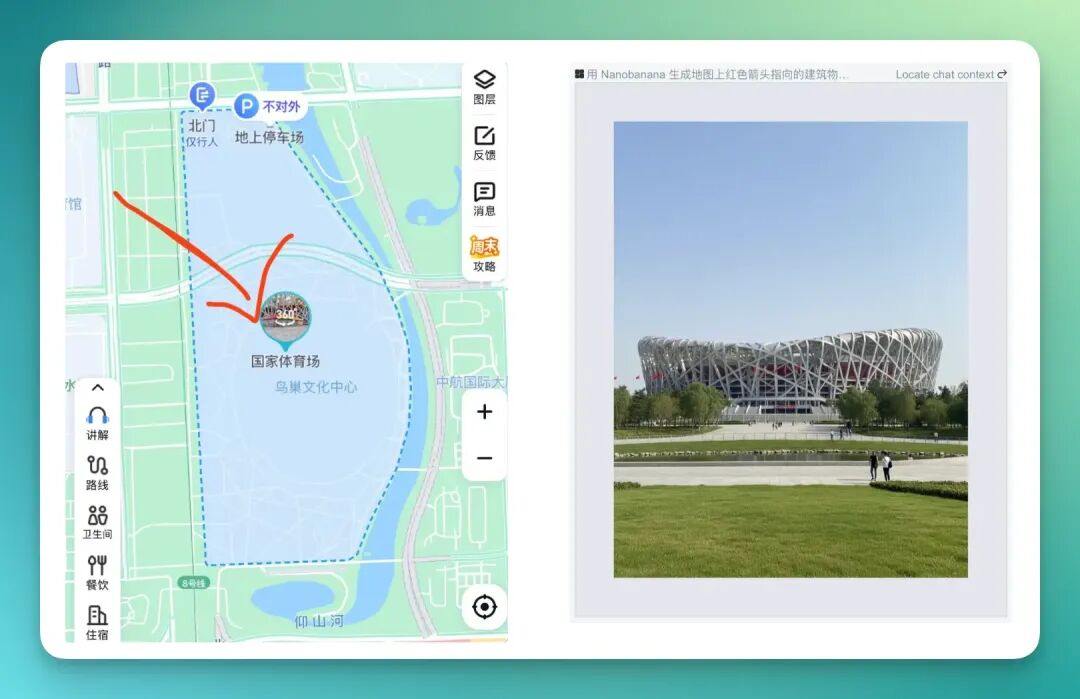
It could even perform visual reasoning: draw an arrow on a map image, and it would identify real-world locations across the globe.
🚥
This wave quickly reached Lovart, the canvas tool we know well. Just a month ago, we had done a deep dive into its canvas interaction features — "Lovart's Official Release Is Here Today, and We Only Have One Thing to Say: It's So Next Level"
This time, it integrated Nano Banana immediately and announced three days of free access for everyone.
So we decided to put it through a comprehensive test with 14 stylistically varied cases.
1. Turning Smoking Lu Xun into "Lollipop" Lu Xun
We'll start with the "simplest" one and see how using Nano Banana inside Lovart feels different.
Upload a recently controversial mural image of Lu Xun.
Prompt:
Replace the cigarette in the image with a lollipop
In Lovart, you can directly insert 2 images into the "canvas," add a prompt, and connect all three with a black arrow drawn with the brush tool:
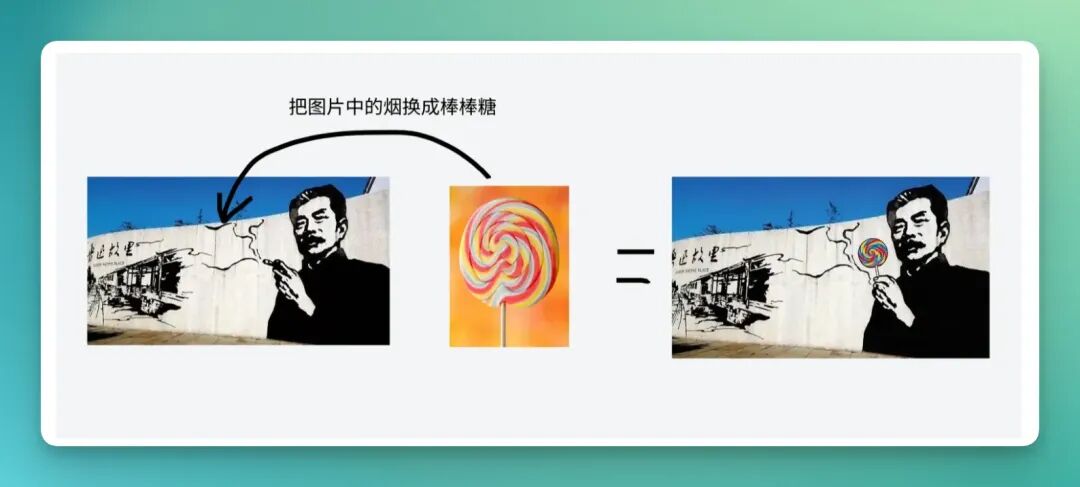
This is actually a classic "object replacement" scenario. Nano Banana handles it relatively cleanly: the cigarette is swapped for a lollipop with no ghosting or extraneous brushstrokes.
Particularly notable is how the finger grip posture aligns with the new object — something early models often got wrong (collapsed hands or extra fingers).
2. Basketball-to-Soccer Replacement at Same Position
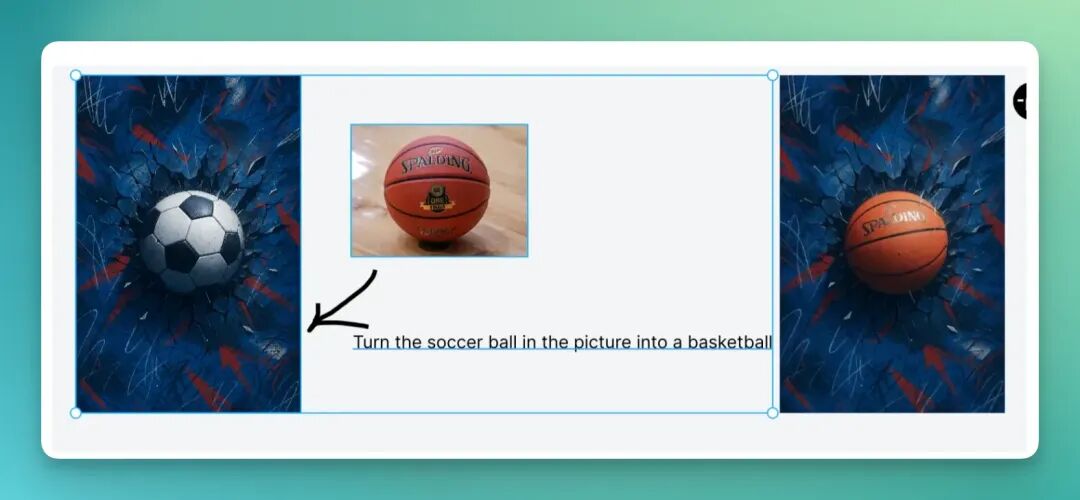
In this case, we increase complexity slightly. The model must not only recognize the "ball" category but complete the swap.
Prompt:
Change the ball
I recorded an operation video:
In the generated result, the basketball-to-soccer transition looks natural, with no "two balls overlapping" hallucination.
3. Multi-Subject Integration
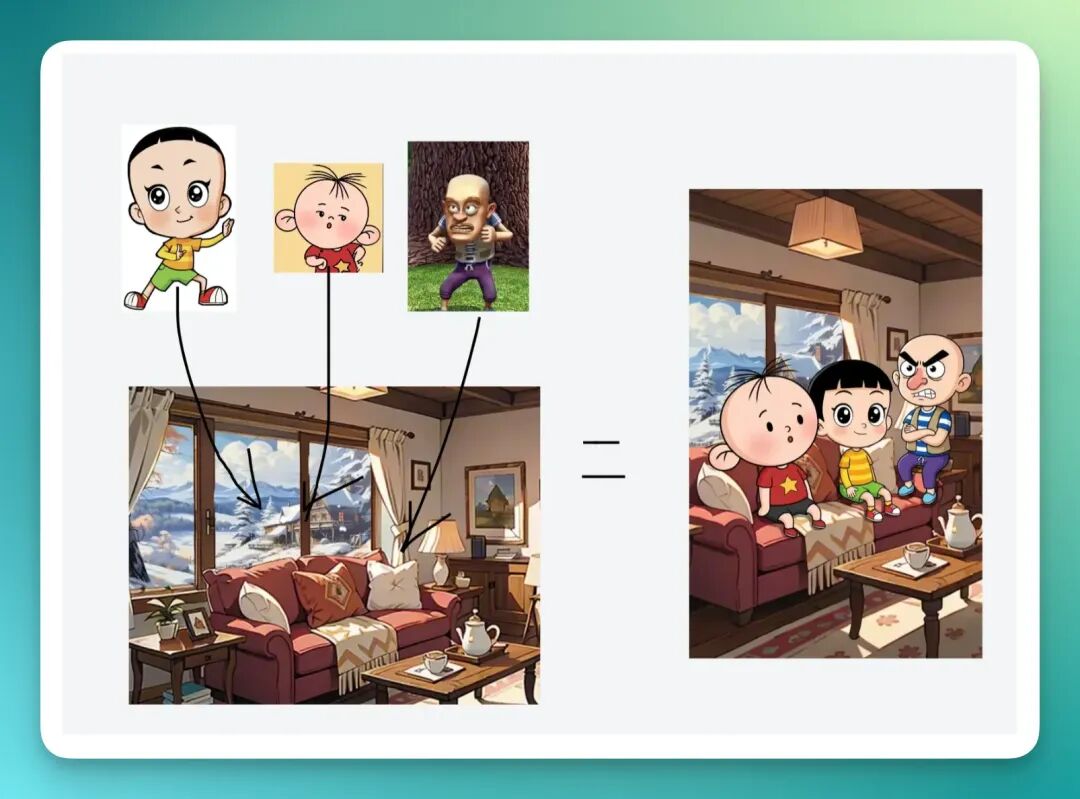
Placing three animated characters on the same sofa is a typical "multi-subject composition" task. Many models struggle with disproportionate characters, stiff expressions, or overlapping body parts in such tasks.
Let's see how Nano Banana performs:
Use Nano Banana to generate an image of these three animated characters sitting on a sofa
Again using Lovart's canvas feature — genuinely convenient.
From the results, Nano Banana's handling is fairly fluid: the three characters not only have a "shared stage" feel, but remain largely consistent.
It even automatically extended the lower bodies of Big-Eared Tutu and the other characters:
4. Nano Banana + First-and-Last-Frame Video
The following case group is particularly representative.
The connection between Nano Banana and first-and-last-frame video functionality in Lovart is remarkably smooth. For instance, we first use the model to generate several images of the same character in different poses:
Prompts:
Use Nano Banana to put black sunglasses on this woman / Use Nano Banana to put a black baseball cap and black sunglasses on this woman
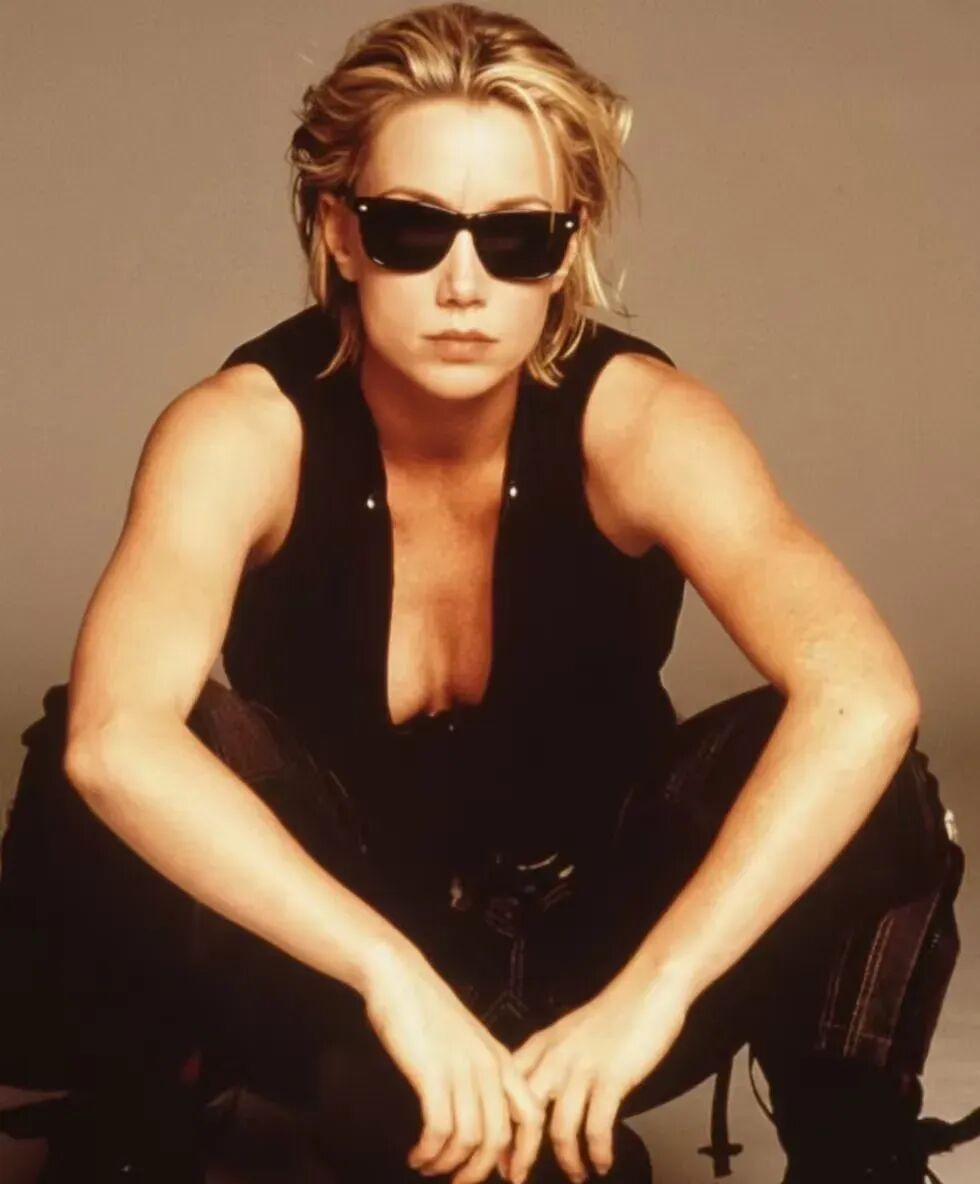
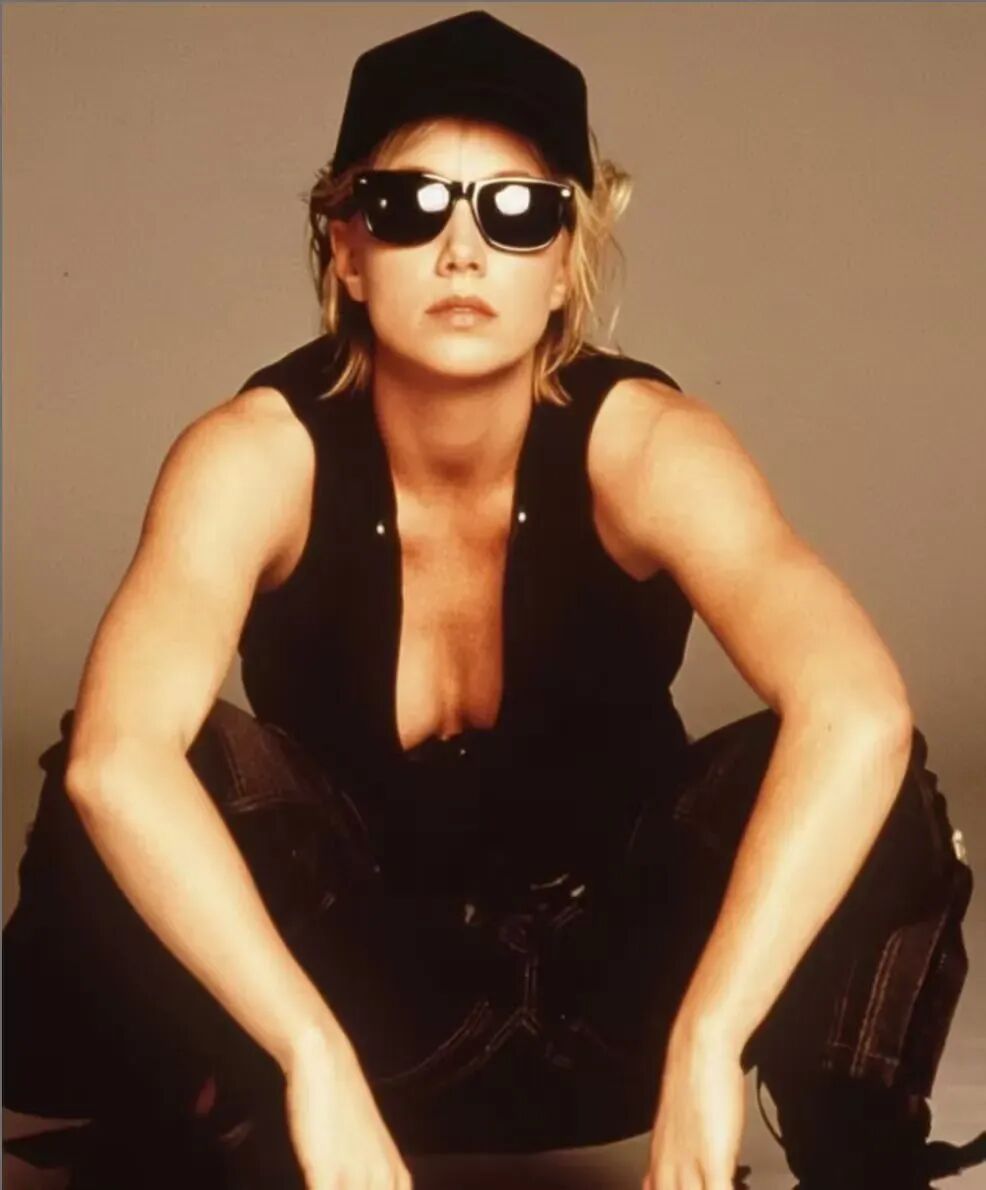
Then directly use Lovart canvas's Comment feature to generate video.
Whether adding sunglasses or a baseball cap, the overall consistency across video frames is maintained — almost no "sunglasses in one frame, gone in the next" situations.
The motion is very fluid:
5. Snoopy with 10 Landmark Buildings
This next case tests cultural symbol and landmark fusion while maintaining consistency.
When Snoopy poses with structures like the Eiffel Tower and Statue of Liberty, the proportional relationships and spatial sense feel natural, with no "building collapse" hallucinations.
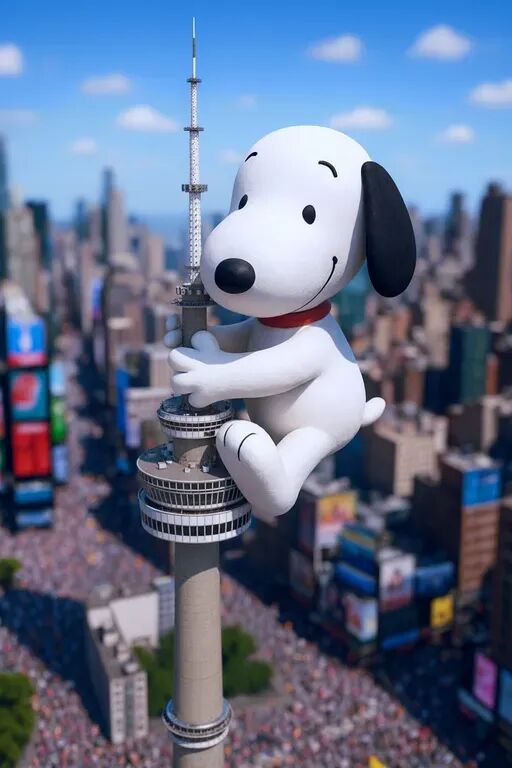
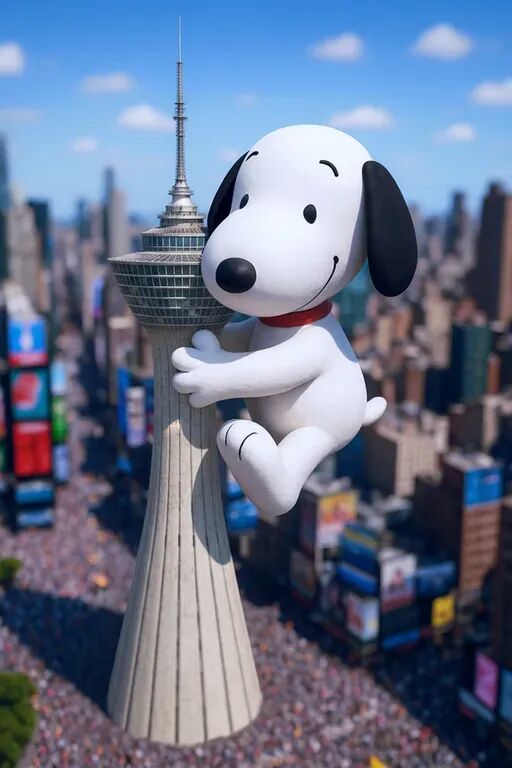
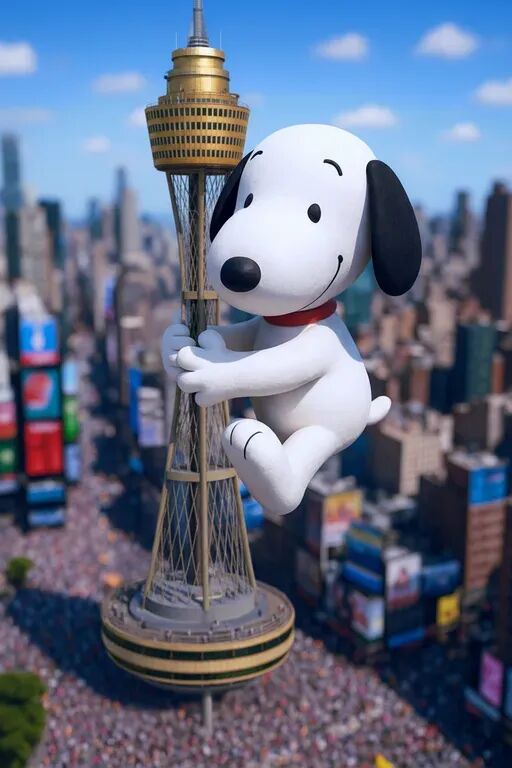
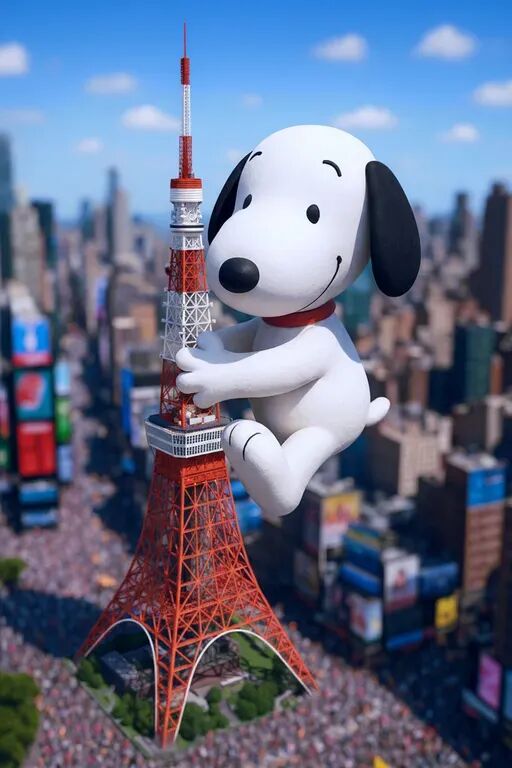
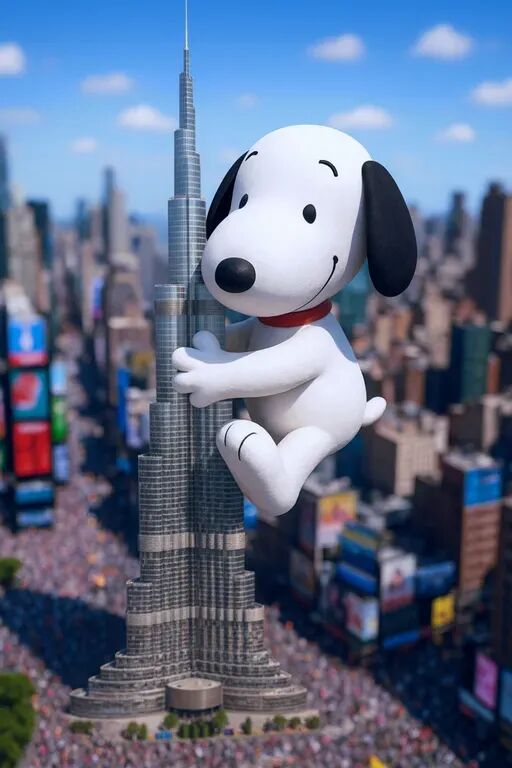
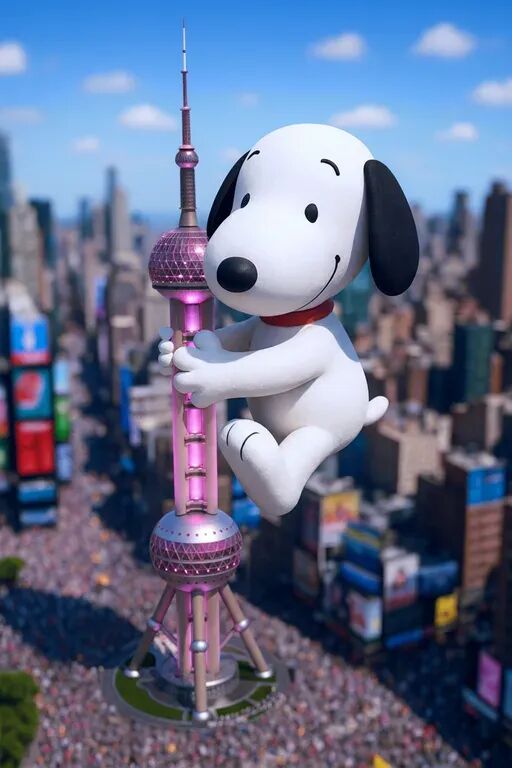
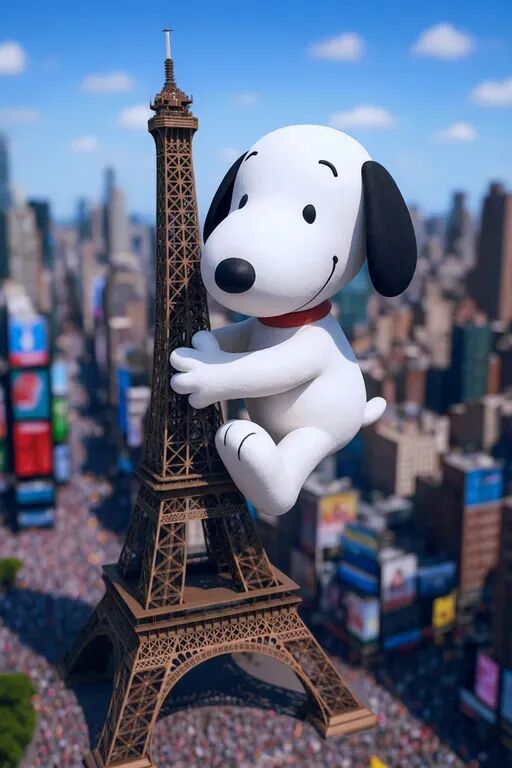
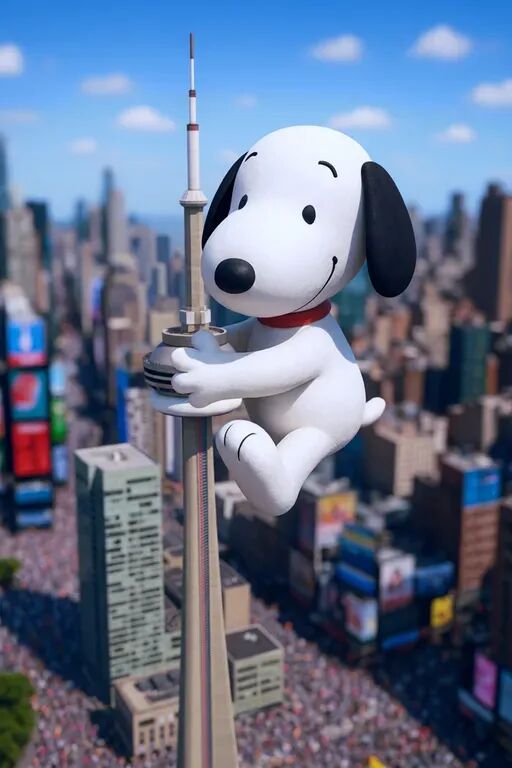
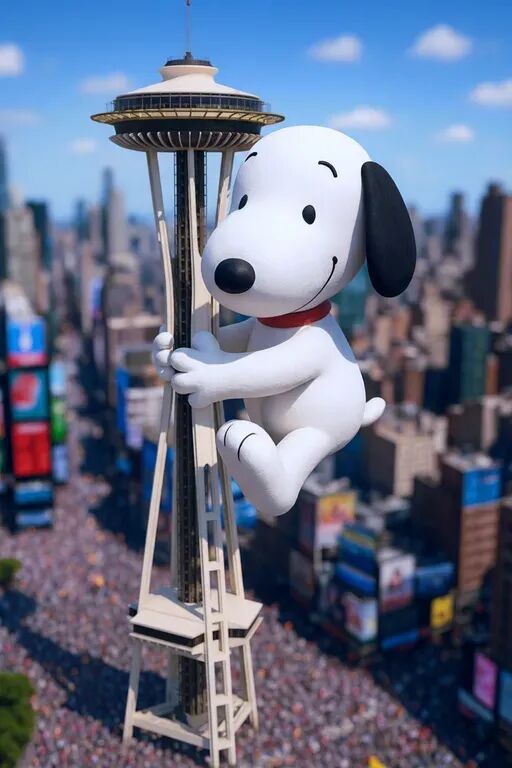
It's clear that Nano Banana handles cross-domain blending well — it's a solid fit for creative composites like travel posters or anime characters dropped into real-world landmarks.
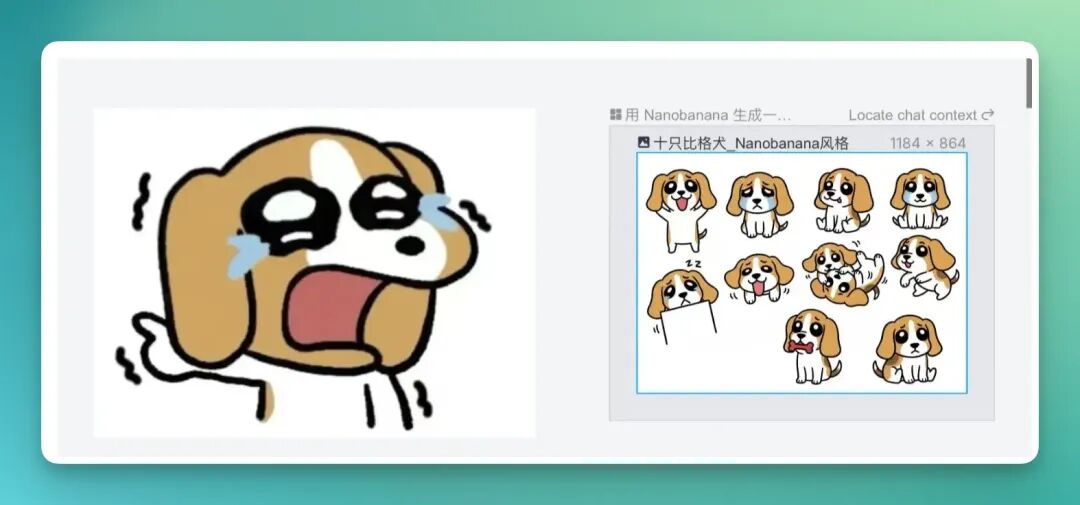
Ten Beagles, All Kinds of Expressions
In the same test batch, the "ten beagles" prompt also shows how stable the model is at multi-instance generation: each dog has a different expression, but the breed stays consistent — no drift into random dog breeds.
The prompt:
Use Nano Banana to generate an image with ten beagles, various expressions
6. Visual Reasoning with Maps
This is one of Nano Banana's standout features, and a big reason it blew up online.
Traditional generation models usually just "draw the arrow more clearly" when handling maps. Nano Banana actually reasons from the arrow and generates a side-view, real-world rendering of the building it points to.
The prompt:
Use Nanobanana to generate a side view of the building indicated by the red arrow on the map
We grabbed a random map image and drew a red arrow to the left of a bridge:
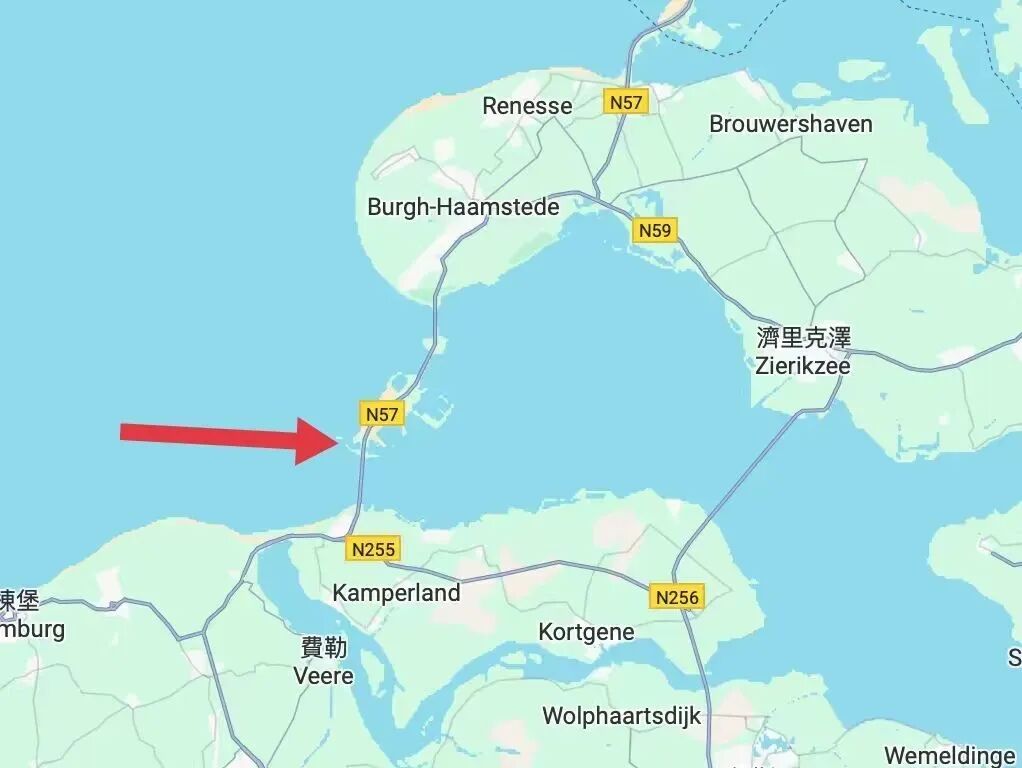
The result:
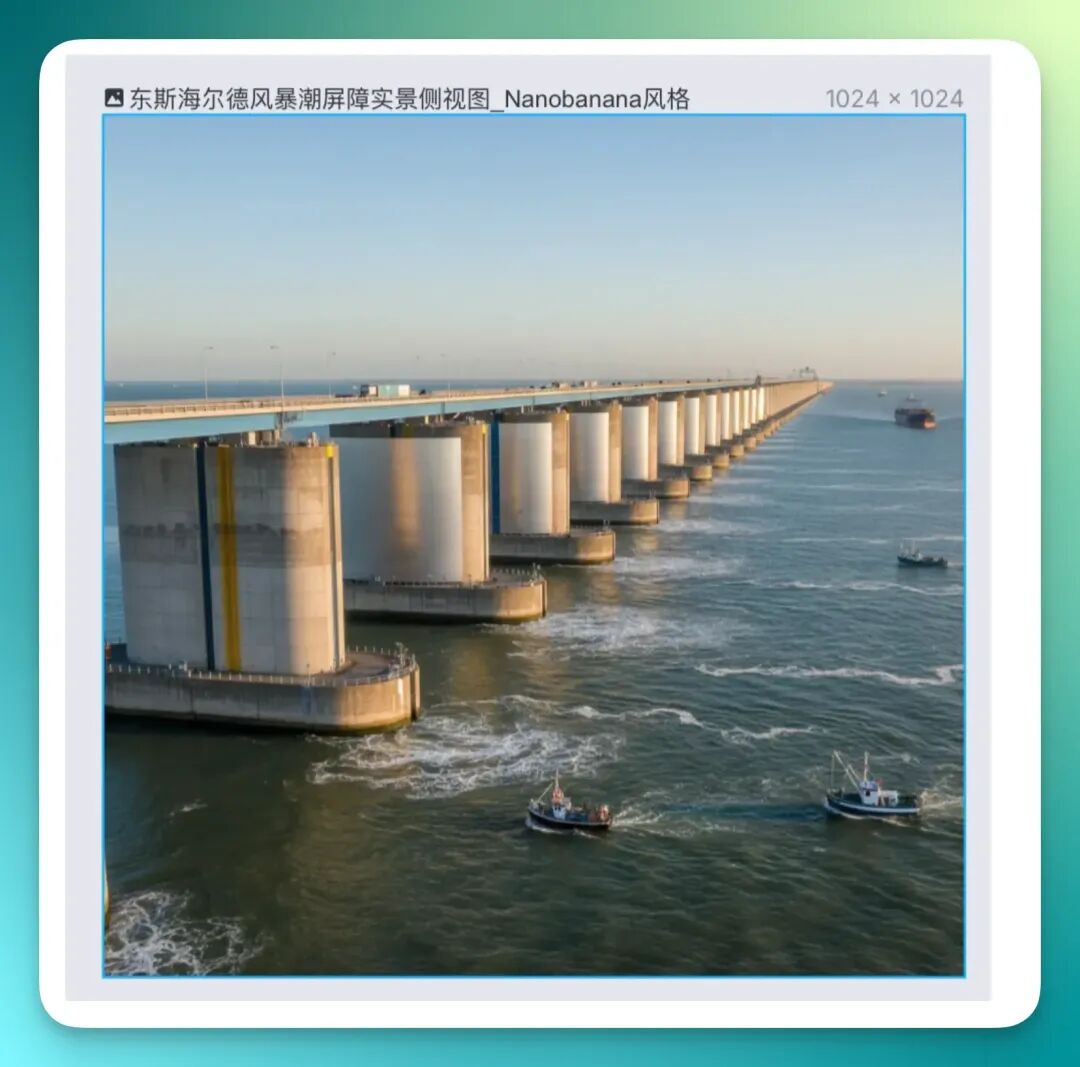
If anyone's actually been there, drop a comment on whether this looks accurate.
Let's look at a domestic scene. I casually drew an arrow pointing at the Bird's Nest — Nano Banana nailed it again:
7. Picking Out Malatang Ingredients
Nano Banana's visual reasoning holds up well for practical tasks too. I asked it to identify every ingredient in a bowl of malatang.
The prompt:
I uploaded a photo of malatang. Pick out all the ingredients
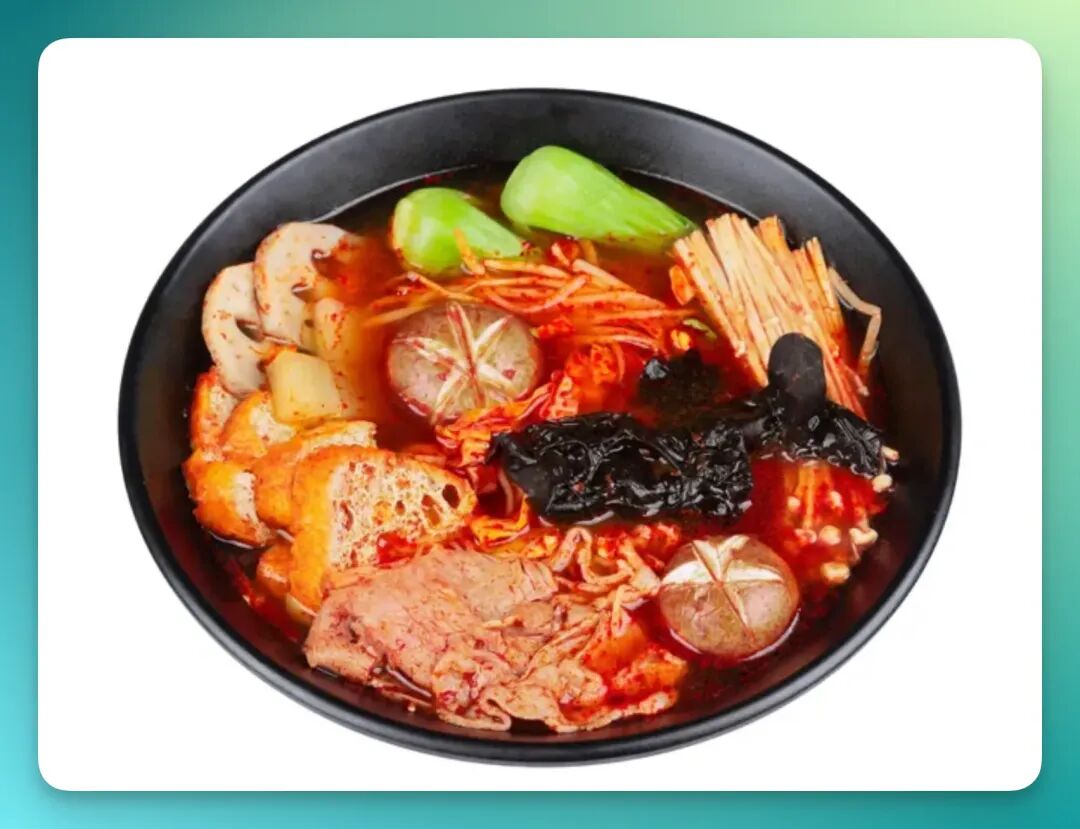
In Lovart, the visual recognition returned:
This malatang dish contains the following ingredients:
Vegetables: Bok choy, lotus root slices, shiitake mushrooms, enoki mushrooms, wood ear fungus, potato chunks, bean sprouts. Meat: Fatty beef slices. Soy products: Fried tofu puffs. Starch: Sweet potato noodles.
All ingredients are submerged in a bright red, spicy broth.
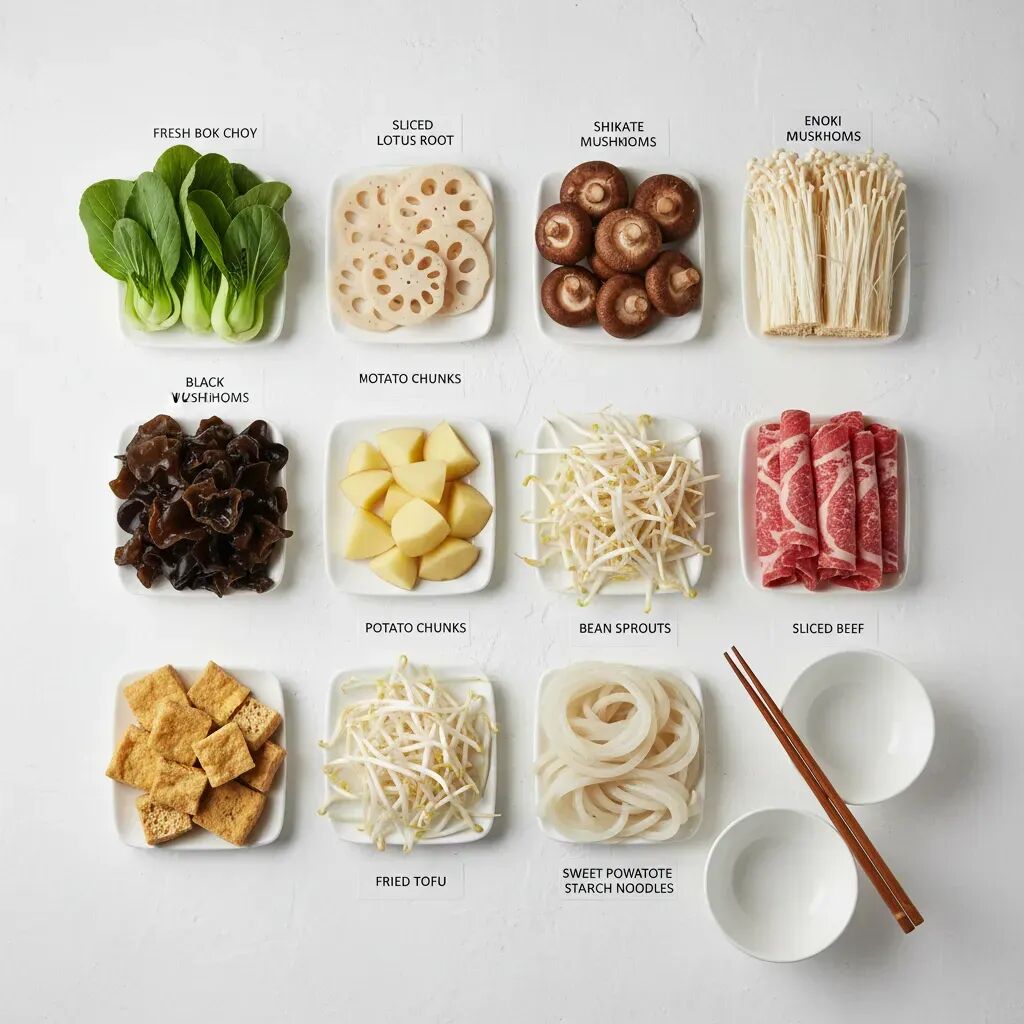
You can even ask it to whip up a few different-flavored versions, remix-style:
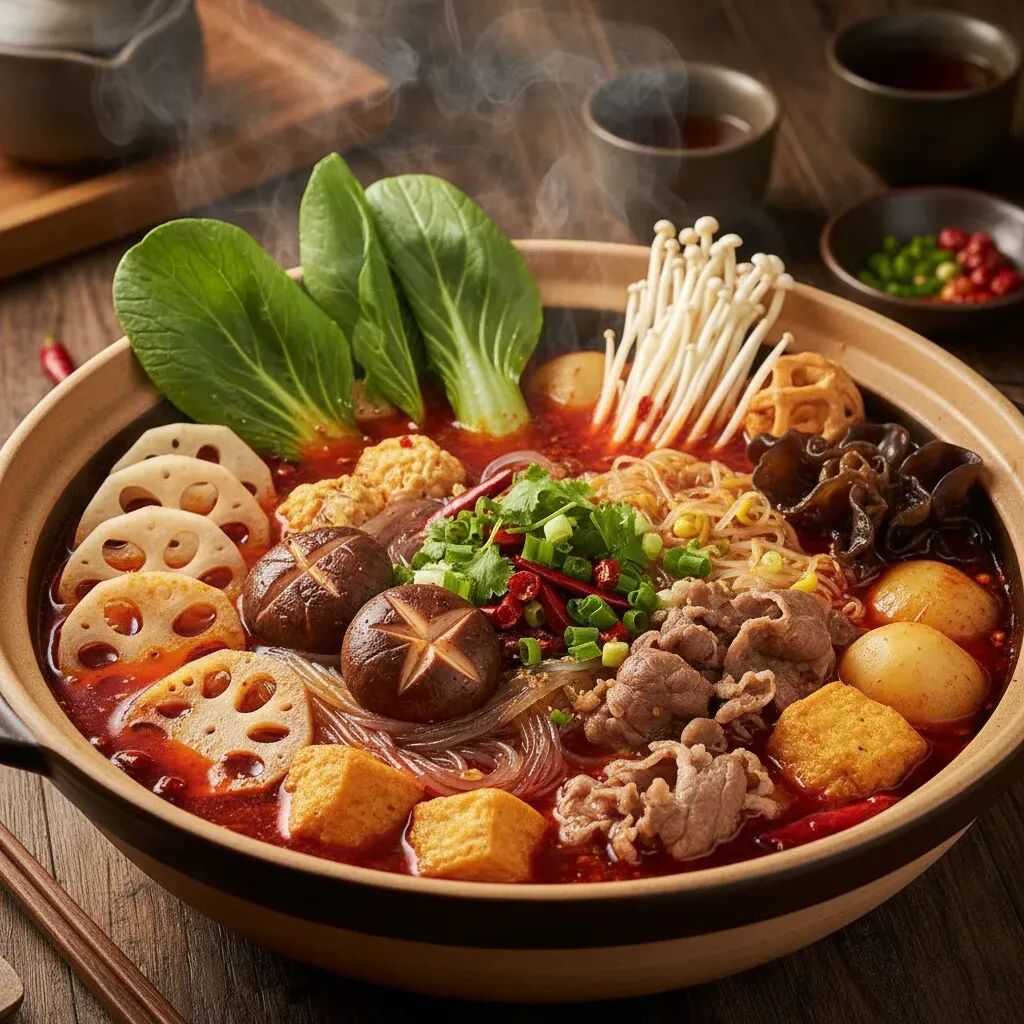
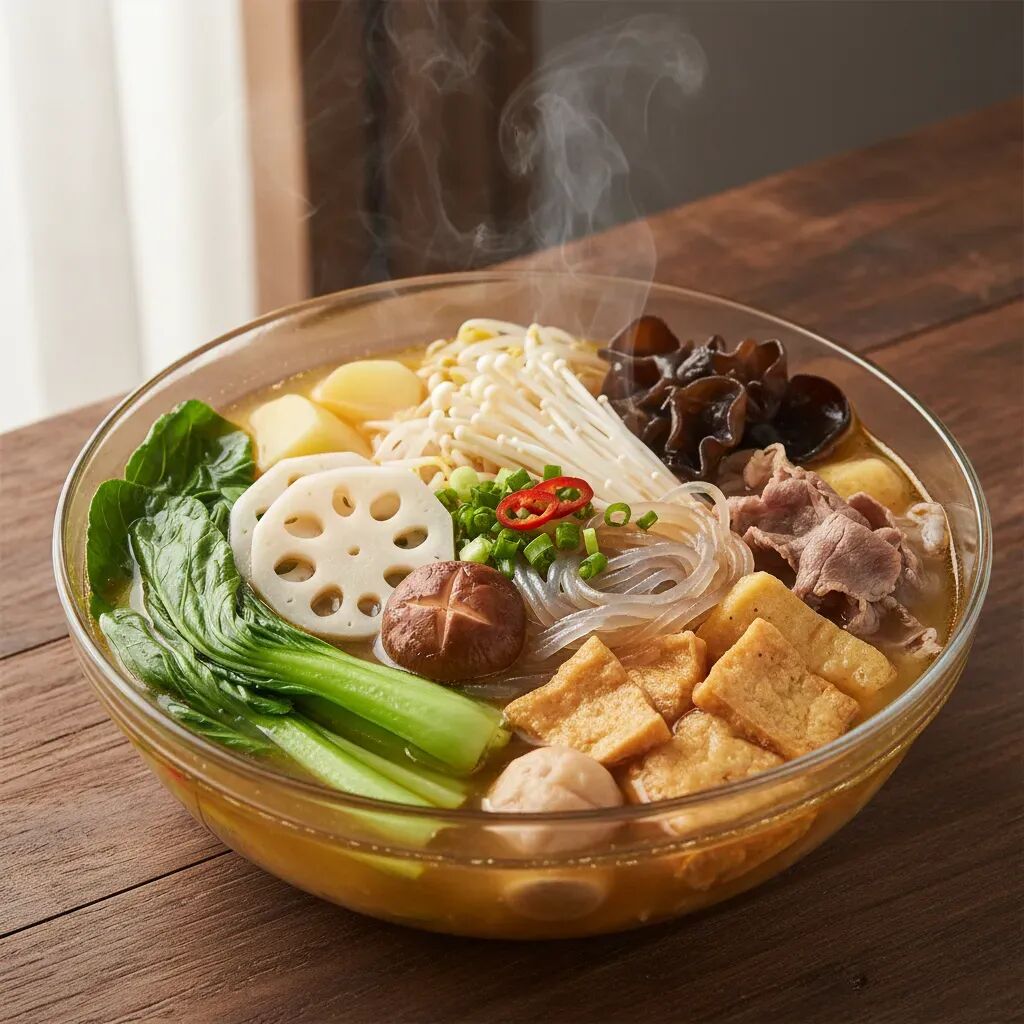
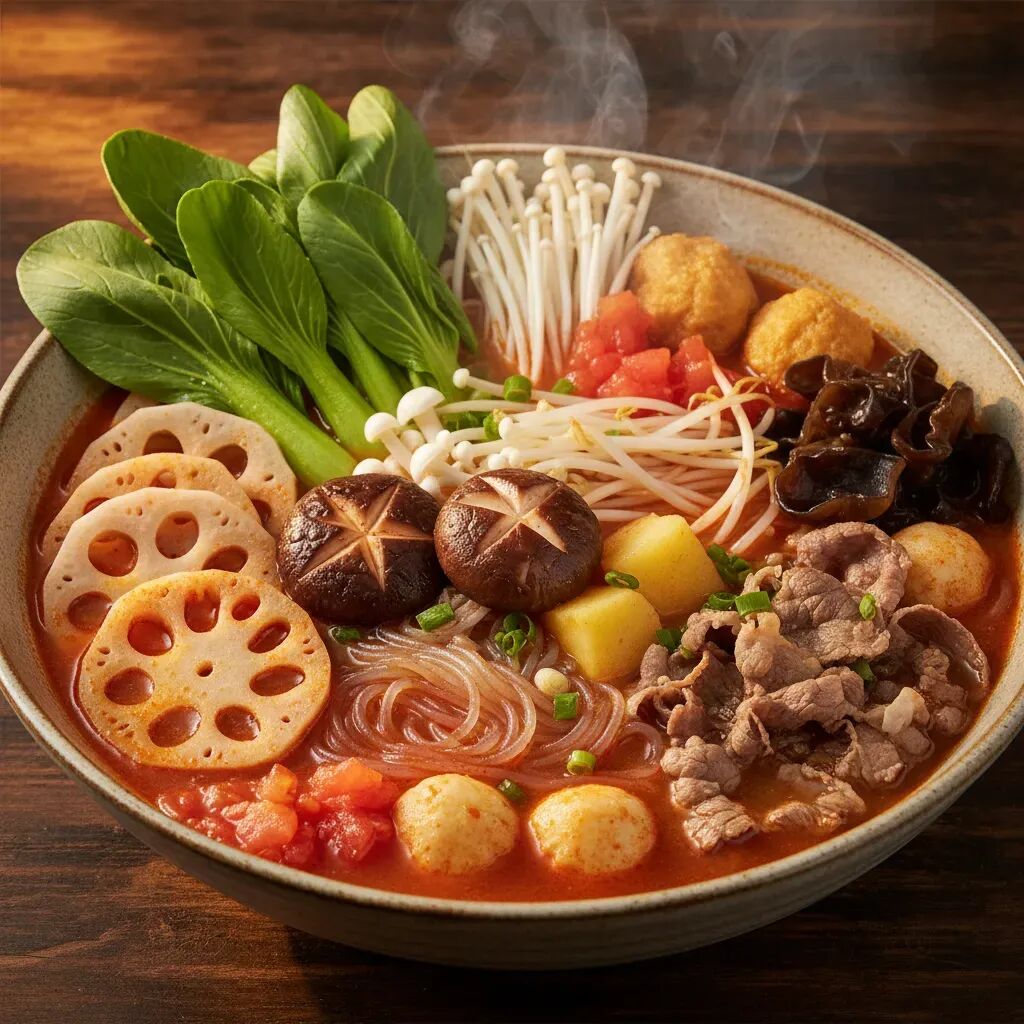
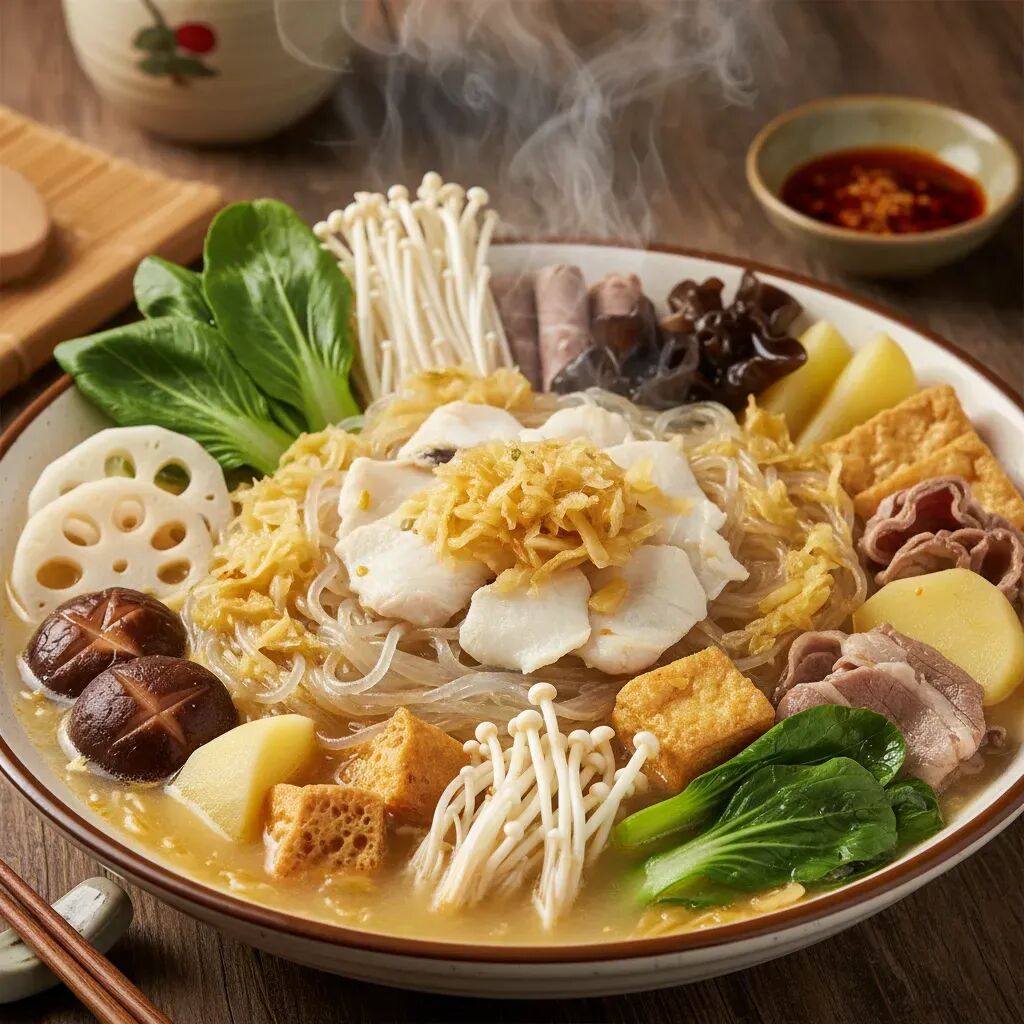
Nano Banana didn't just identify the ingredients — it recombined them into new versions. That shows its dual capability in visual recognition plus generation.
This has real implications for e-commerce food photography and customizable menu scenarios.
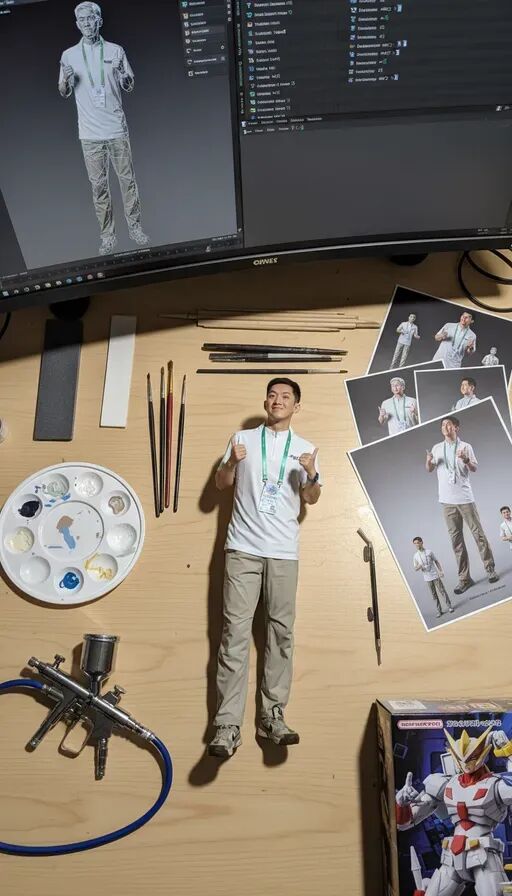
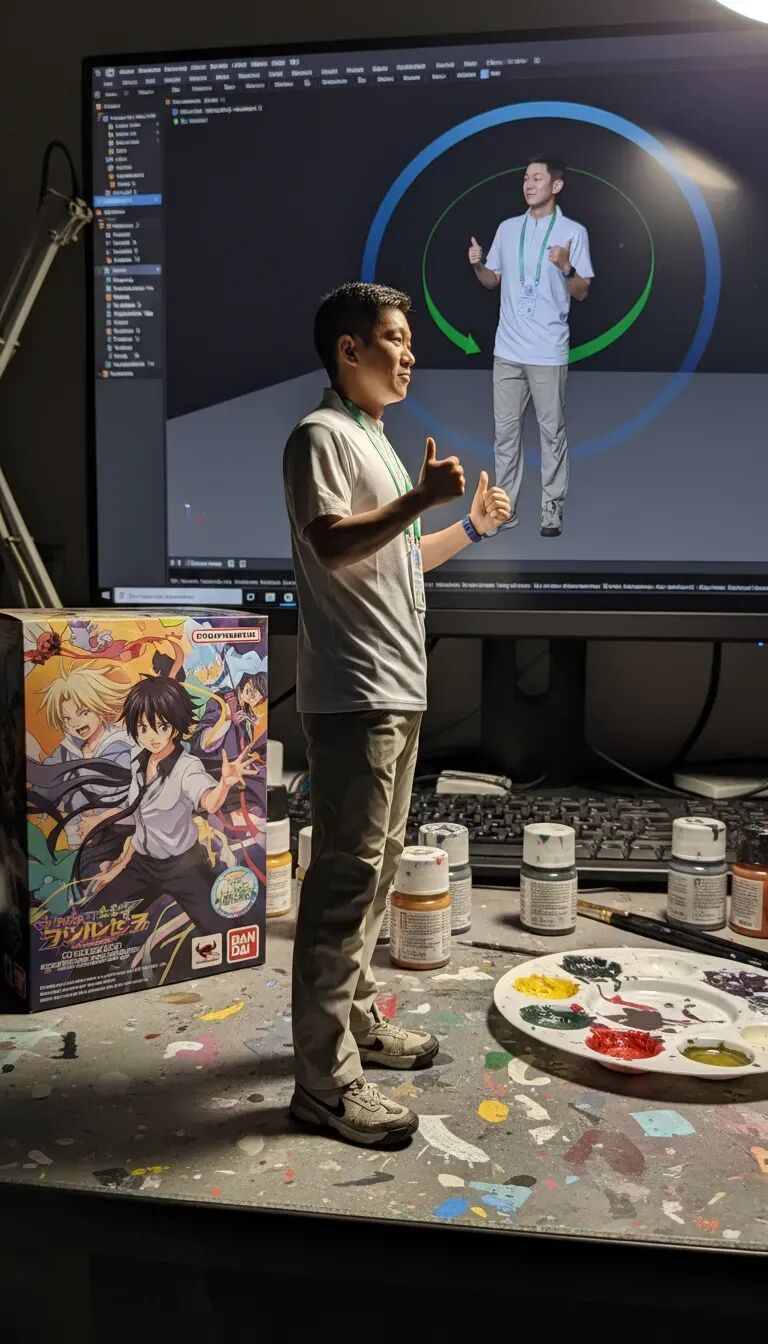
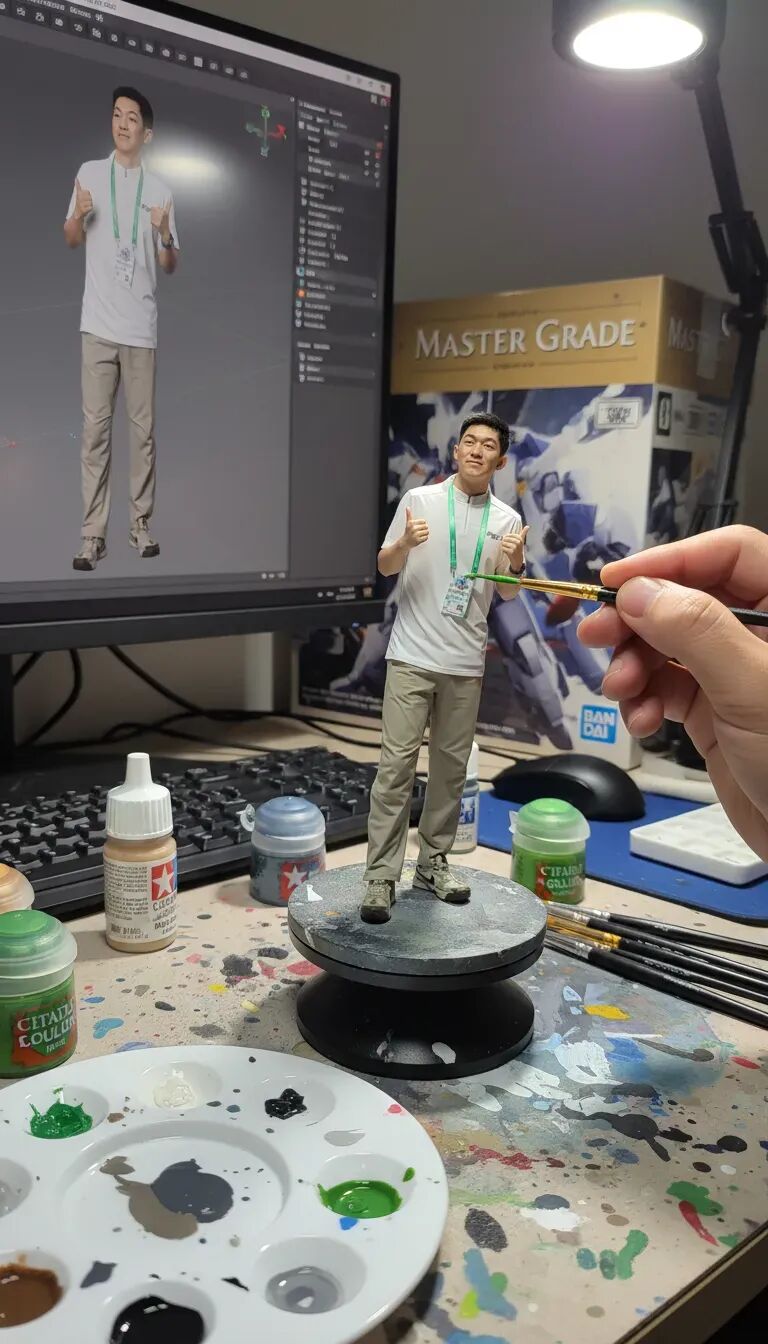
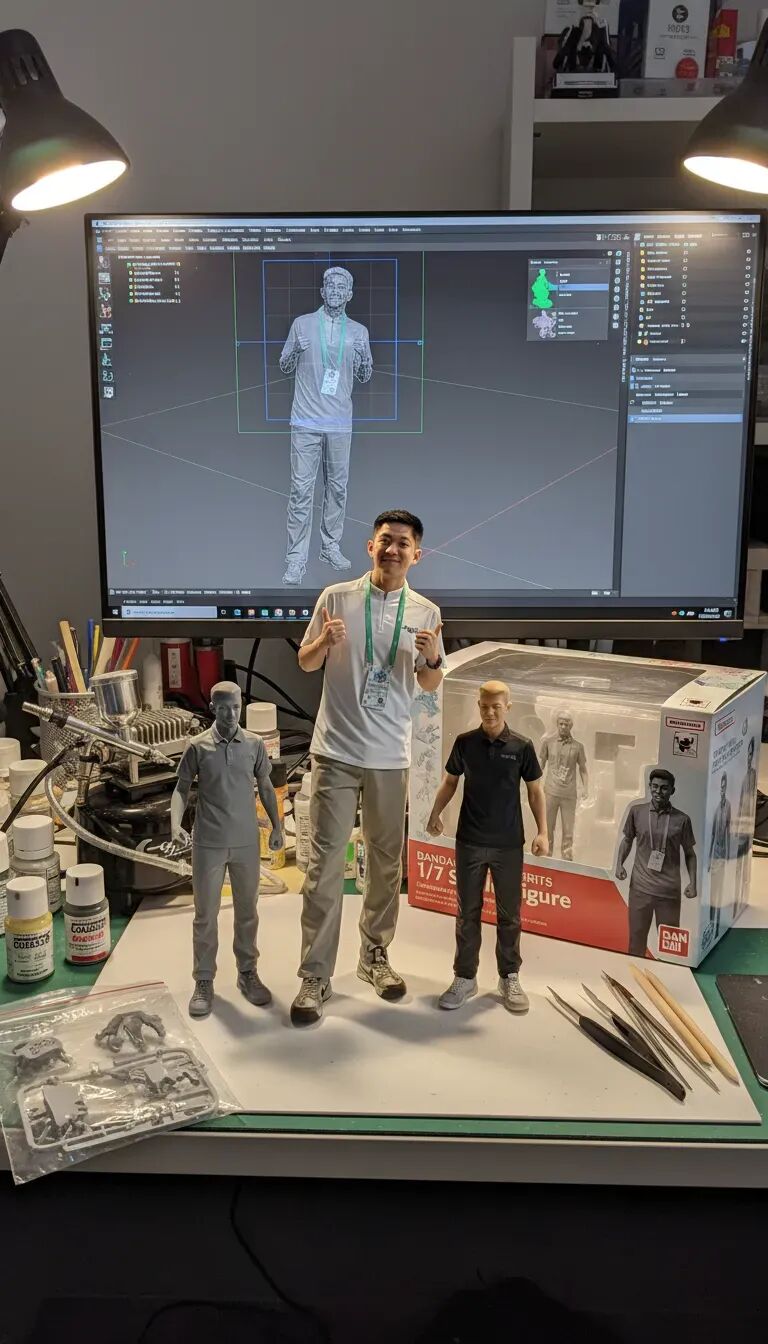
8. Hyper-Realistic Figurines
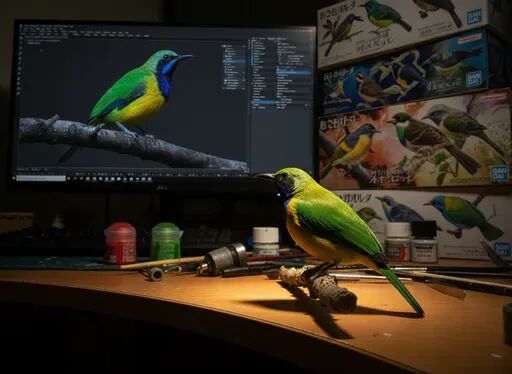
Here's where Nano Banana really makes you do a double-take. It didn't just turn a bird into a 3D figurine — it identified the exact species.
We tested a lot of prompts; this one worked best, so sharing it here:
The prompt:
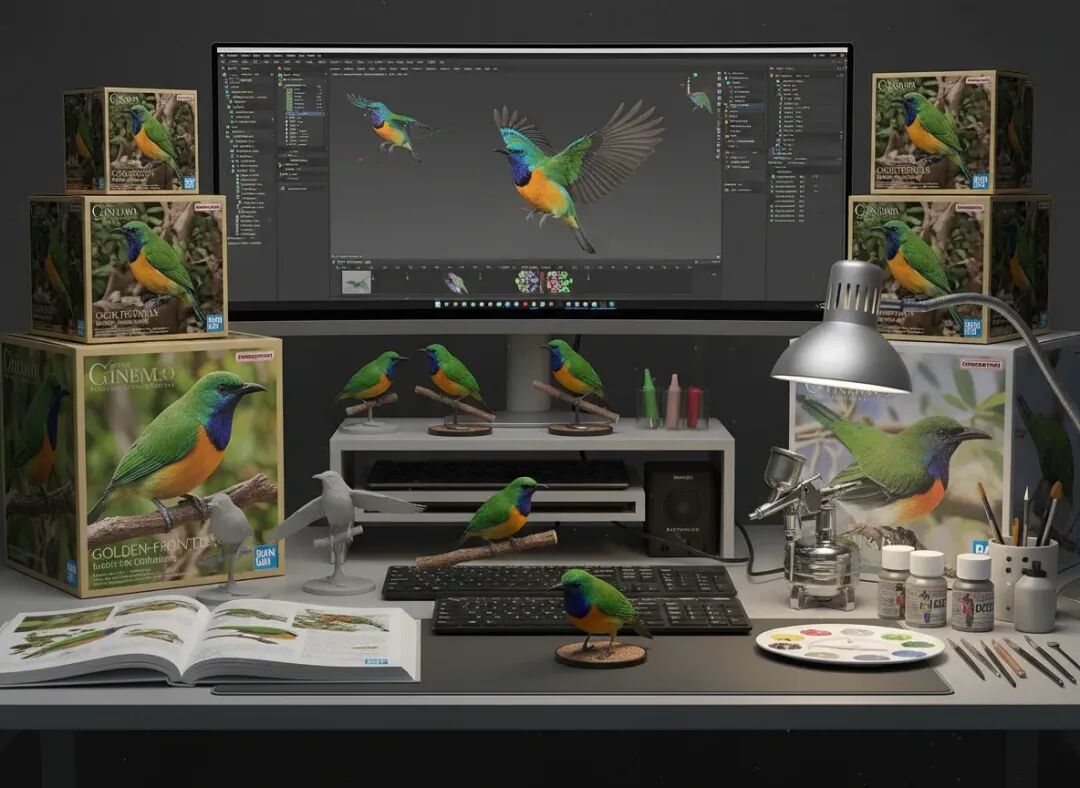
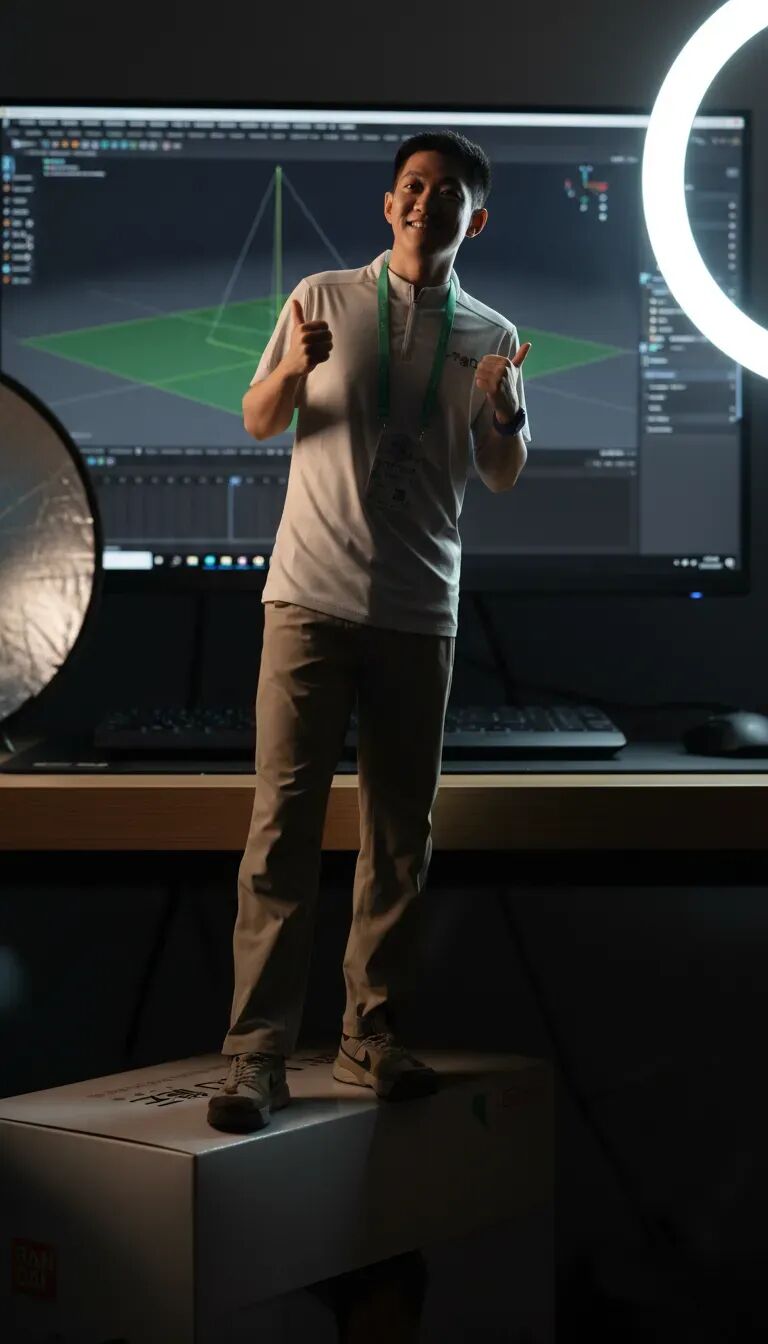
Use the Nano-banana model to generate 10 images: a commercial figurine of a bird character, 1/7 scale, realistic style, placed in an authentic everyday environment. The figurine sits on a computer desk. The monitor shows the figurine being modeled in C4D software. Next to the screen is a BANDAI-style plastic toy box with the original artwork printed on it. The desk is also scattered with figurine-making tools — brushes, paint, craft knives, etc.
The photo was taken by Koji at Jianfengling Forest Park in Hainan:
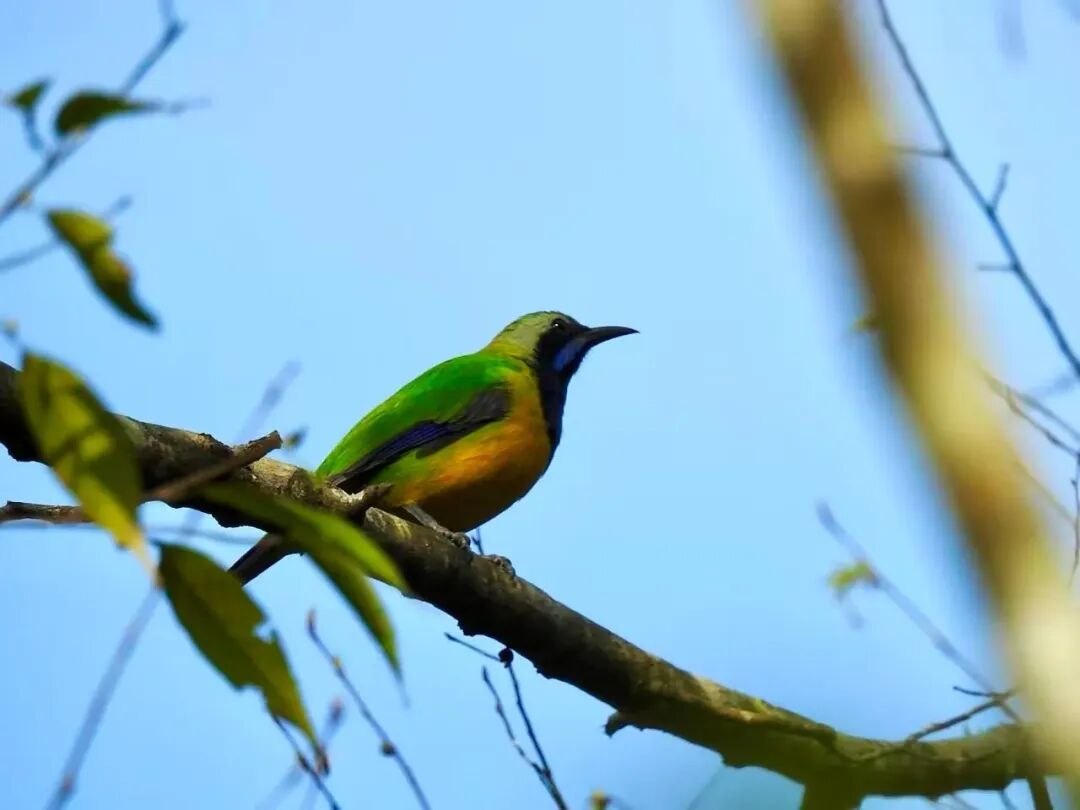
Nano Banana rendered the bird in what looks like a full 3D modeling pass — and identified it by name: Golden-throated Barbet.
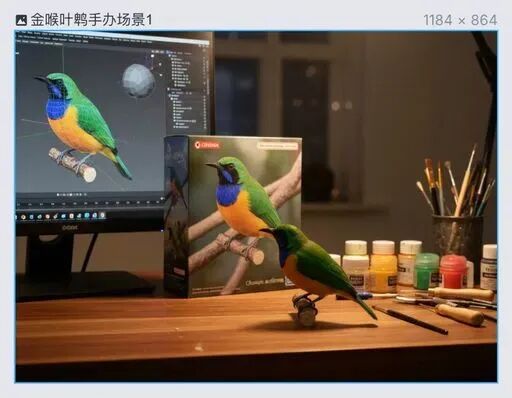
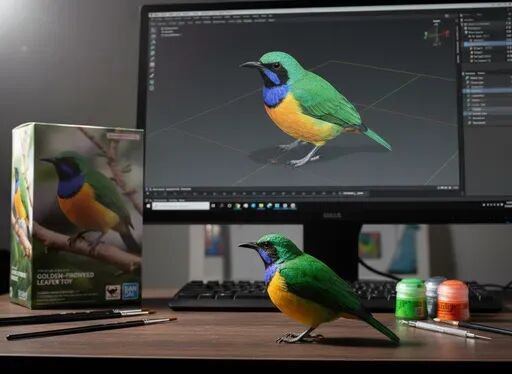
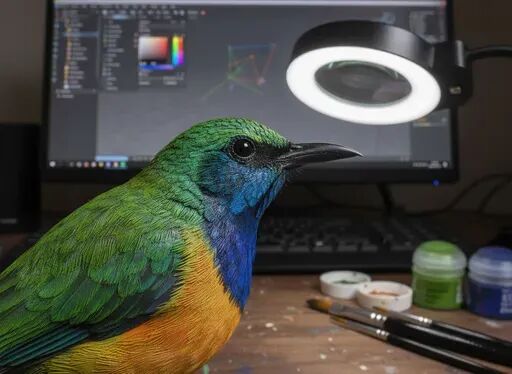
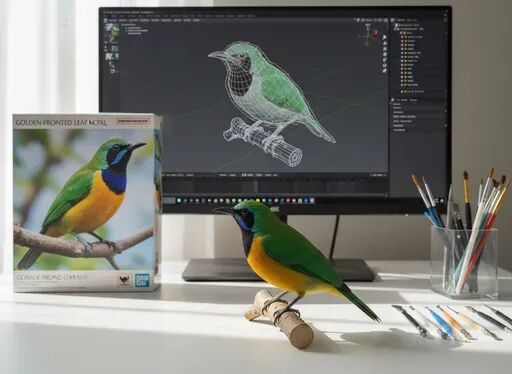
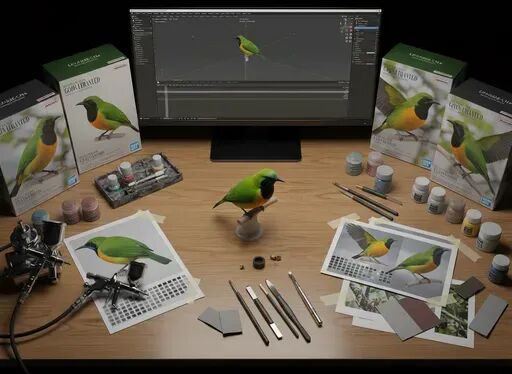
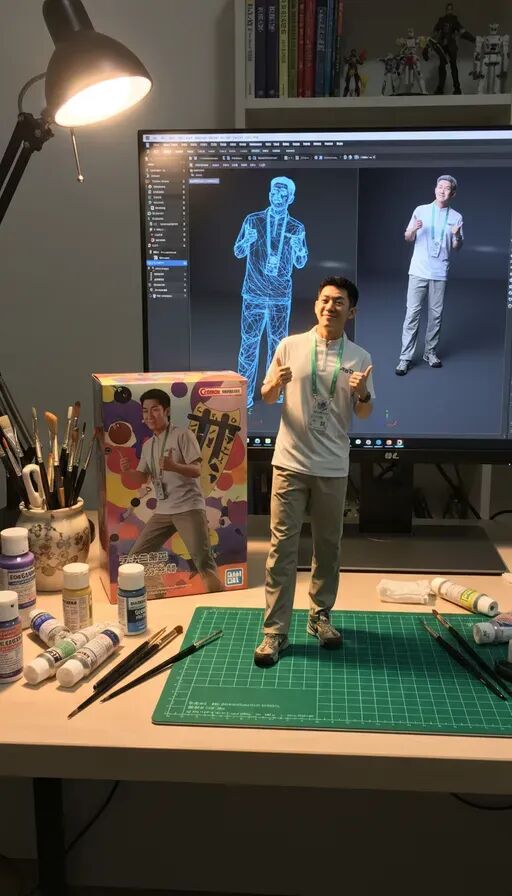
We happened to host an AI open-mic in Beijing yesterday, so I grabbed one of Koji's selfies and uploaded it.
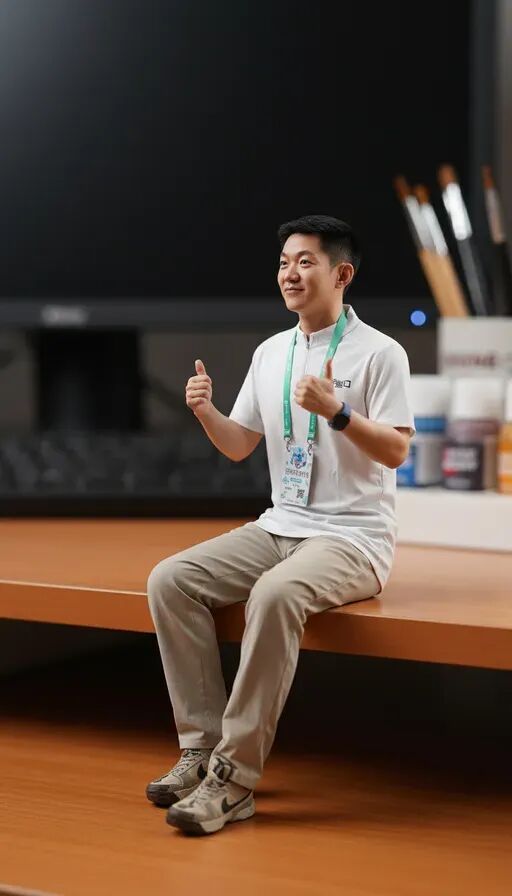
Surprisingly, it delivered a hyper-realistic "figurinized" version too, with environmental details intact — the desk, the modeling software, the packaging box.

Here's what Nano Banana produced:
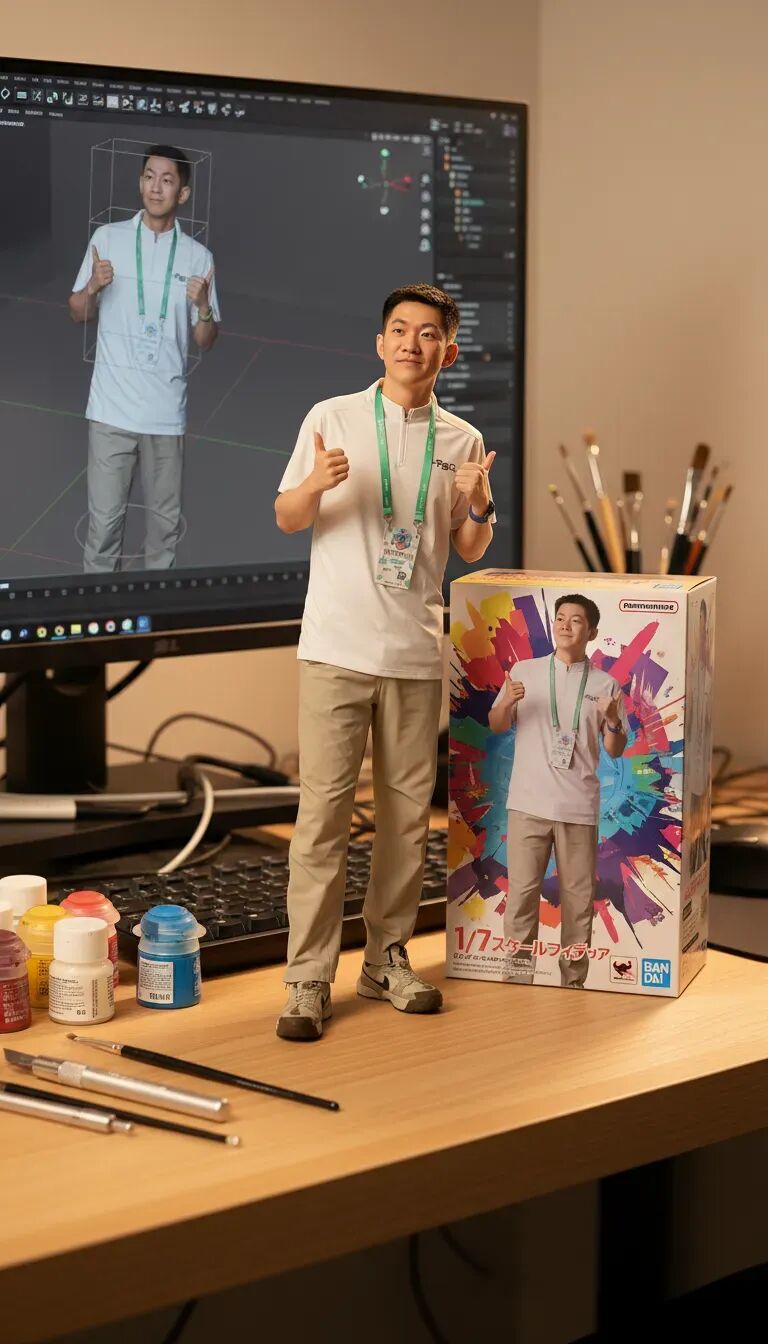
This is the kind of result that makes even the subject do a double take:
9. Game Characters
Nano Banana's potential in the gaming industry is massive, mainly because of its strong style extension capabilities.
In the AAA games that both Chinese and Western markets are chasing right now, a huge chunk of budget goes into hand-painted artwork, style design, and similar work.
This model can rapidly extend into more scenes while maintaining excellent style consistency. That's one of the key values Lovart's platform can deliver quickly.
Elden Ring
I uploaded two character images from Elden Ring:
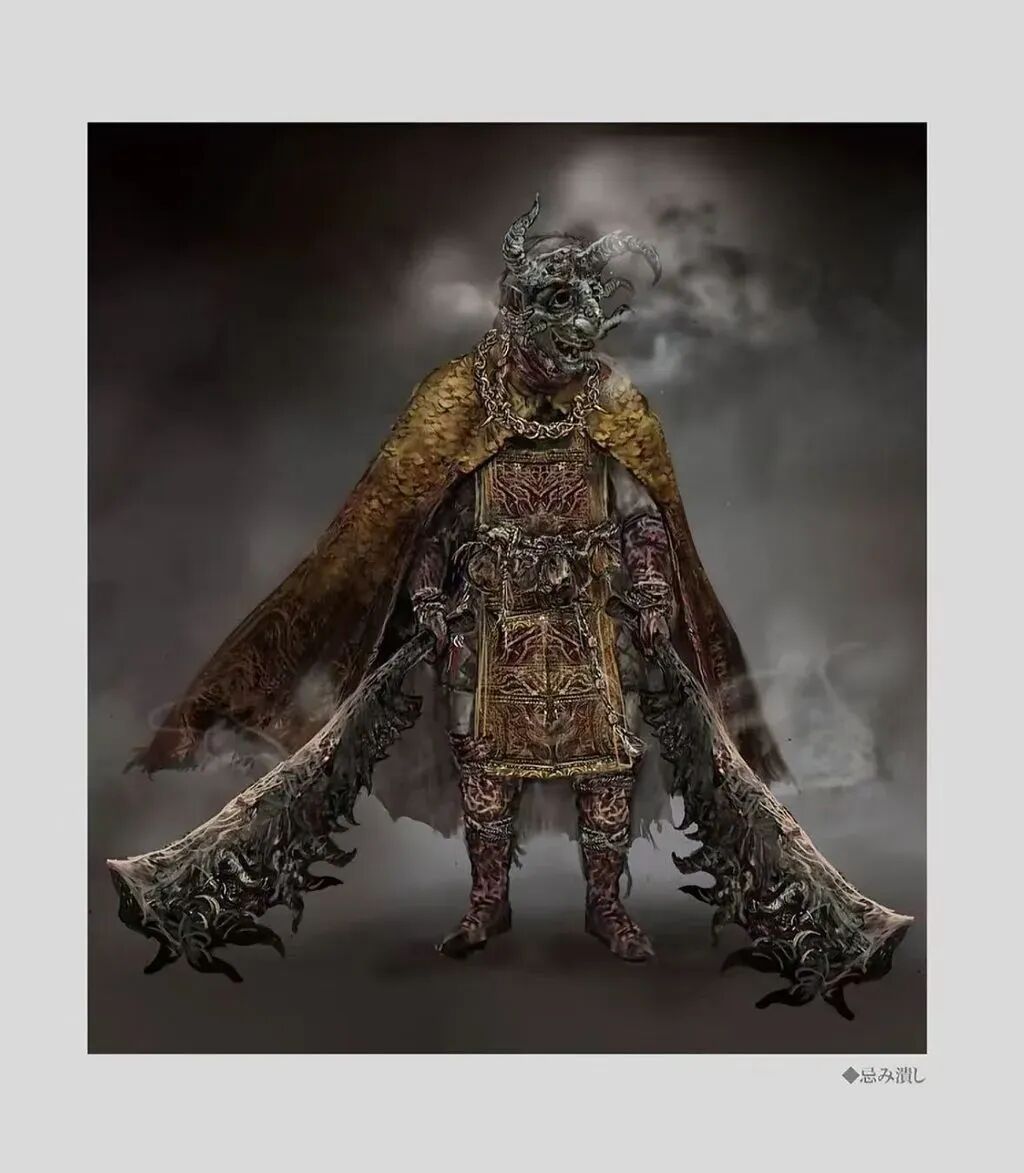
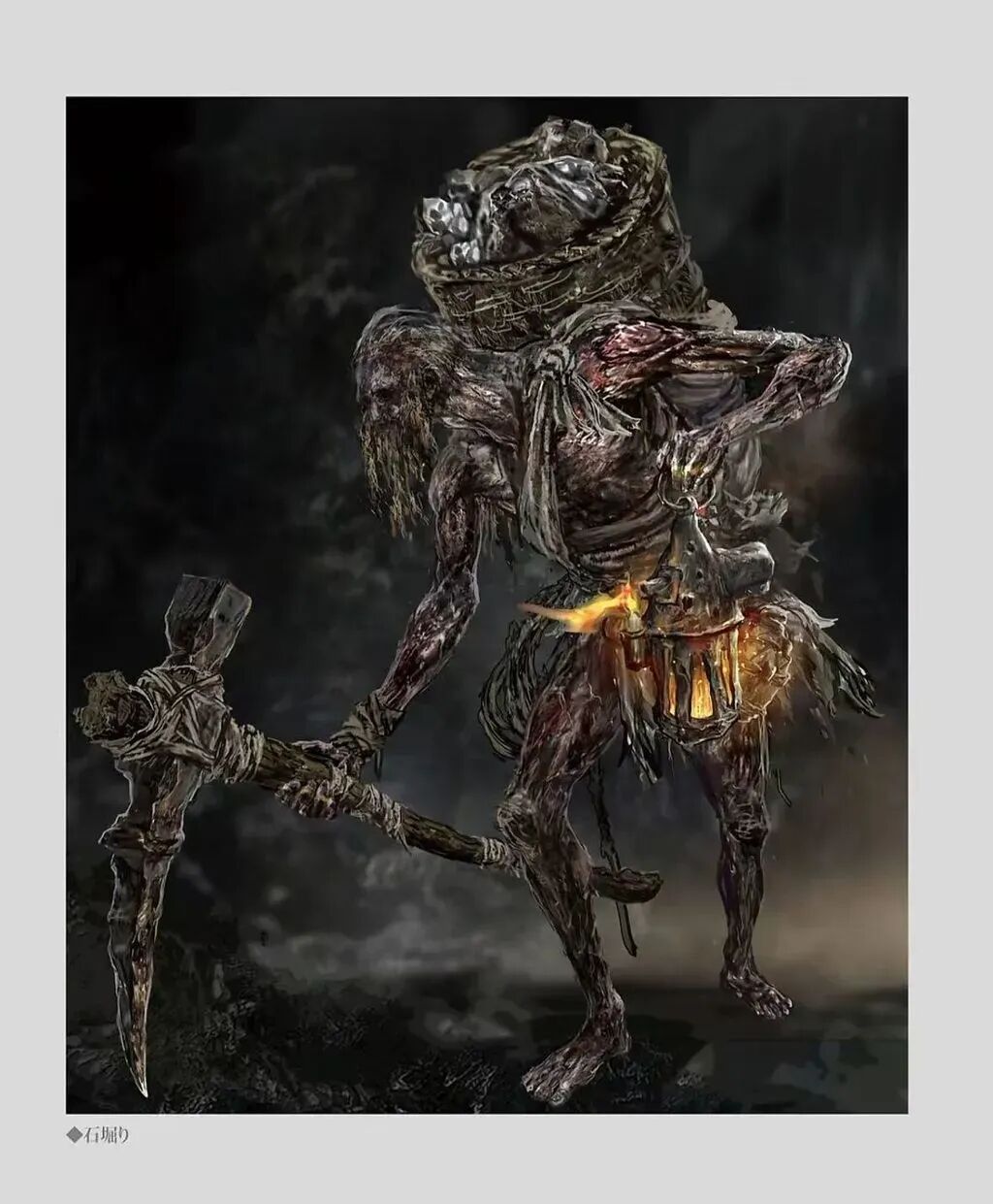
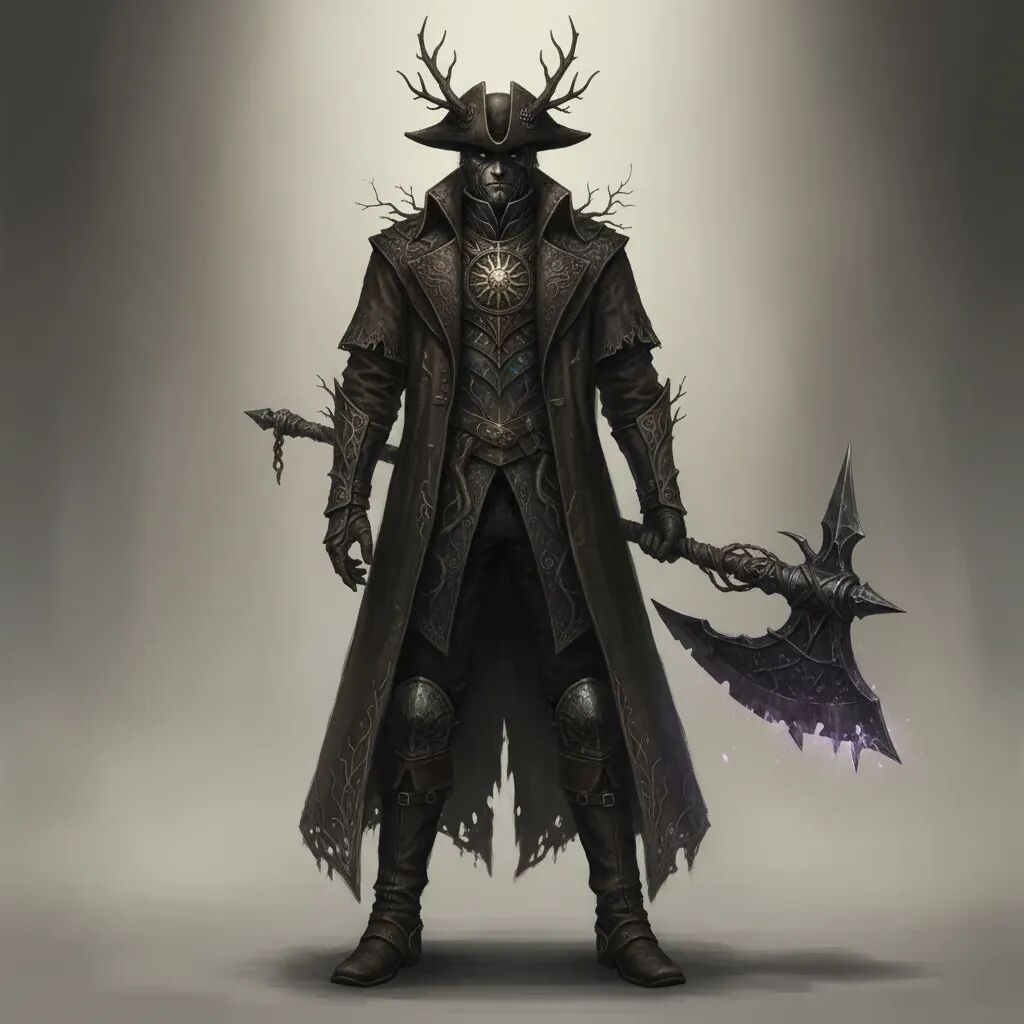
Then I asked Nano Banana to generate more characters in the same style.
My prompt:
"I uploaded several character style reference images from a game called Elden Ring. Create some other game characters for me in the same art style."
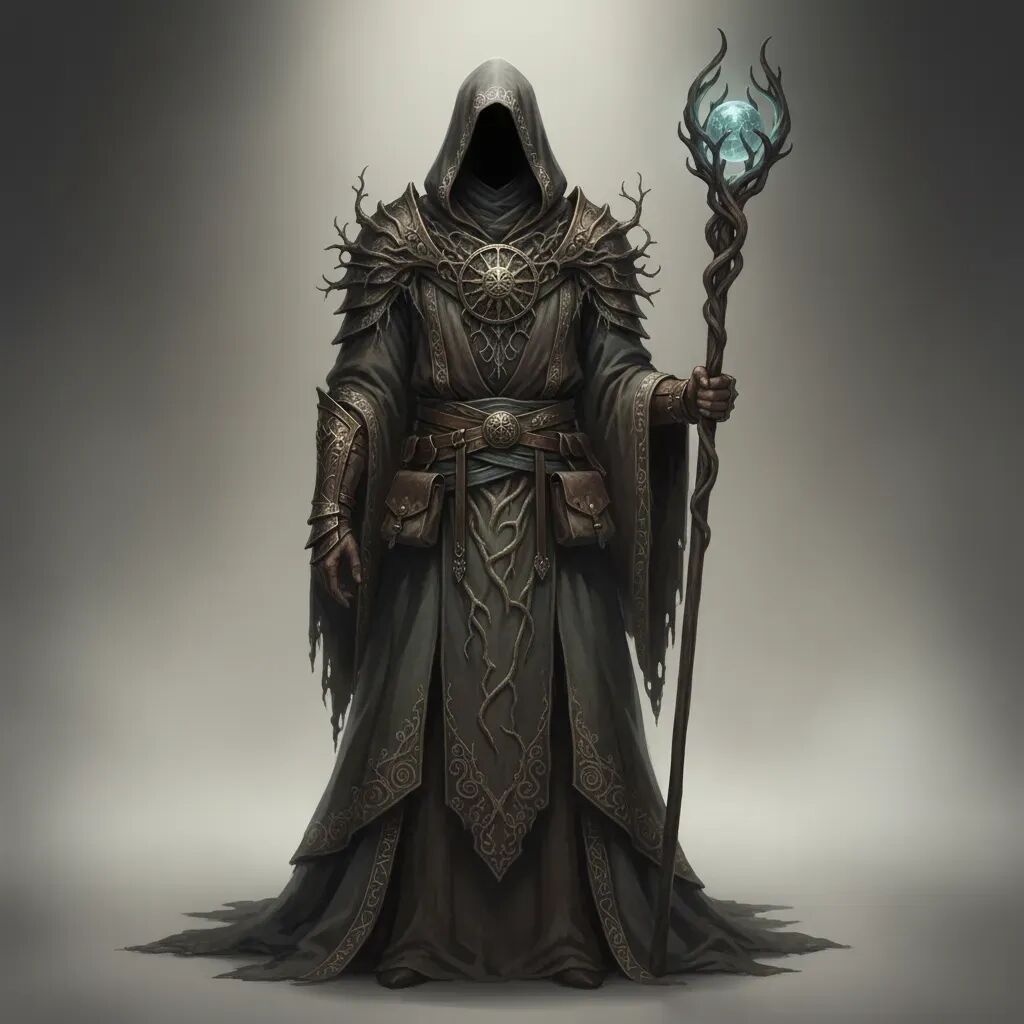
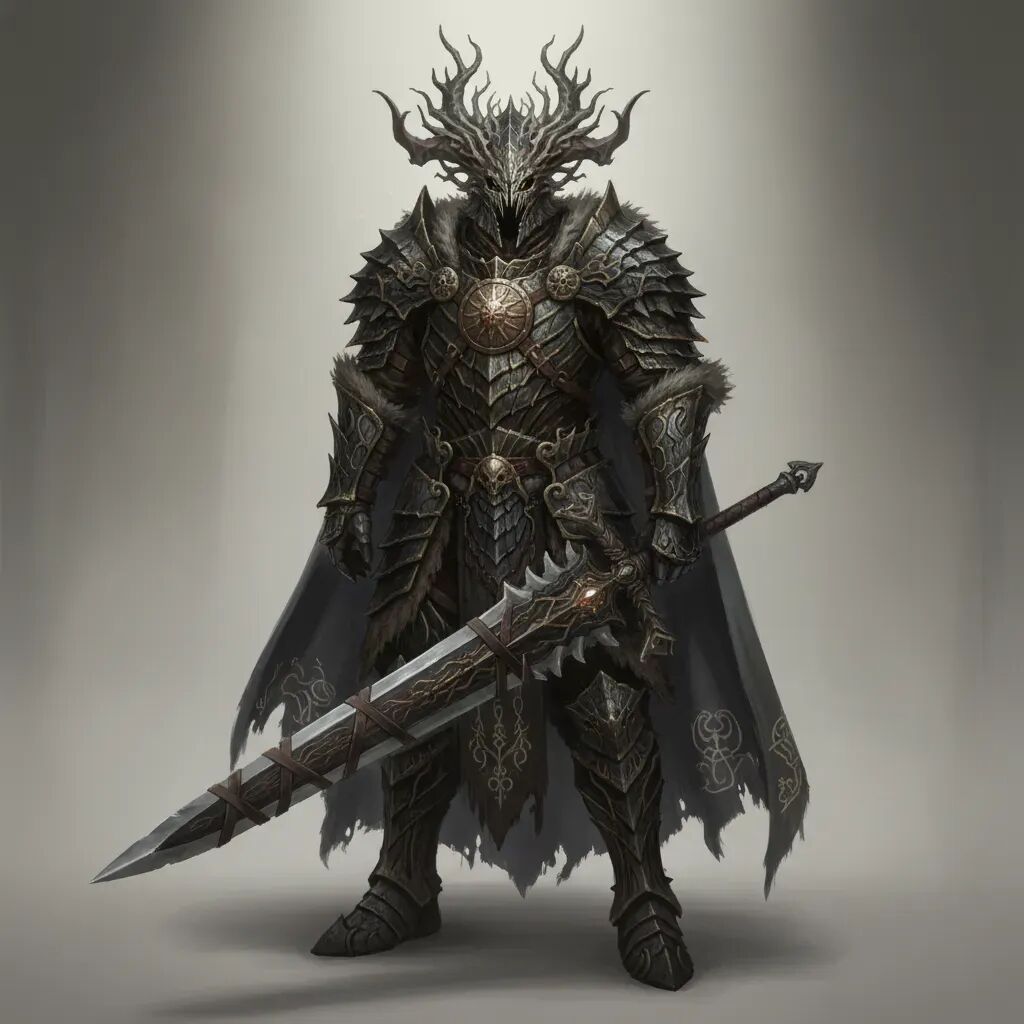
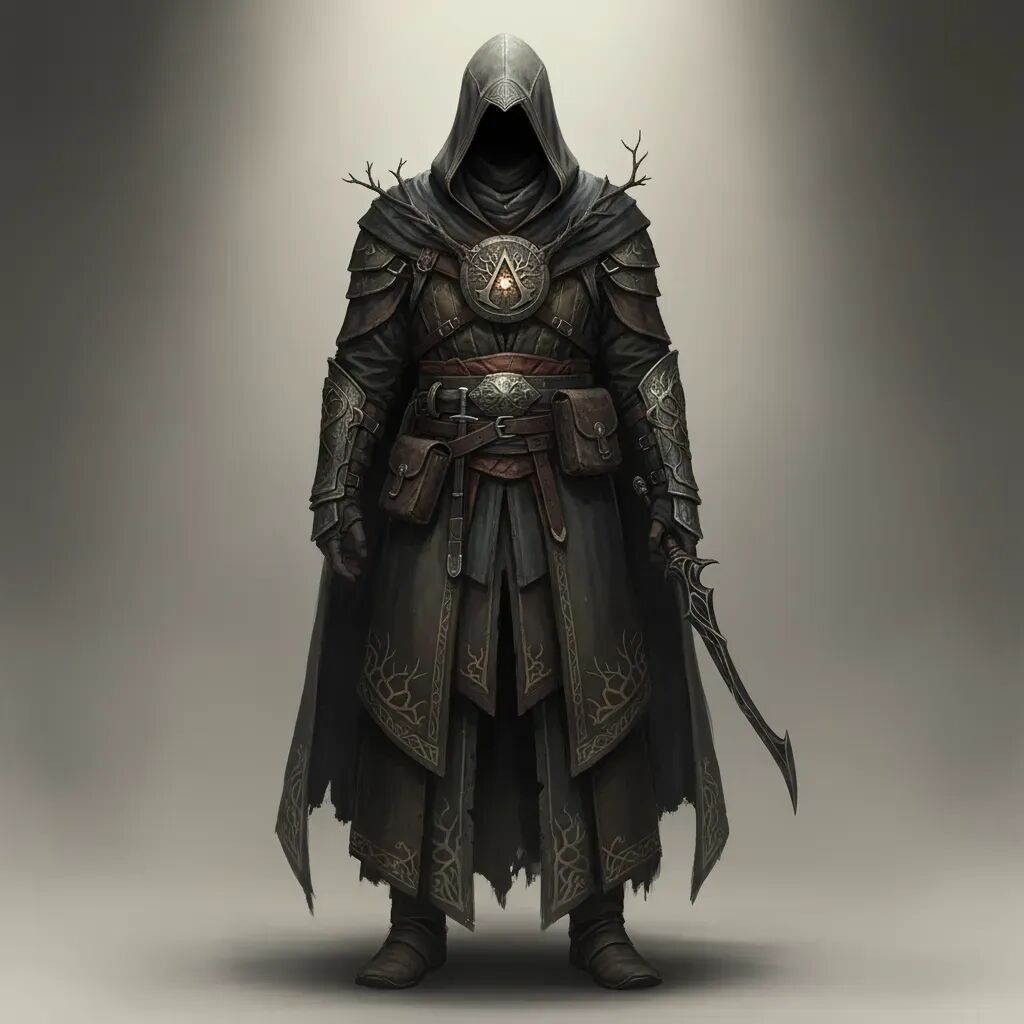
Then I uploaded a game character with more complex elements — a massive figure with a flowing-maned lion draped across its body:
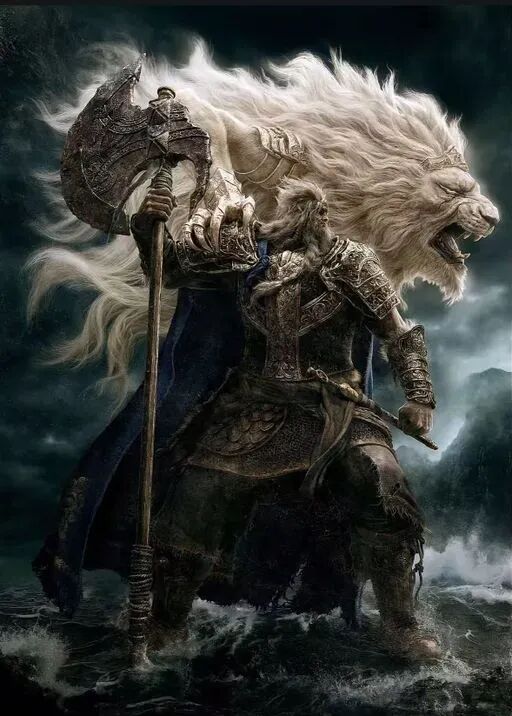
Now I asked Nano Banana to change the lion's fur color. Pay close attention to see just how finely this model renders the image.
My prompt:
"I uploaded an image. Change the color of the lion on the character's back to various colors."
First, the gold version. You can see the color shift in the fur on the left side of the frame, around the lion's entire outline, and where the lion touches the character:
It can also do all kinds of colors and styles:
It can even be rainbow-colored:
The Legend of Zelda: Breath of the Wild
Next, let's look at how strong Nano Banana is at generating derivative game characters.
In The Legend of Zelda: Breath of the Wild, there's a special creature called the "Korok." They come in many varieties, so I asked Nano Banana to help game creators brainstorm what other characters might look like.
My prompt:
"I uploaded 1 style reference image of a creature called 'Korok' from a game called The Legend of Zelda: Breath of the Wild. Create more Koroks for me in the same art style. Create 10."
It can quickly expand into entirely new character types based on an existing style. This kind of style consistency represents major cost savings for game art teams.
Especially within Lovart's canvas interface, you can rapidly generate an entire artbook or setting collection in a very short time.
10. Changing Phone Screen Wallpapers
Nano Banana's ability to modify images with complex elements represents one of the major technical upgrades in this model release. It can swap out wallpapers without disrupting app icons, with virtually none of the icon "smearing" hallucinations that plague other tools.
I casually screenshotted my phone's home screen:
Then I had Nano Banana change the wallpaper while keeping the app UI untouched.
The prompt can be extremely simple:
Change the background of the iPhone interface I uploaded to various cute wallpapers
While a few images show minor hallucinations where wallpaper elements overlap with Chinese app names, you can see that in most of the outputs, hallucinations are virtually nonexistent.
11. Poster Modifications
Last time, we used Lovart to create a poster for an AI Hacker House event:
Now we can directly use Nano Banana to change the date and the text labels in the speech bubbles.
When I asked it to change the ambient lighting, it didn't just modify the time and text — it adjusted the overall mood and lighting while preserving the stylistic consistency:
12. Modifying Steak Marbling
Nano Banana can alter the texture and characteristics of physical objects, showing off a small taste of "food e-commerce grade" functionality.
For example, say I want to post on Moments with a photo of a low-grade steak, but I want its marbling to look more premium, with better snowflake patterning.
I can simply input the prompt:
Change the beef marbling to S3-grade steak marbling
This "texture enhancement" capability means e-commerce platforms can produce high-quality product imagery at low cost.
13. "Gojo Satoru" Manga Draft Keyframes
I casually grabbed an image of Gojo Satoru, the male lead from a currently popular anime, and had Nano Banana generate "a series of action keyframes following his current pose."
The prompt:
I uploaded an image of the anime character "Gojo Satoru." Generate a series of subsequent action keyframes as draft sketches.
Then, through consecutive calls within Lovart, Nano Banana completed the task of generating Gojo Satoru's action keyframe draft sketches:
Starting pose:
Wind-up:
Charging:
Release:
14. Changing Camera Angle
Another highly practical use for Nano Banana is changing camera angles while maintaining scene consistency, or even altering a character's hand positioning.
For example, with this group photo of Crayon Shin-chan, I wanted to shift the photography angle.
Prompt:
Change the angle
Let's look at a real-world example: changing the angle from which I view a performer's hand gestures on stage.
Here's a small Easter egg — can you tell which is the original?
The answer: the left image is the original, the right was generated by Nano Banana.
If you look closely, you'll even notice that the reflections on the left figure have changed — the lighting shifts based on where the figures stand and where their sleeves fall:
From these examples, it's clear that Lovart's Nano Banana model isn't just an "image generator" — it's gradually becoming a tool for "visual reasoning + creative design."
Especially within a canvas tool like Lovart, its ability to generate at scale is further amplified.
To briefly summarize its capabilities:
[1] Strong consistency — video frames, motion sequences, and style extensions all remain unified;
[2] High precision — from steak marbling to lion fur, the detail work is spot-on;
[3] Solid visual reasoning — it can read map arrows, break down malatang ingredients, demonstrating a "comprehend → generate" capability.
Moreover, these foundational model improvements make the experience of "design agents" like Lovart even better. Beyond generating entire content suites in one go, Lovart's design know-how now has far more "realizable" value.
Just when we thought the wave of AI image generation was settling into calm waters, Nano Banana shows us:
This is only the beginning.
We may soon need nothing more than a rough sketch to explore a complete game world setting alongside AI.
We might even transform a mundane everyday photo into a dynamic comic with continuous narrative.
Finally, Lovart offers a free three-day trial of Nano Banana — go try it now!