Silicon Valley Heavyweights Go All-In on Neo Labs | A Look at the 20 Most Valuable Companies

Silicon Valley's 20 Most Expensive Labs
The 20 Most Expensive Labs in Silicon Valley
🙍♀️ Author: rui
🥷 Editor: Koji
🧑🎨 Designer: NCon

By late 2025, Jeff Bezos — former Amazon CEO in semi-retirement — chose to return to the front lines and start a company himself.
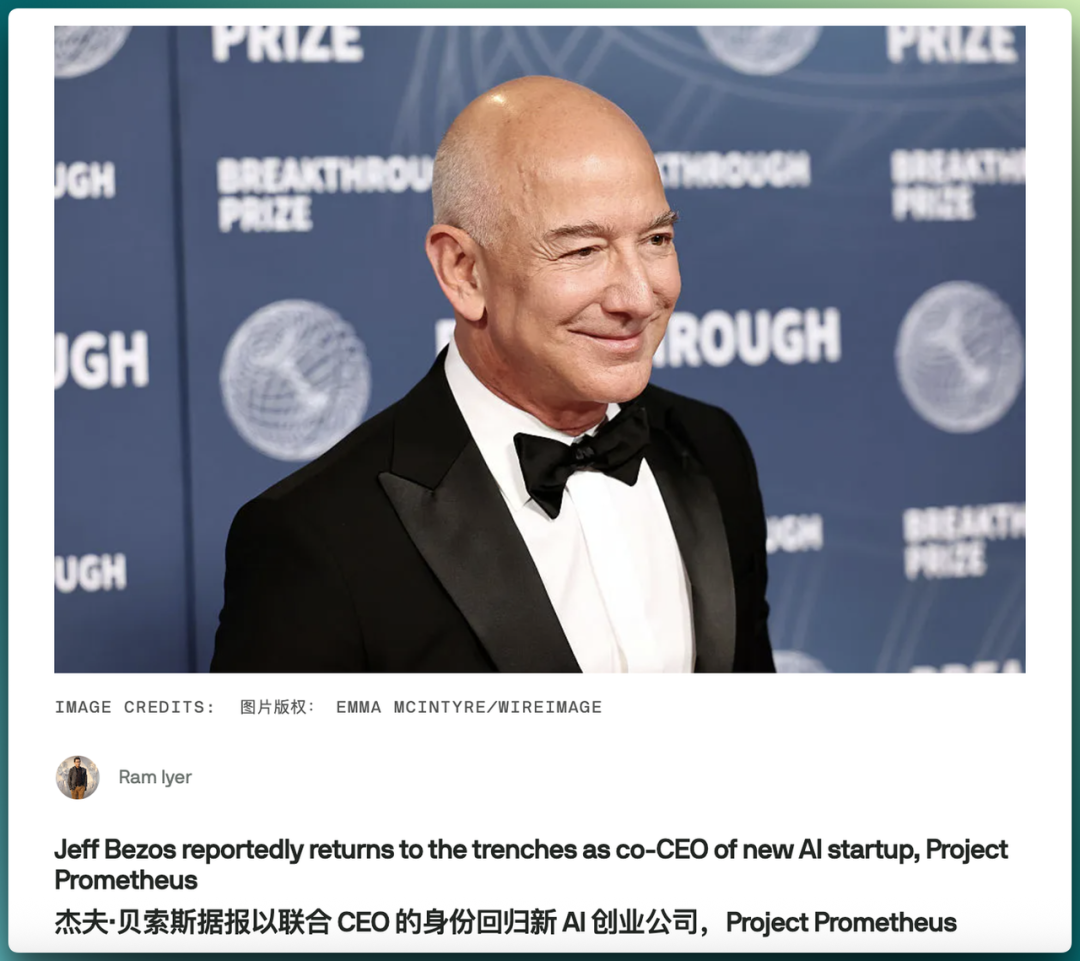
The company is called Project Prometheus, focused on AI for engineering and manufacturing. Their own description: "AI for the physical economy."
So far, Project Prometheus has no public product. Public reports show that when the company launched in fall 2025, it had already raised roughly $6.2 billion in startup capital; by April 2026, it was reported to be nearing completion of a roughly $10 billion funding round, at a post-money valuation of about $38 billion.
A New Species
Isn't this the kind of thing research institutes do?
Exactly. But if you look at other well-funded companies in Silicon Valley during the same period, you'll find Bezos isn't the exception.
Over the past year, a cluster of companies with similar underlying logic has emerged in Silicon Valley.
No mature product, revenue likely close to zero, yet valuations start at unicorn level and go up. Typically founded by top researchers from leading AI labs, professors, or serial entrepreneurs who've already achieved financial freedom.
It's neither the "academic institution" nor the "startup" as we traditionally understand them. Under one roof, it has to simultaneously carry four things: whether the scientific path holds up, whether the engineering can work, whether anyone will pay for it, and whether capital can last until the critical inflection point.
Silicon Valley now has an informal name for it: Neo Labs.
Why Now?
Look at some numbers first.
From Newtonian mechanics to Watt's steam engine: 89 years. From Maxwell's equations to commercial radio: 31 years. By the time of Microsoft and Google, research and production lived inside the same company — but researchers were rewarded for papers, product managers for revenue, and the two systems kept separate books.
The distance has been shrinking, but never as close to zero as today.
The reason isn't complicated. In the past, research output was papers, and papers were separated from the market by a long chain of translation. Today, research output can directly be code, drug molecules, material design proposals, or enterprise operational plans. It no longer needs to wait for translation; it is itself a means of production.
But this alone isn't enough. Two other conditions need to hold simultaneously.
First, the toolchain. Large models have dramatically lowered engineering barriers. Researchers no longer need to wait for an engineering team to "implement" their ideas — they can run the ideas themselves. The headcount between research and product has dropped sharply.
Second, capital logic. When research breakthroughs themselves can move valuations, investors become willing to bet billions of dollars before any product appears, before any revenue appears. Jeff Bezos's Project Prometheus has no public product whatsoever, yet already has over $6 billion committed; Ilya Sutskever's SSI completely rejects short-term commercialization, yet still commands a valuation above $30 billion. Capital no longer needs to wait for products; it can now directly bet on the research direction itself.
These three conditions stacked together — research as production, falling engineering barriers, capital entering early — constitute a window that has never existed before.
For the first time, researchers have the possibility of not depending on large institutions, and independently pushing something from the scientific frontier all the way to market validation.
Neo Lab is the new species that grew out of this window.
Top 20 Neo Labs
Where do these Neo Labs come from, and what are they betting on? We systematically mapped out the top 20 by valuation and broke each one down.
Project Prometheus (valuation ~$38B)
Jeff Bezos personally in the arena, co-founded with Vik Bajaj from former Google X. Direction: using AI to transform engineering design, manufacturing, and physical object development, described by Bezos as an "artificial general engineer" for physical-world design tools. Currently no public product, yet roughly $6.2 billion in startup capital already committed. Largest funding volume in the batch, aiming to be the operating system for the next industrial age.
Safe Superintelligence / SSI (valuation ~$32B)
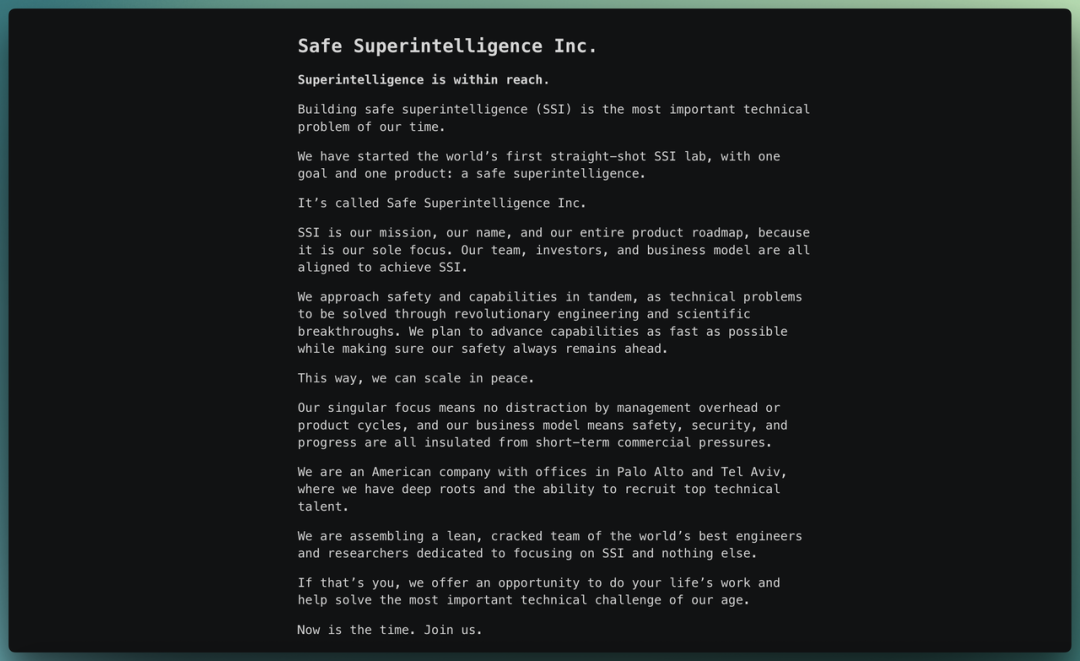
An old acquaintance: founded by Ilya Sutskever, OpenAI co-founder and former chief scientist. Completely rejects any short-term commercialization, treating "safety, alignment, and controllability" as a single technical problem at the most foundational architectural layer, with the goal of reaching safe superhuman intelligence directly. Total funding exceeds $3 billion, the highest-valued pure research company in this batch of Neo Labs. Co-founder Daniel Gross later left to join Meta's superintelligence-related team; Sutskever's all-or-nothing bet has so far given the outside world no signal about progress.
Skild AI (valuation ~$14B)
Team from CMU robotics and embodied intelligence research backgrounds, dedicated to building a general-purpose "brain" and foundation model for multi-form robots. Taking the "Android system" route in robotics: not tied to specific hardware forms, letting the same foundation model adapt to everything from factory robotic arms to humanoid robots. Completed $1.4 billion Series C in January 2026, valuation exceeding $14 billion.

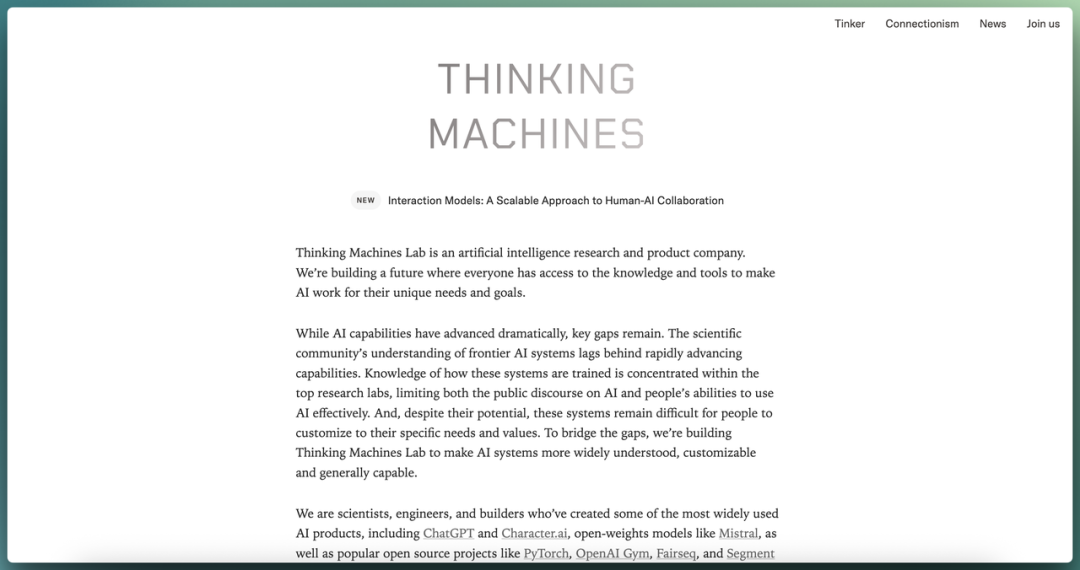
Thinking Machines Lab / TML (valuation ~$12B)
Founded by former OpenAI CTO Mira Murati, with what may be the strongest collective exodus in OpenAI history: John Schulman as chief scientist, Barret Zoph as CTO, Lilian Weng joining, totaling roughly 30 top researchers. Operating as a public benefit corporation (PBC), emphasizing multimodal, collaborative general intelligence and open research culture. Led by a16z, seed round of roughly $2 billion, valuation of $12 billion.
Reflection AI (valuation ~$8B)
Two founders from Google DeepMind. Antonoglou was involved in core AlphaGo research, Laskin worked on Gemini reward/modeling. Started from coding agents, later transformed into an American frontier AI lab emphasizing open intelligence and government/scientific collaboration. Cumulative funding exceeding $2.1 billion, valuation of roughly $8 billion as of October 2025 — the clearest transformation trajectory in this batch.
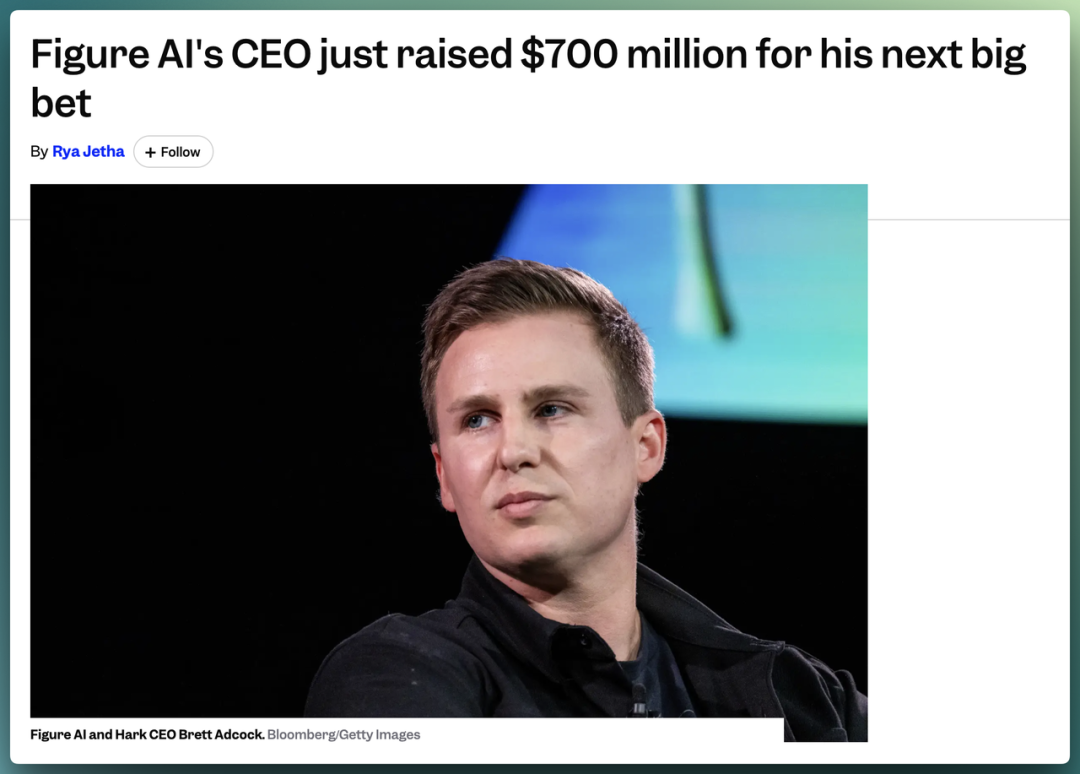
Hark (valuation ~$6B)
Serial entrepreneur Brett Adcock, of Figure AI and Archer Aviation, returns again. Direction: consumer-facing hardware and general interaction interfaces for personal AI. Among this batch of Neo Labs on the "heavy research" path, Hark is a rare exception directly targeting the C-end. Completed roughly $700 million Series A in May 2026, valuation of $6 billion, with Adcock himself investing roughly $100 million — a distinctly personal bet.
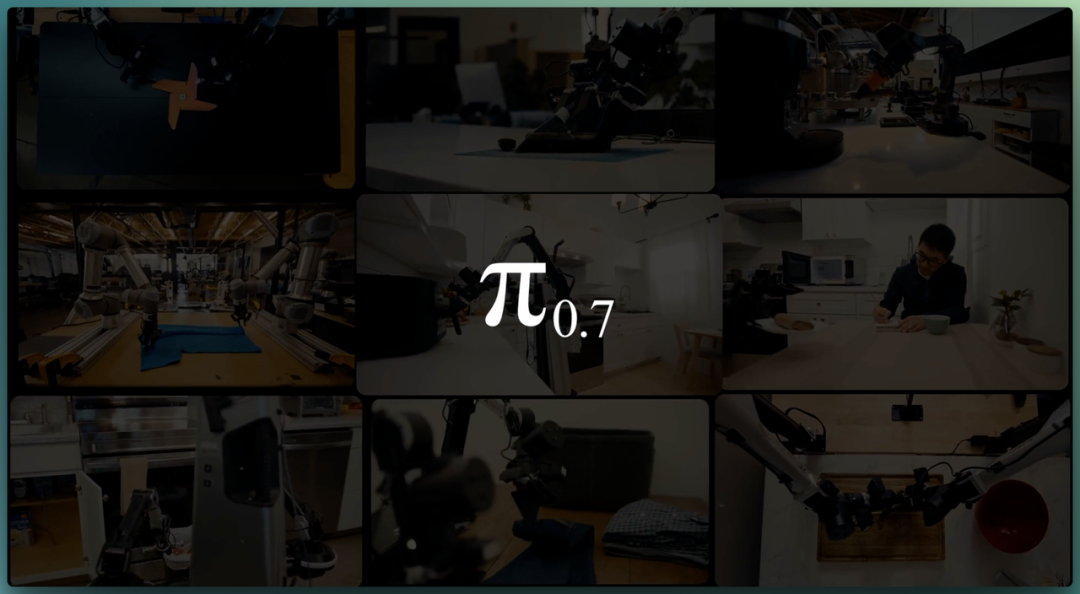
Physical Intelligence / π (valuation ~$5.6B)
Co-founded by UC Berkeley robotics professor Sergey Levine, Stanford professor Chelsea Finn, and others, focused on building cross-embodied general foundation models for the physical world, aiming to bring about robotics' own "GPT-1 moment." Completed $600 million in new funding in 2025, valuation roughly $5.6 billion; cumulative company funding has exceeded $1 billion. Bezos, OpenAI, and Thrive Capital are deeply invested, with dual academic and industry backing, making it one of the recognized benchmarks in the robotics foundation model track.
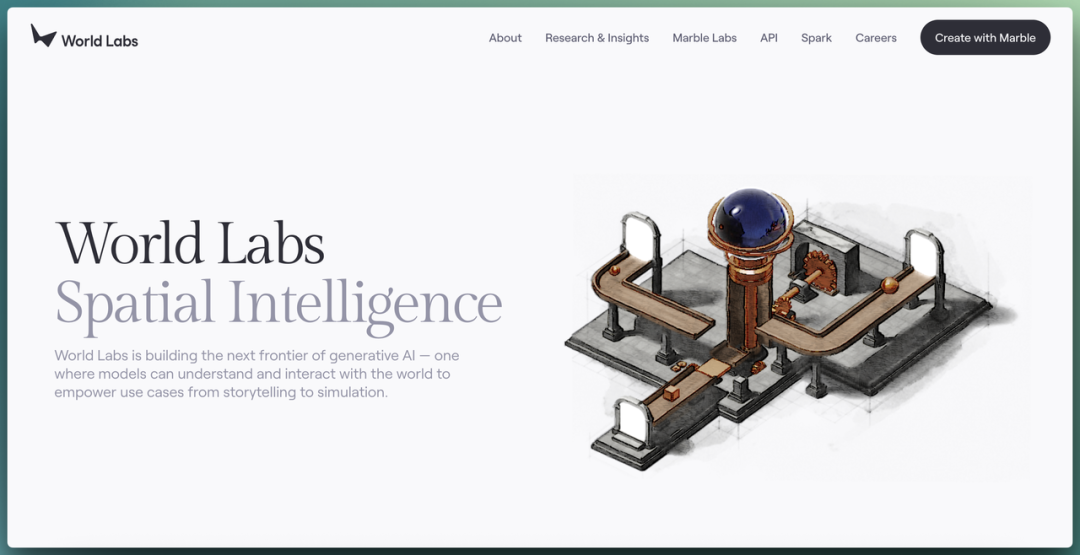
World Labs (valuation ~$5B)
Founded by Fei-Fei Li, "godmother of AI," creator of ImageNet and former director of Stanford AI Lab. Direction: "spatial intelligence." First product Marble has been publicly demonstrated, capable of generating explorable, editable 3D worlds. Completed roughly $1 billion in new funding in 2026, with AMD, NVIDIA, and Autodesk among participants.
Unconventional AI (valuation ~$4.5B)
New AI compute/hardware company founded by Naveen Rao, founder of MosaicML, former Databricks AI head, and co-founder of Nervana Systems. Attempting to break the existing landscape dominated by NVIDIA at the compute layer, redefining AI from the hardware up. Seed round of roughly $475 million, valuation of about $4.5 billion as of December 2025, with the founder bringing multiple experiences of building from zero to one in chips and AI infrastructure.
Recursive Superintelligence (valuation ~$4B)
Richard Socher's (former Salesforce chief scientist, founder of You.com) new company, aiming for recursively self-improving AI, spun out and independently operated from You.com. Team brings together research and engineering talent from Salesforce AI, Meta FAIR, Google DeepMind, and OpenAI. As reported by FT in April 2026, Recursive Superintelligence completed at least $500 million in funding, pre-money valuation roughly $4 billion.
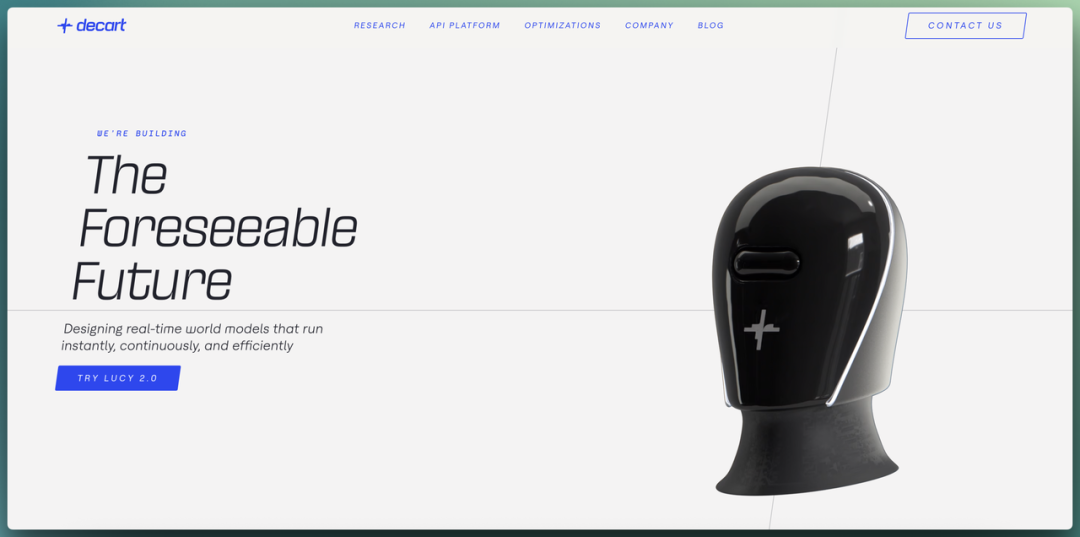
Decart (valuation ~$4B)
AI company from Israel, core direction in real-time video/world models and AI-optimized software, with representative work including real-time interactive Minecraft world generation. Generated significant attention at the technical demo level, with top-tier institutions including Sequoia participating. Cumulative funding roughly $450 million, completed Series B in May 2026 at valuation of about $4 billion.
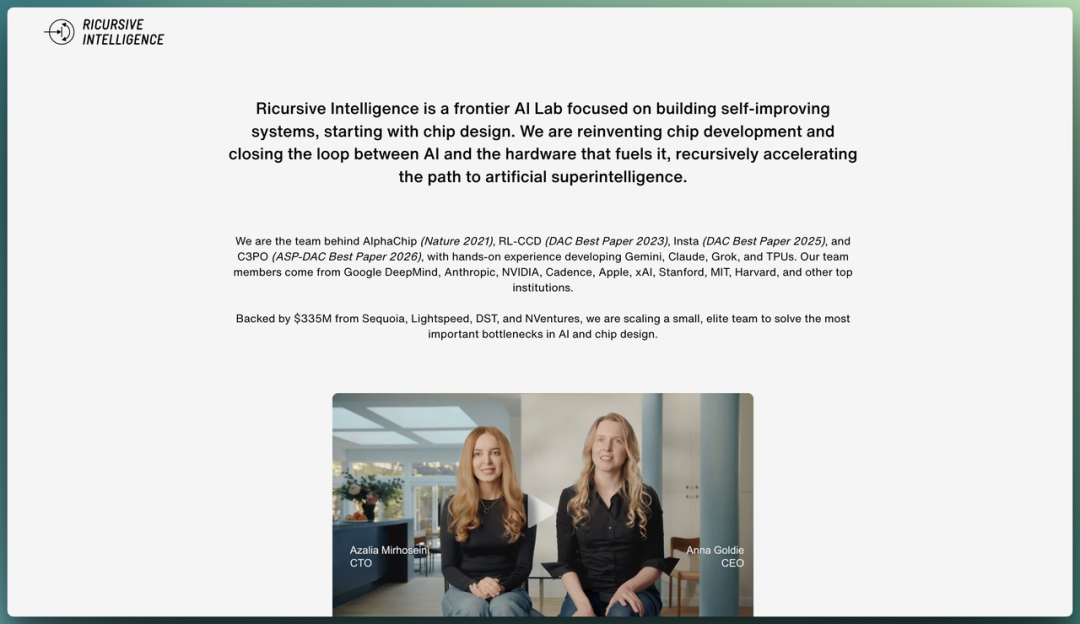
Ricursive Intelligence (valuation ~$4B)
Note: this company is called Ricursive Intelligence, not the same as Richard Socher's Recursive Superintelligence.
Founded by former Google Brain's Anna Goldie and Azalia Mirhoseini, the team that first published the paper on "AI-designed chip layout" in Nature, with research directly influencing Google TPU's design flow. Core flywheel: AI designs chips → chips run better AI → use that to design even better chips. Series A funding roughly $300 million, current valuation $4 billion.
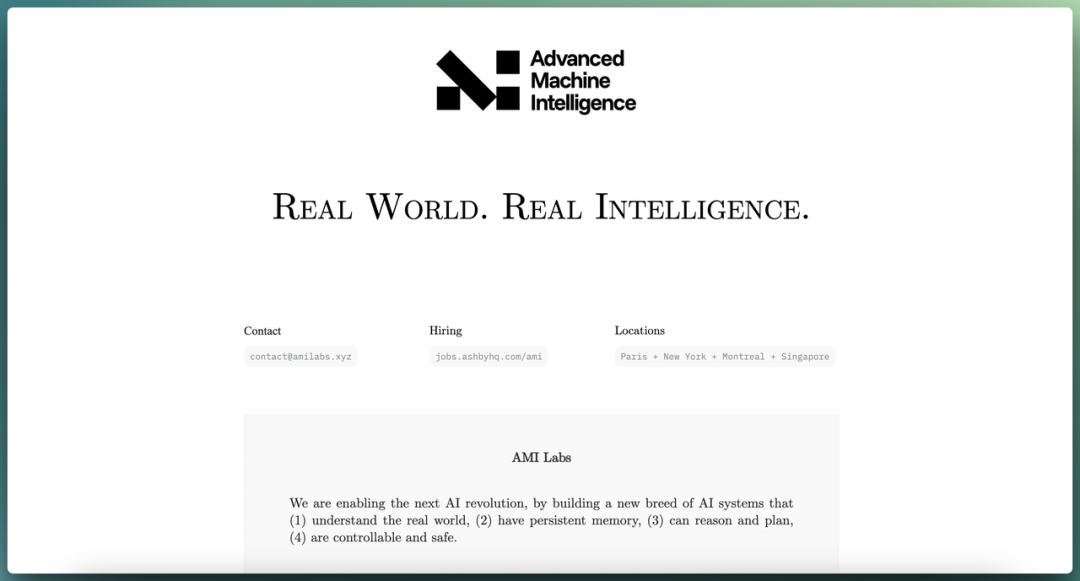
AMI Labs (valuation ~$3.5B)
Turing Award winner and one of the "three giants of deep learning," Yann LeCun, left Meta to co-found with Alexandre LeBrun (Wit.ai/Meta AI background), headquartered in Paris. Publicly critical of the LLM path, arguing that JEPA architecture is the true road to real intelligence. Seed round exceeding $1 billion, with Bezos, NVIDIA, and Samsung participating, pre-money valuation roughly $3.5 billion.
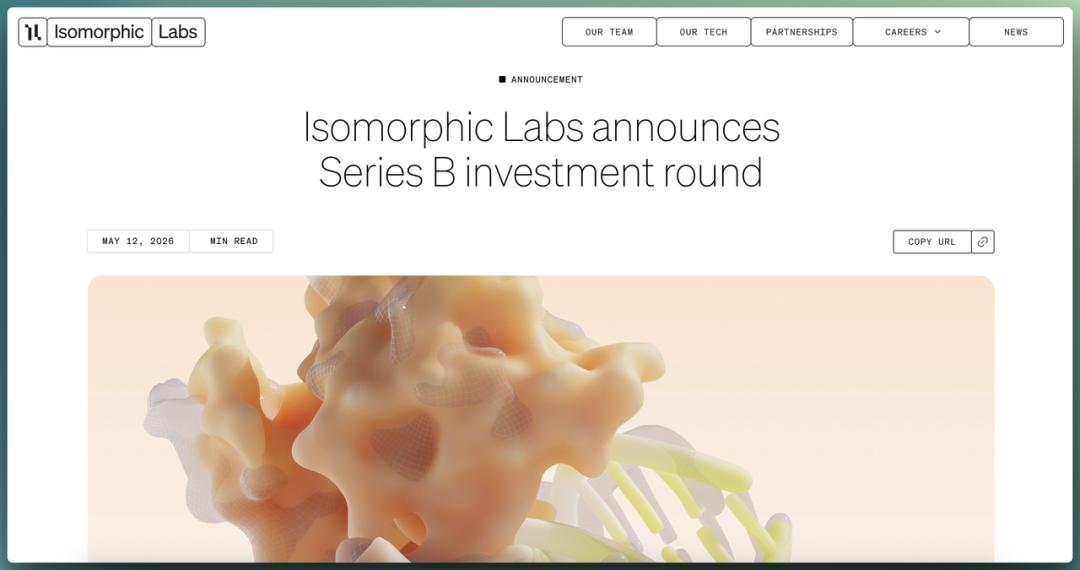
Isomorphic Labs (cumulative funding ~$2.7B, valuation undisclosed)
AI drug design company within the Alphabet/DeepMind ecosystem, CEO is DeepMind co-founder Demis Hassabis. Building on AlphaFold's technical accumulation, simultaneously advancing AI drug design engine and clinical pipeline, Series B funding roughly $2.1 billion.
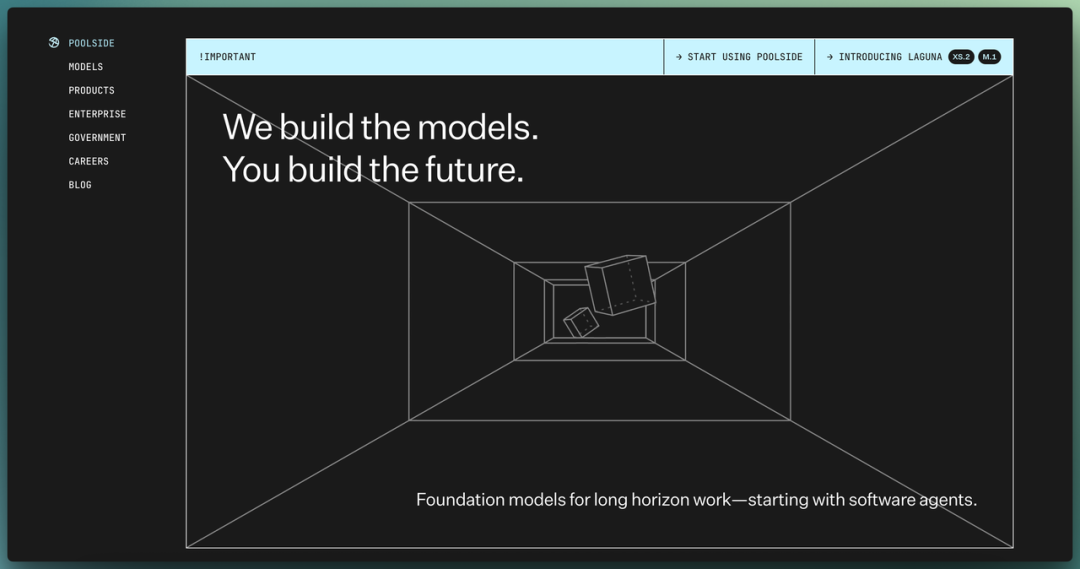
Poolside (valuation ~$3B)
Foundation model and coding agent company for software development, CEO Jason Warner former GitHub CTO, co-founder Eiso Kant from engineering/entrepreneurship background. Against the backdrop of fierce product-layer competition from Cursor, Cognition, and others, Poolside is betting on self-developed foundation models rather than building application layers on existing LLMs. Series B funding roughly $500 million, valuation about $3 billion.
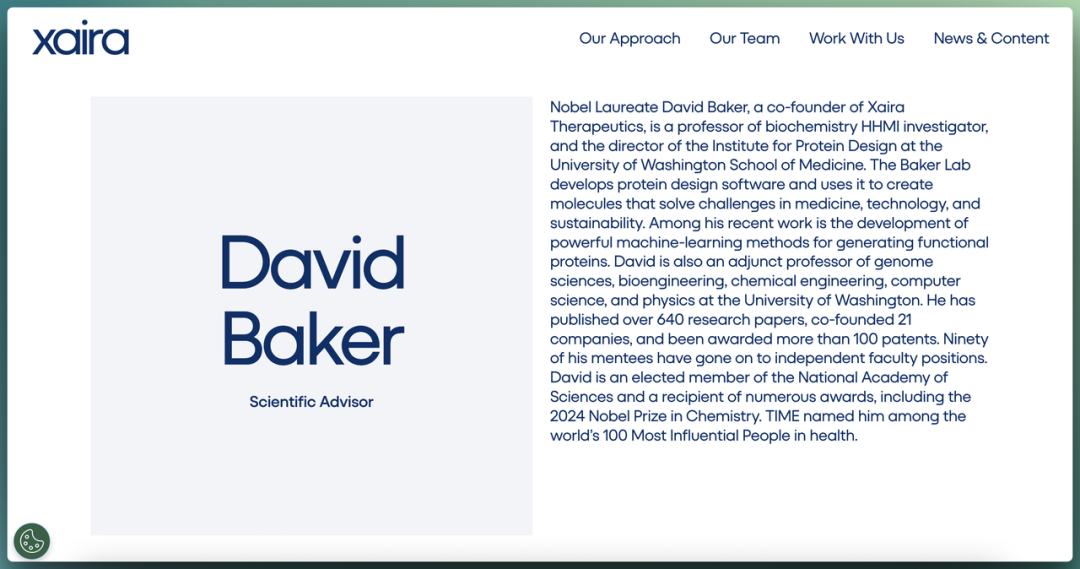
Xaira Therapeutics (valuation ~$2.7B)
AI-first drug R&D company, integrating AI, biology, and clinical translation. Founding lineup includes protein design scientist David Baker, absorbing related technical accumulation from the Baker lab. Entered with $1 billion in startup capital, one of the few Neo Labs in this batch directly making commercial pharmaceutical pipeline its main battlefield, betting that AI can fundamentally compress the drug discovery and validation timeline.
Liquid AI (valuation ~$2B)
Founded by MIT CSAIL team, centered on Liquid Foundation Models, emphasizing parameter efficiency, deployment flexibility, and edge inference capability. Series A roughly $250 million, valuation about $2 billion, a direction entirely different from current mainstream approaches, but therefore with opportunity to find unique survival space in resource-constrained deployment scenarios.
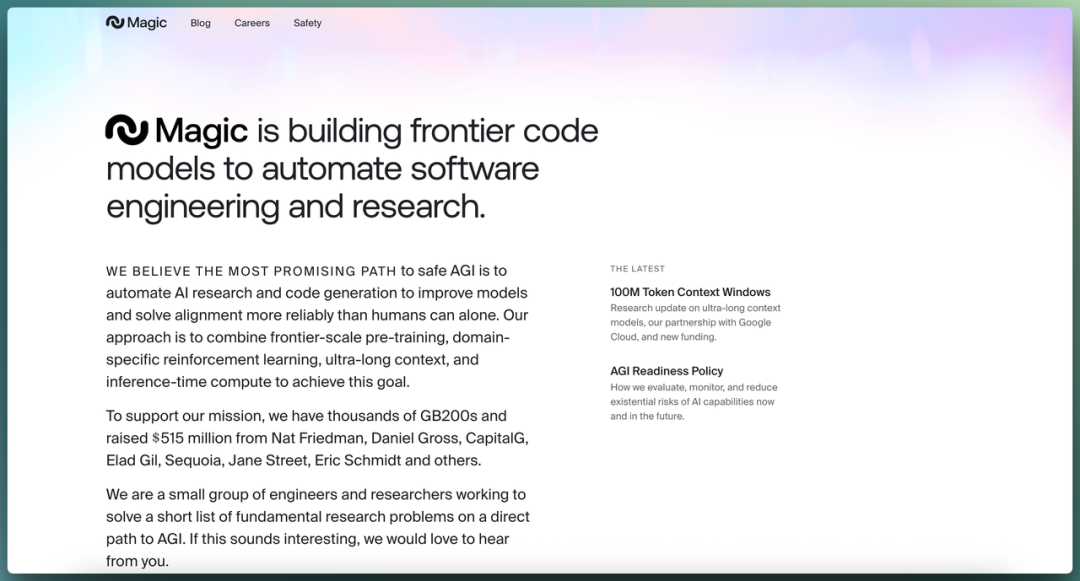
Magic (valuation ~$1.5B)
Long-context coding model / agent company for software engineering automation, core differentiation in extremely long context windows and deep code generation capability. Strategic/growth round roughly $320 million, valuation about $1.5 billion.
Flapping Airplanes (valuation ~$1.5B)
New AI research lab founded by Stanford PhD student Ben Spector and others, direction: improving AI model data efficiency, attempting to enable models to achieve stronger capabilities with less training data. In January 2026, the company announced completion of roughly $180 million seed round, investors including GV, Sequoia, Index Ventures, and Menlo Ventures; as reported by WSJ and others, round valuation roughly $1.5 billion.

Harmonic (valuation ~$1.45B)
Mathematical superintelligence and verifiable reasoning company, using Lean4 and other formal proof methods to reduce AI hallucination, treating mathematical reasoning capability as the breakthrough point for "trustworthy AI." Core team from Robinhood (CEO background) and mathematics/formal reasoning academic circles. Series C roughly $120 million, November 2025 valuation about $1.45 billion.
The Real Test Is the Silent Period
The real pressure these companies face may be less about technology than whether they can endure.
Xaira Therapeutics' drug R&D pipeline, from AI-designed molecules to clinical validation: three years at shortest, longer in many cases. Ricursive's chips from design to tape-out verification: at least a year. During this silent period, neither the talent market nor the capital market will wait for you.
Thinking Machines Lab experienced a wave of departures earlier this year, with co-founders Barret Zoph and Luke Metz, plus founding team member Sam Schoenholz, flowing back to OpenAI.
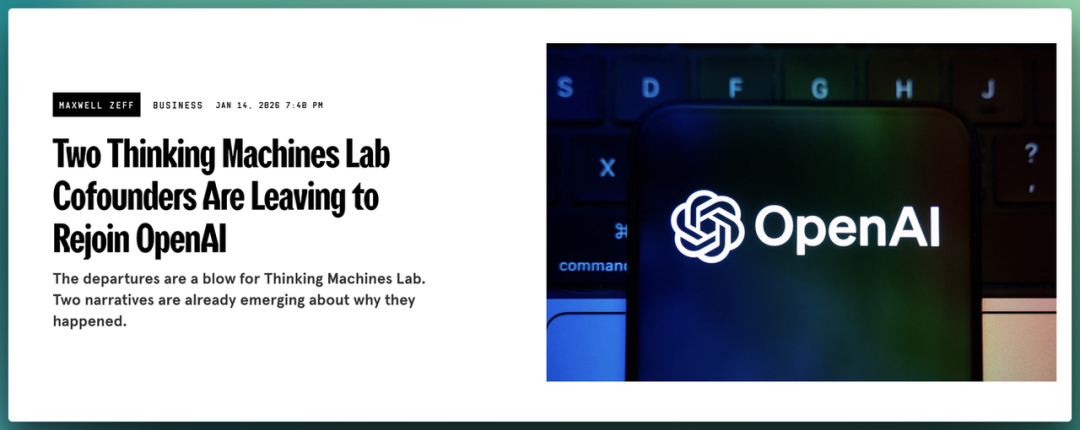
According to Fortune, a former OpenAI researcher revealed that these departures came down to "money" — Meta and Google sometimes offered packages reaching hundreds of millions of dollars, with accelerated vesting, cashable within months.
What Neo Labs can offer is options that might someday be worth billions, but "might" in this industry gets repriced every few months.
Capital-side pressure exists too. These Neo Labs together are valued at over $100 billion, meaning at least one trillion-dollar company needs to emerge from among them for the math to work out.
DeepMind in 2012 was in the same position. From the first forward propagation to AlphaFold solving protein folding: nearly ten years, and no one knew the answer in between.
The difference now is that the competitive intensity DeepMind faced then is on an entirely different level from today.
So don't rush to rank by today's valuations.
Ten years from now this list will likely be reshuffled, and the names at the top then may today be hiding in some lab that doesn't even have a product yet.

Crossing is looking for independent contributors to write AI product and model reviews. If you've written articles like: "Hands-on with PixVerse C1", "Hands-on with LibTV", please contact zeo0811@gmail.com. Please include in your email: ① personal introduction, ② AI review articles you've written. We offer competitive compensation. Looking forward to observing and documenting the AI era with you 🎪