Qi Yin just told the full story of "large models on wheels."
Qianli Technology's AI commercial flywheel officially kicked into a higher gear today
Qianli Technology's AI Commercial Flywheel Just Hit the Gas
👦🏻 Author: Zeooo
🥷 Editor: Koji
🎨 Design: NCon

Qi Yin's Qianli Technology held another product launch.
September last year, Chongqing.
We tagged along with Yin as he road-tested an "AI veteran driver" in the "8D magic city." That was Qianli's brand debut, and the first time we heard "model density" — the key technical metric that would define the company.
January this year, Beijing.
StepFun closed its B+ round at over 5 billion RMB, and Yin formally became chairman. In our coverage, we wrote: from that moment on, StepFun's model capabilities and Qianli's terminal scenarios — the "brain" and the "torso" — had the same decision-maker.
April 22, evening, M Space at Beijing's Wukesong.
"AI Every Mile" — Qianli Technology's AI strategy and product launch just wrapped. We were in the audience for the full show.
🚥
From last autumn to this spring, the AI industry's attention has shifted from "how smart can models get" to "what jobs can models actually do."
Placed on the timeline toward "AI + physical world" in 2026, Qianli's April 22 event is the first relatively complete answer sheet we've seen.
"Complete" means four things all holding true at once: you need a foundation model, you need systematic intelligent driving + intelligent cockpit solutions, you need mass-produced vehicles that actually work, and you need an "industry operator" who can connect all of these.
On the night of April 22, Yin put all four on the same table. He even brought in the CEOs of edge-chip and cloud-computing companies, showing off Qianli's AI+vehicle "friend circle."
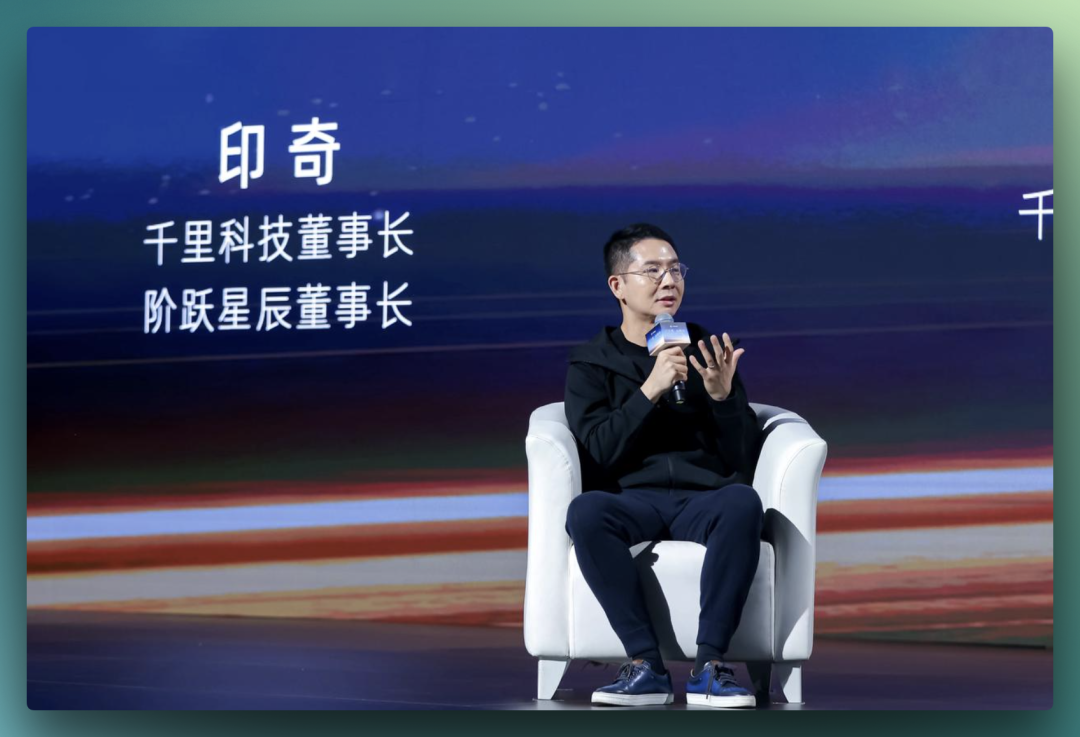
Here's what we saw, heard, and thought about at this launch.
Model Density: The Underlying Metric for Qianli's Intelligent Driving Tech
To understand Qianli's all-in-AI technical blueprint, you can't get around its core metric: model density.
At first glance, many assume model density simply means "what percentage of the system is AI." But by Qianli's definition, it has two layers: the quality of the foundation model itself, and the breadth and depth at which that model drives the driving-cockpit system.
In other words, stuffing a mediocre model everywhere doesn't count as high model density. The model itself has to be strong enough to "drive" the entire system.
In a previous interview, Yin gave a clear set of numbers:
"Current intelligent assisted driving solutions on the market probably have model density below 50%. The industry benchmark should be 80% to 90%. In the future, Qianli's intelligent assisted driving solutions have a shot at reaching 80% to 90%."
Higher model density means the system covers more edge cases, learns faster from real-world data, and no longer relies on rules and manual tuning as backstops — instead, capabilities extend naturally from the model itself.
Whether a vehicle is truly AI-native isn't measured by how many LiDARs are stacked on it, but by how deeply the model participates in the decision chain.
L4 Architecture for L2++: A "Downward" Dimensional Reduction
Qianli threw out a counterintuitive thesis for its intelligent driving path:
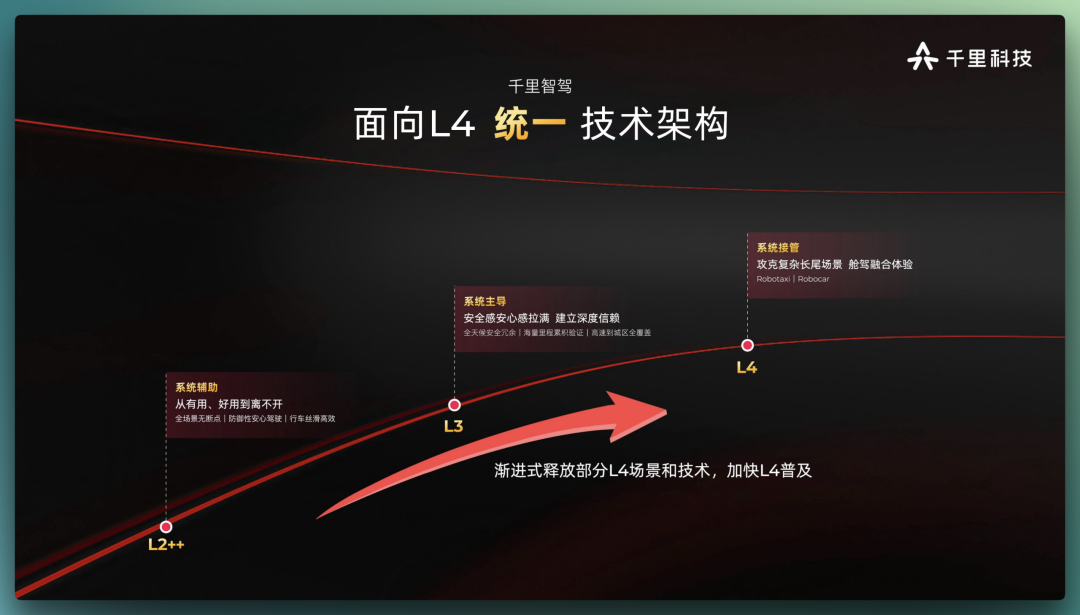
Use L4-grade technical architecture to build today's L2++ assisted driving.
The industry norm is the reverse: start with L2+, stack upward bit by bit. Compute, sensors, scheduling systems — all specced for "good enough right now."
The problem with this path: once you hit edge cases that rules can't cover and the vehicle must decide for itself, climbing higher gets increasingly painful.
Yin distilled Qianli's approach into two words: downward compatible, upward breakthrough.
The Qianli intelligent driving you'll use today in the ZEEKR 9X and 8X runs on an architecture ready to scale directly to L4 in the next 3-5 years.
No patches. Rewrite the foundation.
Super Agent for "Cockpit": Toward a Whole-Vehicle Intelligent Agent
Done with "driving," now to "cockpit."
Qianli's cockpit play is direct: use a complete super agent to run the entire vehicle "cockpit."
Navigation, powertrain, chassis, entertainment — all become capabilities the agent can invoke. Users no longer learn "how to operate a car"; they tell the car "what you want to do."
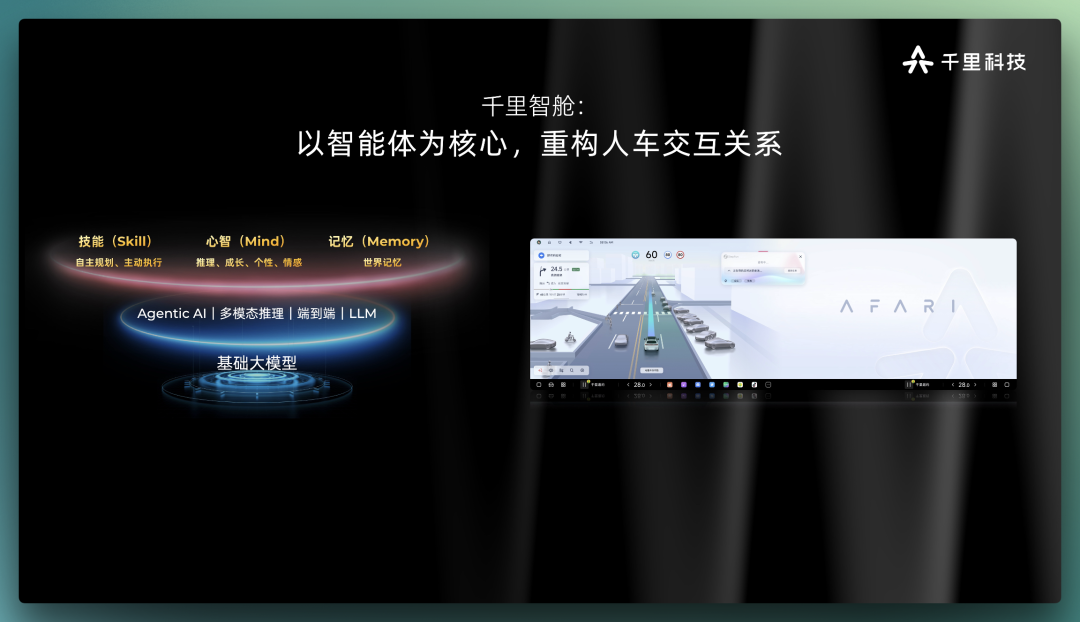
The first production form of Qianli's intelligent cockpit already shipped on the ZEEKR 8X, launched April 17, built on StepFun's Step 3.5 Flash multimodal foundation model — continuing Qianli's high-model-density approach.
When the ZEEKR 8X launched, one demo video made an impression. Just say to the vehicle:
The sunset's perfect right now. Find me somewhere open with a full city panorama view — I need to nail this shot today!
The vehicle immediately checks sunset time, filters for an open spot with panoramic city views, plans the fastest route, activates intelligent driving, and parks beside the spot at arrival. One sentence, one agent, one complete action chain.
Tesla's move to put Grok into FSD in the first half of this year follows this same path. Qianli Technology's "super intelligent agent," debuting in the ZEEKR 8X's Super Eva, is China's first Grok-in-a-car equivalent.
Put "driving" and "cockpit" together, and what Qianli is really aiming at is Robotaxi.
Qianli × StepFun: Whoever Holds the Foundation Model Holds the Future
The launch also introduced a term: "native intelligent driving foundation model." Jointly built by Qianli and StepFun, it will serve as the base for physical AI and embodied intelligence.
Brain: StepFun's multimodal foundation model. Body: Qianli's system solutions + Geely Auto's mass production.
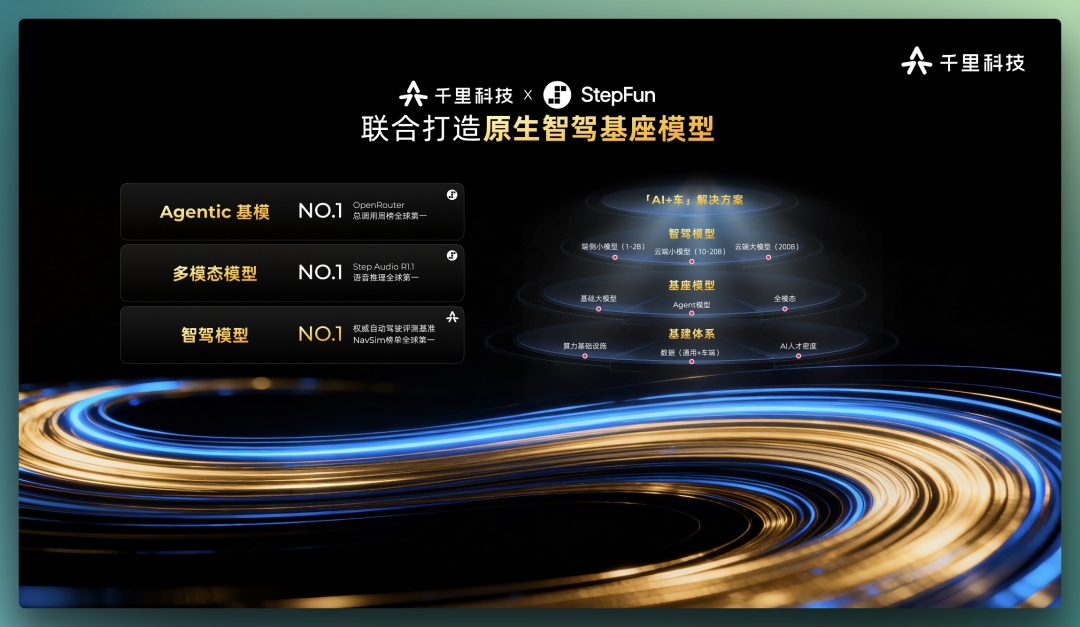
Over the past year, the AI industry has debated Model as a Product. There are really two readings:
- Reading A: Turn the model directly into an agent / product (the Zhipu AI, MiniMax, Moonshot AI camp)
- Reading B: Embed the model into a physical product, where the model becomes part of the product (the Tesla + xAI camp)
Qianli × StepFun chose B — still rare in China's foundation model track.
What it means: the model company gets a large-scale application scenario with continuous data feedback; the vehicle company gets a deeply customized foundation model that keeps pace with SOTA. Both designed around the same technical roadmap from day one.
Of course, this binding cuts both ways. Once a foundation model is deeply adapted to in-vehicle scenarios, it's no longer a swappable "plugin." It becomes part of the product itself.
The saving grace: Yin is chairman of both companies, from foundation model to intelligent driving, from brain to cerebellum, coordination costs are minimized from the start.
Yin × George Zhao: The Technologist Gets His Missing Commercial Piece
Yin, 15 years in AI entrepreneurship. Thoroughly AI-native. Now simultaneously chairman of Qianli Technology and StepFun, having lived through the full arc from AI 1.0 to AI 2.0.
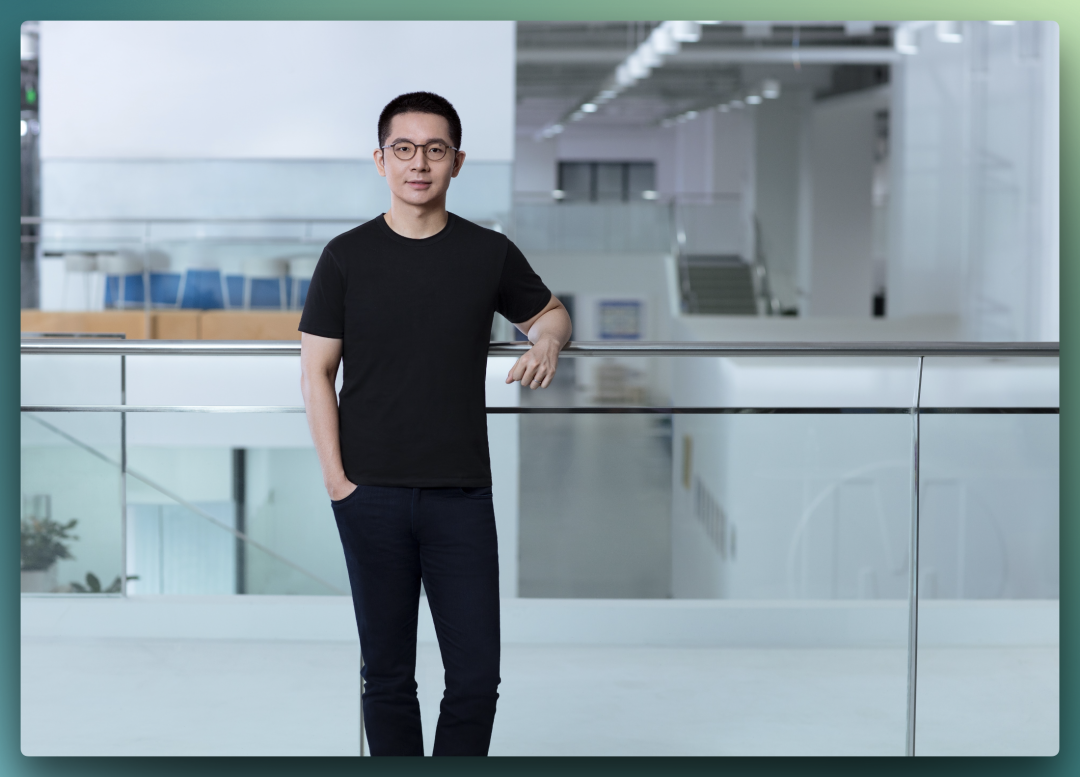
The reflection from 15 years of AI entrepreneurship is simple: strong tech ≠ commercial win. For the "commercial win" half, he now has someone beside him: George Zhao.
25 years in consumer electronics. A decade leading HONOR, steering it through a V-shaped reversal, top-tier industry ranking, globalization, and AI systems — three major achievements.
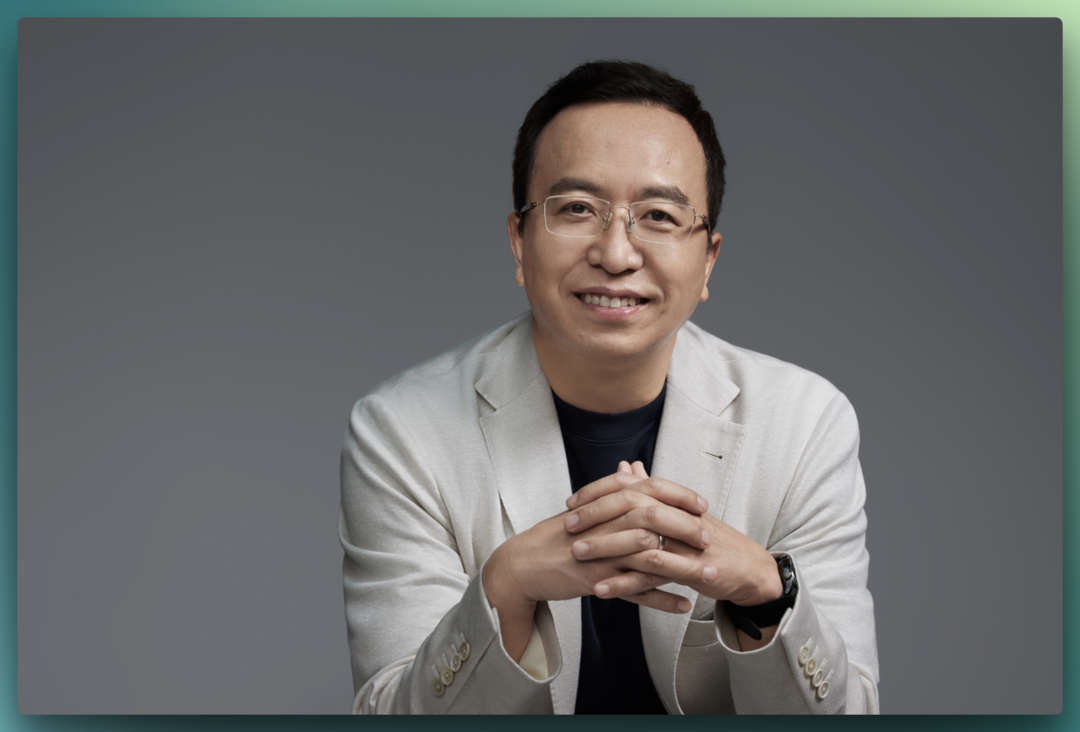
With this, Qianli Technology has formally filled in a critical piece of its path toward AI commercial closure.
Qianli Speed, and an Ambitious Answer Sheet
Qianli shared some numbers. Current Qianli intelligent driving installations have surpassed 460,000 vehicles, covering 17 models across ZEEKR and Lynk & Co.
And they laid out a three-year roadmap on stage: 2026 to join the "million club," 2028 to hit 8 million installations.
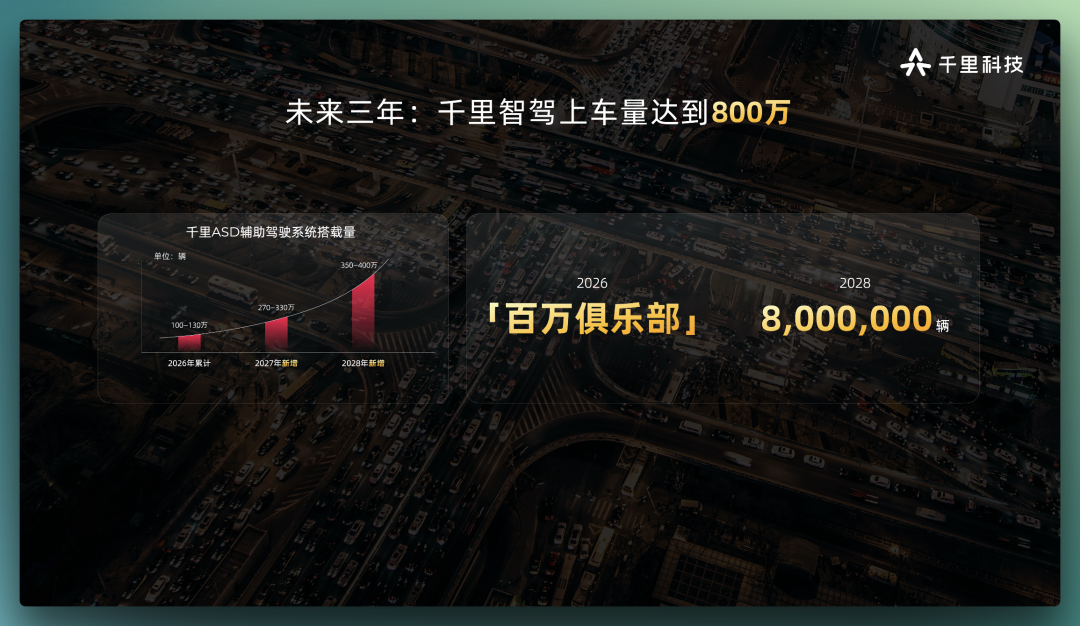
From 460,000 to 8 million is more than a 10x leap in three years. Qianli's target is direct: become one of China's largest intelligent driving companies.
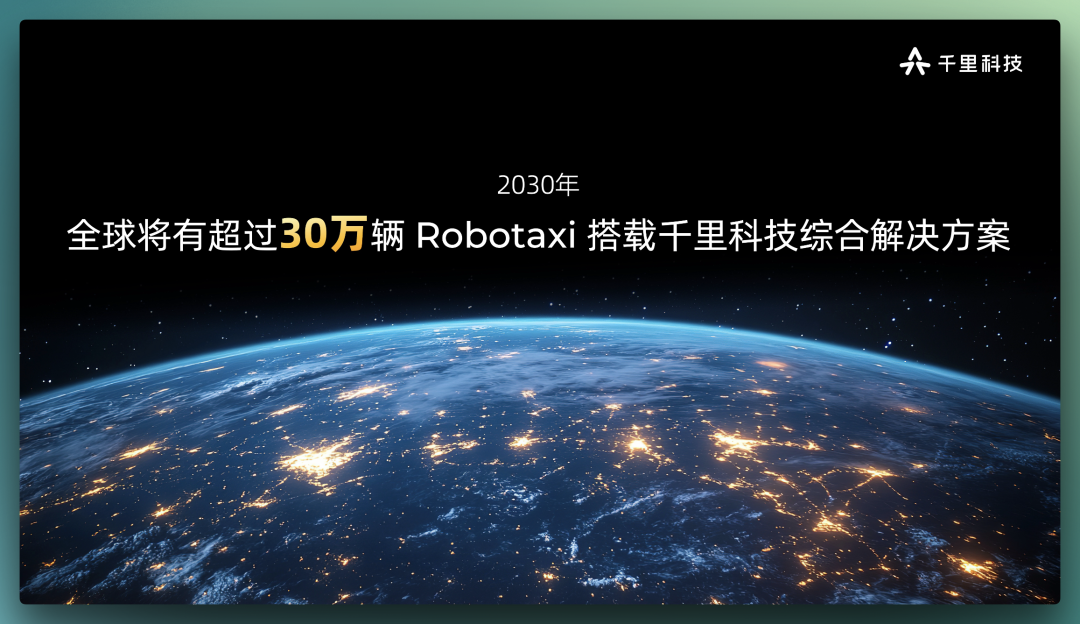
Looking further out, the 2030 ambition is equally striking: provide integrated solutions for over 300,000 Robotaxis globally.
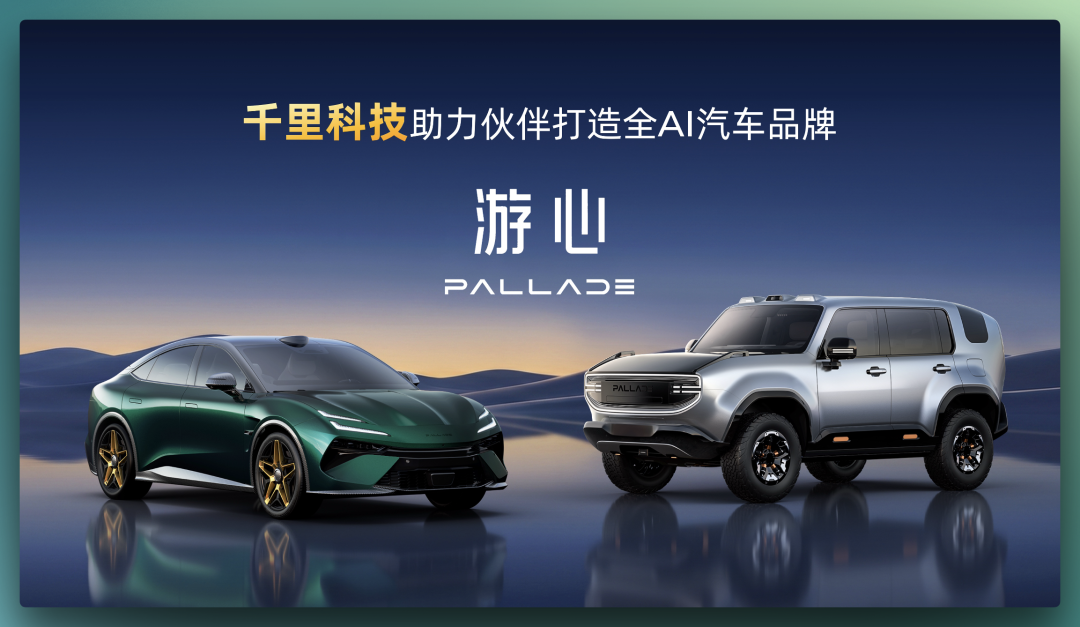
Tonight also brought a new face: PALLADE, a new brand co-built by Qianli, with two models debuted on stage. Qianli's role extends from "intelligent driving supplier" to "brand co-builder."
On the time scale of the auto industry, this is "internet speed."
Qianli isn't competing on trillion-parameter foundations or total vehicle sales. It's going for the top-tier "operating system company" slot between the model layer and the vehicle layer.
Beyond Mobileye, Nvidia Drive, and Huawei Qiankun, that slot can only be Qianli's.
On the night of April 22, Qianli formally claimed it.
🚥
What we saw tonight at Wukesong was Yin's steadily assembled "AI + terminal" answer sheet — this time, with George Zhao, who spent 25 years in consumer electronics, at his side.
Yin once said in an interview: "All glory that can't close the loop is temporary."
That's the sentence he collected over these 15 years.
We wish Yin's "Qianli" journey leads to true stars and oceans, and we wish Qianli Technology can this time truly create "glory that closes the loop."

Crossing is looking for independent contributors to write AI product and model reviews. If you've written pieces like our PixVerse C1 test or our LibTV test, please contact zeo0811@gmail.com with: ① your bio, ② AI review articles you've written. Competitive rates offered. Looking forward to observing and documenting the AI era together 🎪