The People Selling Water to Robots Became a Unicorn

The Pick-and-Shovel Business of Embodied Artificial Intelligence
The Pick-and-Shovel Business of Embodied AI

👦🏻 Author: Yitao
🥷 Editor: Koji
🧑🎨 Layout: NCon

The most certain business in a gold rush isn't mining—it's selling picks and shovels.
This story has been told countless times, but it keeps coming up because it points to a non-consensus insight: In a capital-intensive, high-risk race, the best business is often the thing everyone needs but no one wants to build themselves.
Embodied AI is now in the middle of its own gold rush. Since 2025, robotics companies have raised billions to build physical bodies, and large model teams have raised billions to train robot brains. Hundreds of billions of yuan have flooded into the sector.
But a critical question follows: Where does a robot get the training data it needs to learn how to work in the physical world?
Large language models can feast on internet text. But the physical interaction data robots need barely exists. Collecting it from real machines is painfully slow—a year's worth might only train generalization for one grasping motion. As Xie Chen, founder of Lightwheel Intelligence, puts it:
If large language model data maturity scores 60 out of 100, robot data scores less than 0.6. In March 2026, Lightwheel Intelligence closed its A++ and A+++ rounds totaling 1 billion yuan, pushing its valuation past $1 billion. The round brought in industrial investors including New Hope Group, Dingbang Investment, AUX, and Dingstone Asset Management, plus government-backed capital like Jiantou Huake and Guofang Innovation. This came just two months after its previous round, making Lightwheel the world's first unicorn in embodied intelligence data.
Founded in 2023, the company doesn't build robots or train large models. It uses simulation technology to mass-produce robot training data—selling water to all the gold miners.
The pick-and-shovel narrative is compelling. But one premise rarely gets questioned: Will water stay scarce forever?
The last company that built a major business supplying data to AI was Scale AI. When GPT-2 launched in 2019, the data infrastructure for large models was immature, and Scale AI seized that window to become OpenAI's most important data supplier. Seven years later, Scale AI's 2025 revenue is projected at $2 billion, with a valuation that peaked at $29 billion.
But its role in the large model training pipeline has shifted from "irreplaceable" to "valuable but not the only option." After Meta acquired 49% of Scale AI for $14.3 billion in 2025, OpenAI began reducing its dependence on the company.
Lightwheel today sits in a position strikingly similar to Scale AI six or seven years ago: on the eve of industry takeoff, everyone is desperate for data, and the value of a specialized third-party supplier is at its peak.
Why Robots Lack Data
Training a large language model, you have oceans of internet data ready to use.
Training a robot to pick up a cup in the real world requires something entirely different. Someone has to put on equipment and teleoperate a real robotic arm, recording every grasp in full detail. Arm trajectory, force feedback, fingertip contact angles—all of this is scarce embodied intelligence data.
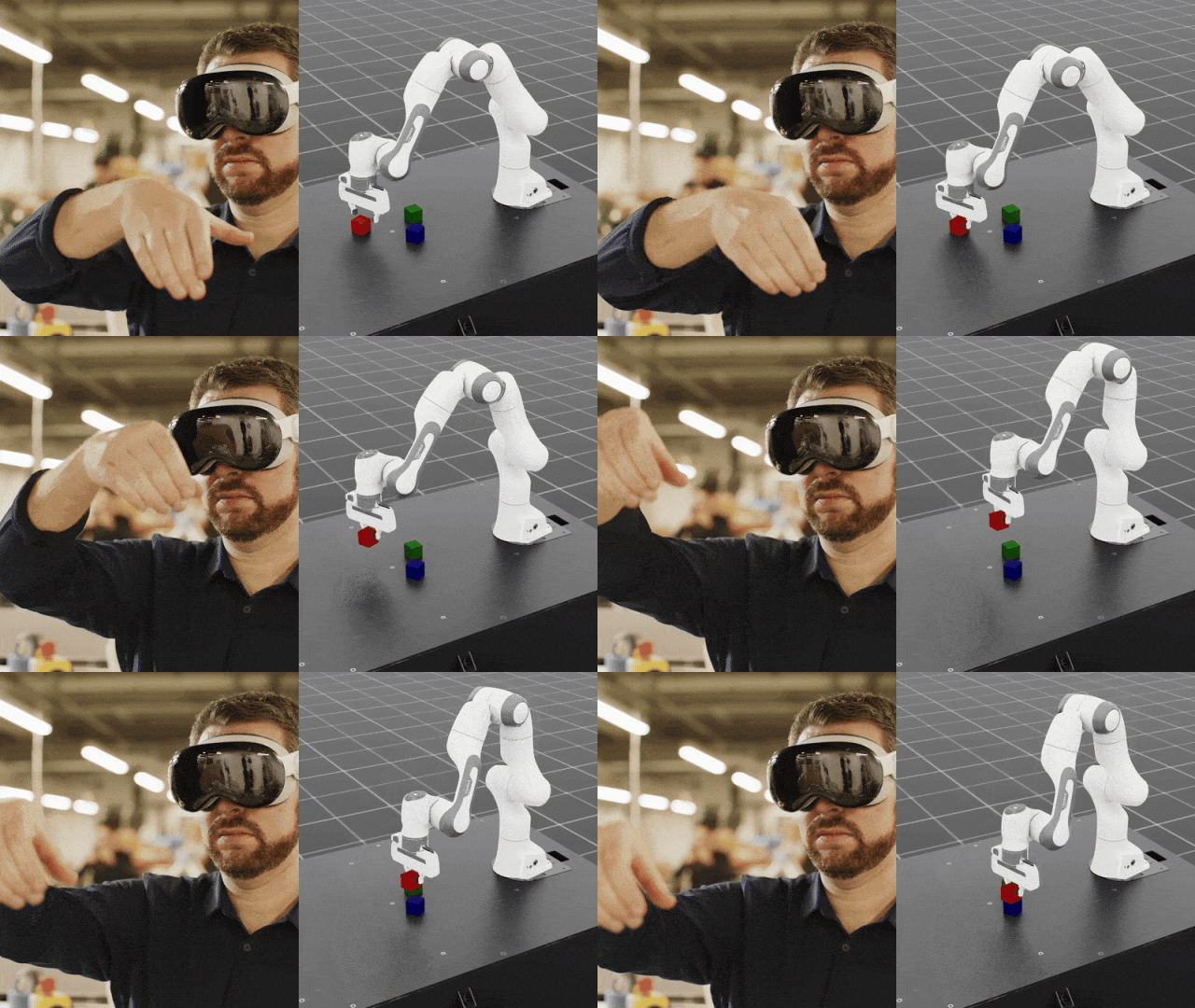
AgiBot, for instance, reportedly built a 4,000+ square meter data collection factory in Shanghai, producing 30,000 to 50,000 data points per day. That sounds substantial, but it's only enough to train generalization for one type of motion. Change the part, change the action, and you need to start collecting all over again.
Yilun Chen, founder of Tashi Zhihang, has publicly stated:
For embodied intelligence to be truly usable, it needs at least 10 million hours of data.
The Galaxy Universal team takes an even more aggressive view, suggesting the requirement could reach the trillions. At current collection speeds, this gap is virtually impossible to close by throwing more people and equipment at it.
Collection difficulty is only half the problem. The other half is that much of the readily available data on the internet is nearly useless for robots. YouTube has endless videos of human manipulation, but these videos are made for human viewers.
Take the simplest bottle-twisting video. A human watches and immediately understands what's happening. A robot watching sees only that the cap is rotating—it has no idea what finger angle is applying force, or when to switch torque direction.
Without force feedback and precise pose information, these videos have limited direct value for robot training.
A comparison with autonomous driving makes this dilemma clearer.
Autonomous driving could pursue a data-driven path because the auto industry has existed for over a century, and the installed hardware itself forms a massive data collection network. Every Tesla on the road generates real driving data.
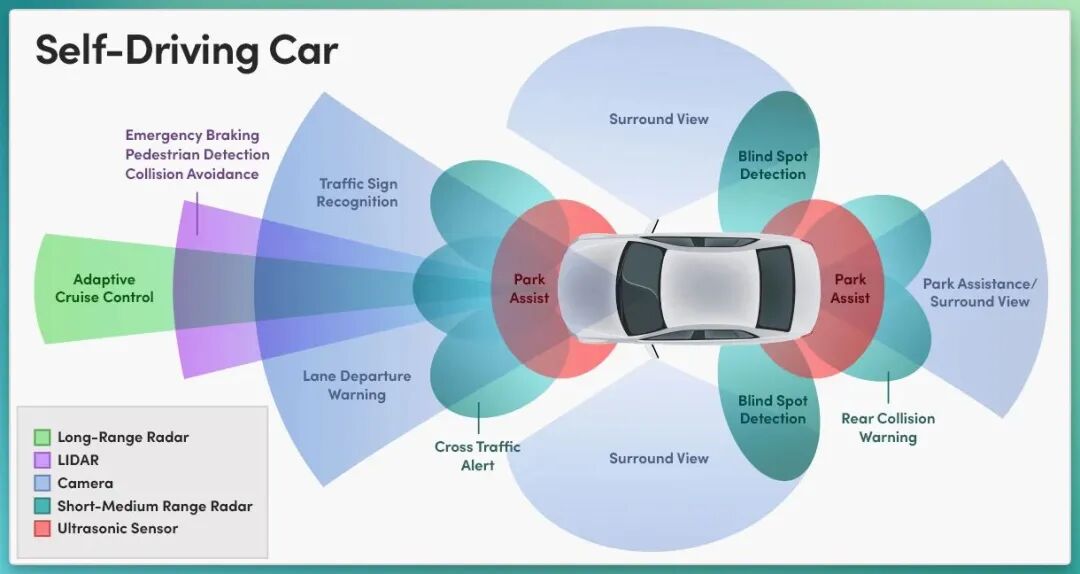
Embodied intelligence lacks this foundation. Humanoid robots are still in the thousands-of-units delivery phase. There is no vast installed base that can "incidentally" produce massive amounts of interaction data.
Even when data is collected, it may not work well. This is the second independent bottleneck in the data famine.
The same part-grasping task: Factory A's part placement, lighting conditions, and table material are completely different from Factory B's. A model trained on Factory A's data may fail outright at Factory B.
Acquiring real-machine interaction data depends heavily on expensive hardware costs and scene deployment, with severe scarcity in complex operations, edge cases, and long-tail tasks. The resulting models often perform "perfectly in the lab, broken in the real world."
This is the so-called Real2Real Gap—distribution differences between different real-world scenarios.
The "Simulation Faction": Manufacturing Data in Virtual Worlds
Since real-machine data collection is unsustainable, a natural idea emerges: manufacture data in virtual worlds. Build scenes in simulation environments, simulate physical interactions, and bypass the astronomical costs of real-machine collection.
The approach works in stages. First, measure physical parameters of real-world objects. Then reconstruct physically accurate enough scenes in virtual worlds. Have humans operate within these virtual scenes and record motion trajectories. Finally, use algorithms to automatically expand a small number of trajectories into massive variations.
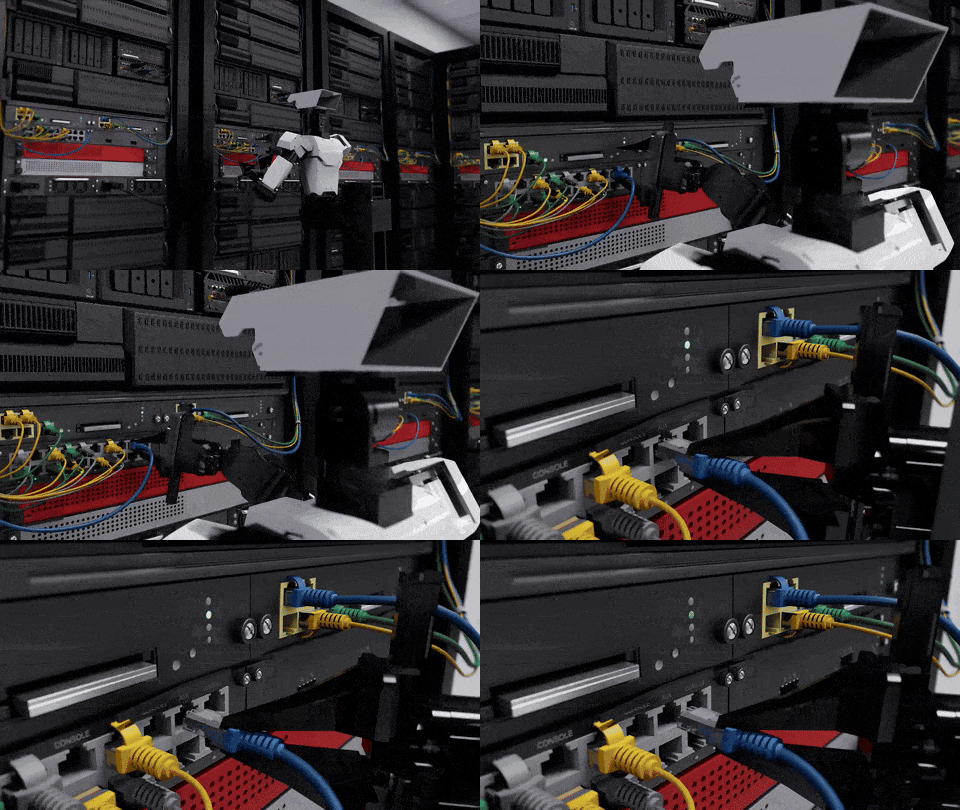
This path sounds straightforward, but it introduces a new problem: physical differences between simulation and the real world—the Sim2Real Gap.
Friction coefficients, gravity response, and collision feedback in virtual worlds are all simulated. If the simulation isn't precise enough, actions learned inside will fail in reality.
The Sim2Real Gap and the Real2Real Gap mentioned earlier are structurally the same: both are distribution mismatches.
The difference is that the Real2Real Gap is between two real-world scenarios, and you can only narrow it by collecting data from more scenes; the Sim2Real Gap is between virtual and real, and you can narrow it by improving simulation accuracy.
Lightwheel chose the latter.
Reports indicate that Lightwheel developed its own physics simulation engine while also establishing a "physics measurement factory" that uses equipment to measure real objects' weight, friction, elasticity, and other physical parameters, reconstructing them in simulation and repeatedly verifying consistency between the two.
Its investment in non-rigid assets—cables, fabrics, and other deformable objects—is particularly heavy. These objects are far more difficult to simulate physically than rigid bodies, yet industrial scenarios involve them extensively.
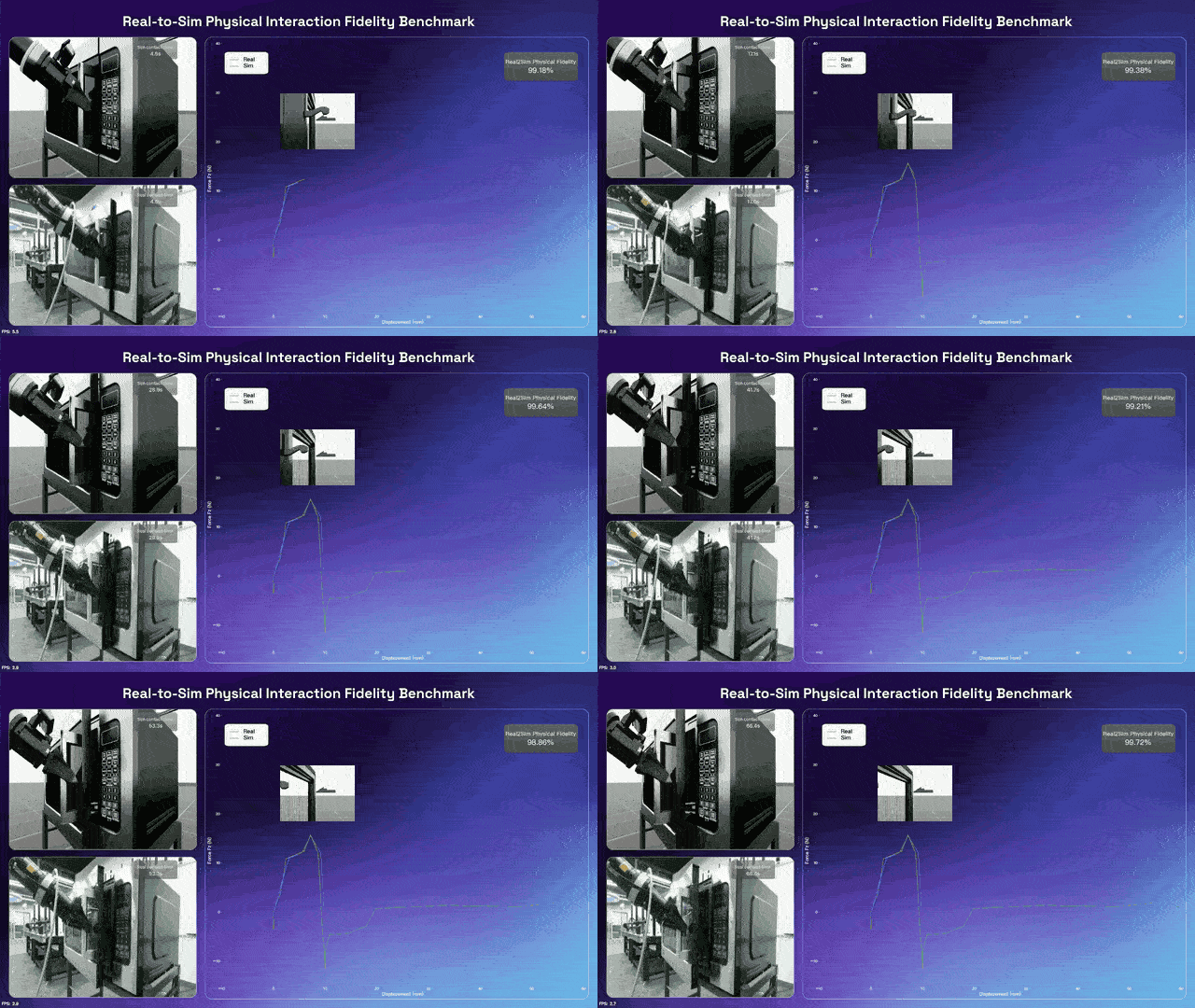
Lightwheel claims "sub-millimeter precision," but publicly available materials lack quantitative comparisons with mainstream physics engines like NVIDIA PhysX or MuJoCo to support this. Sub-millimeter precision could refer to positional accuracy, force precision, or contact surface simulation precision—different dimensions with vastly different meanings, requiring more precise definition.
Data volume amplification is Lightwheel's second selling point. It built simulation teleoperation bases domestically, where operators control virtual robotic arms in virtual environments to complete tasks. The system records operation trajectories, then algorithms automatically vary object position, angle, and environmental parameters to generate large numbers of variations from limited data. This production line reportedly outputs tens of thousands of hours of data per week.
Third is the simulation evaluation platform RoboFinals, where trained models undergo large-scale testing in simulation. This is the least controversial part of Lightwheel's offering.
Even teams skeptical of simulation training data acknowledge that scaled evaluation can only be done in simulation—you can't run the same test 10,000 times on a real machine to verify generalization.
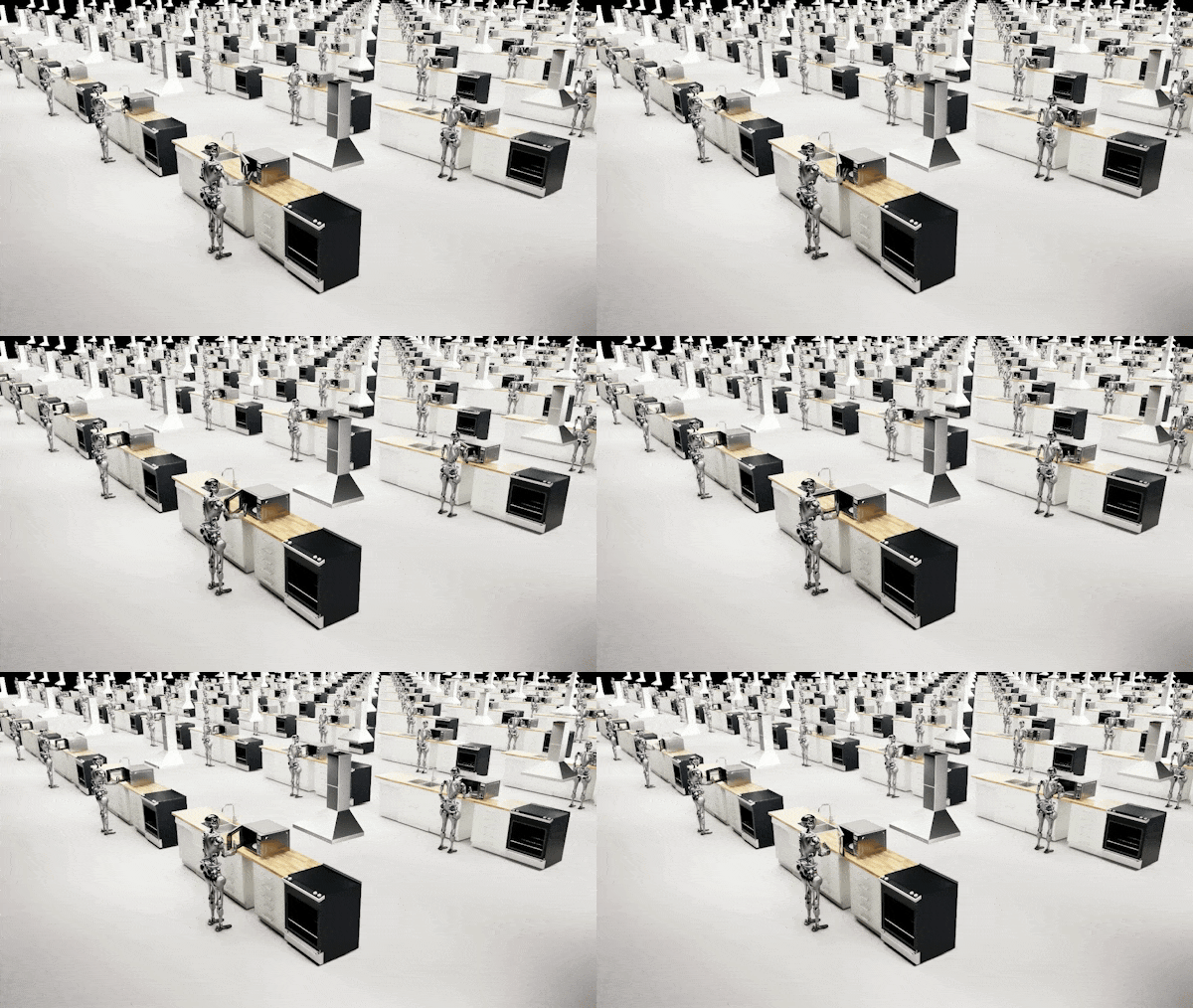
This workflow already has deployment cases. According to an NVIDIA technical blog, Lightwheel provided full synthetic data support for NVIDIA's GR00T N1 humanoid robot foundation model, enabling robots to complete parts quality inspection, loading, and handling tasks in automotive factories.
Lightwheel's data isn't tied to any single robot type. The same dataset can transfer to different physical platforms. If this cross-platform reusability continues to validate, it will be the most scalable part of its business model.
Debates and Alternative Paths
Simulation has no shortage of detractors. Their core concern is the physical gap between simulation and reality—the Sim2Real Gap.
Physical properties in virtual worlds are all based on simulation. Actions learned in a "distorted" virtual world may fail outright in reality.
Independent Variable Robotics explicitly states it "adheres to a real-machine data closed-loop route and refuses to rely on simulation data." Bao Wentao, CEO of Jizhi Lian Robotics, noted in an interview that "the industry still primarily uses real-machine collection; video and synthetic data cannot yet replace the value of real interaction data due to technical immaturity."
In an industry overview, OFweek summarized this debate as an "impossible triangle":
Realism, scalability, and low cost—currently, you can't have all three.
Xie Chen's response to the real-machine faction is direct. His view: "Where you sit determines what you think."
A robotics company's business model is selling hardware. Promoting simulation makes it hard to convince clients to spend more on real machines for data collection.
This observation has merit, but the reverse is equally true. Every party's technical judgment is more or less influenced by its commercial position. Dismissing opponents' positions entirely as commercial motivation is itself a rhetorical move shaped by vested interests.
In February 2026, NVIDIA's EgoScale research provided a critical data point: pre-training on 20,000+ hours of first-person-view human operation video, combined with 54 hours of human-robot alignment data for intermediate training, improved task success rate for a 22-DoF dexterous hand by 54% over baseline.
More importantly, the EgoScale paper discovered a log-linear scaling law—a predictable relationship between human video data volume and model validation loss. This means robot performance improves steadily as long as human video data keeps increasing.
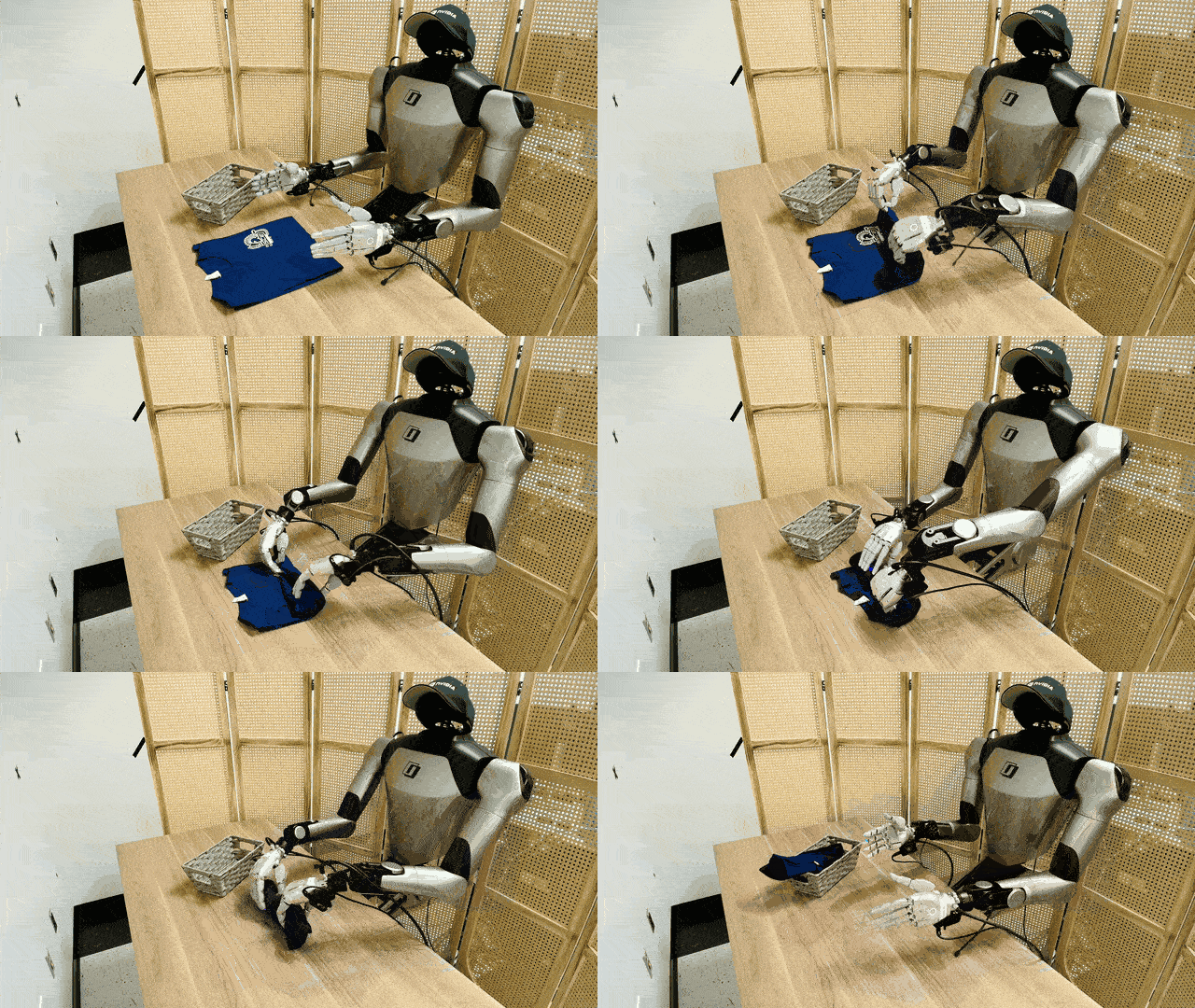
This finding undermines the extreme positions of both the real-machine and simulation factions. It proves that massive real-machine teleoperation data may not be essential—human daily operation video plus limited alignment data suffices. But it also suggests that synthetic simulation data may not occupy a core position in this training pipeline.
First-person-view video data is becoming a hot path for robot training in 2026. NVIDIA's own GR00T N1.7 model has incorporated EgoScale's 20,000 hours of human video data into pre-training. Google DeepMind's Genie 3 world model is also exploring generative methods for large-scale synthesis of first-person interaction data.
Xie Chen has his own narrative framework. He divides data into a pyramid structure:
The base is internet and first-person-view data, the middle is simulation synthetic data, the top is real-machine data. In this framework, simulation sits at the "midsection"—more volume than real-machine data, higher quality than video.
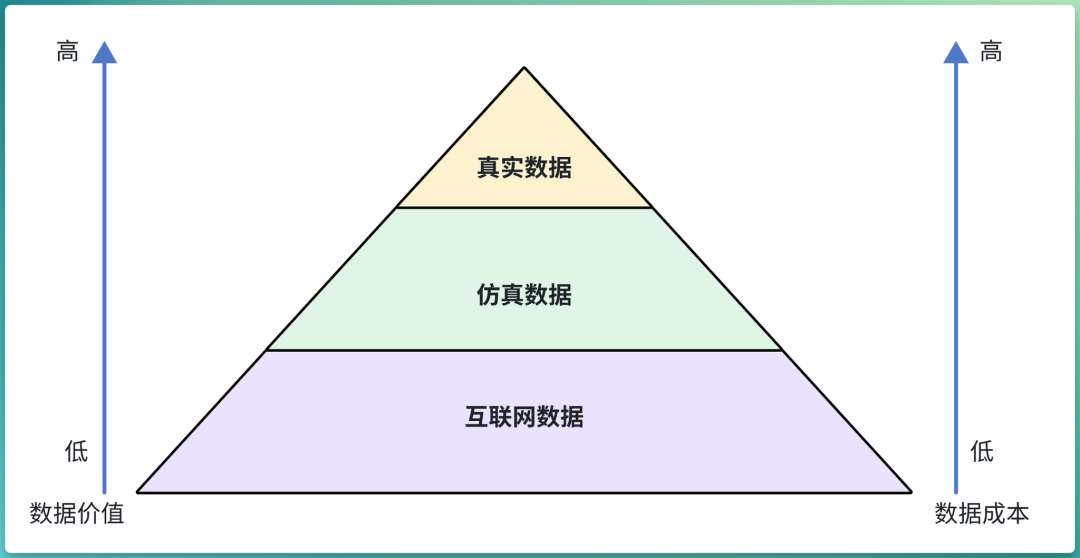
This positioning is most favorable to Lightwheel, but also most in need of proof. If first-person-view video data plus limited alignment data proves sufficient, the pyramid's middle layer could be flattened. Simulation's role wouldn't disappear, but would contract from the main training path to an auxiliary tool and evaluation platform.
Who Holds the Endgame
Lightwheel's current commercial traction is real. The company achieved 10x revenue growth in 2025, with Q1 2026 alone expected to exceed all of 2025. Its customer list spans NVIDIA, Google DeepMind, Figure AI, 1X Technologies, ByteDance, Alibaba, AgiBot, Galaxy Universal, Toyota, Bosch Group, and BYD. Over 80% of simulation assets and synthetic data from major global embodied intelligence teams reportedly come from Lightwheel.
This is very strong positioning in the window where data famine is most severe.
But positioning isn't the endgame.
The first risk comes from major customers building in-house. NVIDIA has its own Isaac Sim platform. Currently, it partners with Lightwheel—they jointly open-sourced the Isaac Lab-Arena benchmark framework. But NVIDIA has repeatedly done the same thing in its GPU ecosystem: partner with third parties to grow the ecosystem, then gradually bring key capabilities in-house or cultivate multiple suppliers to reduce dependence once capabilities are validated. Isaac Sim itself is continuously evolving. The asset and data capabilities Lightwheel provides are things NVIDIA may well cover in future platform versions.
Alibaba, ByteDance, and similar companies—rich in compute and scenarios—are aggressively expanding into embodied intelligence. Once their robot deployment volumes grow, their motivation to build internal data capabilities will likely exceed their incentive to purchase externally.
The second risk comes from which technical path converges. If the "human video pre-training + limited alignment data" route represented by EgoScale proves to be the main path, the weight of simulation synthetic data in the training pipeline will decline. While Lightwheel's value in evaluation is almost unaffected, the ceiling of the evaluation market is not in the same league as the data supply market.
Xie Chen has a formulation for this:
In the endgame, customers may no longer need Lightwheel's data, but they will always need simulation environments for self-cultivation. Lightwheel isn't a data factory—it's a data engine.
In other words, Lightwheel is betting that simulation environments themselves become permanent infrastructure for robot intelligence.
Whether this bet holds is uncertain. It depends on a variable Lightwheel cannot control: where embodied intelligence's technical path ultimately converges.

Crossing is looking for independent writers to cover AI product and model evaluations. If you've written articles like "Hands-on with PixVerse C1" or "Hands-on with LibTV," please contact zeo0811@gmail.com. Your email should include: ① a brief bio, ② AI evaluation articles you've written. We offer competitive compensation. Looking forward to observing and documenting the AI era together 🎪