This Chinese Team Built a "Gaming TikTok" Overseas
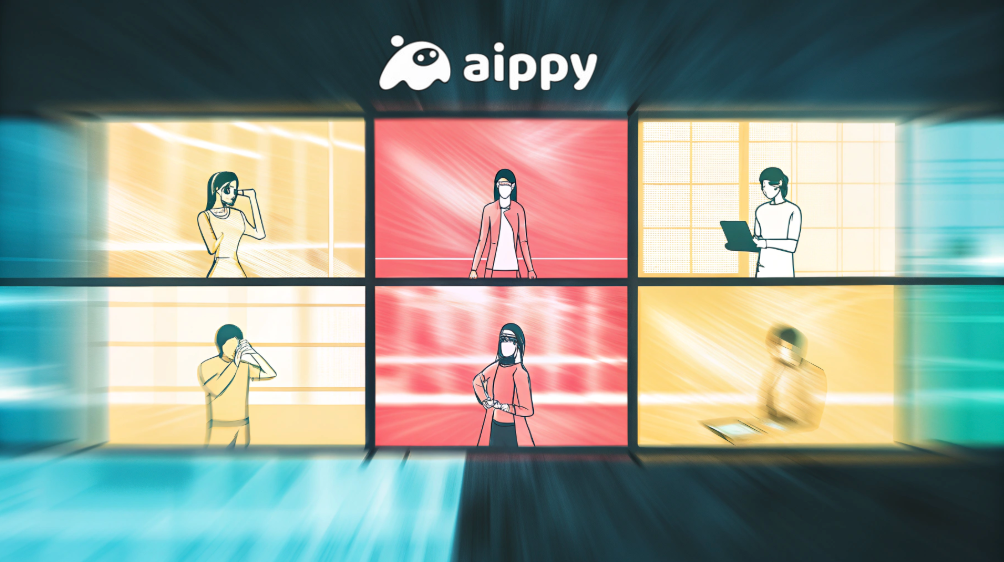
Say one sentence and make a game — Aippy wants to become the next TikTok.
Say one sentence and make a game. Aippy wants to be the next TikTok.
👦🏻 Author: KaGi
🥷 Editor: Koji
🧑🎨 Layout: NCon

"AI-powered TikTok" — you're hearing this phrase a lot lately.
A wave of new products are all trying to do the same thing:
Use AI to drive the cost of "making content" down to nearly zero, then distribute that content through a vertical feed.
A user says one sentence, and AI generates an interactive experience — a mini-game, a personality quiz, a digital toy, whatever.
Drop it straight into the content stream. Someone scrolls to it, plays it, then remixes it into their own version with one tap.
In our article The Apps Trying to Be the Next Douyin, we profiled five companies running ahead of the pack:
Wabi, Aippy, Rezona, Gizmo, Sekai.
At the time, the category was just getting started. No clear leader yet.
But in our ongoing coverage, one product has drawn more of our attention: Aippy.
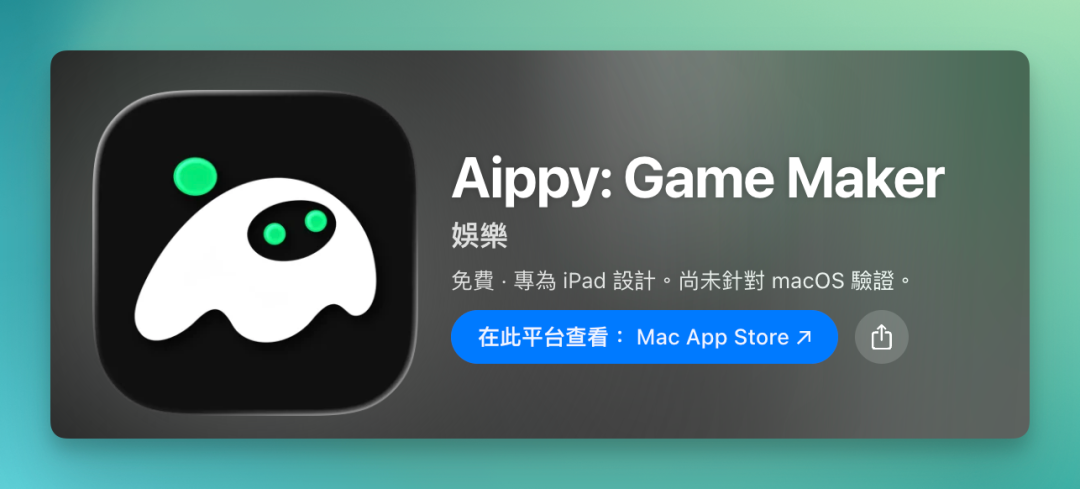
The reason is straightforward: It's one of the few pure overseas products in this cohort built by a Chinese team. Behind it is Newborn Town, a listed company with years of experience in going global. The founder started building companies as a student — among China's first generation of overseas entrepreneurs.
What interests us even more: Aippy was probably the earliest mover in this category. It launched on web in early 2025, then on iOS and Android the same year. But the team's style is extremely low-key, and with zero presence in the domestic market, it has virtually no name recognition in China.
In reality, it's been running — and running fast.
Next, we want to walk through Aippy's product experience: what it's actually doing, how far it's gotten, and what to watch for in this category going forward.
When "Scrolling Videos" Becomes "Scrolling Games"
Opening Aippy feels a lot like opening TikTok.
Vertical feed. Swipe up for the next piece of content. But here's the difference: every screen you land on is something you can immediately play. Maybe a mini-game, maybe an interactive quiz, maybe a narrative toy with branching choices.
No download. No loading wait. Swipe and play.
This experience matters because it almost completely bypasses the traditional game platform user journey. Before, if you wanted to play a game, you'd search an app store, download it, register, sit through a tutorial, and finally start playing. Aippy cuts all of that out. What's left is "swipe to play."
But being playable isn't enough. Aippy wants everyone to be able to make games.
The creation flow is simple: open the creation interface, describe what you want in text or voice. Say "make a zombie-shooting game," and AI generates the interactive experience right there, ready to tap and play.
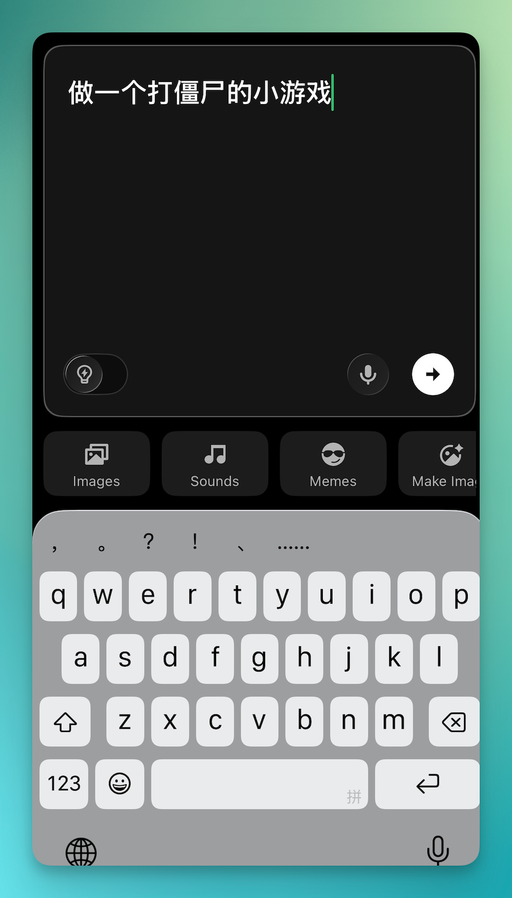
It supports voice input too — just talk to your phone. The system converts your speech into a prompt and generates the piece. All content is split into two tabs: Chat and Preview. If you hit any issues in Preview, you can jump to Chat and fix them in natural language, or add more features.
The combo-enabled zombie shooter below took very little time to make:
One detail: Aippy built an "idea" feature, somewhat like templates on Xiaohongshu. You pick a creative framework that's already proven, then layer your own ideas on top.
The design serves roughly two purposes: helping new users who don't know what to make get started quickly, and maintaining a baseline of content quality in the community.
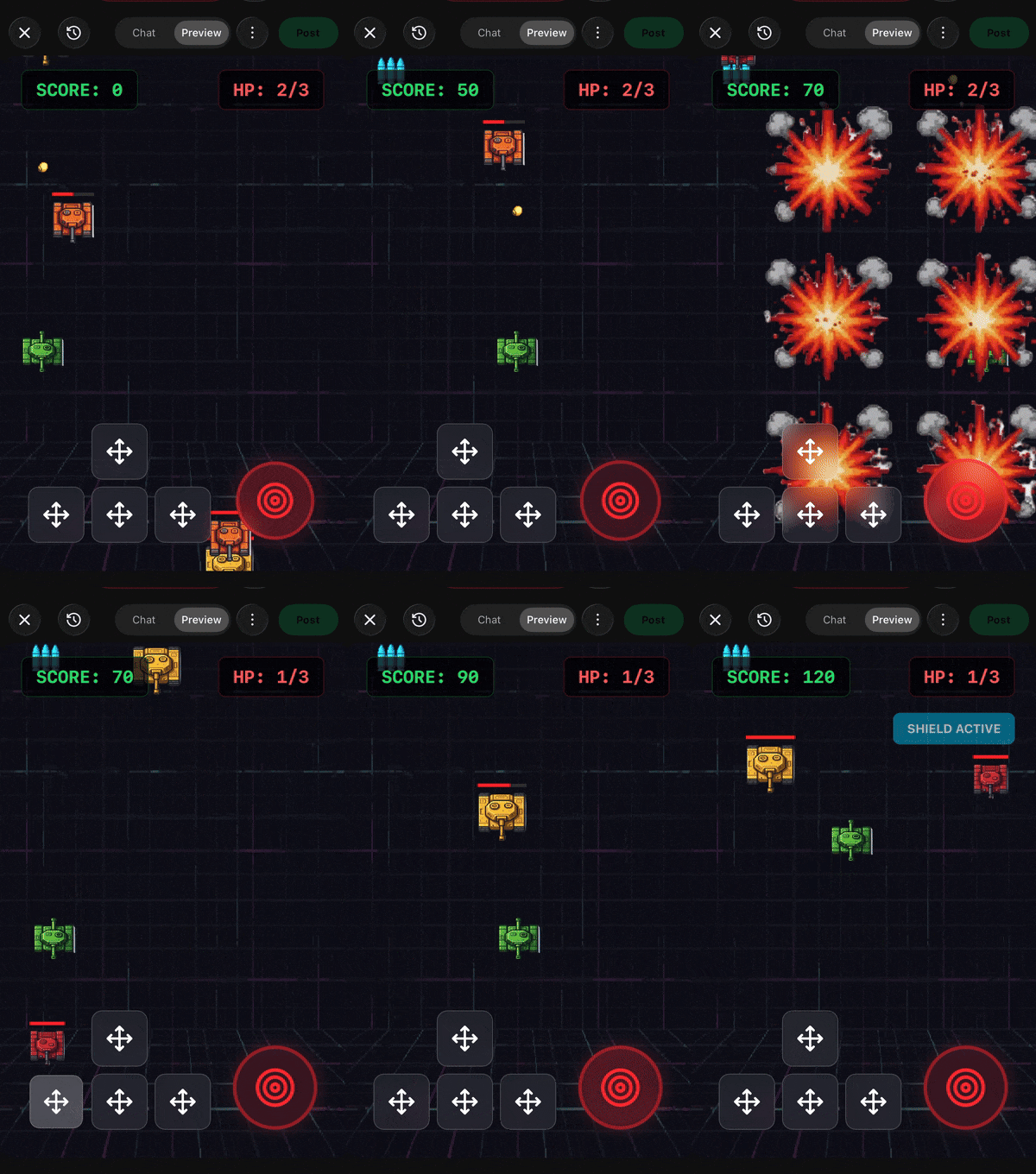
When I was making a tank battle level-based game, I ran into a creativity wall. Aippy automatically surfaced add-ons for mechanics, music, and meme images — just pick what you want:
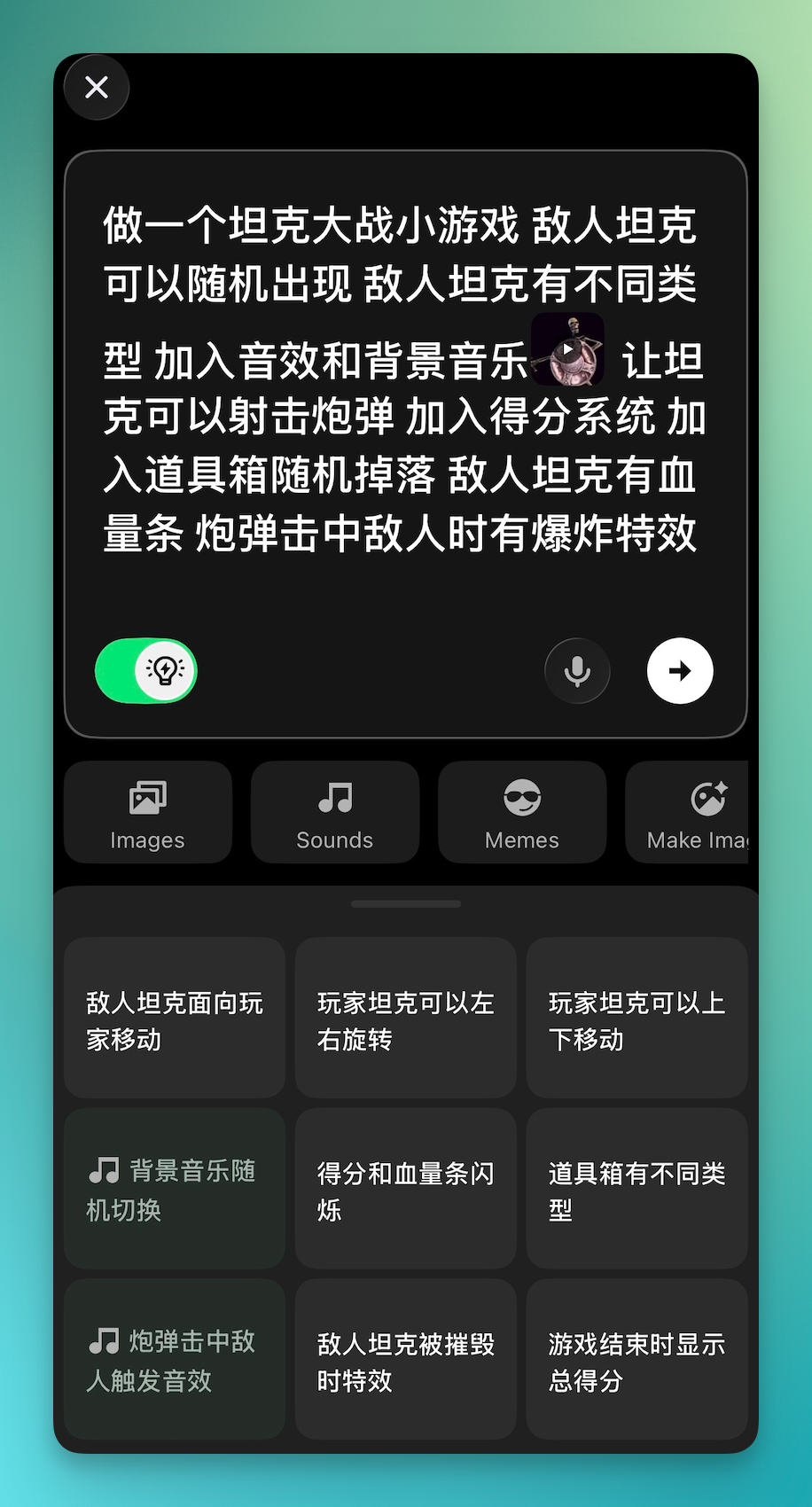
Through this inspiration feature, you can knock out a fairly complete mini-game in one go:
One of the most interesting layers of the Aippy community is Remix — also the most critical piece of user stickiness and the growth flywheel. Scrolling the feed, I ran into tons of fun little games.
Like this skyscraper game many of us played as kids:
And this truck obstacle-course game, which is genuinely fun:
But the original had almost no power-up system. Now I can see a piece I like, tap Remix, and modify it into my own version right on top of the original — then publish straight away.
For example, I added a "speed boost drops from the sky" system:
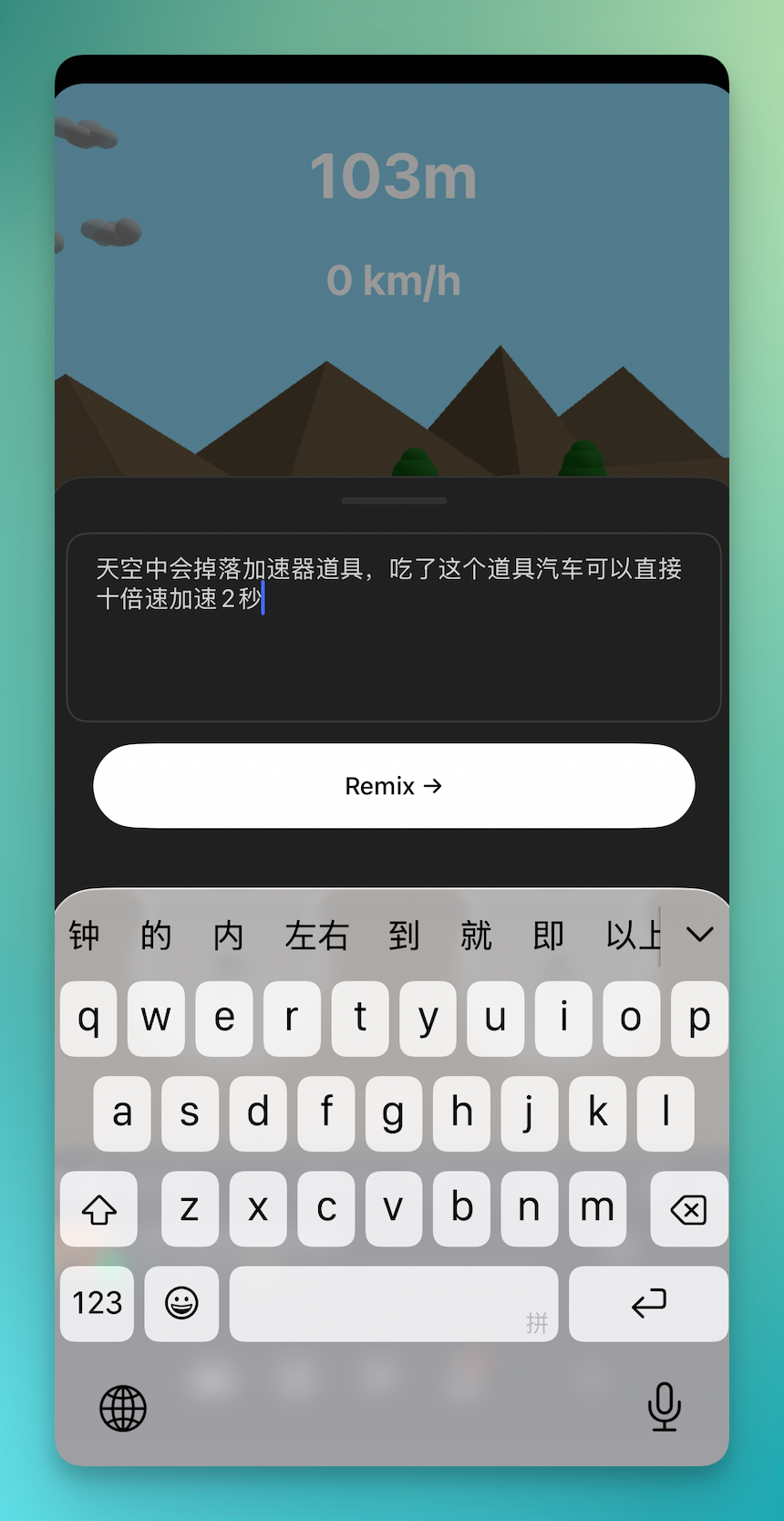
The final result: the truck instantly accelerates when it grabs the power-up:
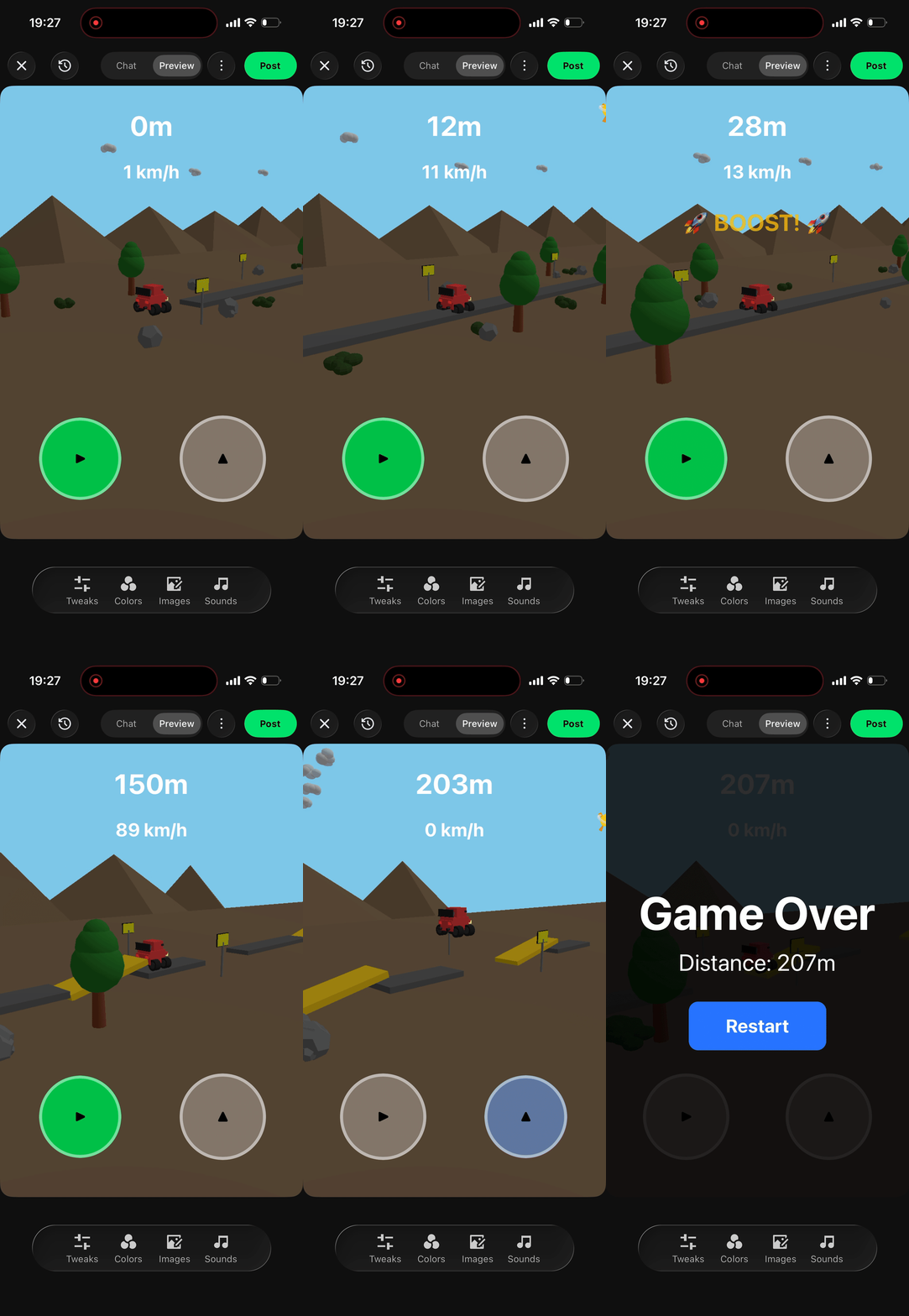
This Remix mechanism lets community content naturally stack layer upon layer. A good idea gets remixed into dozens of variants by different people, and every round of Remix can spawn new mechanics. Content "grows" inside the community.
This is actually a lot like the remix culture on short-video platforms.
A trending BGM on Douyin can spawn thousands of cover videos. A fun game template on Aippy can sprout a whole forest of variants. The difference: short-video remixing still requires shooting a video. Aippy's Remix barrier is lower — tweak a few parameters, swap the theme, done.
And all of this, whether original or remixed, can be published with one tap via the Post button in the top right corner. The growth loop is complete.
An Atypical Chinese Overseas Product Story
After the product, let's talk about what's behind Aippy. Because in this race, Aippy's position is actually unusual.
Aippy is probably one of the earliest products in this category. It launched on web in early 2025, and a beta version hit the app stores by June that same year. Of the other products we profiled earlier: Rezona didn't release 1.0 until late 2025, Gizmo and Sekai came online in the second half of 2025, Wabi is still in closed beta, and Loopit formally launched just last month.
On the timeline, Aippy moved very early.
But an interesting phenomenon: outside perception of this category was actually built by the later entrants. Gizmo raised a seed round from First Round Capital. Sekai has a16z behind it. When those announcements dropped, people started talking about "AI game communities" as a category.
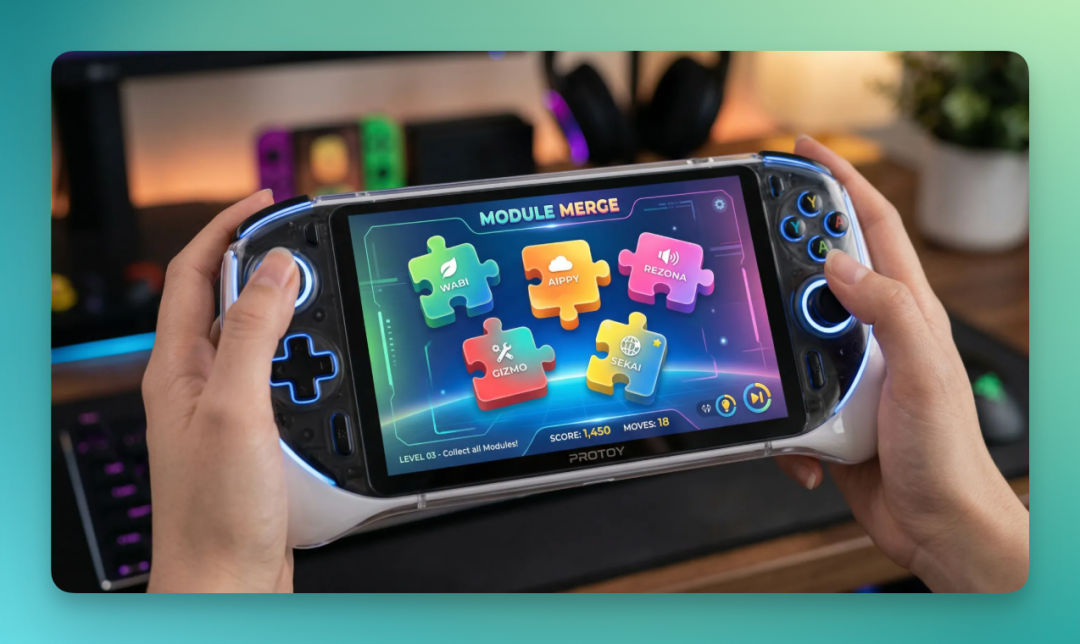
And Aippy? Virtually silent in China.
Several reasons for this.
First, Aippy decided from day one not to serve the domestic market. Core markets are locked in on T1 English-speaking countries: the United States, UK, Canada, Australia. Product interface, community content, operations — all aimed at English-speaking users.
This differs from some competitors. Certain similar products do go overseas, but their communities mix in Chinese content, diluting the vibe. Aippy's community tone is thoroughly Westernized. Without checking the company behind it, you'd be hard-pressed to tell this was built by a Chinese team.
Second, the team is extremely low-profile. While the rest of the industry races for visibility, Aippy stayed quiet. External speculation is that in the early app store period, the product was heavily studied and copied. To protect their strategy, they actively blocked downloads from China's App Store.
The side effect was obvious: Some outsiders even assumed Aippy had shut down.
But the data tells a different story.
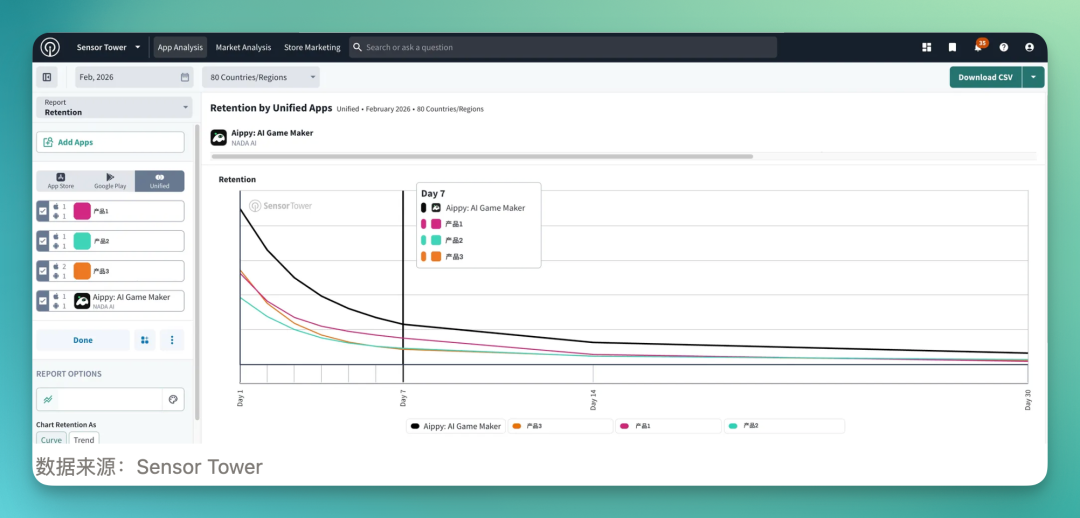
According to Sensor Tower's February numbers, Aippy's growth is solid. iOS rating around 4.8, review volume in the thousands. More critically, its Day 1 to Day 7 retention is relatively strong among comparable products.
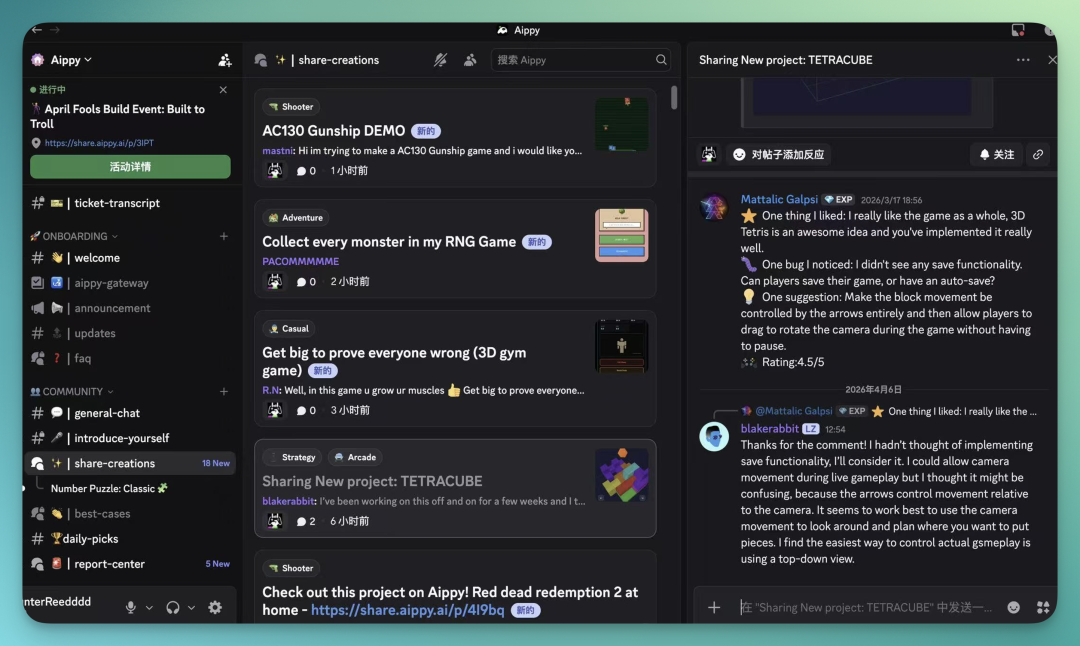
Aippy's Discord community also deserves mention.
It's a genuinely active community of young Western users — Gen Z and Alpha — discussing creation techniques, sharing work, reporting bugs, participating in official events. The content quality, user activity, and depth of engagement go some way toward explaining how the retention numbers got to where they are.
Now, the team behind it.
Aippy is incubated by Newborn Town. Newborn Town is a Hong Kong-listed company with years in overseas markets, running multiple product lines spanning social and gaming. The founder is a serial entrepreneur who joined the Newborn Town team in college to do mobile internet overseas — among the earliest in China to build apps for global markets.
Overall, Aippy chose a slower but potentially more solid path in a race where everyone is scrambling to be first and loudest.
What to watch next in the AI game community track? Broadly speaking, the category Aippy sits in — AI game community, or AI interactive content platform — is becoming an increasingly watched direction in AI applications. The logic isn't hard to follow.
Look back at the last 20 years of internet development, and there's a clear pattern:
Every major drop in creation cost has the potential to birth a new platform.
Blogging era, writing got cheaper — WordPress. Video era, filming got cheaper — YouTube. Short-video era, editing got cheaper still — Douyin and TikTok.
Every generation of platform answers the same question: With this round of technological progress, what kind of creation can more people participate in?
Now AI is making "build a working interactive experience" something ordinary people can do. If that barrier truly gets flattened, then a new platform-level product growing around it is logically sound.
a16z backed Wabi and Sekai. First Round Capital backed Gizmo. Top-tier funds making early bets itself signals this direction is being taken seriously.
Of course, much in this track remains unproven.
[1] The core question: Can AI-generated content quality keep improving?
Current-generation products generate mini-games that are genuinely playable, but quality ceilings are still constrained by underlying model capabilities. Yet looking at trends over the past year, the answer leans optimistic.
Large model iteration has outpaced most expectations. A year ago, AI could only generate very rough interactive content. Now it can produce fairly polished mini-games. Continuous improvement in generation capability, continuous decline in inference cost — these are fairly certain trends.
For platforms like Aippy, advances in underlying capabilities directly translate to upgraded user experience. This is a tailwind.
[2] The second question: content homogenization.
When everyone is using similar AI capabilities to generate work, does everything start looking the same? The answer may lie in community vibe.
Just as Xiaohongshu is Xiaohongshu, Kuaishou is Kuaishou, Douyin is Douyin — the underlying short-video technology is the same, but different community ecosystems naturally filter for different people, different content styles.
AI game communities work the same way. Whoever builds their own distinct community culture and creator ecosystem will differentiate on content.
[3] The third question: monetization.
Most of these products are still running for users and content. Monetization models haven't truly been proven. Build a platform, and eventually you need to find a way for creators to earn money and for the platform to earn money — otherwise the ecosystem doesn't sustain.
These questions, for Aippy and the others, will need time to answer.
Back to Aippy itself.
In China, almost no one talks about Aippy. Overseas, it's an AI game community with millions of downloads and retention data leading its peers.
Its Discord has real Western users discussing, creating, and competing.
Open the product, and not a single Chinese character appears in the content stream. The community tone would make you assume this was built by a Silicon Valley team.
That alone is fairly interesting. For a long time, when Chinese teams built overseas products — especially content and community products — a persistent concern was: Can you build something that users in your target market genuinely identify with?
Aippy, at least at the product level, has delivered a pretty decent answer.
As for what comes further down the road — whether this category will eventually produce a Douyin-level product, whether Aippy can maintain its lead at larger competitive scale, whether AI game communities as a product form will become mainstream — honestly, it's too early. No one can say.
But one thing is certain: the race has started, and Aippy is out in front. Worth keeping an eye on.