Better Than YC! How AI Grant Uncovered Unicorns Like Perplexity, Pika, and Cursor | Full Portfolio List Inside

AI Grant is Silicon Valley's "trust passport."
AI Grant is Silicon Valley's "trust pass."

👦🏻 Authors: Cora, Zeo
🥷 Editor: Bella
🧑🎨 Layout: NCon

From Cursor to Perplexity, from Pika to Granola — behind many of Silicon Valley's future unicorns stands the same early-stage backer: AI Grant.
With only four batches and fewer than 100 companies in its portfolio, AI Grant's hit rate on star projects is astonishingly high.
What gives AI Grant such precise judgment?
The answer lies in its two founders — former GitHub CEO Nat Friedman and Daniel Gross, one of YC's youngest-ever partners.
Their backgrounds define AI Grant's DNA: a fund built by top-tier technologists for true believers in technology.
Daniel Gross was one of the youngest partners ever at Y Combinator. After his company Cue was acquired, he joined Apple, then returned to YC. In 2024, he co-founded Safe Superintelligence Inc. (SSI) alongside Ilya Sutskever and others, focused on developing safe superintelligent systems.
Nat Friedman is a deeply technical operator. Both companies he founded were acquired, first by Novell and then by Microsoft. After Microsoft's acquisition of GitHub, he became CEO — not only preserving the platform's independence and neutrality to win developers' trust, but also leading the development of GitHub Copilot.
Under the leadership of these two technically grounded, sharp-eyed, and resource-rich founders, AI Grant differs from traditional YC programs in one crucial way: its application process has no requirements around educational credentials, team background, or connections.
Whether you're a solo founder or an innovative entrepreneur, as long as you have ideas and care about user experience, you don't even need a traditional business plan. You have a shot at $250,000 from AI Grant, plus access to resources from Amazon, Microsoft, OpenAI, and more.
Recently, however, word emerged that Meta is preparing to acquire minority stakes in venture firm NFDG from its LPs through a tender offer. Notably, AI Grant was established as a program under the NFDG fund structure.
It seems AI giants are now willing to pay premium prices to scoop up talent from anywhere.
Crossing analyzed AI Grant's full list of 92 portfolio companies and found:
In investment style, AI Grant clearly favors teams led by founders with deep technical backgrounds.
For instance, Matic Robots' founder is a former Google Nest engineer; K-Scale Labs CEO Benjamin Bolte previously worked at Tesla and Meta AI.
Such founders more clearly understand whether their product solves a real pain point rather than chasing concepts. The products they build tend to be more focused on industry problems.
From each batch, we've selected 5-6 representative companies to introduce:
🌟
For the complete list of AI Grant's 92 portfolio companies, follow [Crossing] and reply with the code "AI Grant" to receive it.
Batch 4 (October 2024)
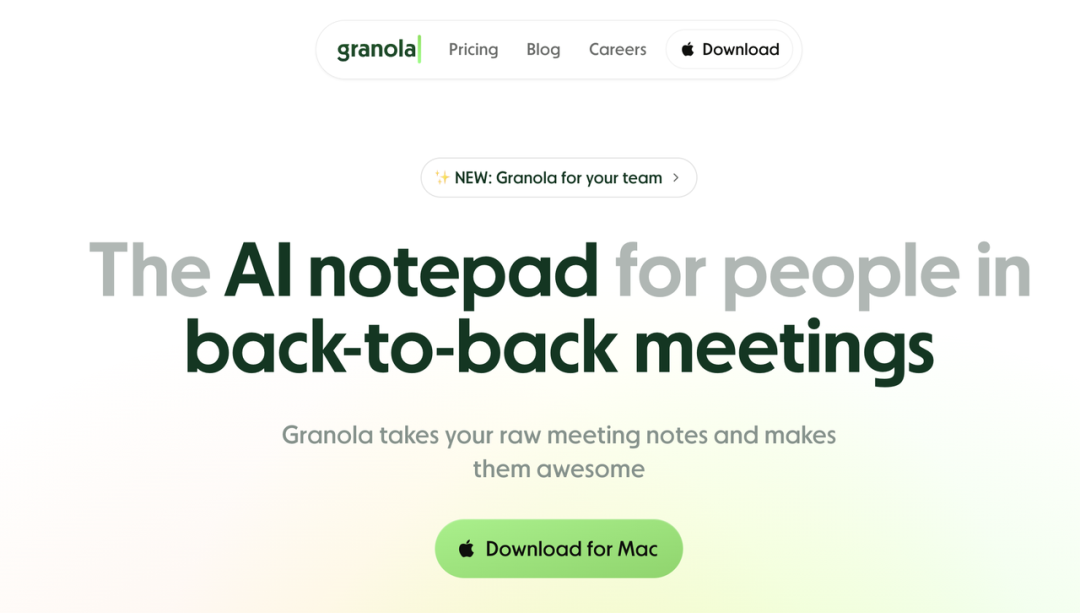
Granola — Built an AI notepad designed for people in back-to-back meetings.
Granola runs on the latest AI models for real-time transcription, fleshes out content from users' scattered notes, enables team shared folders, and surfaces cross-meeting insights through "chat with your folder."
As of May 2025, following its Series B, the company reached a $250 million valuation with approximately $67 million raised in total.
Crossing also took Granola for a deep spin. For more details: How Does an AI Meeting Notes App Merit a $250 Million Valuation? A Deep Dive into Granola's Product Philosophy
Pulse AI — Focused on building the world's most accurate AI document processing engine, capable of parsing any document with precision.

Pulse reads charts, graphs, tables, and text like a human, converting hundreds of millions of pages into structured, searchable data and outputting relevant information on demand. The engine serves industries including finance, healthcare, law, and supply chain.
According to the company, Pulse has already processed tens of millions of dollars worth of data for tech companies, global banks, private equity firms, healthcare systems, law firms, and AI startups.
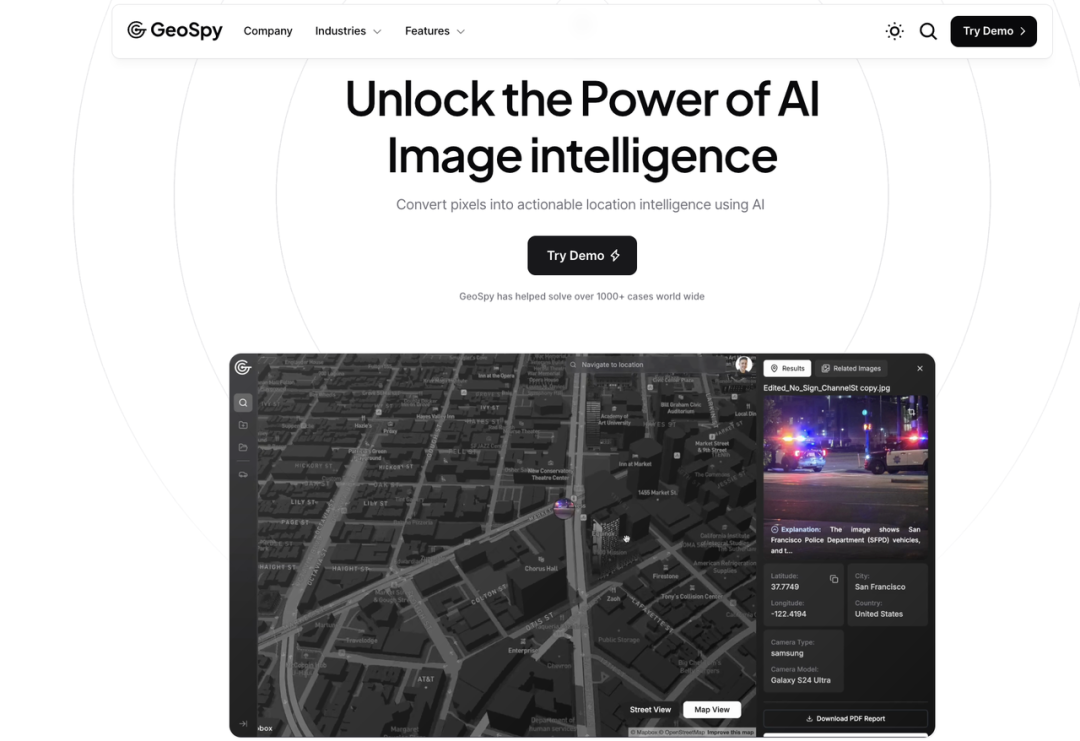
Graylark — Built the GeoSpy platform, integrating powerful AI geolocation models with accuracy down to a few meters, using advanced computer vision models adaptable across different cities and countries.
By leveraging real-time data, GeoSpy enables law enforcement and government agencies to pinpoint suspect and criminal locations within seconds and act swiftly.
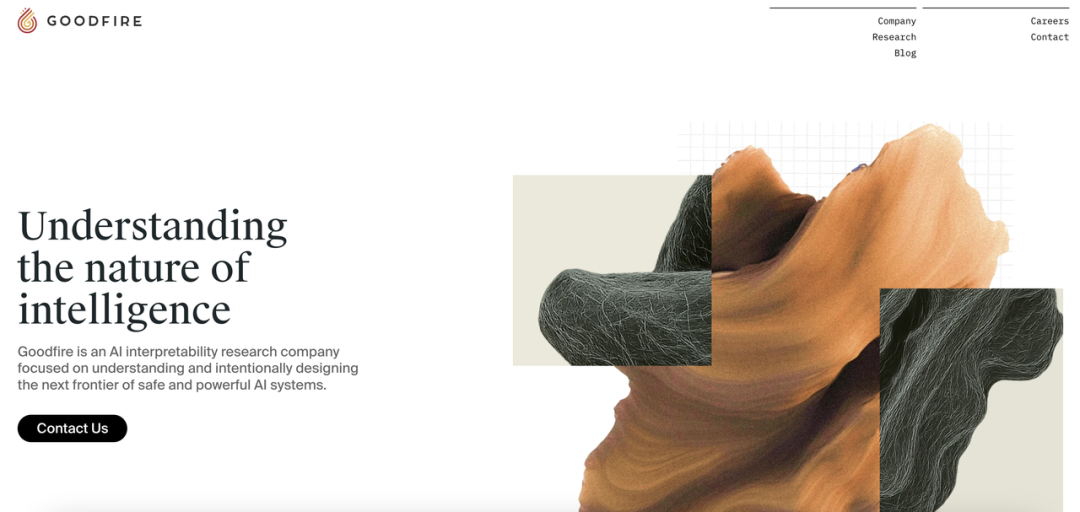
Goodfire — Focused on designing the next generation of safe, powerful AI systems. The company built Ember, a general-purpose neural programming platform.
Ember lets users discover hidden knowledge inside models, precisely steer model behavior, and improve performance — opening up entirely new ways to apply, train, and fine-tune AI models.
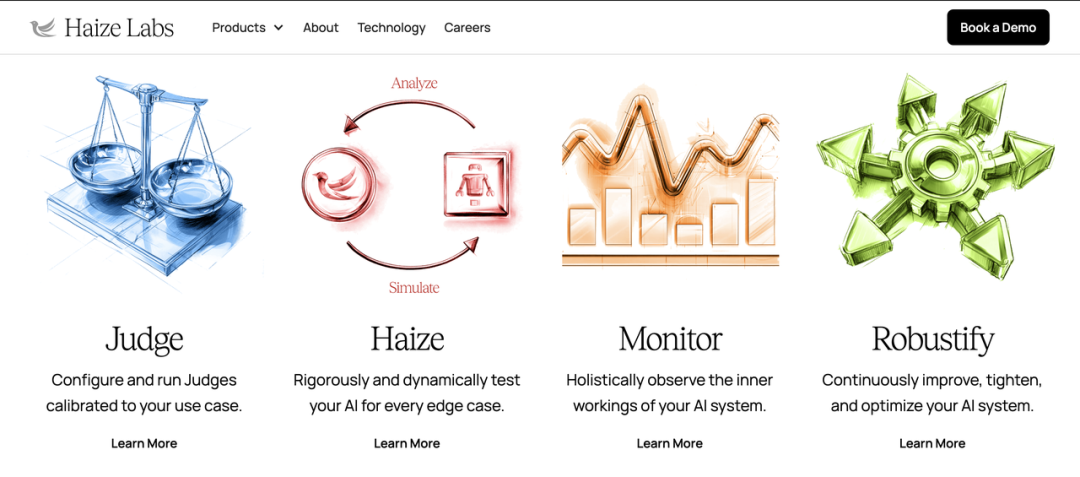
Haize Labs — Through its flagship AI product automation suite Haizing, the company stress-tests large AI models by attacking them to uncover security vulnerabilities.
All three founding members are Harvard post-2000s graduates, two of Chinese descent. They've also won contracts from star AI startups OpenAI, Anthropic, and Scale AI.
Sync — Uses AI to generate highly realistic, perfectly audio-synchronized lip movements for virtual characters, making virtual streamers, assistants, and digital humans appear natural and lifelike during broadcasts — boosting immersion and relatability.

Batch 3 (April 2024)
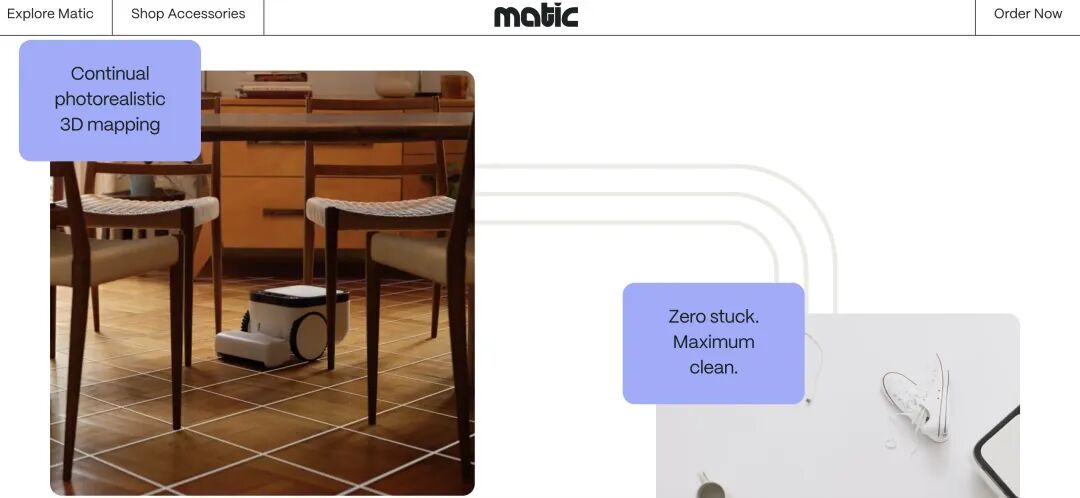
Matic Robots — Built the Matic robot vacuum, equipped with five RGB cameras and running on-device AI for image recognition, 3D mapping, and obstacle avoidance, with voice and gesture control.
Founded by a former Google Nest engineer, the company has raised $29.6 million total, pricing its product above $1,500 for the premium market.
Omnivore — A free, open-source, read-it-later AI app built for serious readers.
Users save articles and PDFs through Omnivore's mobile app and browser extension. The read-it-later feature enables distraction-free reading, with saved articles set aside for later to preserve focus.

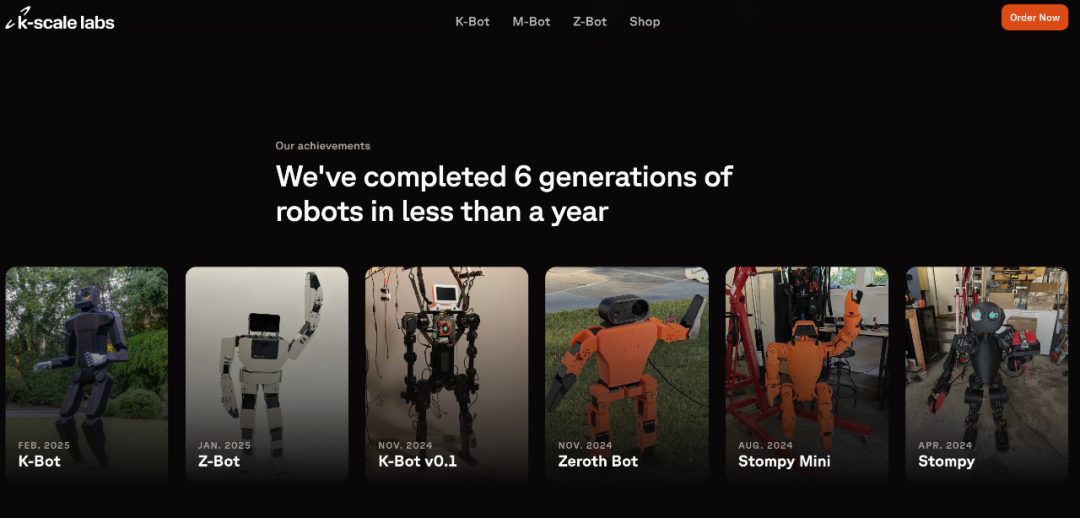
K-Scale Labs — Builds multiple open-source, 3D-printable bipedal humanoid robots, keeping material costs under $10,000.
K-Scale Labs also provides robot operating systems and vision-language models for in-house training, letting robots learn from basic tasks. The company has developed a suite of software tools for training policies in simulated environments, letting users freely develop simple task models and exchange ideas within the community. The team is led by former Tesla and Meta AI engineers and was selected for YC W24.
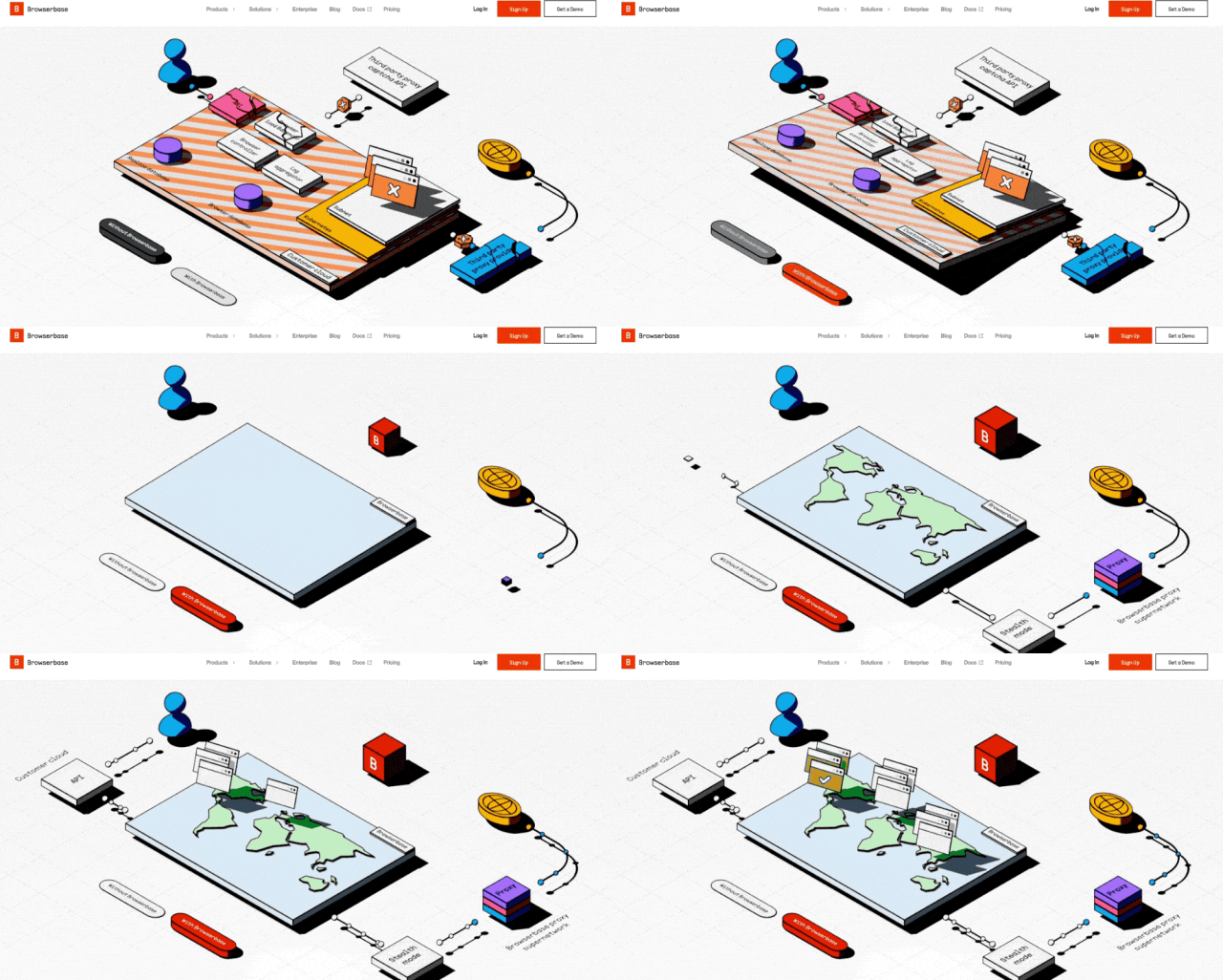
Browserbase — A "browser-native" AI development platform requiring no local installation. Developers simply open a webpage to use embedded model assistants for code generation, debugging, and collaborative work.
In 2025, the company closed a $40 million Series B at a $300 million valuation, with over 1,000 customers.
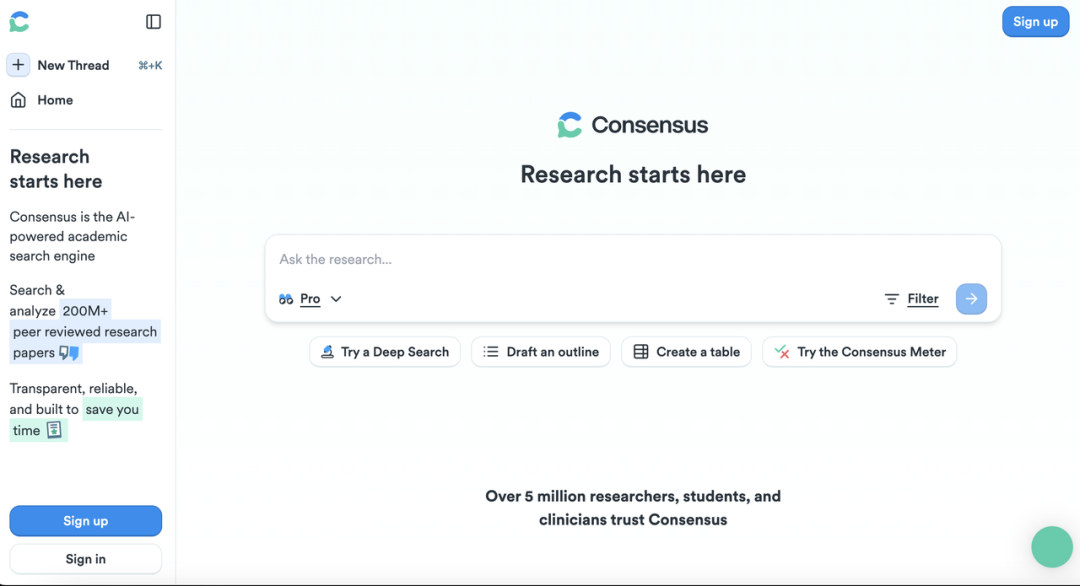
Consensus — An AI-powered academic search engine that extracts and synthesizes insights from over 200 million peer-reviewed papers, helping users rapidly access research information.
The company raised $11.5 million in its 2024 Series A, with over 400,000 monthly active users and $1.5 million in annual revenue.
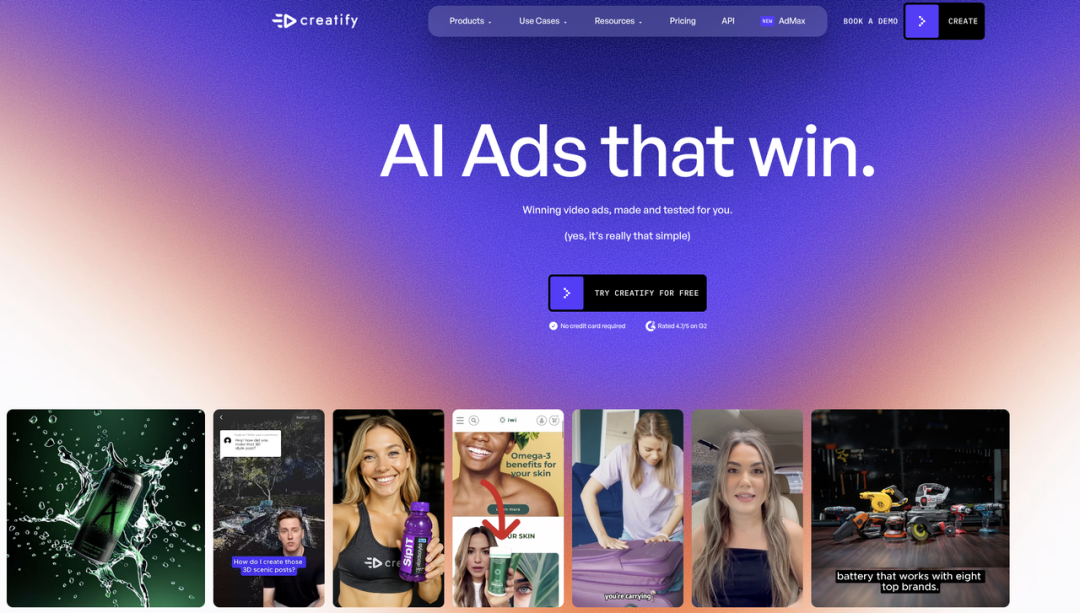
Creatify — An AI-powered video production platform focused on helping users quickly generate high-quality creative video ads, especially for e-commerce sellers, brand marketers, and content creators.
It simplifies video production workflows through AI, reducing costs while improving content appeal and distribution. Creatify raised $15.5 million in its May 2025 Series A, bringing total funding to $23 million, and hit $9 million in annual recurring revenue within 18 months.
Creatify's founding team — Yinan Na, Ledell Wu, and Xin Zhou — are Chinese, with most having previously worked at Meta and Snap.
Batch 2 (December 2023)
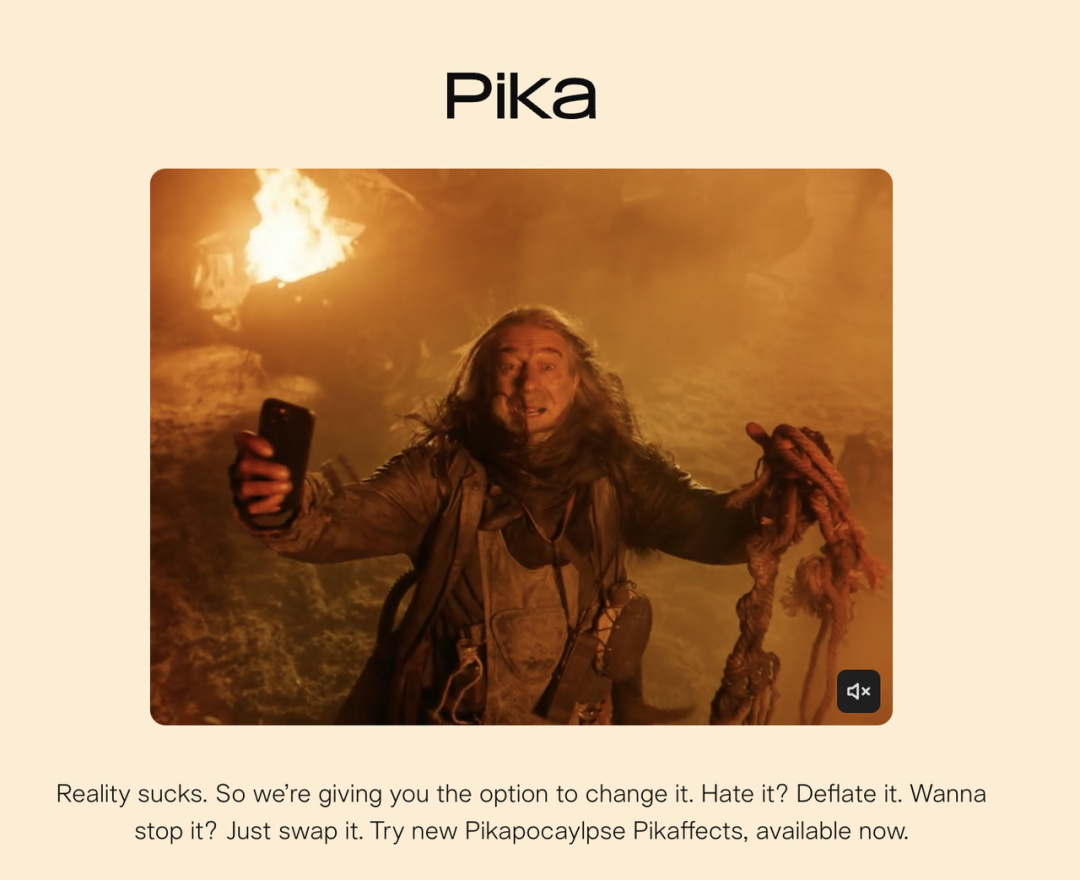
Pika — Focused on AI video generation. Its Pika 2.0 excels at "reference image-to-video" — users generate high-quality dynamic video from a single photo combined with scene props or audio.
Pika lowers the barrier to professional video production, supporting multiple creative combinations, with generated content still sparking significant social media buzz.
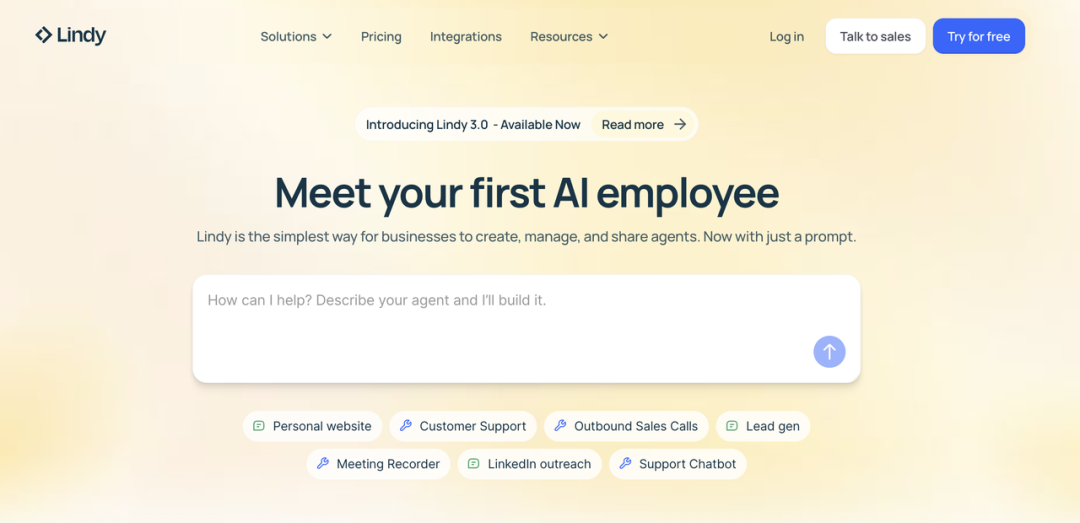
Lindy — Building AI employees, aiming to create the simplest way for enterprises to create, manage, and share agents. Users can build custom AI agents in minutes using only prompts.
Lindy 3.0 introduced Autopilot, allowing Lindy agents to operate any computer interface for unlimited autonomous action.
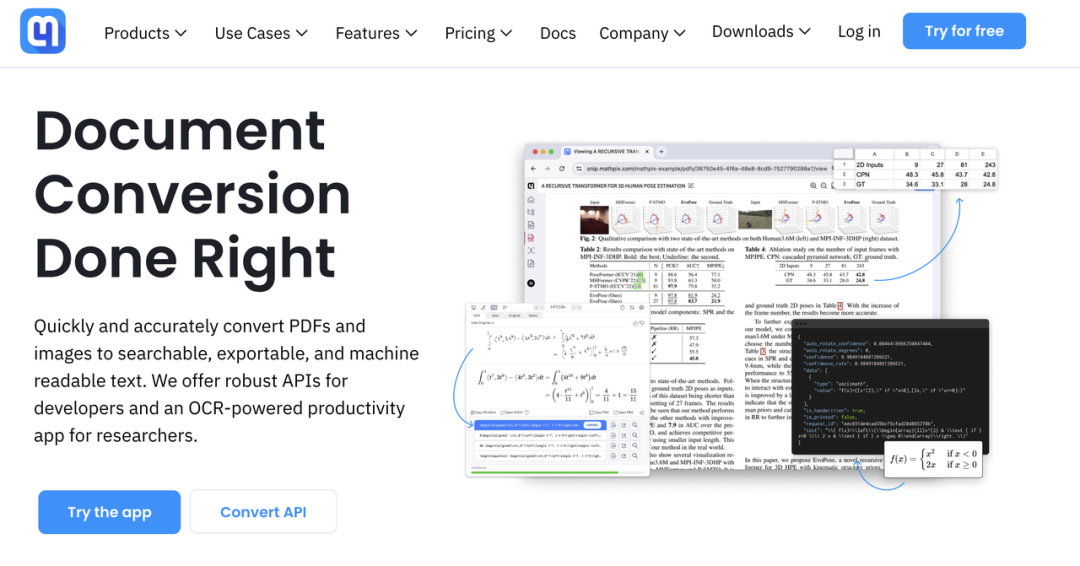
Mathpix — AI-driven document conversion technology. Its core product, Mathpix Snip, efficiently and accurately converts complex content from images and PDFs — especially mathematical formulas — into editable formats like LaTeX, Markdown, or DOCX.
With its precise recognition and conversion of complex formatting, the platform has gained significant traction among STEM researchers.
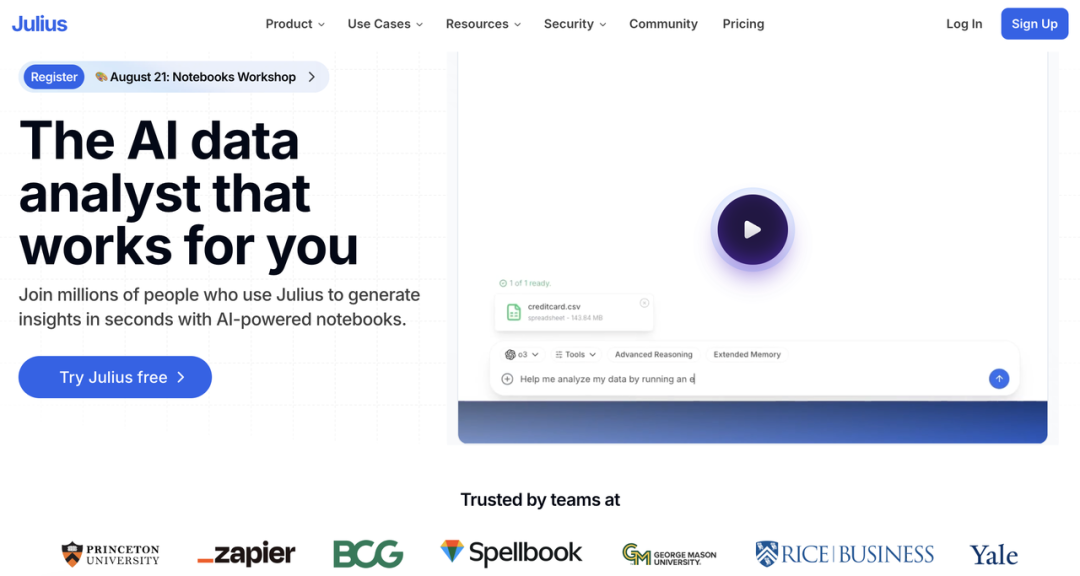
Julius AI — Lets users interact with data through natural language, generating charts, predicting trends, or producing text summaries from uploaded spreadsheets — CSV, Excel, or Google Sheets — without writing code.
Julius AI primarily helps non-technical users like marketers, academics, and business analysts rapidly extract insights from messy data.
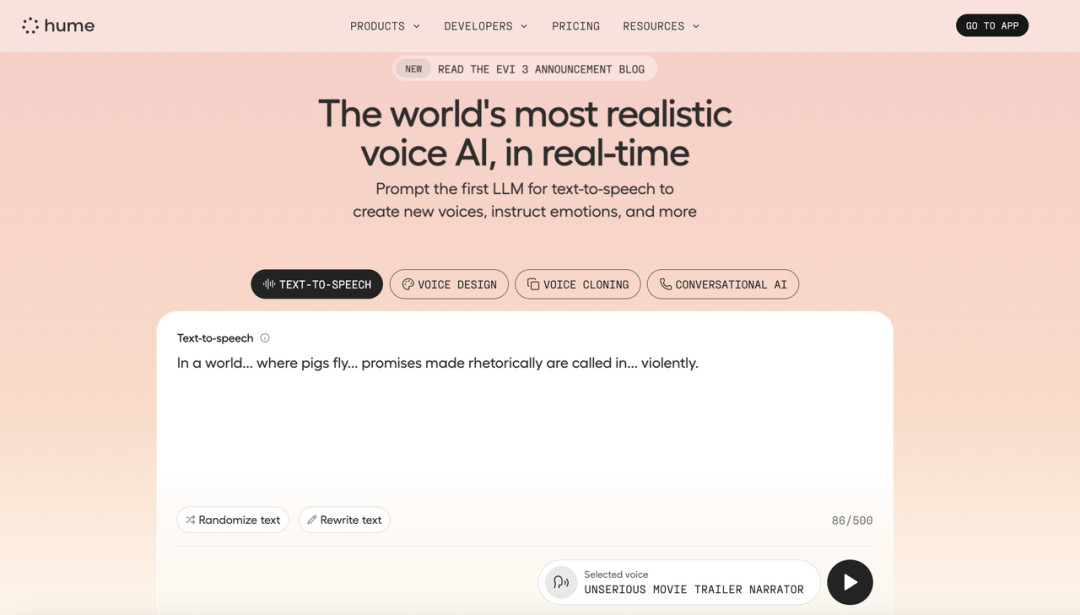
Hume AI — Focused on emotional AI. Its EVI (Empathetic Voice Interface) model, particularly the latest EVI 3, identifies users' emotional states through voice and generates emotionally attuned, natural-sounding responses for high-EQ real-time voice interaction.
Founded in 2021 by former DeepMind researcher Alan Cowen, Hume AI aims to build AI with human-like emotional intelligence.
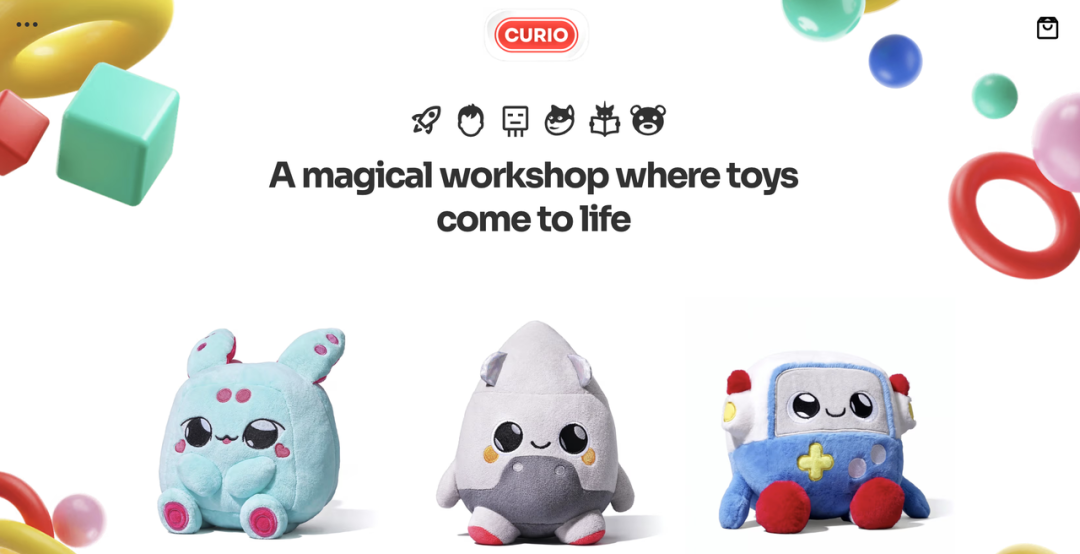
Curio — AI-powered interactive plush toys that spark children's imagination and creativity through natural conversation, storytelling, and games.
The products integrate OpenAI language models for rapid responses, enabling chat, guided questions, and personalized stories and jokes. Curio also provides parents with an app to review 90 days of conversation recordings and transcripts, with the ability to block specific topics or words.
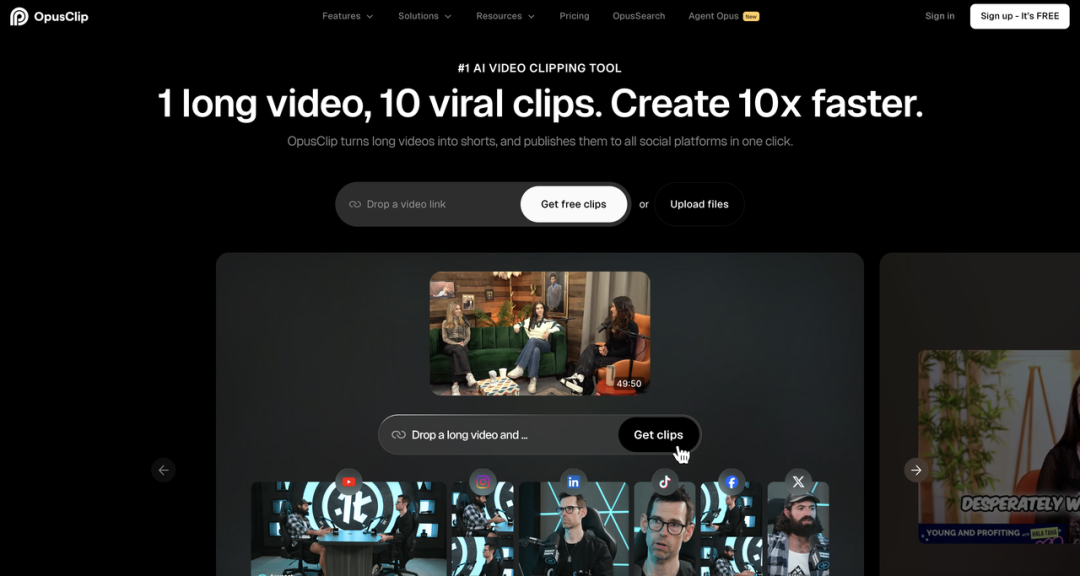
OpusClip — Through its web app and API, users convert long videos into short clips for one-click publishing across social platforms.
Founder Young Zhao is Chinese, with prior entrepreneurial experience spanning social apps, restaurant service systems, and food influencer agencies — giving him rich market insight.
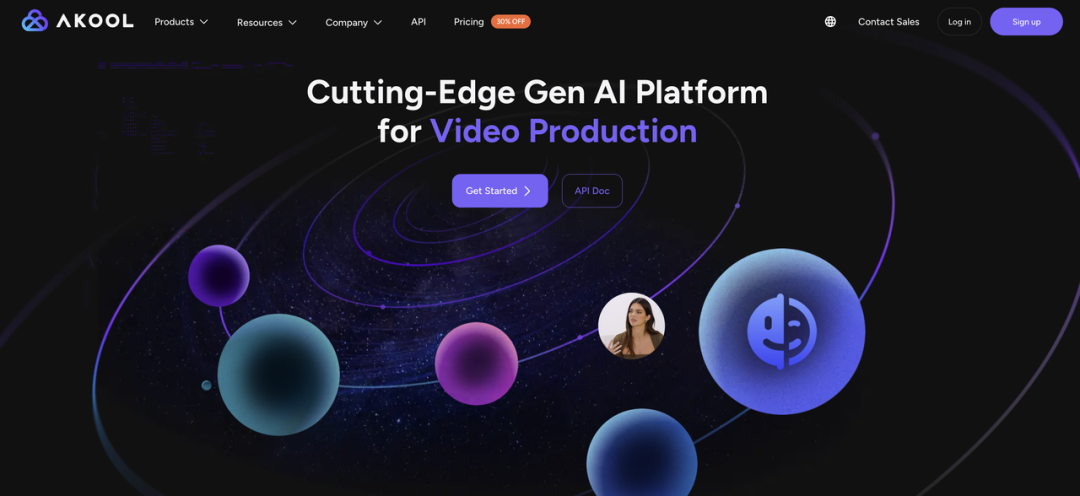
AKOOL — An AI-driven digital content production platform providing one-stop video, virtual avatar, and other generative AI solutions for marketing, sales, film production, education, and more.
Founder and CEO Jiajun Lv is a post-90s Chinese PhD. The company reportedly grew revenue by 37,365% over the past three years.
Batch 1 (June 2023)
Perplexity — Founded in 2022 and headquartered in San Francisco, an AI search engine company. Its interface resembles a chat screen, with claimed higher accuracy and lower hallucination rates.
Perplexity displays citations and sources, plus related questions users might want to ask. The company has grown rapidly, reaching approximately 15 million monthly active users by April 2024, with multiple funding rounds driving valuation up to $18 billion by July 2025.

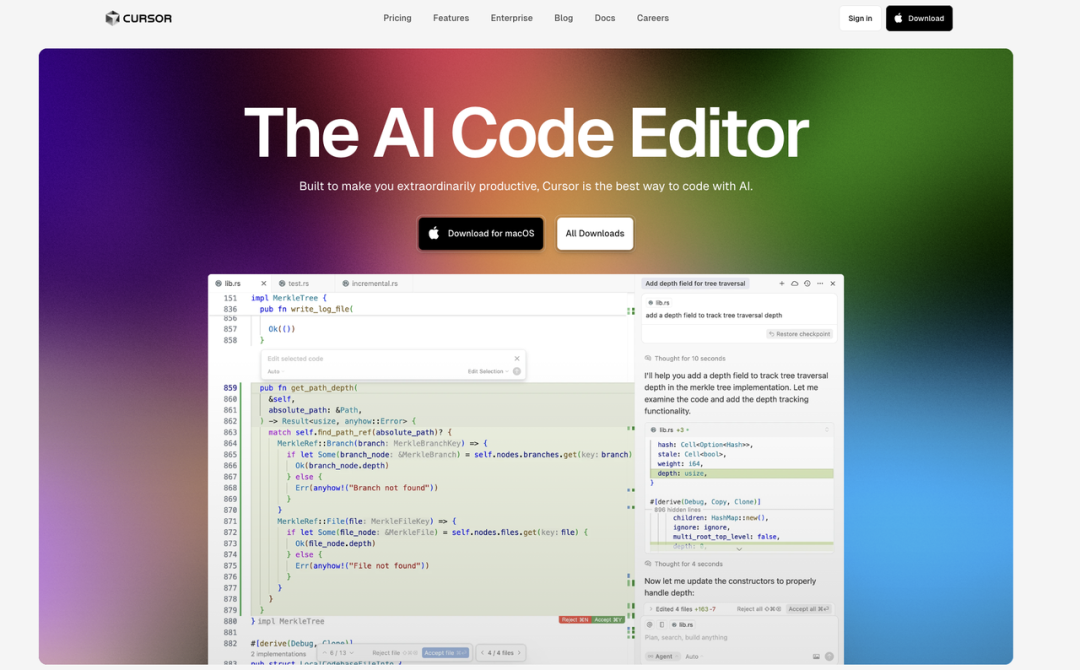
Cursor — An AI-powered code editor developed by Anysphere, founded in 2022.
Built on Microsoft's open-source Visual Studio Code with deep customization, Cursor tightly integrates GPT-4, Claude, and other large models to reshape the "human-led + AI-collaborative" interaction paradigm for smoother programming. Core features include natural language interaction, AI code completion and editing, cross-file context understanding, and automated refactoring and bug fixing. Notably, Cursor has seen explosive user growth and is valued at $9 billion.
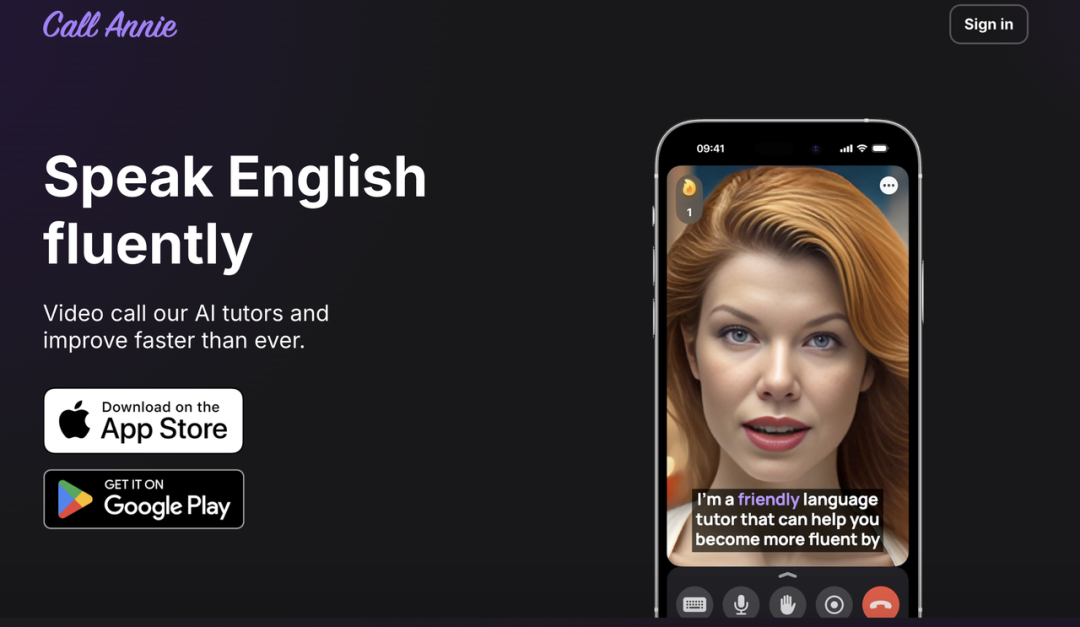
Animato — Developed real-time video calling software CallAnnie, where users converse with a virtual AI named Annie, designed to become users' AI friend and assistant.
The premium subscription CallAnnie Super offers unlimited calls, advanced AI models, custom game themes, character customization, and more.
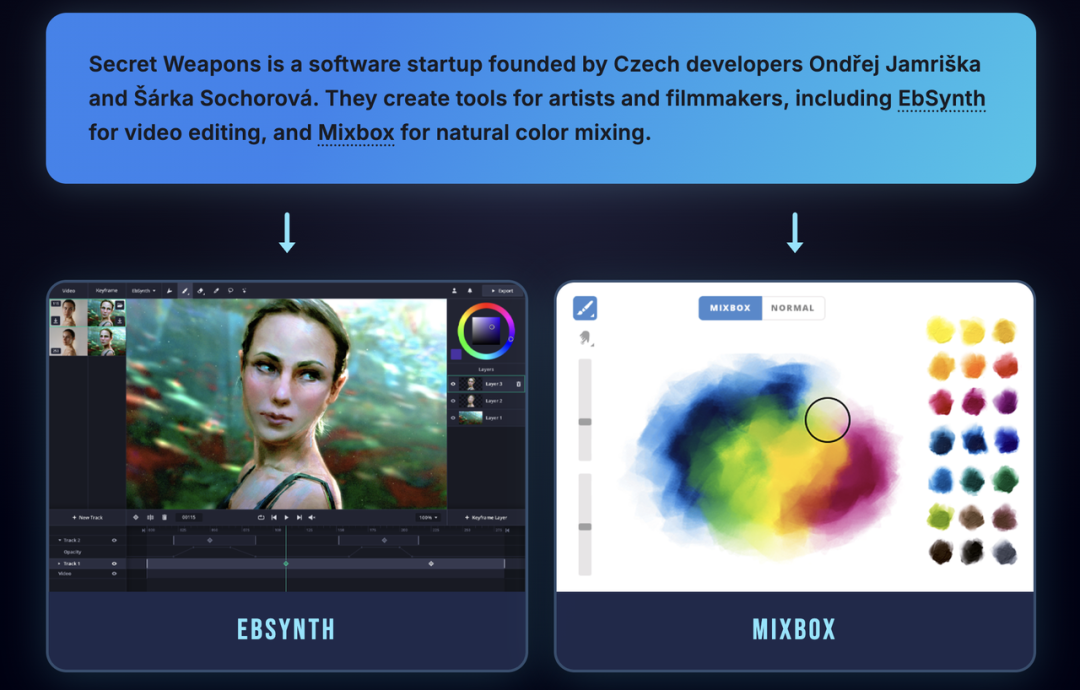
Secret Weapons — A software startup founded by Czech developers Ondřej Jamriška and Šárka Sochorová. They build AI toolboxes for artists and filmmakers, including EbSynth for AI video editing and Mixbox for natural color blending.
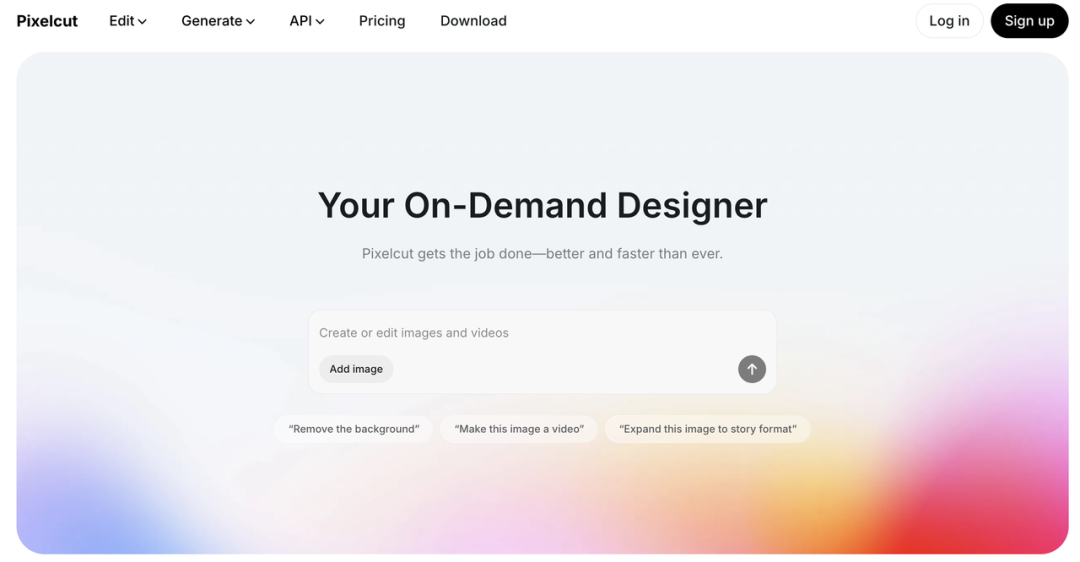
Pixelcut — An all-in-one AI image editing platform founded in 2022, headquartered in Oakland, California.
The platform helps users easily create different images, with tools and API products including AI photo shoots, AI product photos, background remover, eraser, batch editing, image upscaler, recolorer, and more.
What Else Explains AI Grant's Success?
Beyond founder backgrounds and its "technologists-only" philosophy, AI Grant's success stems from a deeper, harder-to-replicate operating system.
Secret One: Founders as "Gravitational Singularities" — Undervaluable Credibility Backing
AI Grant's investment isn't just money; it's Nat Friedman and Daniel Gross putting their personal reputations on the line.
Nat Friedman, as former GitHub CEO, is a gold-plated name in the global developer community.
Being backed by him means a startup has received top-tier validation on technology, engineering culture, and product direction. This is critical for recruiting elite engineers and building open-source communities.
Daniel Gross, former YC partner and Apple acquisition founder, deeply understands the full journey from 0 to 1 and 1 to N, and how to negotiate with tech giants.
So receiving AI Grant investment equals obtaining Silicon Valley's "trust pass" early on — an asset no amount of money can buy.
Secret Two: An "Unfair Advantage" Resource Package, Solving AI's Biggest Bottleneck
The biggest cost and bottleneck in AI startups is compute (GPUs) and access to cutting-edge models. AI Grant provides exactly these.
Compute subsidies:
AI Grant provides substantial free compute credits from cloud providers including AWS, Azure, and Google Cloud. When GPUs were nearly impossible to source in 2023, this resource was more valuable than the $250,000 cash investment itself.
Model priority access:
They secure internal APIs or early testing qualifications from leading model companies like OpenAI and Anthropic for portfolio companies. This means these startups can develop products on next-generation models months ahead of competitors, seizing first-mover advantage.
Thus, AI Grant offers not just seed funding, but an "unfair" competitive advantage from the starting line.
Secret Three: "Anti-VC" Process, Efficiently Filtering for Doers
Traditional VC due diligence is lengthy, focused on business plans, TAM, and financial projections. AI Grant is the complete opposite.
Application as demo:
Their application process is extremely simple, but the core requirement is a working product prototype or a video demonstrating core functionality.
Background-blind, product-only:
They don't care about founders' education, work history, or connections.
The sole criterion: does the product solve a real problem? Is the technical implementation elegant?
This process naturally filters out "PPT entrepreneurs" who can only pitch decks, attracting instead "hackers" — people obsessed with building products and solving problems. It selects creators, not businessmen.
Secret Four: High-Density Elite Community, Creating a Virtuous Network
AI Grant invests in only a few dozen projects per year, keeping numbers scarce. This ensures every selected company is elite among elites.
Instant feedback network:
These founders form a high-trust, high-density circle. When one company hits a technical hurdle or needs product feedback, it gets immediate help from dozens of other top AI founders.
Internal talent and customer circulation:
This community also serves as a reservoir of top AI talent and early customers.
Company A's early employee might come from Company B founder's referral; Company C's first enterprise customer might be Company D.
Therefore, AI Grant doesn't build a loose portfolio but an "elite alliance" of top minds that mutually empowers each other. This network's value compounds exponentially over time.
For the complete list of AI Grant's 92 portfolio companies, follow [Crossing] and reply with the code "AI Grant" to receive it.