峰瑞资本

峰瑞资本

@freesfund

512 articles

Articles

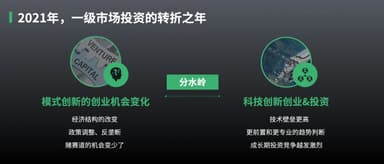
How Do Tech Companies Go From "Technology Is Valuable" to "Technology Makes Money"? | FreeS Research --- In the past two years, the tech industry has undergone a profound shift. The era of "technology for technology's sake" is fading. Companies that once commanded sky-high valuations based on technical prowess alone are now facing a harsh reality: investors and markets increasingly demand proof that technology can translate into sustainable profits. This transition—from "technology is valuable" to "technology makes money"—is far from automatic. It requires fundamental changes in how tech companies think about product-market fit, commercialization strategy, and organizational capabilities. ## The Valuation Trap For years, Chinese tech companies were rewarded for technical milestones. Breakthroughs in AI, quantum computing, or autonomous driving could attract hundreds of millions in funding before a single revenue dollar was earned. The underlying assumption: superior technology would inevitably find commercial applications. This logic has collapsed on multiple fronts. Some technologies proved to be solutions in search of problems. Others faced regulatory headwinds that made their intended business models unviable. Still others discovered that the cost of commercial deployment far exceeded initial projections, rendering unit economics untenable. The result is a growing cohort of "zombie unicorns

How Do Tech Companies Go From "Technology Is Valuable" to "Technology Makes Money"? | FreeS Research --- In the past two years, the tech industry has undergone a profound shift. The era of "technology for technology's sake" is fading. Companies that once commanded sky-high valuations based on technical prowess alone are now facing a harsh reality: investors and markets increasingly demand proof that technology can translate into sustainable profits. This transition—from "technology is valuable" to "technology makes money"—is far from automatic. It requires fundamental changes in how tech companies think about product-market fit, commercialization strategy, and organizational capabilities. ## The Valuation Trap For years, Chinese tech companies were rewarded for technical milestones. Breakthroughs in AI, quantum computing, or autonomous driving could attract hundreds of millions in funding before a single revenue dollar was earned. The underlying assumption: superior technology would inevitably find commercial applications. This logic has collapsed on multiple fronts. Some technologies proved to be solutions in search of problems. Others faced regulatory headwinds that made their intended business models unviable. Still others discovered that the cost of commercial deployment far exceeded initial projections, rendering unit economics untenable. The result is a growing cohort of "zombie unicorns

Why should tech talent avoid "walking around with a hammer looking for nails"?