API Bills Don't Lie: The OpenRouter Top 10 Reveals the Next Breakout Hits

A "parallel world" that mainstream AI circles have overlooked.
A "parallel world" that mainstream AI circles have overlooked.

👦🏻 Authors: Koji, Bella
🥷 Editor: Bella
🧑🎨 Layout: NCon

Every day, new AI tools go viral on social media, each claiming to be "disruptive." After the hype dies down, which products actually stick in users' daily workflows?
The real value of an AI application shouldn't be measured by funding rounds or GitHub stars, but by its API bill.
That bill represents developers voting with real money — a vote of trust.
So let's look at the data.
OpenRouter, a "middleware gateway" connecting hundreds of large models, has backend call volume that serves as the closest thing we have to a truth filter.
There's no marketing noise here — just cold, honest numbers.
Based on OpenRouter's public data, here's the September 2025 Top 10 by call volume:
1. Kilo Code
2. Cline
3. BLACKBOX.AI
4. Roo Code
5. liteLLM
6. SillyTavern
7. ChubAI
8. HammerAI
9. Sophia's Lorebary
10. Codebuff
Looking at this list, you might wonder: why are these all relatively niche names like Kilo Code, Cline, and SillyTavern? Where are the familiar ones — Cursor, Manus, GitHub Copilot, even Perplexity?
The answer is simple. The giants are all building their own walled gardens.
Products like Cursor and Copilot lock users and data into their own ecosystems through self-hosted services or direct bindings with Azure and OpenAI.
They don't need, and won't use, a third-party router like OpenRouter.
So the real value of this list is precisely that it excludes those giants.
It reveals a parallel AI application ecosystem overlooked by the mainstream — an "underground world" built from open-source projects, indie developers, and nimble small teams.
In this ecosystem, there are no massive marketing budgets or brand halos. The only metric that matters is whether the product actually works and solves real problems. Developers vote with every API call.
And those votes point clearly to two directions:
First, Coding Agents that serve developers themselves — the most rigid demand. Six of the top ten tools fall into this category.
Second, roleplay and entertainment that provide emotional value — the most active community. The remaining slots are almost entirely claimed by this type of application.
This list doesn't show established kings. It shows challengers growing wild.
They represent the cutting edge, the most authentic pulse of AI applications.
Crossing has been tracking the industry shifts and entrepreneurial opportunities brought by the new wave of AI technology. We're rolling out a series of content on this topic.
Beyond this article, our recent analyses on How AI Grant Uncovered Unicorns Like Perplexity, Pika, and Cursor and Y Combinator S25 Full Roundup: 108 AI Startup Companies, Who's the Next Dark Horse? are also worth your attention.
Now, let's dive into this "underground world" and meet these challengers one by one.
🥐
We've also compiled the full Top 20 list. Follow Crossing, reply with the keyword "openrouter" to get the spreadsheet.
Kilo Code
One-liner: Open-source, plug-and-play VS Code AI coding agent
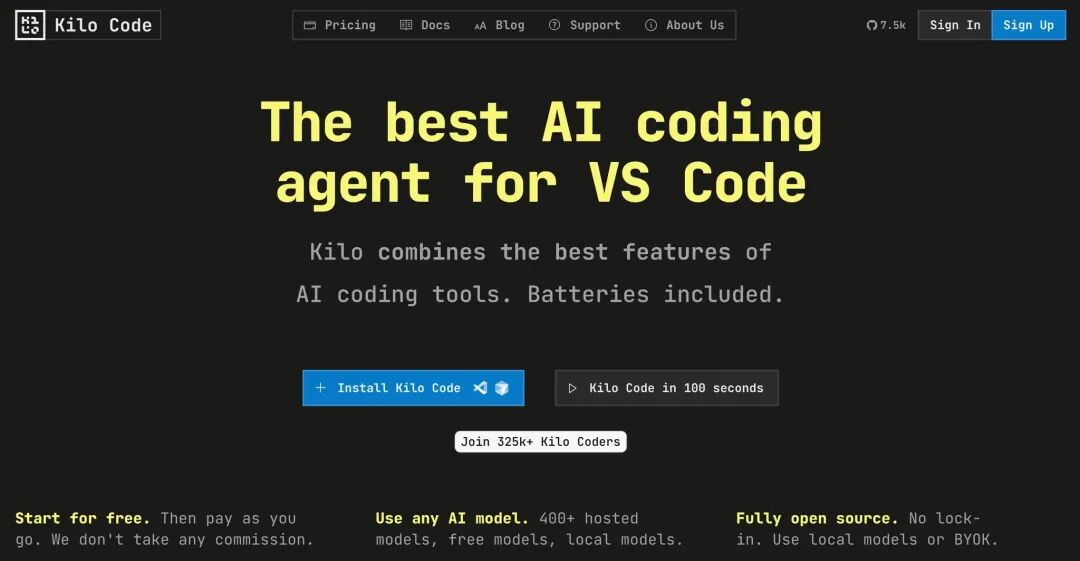
Kilo Code is run by a remote-first team centered in San Francisco and Amsterdam, founded by JP Posma and others.
One of its design philosophies: let AI take over the repetitive, tedious parts of programming.
Dependency management, bug localization, documentation updates, test case maintenance, type checking, translation file modifications — all of these can be handed off to an agent to complete automatically.
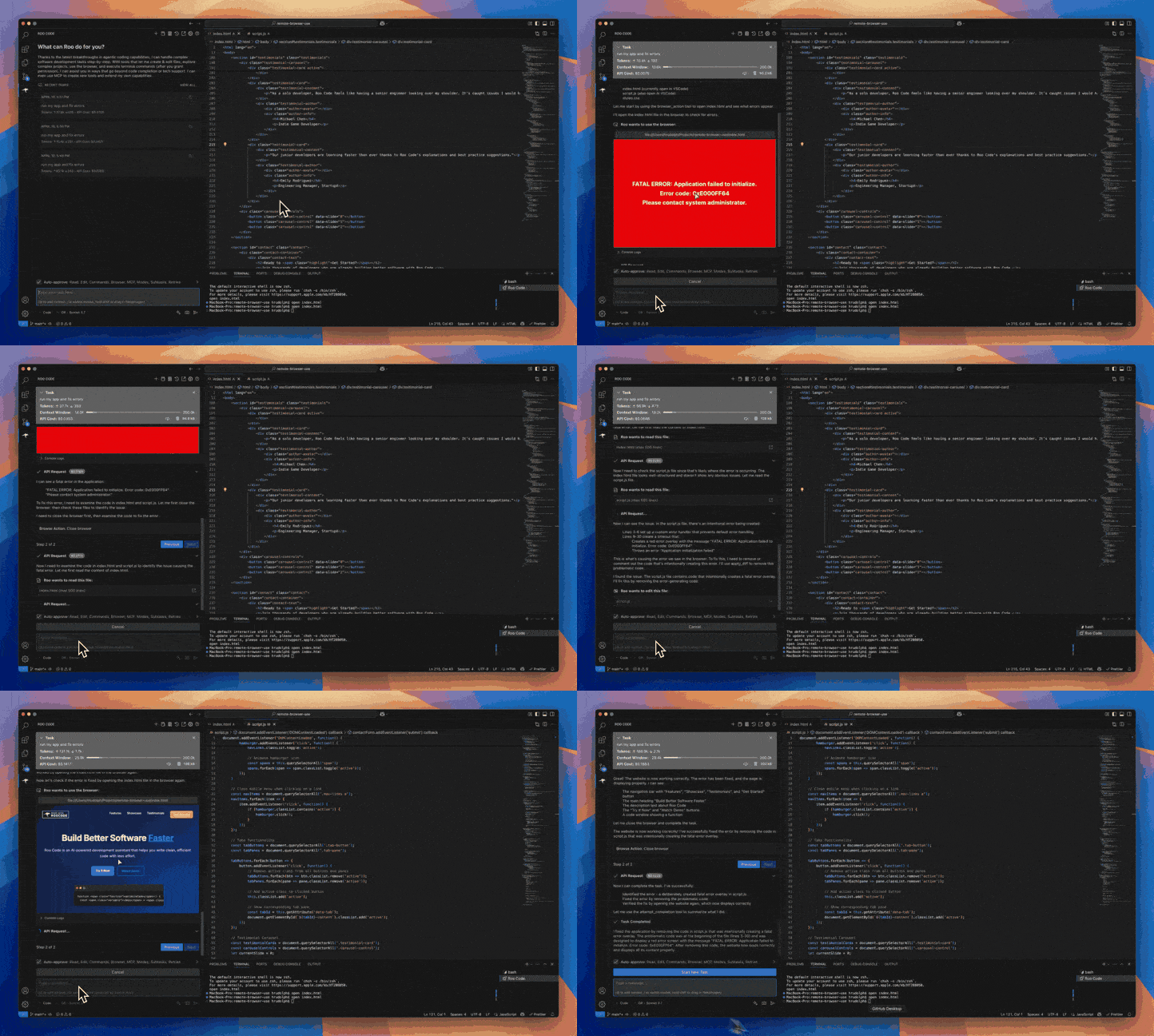
This way, developers can focus their energy on architecture design, feature implementation, and innovation — rather than getting drained by day-to-day maintenance work.
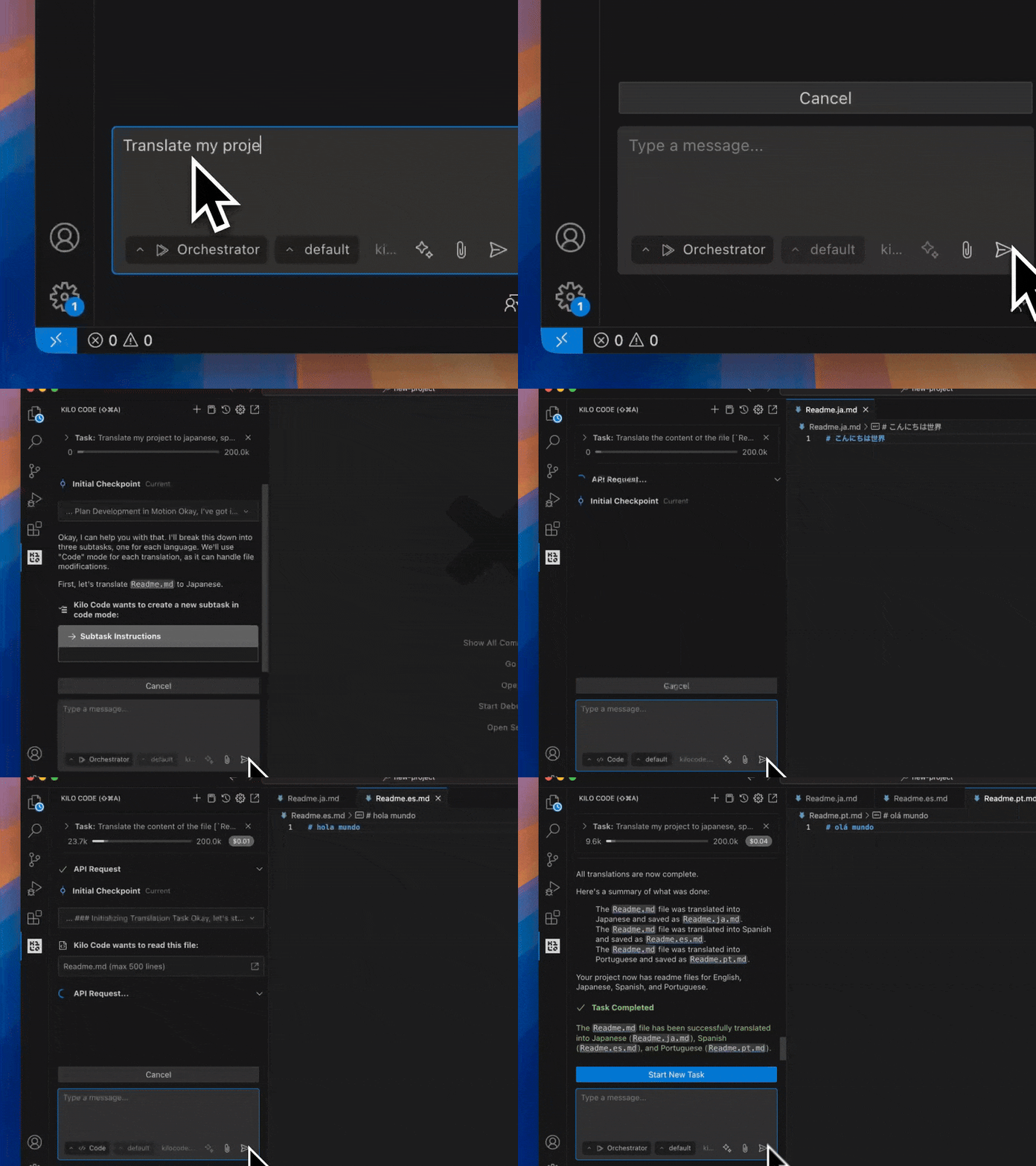
In Orchestrator mode, complex projects are automatically broken down into small, executable tasks, then assigned to different agents:
- Architect handles architecture design
- Code handles writing code
- Debug handles troubleshooting and fixes
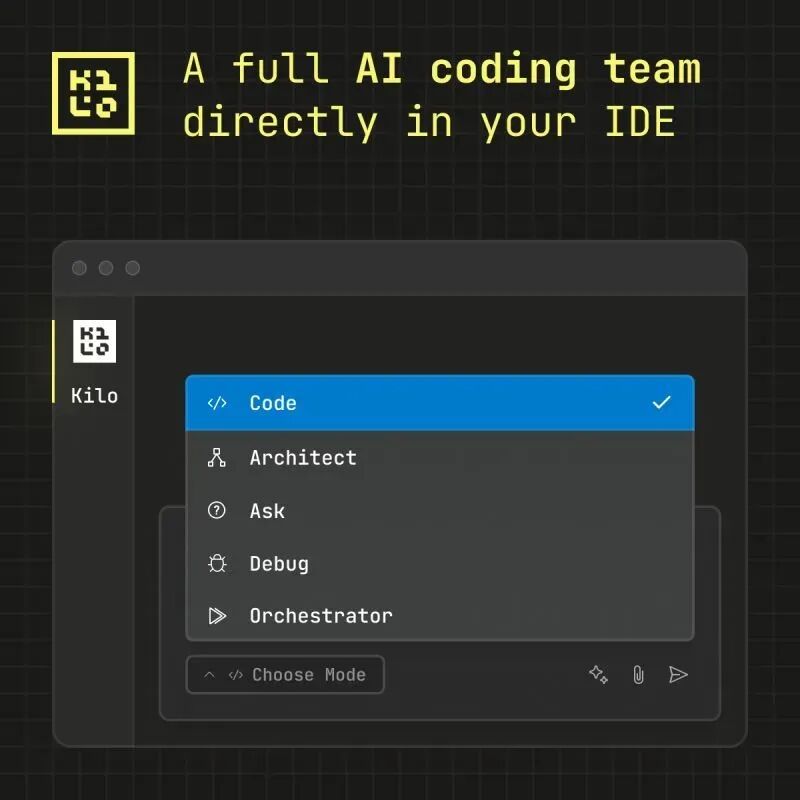
All the pieces connect like an assembly line. You just provide the vision; AI helps you make it real.
Kilo Code isn't a black-box product from a closed-source giant. It's built on and enhances open-source projects Roo Code and Cline, with its own additions.
It comes with 400+ built-in models that users can call directly — no tedious API key configuration, no worries about data being used.
For developers with existing preferences, it also supports BYOK (Bring Your Own Key) for maximum flexibility.
Through MCP, users can also add more capabilities to agents — calling external APIs, running browser tasks, or managing complex projects.
Kilo Code charges only the official model pricing with zero markup, even waiving OpenRouter's 5% platform fee, and offers $20 in free credits. The barrier to entry is essentially zero.
Currently, Kilo Code has nearly 10,000 stars on GitHub and over 290,000 VS Code installations.
User reviews generally find it superior to Cline and Roo Code in experience, and more cost-effective than Cursor.
Official site: https://kilocode.ai/
Cline
One-liner: Currently one of the most popular open-source autonomous coding agents.
Cline is an open-source AI coding agent founded by Saoud Rizwan, headquartered in San Francisco.
As of July 2025, it has raised approximately $32 million across seed and Series A rounds, led by Emergence Capital and Pace Capital, among others.
Cline's design philosophy emphasizes "autonomous but controllable": the agent breaks development tasks into multi-step plans and requests developer confirmation before executing each step.
In Plan Mode, it first explores the entire codebase and works with the developer to craft a detailed execution plan.
Before writing a single line of code, Cline already understands the project's full context, ensuring that subsequent implementation is more targeted.
The entire process is fully transparent: you can watch in real time as it reads files, weighs different implementation paths, and proposes modifications — every action requires your confirmation.
This model allows complex tasks to be automated without stripping developers of a sense of control.
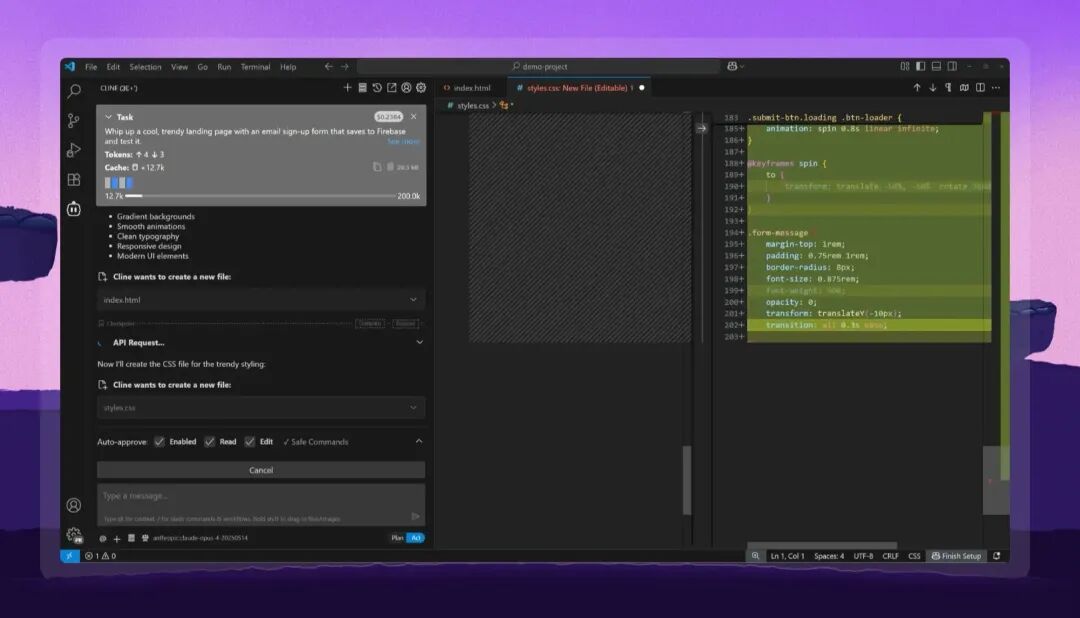
Another major strength of Cline is ecosystem compatibility. It natively supports multiple model providers including OpenRouter, Anthropic, OpenAI, and Google Gemini, and can also connect to local models (Ollama, LM Studio).
As new models are released, users can switch at any time and retain full control over their own API keys.
Some users have reported that after calling Claude 3.5 Sonnet through Cline, it can read files, run terminal commands, and check execution results on its own — a "game-changing experience."
This shows that Cline's agent capabilities can already simulate the workflow of a real engineer.
Compared to Cursor's default support for only 40 tools, Cline is more open and flexible on MCP without requiring manual toggling; but this also brings higher token consumption, so users need to weigh the costs.
Currently, Cline has surpassed 50,000 stars on GitHub, 2 million installations on VS Code, and its daily active users have exceeded one million.
Official website: https://cline.bot/
BLACKBOXAI
In one sentence: A commercial AI coding agent for consumers and enterprises

BLACKBOXAI is positioned more as a complete commercial product than a single open-source tool.
It offers both a VS Code extension and web and desktop clients.
On the browser side, Blackbox provides a web app where users can not only chat with different models but also upload images, describe requirements by voice, and even convert a design mockup directly into a web prototype.
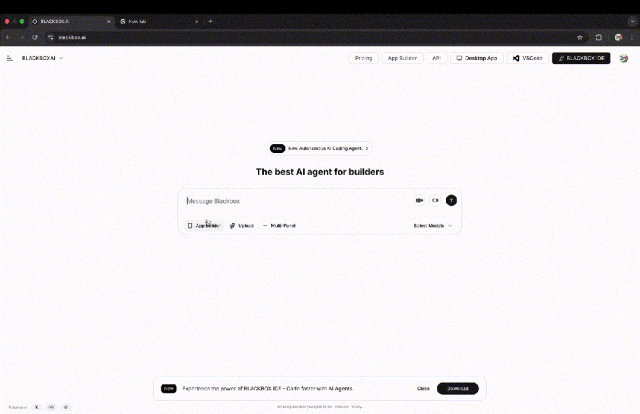
They launched Robocoder — you simply describe the application you want in natural language, and the system generates frontend interfaces and backend logic in real time, allowing iterative modifications and deployment within minutes.
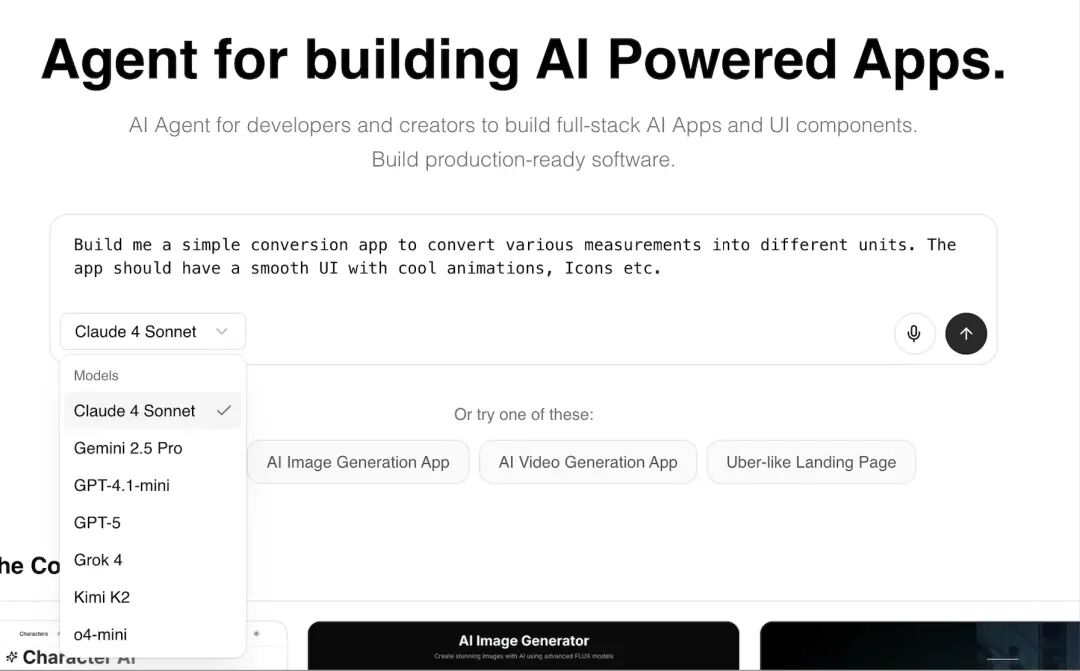
If the web app and Robocoder lean toward lightweight and fast, Blackbox's desktop client and standalone IDE target more complex engineering tasks.
It offers two modes: one with manual confirmation, where every modification requires developer approval;
the other fully automated, where the agent plans and breaks down tasks on its own, completing the entire workflow of adding modules, writing unit tests, and debugging.
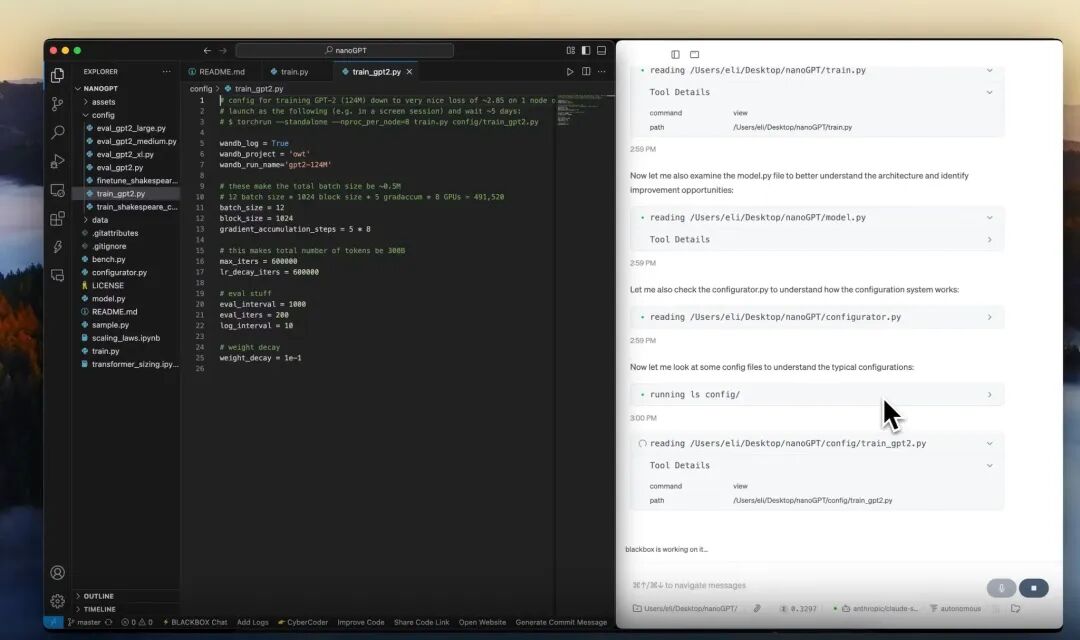
This IDE also integrates a terminal, history, live preview, and even GPU access billed by the hour to accelerate generation and inference.
Its goal is to become an "AI-native IDE" rather than patching existing tools.
Compared to the "assemble-it-yourself" experience of open-source agents, BLACKBOXAI emphasizes integration.
It provides core features like code completion, debugging, and documentation generation, lowering the barrier to entry through an intuitive interface.
Its website claims total users have exceeded ten million, with VS Code extension installations reaching over four million.
BLACKBOXAI uses a subscription model, with pricing ranging from Pro ($9.99/month) to Ultimate ($99.99/month).
Blackbox AI was founded by Richard and Roger Rizk in 2021. The team has now grown to 180 people, with annual revenue of approximately $19.8 million.
Official website: https://www.blackbox.ai/
Roo Code
In one sentence: Roo Code is an open-source VS Code extension that lets you use an AI agent to read, write, and debug code locally.
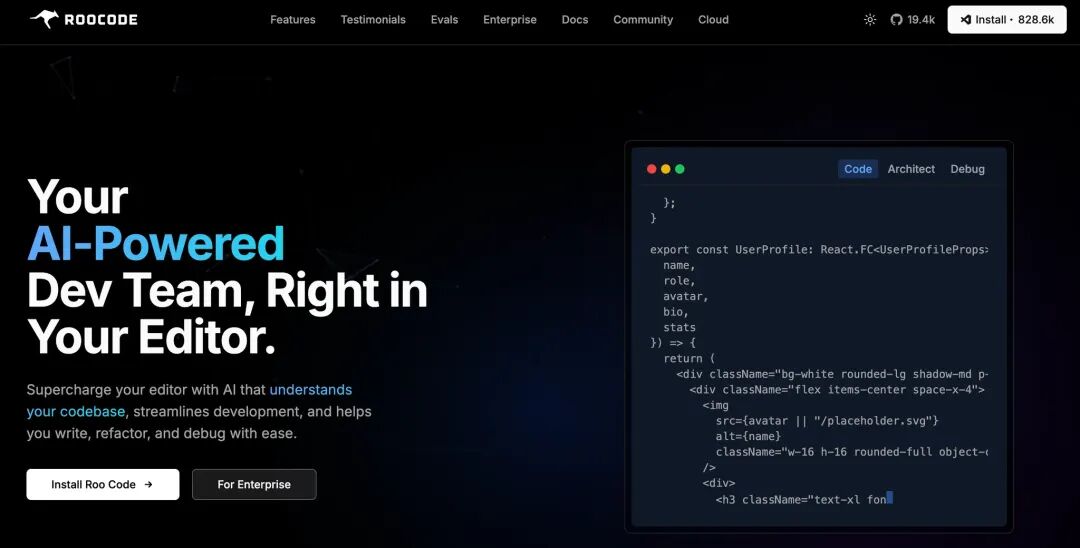
Roo Code is an open-source plugin that runs inside VS Code. It's positioned not as simple code completion but as an AI agent capable of understanding and modifying code across files, with execution abilities.
When developers use it, it feels more like having a teammate in the editor who can help debug, refactor, and test at any moment.
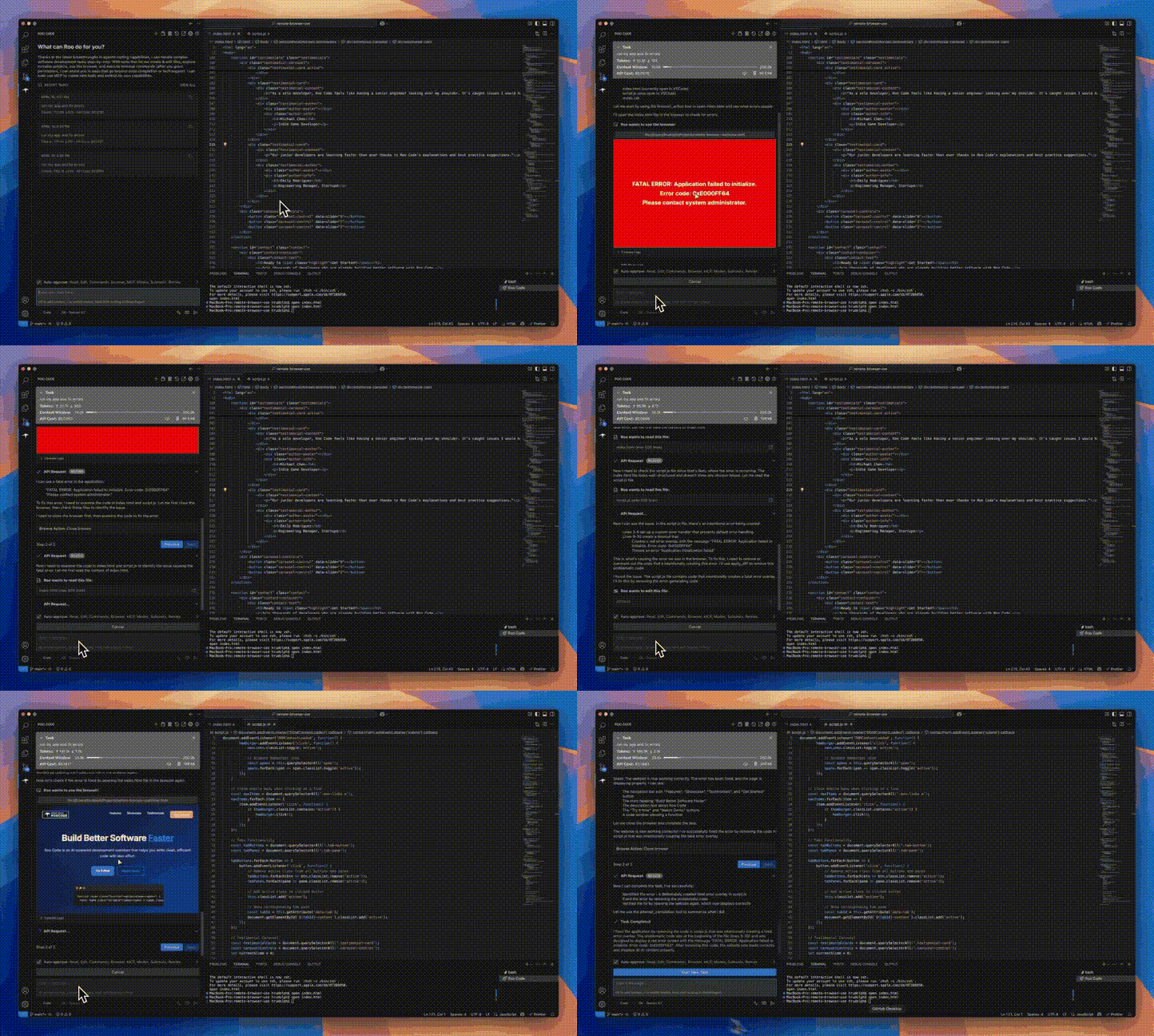
Compared to the widely known Copilot, Roo Code's core difference lies in openness and controllability.
It is fully open-source — users can freely modify the code and functionality, and connect different models according to their needs, whether OpenAI, Anthropic, Google Gemini, or locally deployed LLMs.
Roo's design emphasizes holistic understanding across files. It can not only generate functions within a single file but also simultaneously update multiple files when large-scale refactoring is needed.
It possesses certain execution capabilities, but all changes and executions go through user confirmation — developers always remain in control.
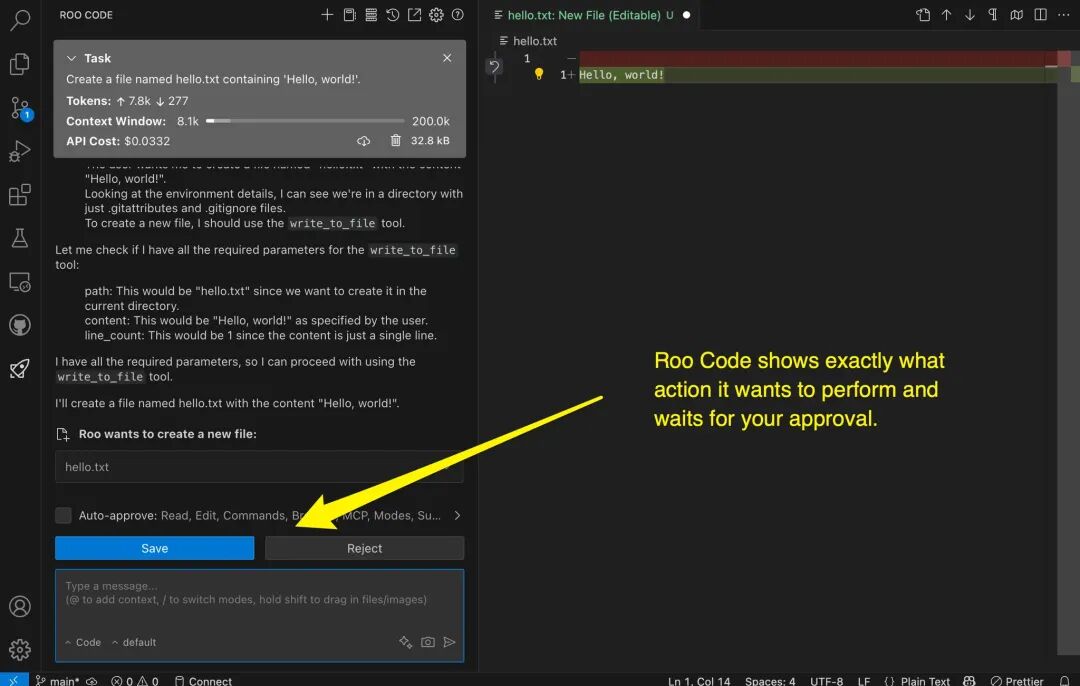
On cost and privacy, Roo Code is also notably pragmatic.
The extension itself is completely free — the only cost comes from the model APIs you call. If you use open-source or local models, there is no additional expense whatsoever.
For security-conscious teams, Roo even allows running in offline environments to safeguard code privacy.
As of August 2025, Roo Code has completed a total of $6.4 million in seed funding.
Official website: https://roocode.com/
liteLLM
In one sentence: LiteLLM is an open-source library that helps developers more easily call large language models.
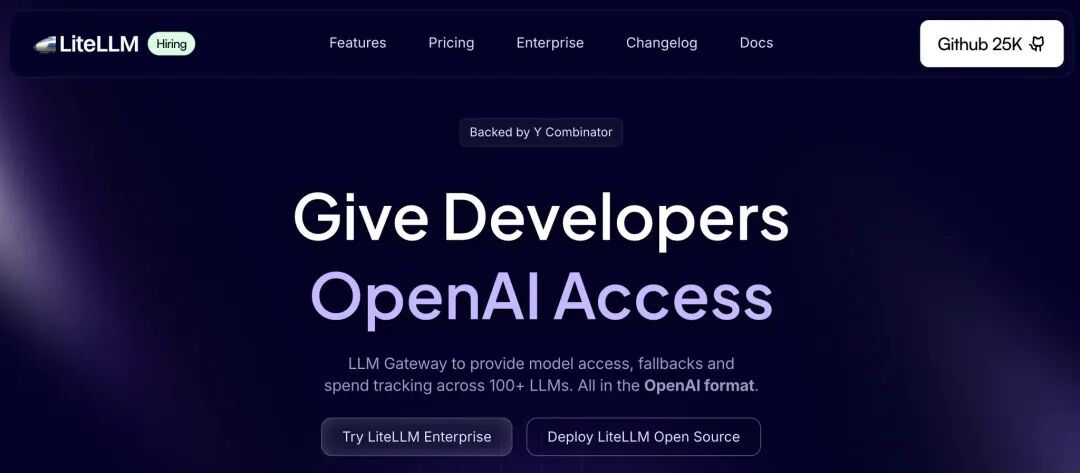
LiteLLM unifies access to over 100 models while providing cost tracking and fallback switching capabilities.
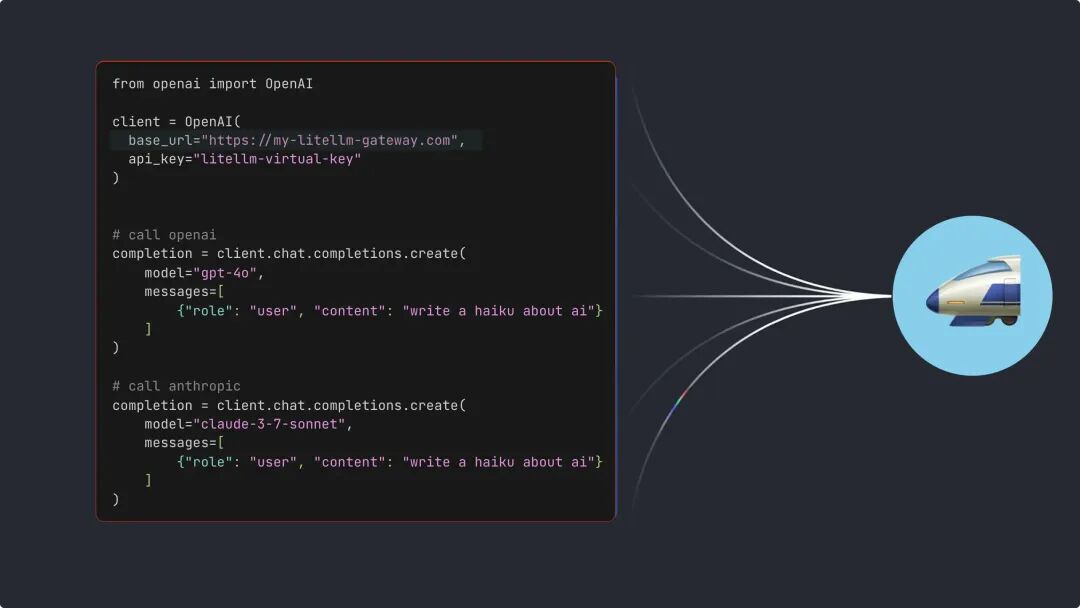
Its core philosophy is to maintain the OpenAI API format while supporting over a hundred models from different sources, including OpenAI, Anthropic, Google Gemini, AWS Bedrock, Hugging Face, and locally deployed LLMs.
Developers only need a unified calling method to freely switch between different models without worrying about the differences between each provider's API.
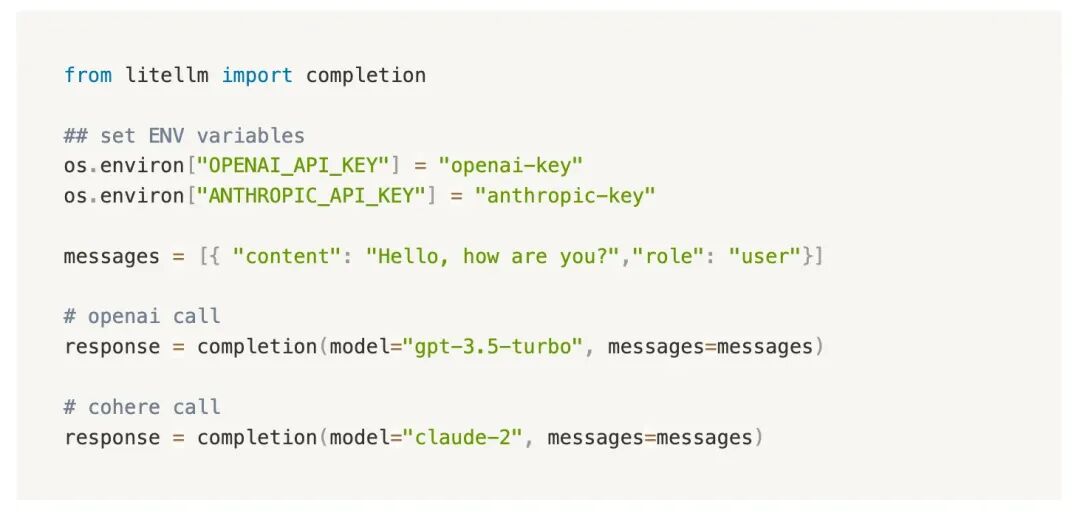
Beyond unifying the calling method, LiteLLM also solves cost management for you.
It has built-in spend tracking that automatically records how many tokens you've used and how much you've spent, and can allocate costs across different keys, users, teams, or organizations.
You can also use tags to distinguish projects, and finally write this data to storage like S3 or GCS for accounting and analysis.
On the stability front, LiteLLM also supports fallback mechanisms. At the same time, it normalizes error messages from different providers into the OpenAI format.
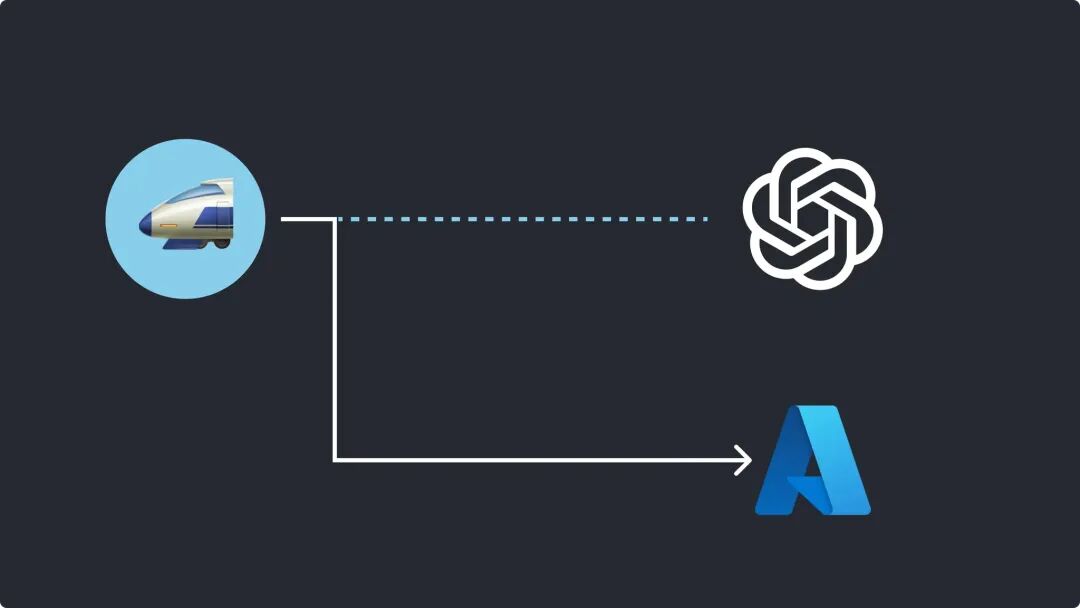
For platform teams, LiteLLM also provides a proxy that can be deployed internally as a unified LLM gateway.
This way, developers only need to integrate with a single API to access various models, while platform teams can centrally manage permissions, set rate-limiting rules, preserve logs, and even conduct compliance audits.
LiteLLM was founded by Krrish Dholakia and Ishaan Jaffer as part of Y Combinator's W23 batch. It completed its Seed round in 2025, raising approximately $1.6 million from investors including YC, Gravity Fund, and Pioneer Fund.
Official website: https://www.litellm.ai/
SillyTavern
One-liner: A local LLM frontend built for power users.

SillyTavern (hereafter "ST") doesn't handle AI generation itself — it's simply a frontend tool with an exceptionally high degree of freedom, standing out with its positioning as "tailor-made for advanced users."
It's not a service that comes with its own models, but rather a locally installed user interface that lets you seamlessly interact with text-generation LLMs, image-generation engines, and TTS (text-to-speech) models, offering comprehensive control while treating operational complexity as part of the fun.
You can start chatting immediately via AI Horde, or connect to cloud-based or locally deployed backend models such as OpenAI-compatible APIs, KoboldAI, Tabby, and others. Whether it's a cloud service or a local LLM, you can manage them all through ST's unified interface.
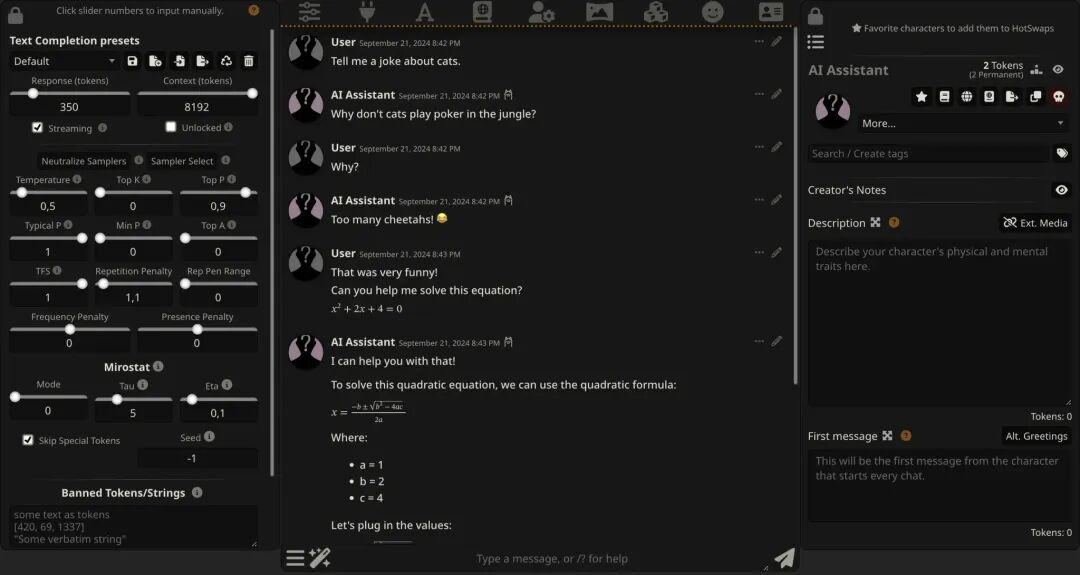
The essence of ST lies in "Character Cards." Similar to ChatGPT's "Custom GPTs" or Poe's bots, these preset dialogue styles, character identities, or behavioral patterns, making interactions with AI more coherent.
Even without selecting a character card, you can directly input content from the welcome screen and start a conversation from a blank Assistant role, then gradually customize from there.
Additionally, it supports RAG (Retrieval-Augmented Generation), allowing you to embed document references in chat; and integrates image generation capabilities (such as Stable Diffusion via Automatic1111 / ComfyUI) and web search functionality, making it well-suited for building immersive interactive scenarios.
SillyTavern is an open-source, community-driven project led by Cohee and RossAscends, with over 200 contributors to date, and has not yet raised external VC funding.
Official website: https://sillytavern.app/
ChubAI
One-liner: A GenAI platform for content creators, writing enthusiasts, and roleplay fans.

In an era where AI chat tools are increasingly ubiquitous and homogenized, Chub AI distinguishes itself as a creatively potent AI-driven character interaction platform through its high degree of "customization freedom" and "immersive experience."
It supports multiple AI models: OpenAI (including GPT-4 / Gemini), Anthropic Claude, and other paid APIs, as well as free models or Mars subscription models.
Chub AI features a rich built-in character library spanning history, literature, pop culture, and many other themes. Users can chat with pre-made AI characters.
Moreover, Chub AI imposes no content restrictions — any character and interaction can be created.

You can also design characters from scratch, with full autonomy over personality settings, backstories, and linguistic style, giving you the creative freedom of writing interactive fiction.
This "multi-character stage" approach makes chatting feel more like a real-time unfolding interactive script.
In Chub AI, you're not limited to one-on-one conversations with individual characters — you can also start group chats where multiple characters "interact" within a single thread, and create Lorebooks (background archives) for characters.
This not only leads to unexpected plot developments but also makes the entire experience more immersive.

Chub AI is currently a project driven primarily by user subscriptions / payments and organic product growth.
Official website: https://chub.ai/
HammerAI
One-liner: HammerAI is a character dialogue and story generation platform tailored for users who value freedom, privacy, and creative expression.
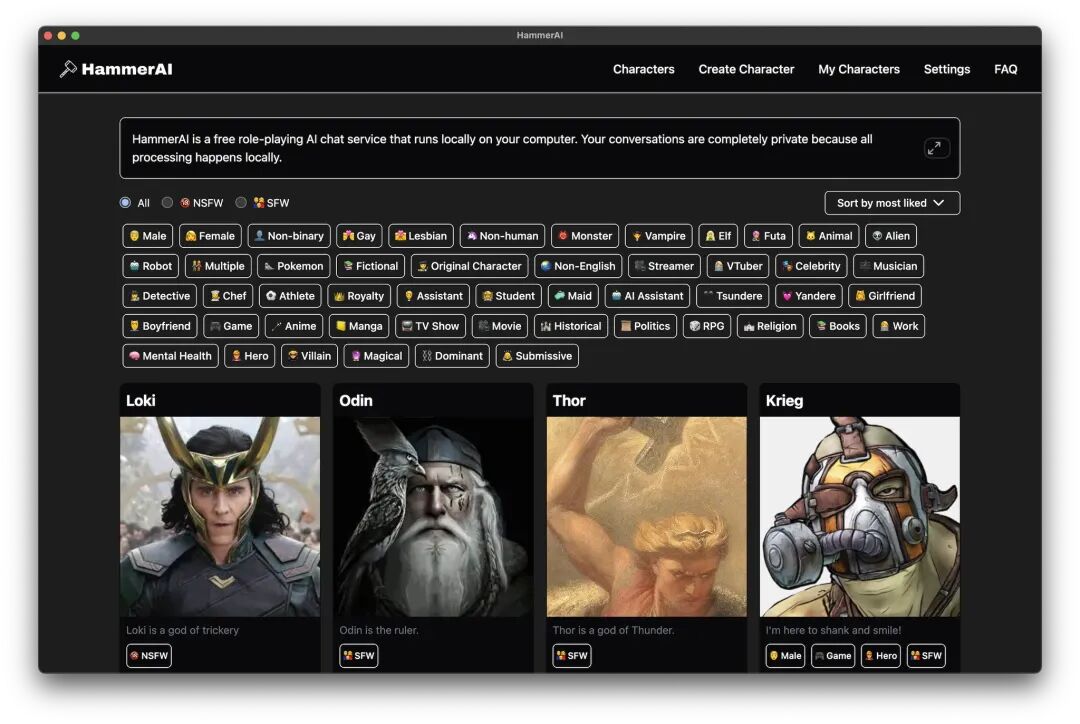
HammerAI is a richly interactive platform primarily used for chatting with AI characters, writing interactive stories, generating images, and building character background materials (Lorebooks), among other things.
You can use it from your browser or install the desktop version on your computer.
It places heavy emphasis on privacy protection: all conversations can be saved locally, or in "local mode" (desktop app + local model) can bypass the cloud entirely.
HammerAI offers unlimited chat (or broadly free chat) options, unlike certain tools that require subscriptions just to start conversations or use character features.

-
Offline use: The desktop version supports offline mode, allowing chat and story creation with local models without an internet connection.
-
No registration required: HammerAI doesn't force users to register an account, making it very friendly to those who value privacy or dislike being tied to accounts.
Many competing character chat / story generation products are purely frontend interfaces, or can only call models through the cloud.
What sets HammerAI apart is that it has Ollama built in, and automatically detects and configures your GPU — whether Nvidia, AMD, Intel, or Apple Silicon.
This means users can simply download the HammerAI desktop version and directly leverage their computer's graphics card to run local models, significantly improving inference speed while maintaining offline capability and privacy.
In other words, GPU acceleration not only brings faster generation performance but also gives HammerAI a differentiated advantage in "privacy + performance" compared to other cloud-based platforms.
Official website: https://www.hammerai.com/
Sophia's LoreBary
One-liner:
Sophia's LoreBary adds lorebook, scenario, and plugin management capabilities to tools like JanitorAI, helping users make their roleplay experiences richer and more customized.
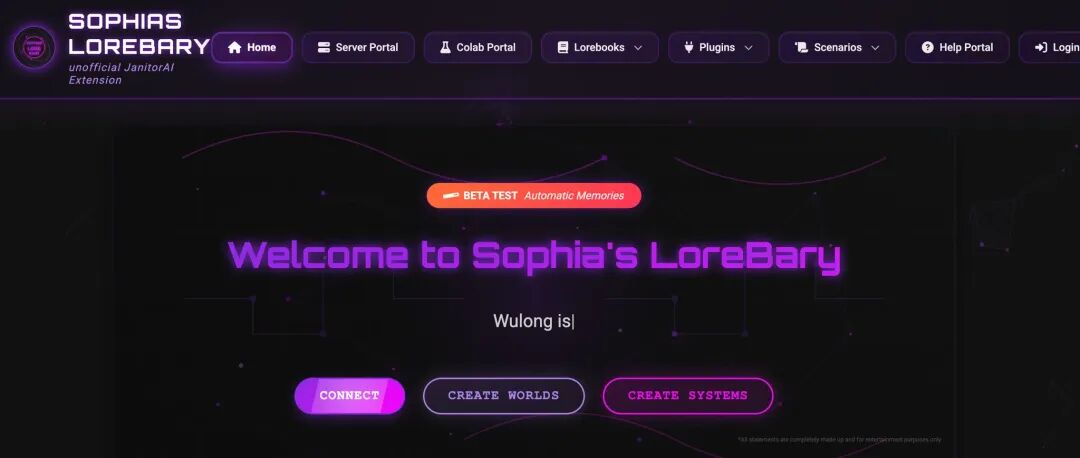
Sophia's LoreBary functions like a "support system," specifically providing extension capabilities for existing roleplay tools (especially JanitorAI), with the goal of helping users better manage character backgrounds, settings, and plot direction.
Its core lies in three dimensions: lorebooks, scenarios, and plugins.
Lorebook refers to a character's background archive. Users can write character settings, worldbuilding, historical backgrounds, and other content into it, allowing the AI to maintain these memories and contexts during dialogue.
Scenarios are specific plot scenes — you can define a story opening or interactive environment, letting characters engage in more coherent interactions within that framework.
As for plugins, they function as the system's "expansion engine": users can not only download community-contributed plugins but also generate extensions themselves through an "easy mode," adding new features or gameplay mechanics to roleplay.
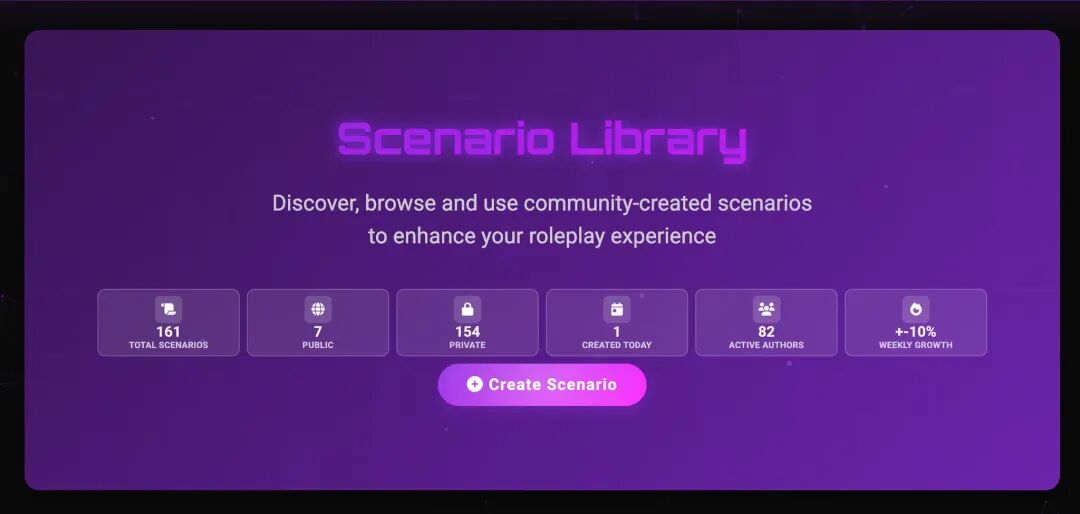
The combination of these three elements transforms character interaction from single-session chats into an immersive world with memory, narrative, and mechanics.
In terms of product form, LoreBary functions more like an "expansion pack." It doesn't provide AI model inference itself; instead, it integrates with API services like OpenRouter, letting users freely choose which LLM to use.
Meanwhile, its simple, intuitive interface makes complex setting management actually operable.
Sophia's Lorebary is an open-source/non-commercial roleplay side project led by core author Sophia and supported by community volunteers. There are currently no public fundraising records.
Official site: https://lorebary.sophiamccarty.com/
Codebuff
In one sentence: Codebuff is a command-line (CLI) tool that lets you modify and manage codebases directly in the terminal using natural language, like an engineer who understands your project structure.
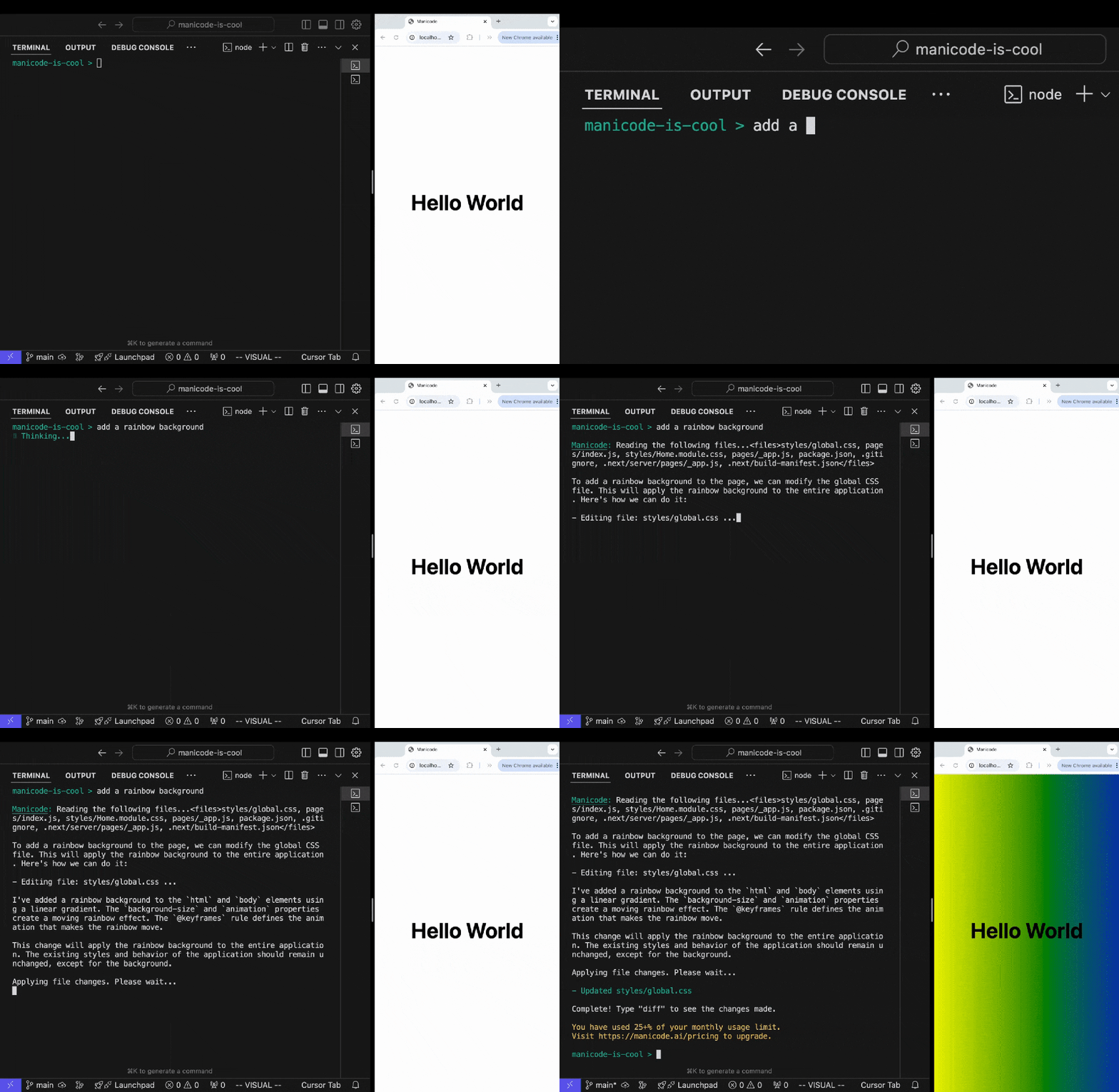
Codebuff is a terminal/CLI tool co-founded by Brandon Chen (CTO) and James Grugett (CEO), part of the Y Combinator F24 batch. Brandon Chen previously worked as an engineer at multiple YC companies, including Kuna (W14) and Virtually (S20).
With Codebuff, you can complete code modifications, execute commands, write tests, and refactor projects using natural language instructions — making "writing code" significantly more efficient.
It doesn't just offer辅助提示 or code completion; it digs into your codebase and performs actual operations.
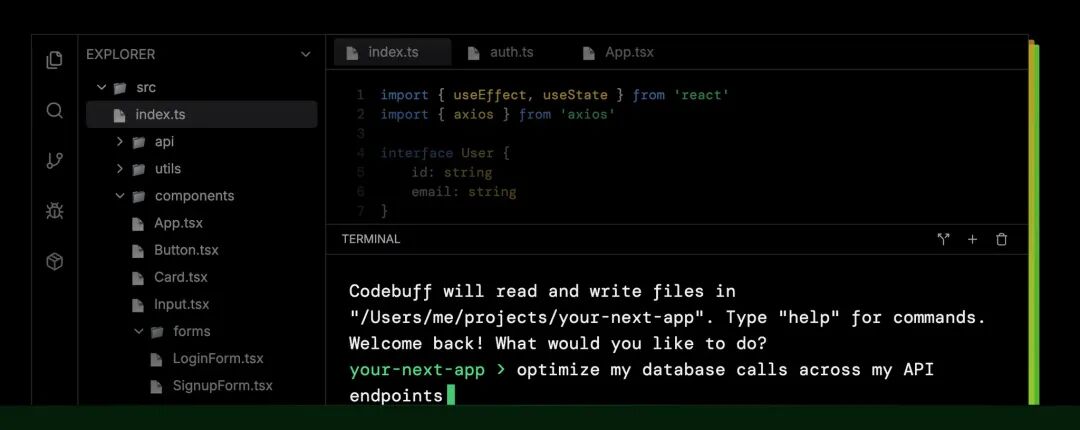
Compared to Cursor, Codebuff targets a more premium market, with subscriptions starting at $49/month.
Codebuff also features a mechanism for continuously accumulating and refining context: as you use it, the tool generates and maintains a knowledge.md file that progressively captures project rules, dependencies, code style, and common errors, referencing them in subsequent operations — effectively "learning" your project habits.
Additionally, it combines .codebuffignore configuration with log feedback to proactively exclude irrelevant files or distracting information.
Official site: https://www.codebuff.com/
We've also compiled the full Top 20 apps list. Follow Crossing and reply with the keyword "openrouter" to receive the spreadsheet.