Brands: Meaning, Symbols, Value | Code Brain Episode 10

"Forget what you're selling. Remember what you're giving."
Code Brain
Issue 10

Code Brain is a cornerstone of Source Code Capital's systematic, productized post-investment service system — a flagship offering designed to help Ma Hui entrepreneurs upgrade their thinking. At every stage, we strive to deeply understand and continuously explore founders' needs, iterating on Code Brain in real time so entrepreneurs at different phases receive a steady stream of intellectual nourishment. Our goal is to make post-investment services that genuinely "help when it counts," creating distinctive value for founders.
What exactly is the role of a brand? How do B2B companies build one? Where do B2B and B2C brands diverge and overlap? Many early-stage startups assume branding mainly serves fundraising, recruiting, and crisis management. But brand experts will tell you that beyond these, brand helps a company sort through and answer fundamental questions: "Who am I? Where did I come from? Where am I going?"
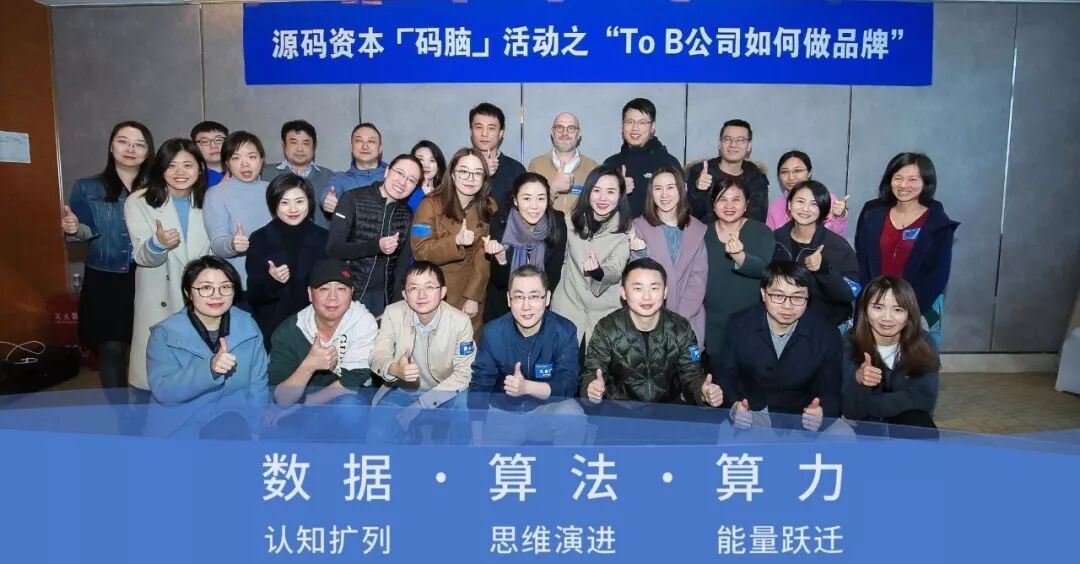
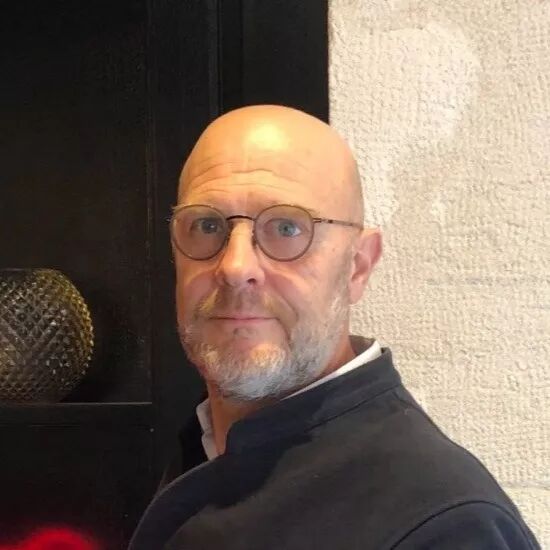
On the last weekend of March, Source Code Capital's Code Brain program invited veteran brand expert David Jobin — founder of Royalties, a Paris-based brand management and design firm, and lecturer of the brand management course at Sciences Po's School of Communication — to share his understanding of brand built over his career, along with methodologies for early-stage companies to build theirs.
Overview
1. Brand: Meaning, Symbol, Value
2. Five Typical Branding Dilemmas for Early-Stage Companies
Guest Speaker
David Jobin
David Jobin graduated from Sciences Po in 1987 with a degree in Finance and Public Affairs. He began his career at Young & Rubicam in Paris. In 1994, he joined Saatchi & Saatchi France as Strategy Director and a member of the Global Strategy Council. In 2002, he moved to Omnicom Media Group, where he helped establish Interbrand's French subsidiary and served as its CEO. In 2008, with backing from Publicis and Eurogroup, he left to co-found Royalties, a design firm focused on brand management. Since 2007, he has created and led the brand management course at Sciences Po's School of Communication.
I. Meaning, Symbol, Value
Interbrand is the world's largest comprehensive brand consultancy, publishing an annual ranking of global brand value. In this list, the top brands don't fall neatly into B2B or B2C — the strongest brands ultimately occupy a space somewhere in between.
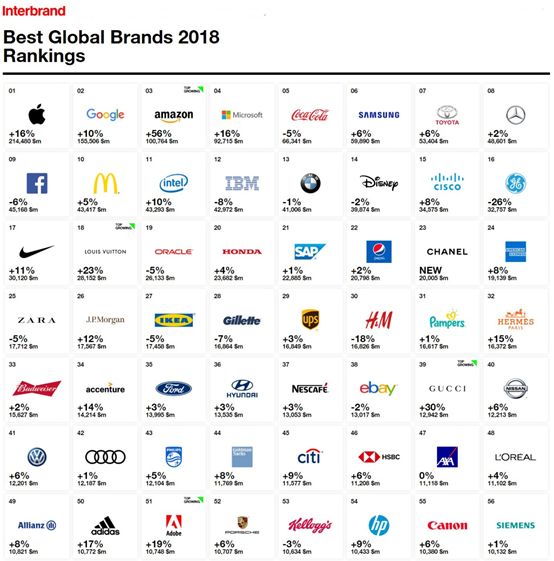
Image source: Interbrand Best Global Brands 2018
A brand comprises three dimensions: meaning, symbol, and value.
Meaning refers to a brand's core and substance. Symbol is how it presents its image and distinctive markers to the world. For value, brand builders must remember one thing: "Forget what you're selling. Remember what you're giving."
The traditional craft of threading a needle helps illustrate how these three relate: "Meaning" is the eye of the needle — the standard against which everything in brand-building is measured. Whether "symbol" or "value," whether text or visual, product structure or customer experience, everything must pass through this eye.
At the event, we used three colors of thread. White represents the company's own interpretation of its brand meaning — content that fits the "meaning" passes through the eye and weaves into various "garments" that shape the corporate brand image. Red and blue threads represent brand fans who have internalized the brand meaning, each with their own interpretation. This creates more variations of brand meaning and exponentially amplifies influence, yet all interpretations, all these threads, must still pass through the eye of "meaning."
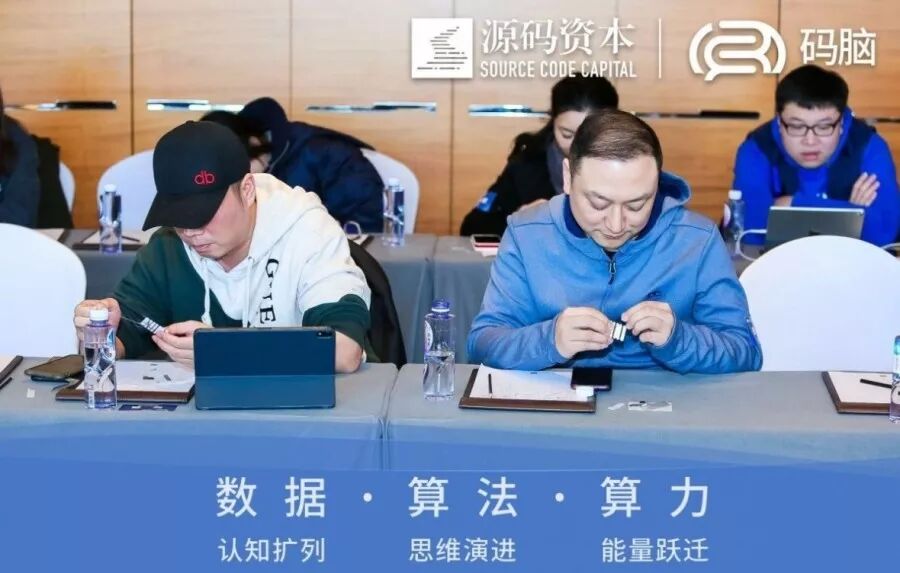
As it turns out, completing this "threading" is no easy task
Image source: Source Code Capital
1. Meaning
Finding brand meaning requires returning to its origin — your original intention when starting this business, what triggered the decision to become an entrepreneur. When preparing to build a brand, you need to revisit that initial motivation.
In summary, the methodology for finding brand meaning can be distilled as follows: find your original intention, find historical sediment, find your philosophy; or, find your connection to history and classics; form a point of view, stake out your territory; then express through different symbols — what we commonly call telling a good story.
How to find and tell your story? First, consider what historical sediment you have. Many startups say they lack history, that they're new brands — but where to find this sediment? You've surely been inspired by ancient philosophies; think about what traditions or classical references have influenced you. Second, what views do you or your team hold about society, products, consumers? Several questions can help: What moved you most when you first started this business? Why did you do it? Re-examine your original intention.
2. Symbol
A symbol is how a company's image expresses itself externally. Choose one that represents you — your company, your product, what you specifically do, or your vision for the future. A symbol must be recognizable and iconic; all great brands have distinctive symbols people can identify. Once you have a symbol, don't just use it singly — play with it, transform and reinterpret it through different elements, making it an identifier everyone can recognize. A powerful brand system is one where people still recognize the brand even with the logo covered up. The biggest problem: consumers don't actually need brands constantly creating new things; they want to recognize and identify the brands they know and love.
Additionally, protect your symbol vigorously through intellectual property rights. Coca-Cola, GUCCI, and others have spent enormous effort and money protecting theirs. Some companies overlook this work of protecting symbols, text, and identifiers when building their brands.
3. Value
Regarding brand value, the most important point to repeatedly remember and emphasize — "Forget what you're selling. Remember what you're giving." Sometimes when you buy these products, you forget their price; price doesn't stop you from purchasing. What you remember is the energy the product gives you.
Forget what you sell. Always remember what you give. Every company can find this point. In what you give, consider: what change do you bring to each person's daily life? How does what you offer transform people's lifestyles?
Finally, brand is not just logo, promotion, and communication. It starts with finding your meaning, your brand essence. The thread connecting meaning, symbol, and value — for startup brands, many wonder how long it takes to build a mature brand.
We believe that generally, a brand's image can be created in one year — within that year, you have your story, your visual expression, your value. One year to incubate and deploy your brand, to get the plane off the ground. But truly harvesting brand value takes seven years. Brand maturity means the brand generates genuine economic value; after seven years, the brand iterates and upgrades again. This is the average time to build, deploy, and mature a brand.
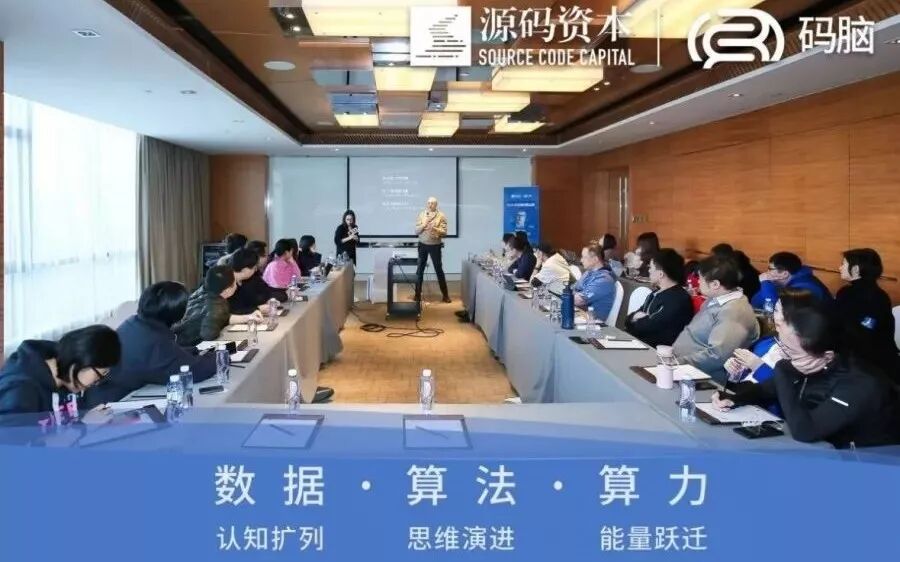
Image source: Source Code Capital
II. Five Typical Branding Dilemmas for Early-Stage Companies
Q1: It takes one year to establish a brand but seven to reap its benefits. How do you judge whether your direction is correct during this process? How do you examine whether your branding actions are on the right track?
David: Think clearly about your desired direction from the start. Once direction is set, you'll know what feedback to seek and by what standard. No brand can be loved by everyone; brand positioning must target a specific audience, which may be small or large.
In the first year after brand deployment, companies can already try judging direction from three angles: First, are you recruiting the talent you want? Does it match your brand temperament? Second, industry feedback — how do competitors and industry experts view your brand? Here we're not talking economic value, but reputation and strength. Third, has the viewpoint you want to express successfully reached your target audience? Have they heard your voice? The key is: we don't need to worry about everyone's opinion. What matters is whether the target audience — the specific group your brand targets — has received your brand message, and their degree of acceptance.
Q2: We want to build a brand but don't have much budget for it. Is it possible to build an influential brand without spending money?
David: Brainstorming costs nothing. Some things don't need to be outsourced — outsourcing may not understand you as well as you understand yourself. What I'm sharing today is free. What is your meaning? What is your point of view? What is your territory? From this perspective, what symbol do you want to represent you? What do you want as your identifier, your mark? Regarding value, what is your signature product? What everyday use does it bring? How does it change your lifestyle? Like a form, we fill it out item by item, creating your own territories and stories.
Also, brand ROI depends on whether you consider brand important. For example, buying a house or car is also investment. Coca-Cola says: this bottle of Coca-Cola — half is product value, the other half is intangible assets, the brand.
Q3: In the process of building a brand, how should organizational structure be constructed? Or what is the ideal organizational structure? What pitfalls should be avoided?
David: We've worked in Europe for over a decade, with clients from the US, Europe, and China. In the past 20–30 years, you'd see the so-called CMO in charge of brand, then later the COO doing this. Now increasingly there's a dedicated CBO (Chief Brand Officer). In Europe this is also quite new — often the Chief Marketing Officer still leads this, often with the Brand Director under the Marketing Director. Increasingly, Brand Director and Marketing Director are parallel. But when the Brand Director organizes this, they can become a kind of working group, connecting everything together — linking the Marketing Director, Operating Director into a working group, while also working with the CEO and board on brand.
Q4: Our company originally targeted B2B enterprises, but will gradually integrate B2B and B2C. Once the brand is established, our business has been constantly evolving these past few years — clients who understood us three ago now see our service scope has changed dramatically. What should we do about brand building?
David: Nike started as a sneaker company. Gradually it came to represent a territory, becoming a spiritual force. Nike successfully reached a state where brand communication moved from top-down to fans internalizing the brand spirit and initiating their own actions. Nike advocates challenging oneself; audiences get inspired and spontaneously interpret Nike's spirit, putting it into practice in their lives — everyone can become an athlete. Once a brand reaches this state, its influence multiplies exponentially.
If one day you already have your own brand territory and have successfully triggered fan action, then even if your products change, as long as they still align with your brand spirit and meaning, no one will question your products and brand. This story can thread through products, territory, and fan action — just like Nike. Wearing Nike shoes to run challenges the self; wearing Nike clothes also challenges the self.
When we often establish brand story positioning and tell stories, we tend toward functional positioning — wanting to be a leader in such-and-such industry. If you start with functional positioning, it will constrain your later development possibilities.
Seek spiritual positioning as much as possible — what spirit you represent. Disney represents the pursuit of dreams, fantasy, the creation of happiness. Nike is self-challenge. Coca-Cola — happiness, cultivating happiness for everyone. So find spiritual attributes, not functional ones. Such positioning lets you go further and enables continuous product extension.
Q5: What are the evaluation criteria for finding a good brand officer? How do you find such a person? Or if someone wants to become a good brand officer, what is the general growth path?
David: Two key points: First, strong logical structuring and analogical reasoning abilities. Brand building requires both divergent thinking and very strong logical structuring. Second, creativity or creative power. The best brand officers have some strategic background plus some design or artistic foundation — people with both these qualities can become excellent brand officers.

More Code Brain Content
Issue 9: Stoking the Fundraising Fire
Issue 8: Digging for Gold in India — Battle-Tested Insights
Issue 7: How to Design Mini Program Virality — Acquiring Users at Low Cost
Issue 6: How to Use Douyin for Customer Acquisition?