What Potholes We Hit in Three Years of Entrepreneurship | 2017 Ma Hui
**"You don't realize you're in a pit until you actually step into it — you only know once you've gone in and experienced it yourself."**
**"You don't realize you're in a pit until you actually step into it — you only know once you've gone in and experienced it yourself."**
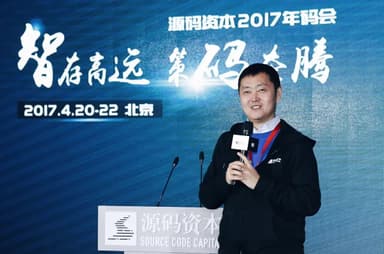
On April 22, Jingbo Wang, Chairwoman and CEO of Wealth, shared with senior and junior members of Source Code Capital's 2017 "Ma Hui" gathering on how to survive the "three-year cocoon-breaking period" in entrepreneurship.
Compared to most entrepreneurs, Qin Zhi was lucky — he personally led a startup to a successful Nasdaq listing. He was also unlucky — forced out after a power struggle with the controlling shareholder. These dramatic ups and downs gave him a depth of experience and reflection on people and situations that few others possess.
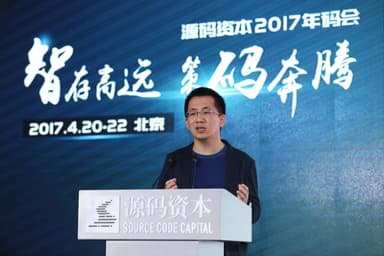
At Source Code Capital's 2017 Code Conference, Zuo Hui, chairman of Lianjia, shared the company's perspective and understanding of the real estate industry.
"Context, not Control"
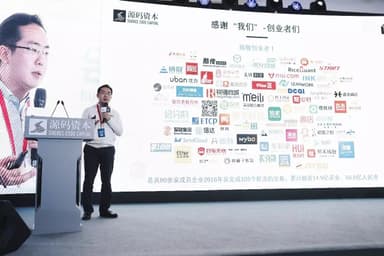
Source Code Capital founder Yi Cao announced at today's "Ma Hui" opening ceremony the successful close of the firm's third fund: the final close of a $260 million Fund III USD vehicle and the first close of a 1.5 billion RMB Fund III RMB vehicle.
Hosted by ChinaVenture and co-organized by ChinaVenture, the 11th "China Investment Annual Conference" was held in Shanghai, where the 2016 "ChinaVenture Annual Rankings" were ceremoniously announced. Source Code Capital received multiple prestigious awards, including "Top 100 Best VC Firms in China" in the 2016 ChinaVenture Annual Rankings, "Top 50 Best Foreign VC Firms in China" in the 2016 VC sub-rankings, and "China's Best..." in the 2016 industry rankings for science and technology.
On March 28, Yongqianbao announced the completion of its Series C funding round. This round was led by BRIC Capital and CICC Alpha; Guoke Jiahe, Source Code Capital, Sinovation Ventures, Guangxin Capital, and other institutions also participated.
On March 20, Cijinrong — a supply-chain finance company that had been operating for seven months — announced the completion of its Series A funding round, raising RMB 65 million led by Source Code Capital, with Matrix Partners China and Yunqi Capital making additional investments.
According to Zero One Finance's *2016 China Consumer Finance Annual Development Report*, P2P consumer finance assets reached 99.1 billion yuan in 2016, up 90.9% year-over-year, with conservative estimates projecting 200 billion yuan for 2017. Consumer finance asset-backed securitization also accelerated: in 2016, 51 consumer finance ABS products were issued for a total of 93.632 billion yuan — 6.76 times the 2015 figure.